
Discothyrea turtoni
- Sci. Name
- Discothyrea turtoni
- Tribe
- Proceratiini
- Subfamily
- Proceratiinae
- Author
- Clark, 1934
- Distribution
- Found in 1 countries
Introduction
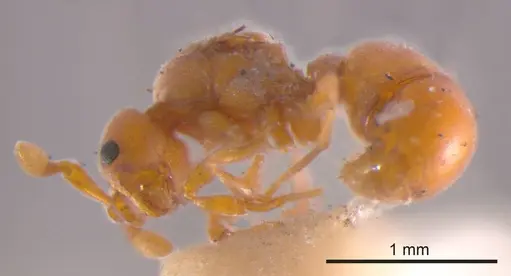
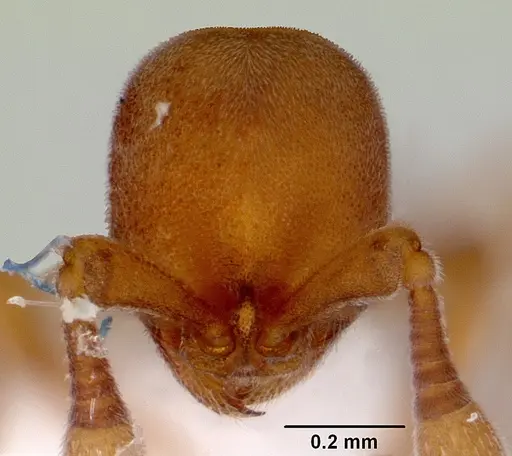
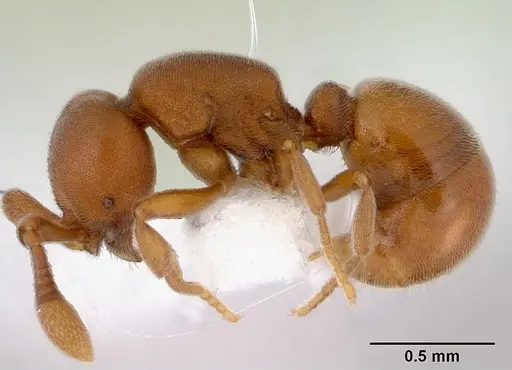
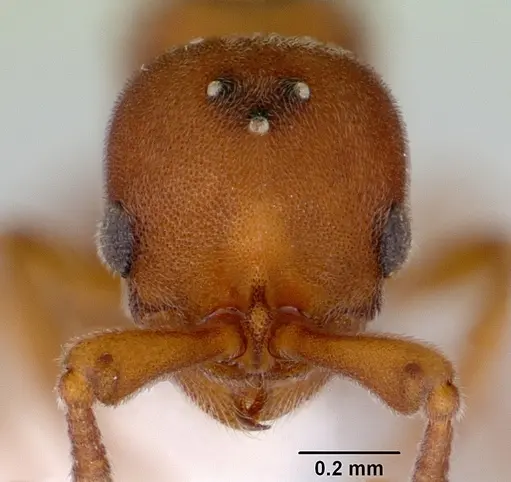
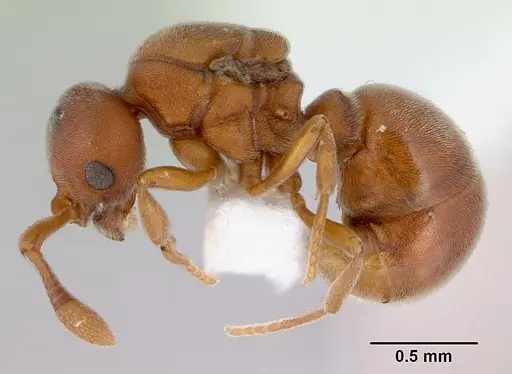
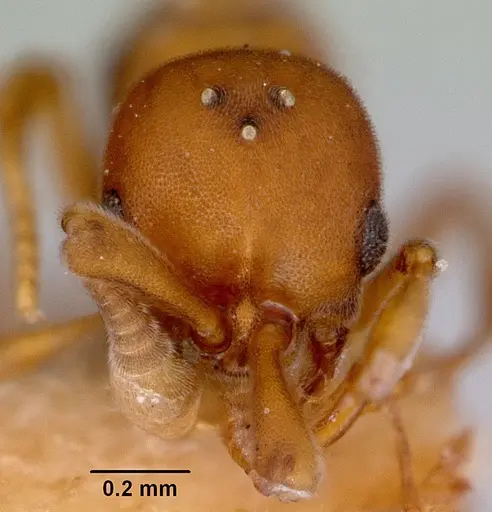
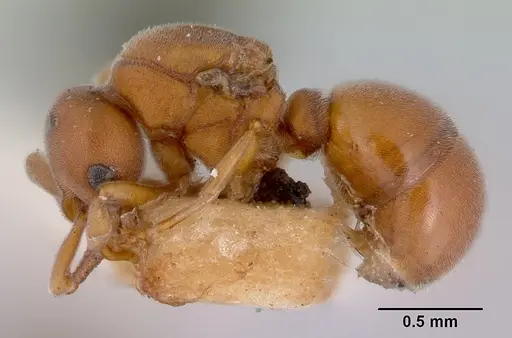
Discothyrea turtoni is a tiny ant species native to Australia, belonging to the subfamily Proceratiinae. Workers are among the smallest ants in Australia. They have the characteristic Discothyrea appearance: a compact body with a distinctive, somewhat flattened head and a relatively large abdomen. This species was originally described from the Otway Ranges in Victoria and has been recorded in southwestern Australia near Dwellingup . Colonies are small, typically containing only a few dozen workers. These ants are secretive nesters, preferring dark, humid microhabitats like soil cavities and under stones in forested areas.
Quick Summary
- Difficulty: Medium
- Origin & Habitat: Australia (Victoria and southwestern regions). Found in forested areas, particularly in damp, shaded microhabitats under stones and in soil cavities [1][2].
- Colony Type: Unconfirmed. The type series was collected from two very small nests, but colony structure has not been studied.
- Size & Growth:
- Queen: size data unavailable, inferred from Discothyrea genus (~3-4mm)
- Worker: size data unavailable, inferred from Discothyrea genus (~2-3mm)
- Colony: Small colonies, likely under 100 workers based on typical genus behavior and the small nest sizes documented
- Growth: Slow
- Development: Unknown (Development time has not been studied for this species.)
- Antkeeping:
- Temperature: Keep around 22-26°C. Being an Australian species from temperate Victoria, they prefer moderate warmth rather than tropical heat. A slight temperature gradient allows workers to self-regulate.
- Humidity: High humidity is essential. These ants naturally live in damp forest floor microhabitats. Keep the nest substrate consistently moist but not waterlogged. Provide a humid outworld area.
- Diapause: Unknown, Australian temperate species may benefit from a winter rest period, but specific requirements are unstudied.
- Nesting: Small, tight chambers work best. In nature they nest under stones and in soil cavities. In captivity, a small test tube setup or Y-tong nest with narrow passages suits their tiny size. They prefer dark conditions.
- Behavior: Very secretive and non-aggressive. Workers are small and slow-moving. They are predatory, hunting spider eggs and other tiny arthropods. Escape prevention is critical due to their tiny size, they can squeeze through remarkably small gaps. They are not known to sting and pose no danger to keepers.
- Common Issues: escape prevention is critical due to their tiny size, use fine mesh and tight-fitting lids, small colony size means losses are devastating, avoid disturbing the nest frequently, high humidity requirements can lead to mold problems if ventilation is poor, slow growth tests keeper patience, resist overfeeding to prevent pest infestations, wild-caught colonies may be difficult to establish due to unknown founding conditions
Nest Preferences and Housing
Discothyrea turtoni is a tiny, secretive ant that requires carefully scaled housing. In the wild, they nest under stones and in small soil cavities in forested areas, preferring dark, humid microhabitats. For captivity, a small test tube setup works well for founding colonies, use a narrow tube with a cotton plug water reservoir. Once the colony grows, a small Y-tong nest with tight chambers scaled to their tiny size is ideal. Avoid large, open spaces that would make them feel exposed. They prefer darkness, so cover the nest sides with a dark sleeve or place it in a shaded area. The key is providing small, humid chambers that mimic the protected microenvironments they naturally select. [1][2]
Feeding and Diet
As with other Discothyrea species, D. turtoni is predatory, likely hunting tiny arthropods in nature. Their primary food in captivity should be small live prey: springtails, booklice (psocids), and tiny fruit flies are ideal. They are too small to tackle larger insects. Some colonies may accept small pieces of mealworm or other soft-bodied insects, but live prey is preferred. Sugar sources are not typically accepted by this genus, they are specialized predators. Feed small amounts of live prey 2-3 times per week, removing any uneaten prey after 24 hours to prevent mold. A constant water source (via damp cotton or gel) is essential.
Temperature and Seasonal Care
Being from temperate Australia (Victoria), Discothyrea turtoni prefers moderate temperatures around 22-26°C. Avoid tropical heat, they are not a warm-climate species. Room temperature in most homes is often suitable, but you may need a small heating cable on one side of the nest during cooler months to maintain optimal range. During winter (roughly June-August in the southern hemisphere), they may benefit from a diapause period: reduce temperature to 15-18°C and reduce feeding frequency. This mimics their natural seasonal cycle and helps maintain colony health long-term. Do not cool them dramatically, a gentle reduction is sufficient. [1]
Behavior and Temperament
These are extremely docile, secretive ants. Workers are small, slow-moving, and not aggressive. They pose no sting threat to keepers. Their colonies remain small (typically under 100 workers), so you won't see the dramatic foraging swarms common in larger ant species. The main behavioral concern is escape, their tiny size allows them to squeeze through gaps you wouldn't expect. Excellent escape prevention is mandatory: use fine mesh on all openings, apply fluon barrier bands, and ensure all connections are tight. They are not colony-founding queens that fly away, but workers will readily explore and escape if given the chance. [2]
Colony Establishment and Growth
Establishing a colony of Discothyrea turtoni requires patience. If you obtain a queen, she will seal herself in a small chamber and raise the first workers alone on her stored fat reserves. The founding process may take several months. First workers (nanitics) will be very small. Growth is slow, expect many months to reach even 20-30 workers. Do not disturb the founding chamber during this time. Once workers are established, growth remains gradual. The small colony size means you should avoid frequent nest inspections that could stress the colony. Success with this species is measured in years, not months.
Frequently Asked Questions
How long does it take for Discothyrea turtoni to produce first workers?
Unknown. Development time has not been studied for this species. Expect several months for a founding colony to produce first workers.
Can I keep multiple Discothyrea turtoni queens together?
Not recommended. While colony structure is not directly studied for this species, Discothyrea species are typically single-queen. Combining unrelated queens typically leads to fighting and colony failure.
What do Discothyrea turtoni ants eat?
They are predatory ants. Feed small live prey like springtails, booklice, and tiny fruit flies. They are too small to tackle larger insects. Sugar sources are generally not accepted, they are specialized micro-predators.
Do Discothyrea turtoni ants sting?
No. These tiny ants are completely harmless to keepers. They have no sting and pose no danger. Their main defense is staying hidden and avoiding confrontation.
Are Discothyrea turtoni good for beginners?
Not ideal for beginners. Their tiny size makes escape prevention challenging, they require high humidity, and their slow growth and small colonies can be underwhelming. They are better suited for keepers with some experience who appreciate their unique behavior.
What temperature do Discothyrea turtoni need?
Keep them at 22-26°C. They prefer moderate warmth, not tropical heat. A small heating cable on part of the nest can help maintain temperature during cooler periods.
Do Discothyrea turtoni need hibernation?
Unknown. As an Australian temperate species, they may benefit from a winter rest period, but specific requirements are unstudied. A gentle temperature reduction during winter months may be beneficial.
Why are my Discothyrea turtoni escaping?
Their tiny size allows them to squeeze through remarkably small gaps. Use fine mesh (0.5mm or smaller), apply fluon barriers to all surfaces, and check all connections and lids for gaps. Even a tiny crack is an escape route for these ants.
When should I move Discothyrea turtoni to a formicarium?
Wait until the colony has at least 20-30 workers and the test tube is becoming crowded. Discothyrea prefer tight spaces, so don't upgrade too soon. A small Y-tong nest with narrow chambers works well.
How big do Discothyrea turtoni colonies get?
Small, likely under 100 workers even at maturity. This is typical for the genus. Don't expect large, impressive colonies. Success is measured by maintaining a healthy, slowly growing colony over many years.
Report an Issue
The current care sheet is based fully on literature. See inconsistencies, or something that's incorrect? Please , it will be resolved after review from an admin. Contributing to the blogs tab also helps providing information, to make us be able to further improve the caresheets. Thank you for your support!
References

This caresheet is licensed under CC BY-SA 4.0 .
Community Blogs
ANTWEB1008165
View on AntWeb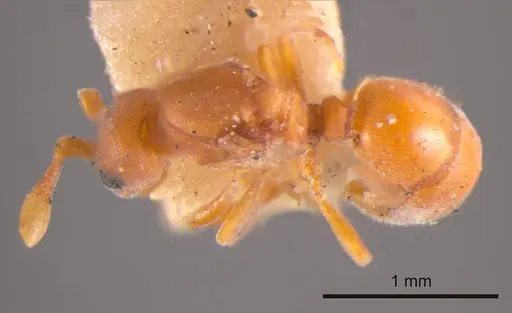
CASENT0172090
View on AntWeb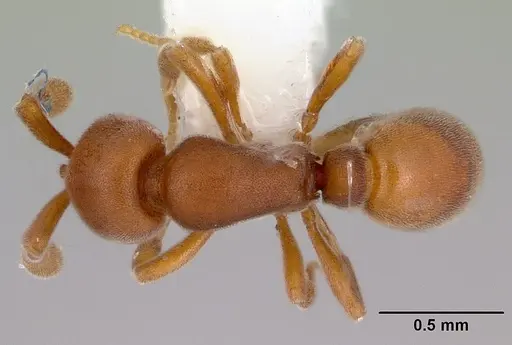
CASENT0172091
View on AntWeb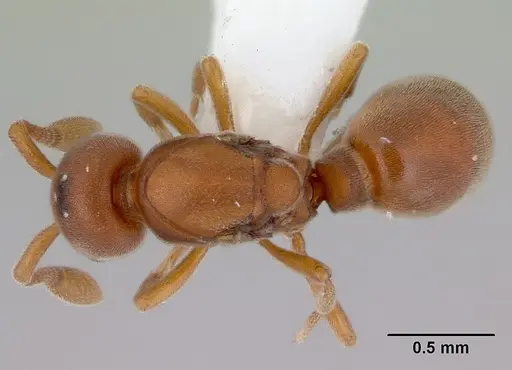
CASENT0172092
View on AntWeb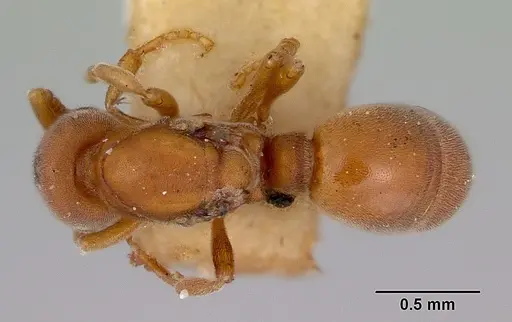
Literature
Loading distribution map...Loading products...