
Discothyrea bryanti
- Sci. Name
- Discothyrea bryanti
- Tribe
- Proceratiini
- Subfamily
- Proceratiinae
- Author
- Wheeler, 1917
- Distribution
- Found in 2 countries
Introduction
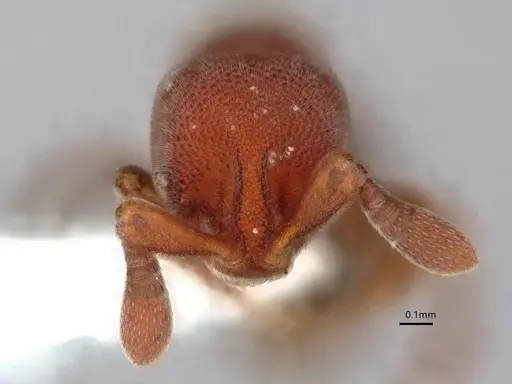
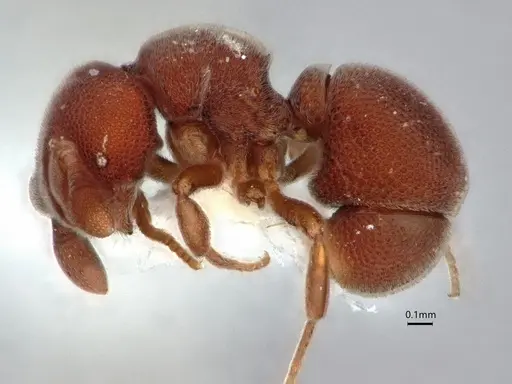
Discothyrea bryanti is a tiny predatory ant species native to Southeast Asia, found across Malaysia, the Philippines, Singapore, Indonesia (Java), and China's Hainan Island [AntWiki]. Workers measure approximately 3.1mm in total length and possess distinctive 10-segmented antennae, with frontal carinae extending about two-thirds back from the front of the head . The genus Discothyrea is known for their unusual morphology, including a transversely depressed petiolar node visible from above and a crenulate (slightly notched) anterior clypeal margin . These ants are rarely encountered due to their tiny size and cryptic habits. The genus Discothyrea contains small predatory ants that typically hunt other ant species and their brood. This particular species remains poorly studied in the wild, with most records coming from the Indomalayan region. Their small size and specialized predatory lifestyle make them a challenging species for experienced antkeepers.
Quick Summary
- Difficulty: Expert
- Origin & Habitat: Southeast Asia, Malaysia, Philippines, Singapore, Indonesia (Java), and China's Hainan Island [1][2][3]. Found in tropical forest environments, typically in humid, shaded microhabitats.
- Colony Type: Unknown colony structure, the species has not been studied in detail.
- Size & Growth:
- Queen: Unconfirmed, no documented queen measurements for this species.
- Worker: Approximately 3.1mm total length [1].
- Colony: Unknown, no colony size data exists.
- Growth: Unknown, no development data exists for this species.
- Development: Unconfirmed, no direct measurements exist. (Development timeline is entirely unstudied for this species.)
- Antkeeping:
- Temperature: Likely requires warm conditions similar to their tropical habitat. Start around 25-28°C and observe colony activity.
- Humidity: Requires high humidity, keep nest substrate consistently moist but not waterlogged. Provide a water tube as a humidity source.
- Diapause: Unlikely, as a tropical species, they probably do not require a diapause period.
- Nesting: In captivity, they do well in small, tight chambers scaled to their tiny size. Y-tong (AAC) nests or small formicaria work well. Provide moist substrate to maintain humidity. Avoid tall, open spaces.
- Behavior: Very little is known about their specific behavior. Like other Discothyrea species, they are likely predatory on other ants and small arthropods. Their tiny size makes them vulnerable, so they probably nest in concealed locations. Escape prevention is critical due to their very small size, they can squeeze through the tiniest gaps. Use fine mesh and ensure all connections are sealed.
- Common Issues: escape prevention is critical, their tiny 3mm size means they can squeeze through gaps invisible to the naked eye., no established care guidelines exist, this species is extremely rare in captivity., humidity management is challenging, they need damp conditions but mold can quickly colonize small nests., predatory diet requirements are difficult, they need live prey which is hard to provide reliably., lack of information makes troubleshooting difficult, when problems arise, there are no species-specific references to consult.
Housing and Nest Setup
Discothyrea bryanti requires careful housing due to their extremely small size. Use nests with tight chambers and narrow passages scaled to their 3mm body length. Y-tong (AAC) nests or small formicaria with moist substrate work well. The nest material should be able to hold moisture without developing mold. The outworld should be small and simple. Escape prevention is absolutely critical, these tiny ants can slip through gaps as small as 0.5mm. Use fine mesh on all ventilation holes and ensure tube connections are tightly sealed. A water test tube attached to the nest helps maintain humidity within the nest chamber. [1][2]
Feeding and Diet
Like other Discothyrea species, D. bryanti is likely predatory on other ants and small arthropods. In captivity, you should attempt to provide small live prey such as fruit fly larvae or tiny crickets. Live prey is essential, they will not scavenge like many common ant species. Feed small prey items every few days, removing any uneaten prey after 24 hours. Because they are so small, even a single fruit fly larva may be a substantial meal. Do not overfeed, as uneaten prey will mold quickly in the humid conditions they require.
Temperature and Humidity
As a tropical species from Southeast Asia, Discothyrea bryanti requires warm, humid conditions. Maintain temperatures in the range of 25-28°C. A slight temperature gradient allows the colony to self-regulate. Humidity should be high, the nest substrate should feel consistently moist but never waterlogged. A water tube connected to the nest provides a constant humidity source through evaporation. Avoid placing the setup near air conditioning or heating vents that could cause rapid temperature swings. [1][2][3]
Challenges and Why This Species Is Expert-Only
Discothyrea bryanti is not recommended for anyone except the most experienced antkeepers. First, no captive breeding success stories exist in the antkeeping hobby. Second, their tiny size creates enormous challenges: escape prevention is nearly impossible for beginners, feeding requires impossibly small prey, and observing the colony is difficult. Third, there is zero species-specific care information available. Fourth, their predatory nature means they need a constant supply of live prey. Fifth, humidity management in small nests is prone to mold issues. If you want a similar but more established experience, consider more common ant species.
Similar Species and Alternatives
If you are interested in the genus Discothyrea but want a species with established care guidelines, you may have difficulty, the entire genus is rarely kept in captivity. Other tiny predatory ants in the Proceratiinae subfamily may offer similar experiences. Consider starting with more common ant species to build experience before attempting this challenging genus. The complete lack of captive husbandry data for D. bryanti means any attempt to keep this species would be essentially experimental.
Frequently Asked Questions
Can I keep Discothyrea bryanti in a test tube?
A test tube setup can work initially for a small colony, but their tiny size and humidity requirements make this challenging. A small Y-tong nest is generally a better long-term option.
How long does it take for Discothyrea bryanti to produce first workers?
This is completely unknown, no data exists for this species.
Do Discothyrea bryanti ants sting?
Due to their extremely small size, any sting would be negligible to humans. Their venom is designed for predating on other tiny arthropods, not for defense against large predators.
Are Discothyrea bryanti good for beginners?
Absolutely not. This species is rated Expert difficulty due to: no established care guidelines, extremely tiny size making escape likely, predatory diet requiring live prey, high humidity needs prone to mold, and zero captive breeding success in the hobby.
What do Discothyrea bryanti eat?
Based on typical Discothyrea biology, they are predatory on other ants and small arthropods. In captivity, offer small live prey such as fruit fly larvae or tiny crickets. Live prey is essential.
Do Discothyrea bryanti need hibernation?
No, as a tropical species from Southeast Asia, they do not require a diapause or hibernation period. Maintain warm temperatures year-round.
How big do Discothyrea bryanti colonies get?
Colony size is unknown, no data exists for this species.
Can I keep multiple Discothyrea bryanti queens together?
This is unknown, no research exists on colony structure or queen behavior for this species. Without any data, combining unrelated queens is not recommended.
Why are my Discothyrea bryanti dying?
Without established care guidelines, diagnosing problems is extremely difficult. Common issues likely include: escape, starvation, humidity problems, temperature stress, or simply that this species has never survived long in captivity.
Where can I get Discothyrea bryanti?
This species is extremely rare in the antkeeping hobby. It is not commonly available from any commercial ant sellers. Most records come from scientific collections in Malaysia, the Philippines, Singapore, and Hainan, China.
Report an Issue
The current care sheet is based fully on literature. See inconsistencies, or something that's incorrect? Please , it will be resolved after review from an admin. Contributing to the blogs tab also helps providing information, to make us be able to further improve the caresheets. Thank you for your support!
References

This caresheet is licensed under CC BY-SA 4.0 .
Community Blogs
CASENT0886723
View on AntWeb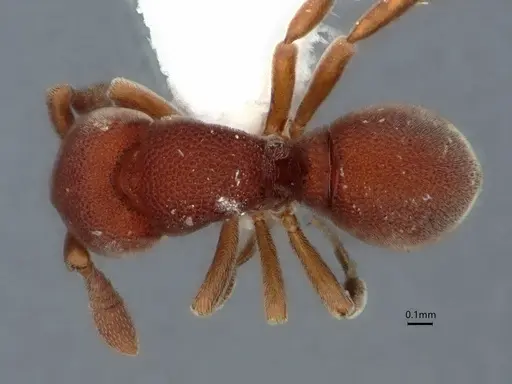
Literature
Loading distribution map...Loading products...