
Diacamma generali
- Sci. Name
- Diacamma generali
- Tribe
- Ponerini
- Subfamily
- Ponerinae
- Author
- Laciny <i>et al.</i>, 2015
- Distribution
- Found in 1 countries
Introduction
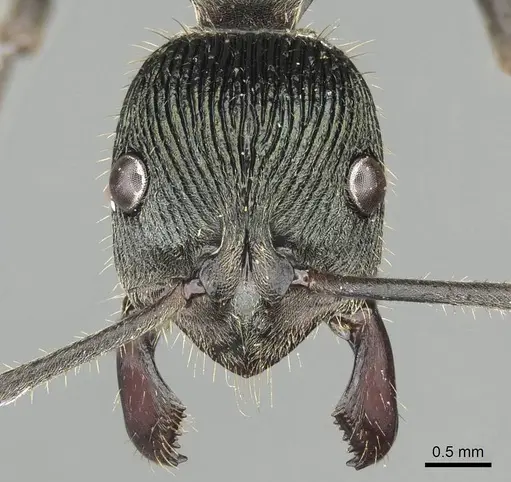
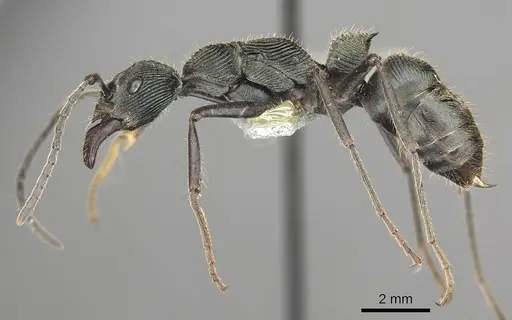
Diacamma generali is a large ant species native to the Philippines, specifically found in northern and central Luzon. Workers measure 12.7-15.7mm in total length, making them one of the larger Ponerine ants. They have a distinctive appearance with a dark body featuring a moderate to weak greenish or bluish-green metallic shimmer across the trunk, while their mandibles are brown and antennae and legs are black. The body is covered in abundant erect setae and fine pilosity, with strong striations running from the cheeks to the first gaster segment. This species was described in 2015 and named in honor of myrmecologist David E.M. General. As a Diacamma species, these ants are predatory hunters with a potent sting. They originate from the tropical forests of Luzon where they nest in soil or rotting wood in humid, shaded environments. Their large size and striking appearance make them an interesting species for antkeepers with some experience.
Quick Summary
- Difficulty: Medium
- Origin & Habitat: Philippines: northern and central Luzon (provinces: Abra, Benguet, Zambales, Manila, Cavite, Batangas, Laguna). Found in humid tropical forest environments, typically at elevations from 150-1140m, often near streams or in shaded areas like Mount Makiling. [1][2]
- Colony Type: Queenless, no distinct queen caste, reproduction by gamergates (reproductive workers).
- Queen Status: Queenless Colony
- Size & Growth:
- Queen: Queenless species, reproduction by gamergate (reproductive worker) instead of a distinct queen caste.
- Worker: 12.7-15.7mm [1]
- Colony: Up to approximately 500 workers based on related Diacamma species.
- Growth: Growth rate is unconfirmed for this species.
- Development: Development time is unconfirmed for this species. (As a tropical species, warm conditions are likely needed for proper development.)
- Antkeeping:
- Temperature: Keep warm, around 24-28°C. As a tropical species from the Philippines, they need warm conditions. A heating cable on one side of the nest can create a gradient.
- Humidity: High humidity required. Keep the nest substrate consistently moist but not waterlogged. Mist the outworld regularly and provide a water source.
- Diapause: No, as a tropical species from Luzon, they do not require hibernation. Keep them at warm temperatures year-round.
- Nesting: Y-tong or plaster nests work well for this large species. They prefer dark, humid chambers. Provide deep substrate for burrowing if using a naturalistic setup.
- Behavior: Diacamma generali is a predatory ant species with a potent sting. Workers are active foragers that hunt for small invertebrates. They are not aggressive toward keepers but will sting if threatened or handled roughly. Their large size makes them easy to handle, but the sting should be respected. They are moderate escape artists, their size makes them less likely to escape through small gaps than tiny ants, but secure barriers are still recommended. Workers are primarily nocturnal or crepuscular.
- Common Issues: high humidity requirements mean mold can develop if ventilation is poor, balance humidity with adequate airflow, wild-caught colonies may have parasites that cause problems in captivity, quarantine and observe new colonies, founding behavior is unconfirmed, colonies can fail if queen is stressed during early stages, potent sting means handling should be done with care, use gentle techniques when moving colonies, large size requires appropriately sized prey items, too large prey may be ignored
Housing and Enclosure Setup
Diacamma generali requires a spacious setup due to their large worker size. A Y-tong nest with deep chambers works well, or you can use a plaster nest that holds humidity. The nesting area should be kept dark, these ants prefer dim conditions and will be more active if the nest is not in direct light. For the outworld, provide enough space for hunting and foraging. Use a water test tube as a hydration source and mist regularly to maintain humidity. Escape prevention should be moderate, while not tiny, they are large enough to explore gaps, so ensure connections are secure.
Feeding and Diet
As predatory Ponerine ants, Diacamma generali primarily needs protein from live prey. Offer small insects like fruit flies, small crickets, mealworms, and other appropriately sized invertebrates. They typically hunt and subdue prey with their mandibles and sting. Sugar sources like honey or sugar water may be accepted occasionally, but protein should be the primary food. Feed every 2-3 days, offering prey that can be consumed within 24 hours. Remove uneaten prey to prevent mold.
Temperature and Seasonal Care
Keep Diacamma generali warm year-round at 24-28°C. This tropical species does not tolerate cool temperatures well. Use a heating cable on one side of the nest to create a gentle temperature gradient if your room temperature is below optimal. Avoid temperature drops below 22°C as this can slow colony activity and brood development. No hibernation or diapause is required, maintain warm conditions throughout the year.
Behavior and Handling
This species has a potent sting and workers will use it when threatened. They are not naturally aggressive toward humans but will defend if provoked. When working with them, move slowly and avoid squeezing or grabbing workers. If you need to move the colony, gently coax workers into a transfer container rather than shaking them out. Workers are primarily active during dim light or darkness, so they may be more visible in evening hours. They hunt cooperatively and will recruit nestmates to large prey items.
Colony Development
Diacamma generali is a relatively newly described species (2015), so specific colony development data is limited. Colony growth is likely moderate, with first workers appearing several months after founding. The colony will likely grow to several hundred workers over time. Many Diacamma species have gamergate systems where workers can become reproductive if the queen dies, providing colony continuity. [1]
Frequently Asked Questions
How long does it take for Diacamma generali to produce first workers?
The exact timeline is unconfirmed for this species. Based on related Diacamma species, expect several months from founding to first workers.
Can I keep multiple Diacamma generali queens together?
Colony type is unconfirmed for this species. Combining unrelated queens is not recommended as they may fight. Only one queen should be kept per colony.
What do Diacamma generali eat?
They are predatory ants that need live protein. Feed small insects like fruit flies, small crickets, mealworms, and other invertebrates. Sugar water or honey may be accepted occasionally but protein should form the bulk of their diet.
Do Diacamma generali need hibernation?
No, they are a tropical species from the Philippines and do not require hibernation. Keep them warm year-round at 24-28°C.
Are Diacamma generali good for beginners?
This species is rated as Medium difficulty. While their large size makes them easier to observe, their specific humidity needs, potent sting, and unconfirmed founding behavior make them better suited for keepers with some antkeeping experience.
How big do Diacamma generali colonies get?
Colony size is unconfirmed for this specific species, but related Diacamma species typically reach up to approximately 500 workers.
What temperature should I keep Diacamma generali at?
Keep them at 24-28°C. As a tropical species from Luzon, they need warm conditions. A heating cable on part of the nest can help maintain optimal temperature.
When should I move Diacamma generali to a formicarium?
Wait until the colony has at least 20-30 workers and is actively foraging. For species with unconfirmed founding behavior, ensure the queen is laying eggs consistently before moving. A Y-tong or plaster nest works well for this species.
Why is my Diacamma generali colony declining?
Common causes include: low humidity (keep substrate moist), temperatures too cool (maintain 24-28°C), insufficient protein in diet, parasites from wild-caught colonies, or queen death. Review all care parameters and ensure proper feeding.
Report an Issue
The current care sheet is based fully on literature. See inconsistencies, or something that's incorrect? Please , it will be resolved after review from an admin. Contributing to the blogs tab also helps providing information, to make us be able to further improve the caresheets. Thank you for your support!
References

This caresheet is licensed under CC BY-SA 4.0 .
Community Blogs
CASENT0217517
View on AntWeb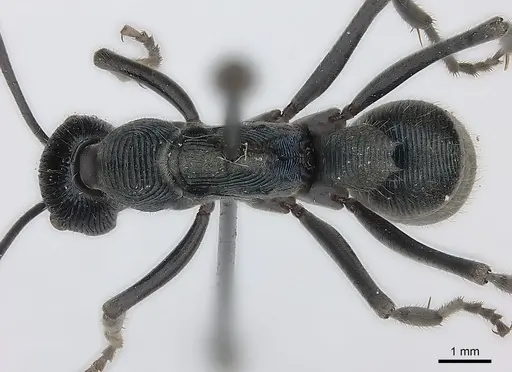
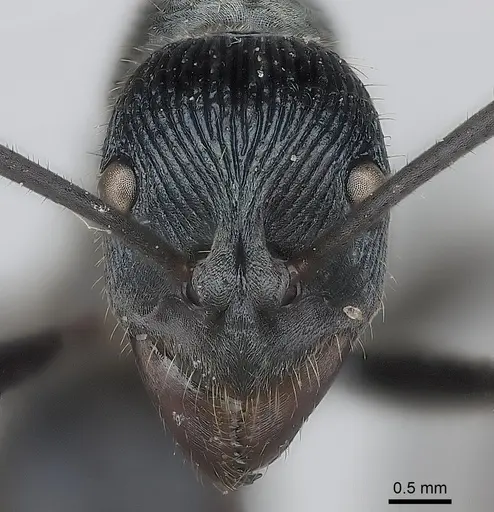
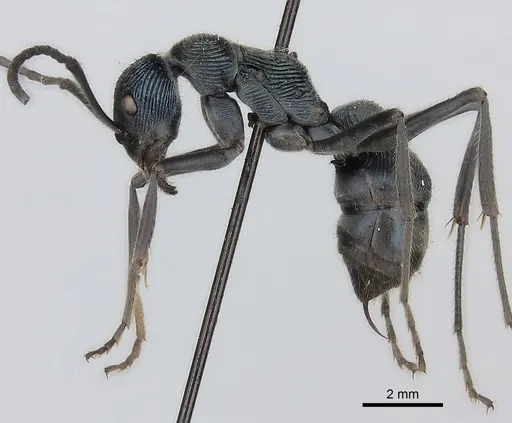
CASENT0915964
View on AntWeb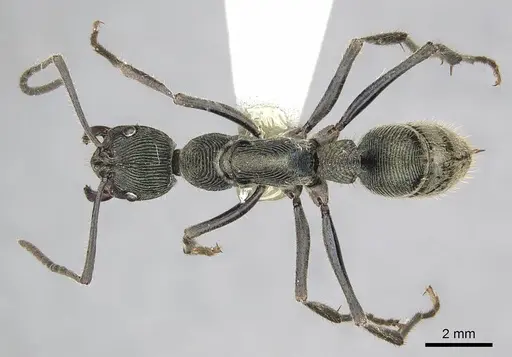
Literature
Loading distribution map...Loading products...