
Colobopsis quadriceps
- Sci. Name
- Colobopsis quadriceps
- Tribe
- Camponotini
- Subfamily
- Formicinae
- Author
- Smith, 1859
- Distribution
- Found in 2 countries
Introduction
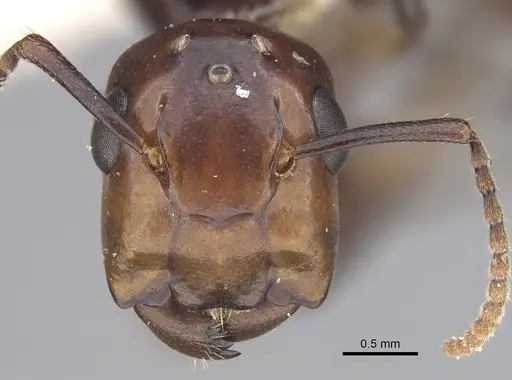
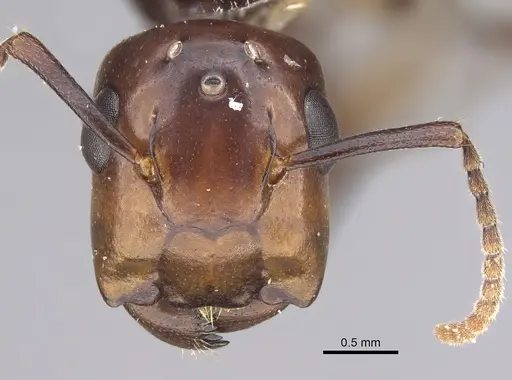
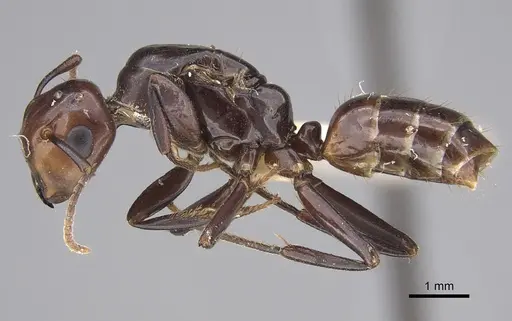
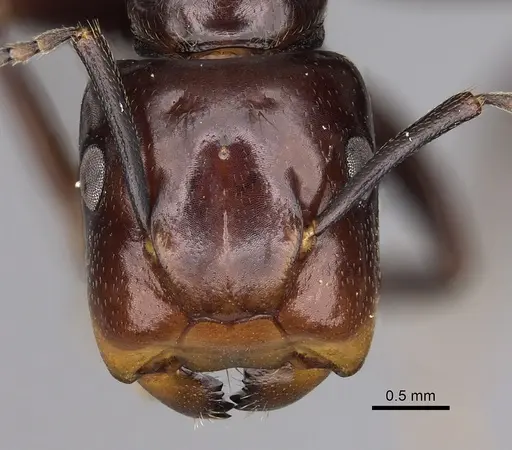
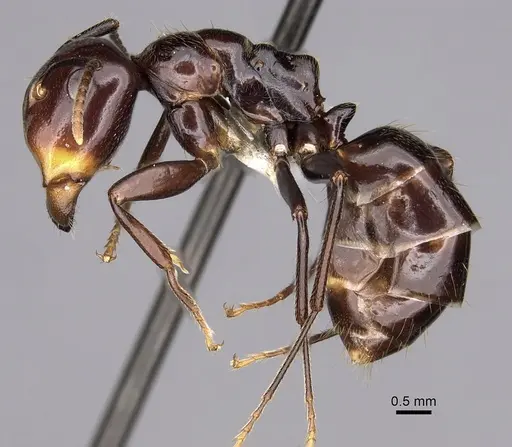
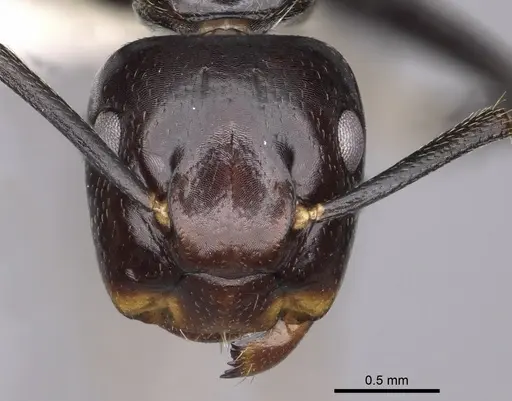
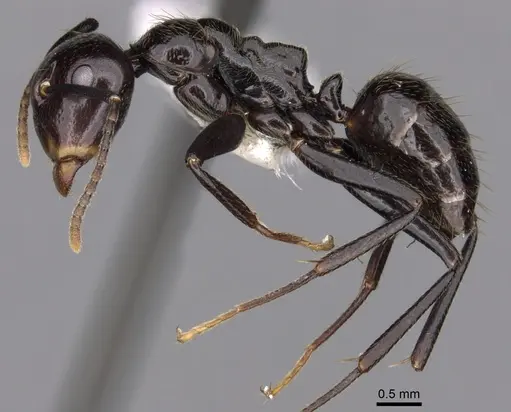
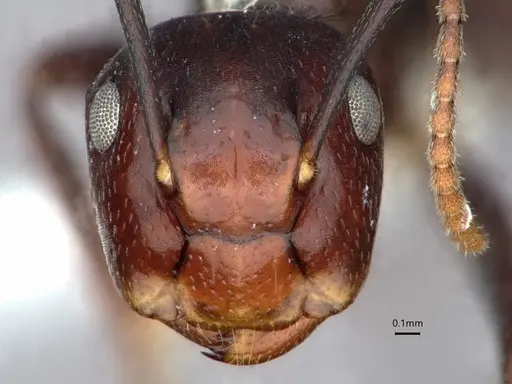
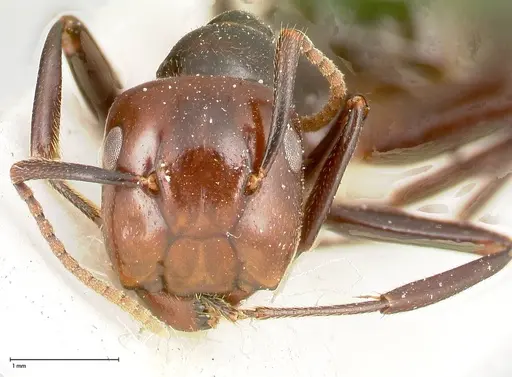
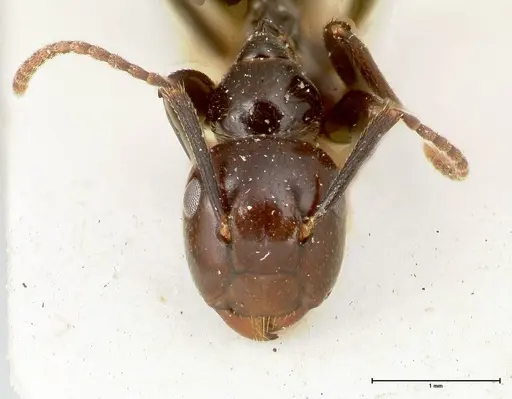
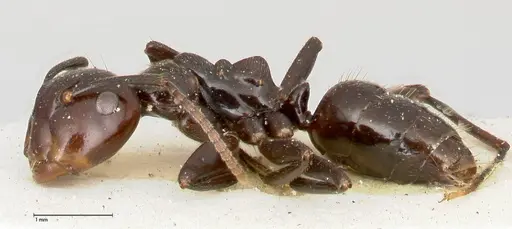
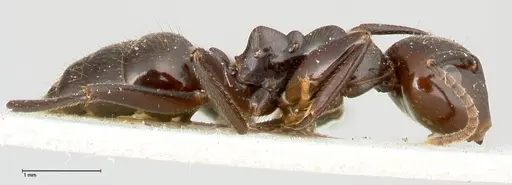
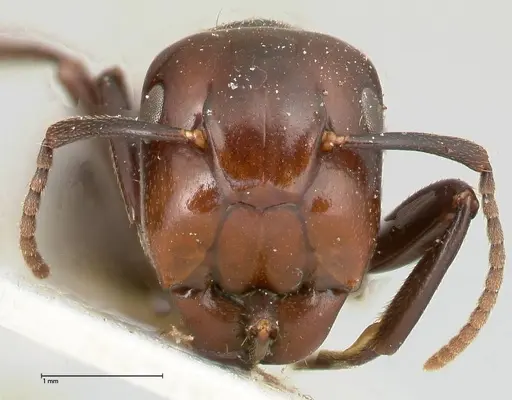
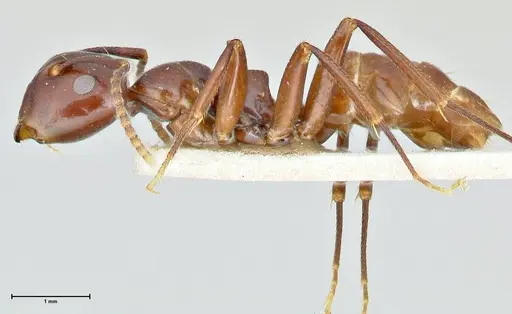
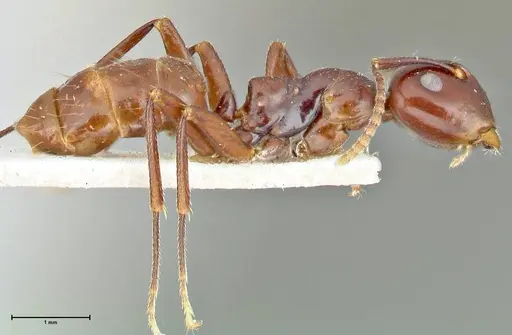
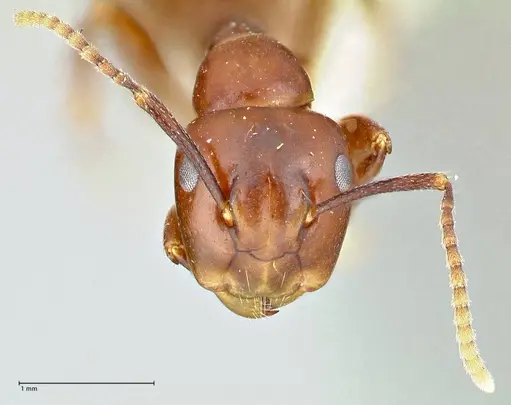
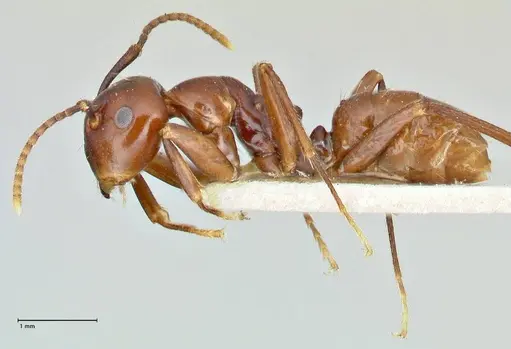
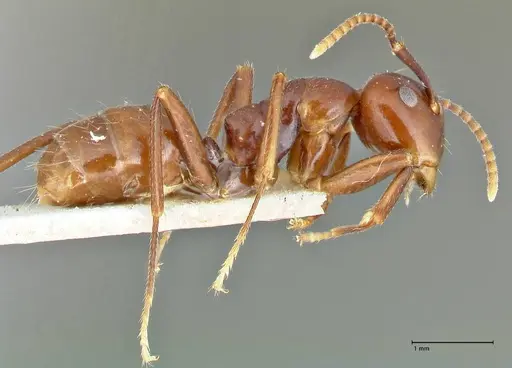
Colobopsis quadriceps is an arboreal ant native to the Indo-Malayan region, found in Indonesia and Papua New Guinea . It is obligately associated with myrmecophytic Endospermum trees, nesting in hollow stems . Workers exhibit phragmosis, with soldiers having specialized heads that block nest entrances .
Quick Summary
- Difficulty: Medium
- Origin & Habitat: Tropical rainforests of Indonesia and Papua New Guinea, exclusively nesting in myrmecophytic Endospermum trees [6][4].
- Colony Type: Unconfirmed, no specific data on queen number or social structure.
- Size & Growth:
- Queen: size data unavailable
- Worker: size data unavailable
- Colony: Unknown, no data on colony size in workers
- Growth: Unknown
- Development: Unknown, no specific data available (Development timeline is unconfirmed for this species.)
- Antkeeping:
- Temperature: Keep warm and stable, roughly low-to-mid 20s°C, but specific needs are unconfirmed. Observe colony health for adjustments.
- Humidity: Keep nest substrate consistently moist but not waterlogged. Humidity needs are unconfirmed.
- Diapause: No, as a tropical species, they do not require hibernation.
- Nesting: Prefer narrow chambers mimicking hollow stems. Y-tong or plaster nests work well [4].
- Behavior: Colobopsis quadriceps is a peaceful arboreal ant with phragmosis behavior [6]. They are not aggressive. Escape risk is moderate due to small size, standard prevention measures are sufficient.
- Common Issues: tropical species requires warm temperatures, cold can stress colonies., arboreal nesting means they need humid conditions, dryness can cause desiccation., phragmosis behavior may make observation difficult as soldiers block entrances., specialized diet based on honeydew, may reject simple sugar water., wild-caught colonies may be hard to establish due to host plant specificity.
Natural History and Host Plant Relationship
Colobopsis quadriceps is an obligate inhabitant of myrmecophytic Endospermum trees, a relationship that has evolved over millions of years. These trees provide hollow stems with pre-formed chambers that the ants excavate and occupy [5]. The ants benefit from shelter and glandular secretions from the plant, while the plant benefits from the ants' protection [4]. Colonies are found in both primary and secondary forests, showing some habitat flexibility [6]. The inner walls of these domatia are often lined with fungal hyphae, creating a unique micro-ecosystem [7].
Phragmosis and Colony Defense
Major workers (soldiers) have specially adapted, plug-shaped heads that they use to block the entrance to their nest chambers [6]. When threatened, these soldiers position themselves at the nest opening, creating a living barrier that prevents predators from entering. This behavior is shared with several other Colobopsis species and represents an evolutionary solution to defending arboreal nests.
Housing and Nest Setup
Because these ants are specialized stem-nesters, their captive setup should mimic their natural environment. Y-tong (AAC) nests work well because they provide dark, enclosed chambers. Plaster nests can also work if kept consistently moist. Avoid large, open formicaria, these ants feel exposed in spacious environments. A naturalistic setup with hollow bamboo sections or twigs can be effective, as it mimics their natural host plant stems [4]. The outworld should be small to moderate in size with climbing opportunities.
Feeding and Nutrition
In their natural habitat, Colobopsis quadriceps feeds primarily on honeydew collected from sap-sucking insects in their host trees, along with small prey items [4]. In captivity, offer a varied diet including live prey like small fruit flies and pinhead crickets, along with honey water or sugar water as supplements. Feed every 2-3 days, removing uneaten food after 24 hours to prevent mold.
Frequently Asked Questions
What is phragmosis in Colobopsis quadriceps?
Phragmosis is a defensive behavior where soldiers block nest entrances with their specialized heads [6].
What do Colobopsis quadriceps eat?
They primarily feed on honeydew from sap-sucking insects in their host trees, along with small prey [4].
Where is Colobopsis quadriceps found?
It is native to Indonesia and Papua New Guinea, found in tropical rainforests [1][2][3].
Report an Issue
The current care sheet is based fully on literature. See inconsistencies, or something that's incorrect? Please , it will be resolved after review from an admin. Contributing to the blogs tab also helps providing information, to make us be able to further improve the caresheets. Thank you for your support!
References

This caresheet is licensed under CC BY-SA 4.0 .
Community Blogs
CASENT0217690
View on AntWeb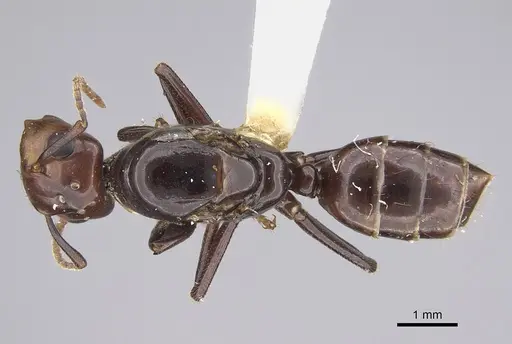
CASENT0280263
View on AntWeb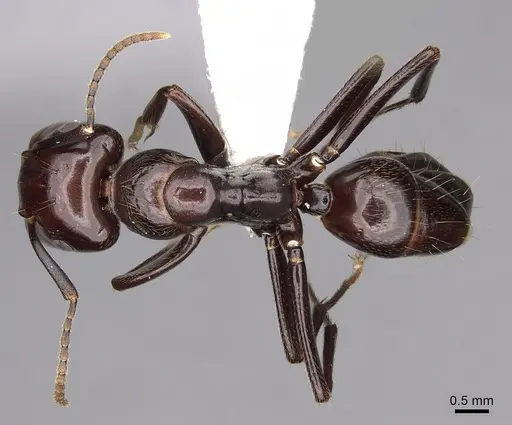
CASENT0280264
View on AntWeb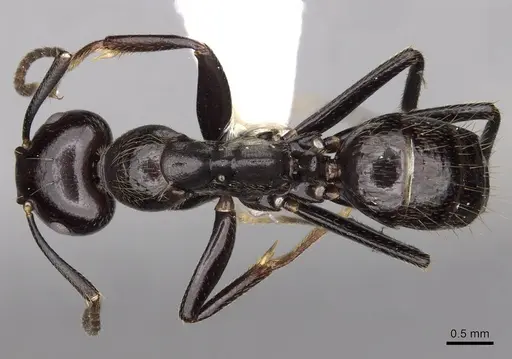
CASENT0886713
View on AntWeb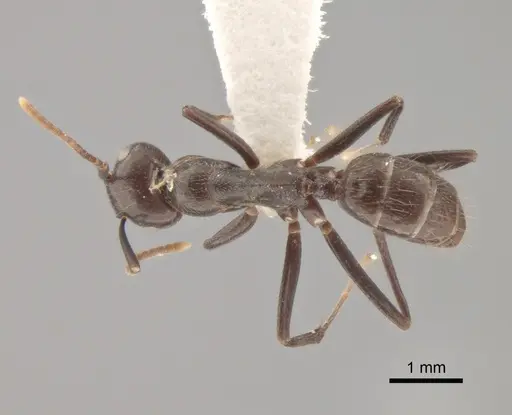
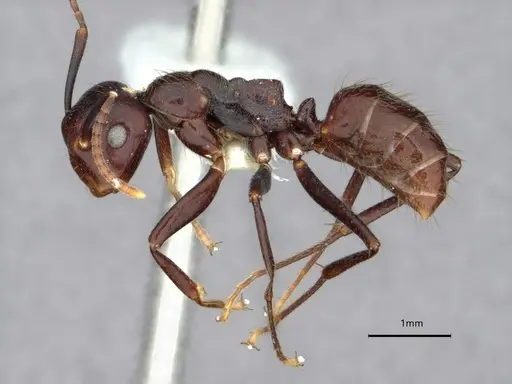
CASENT0901909
View on AntWeb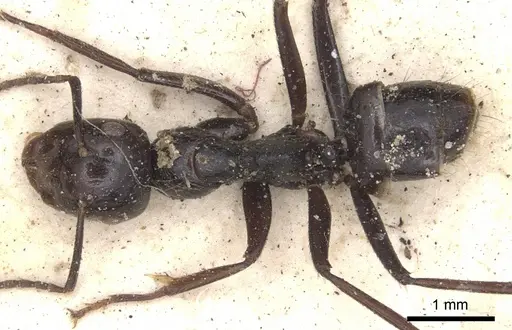
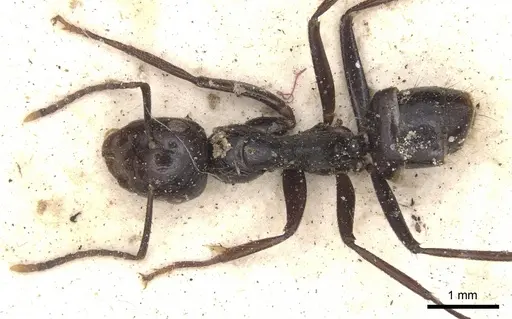
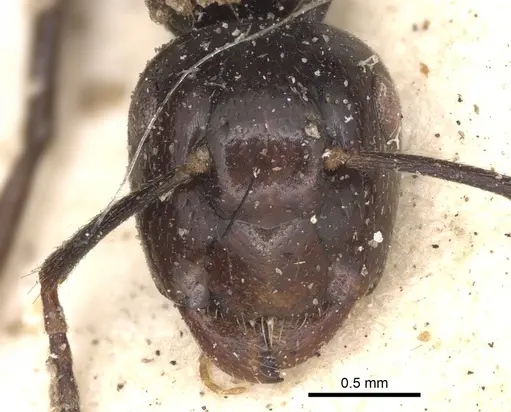
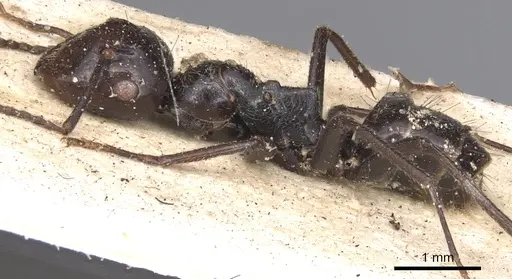
CASENT0901971
View on AntWeb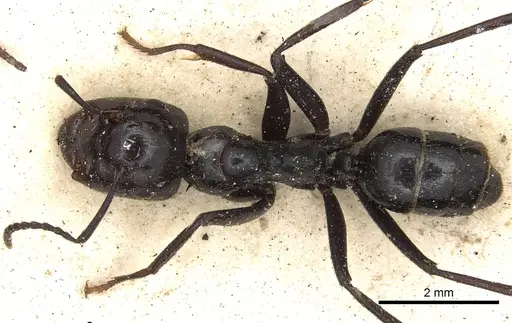
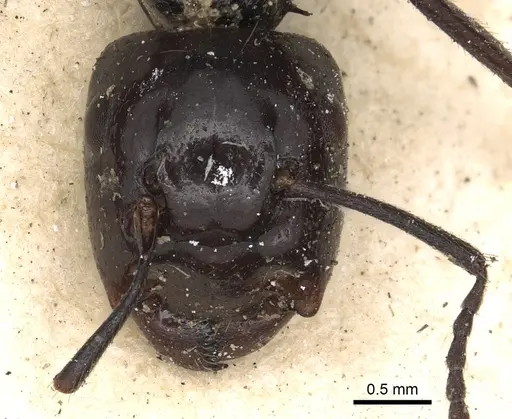
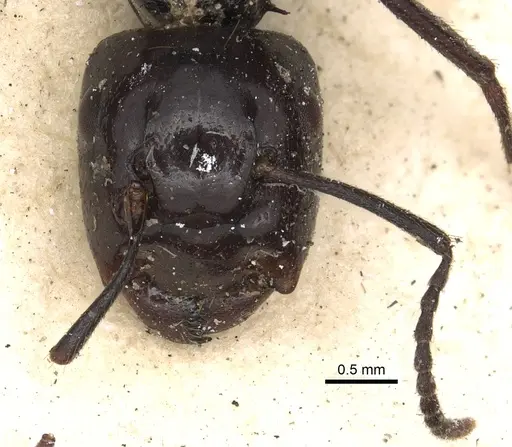
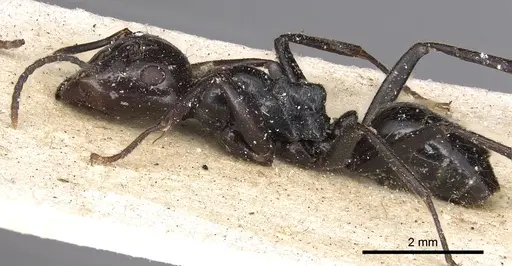
CASENT0905469
View on AntWeb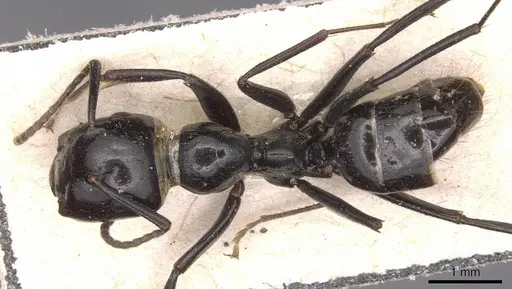
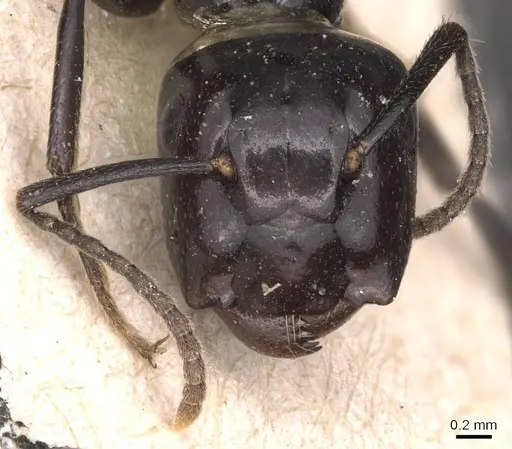
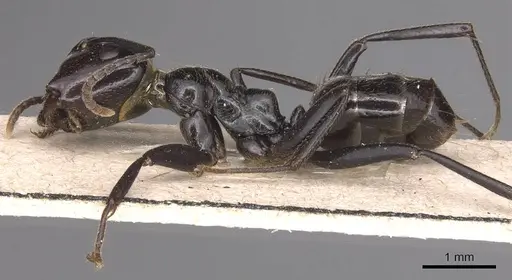
FOCOL0461
View on AntWeb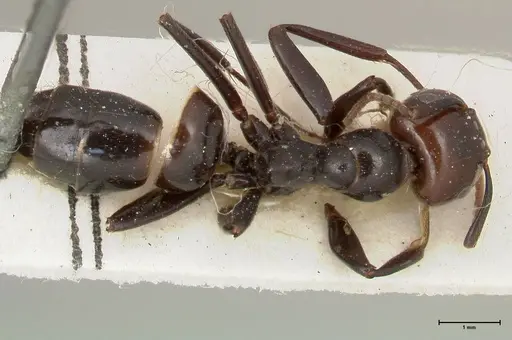
FOCOL0462
View on AntWeb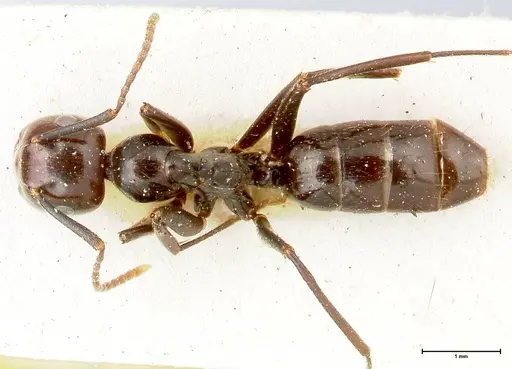
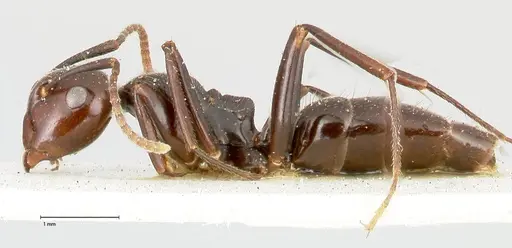
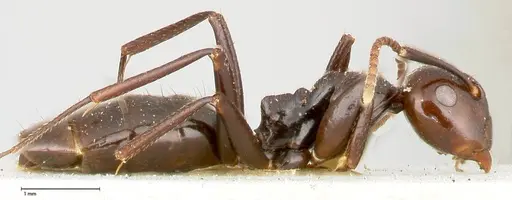
FOCOL0463
View on AntWeb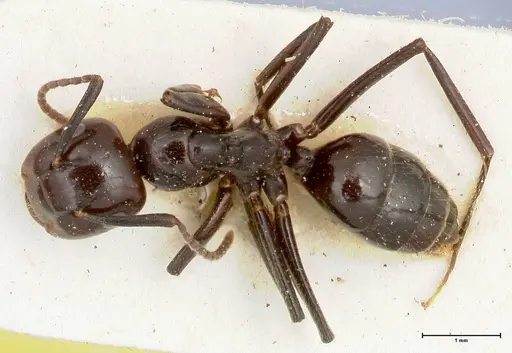
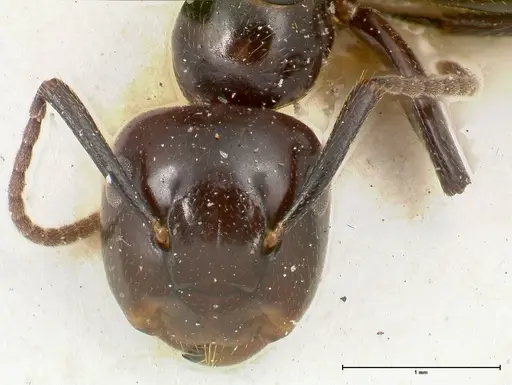
FOCOL0464
View on AntWeb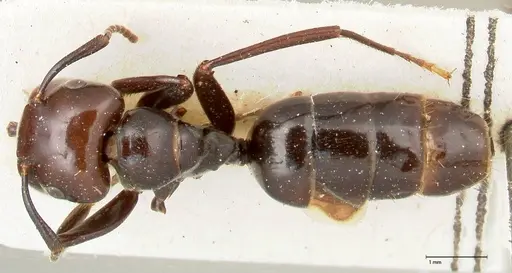
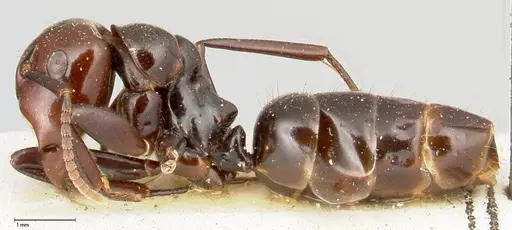
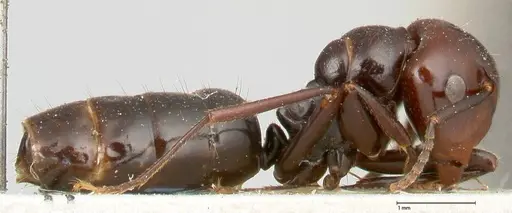
FOCOL2511
View on AntWeb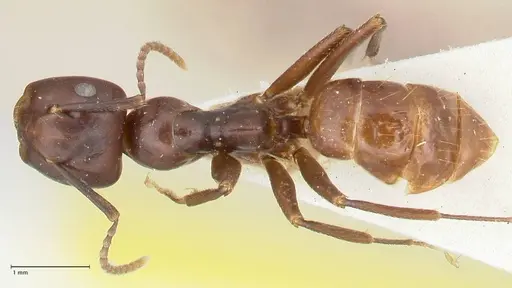
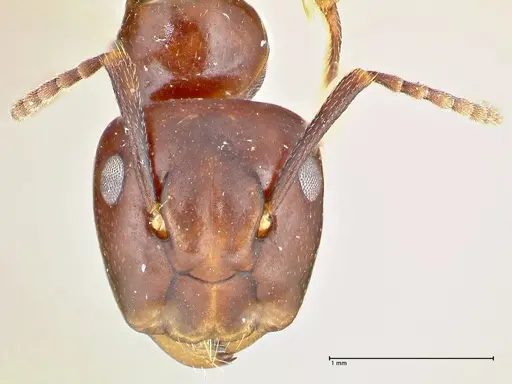
FOCOL2512
View on AntWeb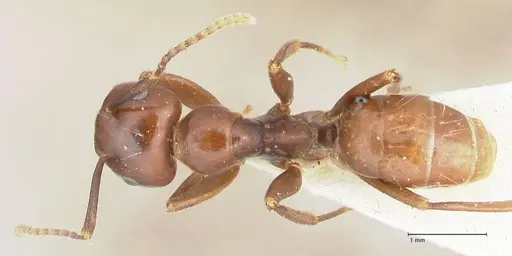
Literature
Loading distribution map...Loading products...