
Colobopsis polynesica
- Sci. Name
- Colobopsis polynesica
- Tribe
- Camponotini
- Subfamily
- Formicinae
- Author
- Emery, 1896
- Distribution
- Found in 2 countries
Introduction
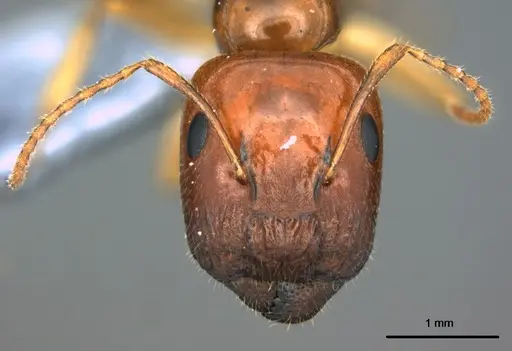
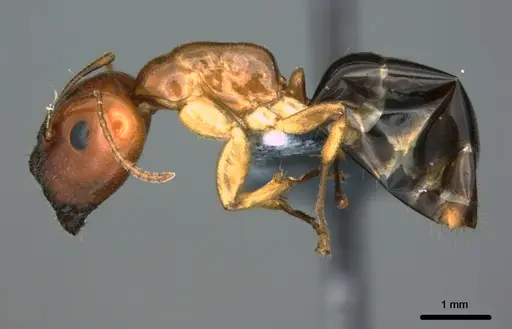
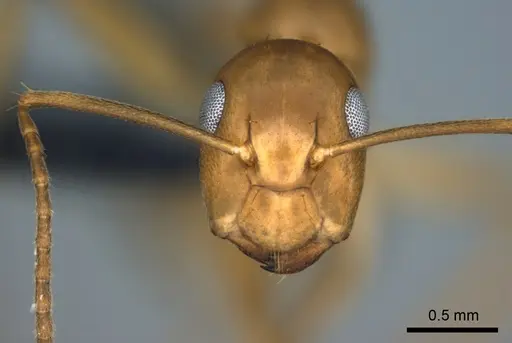
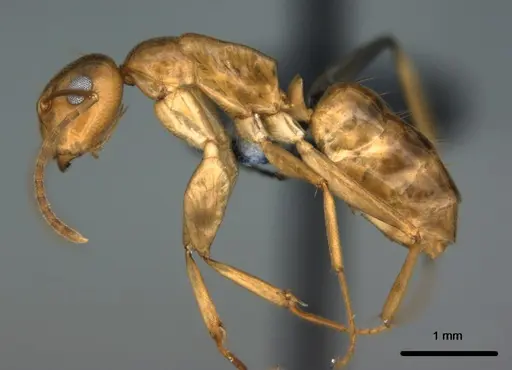
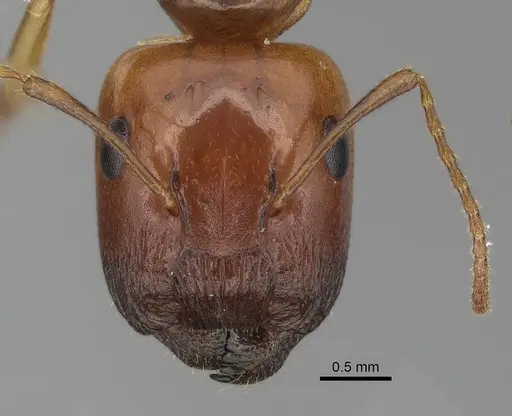
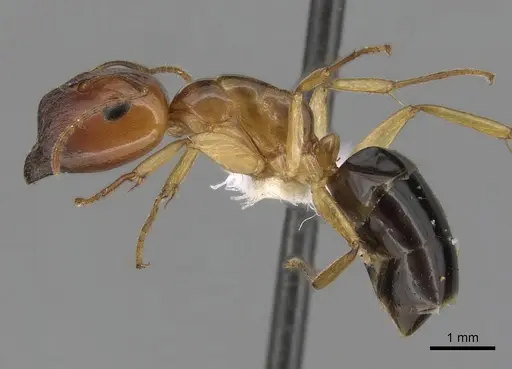
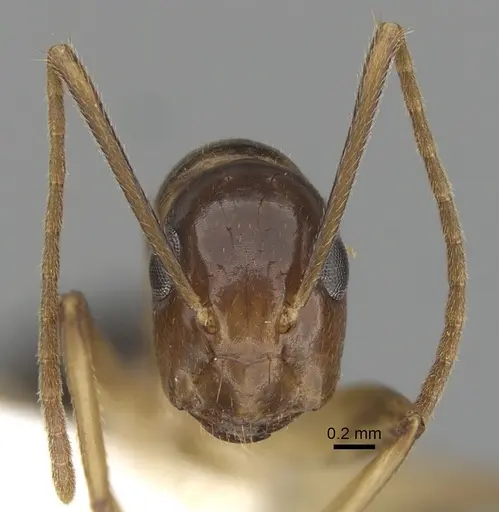
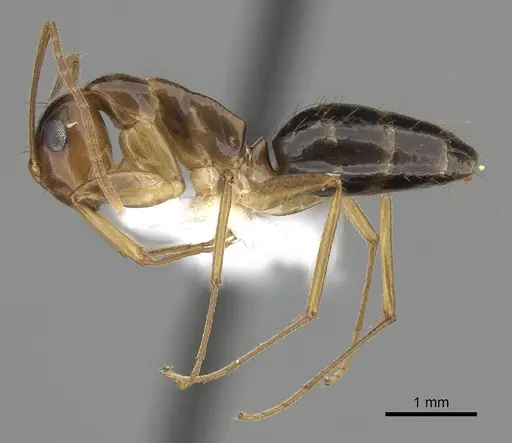
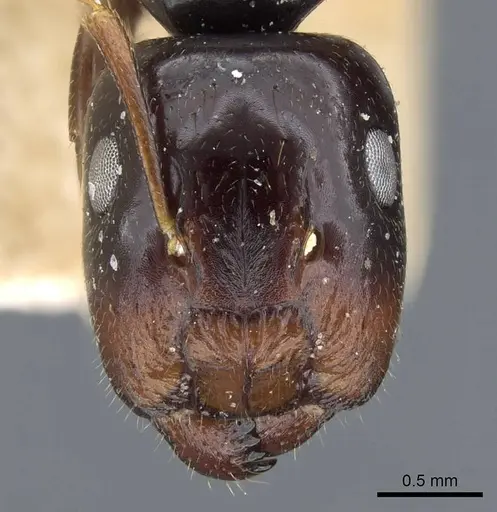
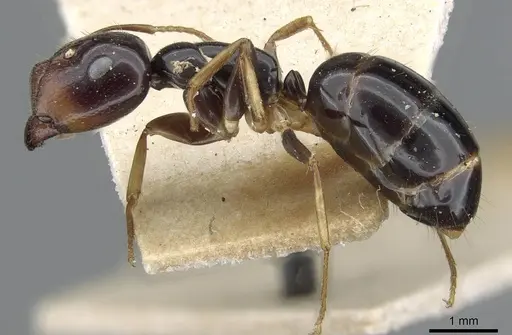
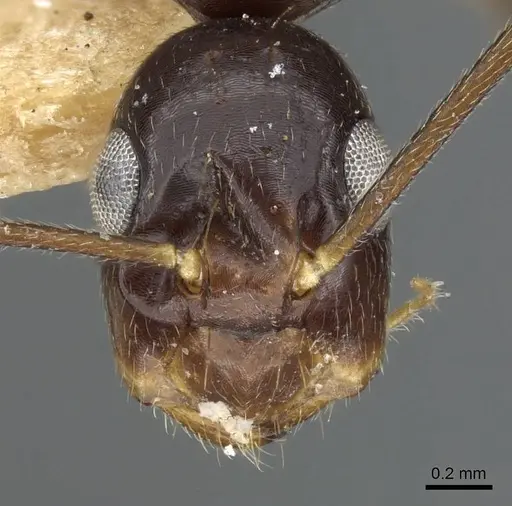
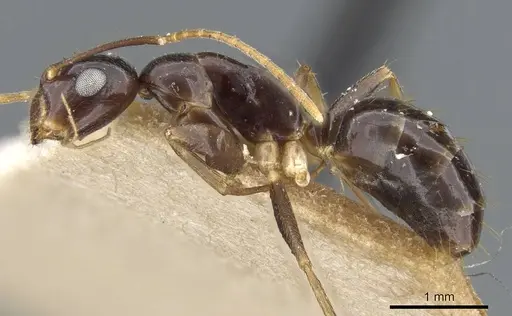
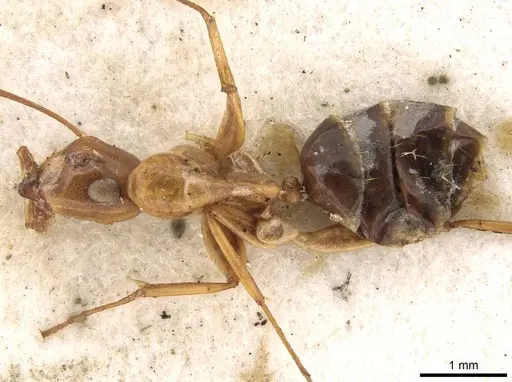
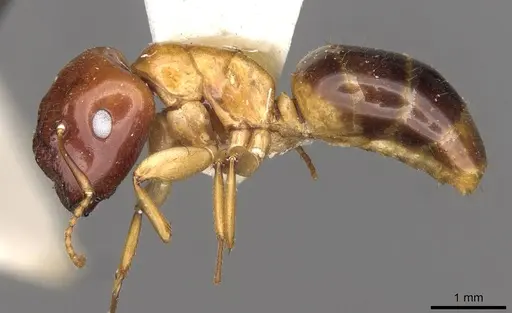
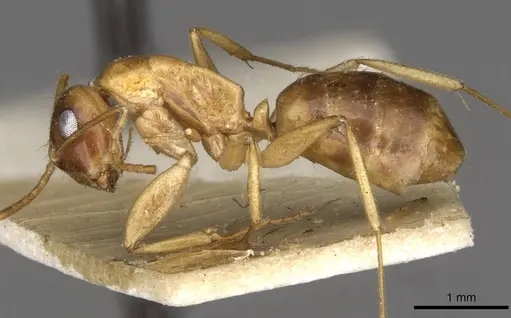
Colobopsis polynesica is a Fijian endemic ant, previously classified under *Camponotus*. They are highly variable in color - major workers range from uniformly dark reddish-black to yellow-brown with variegated gasters. Intermediate specimens are bicolored with a paler head and mesosoma contrasting against a dark gaster. This color variation happens between colonies, not among nestmates . Major workers measure about 7.5mm . The clypeus has a distinct sharp median ridge. They nest in dead branches, sticks, logs, and occasionally ant-plants, mostly in forested habitats across many Fijian islands .
Quick Summary
- Difficulty: Medium
- Origin & Habitat: Endemic to Fiji, found on islands including Viti Levu, Vanua Levu, Ovalau, Taveuni, Kadavu, and others. They inhabit forests across a wide elevation gradient and are often found in dead wood, branches, sticks, and logs. Also collected near human settlements [1][3].
- Colony Type: Colony structure is not well documented. Based on *Colobopsis* genus patterns, they likely have single-queen (monogyne) colonies with major and minor worker castes. Major workers (soldiers) have enlarged heads used for blocking nest entrances.
- Size & Growth:
- Queen: Not measured, size data unavailable
- Worker: Minor workers: not measured, estimated ~4-5mm from genus, Major workers: ~7-7.5mm [2]
- Colony: Unknown, colony size not documented
- Growth: Moderate, inferred from typical Camponotini development
- Development: 6-10 weeks, estimated based on related Camponotini at tropical temperatures (Development time is an inference, tropical location suggests faster growth than temperate species.)
- Antkeeping:
- Temperature: Keep at 24-28°C. These tropical Fijian ants need stable warmth. A gentle temperature gradient in the nest allows them to choose. Room temperature (22-25°C) in heated homes is often suitable. Avoid prolonged temps below 20°C [1].
- Humidity: Moderate to high. Keep the nest substrate slightly moist but not waterlogged, they nest in dead wood which retains some moisture. Allow minor drying between waterings but never let the nest completely dry out [1].
- Diapause: No, being a tropical species from Fiji, they do not require hibernation. Keep warm year-round.
- Nesting: In nature they nest in dead branches, sticks, logs, and occasionally ant-plants [1]. In captivity, use Y-tong (AAC) nests with wooden inserts, plaster nests with cork/bark, or naturalistic setups with hollow branches. They prefer vertical or angled surfaces and do not need soil.
- Behavior: Generally calm and not aggressive. Major workers use their enlarged wedge-shaped heads to plug nest entrances as a defense. If disturbed, they can also spray formic acid from the abdomen (typical of Formicinae). They rarely bite keepers. Foraging is moderate, they collect honeydew and small insects. Escape risk is moderate, standard barriers work, but they are not tiny escape artists.
- Common Issues: tropical species needs consistent warmth, cold drafts can stress or kill the colony, wood-nesting habit requires proper humidity balance, too dry causes desiccation, too wet promotes mold, wild-caught colonies may harbor parasites, quarantine new colonies for observation, slow founding period can test patience, claustral queens may take months before first workers appear, enlarged heads of majors can get stuck in narrow nest entrances if tunnels are too tight
Housing and Nest Preferences
Colobopsis polynesica is a wood-nesting ant. Set up their home to match their natural arboreal habitat. Y-tong (AAC) nests work well, especially with wooden inserts or cork sections that mimic dead branches. Plaster nests with water channels also suit them, provided there's some wood or bark to walk on. Naturalistic setups with cork branches or bamboo sections are excellent. They don't need soil, they nest in pre-existing cavities in wood. A small outworld for foraging completes the setup. Because they're tropical, avoid drafts and temperature fluctuations near windows or air conditioning vents [1].
Feeding and Diet
Like most Formicinae ants, Colobopsis polynesica likely has an omnivorous diet. In nature they probably eat honeydew from aphids and scale insects, plus small insects for protein. In captivity, offer sugar water or honey regularly, along with protein sources like fruit flies, small mealworms, or cricket pieces. Some Colobopsis species process hard seeds, so you can try offering seeds or crushed nuts occasionally. Feed protein 2-3 times per week and keep sugar water available at all times. Remove uneaten prey after 24 hours to prevent mold.
Temperature and Seasonal Care
As a Fijian endemic, this species thrives in warm conditions year-round. Keep the nest area at 24-28°C with a slight gradient so workers can move between temperatures. A heating cable on one side of the nest creates this option. They do not need any cooling period or hibernation, maintain warm temperatures throughout the year. Room temperature (22-25°C) in most heated homes is often suitable. Avoid temperatures below 20°C for long periods. Stable conditions matter more than exact numbers, sudden temperature changes stress these tropical ants [1].
Colony Founding and Growth
Founding behavior is not documented for this species. Based on Colobopsis and Camponotini patterns, queens are likely claustral, they seal themselves into a chamber and raise the first brood alone on stored body fat. Provide a founding queen with a small, dark, undisturbed chamber. Do not disturb her for at least 4-8 weeks. The first workers (nanitics) will be smaller than normal workers. After they emerge, you can begin offering tiny food items. Growth rate is moderate, expect 6-10 weeks from egg to first worker at optimal temperatures. Colonies build up gradually over several months to a year. Patience is key during founding, disturbing the queen too often can cause her to abandon or eat the brood.
Behavior and Defense
Colobopsis ants have a unique defensive adaptation: major workers use their enlarged, wedge-shaped heads to plug nest entrances. This 'living door' behavior protects the colony from predators and intruders. Despite having major workers, they are not particularly aggressive toward keepers. If disturbed, they may spray formic acid (typical of Formicinae) rather than bite. Foraging occurs primarily at night or during cooler hours in nature, but captive colonies will forage whenever food is available. The size difference between minor and major workers is striking and fun to watch [1].
Handling and Observation
These ants are rewarding to observe because of their distinct worker castes. The color variation across colonies is notable, your colony may display different coloration than others, depending on its source island in Fiji. When observing, avoid direct bright light on the nest and minimize vibrations. Major workers are best observed when they emerge to defend the nest or help with large food items. Their wood-nesting habit makes them less visible than ground-nesting species, but the castes and phragmotic behavior are well worth watching.
Frequently Asked Questions
How long does it take for Colobopsis polynesica to raise the first workers?
Expect 6-10 weeks from egg to first worker at optimal temperatures (24-28°C). This is an estimate based on related tropical Camponotini. The founding queen will be alone for several weeks before nanitics appear.
What do Colobopsis polynesica eat?
They are omnivorous. Offer sugar water or honey constantly, plus protein sources like fruit flies, small mealworms, or cricket pieces 2-3 times weekly. They likely also eat honeydew if you keep aphids in the outworld.
What temperature do Colobopsis polynesica need?
Keep them at 24-28°C. These are tropical ants from Fiji and need consistent warmth. Room temperature in heated homes is often suitable. Avoid temperatures below 20°C [1].
Do Colobopsis polynesica need hibernation?
No. Being a tropical species from Fiji, they do not require any cooling period or hibernation. Maintain warm temperatures year-round [1].
What type of nest is best for Colobopsis polynesica?
Y-tong nests with wooden inserts, plaster nests with wood sections, or naturalistic cork/bamboo setups work well. They naturally nest in dead branches and wood, so avoid soil-based formicariums [1].
How big do Colobopsis polynesica colonies get?
Colony size is not documented in research. Based on related Colobopsis species, expect a moderate colony of dozens to perhaps a few hundred workers, but this is an estimate.
Are Colobopsis polynesica good for beginners?
They are intermediate difficulty. The main challenges are providing appropriate wood-based housing, maintaining tropical temperatures, and being patient through the slow founding period. Not the easiest species, but manageable for those with some antkeeping experience.
Why do my Colobopsis polynesica have different colors than pictures?
This species is highly variable in color. Major workers range from uniformly dark reddish-black to yellow-brown. The variation occurs almost entirely between colonies, your colony's coloration depends on its source population in Fiji. This is normal [1]!
Can I keep multiple queens together?
Not recommended. There is no evidence that Colobopsis polynesica can found colonies with multiple queens. Stick to single-queen colonies for best success.
When should I move them to a formicarium?
Wait until the colony has at least 15-20 workers and the test tube becomes crowded. They prefer wood-based nests, so Y-tong or plaster nests work well when transitioning.
Where is Colobopsis polynesica found in the wild?
This is a Fijian endemic species. It occurs on multiple islands including Viti Levu, Vanua Levu, Ovalau, Taveuni, Kadavu, and others. They live in forested habitats from lowland to high elevation areas [1][3].
Report an Issue
The current care sheet is based fully on literature. See inconsistencies, or something that's incorrect? Please , it will be resolved after review from an admin. Contributing to the blogs tab also helps providing information, to make us be able to further improve the caresheets. Thank you for your support!
References

This caresheet is licensed under CC BY-SA 4.0 .
Community Blogs
CASENT0187123
View on AntWeb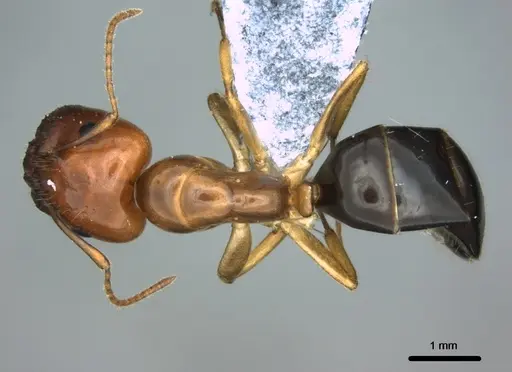
CASENT0187250
View on AntWeb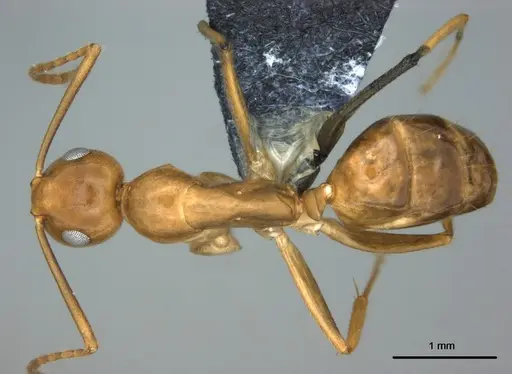
CASENT0280251
View on AntWeb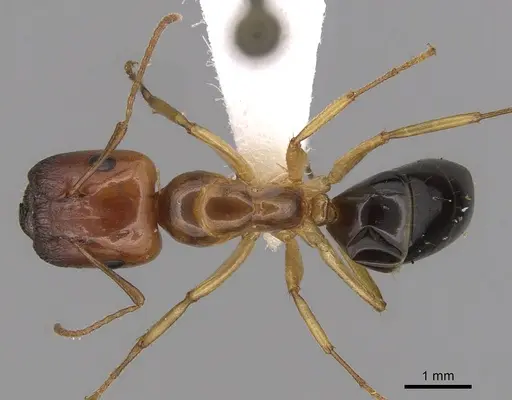
CASENT0280252
View on AntWeb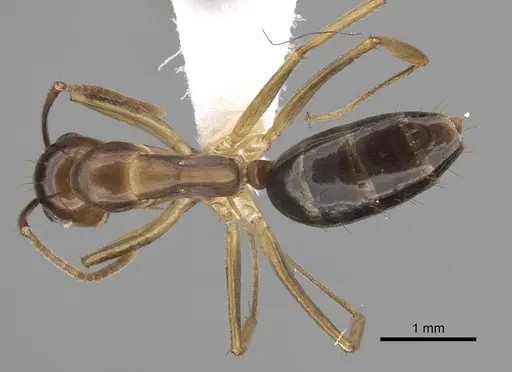
CASENT0905845
View on AntWeb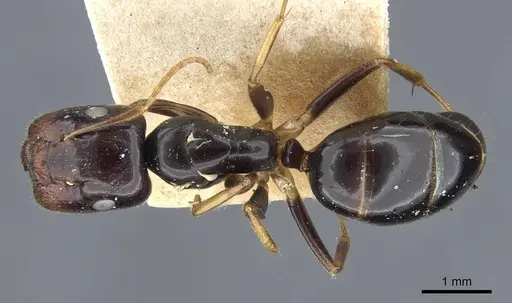
CASENT0905846
View on AntWeb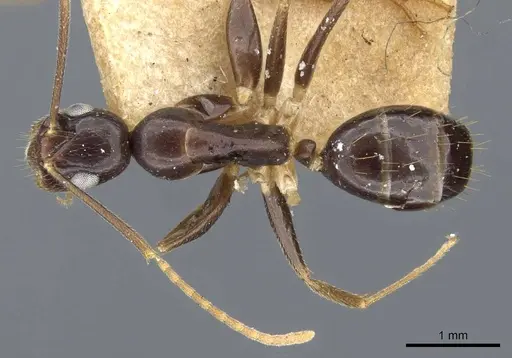
CASENT0906980
View on AntWeb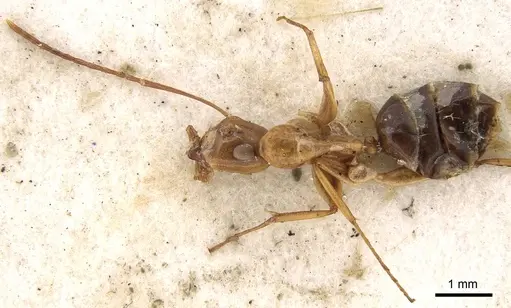
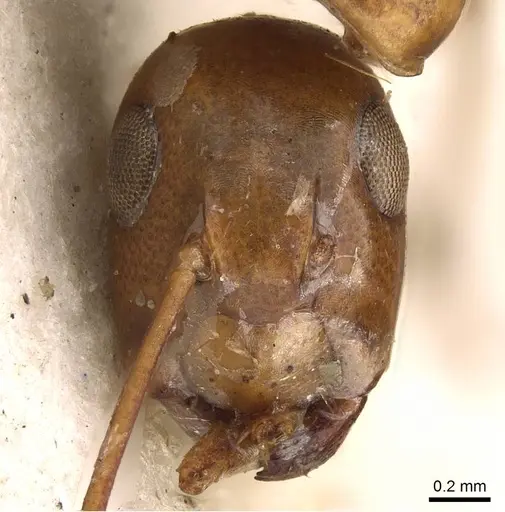
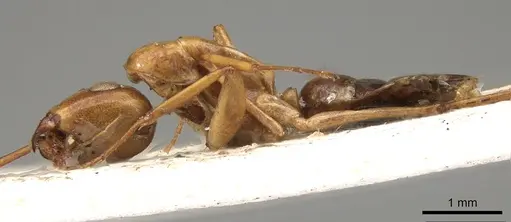
CASENT0910585
View on AntWeb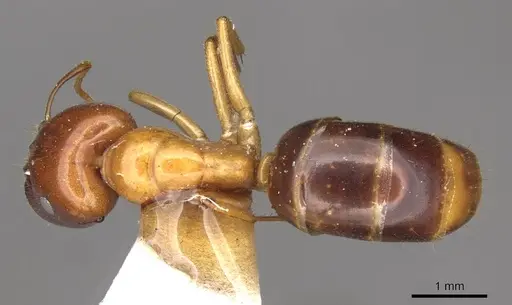
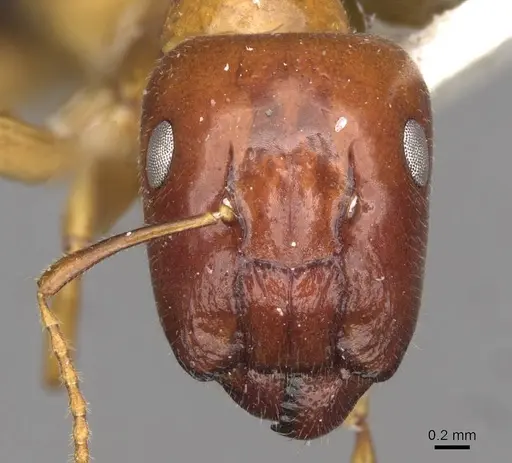
CASENT0910586
View on AntWeb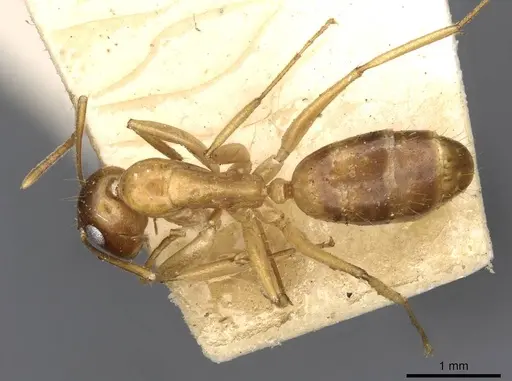

Literature
Loading distribution map...Loading products...