Colobopsis impressa exhibits a clear seasonal flight window. Peak flight activity is concentrated in June, with the overall period spanning May to July.
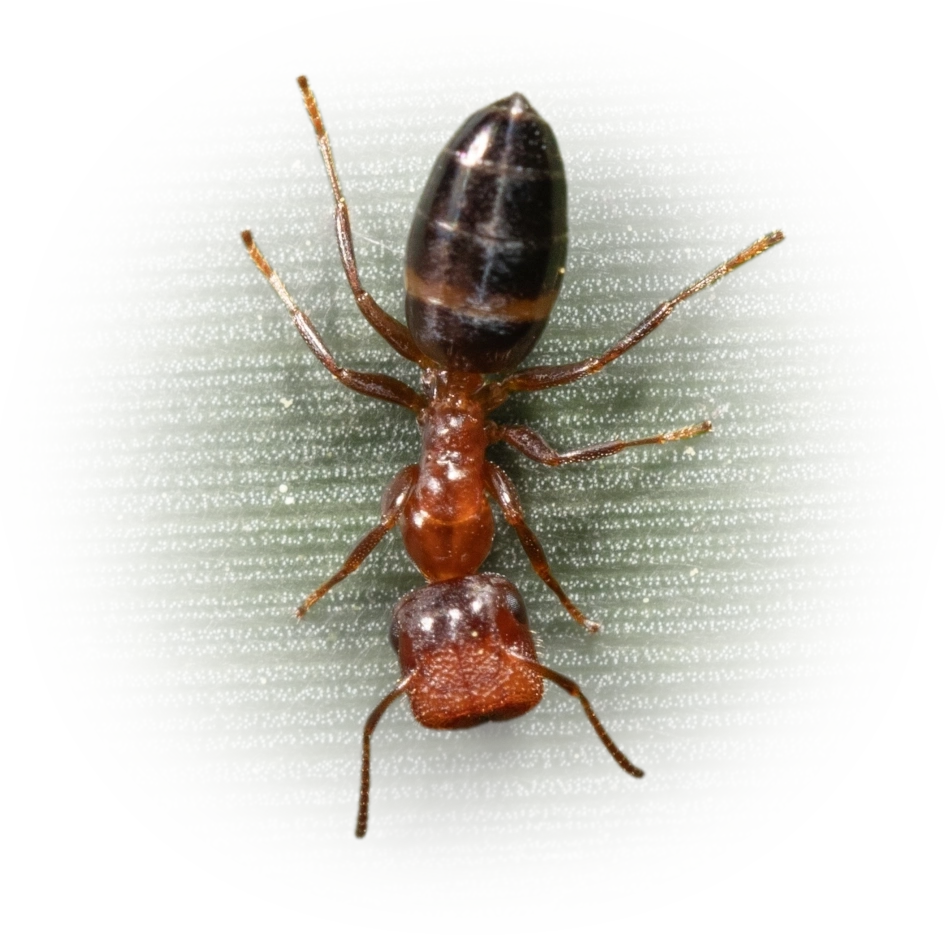
Common Gate-keeper Ant
Colobopsis impressa
- Sci. Name
- Colobopsis impressa
- Tribe
- Camponotini
- Subfamily
- Formicinae
- Author
- Roger, 1863
- Common Name
- Common Gate-keeper Ant
- Distribution
- Found in 1 countries
- Nuptial Flight
- From May to July
- Peak flight Time
- 21:00
AI Identifiable
try →
Introduction
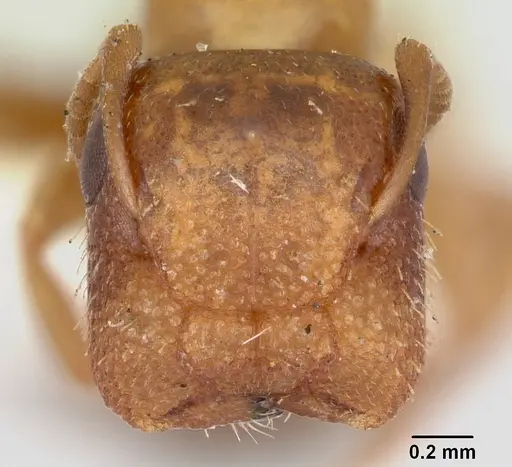
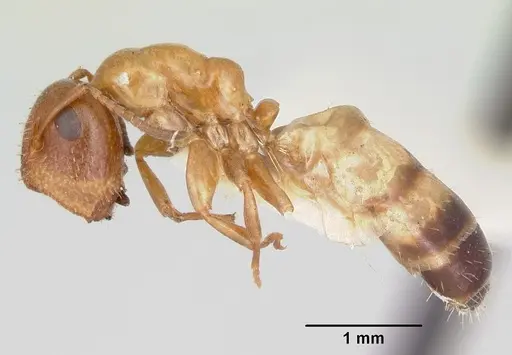
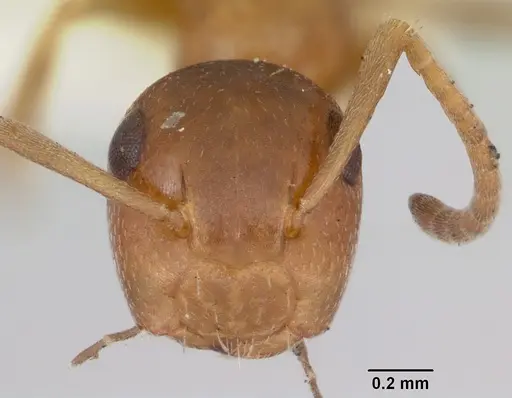
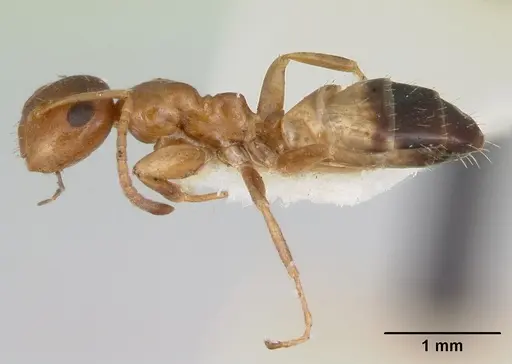
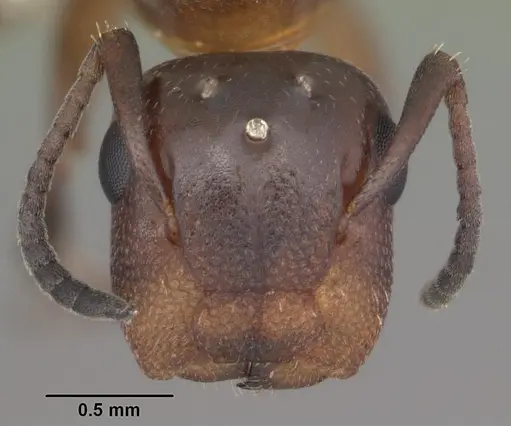
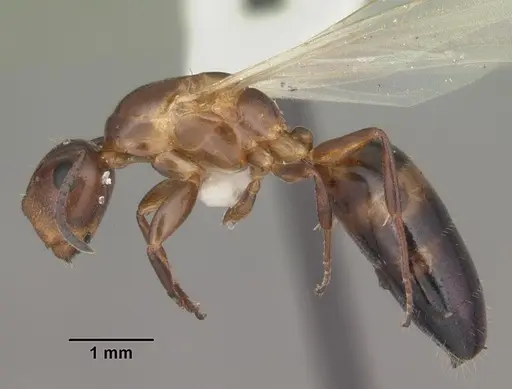
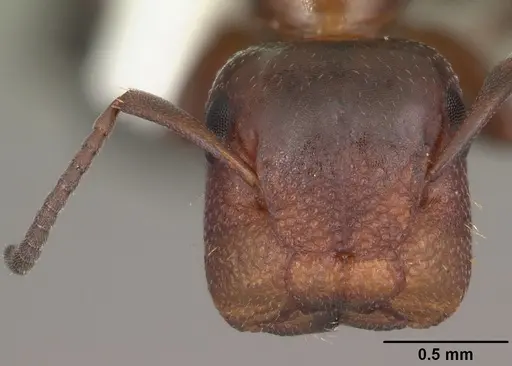
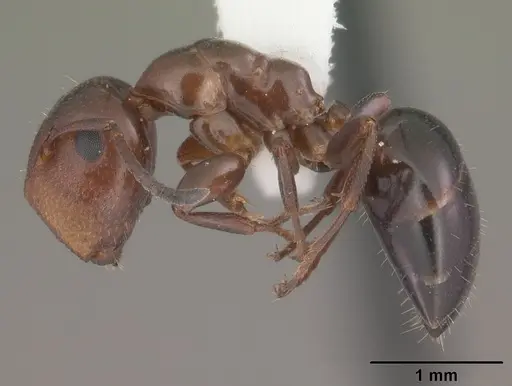
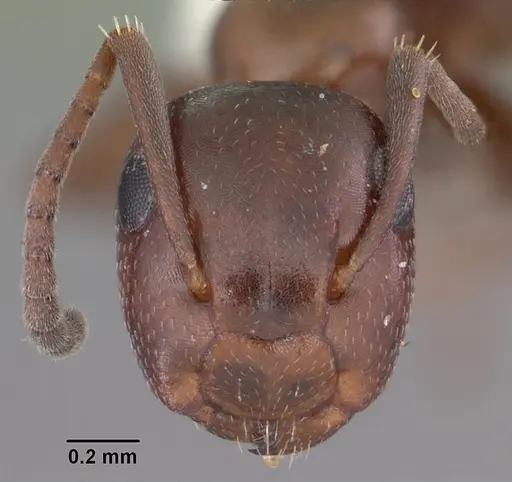
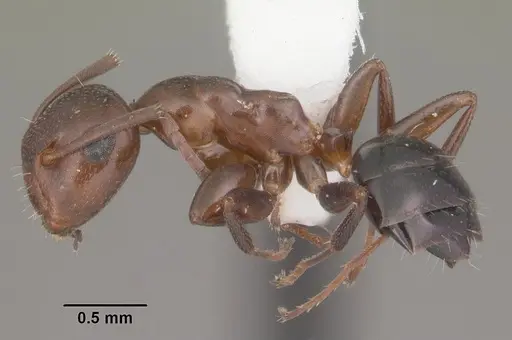
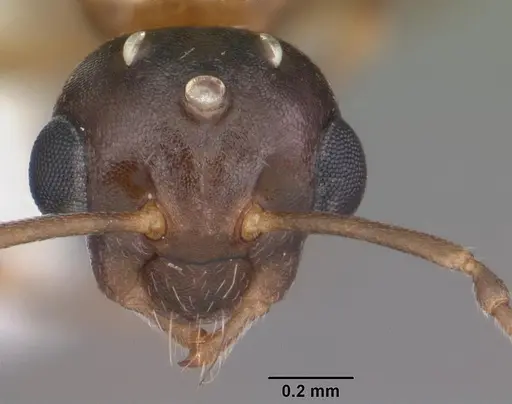
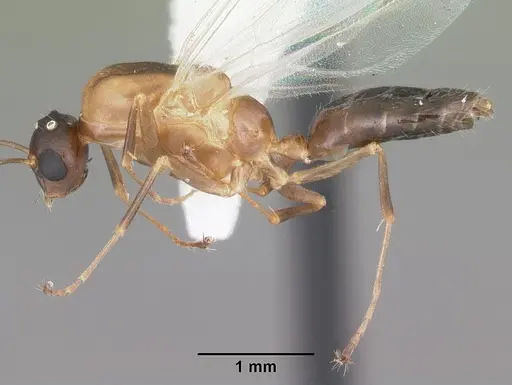
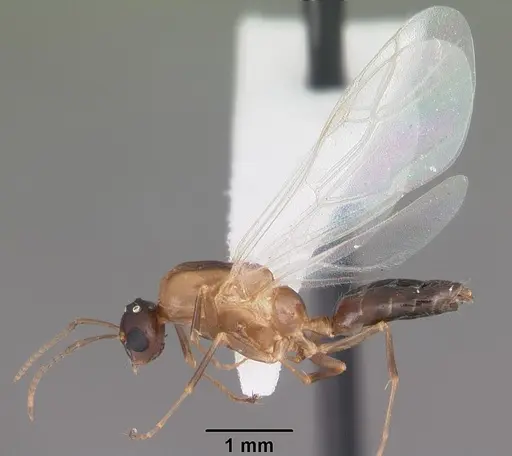
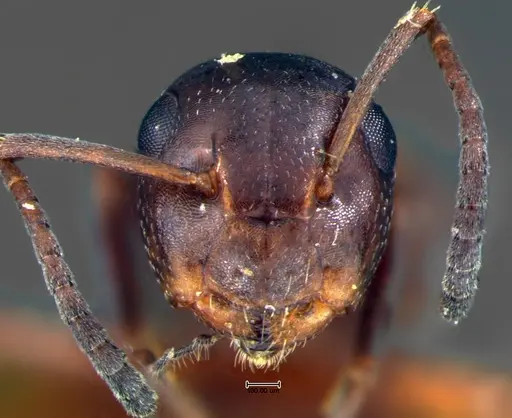
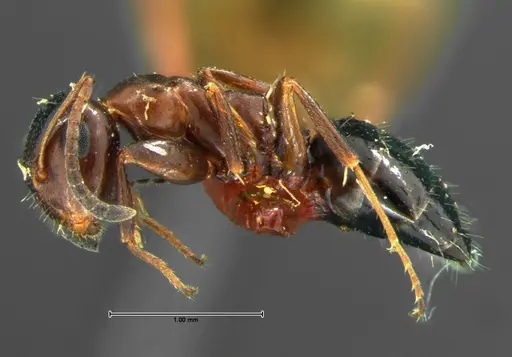
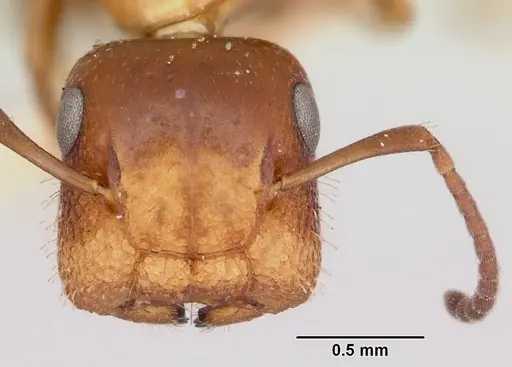
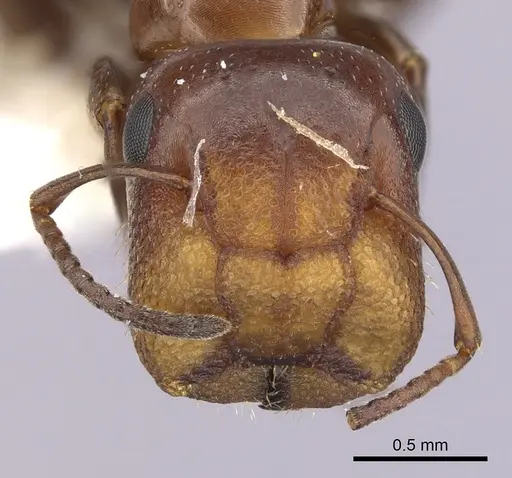
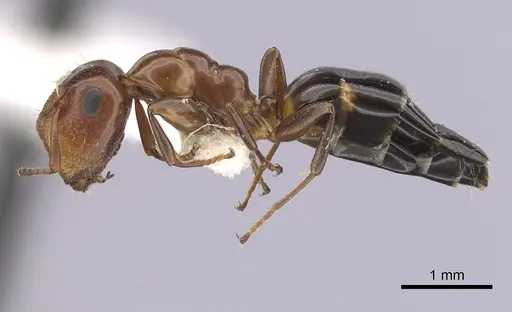
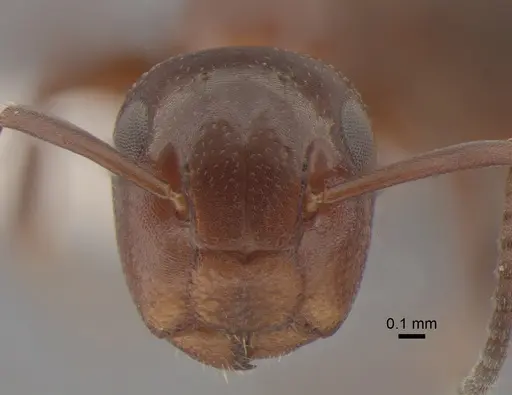
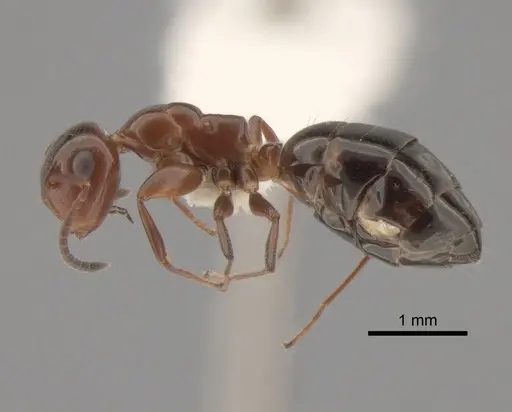
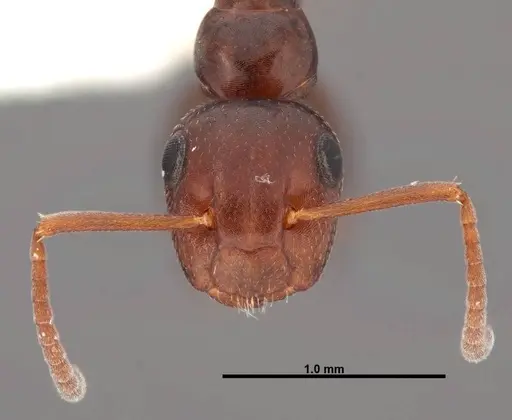
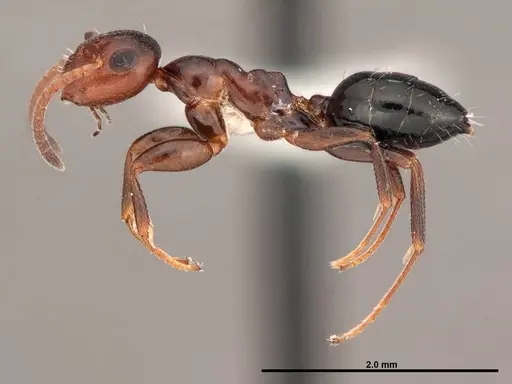
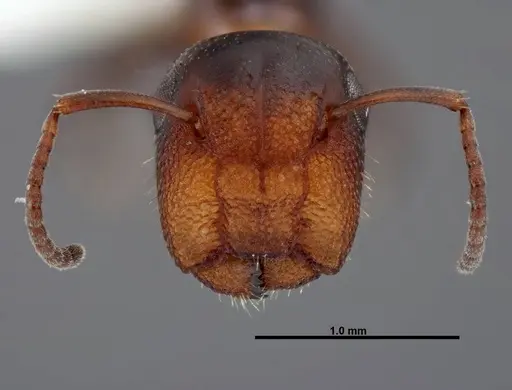
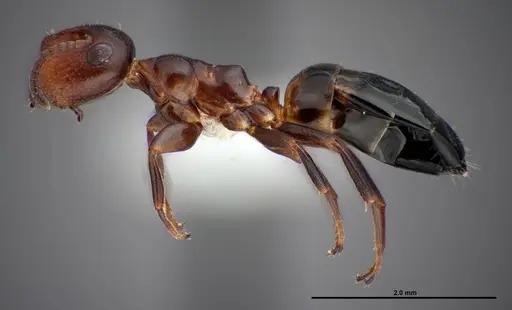
Colobopsis impressa is a small, polymorphic carpenter ant native to the southeastern United States, Bahamas, and Mexico. Workers come in two distinct sizes: majors (soldiers) measure 4–5 mm with a distinctive truncated, cork-shaped head used to block nest entrances, while minors are 3–3.5 mm with normal ant heads . Their coloring is striking: the front third of the head is yellow to reddish-brown, while the back portion is dark brown to black. Queens reach about 6 mm and share the same truncated head shape as majors . Colonies are small, typically 30–360 workers, and contain a single queen . The nest defense system is a highlight of their behavior. When a worker approaches the nest, it gently taps the soldier’s flat forehead with its antennae – this tactile signal is the only way workers can enter or exit . Colonies nest in hollow twigs, plant stems, galls, and red mangroves .
Quick Summary
- Difficulty: Easy
- Origin & Habitat: Southeastern United States (Maryland to Florida, west to central Texas, north to Kansas), Bahamas, and Mexico. Found in diverse habitats including mixed forests, savannas, secondary growth, and semi-urban settings. Nests in hollow plant material like twigs, weed stems, grapevines, and galls along damp forest edges [1][2][3].
- Colony Type: Single-queen colonies (monogyne) with strongly polymorphic workers. Queens can be replaced by workers if the queen dies – queenless worker reproduction has been documented. Colony size typically 30–360 workers [4][5].
- Size & Growth:
- Queen: 6 mm [3]
- Worker: Major workers 4–5 mm, minor workers 3–3.5 mm [1]
- Colony: Typically 30–360 workers [4]
- Growth: Moderate – inferred from typical Camponotini development patterns
- Development: 6–8 weeks at optimal temperature (estimated based on related Camponotus species) (Development time is inferred from genus-level data since species-specific timing hasn't been studied. Expect first workers (nanitics) around 6–8 weeks after eggs are laid at room temperature.)
- Antkeeping:
- Temperature: Keep at room temperature (20–24 °C). These ants are from temperate regions and do well without extra heating. A slight gradient is beneficial but not required.
- Humidity: Moderate – keep the nest substrate slightly moist but not waterlogged. These ants nest in hollow plant material along damp forest edges, so some moisture is needed [3].
- Diapause: Yes – these ants are adapted to temperate climates and benefit from a winter rest period. Reduce temperature to around 10–15 °C for 2–3 months during winter (roughly November to February in the Northern Hemisphere) [3].
- Nesting: Y-tong (AAC), plaster, or 3D-printed nests with narrow channels (3–5 mm diameter) work well to mimic their natural twig cavities – avoid large open spaces. Cork nests are also excellent. Founding can be done in a test tube [2].
- Behavior: Generally peaceful and non-aggressive. Workers are shy and forage quietly on vegetation. Both minor and major workers spray formic acid when threatened [2]. Majors serve as living door guards – they block nest entrances and only move when tapped by a nestmate [4][3]. Workers are primarily nocturnal foragers (Wheeler 1904,via AntWiki).
- Common Issues: colonies are small – don't expect the massive worker armies of larger carpenter ants [4]., soldiers may block nest exits too effectively, trapping workers inside if the colony is disturbed., formic acid spray can irritate eyes and skin – handle gently and wash hands after contact [2]., winter diapause is important for long-term colony health – skipping it may weaken the colony., soldier production is naturally low – colonies with too few soldiers may struggle to expand [7].
Nuptial Flight Activity Analysis 365 observations
Flight Activity by Hour 365 observations
Colobopsis impressa nuptial flight activity peaks around 21:00 during the night. Activity is spread across a 24-hour window (00:00–23:00). A secondary activity peak occurs around 23:00. Times may be influenced by human observation patterns.
Housing and Nest Setup
Colobopsis impressa does best in nests that mimic their natural hollow twig homes. Y-tong (AAC), plaster, or 3D-printed nests with narrow tunnels (3–5 mm in diameter) work exceptionally well, as soldiers can block the entrances. Cork nests are also a great choice. Avoid large, open formicaria – these ants feel exposed in spaces too large for their soldiers to guard. A test tube setup works for founding colonies, but transfer to a more naturalistic setup once the colony reaches 20+ workers. The nest should have some damp substrate (like sand or soil mix) to maintain moderate humidity, but ensure good ventilation to prevent mold. Including a few hollow twigs or stems in a naturalistic setup allows ants to use them as satellite chambers [2][3].
Feeding and Diet
In the wild, these ants primarily feed on honeydew from aphids and scale insects, plus small insects they catch. In captivity, offer sugar water or honey constantly – they'll readily take it through a cotton ball or directly. For protein, provide small insects like fruit flies, pinhead crickets, or mealworm pieces. Feed protein 2–3 times per week, removing any uneaten prey after 24 hours. These ants are not aggressive hunters, so prey should be small and easy to subdue. Some keepers report success with commercial ant jelly as a sugar source. Unlike some carpenter ants, C. impressa does not typically scavenge on human food indoors – they prefer honeydew [2].
Temperature and Seasonal Care
Room temperature (20–24 °C) suits these ants well. They come from the southeastern US where temperatures are mild, so they don't need heating in most homes. A small heat gradient (one side of the nest slightly warmer) can encourage activity and brood development, but is not required. During winter (roughly November through February in the Northern Hemisphere), reduce temperatures to 10–15 °C to allow natural diapause. This rest period is important for colony health and may trigger sexual production in established colonies. Do not feed during deep diapause – the ants will be mostly inactive and won't consume food. Return to normal temperatures gradually in spring [3].
Defense Mechanisms and Handling
The most remarkable aspect of C. impressa behavior is their phragmotic soldiers. Major workers have evolved cork-shaped heads that perfectly plug circular nest entrances. When a worker wants to enter, it gently taps the soldier's forehead with its antennae – this tactile signal is the only way to pass [4][3]. If you see a soldier blocking a nest hole, don't force it aside, wait for the ant to move naturally or provide an alternate entrance. Both minor and major workers can spray formic acid when threatened, so handle gently and avoid disturbing the nest [2]. If you need to move the colony, gently tap the setup to encourage workers to retreat, then carefully transfer the nest material. Wash hands after any contact with formic acid spray.
Colony Growth and Development
Colonies start with a single queen who raises her first workers – the exact founding method is unconfirmed, but based on typical Camponotini patterns, the queen likely seals herself in a chamber and relies on stored fat reserves. These first workers (nanitics) are typically smaller than normal workers. Growth is moderate – expect the colony to reach 50 workers within the first year under good conditions. The key to larger colonies is the presence of soldiers, research shows sexual production (alates) is positively correlated with the number of soldiers in the colony [2]. Additionally, this species produces a constant low ratio of soldiers in new brood, regardless of resource or competition levels [7]. Maximum colony size is around 300–360 workers, which is relatively small compared to many carpenter ants. Colonies are long-lived perennials that can survive multiple years with proper care [4].
Frequently Asked Questions
How long does it take for Colobopsis impressa to produce first workers?
Expect first workers (nanitics) around 6–8 weeks after the queen lays her first eggs, at room temperature (around 20–24 °C). This is an estimate based on related Camponotus species since specific development timing hasn't been studied for this species.
Can I keep multiple queens together?
No. Colobopsis impressa is monogyne – colonies have only one queen. Multiple unrelated queens will fight. If you find multiple dealated queens, they should be housed separately [5].
What do Colobopsis impressa eat?
They primarily eat honeydew (so offer sugar water or honey regularly) and small insects for protein. Feed protein sources like fruit flies, small crickets, or mealworm pieces 2–3 times per week [2].
Do they need hibernation?
Yes, they benefit from a winter rest period. Reduce temperatures to around 10–15 °C for 2–3 months during winter. This helps maintain colony health and may trigger production of alates (reproductives) in mature colonies [3].
How big do colonies get?
Colonies typically reach 30–360 workers at maturity. This is relatively small compared to many carpenter ants, making them manageable for hobbyists [4].
Are these ants good for beginners?
Yes, they're considered easy to keep. They're small, peaceful, don't require elaborate heating or humidity control, and have interesting behaviors. Their main needs are simple: moderate humidity, sugar water, small prey insects, and winter diapause [3].
Why do soldiers block the nest entrance?
Soldiers have evolved specialized cork-shaped heads that act as living doors. This protects the colony from predators and intruders. Workers must tap the soldier's forehead with their antennae to signal they want to enter – this tactile communication is unique to this group of ants [4][2].
When do alates appear?
In the wild, winged reproductives have been collected from July 2 through August 20. In captivity, mature colonies (2+ years) may produce alates during spring/summer following a proper winter diapause [1].
When is the nuptial flight of Colobopsis impressa?
The nuptial flight of Colobopsis impressa typically occurs From May to July.
What time of day does Colobopsis impressa fly?
The nuptial flight of Colobopsis impressa peaks around 21:00 during the night, with most activity between 00:00 and 23:00. Times may be influenced by human observation patterns.
Report an Issue
The current care sheet is based fully on literature. See inconsistencies, or something that's incorrect? Please , it will be resolved after review from an admin. Contributing to the blogs tab also helps providing information, to make us be able to further improve the caresheets. Thank you for your support!
References

This caresheet is licensed under CC BY-SA 4.0 .
Community Blogs
CASENT0103237
View on AntWeb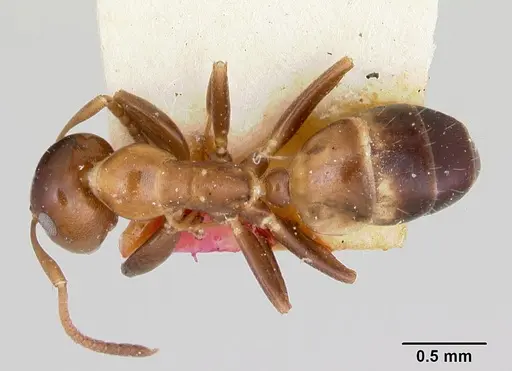
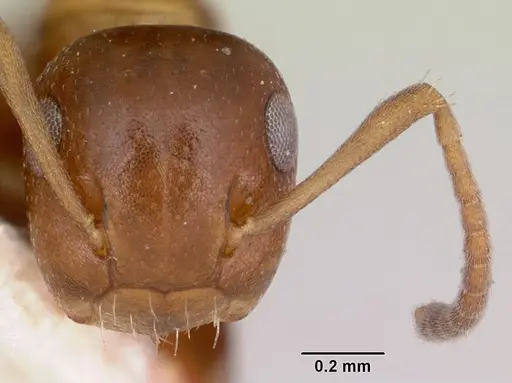
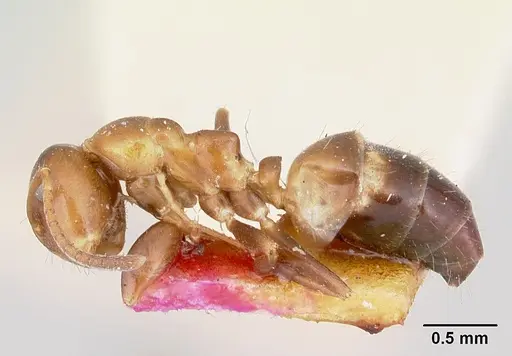
CASENT0103427
View on AntWeb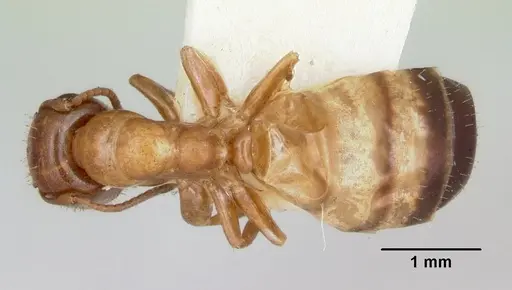
CASENT0103428
View on AntWeb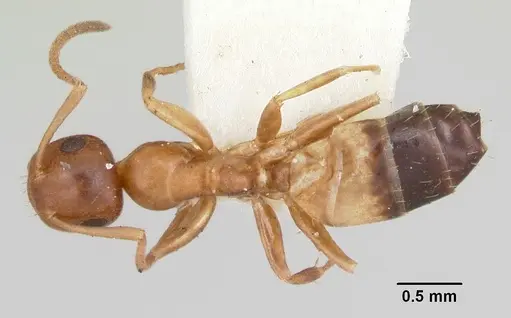
CASENT0103677
View on AntWeb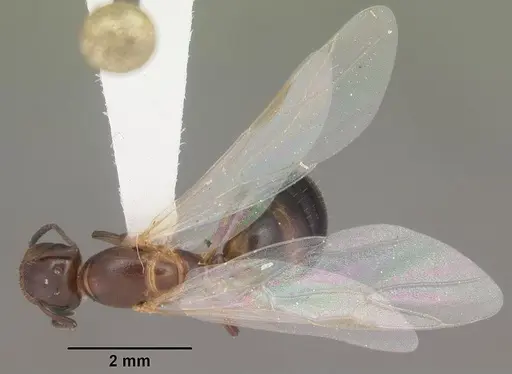
CASENT0103678
View on AntWeb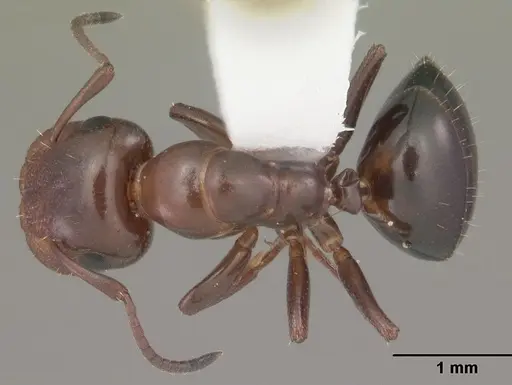
CASENT0103679
View on AntWeb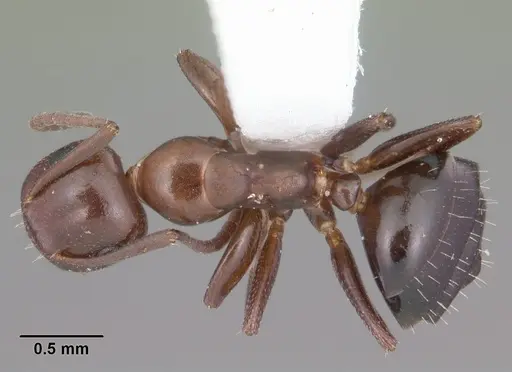
CASENT0103681
View on AntWeb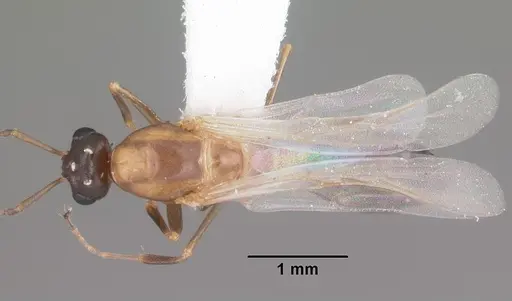
CASENT0105675
View on AntWeb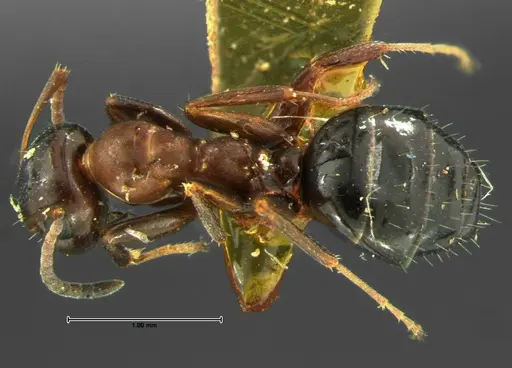
CASENT0105728
View on AntWeb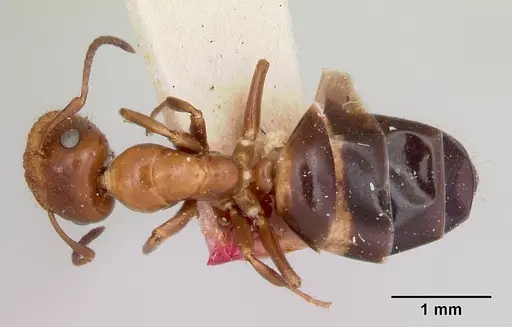
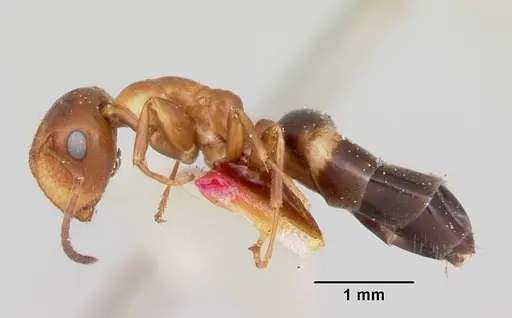
CASENT0249380
View on AntWeb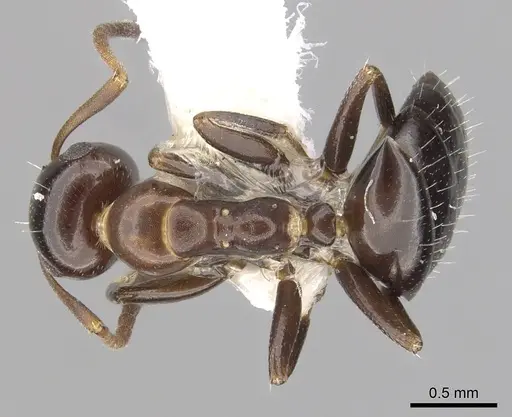
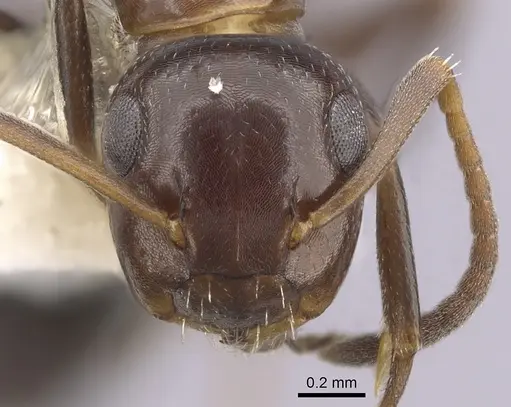
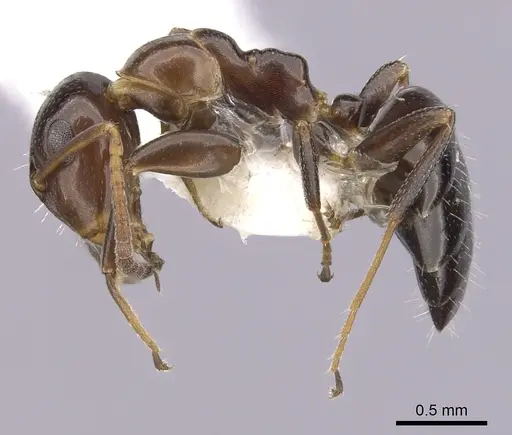
CASENT0249381
View on AntWeb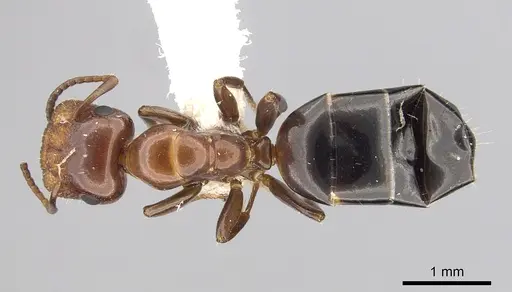
CASENT0886712
View on AntWeb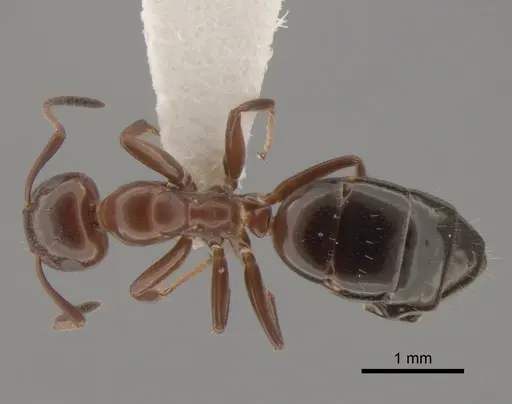
CASENT0923509
View on AntWeb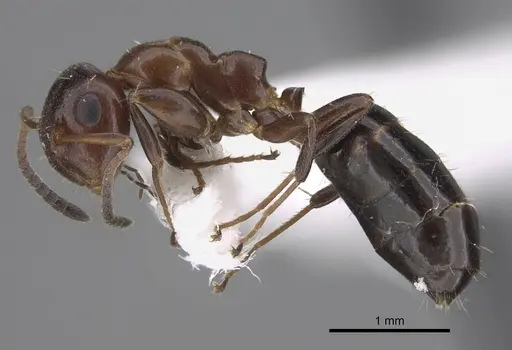
CASENT0923512
View on AntWeb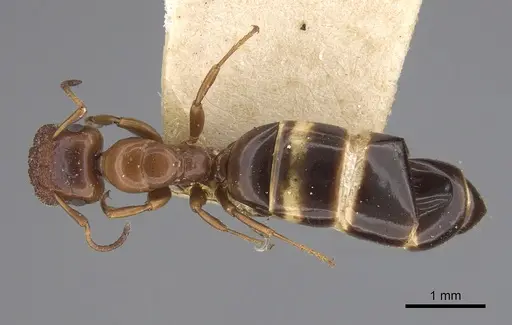
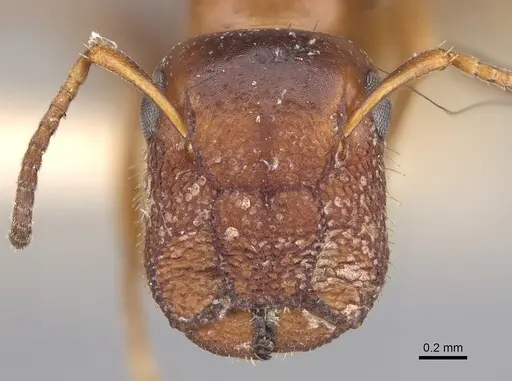
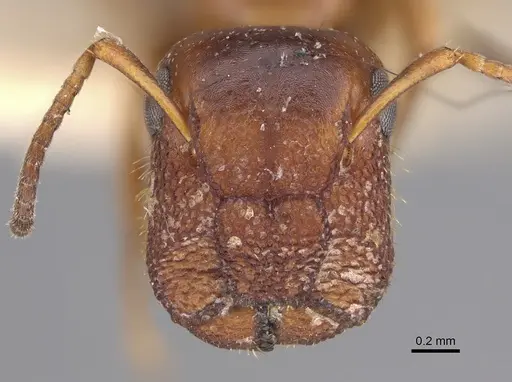
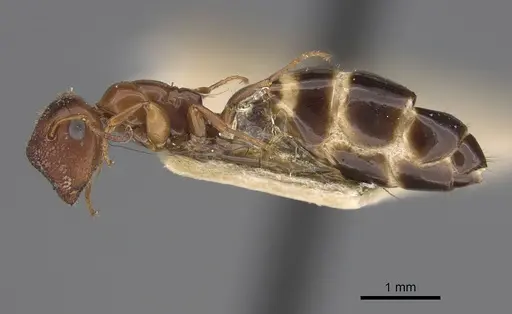
FMNHINS0000088668
View on AntWeb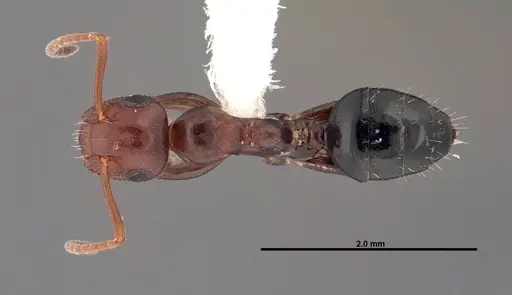
FMNHINS0000088681
View on AntWeb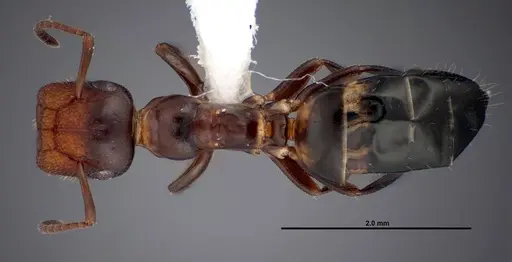
Literature
Loading distribution map...Loading products...