
Colobopsis dentata
- Sci. Name
- Colobopsis dentata
- Tribe
- Camponotini
- Subfamily
- Formicinae
- Author
- Mayr, 1866
- Distribution
- Found in 2 countries
Introduction
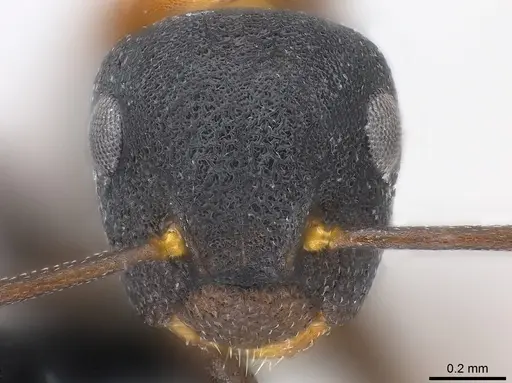
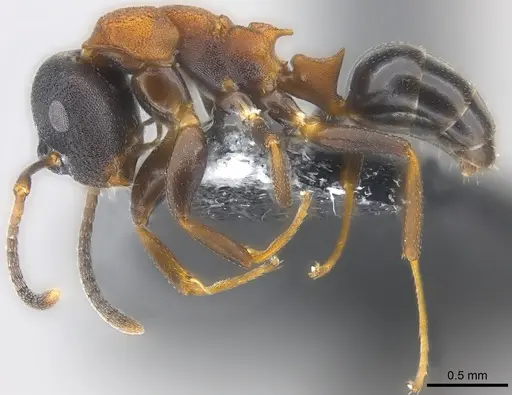
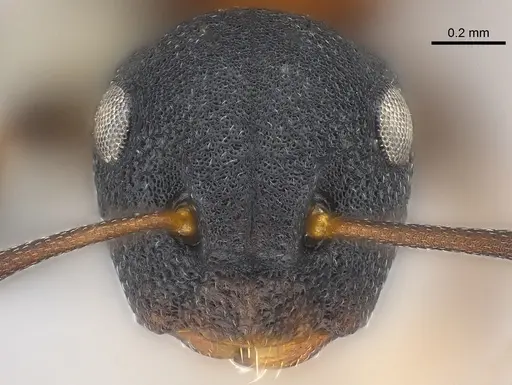
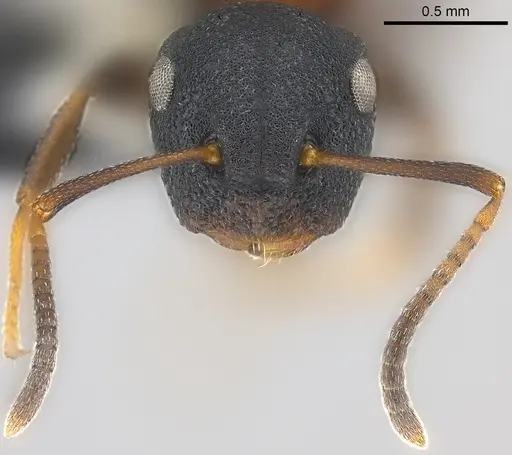
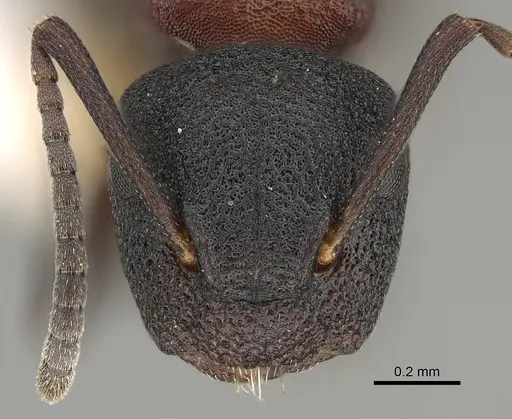
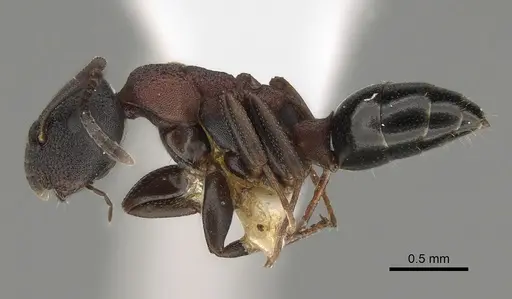
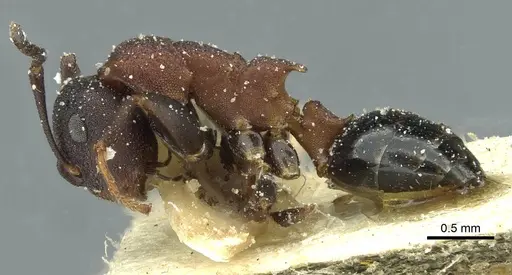
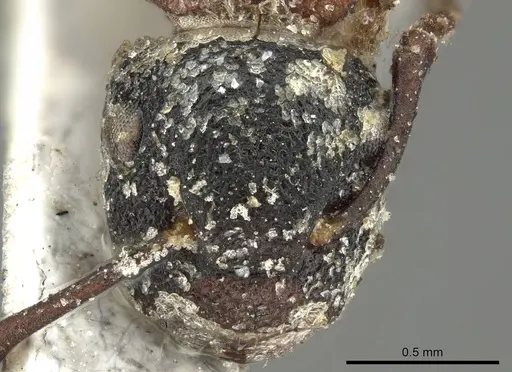
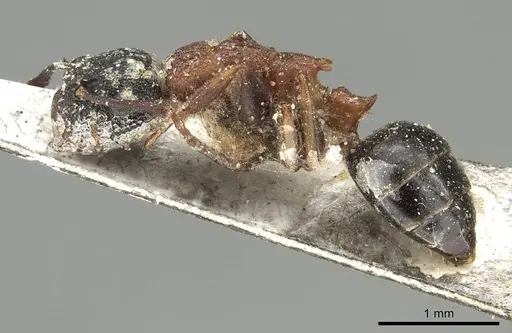
Colobopsis dentata is a small, dark ant endemic to the Fiji Islands. Workers measure 3.5–3.8 mm and have a truncate head shape typical of the genus . The body is nearly black with ferruginous mandibles, thorax, and petiole. This species shows remarkable variation across the Fijian archipelago, especially in propodeal shape, petiole shape, facial sculpture, and color – differences are most striking between populations on different islands . They can be found in forest margins, coastal scrub, cultivated areas, and even urban environments, and readily recruit to sugar water baits placed on the ground . As a tropical island species, they need warm, humid conditions year-round.
Quick Summary
- Difficulty: Medium
- Origin & Habitat: Endemic to the Fiji Islands – recorded from Viti Levu, Vanua Levu, Kadavu, Taveuni, Ovalau, Gau, and Lakeba [2][3]. They inhabit forest edges, coastal scrub, cultivated areas, and urban settings, often foraging on tree trunks and in low vegetation. They are also found on the ground near rubbish or vegetative debris [2].
- Colony Type: Single-queen (monogyne) colonies are likely, based on typical patterns in this subgenus (Colobopsis), but this has not been confirmed by direct observations.
- Size & Growth:
- Queen: Size data unavailable – no measurements have been published.
- Worker: 3.5–3.8 mm [1]
- Colony: Unknown from literature – estimated a few hundred workers at most, given their small size and low occurrence in survey samples [4].
- Growth: Moderate – tropical species with year-round development potential
- Development: Estimated 6–8 weeks at optimal temperatures (24–28 °C), based on typical Formicinae development (Development likely faster than temperate species due to tropical origin. Warm, stable temperatures speed up brood development.)
- Antkeeping:
- Temperature: 24–28 °C year-round. As a tropical Fiji species, they need consistent warmth. A heating cable on one side of the nest creates a gentle gradient. Avoid prolonged drops below 22 °C.
- Humidity: High humidity – aim for 70–80% relative humidity. Keep the nest substrate consistently damp but not waterlogged. A water tube connected to the nest or occasional misting helps maintain moisture.
- Diapause: No – being a tropical species from a consistent climate, they do not require hibernation. Maintain warm temperatures all year.
- Nesting: Arboreal by nature, but captive setups can include Y-tong (AAC) nests, plaster nests, or test tubes that retain humidity. Workers are small (3.5 mm), so chambers and passages should be narrow. Provide vertical surfaces in the outworld for climbing.
- Behavior: Generally peaceful and non‑aggressive. They do not sting – as Formicinae, they bite and spray formic acid into wounds. Workers actively forage, form trails to food sources, and readily recruit nestmates to sugar baits [2]. Escape risk is moderate due to their small size – standard barrier methods are sufficient. They are not known to be defensive toward keepers.
- Common Issues: tropical species may struggle if temperatures drop below 22 °C – keep warm year‑round., high humidity needs can lead to mold if ventilation is poor – balance moisture with airflow., small size (3.5 mm) means they can escape through tiny gaps – use fine mesh or tight seals., growth is moderate – colony development takes patience, especially in the first year.
Housing and Nest Setup
Colobopsis dentata does well in enclosed nest setups that retain humidity. Y‑tong (AAC) or plaster nests work well because they hold moisture and can be shaped with narrow chambers that match the workers' small size. A test tube setup with a second water tube is also fine. Since they are arboreal in the wild, add vertical elements like twigs or fake plants in the outworld to encourage natural foraging. Keep the nest dark – use a cover or place it in a dim area. Ensure all openings are sealed with fine mesh, as workers are only 3.5 mm long and can slip through tiny cracks. The outworld should have a secure lid and standard barrier to prevent escape.
Feeding and Diet
In the wild, these ants readily recruit to sugar water baits placed on the ground [2]. They likely also collect honeydew from aphids and small insects, as is typical for Formicinae. In captivity, provide a constant source of sugar water (1:1 ratio with water) or honey. For protein, offer small prey such as fruit flies, small mealworms, or pinhead crickets – nothing larger than the workers themselves. Feed protein 2–3 times per week and remove leftovers after 24–48 hours to prevent mold.
Temperature and Humidity
Being endemic to the Fiji Islands, these ants need warm, humid conditions. Keep the nest at 24–28 °C year‑round. Use a heating cable on one side of the nest to create a gradient without drying out the substrate. Place the cable on top of the nest, not underneath, to avoid excessive evaporation. Humidity should be high (70–80% relative humidity) – the nest substrate should feel damp but not waterlogged. A water tube connected to the nest or occasional misting of the outworld helps maintain moisture. Prolonged temperatures below 22 °C can stress or kill the colony.
Colony Development
Colony development follows typical Formicinae patterns. Founding behavior has not been documented for this species, so it is unclear whether queens are claustral or semi‑claustral. If a queen founds on her own, she will likely seal herself in a chamber and raise the first workers using her stored reserves. Under warm conditions (24–28 °C), the first workers (nanitics) should emerge within 6–8 weeks. After that, the colony will grow steadily but not rapidly. As a tropical species, there is no winter slowdown – development continues year‑round as long as temperatures stay warm. Expect a mature colony to contain a few hundred workers at most, though exact counts are unknown.
Behavior and Observation
These ants are active, visible foragers. Workers form conspicuous trails to food sources and readily recruit nestmates. They are not aggressive and will rarely attempt to bite or spray formic acid unless handled roughly. Their distinctive truncate head shape is used in the wild as a living door to block nest entrances – you may observe this behavior in captivity as workers position themselves at nest openings. Because they are small and dark with reddish highlights, they are visually interesting but can be hard to spot. Feeding time is the best opportunity to watch their typical trail‑forming behavior.
Frequently Asked Questions
How long does it take for Colobopsis dentata to produce first workers?
Expect first workers (nanitics) in about 6–8 weeks after the queen lays eggs, provided temperatures are kept at 24–28 °C. This is a typical timeframe for tropical Formicinae. Cooler temperatures will slow development.
What do Colobopsis dentata eat?
They readily accept sugar sources – offer sugar water (1:1 with water) or honey constantly. For protein, feed small insects like fruit flies, small mealworms, or pinhead crickets. In the wild they are known to recruit to sugar baits [2].
Do Colobopsis dentata need hibernation?
No. Being a tropical species from Fiji, they do not require hibernation. Keep them warm year-round at 24–28 °C.
Are Colobopsis dentata good for beginners?
They are moderate difficulty. They are peaceful and accept typical captive conditions, but their need for constant warmth and humidity requires attention. Their small size also demands careful escape prevention and appropriately sized prey. Good for intermediate keepers comfortable with tropical species.
How big do Colobopsis dentata colonies get?
The maximum colony size is not documented, but based on related species and their small worker size, a mature colony likely contains a few hundred workers. They are not known for huge colonies.
Can I keep multiple Colobopsis dentata queens together?
This has not been studied. Based on typical Camponotini patterns, single‑queen colonies are most likely. Do not attempt to combine queens without evidence that they coexist peacefully.
What temperature is best for Colobopsis dentata?
Keep nest temperatures at 24–28 °C. Use a heating cable on one side of the nest to create a gradient. Avoid temperatures below 22 °C for extended periods, as this can harm the colony.
Where is Colobopsis dentata found in the wild?
This species is endemic to the Fiji Islands, found on Viti Levu, Vanua Levu, Kadavu, Taveuni, Ovalau, Gau, and Lakeba. They inhabit forest edges, coastal scrub, cultivated areas, and urban environments [2][3].
When do Colobopsis dentata have nuptial flights?
Nuptial flight timing is not documented. As a tropical species, flights may occur at any time when conditions are favorable. If you keep a mature colony, watch for winged reproductives appearing periodically.
Report an Issue
The current care sheet is based fully on literature. See inconsistencies, or something that's incorrect? Please , it will be resolved after review from an admin. Contributing to the blogs tab also helps providing information, to make us be able to further improve the caresheets. Thank you for your support!
References

This caresheet is licensed under CC BY-SA 4.0 .
Community Blogs
CASENT0177557
View on AntWeb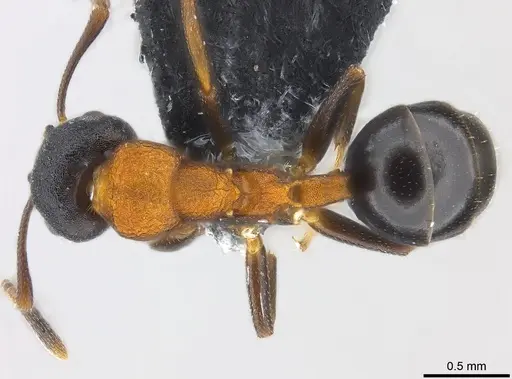
CASENT0177590
View on AntWeb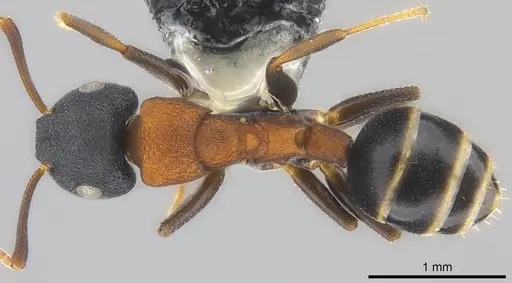
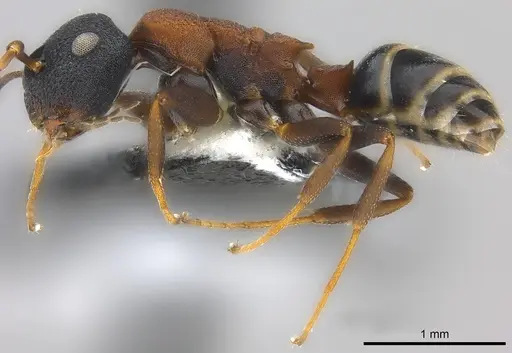
CASENT0887748
View on AntWeb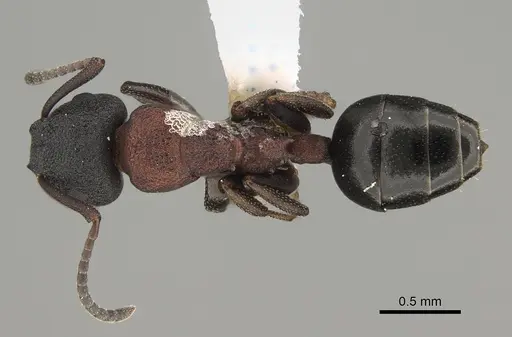
CASENT0911625
View on AntWeb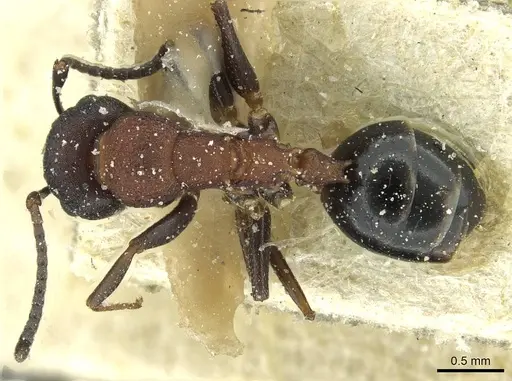
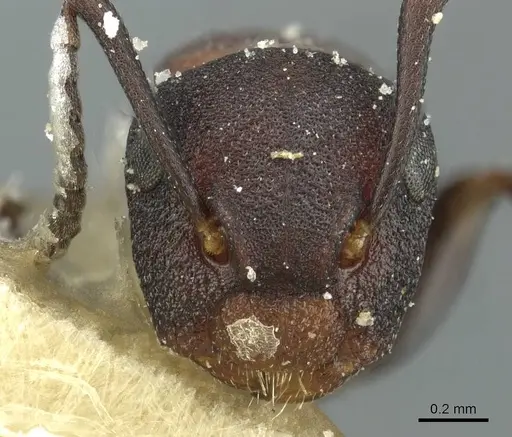
CASENT0915757
View on AntWeb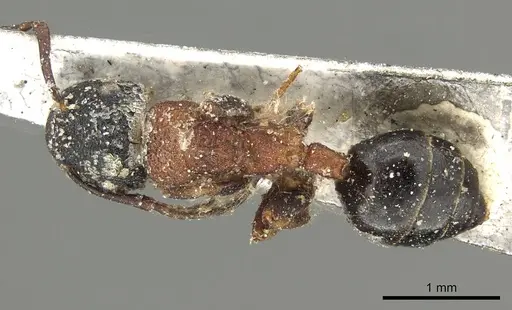
Literature
Loading distribution map...Loading products...