
Mono Ant
Chelaner kiliani
- Sci. Name
- Chelaner kiliani
- Tribe
- Solenopsidini
- Subfamily
- Myrmicinae
- Author
- Forel, 1902
- Common Name
- Mono Ant
- Distribution
- Found in 1 countries
Introduction
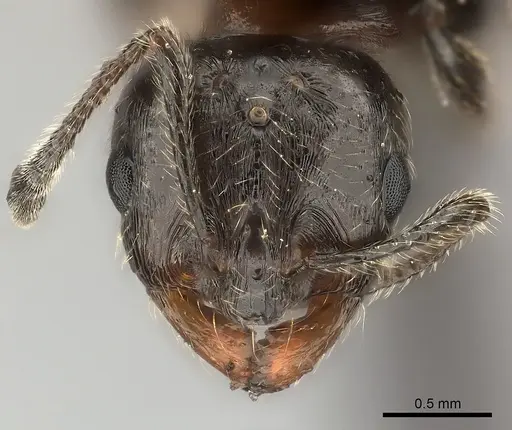
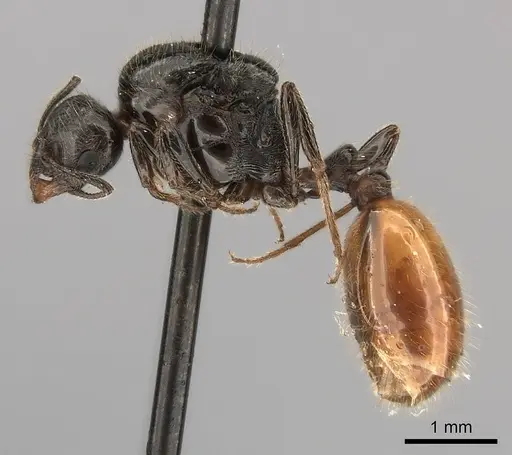
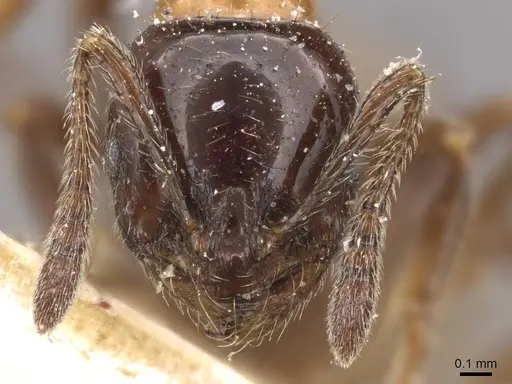
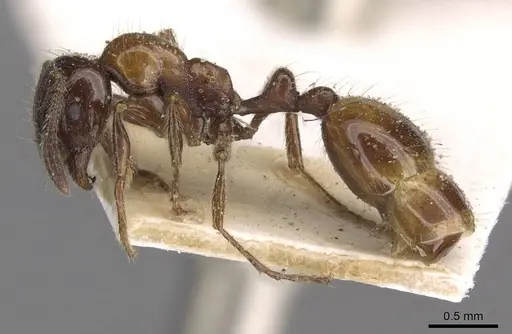
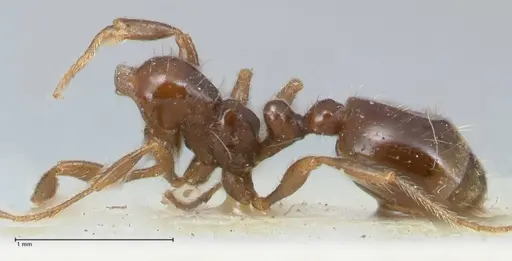
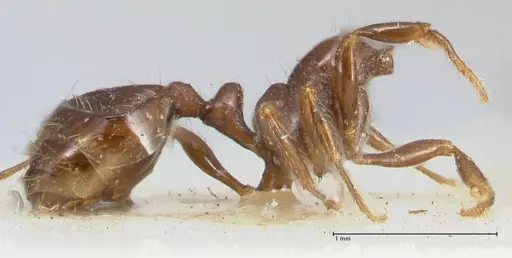
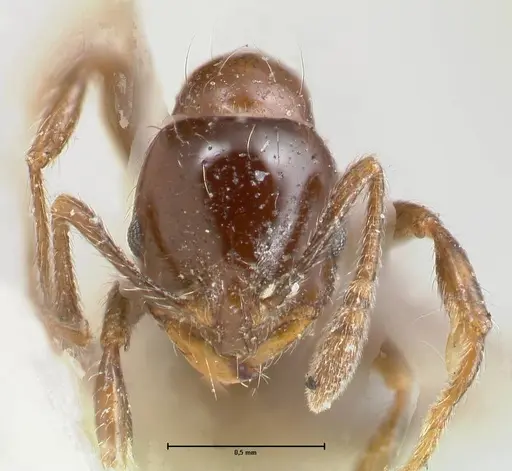
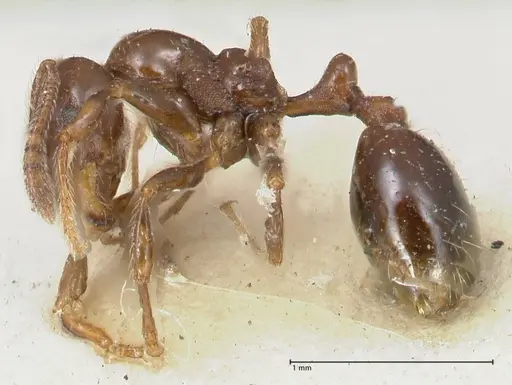
Chelaner kiliani is a small ant native to Australia, formerly classified as Monomorium kiliani. Workers measure approximately 2-3mm and queens approximately 4-5mm. Workers have a distinctive color pattern: the head is typically chocolate-brown, the promesonotum is tan or yellowish-brown, and the remaining body is brown. Queens range from brown to tawny orange with an amber-colored gaster. These ants belong to the kiliani-group within the genus Chelaner and are found throughout Australia [AntWiki]. What makes C. kiliani unusual is its diet - this species includes a high proportion of vegetable material and has been documented as a minor pest in orchards, where workers attack young buds on apple trees and feed on fallen fruit [AntWiki]. This omnivorous appetite with a sweet tooth can work in your favor as a keeper, but it also means you'll need to manage their sugar offerings carefully.
Quick Summary
- Difficulty: Easy
- Origin & Habitat: Australia, found across multiple states including New South Wales, South Australia, and Queensland. In the wild, they nest in soil and under stones, and have been recorded at elevations from 200m up to 1200m in rainforest areas like the Eungella region [1][2].
- Colony Type: Colony structure is not well-documented in scientific literature.
- Size & Growth:
- Queen: ~4-5mm, inferred from Chelaner genus patterns
- Worker: ~2-3mm, inferred from Chelaner genus patterns
- Colony: Unknown, not documented in available research
- Growth: Moderate
- Development: 6-10 weeks, estimated based on related Monomorium species (Development time is not specifically documented for this species, estimates based on typical Monomorium development at room temperature)
- Antkeeping:
- Temperature: Keep at room temperature, around 20-26°C. Australian species generally tolerate a range from 18°C to 28°C. A gentle heat gradient in the nest allows workers to choose their preferred temperature [1].
- Humidity: Moderate humidity around 50-70%. These ants are found in varied Australian habitats from mesic to drier areas. Keep the nest substrate slightly moist but allow some drying between waterings. Avoid waterlogging.
- Diapause: Yes, Australian temperate ants typically require a winter rest period. Reduce temperature to 10-15°C for 2-3 months during winter. Do not feed during this period but ensure water is available.
- Nesting: In captivity, they do well in standard test tubes for founding colonies. Once established, they can be moved to formicariums with soil or plaster nests. They prefer dark, enclosed spaces and will readily adopt ytong or soil nests. A small outworld connected to the nest allows for foraging.
- Behavior: These ants are relatively docile. Workers are active foragers that readily accept sugar water, honey, and protein foods. They have a moderate escape risk due to their small size, use standard barrier methods like fluon on test tube rims. They are primarily nocturnal or crepuscular foragers in the wild, so you may see most activity in the evening hours [1]. This species has a sting, though it is not considered particularly potent.
- Common Issues: colonies may fail if kept too wet, these ants prefer moderately dry conditions, sugar spills can attract mold and contaminate the nest, clean any spilled honey or sugar water promptly, small colony size means slow growth, beginners may lose patience and overfeed, leading to mold issues, escape prevention is important for workers, they can squeeze through small gaps despite being moderate-sized ants
Housing and Nest Setup
For founding colonies, a simple test tube setup works well. Fill a test tube one-third with water and plug the wet end with cotton wool, leaving a dry section for the queen to retreat to. Cover the setup with a dark cloth to reduce stress, these ants prefer dark, enclosed spaces. Once the colony reaches 20-30 workers, you can transition them to a small formicarium. Ytong nests or plaster nests with narrow chambers work well. These ants are not particularly fussy about nest materials as long as darkness and humidity are maintained. An outworld for foraging should be connected once the colony grows, allowing workers to venture out for food. [1]
Feeding and Diet
Chelaner kiliani is omnivorous with a sweet tooth. They readily accept sugar water, honey, or diluted syrup as a constant carbohydrate source. For protein, offer small insects like fruit flies, small crickets, or mealworm pieces. Their documented appetite for vegetable material in the wild suggests they may also accept small amounts of plant matter, though protein insects should form the bulk of their diet. Feed protein every 3-4 days for growing colonies, and keep a sugar source available at all times. Remove uneaten prey after 24 hours to prevent mold. This species is not a specialized predator, so live prey is not strictly necessary, they will scavenge dead insects. [1]
Temperature and Seasonal Care
These Australian ants do well at room temperature, ideally between 20-26°C. They can tolerate temperatures as low as 18°C and as high as 28°C for short periods, but prolonged exposure to extremes should be avoided. During the Australian winter (roughly June-August in the southern hemisphere), you should reduce temperatures to 10-15°C for a diapause period. This simulates their natural seasonal cycle and helps maintain colony health. During hibernation, stop feeding entirely but ensure water is available via a damp cotton ball, not a water tube. Return to normal temperatures gradually over 1-2 weeks when waking them from hibernation. [1]
Growth and Development
The development timeline for C. kiliani is not specifically documented in scientific literature. Based on typical Monomorium patterns, expect 6-10 weeks from egg to first worker (nanitic) at optimal temperatures around 24°C. Nanitic workers are typically smaller than mature workers. Colony growth is moderate, do not expect rapid expansion. A healthy founding colony may take 6-12 months to reach 50 workers. Growth rate depends heavily on feeding consistency and temperature stability. Queens can live for many years, so this is a long-term commitment. Be patient with founding colonies, the queen will remain in her chamber tending brood, and workers will only begin foraging outside once the first nanitics emerge.
Behavior and Temperament
Chelaner kiliani is a docile species. Workers are active and curious, readily exploring their environment. They possess a sting but it is not considered particularly potent, these ants are more likely to flee than fight when disturbed. Their small size means they can be overlooked, but they are robust little ants that adapt well to captive conditions. Workers are primarily crepuscular (active at dawn and dusk) in the wild, though captive colonies often adjust to daytime activity when food is offered. They use chemical trails to recruit nestmates to food sources, so you may see a trail form after discovering a new food item. This species is not known for escape artistry, but standard barrier methods like fluon on tube rims are still recommended. [1]
Frequently Asked Questions
How long does it take for Chelaner kiliani to produce first workers?
Based on related Monomorium species, expect 6-10 weeks from egg to first worker at room temperature (around 24°C). This is an estimate since specific development data for C. kiliani is not documented. The queen will remain sealed in her founding chamber until nanitics emerge.
What do Chelaner kiliani ants eat?
They are omnivorous with a sweet tooth. Offer sugar water, honey, or diluted syrup as a constant carbohydrate source. For protein, provide small insects like fruit flies, small crickets, or mealworm pieces. They are known to include vegetable material in their diet in the wild.
What temperature do Chelaner kiliani need?
Keep them at room temperature, ideally 20-26°C. They can tolerate a range from 18-28°C. A gentle temperature gradient in the nest allows workers to self-regulate. Australian ants typically do well at standard room temperature.
Do Chelaner kiliani need hibernation?
Yes, they benefit from a winter rest period. Reduce temperatures to 10-15°C for 2-3 months during winter. Stop feeding during this period but ensure water is available. This mimics their natural seasonal cycle in Australia.
Are Chelaner kiliani good for beginners?
Yes, this species is considered easy to keep. They are docile, do not require specialized equipment, and accept a wide variety of foods. Their main requirements are moderate humidity, room temperature, and proper feeding schedules. The main challenge is patience, colony growth is moderate.
How big do Chelaner kiliani colonies get?
The maximum colony size is not documented in available research. Based on related Monomorium species, colonies likely reach several hundred workers over several years. They are not known for supercolonial behavior.
Can I keep multiple Chelaner kiliani queens together?
This is not recommended and has not been documented. Colony structure for this species is unconfirmed. Combining unrelated queens typically leads to fighting. If you obtain multiple foundress queens, house them separately.
When should I move Chelaner kiliani from a test tube to a formicarium?
Move them once the colony reaches 20-30 workers and the test tube is becoming cramped. Signs that they are ready include workers exploring beyond the nest area, the water reservoir running low, or visible mold from food debris. A small ytong or plaster nest works well for the transition.
Why are my Chelaner kiliani dying?
Common causes include: too much moisture leading to mold, contaminated sugar water, temperature extremes, or stress from excessive disturbance. Ensure proper humidity (damp but not wet), clean any spilled food promptly, and avoid moving the nest unless necessary. Small colonies are also vulnerable to stress during the founding phase.
Report an Issue
The current care sheet is based fully on literature. See inconsistencies, or something that's incorrect? Please , it will be resolved after review from an admin. Contributing to the blogs tab also helps providing information, to make us be able to further improve the caresheets. Thank you for your support!
References

This caresheet is licensed under CC BY-SA 4.0 .
Community Blogs
CASENT0217886
View on AntWeb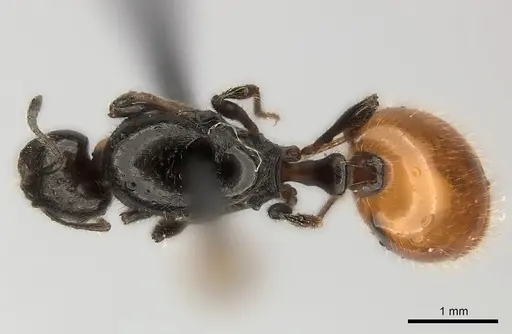
CASENT0908676
View on AntWeb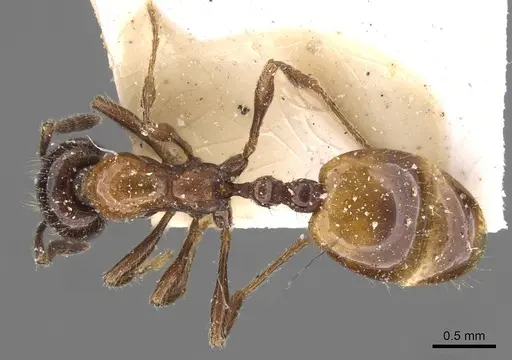
FOCOL1711
View on AntWeb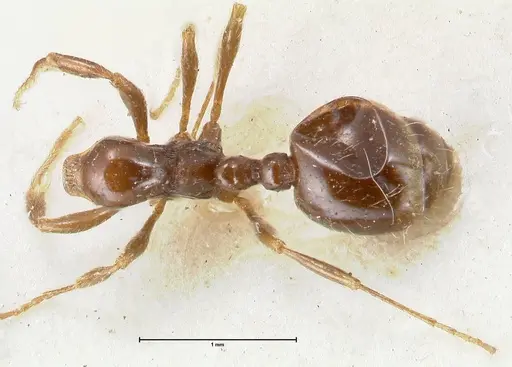
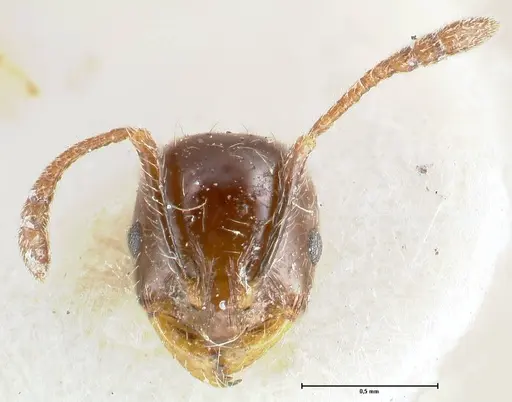
FOCOL1712
View on AntWeb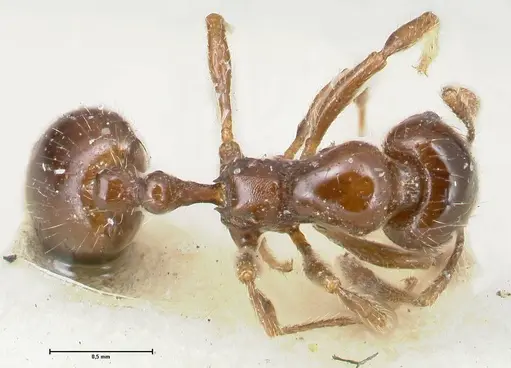
Literature
Loading distribution map...Loading products...