
Cerapachys antennatus
- Sci. Name
- Cerapachys antennatus
- Subfamily
- Dorylinae
- Author
- Smith, 1857
- Distribution
- Found in 1 countries
Introduction
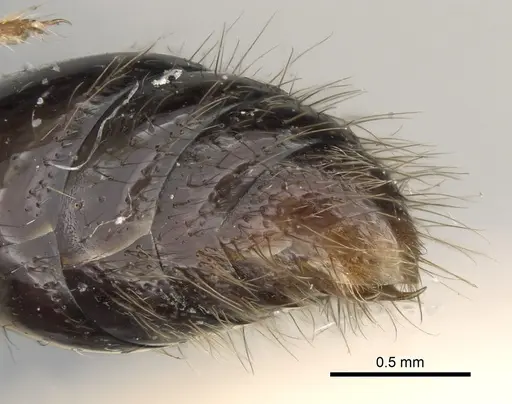
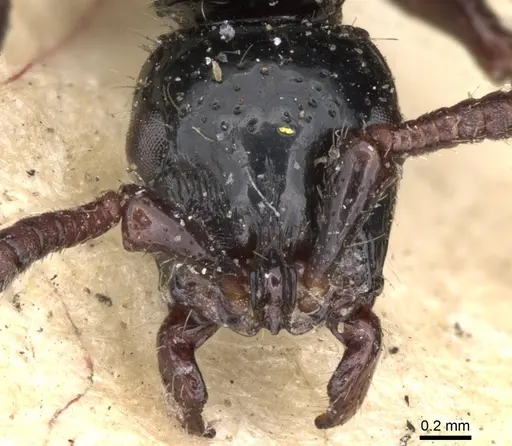
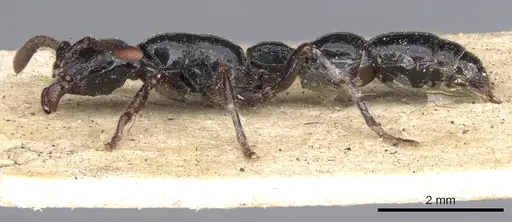
Cerapachys antennatus is a small predatory ant species in the Dorylinae subfamily. Workers are compact ants with distinctive morphological features including a smooth petiole without rugae and a unique torulo-posttorular complex with a small projecting tooth visible in full-face view . The species was originally described from Borneo (Sarawak) by Frederick Smith in 1857, with the queen later described by Carlo Emery in 1887 . This ant belongs to the Cerapachyini tribe and is closely related to the genus Lioponera. The species has been recorded across the Indomalaya region, from northwestern India and Tibet through Middle China to Java and Borneo . Unlike true army ants, this species is a non-army ant doryline that forms discrete colonies rather than massive nomadic swarms.
Quick Summary
- Difficulty: Medium
- Origin & Habitat: Native to Southeast Asia, specifically Borneo, Malaysia, and Indonesia. Found in the Indomalaya region, particularly in Sarawak (Borneo). This species inhabits tropical forest environments [1][4][5].
- Colony Type: Colony structure is not well documented in scientific literature. Based on related Cerapachys species studied in Thailand, colonies have synchronized brood development. Further research needed to confirm monogyne or polygyne status [1].
- Size & Growth:
- Queen: ~6-8mm, inferred from related Cerapachys species and queen description by Emery [3].
- Worker: ~3-5mm, inferred from genus typical sizes [1].
- Colony: Exact size unknown for this species. Based on related Cerapachys species, colonies likely reach several hundred workers.
- Growth: Moderate, based on typical Dorylinae development patterns.
- Development: Estimated 6-10 weeks based on related Dorylinae species at tropical temperatures. No specific study on C. antennatus development exists [1].
- Antkeeping:
- Temperature: Keep at 24-28°C, reflecting their tropical Southeast Asian origin. A slight gradient allowing warmer and cooler areas is recommended.
- Humidity: Moderate to high humidity (60-80%). These forest-floor ants prefer consistently moist substrate. Keep the nest substrate damp but not waterlogged.
- Diapause: No, as a tropical species from Southeast Asia, they do not require hibernation. Keep at stable warm temperatures year-round.
- Nesting: In captivity, they do well in Y-tong (AAC) nests or plaster nests with narrow chambers. In nature, they likely nest in rotting wood or soil cavities. Provide a nest with tight-fitting chambers scaled to their small size.
- Behavior: Cerapachys antennatus is a predatory ant that hunts small invertebrates. Workers are relatively active foragers. They are not aggressive toward keepers but may deliver a mild sting if handled roughly. Escape prevention is important due to their small size, use fine mesh barriers and tight-fitting lids.
- Common Issues: this species is rarely available in the antkeeping hobby, very limited biological data makes care recommendations somewhat speculative, predatory diet requirements may be challenging to meet consistently, small size requires attention to escape prevention, synchronized brood development means colonies may have periods of visible brood and periods with none
Housing and Nest Preferences
Cerapachys antennatus does well in Y-tong (AAC) nests or plaster nests with appropriately sized chambers. The chambers should be scaled to their small worker size, so avoid overly large open spaces. A naturalistic setup with moist substrate and hiding spots can also work well. These ants are not particularly demanding about nest materials but do appreciate darkness in the nest area. Because they are small, ensure all connections and barriers are secure, even tiny gaps can allow escapes. A test tube setup can work for founding colonies, but be prepared to move them to a more permanent setup once the colony reaches 20-30 workers. [1]
Feeding and Diet
As a Dorylinae ant, Cerapachys antennatus is predatory and needs protein-rich food. Feed small live prey such as fruit flies, pinhead crickets, small mealworms, and other tiny arthropods. They likely accept dead prey as well. Based on related species behavior, they probably hunt small invertebrates in nature and may also scavenge. Sugar sources may be accepted occasionally but should not be a primary food source. Feed protein prey 2-3 times per week, adjusting based on colony size and consumption. Remove uneaten prey after 24-48 hours to prevent mold.
Temperature and Seasonal Care
Maintain temperatures between 24-28°C year-round. This species comes from tropical Southeast Asia and does not tolerate cool temperatures well. Room temperature in most homes is likely adequate, but in cooler climates you may need a small heating cable on one side of the nest to maintain warmth. Do not hibernate this species, they do not require a winter rest period. Stable temperatures are more important than exact numbers. Avoid temperature fluctuations and drafts. If workers seem sluggish or cluster together excessively, try increasing temperature slightly. [1]
Colony Development and Growth
Colony growth is moderate, with synchronized brood development observed in related Cerapachys species. This means you may see periods with lots of brood followed by periods with none, this is normal behavior, not a problem. The first workers (nanitics) will be smaller than mature workers. Expect 6-10 weeks from egg to first worker at optimal temperatures. Colonies likely reach several hundred workers over time, though exact maximum size is unknown for this species. Be patient, small predatory colonies grow more slowly than many common ant species. [1]
Behavior and Temperament
These ants are predatory and will hunt small prey. Workers are relatively active and will forage for food. They are not particularly aggressive toward humans but may sting if threatened or handled roughly. The sting is mild for most people. They are not known for forming supercolonies or exhibiting extreme aggression. Workers likely communicate through chemical trails and may use tandem running to recruit nestmates to food sources, similar to related Dorylinae species. Their small size makes them good escape risks, use fine mesh on any ventilation and check lid seals regularly.
Frequently Asked Questions
How long does it take for Cerapachys antennatus to produce first workers?
Expect 6-10 weeks from egg to first worker at optimal temperatures (24-28°C). This is an estimate based on related Dorylinae species, as no specific study exists for this species.
What do Cerapachys antennatus ants eat?
They are predatory ants that need protein-rich food. Feed small live prey like fruit flies, small crickets, and mealworms. They may accept dead prey and occasionally sugar water, but protein should be the primary food source.
What temperature do Cerapachys antennatus need?
Keep them warm at 24-28°C. As a tropical Southeast Asian species, they do not tolerate cool temperatures and do not need hibernation.
Are Cerapachys antennatus good for beginners?
This species is rated as Medium difficulty. While not the hardest ant to keep, their predatory diet and specific temperature needs make them better suited for keepers with some experience. They are also rarely available in the hobby.
How big do Cerapachys antennatus colonies get?
Exact maximum colony size is unknown, but based on related species, they likely reach several hundred workers. Growth is moderate.
Can I keep multiple Cerapachys antennatus queens together?
Colony structure is not well documented for this species. It is unknown whether they are monogyne (single queen) or polygyne (multiple queens). Combining unrelated queens is not recommended without more information.
Do Cerapachys antennatus need hibernation?
No, they do not need hibernation. As a tropical species from Southeast Asia, they should be kept warm year-round at 24-28°C.
What type of nest should I use for Cerapachys antennatus?
A Y-tong (AAC) nest or plaster nest with small chambers works well. The chambers should be appropriately sized for their small worker size. Keep the nest substrate moist but not waterlogged.
Why is my Cerapachys antennatus colony declining?
Common causes include: insufficient protein in diet, temperatures too low, humidity issues (too dry or too wet), or stress from excessive disturbance. Check that prey is being consumed and that temperatures are in the 24-28°C range.
Report an Issue
The current care sheet is based fully on literature. See inconsistencies, or something that's incorrect? Please , it will be resolved after review from an admin. Contributing to the blogs tab also helps providing information, to make us be able to further improve the caresheets. Thank you for your support!
References

This caresheet is licensed under CC BY-SA 4.0 .
Community Blogs
CASENT0281977
View on AntWeb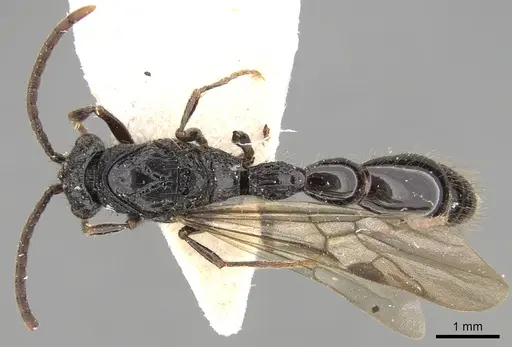
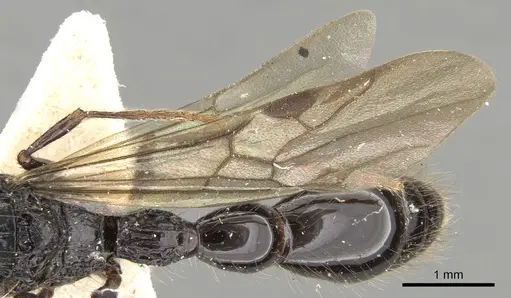
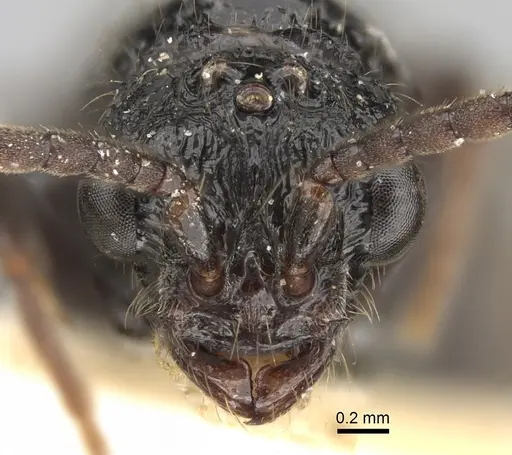
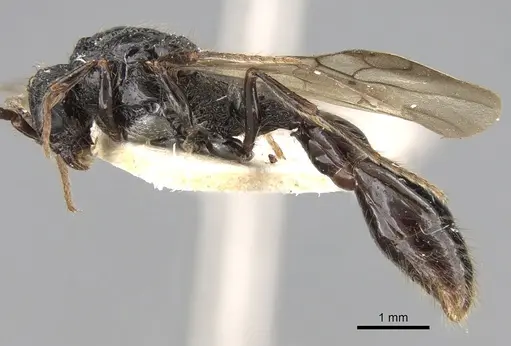
CASENT0901347
View on AntWeb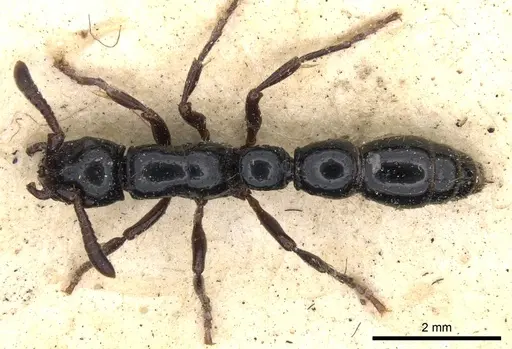
Literature
Loading distribution map...Loading products...