
Cephalotes toltecus
- Sci. Name
- Cephalotes toltecus
- Tribe
- Attini
- Subfamily
- Myrmicinae
- Author
- De Andrade, 1999
- Distribution
- Found in 1 countries
Introduction
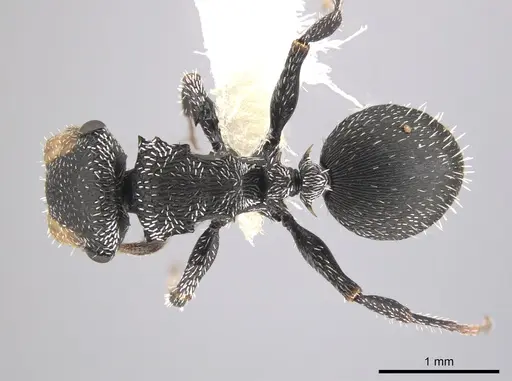
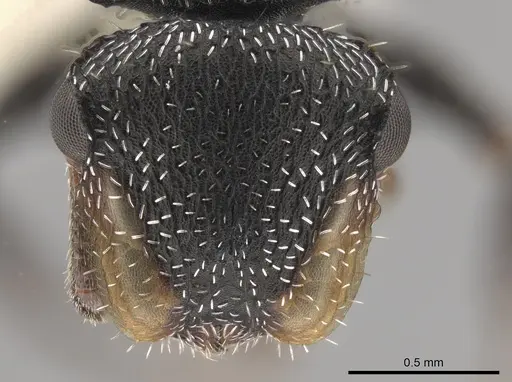
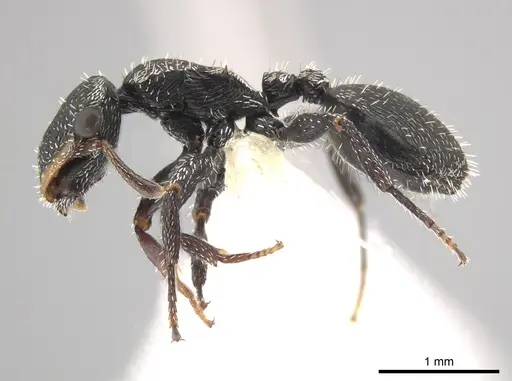
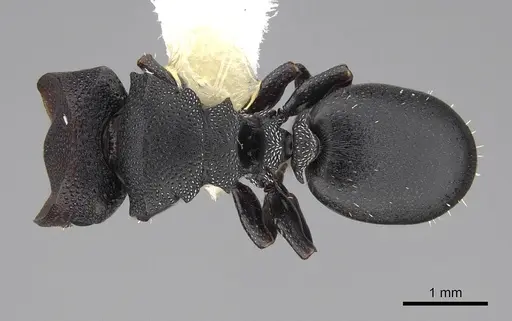
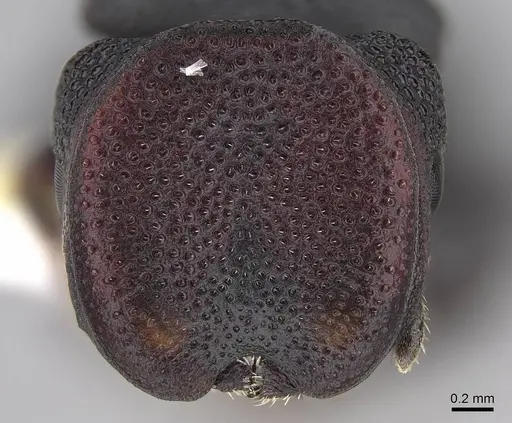
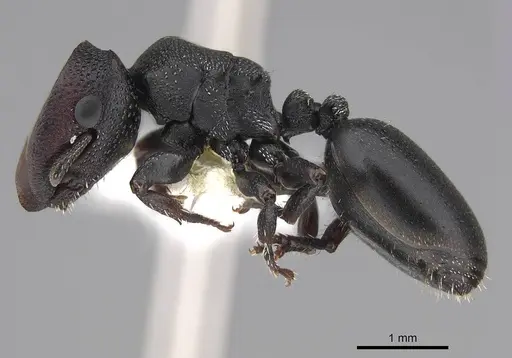
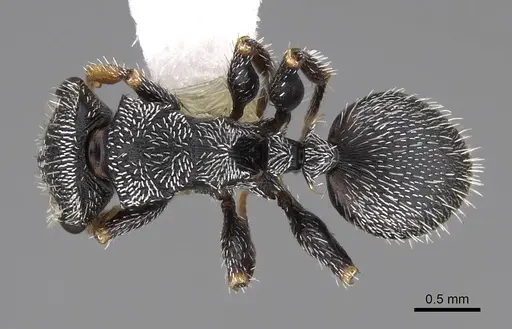
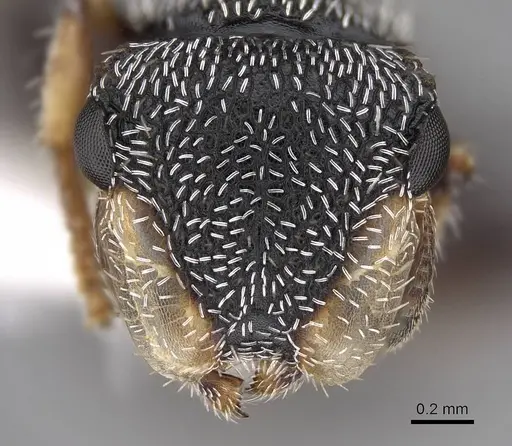
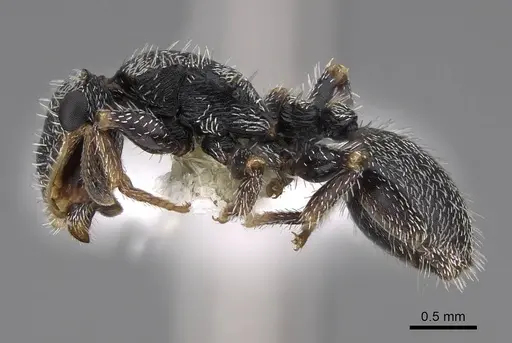
Cephalotes toltecus is a medium-sized ant found exclusively in Mexico. Workers measure 4.16-5.76mm total length while soldiers are larger at 5.96-7.20mm total length . The species belongs to the wheeleri clade and can be identified by the less regular body rugosities in workers and the presence of a low, broad tumulus in the center of the soldier's head . Workers are dark brown to black with yellowish frontal carinae, while soldiers have dark red frontal carinae and ferruginous legs . This species is one of the least studied Cephalotes, with virtually no biological data available. The type series was collected nesting in a vine at approximately 3000 feet elevation in Jalisco, Mexico . Like other Cephalotes, they likely inhabit arboreal cavities in tropical forests, but their exact nesting and colony behavior remains undocumented.
Quick Summary
- Difficulty: Unknown, biology unstudied
- Origin & Habitat: Mexico (Jalisco and Tabasco regions) in tropical to subtropical forests at low to moderate elevations. The type series was collected nesting in a vine [2].
- Colony Type: Unconfirmed, colony structure has not been documented.
- Size & Growth:
- Antkeeping:
- Temperature: Likely 22-28°C based on Mexican distribution. Start around 24-26°C and observe colony activity.
- Humidity: Moderate, provide a humidity gradient with a water tube but keep the nest chamber relatively dry.
- Diapause: Unlikely, being a tropical species from Mexico, they probably do not require hibernation.
- Nesting: Arboreal nester, the type was collected from a vine [2]. In captivity, provide Y-tong nests or naturalistic setups with cork or wood elements. Avoid fully soil-based formicariums.
- Behavior: Behavior is unstudied. Based on genus patterns, they are likely docile with well-developed soldier castes for defense. Cephalotes ants are not aggressive and typically retreat when threatened. Escape risk is moderate, workers are 4-6mm so standard barriers should work, but soldiers at 7mm may require slightly larger mesh. They likely forage for nectar, honeydew, and small arthropods, though specific diet has not been documented.
- Common Issues: biology is completely unstudied, all care recommendations are estimates based on related species, no documented colony founding behavior, unknown if claustral or semi-claustral, escape prevention is uncertain, soldier size suggests they may be stronger climbers than typical small ants, humidity requirements are unconfirmed, no documented food acceptance, diet must be determined through trial and error
Species Identification and Morphology
Cephalotes toltecus is a distinctive species within the wheeleri clade. Workers are dark brown to black with yellowish and semi-transparent frontal carinae. They have a characteristic pronotum with three pairs of lateral teeth, the humeral teeth are pointed and short, followed by a smaller obtuse pair, and then a larger broad and rounded pair. The propodeum has pointed spines directed laterally and slightly upward. Soldiers are larger with a distinctive head disc that is concave anteriorly and flat posteriorly, featuring a low broad tumulus in the middle of the head. The frontal carinae are expanded anteriorly and are dark red in soldiers. Both castes have distinctive long erect hairs mixed with shorter appressed hairs [1]. The species was described in 1999 by de Andrade and Baroni Urbani from specimens collected in Jalisco, Mexico.
Natural Distribution and Habitat
Cephalotes toltecus is endemic to Mexico, with confirmed records from Jalisco (the type locality near Magdalena) and Tabasco in southern Mexico [1][3]. The type series was collected at approximately 3000 feet elevation in a vine, indicating arboreal nesting habits [2]. The Tabasco records were collected in the same municipalities as C. curvistriatus, suggesting similar habitat preferences in lowland tropical rainforests [3]. Mexico's tropical regions experience warm temperatures year-round with distinct wet and dry seasons. The species likely inhabits the canopy layer of tropical forests, using hollow stems, vines, and tree cavities for nesting, typical behavior for Cephalotes species.
Nest Preferences and Housing
The only documented nesting record for this species is from a vine, confirming arboreal nesting habits [2]. In captivity, provide conditions that mimic tree-dwelling environments. Y-tong nests work well for Cephalotes, as do naturalistic setups with cork or wood sections. Avoid fully soil-based formicariums as this species likely prefers dry, cavity-based nesting. Provide a water tube for humidity but ensure the nesting area remains relatively dry. Include small twigs or cork pieces in the outworld to simulate their natural arboreal habitat. Given their moderate size, standard test tube setups can work for founding colonies, but consider moving to a more structured nest once the colony reaches a moderate size.
Feeding and Diet
The diet of C. toltecus has not been documented in scientific literature. As a member of the tribe Attini, they may have varied diets, some Cephalotes are generalists that forage for nectar, honeydew, and small arthropods. In captivity, begin with offering sugar water or honey as a carbohydrate source, along with small protein sources like fruit flies, pinhead crickets, or mealworms. Observe acceptance carefully and adjust offerings based on colony response. Given the complete lack of dietary data, be prepared to experiment. Start with modest offerings and expand as you learn what the colony accepts. Remove uneaten food after 24-48 hours to prevent mold.
Temperature and Seasonal Care
As a tropical species from Mexico, C. toltecus likely prefers temperatures in the range of 22-28°C. Start around 24-26°C and monitor colony behavior, if workers cluster near the heating side, increase slightly, if they avoid heated areas, reduce temperature. Mexican tropical forests do not experience true winters, so a hibernation period is likely unnecessary. However, if your room temperature drops significantly in winter, a slight reduction may be appropriate but avoid cold stress. Maintain stable temperatures, avoid drafts and rapid fluctuations. Use a heating cable on one side of the nest to create a gentle gradient if your room temperature is below 22°C.
Defense Mechanism
Cephalotes ants possess a functional stinger but are not considered aggressive. Their primary defense is the soldier's distinctive head disc, which can block nest entrances, a common defensive adaptation in this genus. When threatened, these ants typically retreat rather than engage. The sting is mild and rarely effective against human skin due to their relatively small size.
Behavior and Colony Dynamics
Cephalotes species are known for their docile temperament and well-developed soldier castes. The soldiers serve as defenders and may help with food processing. Like other Cephalotes, C. toltecus likely exhibits typical ant behaviors: workers forage for food, tend to any brood, and maintain the nest. The soldier caste with their distinctive head discs may help block nest entrances, a common defensive behavior in this genus. No specific behavioral data exists for this species, so observe your colony carefully and document any unusual behaviors. Workers are not particularly aggressive and will typically retreat rather than engage in prolonged combat when threatened.
Frequently Asked Questions
How long does it take for Cephalotes toltecus to develop from egg to worker?
The egg-to-worker development time is completely unconfirmed for this species, no scientific data exists.
What is the best nest type for Cephalotes toltecus?
Based on the arboreal nesting record from a vine, Y-tong nests or naturalistic setups with cork and wood elements work best. Avoid soil-based formicariums. Provide a dry nesting chamber with access to humidity through a water tube.
Can I keep multiple Cephalotes toltecus queens together?
Colony structure is unconfirmed for this species. No data exists on whether they are monogyne or polygyne. Until more is known, it is not recommended to combine unrelated queens.
What do Cephalotes toltecus eat?
Diet is unconfirmed. Start with sugar water or honey and small protein sources like fruit flies or tiny crickets. Observe acceptance and adjust. Related Cephalotes species are generalist foragers.
Are Cephalotes toltecus good for beginners?
This species is not recommended for beginners due to the complete lack of biological data. All care recommendations are estimates based on related species. Choose a better-documented species for your first colony.
Do Cephalotes toltecus need hibernation?
Hibernation is unlikely required. As a tropical species from Mexico, they probably do not enter true diapause. However, cooler winter temperatures may naturally slow their activity.
How big do Cephalotes toltecus colonies get?
Colony size is completely unknown, no colony data exists for this species.
What temperature should I keep Cephalotes toltecus at?
Based on their Mexican distribution, aim for 24-26°C. This is an estimate, observe your colony's behavior and adjust accordingly. Avoid temperatures below 20°C or above 30°C.
Why is my Cephalotes toltecus colony declining?
Without any species-specific data, causes are speculative. Common issues may include incorrect humidity, temperature stress, poor food acceptance, or stress from captivity. Document everything and adjust one variable at a time.
Report an Issue
The current care sheet is based fully on literature. See inconsistencies, or something that's incorrect? Please , it will be resolved after review from an admin. Contributing to the blogs tab also helps providing information, to make us be able to further improve the caresheets. Thank you for your support!
References

This caresheet is licensed under CC BY-SA 4.0 .
Community Blogs
Literature
Loading distribution map...Loading products...