
Cephalotes ramiphilus
- Sci. Name
- Cephalotes ramiphilus
- Tribe
- Attini
- Subfamily
- Myrmicinae
- Author
- Forel, 1904
- Distribution
- Found in 1 countries
Introduction
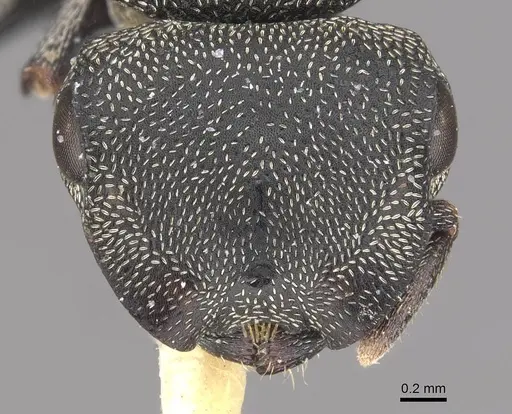
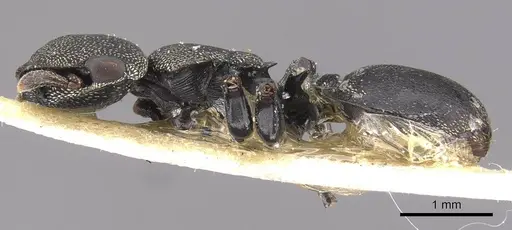
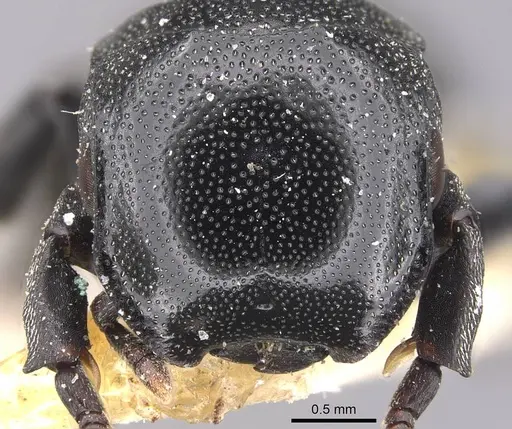
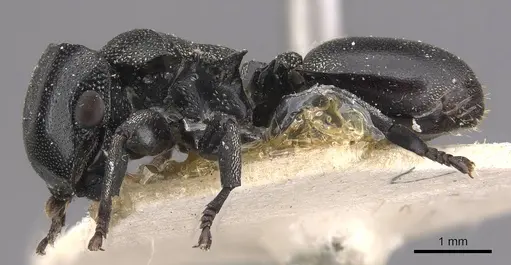
Cephalotes ramiphilus is a turtle ant species known for their distinctive flattened, shield-like heads. Workers measure 5.2-6.7mm, soldiers are larger at 7.0-8.1mm, and queens reach about 9.2mm . This species belongs to the basalis clade and the multispinosus group, found across northern South America including Colombia, Ecuador, Brazil, Peru, and Bolivia at elevations between 70-1210m . They are arboreal ants that nest in hollow twigs and branches in tropical forest canopies. Like other Cephalotes species, they have a soldier caste with enlarged heads used for blocking nest entrances . This species remains poorly documented in terms of biology. However, like other Cephalotes, they opportunistically colonize trees like Triplaris, and their distribution spans over 1500km across the Amazon region . Their distinctive propodeum features two or three pairs of teeth, helping distinguish them from close relatives like Cephalotes cordiae .
Quick Summary
- Difficulty: Medium
- Origin & Habitat: Northern South America, Colombia, Ecuador, Brazil, Peru, and Bolivia. Found in Amazonian and Andean regions at elevations of 70-1210m. They are arboreal, nesting in hollow twigs and branches in tropical forests [2][4].
- Colony Type: Colony structure is unconfirmed. Like other Cephalotes, likely monogyne (single queen) with a distinct soldier caste for defense.
- Size & Growth:
- Queen: 9.2mm [1]
- Worker: 5.2-6.7mm [1]
- Colony: Unknown, likely similar to other Cephalotes species with several hundred workers
- Growth: Moderate, typical for tropical arboreal ants
- Development: Unknown, estimate 6-10 weeks based on related Cephalotes species (Development timeline has not been directly studied for this species. Estimates based on genus-level patterns for tropical Myrmicinae.)
- Antkeeping:
- Temperature: Keep around 24-28°C, these are tropical ants from Amazonian regions. A gentle gradient allowing warmer and cooler areas is ideal.
- Humidity: High humidity (70-80%), being arboreal, they prefer damp conditions. Mist regularly and provide a water source.
- Diapause: Unlikely, as tropical ants from low elevations, they probably do not require a true hibernation. Activity may slow slightly during cooler periods.
- Nesting: Arboreal nesting in hollow twigs and branches. In captivity, they do well in Y-tong nests, acrylic nests with narrow chambers, or naturalistic setups with twigs/branches. They prefer tight, enclosed spaces that mimic their natural hollow twig nests.
- Behavior: Generally peaceful and non-aggressive. Like other Cephalotes, they are slow-moving and rely on their soldiers to block nest entrances with their shield-like heads. They are arboreal foragers, often foraging up tree trunks and through branches. They possess a functional stinger but rarely use it, relying instead on their soldier caste for defense. Escape risk is moderate, use standard barrier methods.
- Common Issues: very limited biological data makes care recommendations somewhat speculative, wild-caught colonies may be difficult to establish due to unknown founding requirements, arboreal nature means they need vertical space and climbing structures, high humidity requirements can lead to mold if ventilation is poor, slow growth may test keeper patience
Housing and Nest Setup
Cephalotes ramiphilus are arboreal ants that naturally nest in hollow twigs and branches in forest canopies. In captivity, they do well in Y-tong (AAC) nests with narrow chambers that mimic their natural hollow twig environment. Acrylic nests also work well, especially those designed for arboreal species with vertical passages. Naturalistic setups with actual twigs or branches can be successful but require more maintenance. The key is providing tight, enclosed spaces that make them feel secure, these ants do not do well in large, open formicaria. Include plenty of climbing structures like branches, twigs, or mesh surfaces since they naturally forage vertically. Test tubes can work for founding colonies but transfer to a proper nest once the colony reaches 15-20 workers. [2]
Feeding and Diet
Like other Cephalotes and Attini tribe members, these ants are omnivorous with a preference for carbohydrate sources and protein. Offer sugar water, honey, or diluted syrup regularly as a constant energy source. For protein, provide small insects like fruit flies, small crickets, or mealworms. They are not aggressive predators but will scavenge and collect honeydew if given the opportunity. Based on related species, they likely accept a variety of foods including seeds and fungal fragments, though their exact diet preferences are unstudied. Feed protein 2-3 times per week and keep sugar sources available at all times. Remove uneaten food promptly to prevent mold in their humid environment.
Temperature and Humidity
As tropical ants from the Amazon region, Cephalotes ramiphilus need warm, humid conditions. Maintain temperatures between 24-28°C with a gentle gradient so workers can self-regulate. A heating cable on one side of the nest can help achieve this, but place it on top of the nest rather than underneath to avoid excessive drying. Humidity should stay high at 70-80%, mist the outworld regularly and consider a water reservoir in the nest set-up. Being arboreal, they are accustomed to humid forest conditions. Good ventilation is essential to prevent mold while maintaining humidity, avoid completely sealed setups. Room temperature in heated homes may be adequate if it falls within their preferred range. [4][2]
Behavior and Colony Structure
Cephalotes ramiphilus has the distinctive soldier caste common to turtle ants, these soldiers have enlarged, flattened heads that they use to block nest entrances like living doors. This is their primary defense mechanism. They also possess a functional stinger but rarely use it, relying instead on their soldier caste [1]. Colonies likely have a single queen (monogyne) though this is not confirmed. Workers are slow-moving compared to many Myrmicinae and generally peaceful. The colony will develop a soldier caste as the population grows. They are arboreal foragers, preferring to travel along branches and vertical surfaces rather than across open ground. Their relatively slow pace and peaceful nature makes them rewarding to observe.
Growth and Development
The biology of Cephalotes ramiphilus remains largely unstudied, so specific development timelines are unknown. Based on genus patterns for tropical arboreal ants, expect development from egg to first worker to take approximately 6-10 weeks at optimal temperature. The first workers (nanitics) will likely be smaller than mature workers. Growth rate is expected to be moderate, faster than some slow-growing Camponotus but slower than fast-developing species like Pheidole. Colony size likely reaches several hundred workers at maturity, though exact maximum is unknown. Patience is key with this species, their slow, steady growth is part of their natural biology.
Frequently Asked Questions
How long does it take for Cephalotes ramiphilus to produce first workers?
The exact timeline is unknown, but based on related Cephalotes species, expect 6-10 weeks from egg to first worker at optimal temperature (24-28°C). This is an estimate since the biology of this specific species has not been studied.
What do Cephalotes ramiphilus ants eat?
Like other turtle ants, they are omnivorous. Offer sugar water, honey, or syrup as a constant carbohydrate source. For protein, provide small insects like fruit flies, small crickets, or mealworms 2-3 times per week. Their exact dietary preferences are unstudied but likely similar to other Cephalotes species.
Are Cephalotes ramiphilus good for beginners?
They are rated as medium difficulty. While generally peaceful and manageable, the main challenge is their limited documented biology, care recommendations are somewhat speculative. They also require high humidity and arboreal-style housing, which adds complexity. If you are experienced with tropical arboreal ants, they can make rewarding pets.
What temperature do Cephalotes ramiphilus need?
Keep them warm at 24-28°C. These are tropical Amazonian ants that prefer consistent warmth. A gentle temperature gradient allowing self-regulation is ideal.
Can I keep multiple Cephalotes ramiphilus queens together?
This has not been studied for this species. Based on genus patterns, they likely form single-queen colonies. Combining unrelated queens is not recommended without evidence they can coexist.
How big do Cephalotes ramiphilus colonies get?
Exact maximum colony size is unknown. Based on related Cephalotes species, colonies likely reach several hundred workers at maturity. They develop a distinct soldier caste for defense.
Do Cephalotes ramiphilus need hibernation?
Unlikely. As tropical ants from low-elevation Amazonian regions, they probably do not require a true hibernation. Activity may slow during cooler periods, but a full diapause is not necessary.
What type of nest is best for Cephalotes ramiphilus?
Y-tong (AAC) nests or acrylic nests with narrow chambers work well. They are arboreal ants that naturally nest in hollow twigs, so they prefer tight, enclosed spaces. Avoid large, open formicaria. Include climbing structures like branches or mesh for natural foraging behavior.
Why are my Cephalotes ramiphilus dying?
Common issues include: improper humidity (too dry causes desiccation, too wet causes mold), temperature stress (too cold slows activity, too hot can kill), and stress from excessive disturbance. Being a poorly studied species, wild-caught colonies may also have unknown requirements. Ensure high humidity, warm temperatures, and minimal disruption during the founding stage.
Report an Issue
The current care sheet is based fully on literature. See inconsistencies, or something that's incorrect? Please , it will be resolved after review from an admin. Contributing to the blogs tab also helps providing information, to make us be able to further improve the caresheets. Thank you for your support!
References

This caresheet is licensed under CC BY-SA 4.0 .
Community Blogs
CASENT0909260
View on AntWeb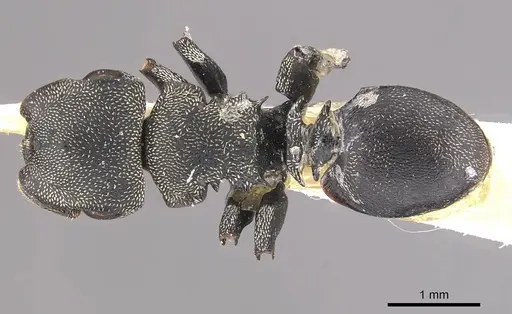
CASENT0909261
View on AntWeb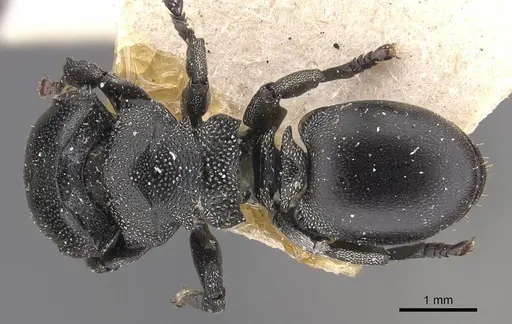
Literature
Loading distribution map...Loading products...