
Cephalotes pallens
- Sci. Name
- Cephalotes pallens
- Tribe
- Attini
- Subfamily
- Myrmicinae
- Author
- Klug, 1824
- Distribution
- Found in 11 countries
Introduction
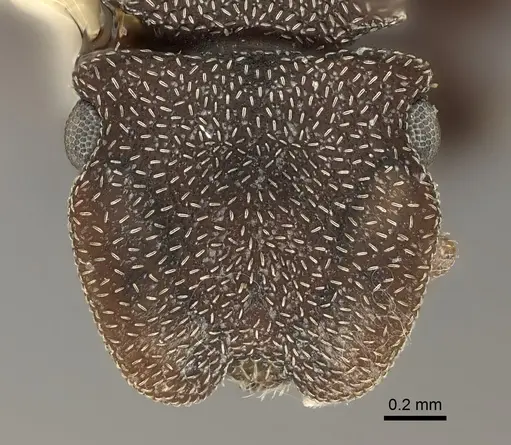
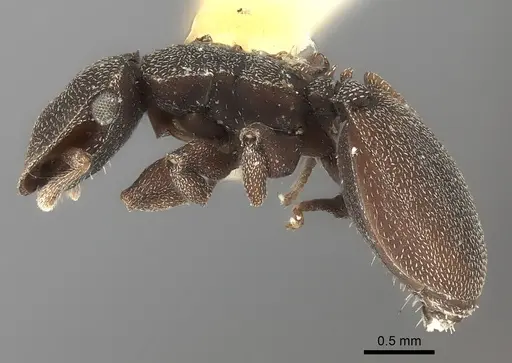
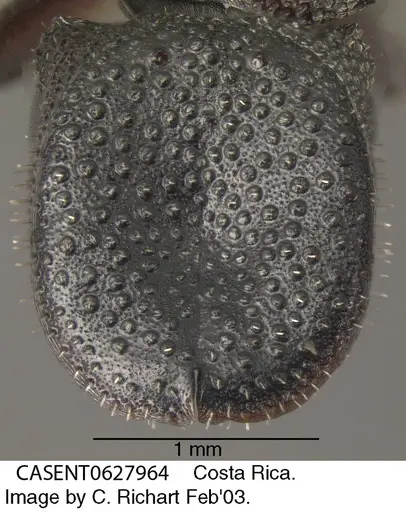
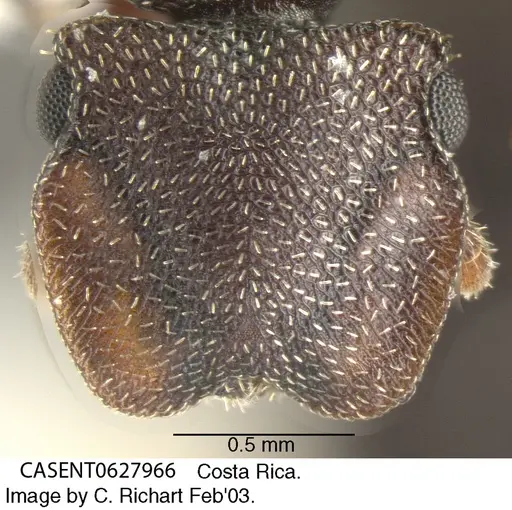
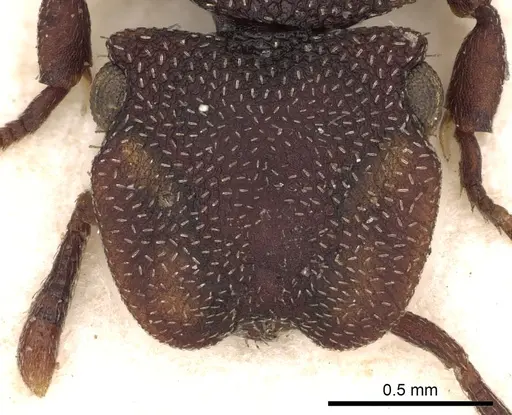
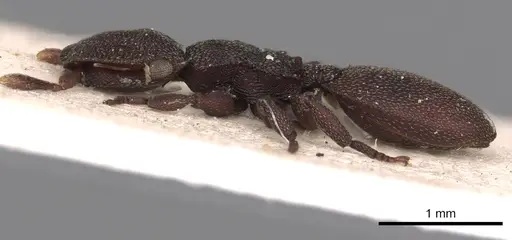
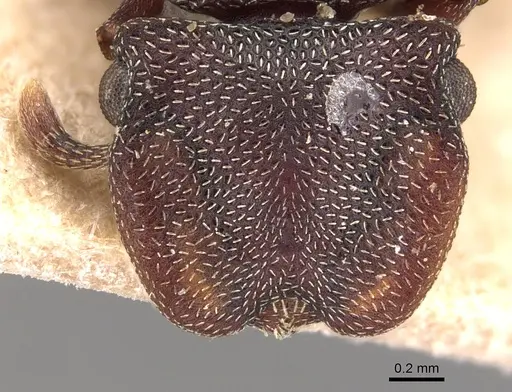
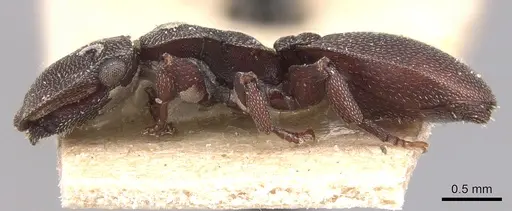
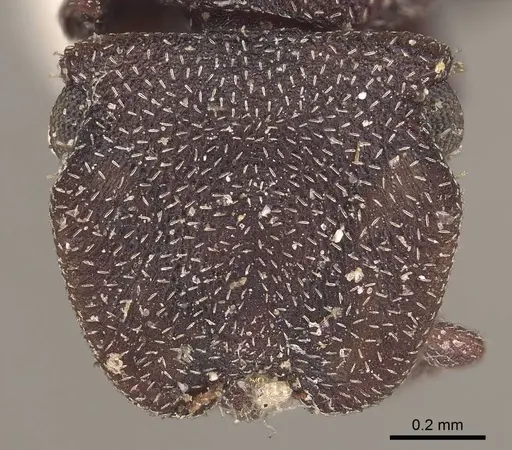
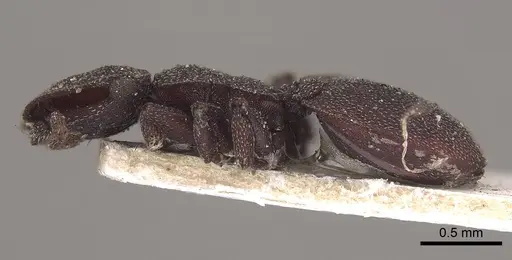
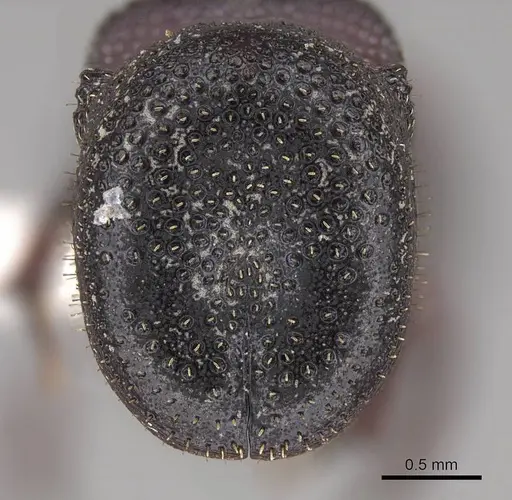
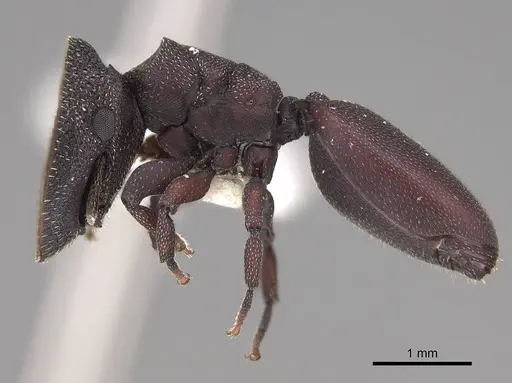
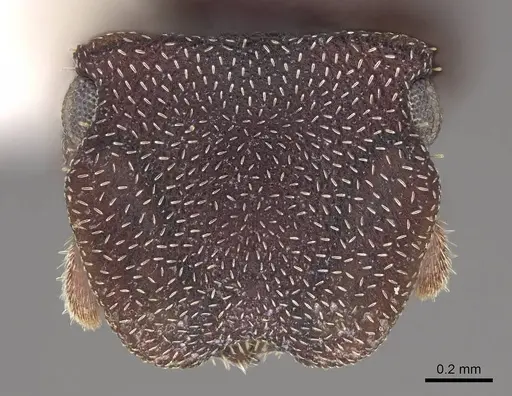
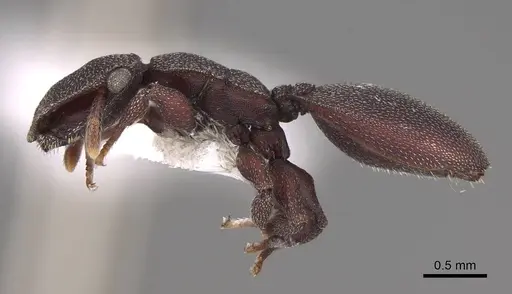
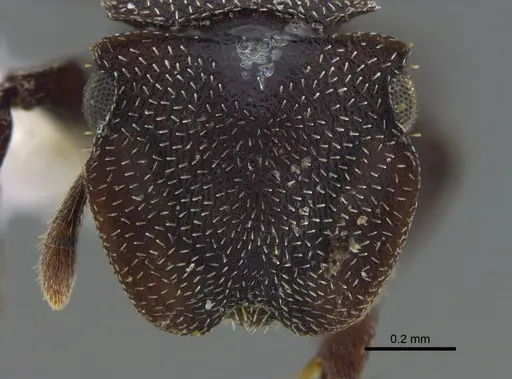
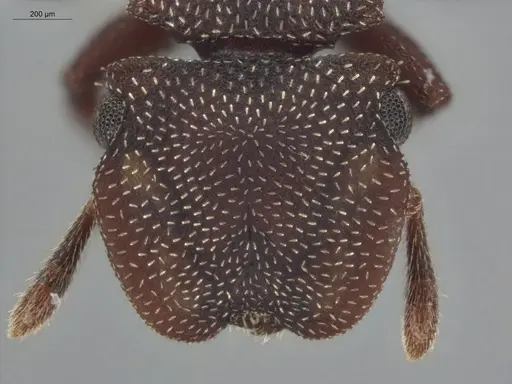
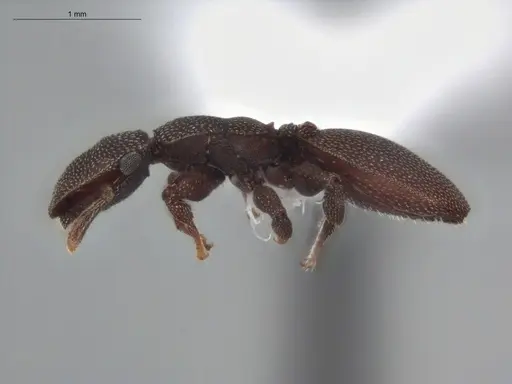
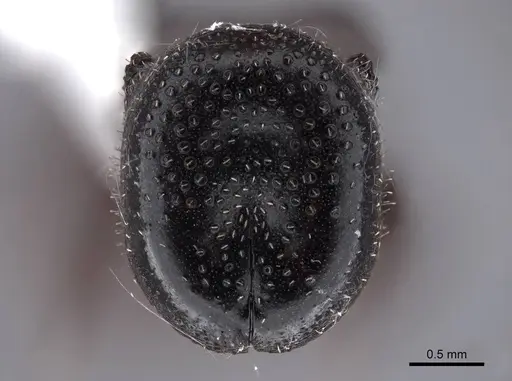
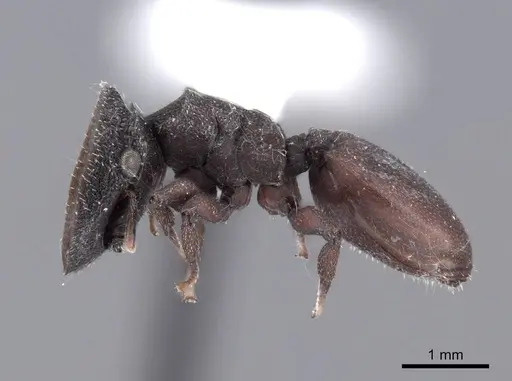
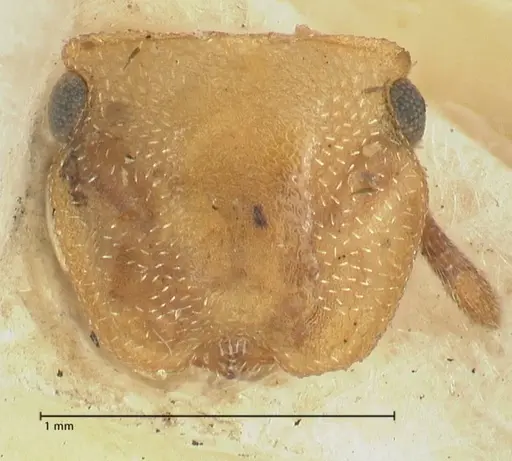
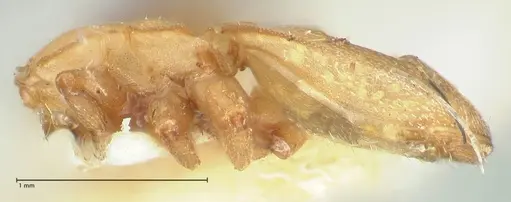
Cephalotes pallens is a medium-sized turtle ant known for its remarkable soldiers with shield-like heads that block nest entrances. Workers measure 3.7-5.4mm while the distinctive soldiers reach 5.2-7.7mm, with queens at 8.0-8.3mm . This species ranges from Mexico through northern South America, including Caribbean islands like Trinidad, Grenada, and St. Vincent . They nest flexibly in dead sticks, hollow vines, and other plant cavities - making them one of the more adaptable turtle ant species [AntWiki]. A unique defense mechanism: soldiers secrete fibrous material from pores on their head disk, creating a camouflaged barrier that blends with the nest entrance [AntWiki].
Quick Summary
- Difficulty: Medium
- Origin & Habitat: Tropical Central and South America, from Mexico to Brazil, including the Guianas, Trinidad, Grenada, and other Caribbean islands. Found in diverse habitats from mangrove forests to cerrado savanna and Amazonian floodplain forests [4][2]. Altitudinal range from near sea level to 710m [2].
- Colony Type: Colony structure is unconfirmed. Based on typical Cephalotes patterns, likely single-queen colonies, though this has not been specifically documented for this species.
- Size & Growth:
- Antkeeping:
- Temperature: Keep warm at 24-28°C. As a tropical species, they need consistent warmth without temperature drops [3]. A heating cable on one side of the nest creates a gradient while preventing drying.
- Humidity: Moderate to high humidity around 60-80%. These are forest ants that prefer stable moisture. Keep nest substrate damp but not waterlogged.
- Diapause: No, being a tropical species, they do not require hibernation. Keep temperatures consistent year-round.
- Nesting: Arboreal nesters in nature, they colonize dead sticks, hollow vines, and plant cavities [3][5]. In captivity, a Y-tong (AAC) nest with narrow chambers works well, or a plaster nest with small chambers. Avoid large open spaces, they prefer tight, enclosed spaces similar to their natural hollow stems.
- Behavior: Docile and non-aggressive, these ants rely on their soldiers as living doors rather than fighting. Soldiers use their shield-like heads to block nest entrances, a behavior called phragmosis. Workers forage quietly and do not spray formic acid. They accept a varied diet including pollen (documented in lab colonies), honeydew, and small insects [6]. Escape risk is moderate, use standard mesh barriers but they are not particularly strong climbers.
- Common Issues: tropical warmth requirement means cold rooms can slow or stop colony development, arboreal nesting means they need enclosed spaces, open formicaria may cause stress, soldier production may be slow, these specialized defenders take time to develop, wild-caught colonies may arrive with parasites or in poor condition from collection stress, overfeeding can lead to mold in their enclosed nest spaces
Housing and Nest Setup
Cephalotes pallens are arboreal ants that naturally nest in hollow plant material like dead sticks, twigs, and vines [5]. In captivity, they do best in Y-tong (AAC) nests with chambers scaled to their size, avoid large, open spaces as these ants prefer tight, enclosed areas. Plaster nests also work well for maintaining humidity. A small outworld connected to the nest allows for foraging. Since they come from tropical forests, provide moderate humidity (60-80%) by keeping the nest substrate damp. A water tube attached to the nest helps maintain moisture. They are not strong climbers, so standard fluon barriers on smooth surfaces usually prevent escapes.
Feeding and Diet
Lab colonies have shown a marked preference for pollen, making these ants unusual among Myrmicinae, they are among the few that can digest pollen directly [6]. Offer pollen as a protein source alongside sugar water or honey. They also accept honeydew from aphids, small insects like fruit flies or pinhead crickets, and other protein sources. Feed sugar water constantly and protein 2-3 times per week. Remove uneaten food promptly to prevent mold in the enclosed nest spaces. Fresh water should always be available.
Temperature and Seasonal Care
As a tropical species from Mexico through South America, Cephalotes pallens needs warm conditions year-round. Keep the nest area at 24-28°C, this supports brood development and colony activity. A heating cable on one side of the nest creates a gentle gradient while allowing ants to self-regulate. Avoid temperatures below 20°C as this can slow development and weaken colonies. No hibernation or diapause is needed, maintain consistent tropical temperatures throughout the year. Room temperature in heated homes is often adequate, but monitor during winter. [3]
Soldier Defense Behavior
One of the most fascinating aspects of keeping turtle ants is observing their soldier caste. Soldiers have enlarged, shield-shaped heads that function as living nest doors, a behavior called phragmosis. Research shows these soldiers actually secrete fibrous material from thousands of pores on their head disk, creating a camouflaged barrier that blends with the nest entrance [3]. When threatened, soldiers wedge themselves into the nest entrance, blocking access with their armored heads. This passive defense means colonies are generally docile and won't bite or sting aggressively. Watching soldiers door behavior is a unique reward of keeping this species.
Colony Development
Colony growth is moderate, queens start by sealing themselves in (claustral founding) and raising the first brood on stored fat reserves. The first workers (nanitics) are typically smaller than normal workers. Development from egg to worker takes an estimated 6-10 weeks based on related Cephalotes species, though this species has not been specifically studied. Soldier production requires more resources and time, so do not expect soldiers until the colony reaches several dozen workers. Be patient, turtle ant colonies develop steadily but not rapidly. A healthy colony can eventually reach several hundred workers.
Handling and Temperament
Cephalotes pallens is one of the more docile ant species you can keep. They rely on their soldier door defense rather than aggressive behavior. Workers are calm foragers that will not spray formic acid or bite aggressively. The soldiers cannot bite effectively either, their specialized heads are for blocking, not combat. This makes them a good choice if you want to observe interesting behaviors without aggressive defenders. They handle gentle disturbance well, though you should avoid shaking or stressing the nest. These ants are more about passive defense and fascinating social structure than active aggression. [3]
Frequently Asked Questions
How long does it take for Cephalotes pallens to produce first workers?
Based on related Cephalotes species, expect first workers (nanitics) in about 6-10 weeks after the queen lays eggs. This timeline assumes warm conditions around 24-28°C. Development slows significantly below these temperatures.
What do Cephalotes pallens eat?
They accept a varied diet. Lab colonies show they particularly like pollen, which is unusual for Myrmicinae. Offer pollen, sugar water or honey, and small insects like fruit flies. Feed protein 2-3 times per week and keep sugar water available constantly.
What temperature do they need?
Keep them warm at 24-28°C. As tropical ants from Central and South America, they need consistent warmth year-round. No hibernation needed.
Can I keep multiple Cephalotes pallens queens together?
Not recommended, combining unrelated queens has not been documented for this species. They are likely single-queen (monogyne) colonies. Start with one queen for best success.
What type of nest works best?
Use a Y-tong (AAC) or plaster nest with small, tight chambers. These arboreal ants prefer enclosed spaces similar to their natural hollow sticks and vines. Avoid large, open formicaria.
How big do Cephalotes pallens colonies get?
Colony size is not well documented, but related species suggest several hundred workers. They are not supercolony species, expect moderate-sized colonies.
Are Cephalotes pallens good for beginners?
They are intermediate in difficulty, not as easy as Lasius or Camponotus, but easier than some specialized species. Their tropical warmth needs and arboreal nesting requirements require some experience. The docile temperament and fascinating soldier behavior make them rewarding.
Do they need humidity control?
Yes, moderate humidity around 60-80% works well. Keep the nest substrate damp but not waterlogged. A water tube attached to the nest helps maintain moisture. They come from tropical forests so they need more humidity than desert species.
Why do soldiers block the nest entrance?
This is called phragmosis, soldiers use their shield-like heads as living doors. Research shows they actually secrete fibrous material from head pores to camouflage the entrance, making it look like part of the nest surface rather than an ant.
What is special about turtle ants?
Turtle ants (Cephalotes) are named for their distinctive head shape, soldiers have flattened, shield-like heads used as nest doors. They also have a unique gut microbiome that helps them recycle nitrogen and obtain nutrients from plant material [7]. Their soldiers camouflage behavior is one of the most fascinating defensive adaptations in ants.
Report an Issue
The current care sheet is based fully on literature. See inconsistencies, or something that's incorrect? Please , it will be resolved after review from an admin. Contributing to the blogs tab also helps providing information, to make us be able to further improve the caresheets. Thank you for your support!
References

This caresheet is licensed under CC BY-SA 4.0 .
Community Blogs
CASENT0217840
View on AntWeb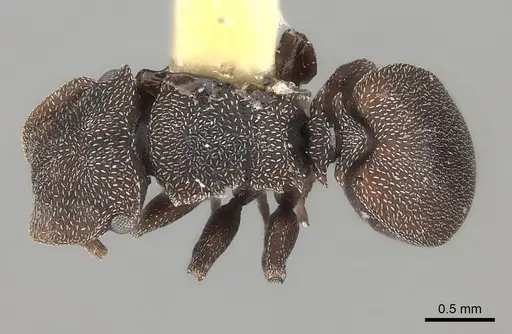
CASENT0627964
View on AntWeb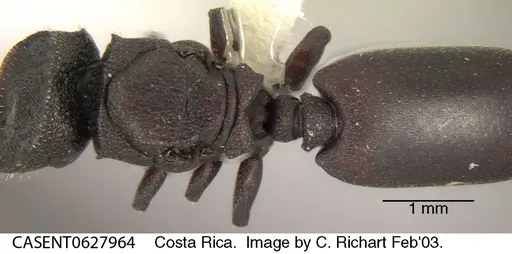
CASENT0627965
View on AntWeb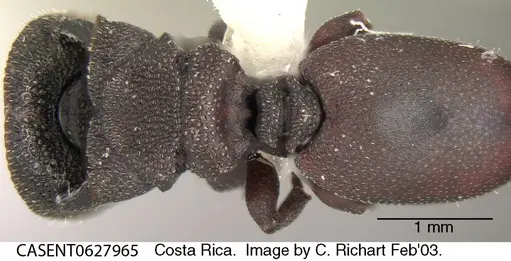
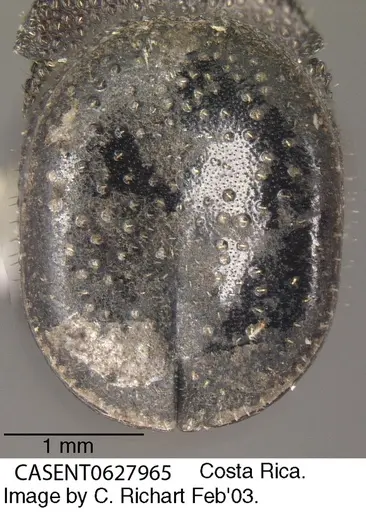
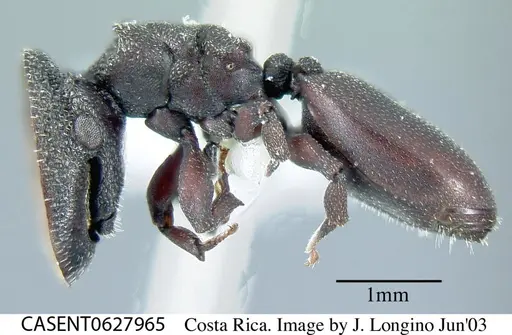
CASENT0627966
View on AntWeb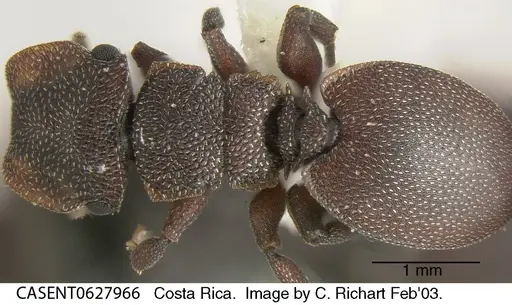
CASENT0900252
View on AntWeb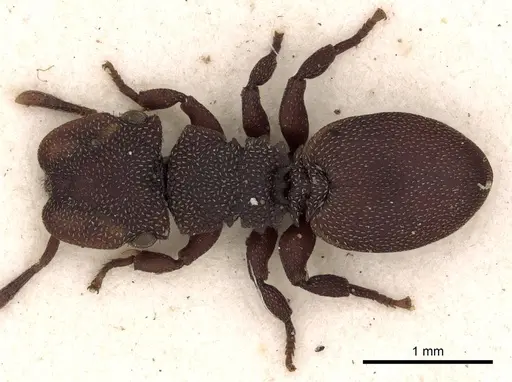
CASENT0904929
View on AntWeb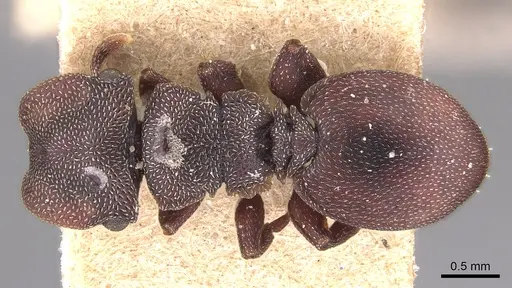
CASENT0919602
View on AntWeb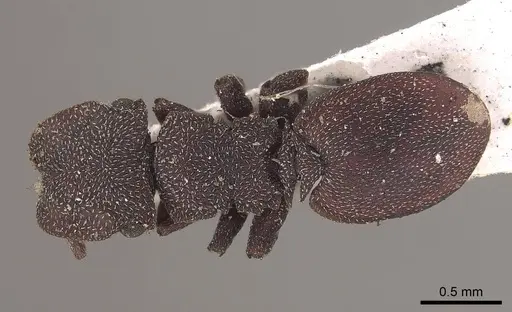
CASENT0922512
View on AntWeb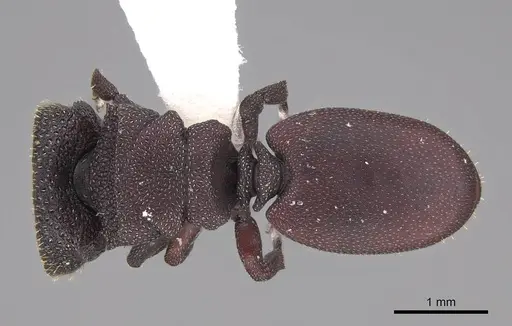
CASENT0922513
View on AntWeb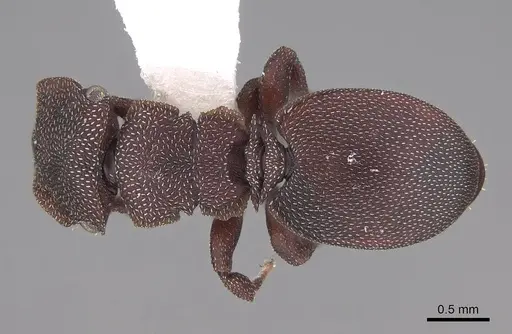
CASENT0923583
View on AntWeb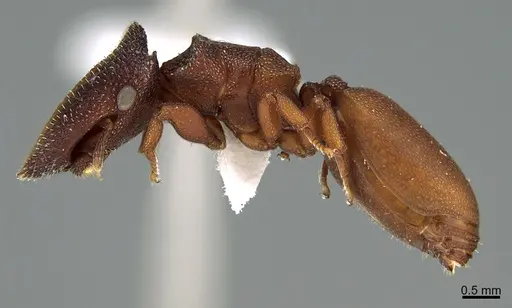
CBUMAGENT41990
View on AntWeb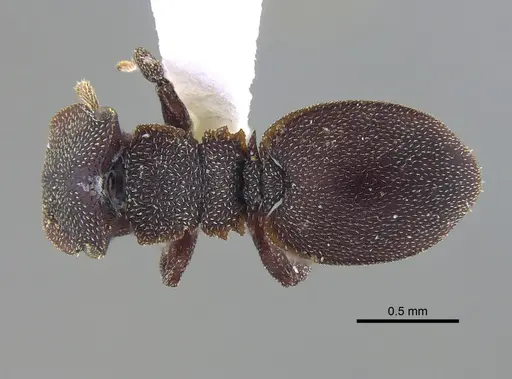
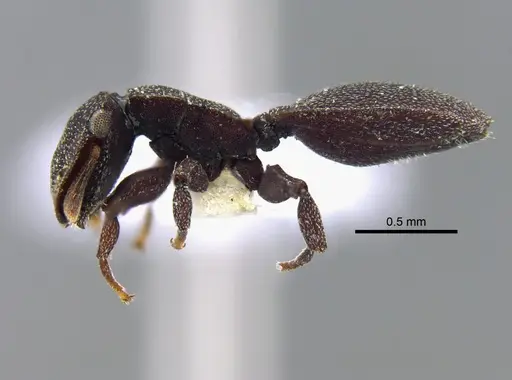
ECOFOG-HC-0034-S
View on AntWeb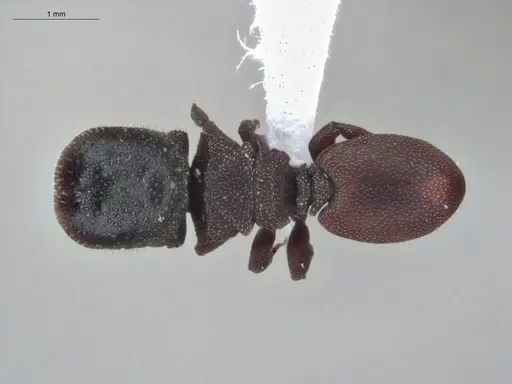
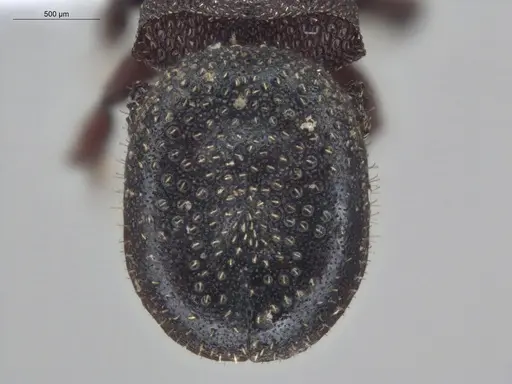
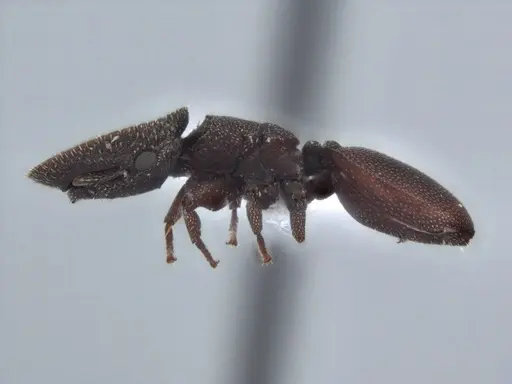
ECOFOG-HC-0034
View on AntWeb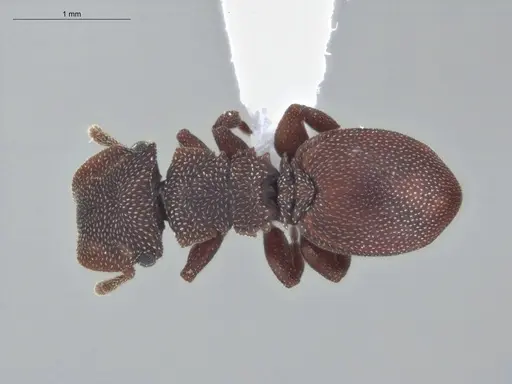
FMNHINS0000047258
View on AntWeb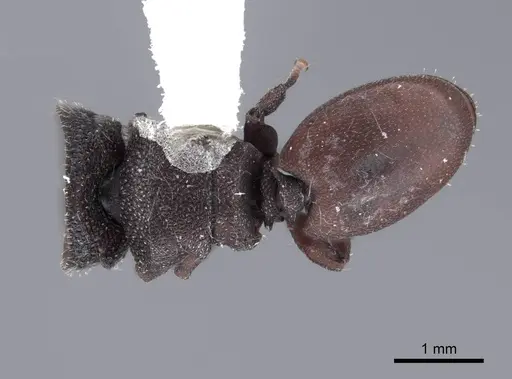
FOCOL2147
View on AntWeb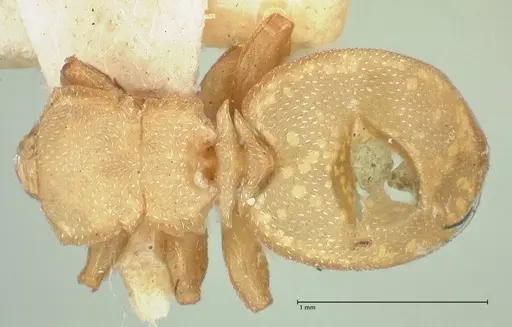
Literature
Loading distribution map...Loading products...