
Cephalotes mompox
- Sci. Name
- Cephalotes mompox
- Tribe
- Attini
- Subfamily
- Myrmicinae
- Author
- De Andrade, 1999
- Distribution
- Found in 2 countries
Introduction
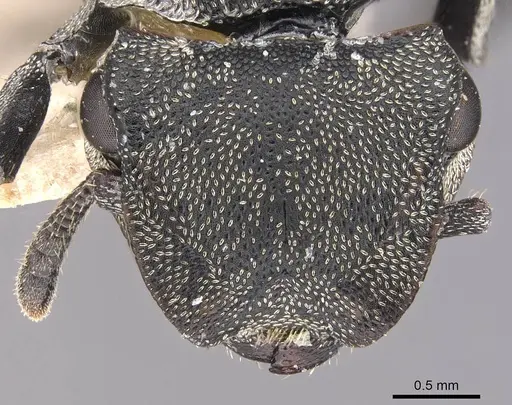
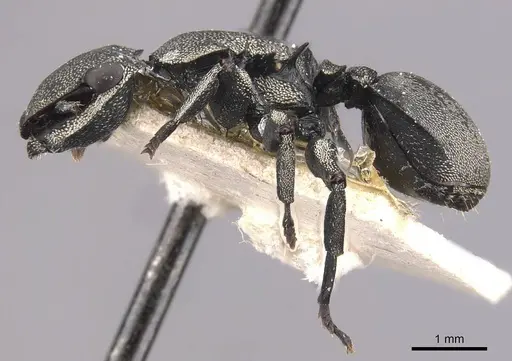
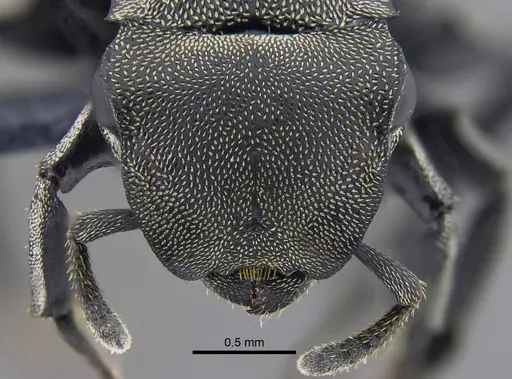
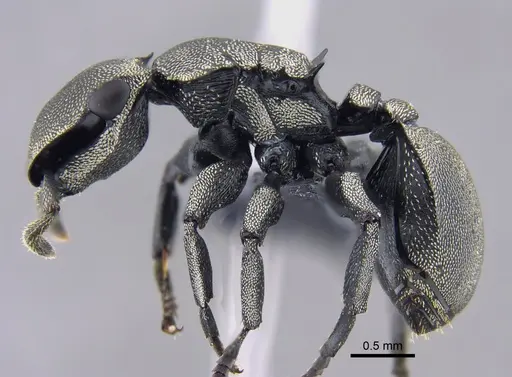
Cephalotes mompox is a Neotropical turtle ant species native to Colombia and Venezuela. Workers measure 6.52-7.56mm in total length and have distinctive black coloration with ferruginous (rusty) borders on the pronotal lamellae and gastral lamellae. The species is characterized by strong longitudinal striae on the posterior face of the femora, which distinguishes it from similar species like Cephalotes cordiventris. As a member of the basalis clade, these ants have the classic turtle ant morphology with a flattened, shield-like head. They are found across nine departments in Colombia's Caribbean and Andean regions at elevations ranging from 2m to 1798m . The specific biology of this species remains unstudied, but like other Cephalotes, they are arboreal ants that likely nest in hollow twigs and branches.
Quick Summary
- Difficulty: Medium
- Origin & Habitat: Native to Colombia and Venezuela in the Neotropical region. Found across nine departments in the Caribbean and Andean regions of Colombia at elevations from 2m to 1798m, including Atlántico, Bolívar, Chocó, Cundinamarca, Huila, Magdalena, Norte de Santander, Santander, and Tolima [2][3].
- Colony Type: Colony structure is unconfirmed for this species. Based on typical Cephalotes genus patterns, likely monogyne (single queen) colonies, though this requires confirmation through field observations.
- Size & Growth:
- Queen: Unknown, queen measurements not documented for this species
- Worker: 6.52-7.56mm [1]
- Colony: Unknown, colony size has not been studied
- Growth: Unknown, no development data available for this species
- Development: Unknown, development timeline has not been documented. (No species-specific development data exists.)
- Antkeeping:
- Temperature: Keep at 24-28°C. As a Neotropical species from Colombia and Venezuela, they require warm, stable temperatures typical of tropical ants. A gentle gradient allowing warmer and cooler areas is recommended.
- Humidity: Maintain moderate to high humidity, roughly 60-80%. These are arboreal ants adapted to forest environments. Provide moisture through a damp substrate while ensuring good ventilation to prevent mold.
- Diapause: Likely no true diapause required. As a Neotropical species from tropical Colombia and Venezuela, they probably experience year-round activity without a cold-induced hibernation period.
- Nesting: Arboreal nesting is expected. In captivity, provide a setup that mimics their natural hollow twig habitat. Y-tong (AAC) nests with narrow chambers or naturalistic setups with twigs and branches work well. Avoid fully enclosed soil nests, these ants prefer above-ground nesting sites.
- Behavior: Turtle ants are generally docile and slow-moving compared to many Myrmicinae. They possess a functional stinger but it is less medically significant to humans than fire ant stings. They may bite if threatened but are not aggressive. Their movement is deliberate and they rely on their armor-like exoskeleton for defense. As arboreal ants, they are comfortable climbing and will likely spend time in the upper portions of their enclosure. Their large eyes suggest visual orientation is important to them.
- Common Issues: lack of species-specific care information means keepers must rely on genus-level assumptions, humidity control is critical, too dry causes desiccation, too wet promotes mold in arboreal setups, temperature drops below tropical range may slow or stop colony activity, wild-caught colonies may carry parasites or diseases not well understood, limited availability makes this species difficult to acquire for most keepers
Species Identification and Distribution
Cephalotes mompox is a turtle ant species described by De Andrade in 1999. It belongs to the basalis clade, a group of Neotropical turtle ants characterized by specific morphological features. The species can be identified by the distinctive longitudinal striae on the posterior face of the femora, a trait not found in similar species like Cephalotes cordiventris. The worker caste measures 6.52-7.56mm and displays the classic turtle ant morphology with a flattened head and specialized body structures. The species name 'mompox' refers to the Mompox indigenous tribe of northern Colombia, reflecting its geographic origin. Distribution records span nine departments across Colombia's Caribbean and Andean regions, with additional records in Venezuela, at elevations ranging from 2m to 1798m [1][2][3].
Natural History and Biology
The specific biology of Cephalotes mompox remains completely unstudied. AntWiki explicitly states that nothing is known about the biology of this species. What we can infer comes from general Cephalotes genus knowledge: turtle ants are arboreal ants that typically nest in hollow twigs, branches, and pre-existing cavities in trees. They are omnivorous, feeding on honeydew from sap-sucking insects, nectar, and small insects. Their flattened body morphology allows them to access narrow cavities within wood. The basalis group specifically has been studied in terms of diversification and ecological opportunity, showing that these ants have evolved to exploit new ecological niches in the Neotropics [4]. The broad altitudinal range of this species (2m to 1798m) suggests some flexibility in environmental conditions, though they clearly prefer warm, humid tropical environments.
Housing and Nesting in Captivity
Since this species is arboreal, captivity housing should reflect their natural nesting preferences. Y-tong (AAC) nests with narrow, horizontal chambers work well for turtle ants. Alternatively, a naturalistic setup with actual twigs or branches that have hollow centers can be used. The nest should have some vertical orientation and passages sized appropriately for workers that are roughly 7mm in length. A foraging area should be provided with access to sugar sources and protein. Because they are poor climbers on smooth surfaces compared to some arboreal ants, ensure the outworld provides textured surfaces for gripping. Escape prevention should be moderate, while not particularly agile escape artists, they can squeeze through small gaps. Use standard barrier methods like fluon on smooth container walls.
Feeding and Diet
Based on typical Cephalotes feeding biology, offer a varied diet including sugar sources (honey water, sugar water, or diluted maple syrup) and protein sources (small insects like fruit flies, pinhead crickets, or mealworms). Turtle ants are known to tend honeydew-producing insects like aphids and scale insects in the wild, so they may readily accept sugar water. Feed protein roughly twice weekly, and provide constant access to sugar water. Remove uneaten prey after 24-48 hours to prevent mold. Fresh water should always be available. Start with small prey items and observe acceptance, some Cephalotes species show preference for certain prey types.
Temperature and Humidity Requirements
As a Neotropical species from Colombia and Venezuela, Cephalotes mompox requires warm, humid conditions. Maintain temperatures between 24-28°C, avoiding drops below 22°C. Room temperature within this range is acceptable, but you may need a heating cable or mat in cooler environments. For humidity, aim for 60-80% relative humidity. This can be achieved by keeping the nest substrate lightly moist (not waterlogged) and ensuring the foraging area has some moisture. Good ventilation is essential to prevent stagnant air and mold growth while maintaining humidity. Monitor for condensation, some condensation is normal and indicates adequate humidity, but excessive pooling indicates too much moisture.
Colony Development and Growth
No specific development data exists for Cephalotes mompox. Based on typical Cephalotes development patterns from related species, expect the following approximate timeline: eggs to first workers (nanitics) in approximately 6-10 weeks at optimal temperatures (around 26°C). Initial colony growth is typically slow, with the queen raising the first brood alone in a claustral founding chamber. Once workers emerge, colony growth gradually accelerates but remains slower than many fast-growing Myrmicinae. Turtle ant colonies generally reach moderate sizes, though exact maximum colony size for this species is unknown. Patience is essential, Cephalotes colonies develop more slowly than many common ant species. Do not disturb the founding chamber unnecessarily during the claustral period.
Frequently Asked Questions
How long does it take for Cephalotes mompox to produce first workers?
The exact timeline is unknown as this species has not been studied. Based on typical Cephalotes genus patterns, expect approximately 6-10 weeks from egg to first worker at optimal temperatures around 26°C. This is an estimate based on related species, as no species-specific data exists.
What do Cephalotes mompox ants eat?
Based on typical Cephalotes biology, they are omnivorous. Offer sugar sources (honey water, sugar water, or diluted maple syrup) constantly, and protein sources (small insects like fruit flies, pinhead crickets, or small mealworms) roughly twice weekly. They may also accept nectar or fruit. Remove uneaten prey after 24-48 hours.
What temperature do Cephalotes mompox ants need?
Keep them warm at 24-28°C. As a Neotropical species from Colombia and Venezuela, they require tropical temperatures. Avoid temperatures below 22°C. A heating cable on one side of the nest can provide a gentle gradient if room temperature is below this range.
Can beginners keep Cephalotes mompox ants?
This species is rated as Medium difficulty. While not as challenging as some exotic species, the lack of species-specific care information means keepers should have some experience with arboreal ant species. Patience is essential as colony growth is slow. If you can maintain warm, humid conditions and provide appropriate arboreal housing, this species can be kept by committed intermediate keepers.
What type of nest should I use for Cephalotes mompox?
Use an arboreal-style setup. Y-tong (AAC) nests with narrow, horizontal chambers work well. Naturalistic setups with hollow twigs or branches are also appropriate. Avoid fully enclosed soil nests, these ants prefer above-ground nesting sites with some vertical orientation.
Do Cephalotes mompox ants need hibernation?
Likely no true hibernation is required. As a Neotropical species from tropical Colombia and Venezuela, they probably experience year-round activity. However, slight temperature reduction during winter months may be appropriate if your room temperature drops significantly below their optimal range.
How big do Cephalotes mompox colonies get?
The maximum colony size is unknown, no colony size data exists for this species. Based on typical Cephalotes genus patterns, colonies likely reach moderate sizes, but this is an estimate. Turtle ant colonies generally grow more slowly than many common Myrmicinae.
Where is Cephalotes mompox found in the wild?
This species is native to Colombia and Venezuela in the Neotropical region. In Colombia, they are found across nine departments in the Caribbean and Andean regions at elevations from 2m to 1798m, including Atlántico, Bolívar, Chocó, Cundinamarca, Huila, Magdalena, Norte de Santander, Santander, and Tolima.
Is Cephalotes mompox aggressive?
No, turtle ants are generally docile and slow-moving. They are not aggressive toward keepers and pose no real threat. Their defense strategy relies on their armored exoskeleton rather than aggression or stinging.
Report an Issue
The current care sheet is based fully on literature. See inconsistencies, or something that's incorrect? Please , it will be resolved after review from an admin. Contributing to the blogs tab also helps providing information, to make us be able to further improve the caresheets. Thank you for your support!
References

This caresheet is licensed under CC BY-SA 4.0 .
Community Blogs
CASENT0909266
View on AntWeb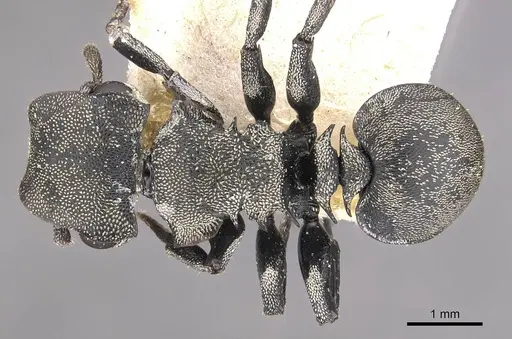
CBUMAGENT41889
View on AntWeb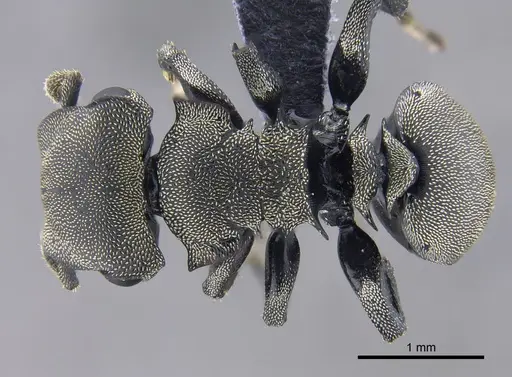
Literature
Loading distribution map...Loading products...