
Cephalotes cordiae
- Sci. Name
- Cephalotes cordiae
- Tribe
- Attini
- Subfamily
- Myrmicinae
- Author
- Stitz, 1913
- Distribution
- Found in 2 countries
Introduction
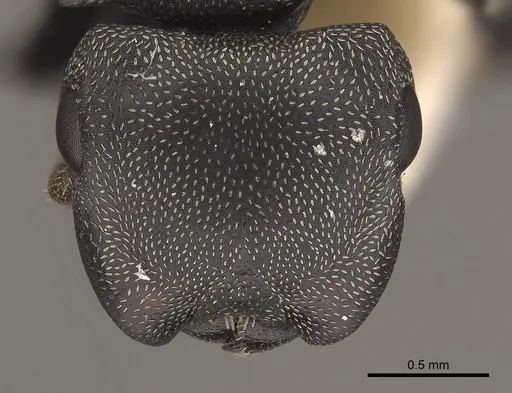
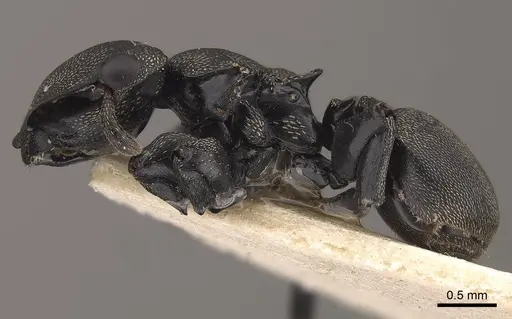
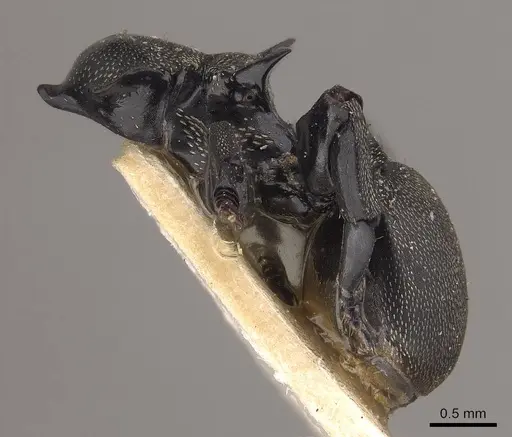
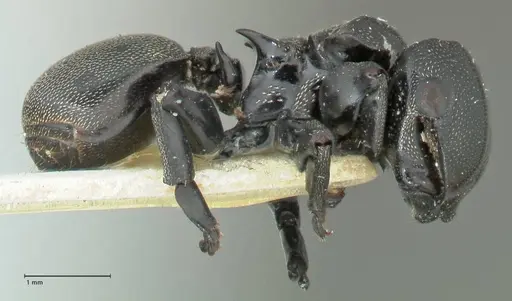
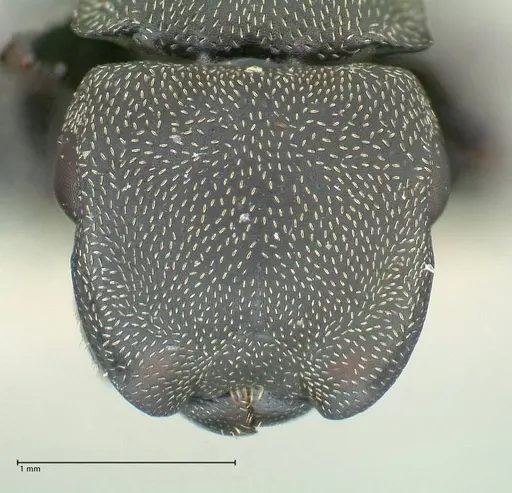
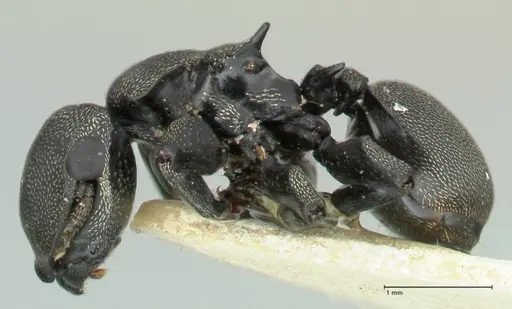
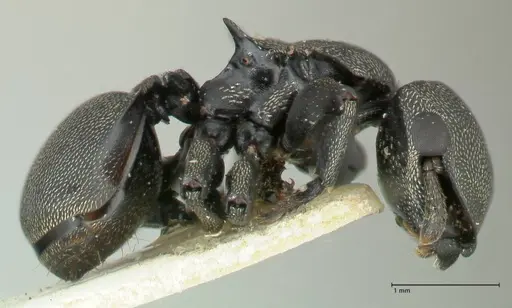
Cephalotes cordiae is a turtle ant species native to the Amazon basin region of South America, found in Bolivia, Brazil, and Peru. Workers are entirely black with a distinctive flattened head and thorax, measuring 5.3-5.9mm, while soldiers are larger at 6.9-7.5mm with a notably expanded head. Queens reach about 10mm and are the largest caste. This species belongs to the basalis clade, characterized by having only a pair of spines on the propodeum and the highest head breadth to alitrunk index in the clade. Like all Cephalotes, they are arboreal nesters, typically inhabiting hollow twigs, branches, and tree cavities in tropical forest canopies. Their most unusual trait is their ability to form living chains and bridges between branches using their specialized feet, allowing them to cross gaps that would otherwise be impassable.
Quick Summary
- Difficulty: Medium
- Origin & Habitat: Amazon basin region of South America, Bolivia, Brazil (Acre), and Peru. They live in tropical forests, nesting in hollow twigs and branches in the canopy [1][2][3].
- Colony Type: Monogyne (single-queen colonies). Turtle ants typically have one queen per colony, with soldiers serving as colony defenders and resource processors.
- Size & Growth:
- Queen: 10mm [1]
- Worker: 5.3-5.9mm [1]
- Colony: Unknown for this specific species, but related Cephalotes species typically reach several hundred workers
- Growth: Moderate, turtle ant colonies grow more slowly than many Myrmicinae due to their arboreal lifestyle and specialized caste system
- Development: Estimated 8-12 weeks based on related Cephalotes species at tropical temperatures (25-28°C) (Development time is temperature-dependent, warmer conditions within the safe range accelerate development. First workers (nanitics) are smaller than mature workers.)
- Antkeeping:
- Temperature: Keep at 24-28°C (tropical conditions). A gentle gradient is preferred, with the nest area at the warmer end. Avoid temperatures below 22°C as this species is adapted to consistently warm, humid conditions.
- Humidity: High humidity is essential, aim for 70-85% relative humidity. These ants come from the humid Amazon basin, so the nest substrate should remain consistently moist but not waterlogged. Mist the outworld regularly and provide a water source.
- Diapause: No, this is a tropical species that does not require hibernation. Maintain consistent warm temperatures year-round.
- Nesting: In captivity, they do well in Y-tong (AAC) nests or plaster nests with narrow chambers scaled to their size. They prefer dark, enclosed spaces that mimic their natural tree-cavity nesting. Provide multiple connected chambers for the colony to organize their brood and food storage.
- Behavior: Turtle ants are generally calm and non-aggressive compared to many Myrmicinae. Workers are active foragers that search for nectar, honeydew, and small insects. Soldiers use their enlarged heads to block nest entrances and defend against predators. They are excellent climbers and will readily walk up smooth surfaces, so escape prevention must be excellent, apply Fluon or similar barriers to all enclosure edges. They may form temporary chains or clusters when exploring the outworld.
- Common Issues: escape prevention is critical, they are excellent climbers and will find any gap, tropical humidity requirements can lead to mold if ventilation is poor, colonies may decline if temperatures drop below 22°C for extended periods, soldiers may block nest connections if chambers are too large, restricting colony movement, wild-caught colonies may have parasites or be stressed from collection
Housing and Enclosure Setup
Cephalotes cordiae requires careful enclosure setup to thrive in captivity. A Y-tong (acrylic and cement) nest works well because it provides the dark, enclosed conditions they prefer while allowing you to observe colony activity. The chambers should be appropriately sized, not too large, as soldiers will block overly wide passages. A test tube setup can work for founding colonies, but you will need to transition to a proper nest once the colony reaches 20-30 workers. The outworld should be escape-proof with a barrier like Fluon applied to the upper rim, these ants are excellent climbers and will exploit any gap. Include natural decorations like twigs and leaves to provide climbing surfaces and enrichment. A humidity reservoir (water tube attached to the nest) helps maintain the moisture levels they need. [1]
Feeding and Nutrition
Turtle ants are omnivorous with a preference for carbohydrate sources. Offer sugar water (1:1 ratio) or honey diluted with water as a constant food source, they will readily consume these. They also need protein from small insects like fruit flies, small crickets, or mealworms. In the wild, they forage for nectar and honeydew from aphids and scale insects, so replicating this diet in captivity works well. Feed protein prey 2-3 times per week, removing any uneaten prey after 24 hours. Fresh water should always be available. Some keepers report that Cephalotes prefer liquid foods and may ignore solid sugar sources, so prioritize honey water or sugar water in shallow containers. [1]
Temperature and Seasonal Care
As a tropical species from the Amazon basin, Cephalotes cordiae requires warm, stable temperatures year-round. Maintain nest temperatures between 24-28°C with minimal fluctuation. A small heating cable or mat placed on one side of the nest can create a gentle gradient, but avoid direct heat that could dry out the nest. Room temperature may be sufficient if your home stays in the low-to-mid 20s°C. Unlike temperate species, they do not enter diapause or hibernation, maintaining consistent conditions year-round is essential for colony health. Cold stress can weaken the colony and make them susceptible to disease. Monitor for signs of chilling if temperatures drop, including reduced foraging activity and clustering behavior. [1]
Behavior and Colony Dynamics
Cephalotes cordiae exhibits the fascinating behaviors characteristic of turtle ants. Workers are active foragers that search systematically through the outworld, while soldiers (majors) primarily serve as defenders and food processors, their enlarged heads allow them to block nest entrances against intruders. You may observe workers tandem-running (following each other in a line) to new food sources, a common recruitment behavior in this genus. The colony will establish distinct zones for brood rearing, food storage, and waste. Soldiers may cluster near the nest entrance, acting as living doorways. The colony grows gradually, with new workers emerging over weeks and months rather than days. Patience is key, turtle ant colonies are long-lived and can persist for many years with proper care. [1]
Escape Prevention
Excellent escape prevention is non-negotiable for this species. Cephalotes cordiae workers are small (under 6mm) and excellent climbers with specialized adhesive pads on their feet that allow them to walk up smooth surfaces including glass and plastic. Apply a barrier such as Fluon (polytetrafluoroethylene) to all upper edges of the outworld and any potential escape routes. Check lid seals regularly and ensure any tubing connections are secure. Even small gaps that would not concern you with larger ants will allow these ants to escape. Many keepers apply two or three layers of barrier for added security. A small amount of petroleum jelly on the upper rim can also work as a temporary barrier. [1]
Frequently Asked Questions
How long does it take for Cephalotes cordiae to produce first workers?
Expect first workers (nanitics) to emerge in about 8-12 weeks after the queen lays eggs, assuming temperatures are maintained at 25-28°C. This timeline is estimated based on related Cephalotes species, as specific development data for C. cordiae is not available. The queen will remain sealed in her founding chamber until the first workers emerge.
Can I keep Cephalotes cordiae in a test tube setup?
Yes, a test tube works well for founding colonies. Set up a standard test tube with a water reservoir (cotton ball at one end, filled with water) and place the queen in a dark area. Once the colony reaches 20-30 workers, consider moving them to a proper nest like a Y-tong or plaster formicarium with appropriately sized chambers.
What do Cephalotes cordiae ants eat?
They need a balanced diet of carbohydrates and protein. Offer sugar water or diluted honey constantly as their primary energy source. For protein, provide small insects like fruit flies, pinhead crickets, or small mealworms 2-3 times per week. Remove uneaten prey after 24 hours to prevent mold.
Are Cephalotes cordiae good for beginners?
This species is rated as Medium difficulty. While not the most challenging ant species, they do have specific requirements, particularly high humidity and warm temperatures year-round. They are also excellent climbers requiring good escape prevention. If you have experience with at least one other tropical ant species, you should be able to keep this species successfully.
Do Cephalotes cordiae need hibernation?
No, they do not hibernate. As a tropical Amazon basin species, they require consistent warm temperatures (24-28°C) year-round. Temperatures below 22°C for extended periods can stress or weaken the colony.
How big do Cephalotes cordiae colonies get?
Colony size is not specifically documented for this species, but related Cephalotes species typically reach several hundred workers. They are long-lived colonies that grow gradually over several years.
Can I keep multiple Cephalotes cordiae queens together?
No, this species is monogyne (single-queen). Turtle ants typically have one queen per colony. Combining unrelated queens is not recommended and would likely result in fighting.
When should I move Cephalotes cordiae to a formicarium?
Move them when the test tube setup becomes crowded or the water reservoir runs low. This is typically when the colony reaches 20-40 workers. Make sure the new nest has appropriately sized chambers, not too large, as overly large chambers can cause the colony to feel insecure.
Why are my Cephalotes cordiae dying?
Common causes include: temperatures below 22°C (cold stress), low humidity (below 60%), escape through small gaps, mold from poor ventilation, or stress from wild-caught origins. Check your temperature and humidity levels first. Ensure excellent escape prevention and adequate ventilation to prevent mold buildup.
Report an Issue
The current care sheet is based fully on literature. See inconsistencies, or something that's incorrect? Please , it will be resolved after review from an admin. Contributing to the blogs tab also helps providing information, to make us be able to further improve the caresheets. Thank you for your support!
References

This caresheet is licensed under CC BY-SA 4.0 .
Community Blogs
CASENT0919596
View on AntWeb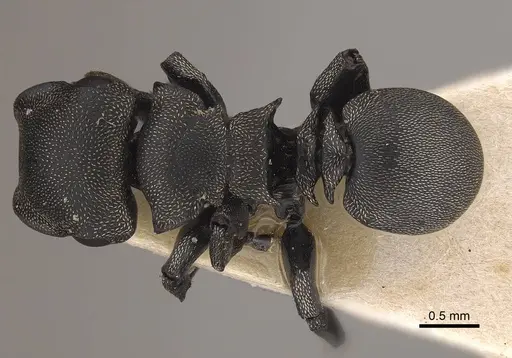
CASENT0919597
View on AntWeb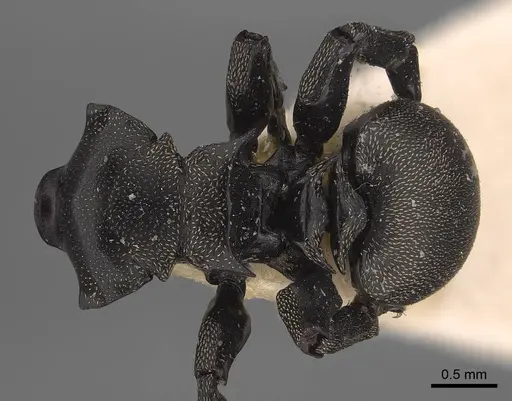
FOCOL2143
View on AntWeb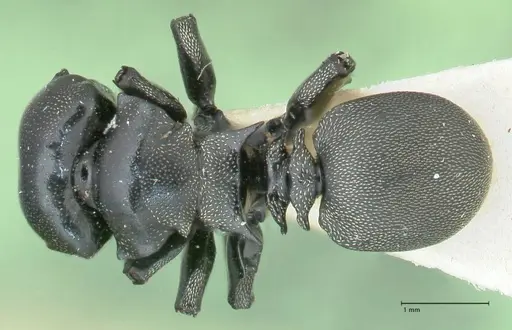
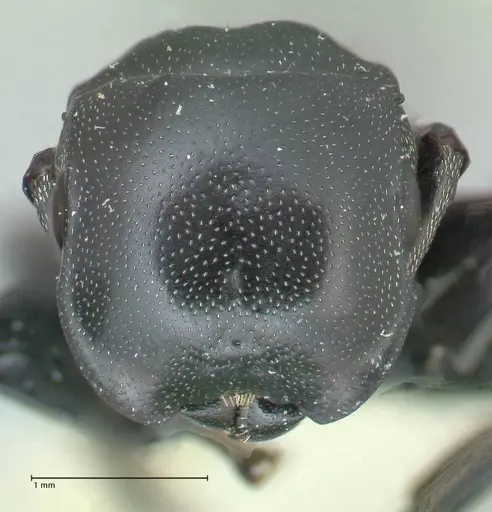
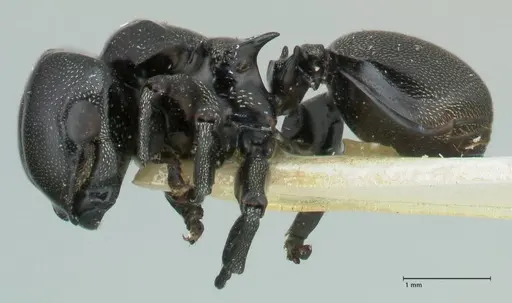
FOCOL2144
View on AntWeb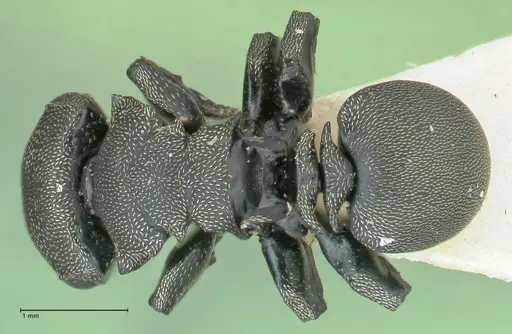
Literature
Loading distribution map...Loading products...