
Cataglyphis otini
- Sci. Name
- Cataglyphis otini
- Tribe
- Formicini
- Subfamily
- Formicinae
- Author
- Santschi, 1929
- Distribution
- Found in 1 countries
Introduction
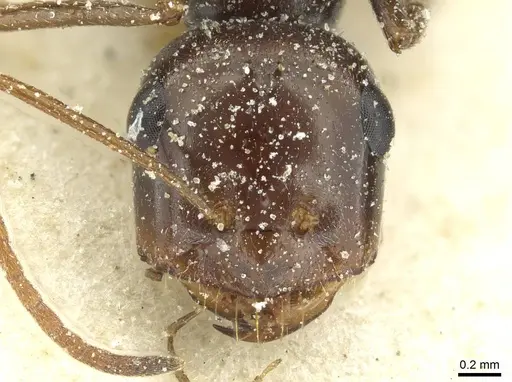
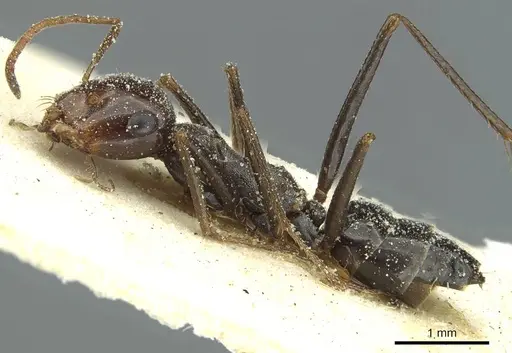
Cataglyphis otini is a desert ant species endemic to Morocco. Workers are slender and typically display reddish-brown to black coloration common in the genus. This species is found only in central-western Morocco, specifically in the Rabat, Settat region, Berrechid, and Riah areas . It is considered a vicariant (regional variant) of Cataglyphis cubica, having evolved separately in this specific North African region . A notable trait is that workers can produce male offspring through arrhenotokous parthenogenesis - they lay unfertilized eggs that develop into haploid males .
Quick Summary
- Difficulty: Medium
- Origin & Habitat: Endemic to Morocco, found in the Rabat area and central-western regions around Settat, Berrechid, and Riah. These ants inhabit desert and semi-desert environments with hot, dry conditions [1][2].
- Colony Type: Colony structure has not been studied for this species.
- Size & Growth:
- Queen: Size data unavailable, no specific measurements exist for this species
- Worker: Size data unavailable, type specimen measurements not provided in literature
- Colony: Unknown, no colony size data exists for this species
- Growth: Unknown, development rate has not been studied
- Development: Unknown, specific development data not available (Development time is unconfirmed for this species)
- Antkeeping:
- Temperature: Keep warm around 24-30°C. Provide a thermal gradient allowing workers to regulate their temperature. A heating cable on one side of the nest creates ideal conditions [4].
- Humidity: Low to moderate, these are desert-adapted ants that prefer drier conditions. Allow the nest to dry out between water additions.
- Diapause: Likely yes, Morocco experiences cool winters. Provide a cool period around 10-15°C for 2-3 months during winter months.
- Nesting: Y-tong (AAC) or plaster nests work well. Provide a dry nest chamber with some moist areas for humidity control.
- Behavior: Active, fast-moving foragers that search for food during daylight hours. They are diurnal and well-adapted to warm conditions. Workers are non-aggressive toward keepers but will defend the nest if threatened. They have good vision and use visual cues for navigation.
- Common Issues: colonies may fail if kept too humid, these are desert ants that prefer dry conditions, founding behavior is unconfirmed, claustral vs semi-claustrl unknown, winter dormancy requirements are not documented but likely needed, limited availability as a species, may be difficult to acquire, wild-caught colonies may have parasites that affect survival in captivity
Nest Preferences and Housing
Cataglyphis otini does well in dry to moderately humid nests. Y-tong (AAC) nests work well because they maintain stable humidity while allowing you to create a moisture gradient. Plaster nests are also suitable, keep one side slightly moister than the other. Provide a spacious outworld since these ants are active foragers. A test tube setup works for founding colonies, but transfer to a formicarium once the colony reaches 20-30 workers. Ensure good escape prevention, these ants are active and may explore lid gaps. [4]
Feeding and Diet
Like most Cataglyphis species, C. otini is omnivorous with a preference for protein sources. Feed small insects like fruit flies, pinhead crickets, and mealworms. They will also accept sugar water, honey, or diluted syrup as an energy source. In the wild, these desert ants forage for dead insects and honeydew. Offer food 2-3 times per week for established colonies, removing uneaten prey after 24 hours. Sugar water should be available continuously. Fresh water should always be accessible. [4]
Temperature and Seasonal Care
These desert ants require warm conditions. Keep the nest at 24-30°C with a thermal gradient so workers can regulate their body temperature. A heating cable placed on one side of the nest creates ideal conditions. During summer months, room temperature is often sufficient, but supplemental heating helps during cooler periods. In winter, provide a cool dormancy period of 2-3 months at 10-15°C to mimic natural seasonal cycles. [4]
Behavior and Colony Dynamics
Cataglyphis otini workers are fast, active foragers that patrol their territory during daylight hours. They have good vision and use landmark-based navigation to find their way back to the nest. Workers are not particularly aggressive but will defend the colony if the nest is threatened. The species has an interesting reproductive trait: workers can produce male offspring through arrhenotokous parthenogenesis, meaning unfertilized eggs develop into males [3]. This is relatively rare in ants and suggests flexible reproductive dynamics within the colony.
Frequently Asked Questions
How long does it take for Cataglyphis otini to produce first workers?
Development time is unconfirmed for this species. Expect first workers 6-10 weeks at optimal temperature based on related Cataglyphis species, but specific data for C. otini is not available.
What temperature do Cataglyphis otini need?
Keep them warm at 24-30°C. A thermal gradient is ideal, allow workers to move between warmer and cooler areas of the nest to self-regulate.
Can I keep multiple Cataglyphis otini queens together?
Not recommended. Colony structure has not been documented for this species, but most Cataglyphis species form single-queen colonies. Combining unrelated queens would likely result in aggression.
Are Cataglyphis otini good for beginners?
This species is rated as medium difficulty. While not the easiest species, they are hardy once established. The main challenges are providing proper warmth and avoiding over-humidity.
Do Cataglyphis otini need hibernation?
A winter rest period is recommended. Provide 2-3 months at 10-15°C during winter months to mimic natural seasonal cycles in their Moroccan habitat.
How big do Cataglyphis otini colonies get?
Colony size is unconfirmed for this species. No published data exists on maximum colony size.
What do Cataglyphis otini eat?
They are omnivorous but prefer protein. Feed small insects like fruit flies, pinhead crickets, or mealworms 2-3 times weekly. Offer sugar water, honey, or diluted syrup continuously as an energy source.
When should I move my colony to a formicarium?
Transfer from a test tube setup to a formicarium once the colony reaches 20-30 workers. A Y-tong or plaster nest works well for this species.
Why is my Cataglyphis otini colony declining?
Common causes include: too high humidity, temperatures too low, insufficient protein in diet, or stress from disturbance during founding. Check that the nest is dry enough and temperatures are in the 24-30°C range.
Report an Issue
The current care sheet is based fully on literature. See inconsistencies, or something that's incorrect? Please , it will be resolved after review from an admin. Contributing to the blogs tab also helps providing information, to make us be able to further improve the caresheets. Thank you for your support!
References

This caresheet is licensed under CC BY-SA 4.0 .
Community Blogs
CASENT0912221
View on AntWeb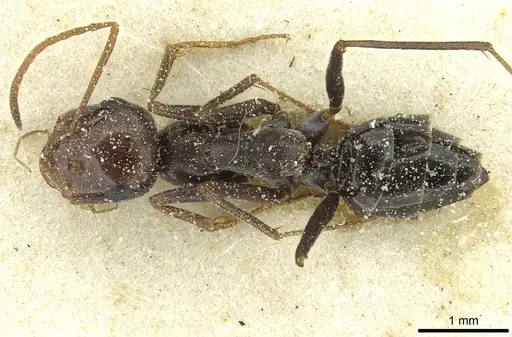
Literature
Loading distribution map...Loading products...