
Carebara tana
- Sci. Name
- Carebara tana
- Tribe
- Crematogastrini
- Subfamily
- Myrmicinae
- Author
- Azorsa & Fisher, 2018
- Distribution
- Found in 1 countries
Introduction
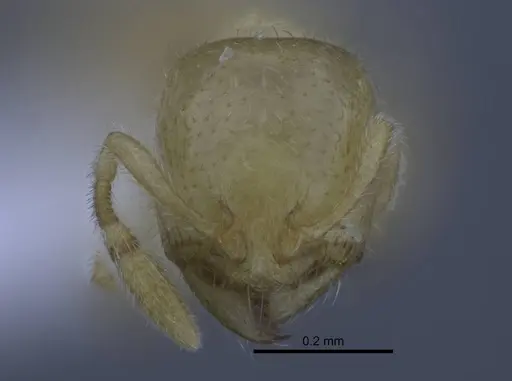
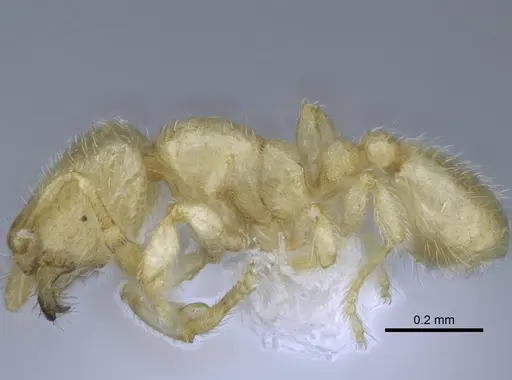
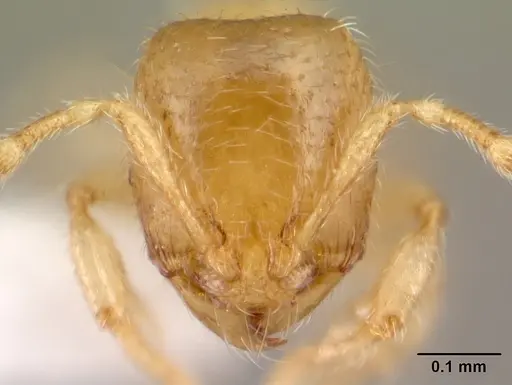
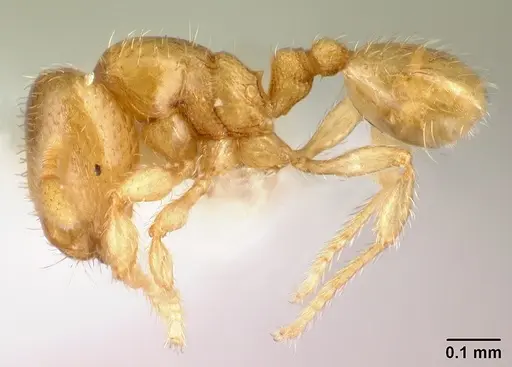
Carebara tana is a tiny myrmicine ant species endemic to the northern highlands of Madagascar. Major workers are approximately 2-3mm in total length, while minor workers are smaller at approximately 1.5-2mm, making them among the smallest ants you'll encounter. They have a distinctive yellowish-ferruginous coloration with 10-segmented antennae and small triangular teeth on the propodeum. This species was discovered in montane rainforest at 925m elevation in the Parc National Montagne d'Ambre, where they live in leaf litter, leaf mold, and rotting wood . The genus Carebara is known for having distinct worker castes - major workers (soldiers) and minor workers - with no intermediates between them in this species .
Quick Summary
- Difficulty: Medium
- Origin & Habitat: Northern Madagascar, montane rainforest at 925m elevation. Found in leaf litter, leaf mold, and rotten wood [1].
- Colony Type: Colony structure is unconfirmed.
- Size & Growth:
- Queen: Size data unavailable, queens were not described in the original species description.
- Worker: Major workers: approximately 2-3mm total length, minor workers: approximately 1.5-2mm total length, inferred from Carebara genus patterns.
- Colony: Size data unavailable.
- Growth: Growth rate is unconfirmed.
- Development: Development time is unconfirmed. (Specific development data is not available for this species.)
- Antkeeping:
- Temperature: Keep around 22-26°C. Montane rainforest location suggests they prefer cooler, stable conditions. Avoid temperatures above 30°C.
- Humidity: High humidity required, think damp forest floor. Keep nest substrate consistently moist but not waterlogged. Provide a gradient with a damp side and slightly drier area for workers to self-regulate.
- Diapause: Unlikely, Madagascar is tropical with minimal seasonal temperature variation. No diapause requirement expected.
- Nesting: Natural nesting in rotting wood and leaf litter suggests Y-tong (AAC), plaster, or naturalistic setups with multiple small chambers work well. Their tiny size requires tight-fitting connections and small passages. Avoid large open spaces.
- Behavior: These ants are tiny and likely secretive, spending most of their time hidden within the nest material. They are probably predatory on small micro-arthropods and may tend aphids for honeydew, similar to other Carebara species. Their small size makes them vulnerable and they will likely avoid confrontation. Escape prevention is critical, their tiny size means they can squeeze through standard test tube cotton and small gaps. Use fine mesh barriers and ensure all connections are tight.
- Common Issues: escape prevention is critical due to their very small size, they can squeeze through the tiniest gaps, high humidity needs can lead to mold if ventilation is poor, slow growth may cause keepers to overfeed or disturb the colony unnecessarily, wild-caught colonies may have parasites that are difficult to detect, tiny size makes them hard to observe and easy to accidentally injure during transfers
Housing and Nest Setup
Carebara tana requires careful housing due to their extremely small size. A test tube setup works well for founding colonies, use a small diameter tube with fine mesh barriers to prevent escapes. For established colonies, a Y-tong (AAC) nest with multiple small chambers scaled to their tiny size works best. The chambers should be tight and narrow, these ants feel secure in confined spaces. Avoid large, open foraging areas as they may become stressed or lost. A naturalistic setup with rotting wood pieces and moist substrate can mimic their natural leaf litter environment. Ensure all connections between outworld and nest are sealed with cotton or fine mesh, even a 1mm gap is an escape route for these tiny ants. [1]
Feeding and Diet
Based on typical Carebara behavior, these ants are likely omnivorous with a preference for small protein sources. Offer small live prey such as springtails, fruit flies, or other micro-arthropods. They will likely accept sugar sources like honey water or sugar water, especially if they are tending aphids. Feed small amounts of protein 2-3 times per week, and keep a constant sugar water supply. Remove uneaten prey after 24 hours to prevent mold. Given their tiny size, food items should be appropriately scaled, a single fruit fly is a substantial meal for a minor worker.
Temperature and Humidity
Carebara tana comes from montane rainforest in northern Madagascar at 925m elevation, which means they prefer cooler, more stable conditions than lowland tropical ants. Keep temperatures in the range of 22-26°C. Avoid temperatures above 30°C as this can stress and kill the colony. A gentle temperature gradient allows workers to self-regulate. Humidity should be high, think damp forest floor conditions. Keep the nest substrate consistently moist but never waterlogged. A humidity range of 70-85% is appropriate. Use a water reservoir in test tube setups and mist the outworld occasionally. Good ventilation is essential to prevent mold while maintaining humidity. [1]
Colony Founding and Growth
The colony founding behavior of Carebara tana has not been documented. Expect the queen to seal herself in a small chamber and raise her first workers alone on stored fat reserves. The first workers (nanitics) will be smaller than normal minor workers. Colony growth will be relatively slow compared to larger ant species, this is normal for tiny ants. Major workers (soldiers) develop as the colony matures and may not appear until the colony reaches several dozen workers. Be patient with these ants, a healthy colony should grow steadily but slowly.
Behavior and Temperament
Carebara tana is a secretive, ground-dwelling ant that likely spends most of its time within the nest or in the leaf litter layer. They are not aggressive and will flee from threats rather than engage. Their tiny size makes them vulnerable, so they avoid open spaces and bright light. Workers likely forage individually for small prey and honeydew. They do not have a functional sting and pose no danger to humans. The main behavioral concern for keepers is their escape ability, even though they are small, they are excellent at finding and squeezing through tiny gaps. Excellent escape prevention is essential.
Frequently Asked Questions
How long does it take for Carebara tana to produce first workers?
The exact timeline is unconfirmed. Expect first workers (nanitics) several months after the queen lays eggs. Growth is slow, be patient with founding colonies.
What do Carebara tana ants eat?
They likely accept small live prey (springtails, fruit flies), and sugar sources (honey water, sugar water). Feed small protein items 2-3 times per week with constant sugar water available.
Are Carebara tana ants dangerous?
No, they are completely harmless to humans. They are tiny, non-aggressive, and do not have a functional sting.
Can I keep Carebara tana in a test tube?
Yes, test tubes work well for founding colonies. Use fine mesh barriers and ensure tight-fitting cotton, their tiny size means they can escape through standard barriers.
Do Carebara tana ants need hibernation?
No, they come from tropical Madagascar and do not require a diapause or hibernation period. Keep them at stable room temperature year-round.
How big do Carebara tana colonies get?
Colony size is not documented. Growth is slow but steady.
Why are my Carebara tana escaping?
Their tiny size allows them to squeeze through gaps you might not notice. Use fine mesh (0.3mm or smaller), seal all connections, and check for gaps around cotton barriers. Escape prevention must be excellent with this species.
Are Carebara tana good for beginners?
They are moderate difficulty due to their small size and specific humidity needs. They require more careful attention to escape prevention than larger ants, but their care requirements are straightforward once established.
What temperature should I keep Carebara tana at?
Keep them at 22-26°C. They come from montane rainforest and prefer cooler conditions than lowland tropical ants. Avoid temperatures above 30°C.
When should I move my colony to a formicarium?
Wait until the colony has 30-50+ workers and the test tube space becomes cramped. For Carebara tana, a small Y-tong or plaster nest with tiny chambers works best.
Report an Issue
The current care sheet is based fully on literature. See inconsistencies, or something that's incorrect? Please , it will be resolved after review from an admin. Contributing to the blogs tab also helps providing information, to make us be able to further improve the caresheets. Thank you for your support!
References

This caresheet is licensed under CC BY-SA 4.0 .
Community Blogs
CASENT0437707
View on AntWeb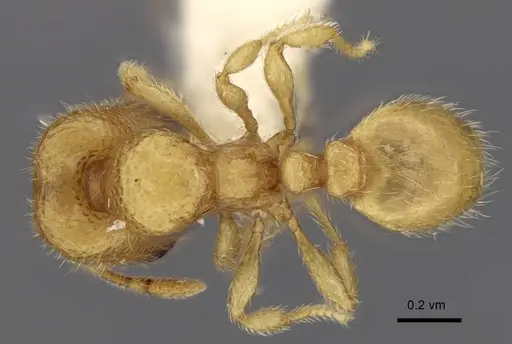
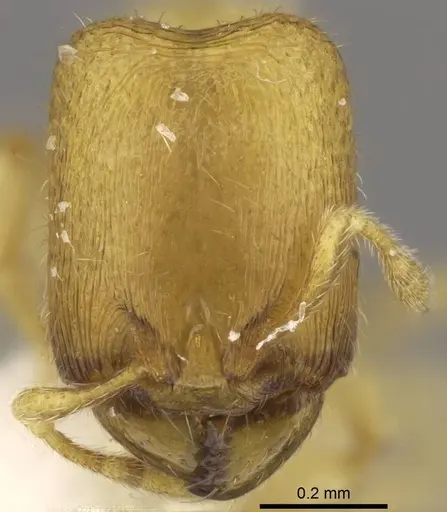
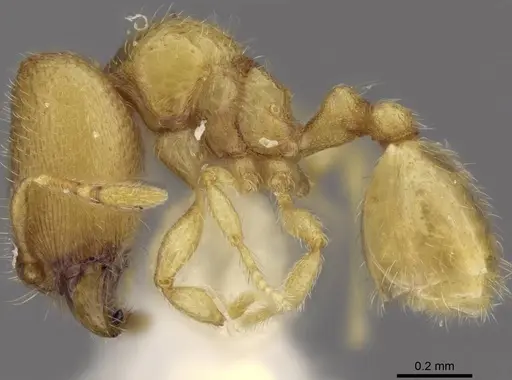
CASENT0437708
View on AntWeb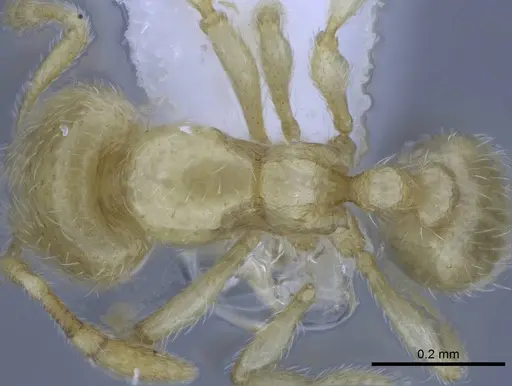
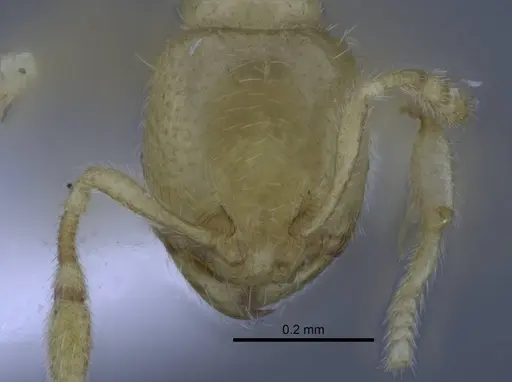
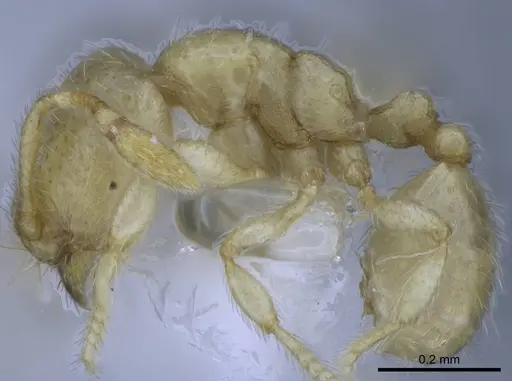
CASENT0438084
View on AntWeb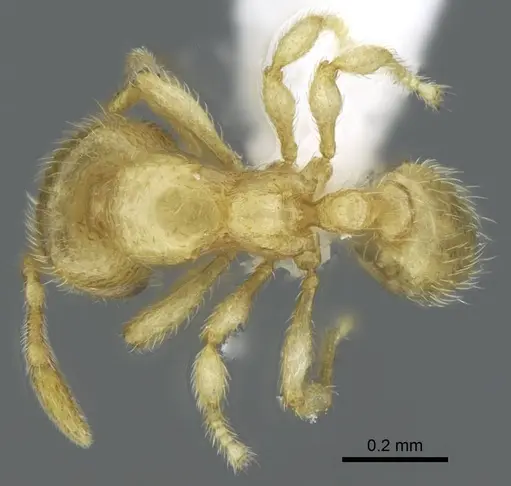
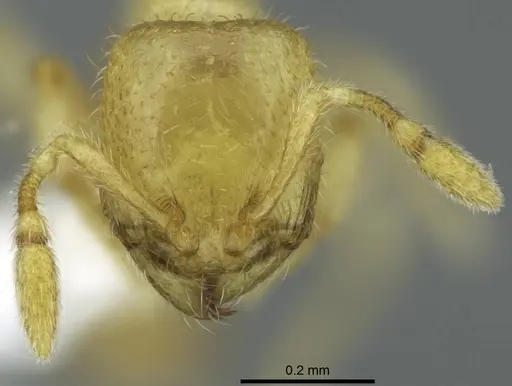
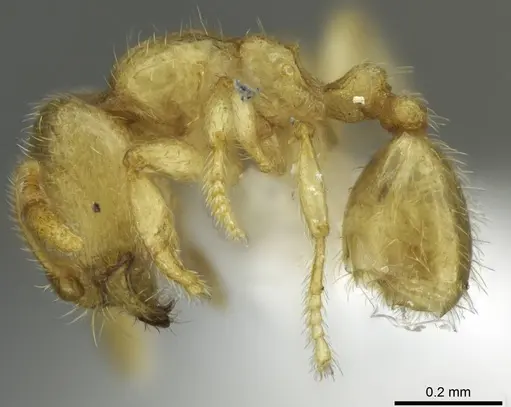
CASENT0438090
View on AntWeb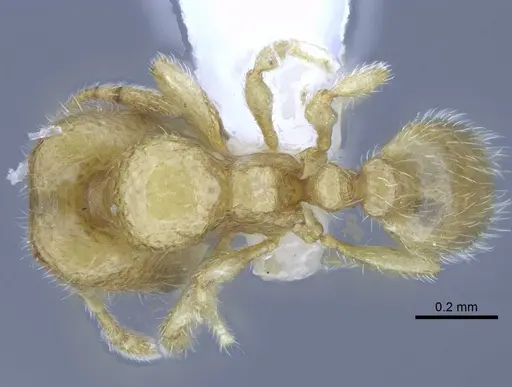
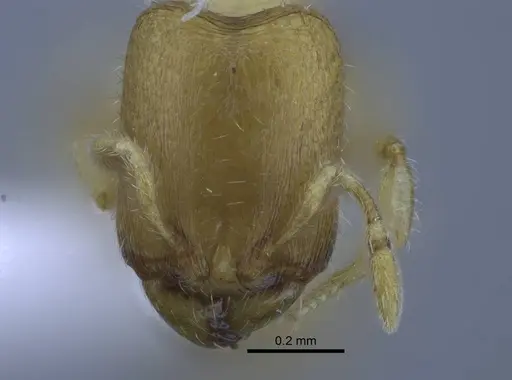
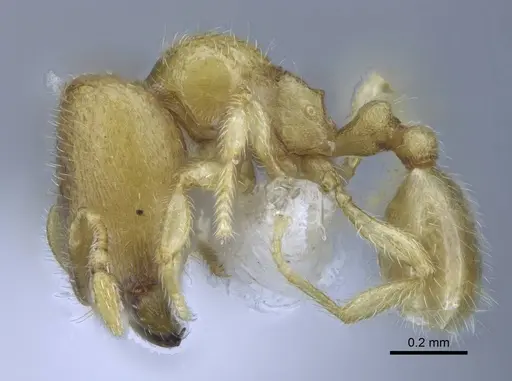
CASENT0438096
View on AntWeb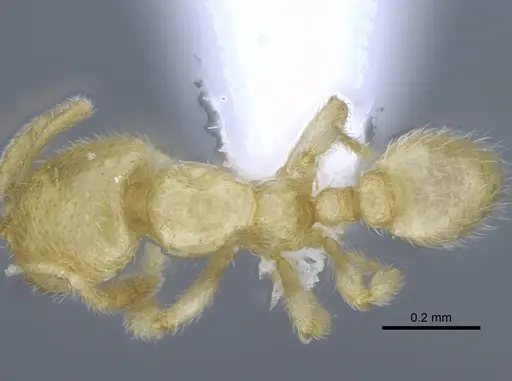
CASENT0438184
View on AntWeb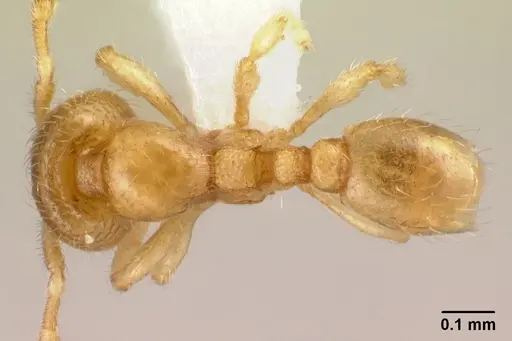
Literature
Loading distribution map...Loading products...