
Carebara reina
- Sci. Name
- Carebara reina
- Tribe
- Crematogastrini
- Subfamily
- Myrmicinae
- Author
- Fernández, 2004
- Distribution
- Found in 6 countries
Introduction
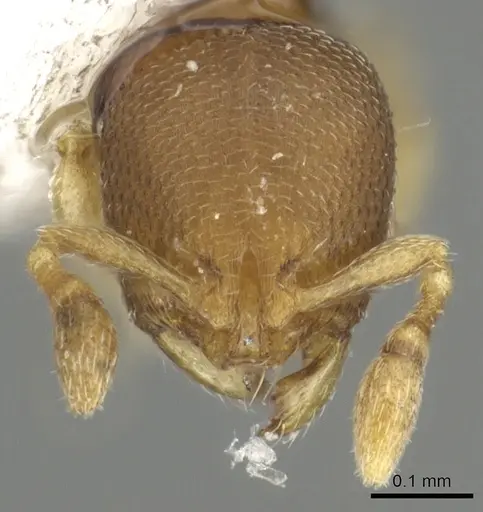
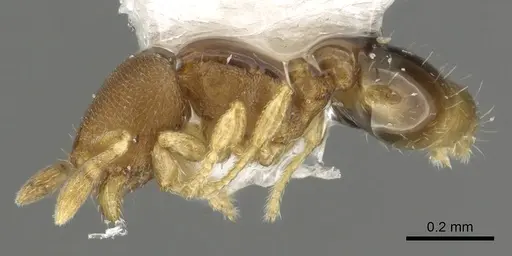
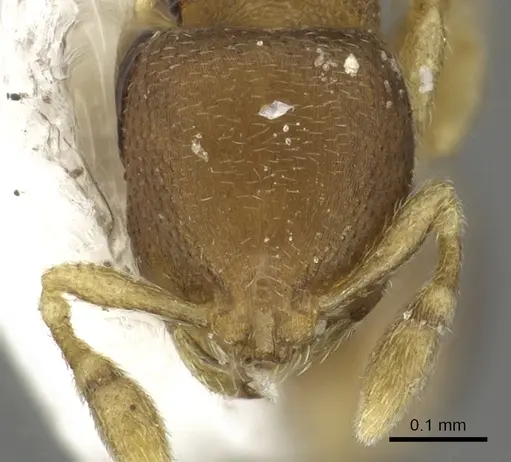
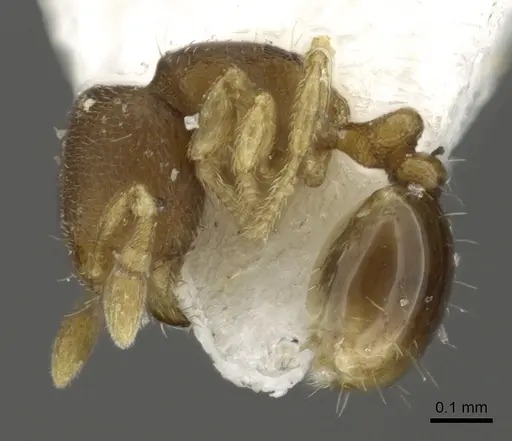
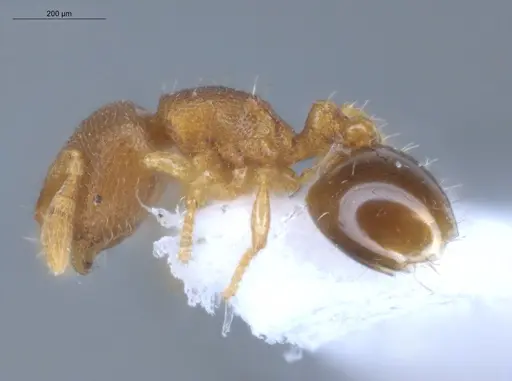
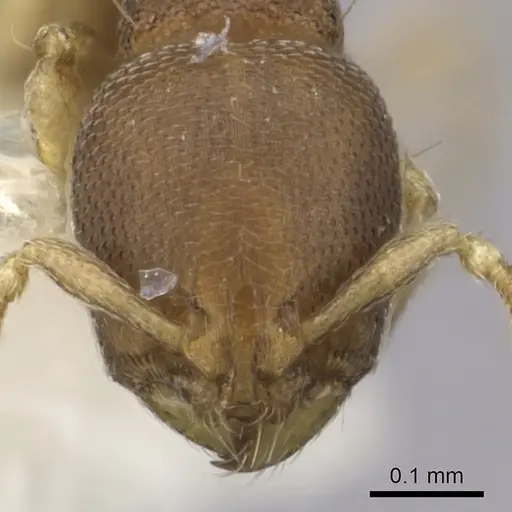
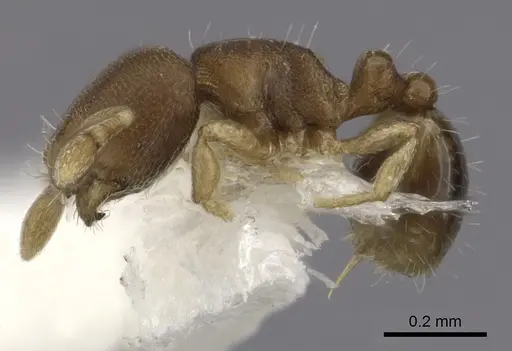
Carebara reina is a minute ant species belonging to the Myrmicinae subfamily, native to the Neotropical region of Central and South America. Workers measure just 1.2-1.3mm in total length, making them one of the smallest ant species known . They have a brown body with lighter appendages, are nearly bare of long hairs except for a few tiny setae around 0.05mm, and have extremely reduced eyes consisting of a single ommatidium . This species belongs to the Carebara escherichi complex and is closely related to Carebara striata, from which it can be told apart by having more hairs on the body . In the wild, they inhabit tropical forest leaf litter at elevations between 320-900 meters, likely nesting in decaying wood or soil . These ants lead a cryptic, ground-dwelling life in tropical forests. They rarely come to the surface, spending most of their time in the moist leaf litter layer where humidity stays high and temperatures are warm year-round. Their tiny size lets them move through the complex microhabitats of the forest floor, hunting small soil arthropods and possibly tending homopterans for honeydew.
Quick Summary
- Difficulty: Medium
- Origin & Habitat: Tropical forests of Central and South America, from Honduras through Colombia to French Guiana. They live in lowland to mid-elevation tropical forests (320-900m), typically in moist leaf litter and rotting wood [3][5].
- Colony Type: Colony structure is unconfirmed. Based on typical Carebara genus patterns, they likely form single-queen colonies, though this has not been directly documented.
- Size & Growth:
- Queen: Unknown, queen caste has not been described in scientific literature [1]
- Worker: 1.22-1.30mm total length (TL) [1]
- Colony: Unknown, colony size has not been documented. Based on tiny worker size and typical Carebara patterns, colonies likely remain under 100 workers at maturity.
- Growth: Unknown, growth rate has not been studied. Likely moderate based on typical genus patterns.
- Development: Unknown, development timeline has not been directly studied. Estimate 4-8 weeks based on related tropical Myrmicinae species, at optimal temperature. (Estimated based on typical tropical litter ant development patterns. More data needed for a precise timeline.)
- Antkeeping:
- Temperature: Keep at 24-28°C. As a tropical species, they need warm, stable temperatures. A heating cable on one side of the nest can create a gentle gradient if room temperature falls below this range.
- Humidity: High humidity is essential, these ants live in moist tropical leaf litter. Keep the nest substrate consistently damp but not waterlogged. The substrate should feel moist to the touch with no standing water. Mist occasionally and provide a water tube, but ensure drainage to prevent flooding.
- Diapause: No, as a tropical species, they do not require hibernation. Keep temperatures stable year-round without seasonal cooling.
- Nesting: Use a naturalistic setup with moist substrate (soil/sand mix) or a Y-tong (AAC) nest that retains humidity well. Because of their tiny size, chambers and passages must be scaled down very small. Avoid dry, airy setups.
- Behavior: These are extremely tiny, cryptic ants that spend most of their time hidden in the nest substrate. They are not aggressive and rarely venture into the open. Workers are slow-moving and forage through the substrate rather than on open surfaces. Their extremely reduced eyes (just one ommatidium) suggest they rely more on chemical and tactile cues than vision. Their defense mechanism is a 'smear', they use a modified, flattened stinger to wipe venom onto enemies rather than piercing them. Escape prevention is critical due to their minute size, they can squeeze through the tiniest gaps. They are harmless to keepers.
- Common Issues: escape prevention is critical due to their extremely small size, they can slip through gaps invisible to the naked eye, high humidity requirements can lead to mold problems if ventilation is inadequate, tiny size makes them difficult to observe and easy to lose during nest maintenance, growth can be slow, which may test keeper patience, wild-caught colonies may contain parasites that can affect captive populations
Housing and Nest Setup
Carebara reina needs a setup that recreates the humid, protected environment of tropical forest floor litter. A naturalistic terrarium with a moist soil substrate works well, use a mix of soil and sand that holds moisture without becoming waterlogged. The substrate should be at least 2-3cm deep to allow for tunneling. Alternatively, a Y-tong (AAC) nest with a plaster or soil insert can maintain humidity, though the chambers must be extremely small to accommodate these minute ants [1]. Test tube setups are challenging due to their tiny size and tendency to wander into water reservoirs. Whatever setup you choose, seal all connections and edges with cotton or fine mesh, these ants can escape through gaps smaller than a millimeter. Add leaf litter, small pieces of rotting wood, or moss to the outworld to provide foraging opportunities and cover.
Feeding and Diet
In the wild, Carebara species are generalist omnivores that likely feed on small arthropods, dead insects, and honeydew from homopteran insects. In captivity, offer small protein sources such as fruit flies, pinhead crickets, or tiny mealworms. Because of their minute size, prey items should be appropriately sized, even a single fruit fly is a substantial meal. They may accept sugar water or honey occasionally. Feed small amounts of protein 2-3 times per week and remove any uneaten prey after 24 hours to prevent mold. Overfeeding is a common mistake, offer only what the colony can consume in a day.
Temperature and Humidity
As a tropical forest species, Carebara reina requires warm, humid conditions year-round. Maintain temperatures between 24-28°C (75-82°F), this is warmer than typical room temperature in many homes, so you may need a small heating cable or heat mat placed on one side of the nest to create a warm zone. Humidity is critical: keep the substrate consistently moist but not saturated. The nest area should show condensation on glass surfaces occasionally. Use a hygrometer to monitor and aim for 70-80% relative humidity in the nest area. Poor humidity can cause colony decline. Avoid placing the nest near air conditioning vents or in drafty areas.
Colony Establishment and Growth
Since the queen caste has not been described in scientific literature, acquiring established colonies may be challenging. If you obtain a founding queen, house her in a small setup with moist substrate and provide tiny prey items if she emerges to forage (if semi-claustral) or leave her completely undisturbed if claustral. The first workers (nanitics) will be extremely small and may take several weeks to months to appear. Growth is likely slow compared to larger ant species, patience is essential. Colonies probably remain small (under 100 workers) even at maturity, given the tiny worker size. Do not disturb the colony frequently during the founding stage, as this can cause queen stress and abandonment.
Handling and Observation
Observing Carebara reina requires patience and careful attention. Their tiny size and cryptic habits mean you may not see much activity outside the nest. Use a magnifying glass or macro lens to observe them properly. When maintaining their setup, work slowly and carefully to avoid crushing these insects, they are virtually invisible against substrate when moving. Transferring colonies requires gentle coaxing with soft brushes rather than force. They are not suitable for keepers who want active, visible ants, these are a 'watch under magnification' species. Their docile nature means they pose no sting threat, but their value lies in observing the behaviors of a truly miniature ant society.
Frequently Asked Questions
How long does it take for Carebara reina to produce first workers?
The exact timeline is unknown, but based on related tropical Myrmicinae species, expect 4-8 weeks from egg to worker at optimal temperature (24-28°C). Founding can be slow, patience is essential with this species.
What do Carebara reina ants eat?
They are generalist omnivores. Offer small live prey like fruit flies, pinhead crickets, or tiny mealworms. They may accept sugar water or honey occasionally. Feed small amounts of protein 2-3 times per week.
Can I keep Carebara reina in a test tube?
Test tubes are challenging because of their minute size, they can easily escape through the gap between cotton and glass. If using test tubes, use tightly packed cotton and consider wrapping the opening with fine mesh. A naturalistic setup with moist substrate is often more successful.
Do Carebara reina ants sting?
They do not sting in the usual sense. They use a 'smear' defense: a modified, flattened stinger wipes venom onto enemies rather than piercing. They are completely harmless to keepers and will flee rather than defend.
Are Carebara reina good for beginners?
They are not ideal for complete beginners due to their specific humidity requirements, tiny size which increases escape risk, and slow growth. However, intermediate keepers who understand tropical ant care and are comfortable with small, delicate species may succeed with them.
What temperature do Carebara reina need?
Keep them at 24-28°C (75-82°F). As a tropical species, they need warmth year-round. Room temperature alone is often insufficient, a small heating cable on one side of the nest can help maintain optimal temperatures.
How big do Carebara reina colonies get?
Colony size is not documented, but based on their tiny worker size (1.2-1.3mm), colonies likely remain under 100 workers even at maturity. Do not expect large, bustling colonies.
Do Carebara reina need hibernation?
No, they do not require hibernation. As a tropical species, they need stable warm temperatures year-round. Do not cool them down seasonally.
Why are my Carebara reina escaping?
Because of their extremely small size (around 1mm), they can squeeze through the tiniest gaps. Check all connections, use fine mesh on any openings, and ensure cotton barriers are tightly packed. Excellent escape prevention is a must [1].
Where is Carebara reina found in the wild?
They are native to the Neotropical region: Honduras, Nicaragua, Costa Rica, Panama, Colombia, and French Guiana. They live in tropical forest leaf litter at elevations of 320-900 meters [3][5][6].
Report an Issue
The current care sheet is based fully on literature. See inconsistencies, or something that's incorrect? Please , it will be resolved after review from an admin. Contributing to the blogs tab also helps providing information, to make us be able to further improve the caresheets. Thank you for your support!
References

This caresheet is licensed under CC BY-SA 4.0 .
Community Blogs
CASENT0902391
View on AntWeb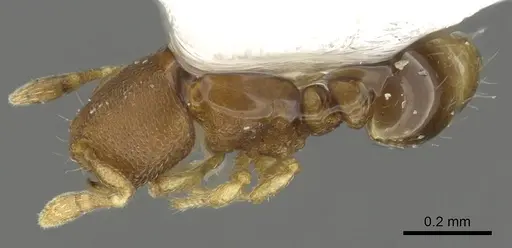
CASENT0902395
View on AntWeb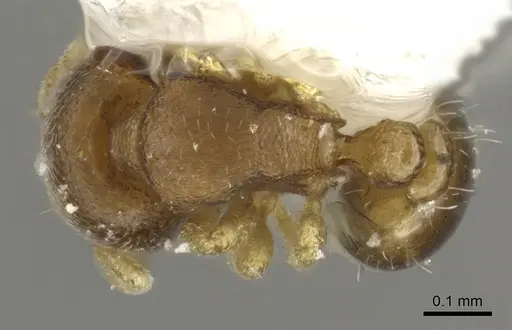
ECOFOG-IT14-0802-77
View on AntWeb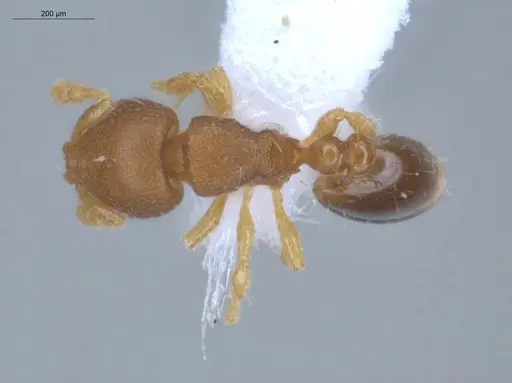
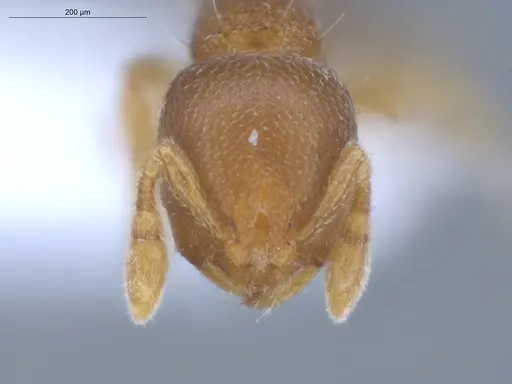
INBIOCRI002279067
View on AntWeb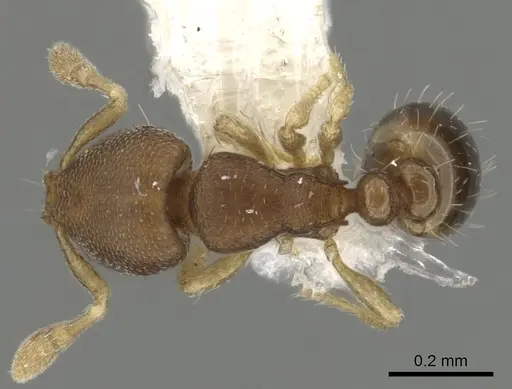
Literature
Loading distribution map...Loading products...