
Cardiocondyla wheeleri
- Sci. Name
- Cardiocondyla wheeleri
- Tribe
- Crematogastrini
- Subfamily
- Myrmicinae
- Author
- Viehmeyer, 1914
- Distribution
- Found in 1 countries
Introduction
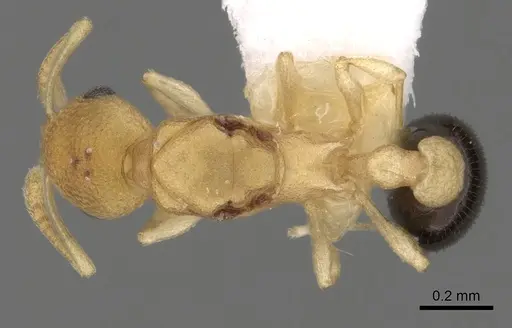
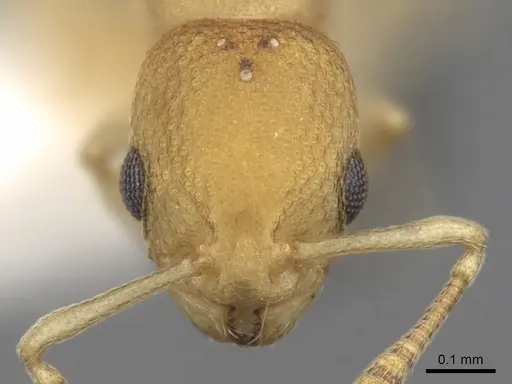
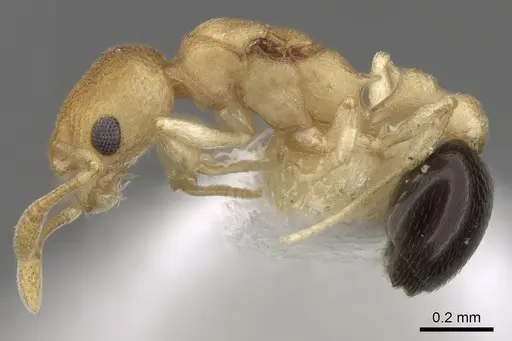
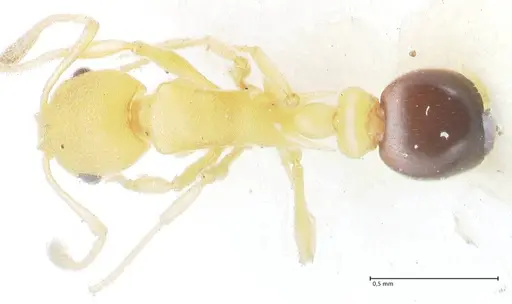
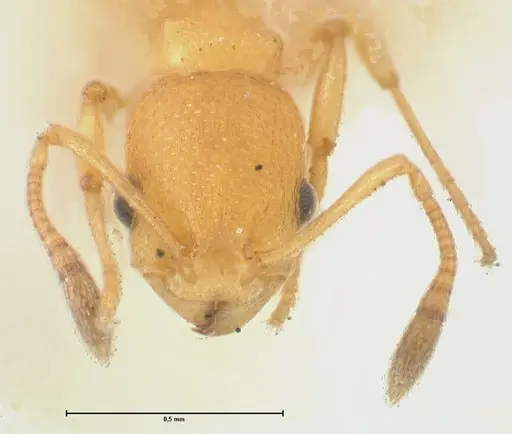
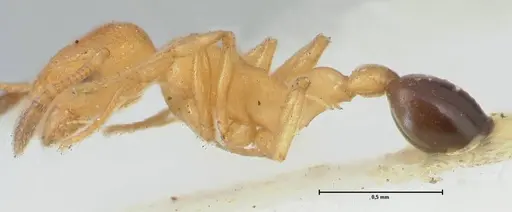
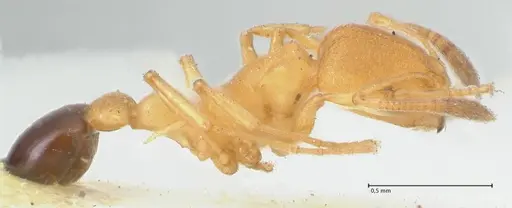
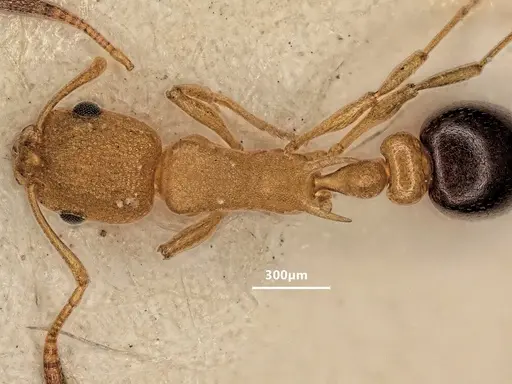
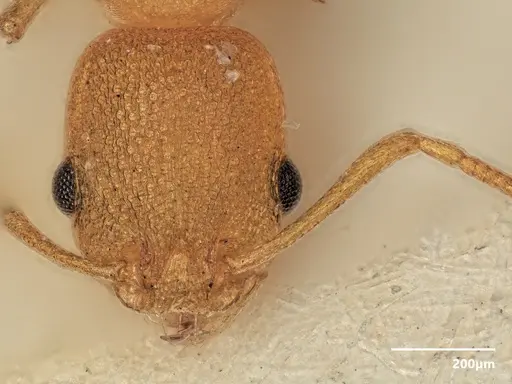
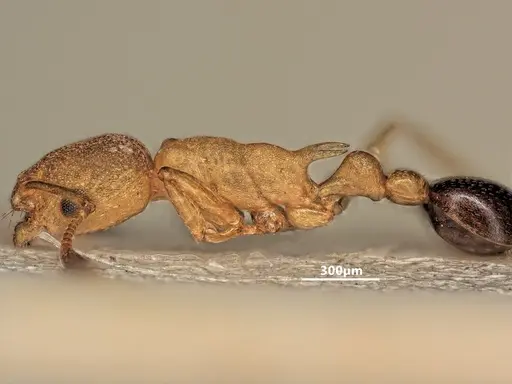
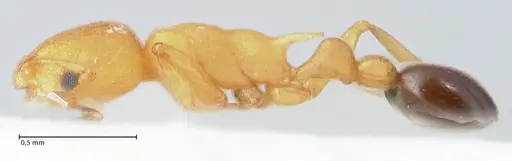
Cardiocondyla wheeleri is an extremely small ant species known only from the Rawlinson Mountains in Papua New Guinea at approximately 1800m elevation. Workers are among the smallest in the genus - size data unavailable, but inferred from genus patterns to be approximately 1.5-2mm total length. They have a distinctive yellowish body with a dark brown gaster (abdomen) and darker antennal club. The head is relatively long with small eyes, and they possess unusually long propodeal spines that curve downward. This species belongs to the Cardiocondyla wheeleri group and was originally described in 1914, with only a handful of specimens ever collected. Very little is known about their biology in the wild, as they have rarely been observed or studied.
Quick Summary
- Difficulty: Unknown, likely Easy to Medium based on genus patterns
- Origin & Habitat: Papua New Guinea, Rawlinson Mountains at approximately 1800m elevation in the Australasian region [1]
- Colony Type: Unconfirmed, colony structure has not been documented for this species.
- Size & Growth:
- Queen: Size data unavailable, no queen measurements exist in available literature
- Worker: Extremely small, approximately 1.5-2mm total length inferred from genus patterns (head width CS 515 µm reported) [1]
- Colony: Unknown, no colony size data available
- Growth: Unknown, no development data exists for this species
- Development: Unconfirmed, no species-specific development timing documented (Development timeline is unknown for this species)
- Antkeeping:
- Temperature: Keep at 22-26°C as a starting point. Based on their Papua New Guinea origin (tropical highlands), they likely prefer warm, stable conditions. Adjust based on colony activity.
- Humidity: Moderate to high humidity is likely needed, aim for 60-80% relative humidity. Keep the nest substrate consistently moist but not waterlogged.
- Diapause: Unknown, Papua New Guinea species may not require a true diapause, but a slight reduction in temperature during winter months may be beneficial.
- Nesting: No specific nesting data exists. Based on genus patterns, they likely nest in soil, under stones, or in shallow cavities. A small test tube setup or Y-tong nest with tight chambers scaled to their tiny size would be appropriate.
- Behavior: No specific behavioral observations exist for this species. Based on genus patterns, they are likely relatively docile, non-aggressive ants with small colonies. Their tiny size means escape prevention must be excellent, they can squeeze through remarkably small gaps. They are likely generalist feeders accepting both sugar and protein sources.
- Common Issues: escape prevention is critical due to their extremely small size, use fine mesh barriers, no specific care information exists, keepers must experiment and observe colony responses, slow or absent colony growth is possible since this species is rarely kept, wild-caught colonies may be difficult to obtain since the species is known from very few specimens
Appearance and Identification
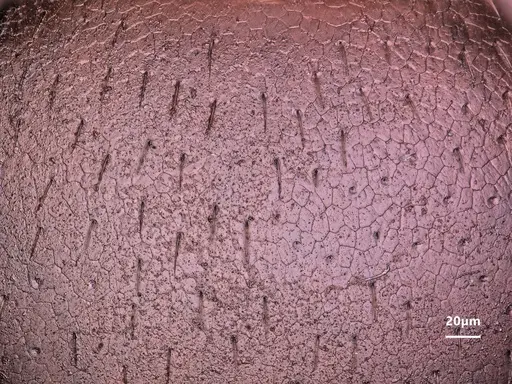
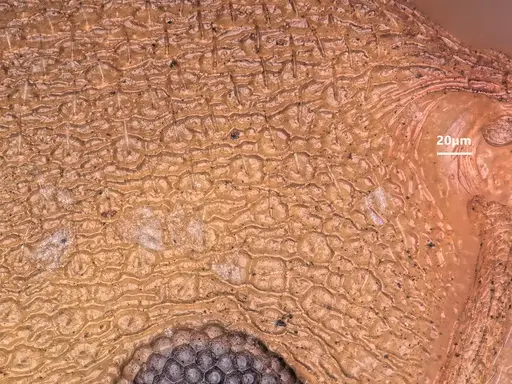
Cardiocondyla wheeleri workers are among the smallest ants in the genus. They have a relatively long head with small eyes and unusually long, down-curved propodeal spines. The body is primarily yellowish, contrasting with a dark brown gaster (abdomen) and darker antennal club. The pronotal corners are prominent but blunt, forming a 90-100° angle. These tiny ants are easily overlooked in the field due to their minute size. [1]
Distribution and Habitat
This species is known only from the Rawlinson Mountains in Papua New Guinea at approximately 1800m elevation. The type locality is at coordinates 6.47°S, 147.10°E. This is a highland tropical location, suggesting they may tolerate cooler temperatures than lowland tropical ants while still requiring warm conditions. Only a handful of specimens have ever been collected, making this one of the rarest and least-studied Cardiocondyla species. [1]
Housing and Nesting
Since no specific nesting data exists for this species, housing recommendations must be based on genus patterns. Use a small test tube setup or a Y-tong nest with chambers scaled to their tiny size, standard ant nest chambers will be far too large. Ensure excellent escape prevention as they can squeeze through remarkably small gaps. A small outworld area connected to the nest works well. Keep the nest setup simple and humid.
Feeding and Diet
No specific dietary observations exist for Cardiocondyla wheeleri. Based on typical Cardiocondyla behavior, they likely accept sugar water or honey as an energy source and small protein items like fruit flies, pinhead crickets, or other tiny arthropods. Feed small amounts initially and observe what the colony accepts. Remove uneaten food promptly to prevent mold.
Temperature and Care
Keep the nest at 22-26°C as a starting point, based on their Papua New Guinea origin. A slight temperature gradient allows the ants to choose their preferred zone. Monitor colony activity, if workers cluster together excessively, they may be too cold, if they avoid the heated area, it may be too warm. Humidity should be moderate to high (60-80%), keeping the substrate consistently moist but not waterlogged.
Colony Structure and Development
The colony structure of this species remains completely unconfirmed, no observations of queens or colony organization exist in the scientific literature. Development time from egg to worker is unknown for this species. [1]
Frequently Asked Questions
How long does it take for Cardiocondyla wheeleri to produce first workers?
The egg-to-worker timeline is unconfirmed for this species. No specific development data exists in the scientific literature.
What do Cardiocondyla wheeleri ants eat?
No specific dietary data exists for this species. Based on genus patterns, they likely accept sugar sources (honey, sugar water) and small protein prey like fruit flies, springtails, or tiny arthropods. Start with small amounts and observe what your colony accepts.
Are Cardiocondyla wheeleri good for beginners?
This species is not recommended for beginners due to the complete lack of documented care information. The extremely small size also makes them challenging to house and observe. Beginners should start with better-documented species like Lasius niger or Messor barbarus.
Do Cardiocondyla wheeleri ants sting?
Given their extremely small size, any sting would be negligible even if present. Most Cardiocondyla species are docile and not known for stinging. However, no specific observations exist for this species.
What temperature should I keep Cardiocondyla wheeleri at?
Based on their Papua New Guinea origin, start with 22-26°C. Monitor colony behavior, if workers seem sluggish, increase slightly, if they avoid heated areas, reduce temperature. A gentle gradient allows them to self-regulate.
How big do Cardiocondyla wheeleri colonies get?
Colony size is unconfirmed for this species. No wild colony size data exists in the scientific literature.
Can I keep multiple Cardiocondyla wheeleri queens together?
This is unknown. No data exists on whether this species is monogyne (single queen) or polygyne (multiple queens). Combining unrelated queens is not recommended due to lack of information about their social structure.
Do Cardiocondyla wheeleri need hibernation?
Diapause requirements are unknown. As a Papua New Guinea highland species, they may not need a true hibernation but might benefit from a slight temperature reduction (a few degrees) during winter months.
Why is Cardiocondyla wheeleri so rarely kept?
This species is known from only a handful of specimens collected in the early 1900s in Papua New Guinea. They have rarely been encountered or documented, making wild collection extremely difficult. No cultures exist in the antkeeping hobby.
What makes Cardiocondyla wheeleri different from other Cardiocondyla?
Cardiocondyla wheeleri belongs to the C. wheeleri species group and has unusually long propodeal spines compared to most other Cardiocondyla. They are also among the smallest species in the genus. Their exact distinguishing characteristics are detailed in Seifert 2022.
Report an Issue
The current care sheet is based fully on literature. See inconsistencies, or something that's incorrect? Please , it will be resolved after review from an admin. Contributing to the blogs tab also helps providing information, to make us be able to further improve the caresheets. Thank you for your support!
References

This caresheet is licensed under CC BY-SA 4.0 .
Community Blogs
Literature
Loading distribution map...Loading products...