
Cardiocondyla papuana
- Sci. Name
- Cardiocondyla papuana
- Tribe
- Crematogastrini
- Subfamily
- Myrmicinae
- Author
- Reiskind, 1965
- Distribution
- Found in 1 countries
Introduction
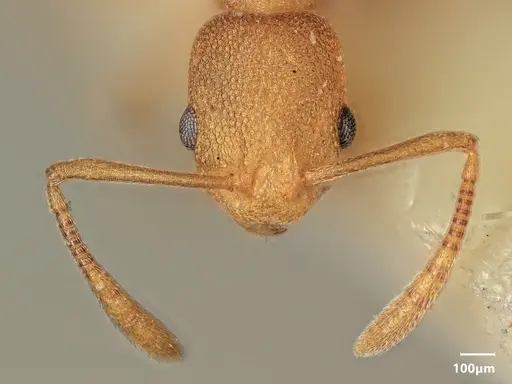
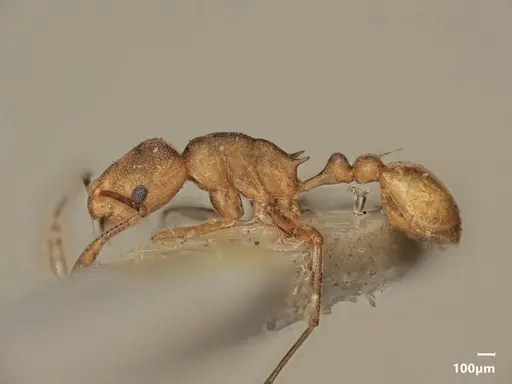
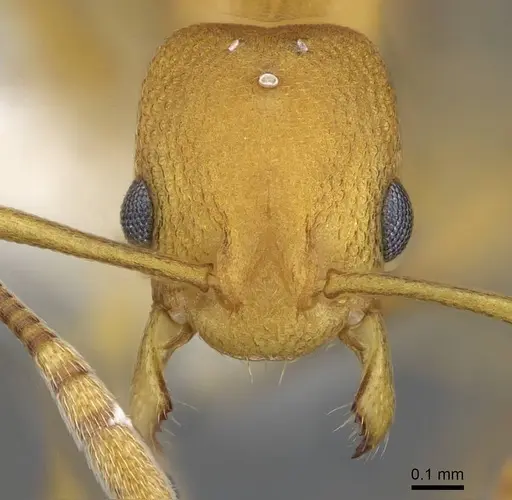
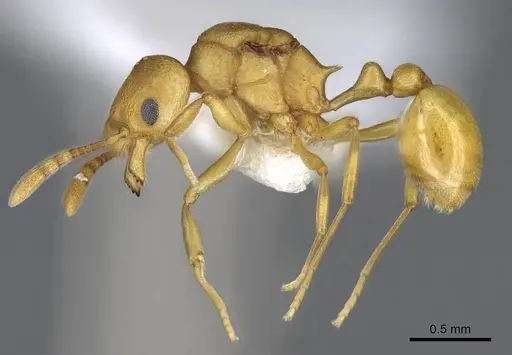
Cardiocondyla papuana is a tiny ant species native to Papua New Guinea. Workers are light yellow and have distinctive long antennae with 11 segments and a 3-segmented club that takes up 60-63% of the funicular length . The species is separated from its close relative Cardiocondyla sima by the Wallace Line, a major biogeographic boundary [AntWiki]. Males are unusual - they are ergatoid (wingless, worker-like) rather than typical winged ant males, and possess long, sickle-shaped mandibles . This is a rarely kept species in the antkeeping hobby, originating from the tropical forests of Papua New Guinea.
Quick Summary
- Difficulty: Medium
- Origin & Habitat: Papua New Guinea, found at three sites spanning lowland to mid-elevation (9m to 680m): Bisianumu near Sogeri (480m), Bulolo (680m), and Port Moresby (9m). Inhabits tropical rainforest environments [1].
- Colony Type: Colony structure is unconfirmed for this species. Males are ergatoid (wingless) which is typical for the genus.
- Size & Growth:
- Queen: Size data unavailable, inferred from Cardiocondyla genus patterns (~3-4mm)
- Worker: ~2mm, inferred from Cardiocondyla genus (no total length measurement available)
- Colony: Colony size data unavailable
- Growth: Growth rate unconfirmed
- Development: Development time unconfirmed for this species (No specific development data exists for this species.)
- Antkeeping:
- Temperature: Keep warm, around 24-28°C. As a tropical Papua New Guinea species, they need consistent warmth. A heating cable on one side of the nest creates a suitable gradient.
- Humidity: High humidity preferred, think damp tropical forest floor. Keep the nest substrate consistently moist but not waterlogged. Provide some drier areas for the ants to regulate their own moisture needs.
- Diapause: Unlikely, as a tropical species from Papua New Guinea, they probably do not require a hibernation period. Maintain consistent temperatures year-round.
- Nesting: In nature they likely nest in soil or rotting wood in forest habitats. In captivity, a small test tube setup or Y-tong nest with tight chambers scaled to their tiny size works well. Their very small size means escape prevention must be excellent.
- Behavior: These ants are small and generally peaceful. They are not aggressive and unlikely to sting. Their tiny size means they can easily slip through standard barrier setups, escape prevention is critical. They likely forage individually rather than in visible trails. Workers are light yellow and very small. The ergatoid males with their distinctive sickle-shaped mandibles are a unique feature of this genus.
- Common Issues: escape prevention is critical due to their tiny size, they can squeeze through the smallest gaps, high humidity requirements can lead to mold if ventilation is poor, tropical species may struggle if temperatures drop below 24°C, lack of documented care information makes keeping this species more challenging, wild-caught colonies may carry parasites that can devastate small colonies
Housing and Nest Setup
Cardiocondyla papuana is an extremely small ant species. This means your housing setup must be designed with escape prevention as the top priority. Standard test tubes work well for founding colonies, use a cotton ball to create a water reservoir and ensure the tube is completely sealed. For larger colonies, a Y-tong nest with very small chambers works better than larger formicarium designs meant for bigger ants. The chambers should be tight and narrow, scaled appropriately to their tiny size. Avoid setups with large open spaces where these ants can get lost or overwhelmed. Cover any ventilation holes with fine mesh, these ants can squeeze through gaps that would hold back much larger species. [1]
Temperature and Heating
As a tropical species from Papua New Guinea, Cardiocondyla papuana needs warm conditions to thrive. Aim to keep the nest area at 24-28°C consistently. Room temperature may be sufficient if your home stays in this range, but monitor with a thermometer. If temperatures drop below 24°C, use a heating cable placed on top of the nest (never underneath, as this can dry out the substrate too quickly). Create a gentle temperature gradient by placing the heat source on one side of the nest, allowing the ants to move between warmer and cooler areas as needed. Avoid temperature fluctuations or drafts that could stress the colony. [1]
Feeding and Diet
In the wild, Cardiocondyla species typically feed on small insects, honeydew, and nectar. For your colony, offer small protein sources like fruit flies, pinhead crickets (cut to appropriate size), or small mealworms. They will also accept sugar water or honey as an energy source. Feed small amounts initially and remove any uneaten food after 24 hours to prevent mold. Because of their tiny size, even prey items that seem small to us may be too large, observe how easily they can handle what you offer. A consistent sugar source should be available, with protein offered 2-3 times per week depending on colony size.
Humidity and Moisture
Papua New Guinea is a humid, tropical environment, so your colony will need higher humidity than typical temperate species. Keep the nest substrate consistently moist, it should feel damp to the touch but not have standing water. A test tube water reservoir works well for maintaining humidity. If using a formicarium, mist the chambers occasionally and monitor for condensation. However, balance humidity with adequate ventilation to prevent mold growth, which can quickly kill small colonies. Provide a range of moisture levels within the nest if possible, some slightly damp areas and some drier spots allow the ants to self-regulate. [1]
Colony Structure and Ergatoid Males
One of the most interesting features of Cardiocondyla papuana is the males, they are ergatoid, meaning they are wingless and worker-like in appearance. This is unusual among ants, where most males have wings for dispersal. Ergatoid males have long, sickle-shaped mandibles, which they likely use in competition with other males within the nest [1]. The colony structure is not well documented for this species. For keepers, this means you may see unusual-looking males that don't resemble typical winged ant males.
Growth and Development
Specific development times for Cardiocondyla papuana are not documented in scientific literature. Be patient with founding colonies, small colonies grow slowly. Cardiocondyla colonies typically remain relatively small. Overfeeding or disturbing the nest can cause the queen to abandon or eat her brood. The tiny worker size means early colonies may seem inactive, but this is normal for the species.
Frequently Asked Questions
How long does it take for Cardiocondyla papuana to produce first workers?
The development time is unconfirmed for this species. Based on related Cardiocondyla species, expect several months from egg to first worker at optimal temperatures. Be patient, small colonies grow slowly.
What do Cardiocondyla papuana ants eat?
They accept small protein sources like fruit flies, tiny crickets, and small mealworms. They also need a sugar source like honey water or sugar water. Offer small amounts and remove uneaten food to prevent mold.
Do Cardiocondyla papuana ants sting?
Given their tiny size, they are unlikely to sting humans effectively. They are generally peaceful and non-aggressive.
What temperature do Cardiocondyla papuana ants need?
Keep them warm at 24-28°C consistently. As a tropical Papua New Guinea species, they need year-round warmth. A heating cable can help maintain temperatures in cooler environments.
Are Cardiocondyla papuana good for beginners?
They are considered medium difficulty. Their tiny size makes escape prevention challenging, and they have specific humidity and temperature needs. They are not the easiest species for beginners, but manageable with proper research.
How big do Cardiocondyla papuana colonies get?
Colony size is not well documented for this species. Based on genus patterns, they likely remain relatively small.
Why do the males look different?
The males of Cardiocondyla papuana are ergatoid, meaning they are wingless and worker-like in appearance, with long sickle-shaped mandibles. This is a characteristic feature of the Cardiocondyla genus.
Do Cardiocondyla papuana need hibernation?
No, they do not require hibernation. As a tropical species from Papua New Guinea, they need consistent warmth year-round. Temperatures below 24°C may slow or stress the colony.
How do I prevent escapes?
Escape prevention is critical due to their tiny size. Use fine mesh on all ventilation, ensure container lids fit tightly, and use barrier substances like fluon on any edges. Even the smallest gaps can allow them to escape.
Can I keep multiple queens together?
Colony structure is unconfirmed for this species. Based on typical Cardiocondyla behavior, it is not recommended, queens will likely fight. Start with a single founding queen.
Report an Issue
The current care sheet is based fully on literature. See inconsistencies, or something that's incorrect? Please , it will be resolved after review from an admin. Contributing to the blogs tab also helps providing information, to make us be able to further improve the caresheets. Thank you for your support!
References

This caresheet is licensed under CC BY-SA 4.0 .
Community Blogs
ANTWEB1048528
View on AntWeb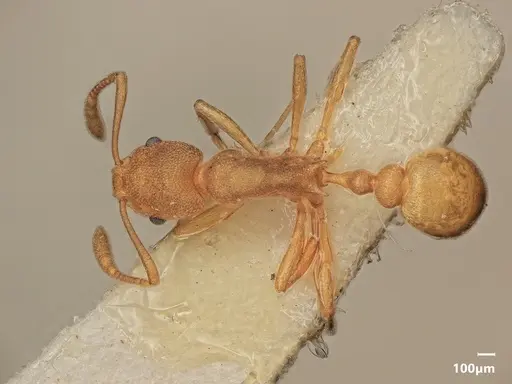
CASENT0914968
View on AntWeb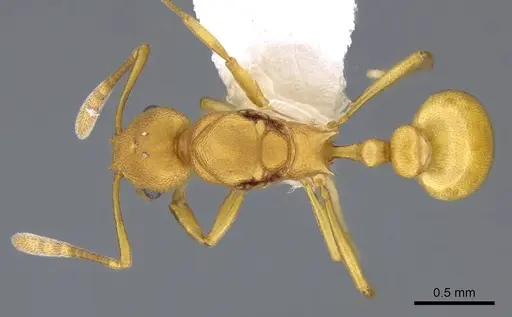
Literature
Loading distribution map...Loading products...