
Cardiocondyla elegans
- Sci. Name
- Cardiocondyla elegans
- Tribe
- Crematogastrini
- Subfamily
- Myrmicinae
- Author
- Emery, 1869
- Distribution
- Found in 6 countries
Introduction
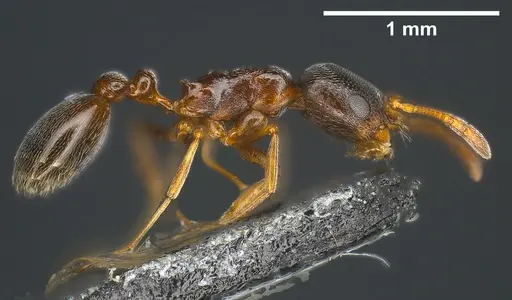
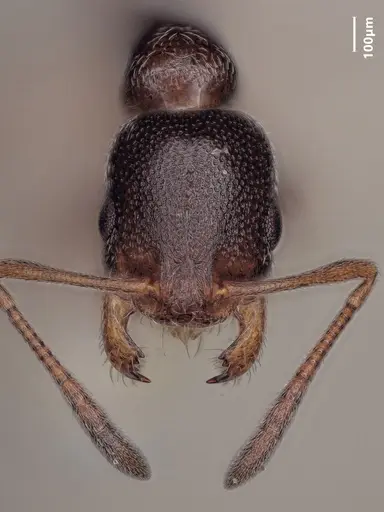
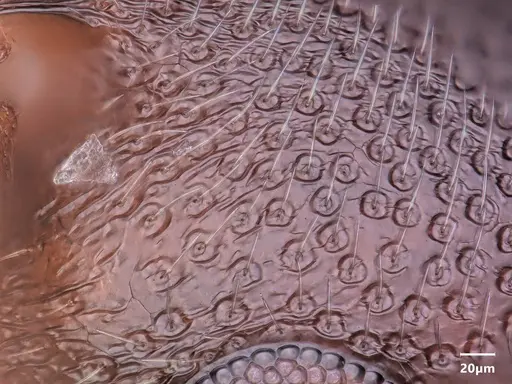
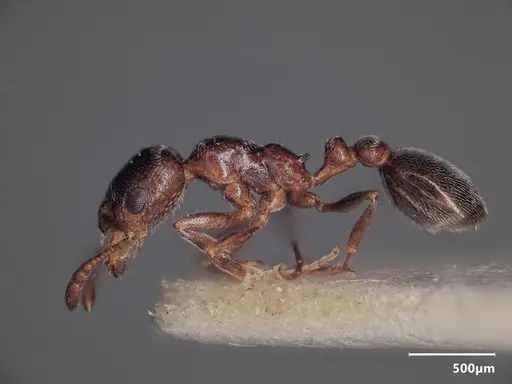
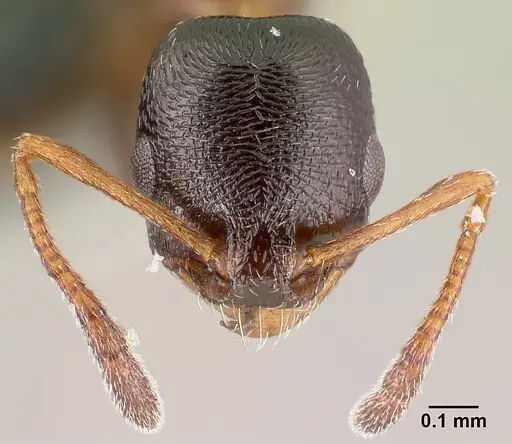
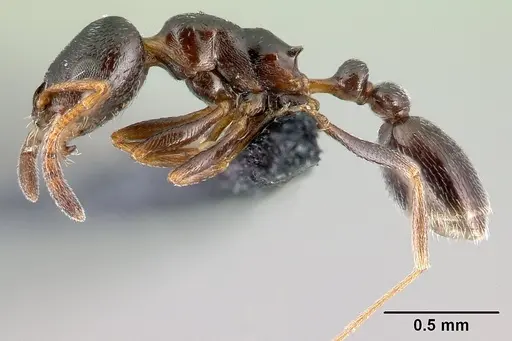
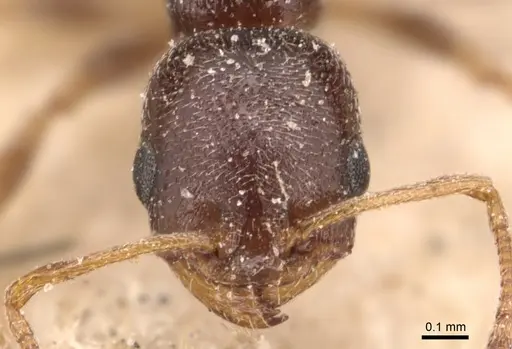
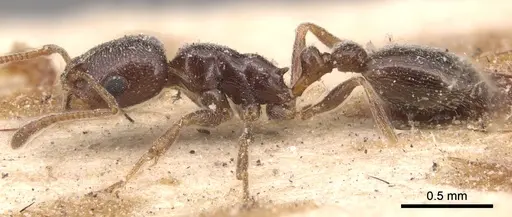
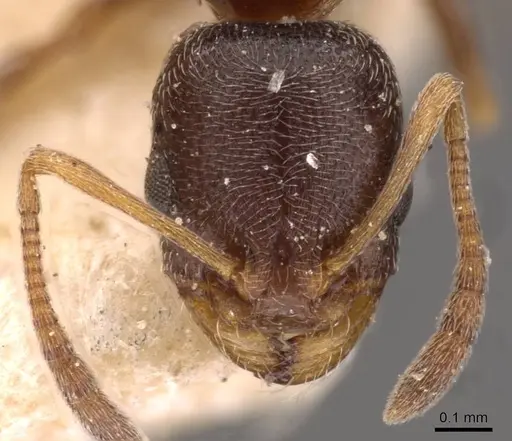
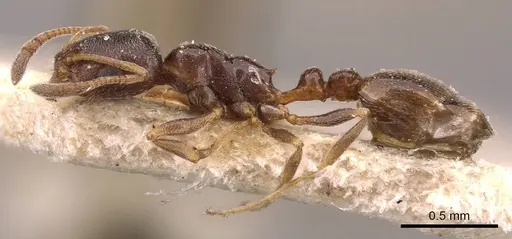
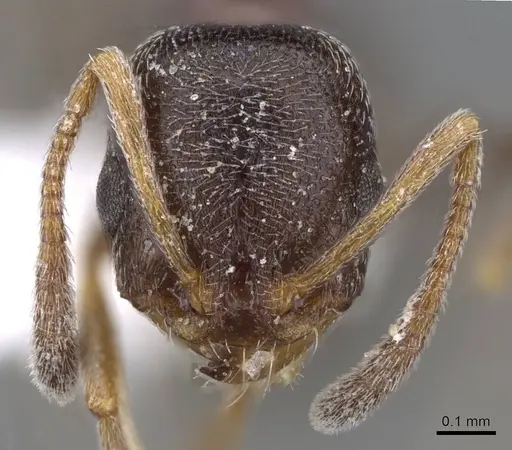
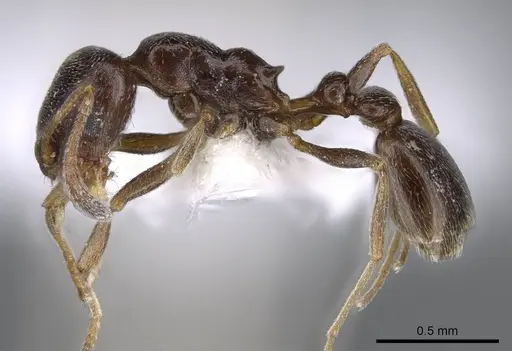
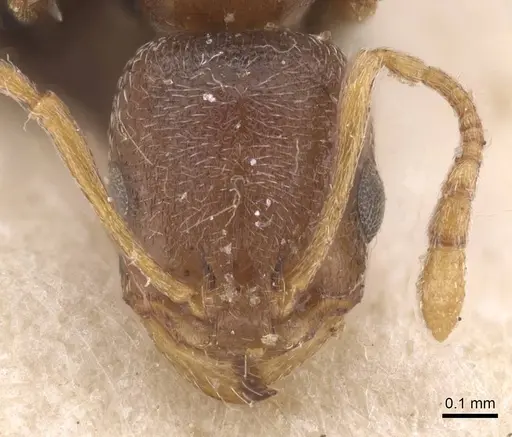
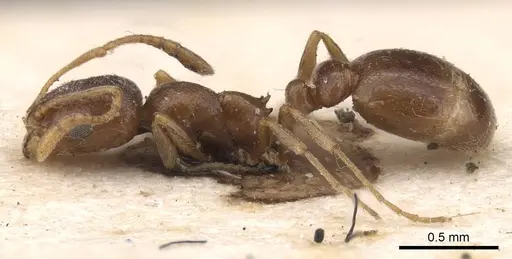
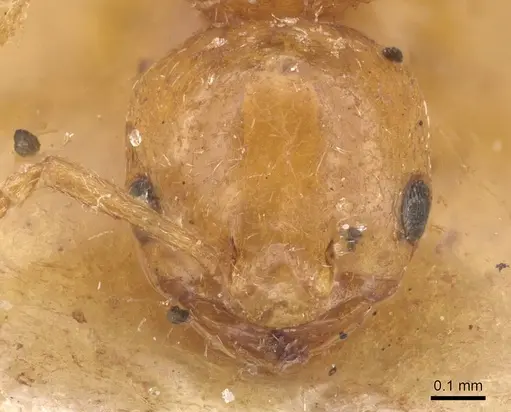
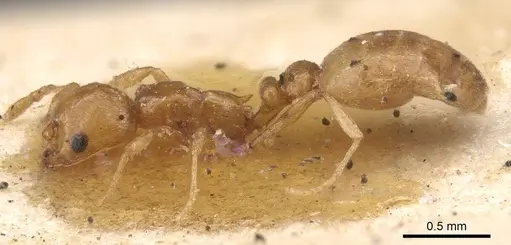
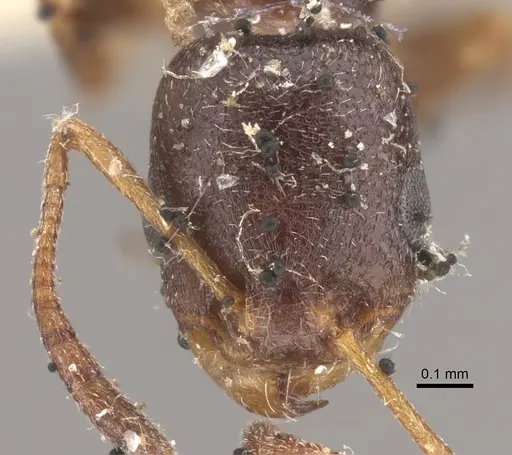
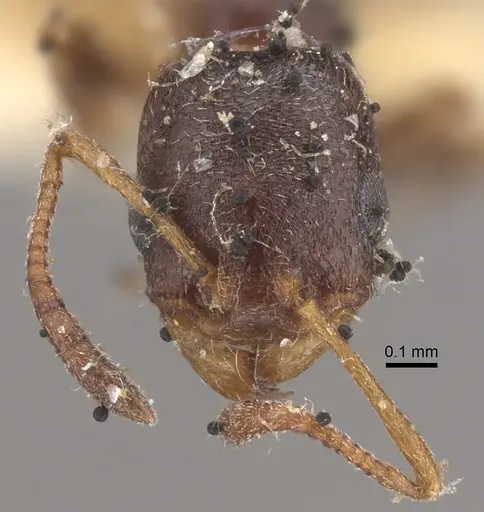
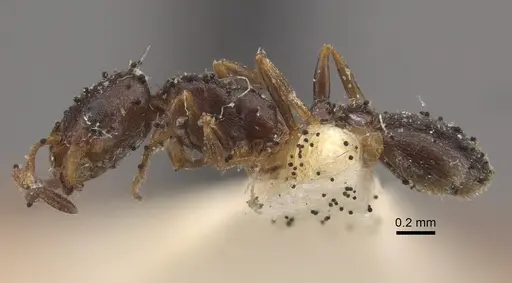
Cardiocondyla elegans is a small myrmicine ant native to the western Mediterranean region, ranging from Portugal and southern France across to Italy and the Balkans. Workers measure approximately 2.3mm and are completely black, while queens are slightly larger at 2.7-3.3mm and also dark. The most distinctive feature of this species is the ergatoid (wingless) males, which are orange to yellow and completely peaceful toward each other - unlike many other Cardiocondyla species where males fight to the death. Colonies are strictly monogynous with a single queen and typically contain around 200 workers. This species has a remarkable matchmaking system where workers actively carry winged females from their natal nest to unrelated colonies, allowing them to mate with foreign ergatoid males and avoid inbreeding .
Quick Summary
- Difficulty: Easy
- Origin & Habitat: Western Mediterranean region, found in Spain, southern France, Italy, Greece, and east to Iran. Inhabits sandy and moist soils in river valleys and flood zones, typically in areas with sparse vegetation and gravel-sandy sediment. This is a strongly thermophilous pioneer species that colonizes open riverine sand-gravel banks [3][4][5].
- Colony Type: Strictly monogynous, single queen per colony. Colonies contain approximately 200 workers on average (range 15-802), with ergatoid wingless males and numerous winged females produced seasonally from July to October [1][3].
- Size & Growth:
- Queen: 2.7-3.3 mm [4]
- Worker: 1.8-2.5 mm [4], approximately 2.3mm [6]
- Colony: Up to 500 workers [7], mean ~204 workers [1]
- Growth: Moderate
- Development: Unknown, development time has not been directly studied for this species (Based on typical Myrmicinae development, expect several months from founding to first workers)
- Antkeeping:
- Temperature: Keep at 24-26°C. These are warmth-loving ants that forage when surface temperatures exceed 15°C but stop when it reaches 45°C. Deep nest chambers stay below 30°C even in summer [3].
- Humidity: Moderate, they inhabit sandy, moist soils. Keep substrate lightly damp but not waterlogged. They tolerate flooding in the wild and have nest chambers designed with air pockets for survival [3].
- Diapause: Yes, requires winter hibernation. In their native range, colonies experience temperatures below 5°C and significant winter mortality (approximately 40% of nests destroyed by flooding and frost each year). Provide 2-3 months at 5-10°C [3][4].
- Nesting: Best in sandy soil setups or plaster nests with sand mix. In the wild, they build vertical tunnels about 2mm diameter connecting multiple chambers at 18-57cm depth under pebbles. Provide a naturalistic setup with fine gravel and sand mixture, or a Y-tong/plaster nest with chambers. They need less than 60% fine sand with approximately 25% fine gravel and at least 20% coarse gravel [3][8].
- Behavior: Generally peaceful and non-aggressive. Workers are small (2-3mm) and do not sting. They are active foragers that search for food solitarily during warm hours. Their most notable behavior is the matchmaking system where workers carry winged females to other colonies for outbreeding, this is fascinating to observe. Colonies are monogynous and do not accept additional queens [1][2].
- Common Issues: winter mortality is high, approximately 40% of colonies die each winter from flooding and cold, plan for potential colony loss, colonies are small, expect maximum around 200-500 workers, not a large aggressive colony, founding difficulty, less than 1% of winged females successfully establish new colonies in the wild, founding a colony from a single queen is challenging, escape prevention, while not strong climbers, their small size means they can squeeze through small gaps, use fine mesh, fungal parasite risk, they can be infected by Myrmicinosporidium durum which kills infected individuals, especially during hibernation [7]
Nest Preferences and Housing
Cardiocondyla elegans naturally nests in sandy, moist soils along river valleys and flood zones. Their nest architecture consists of a vertical tunnel about 2mm in diameter connecting 4-19 chambers at depths of 18-57cm below the surface. The chambers are built under the lower face of pebbles, with walls coated in a grey substance that binds sand grains together. Some chambers have chimney-like structures that prevent water from flooding deeper areas during floods [3].
For captive care, a naturalistic setup works best, use a mixture of fine gravel (about 25%) and coarse gravel (at least 20%) with less than 60% fine sand. You can also use a Y-tong or plaster nest with a sand-filled chamber area. The key is providing well-drained but moisture-retentive substrate. Place flat stones or similar surfaces on top of the nesting area to mimic their natural pebble chambers. They do well at room temperature but appreciate a warm spot around 24-26°C [3][8].
Feeding and Diet
These ants are generalist scavengers and foragers. In the wild, workers search for food solitarily during the warmest parts of the day, they become active when surface temperatures exceed 15°C and stop foraging when it reaches 45°C. They collect honeydew, small insects, and various organic matter [9].
For captive colonies, offer a varied diet: sugar water or honey as an energy source, and protein sources like small crickets, mealworms, or fruit flies. They are small ants, so prey items should be appropriately sized. Feed protein 2-3 times per week and keep a sugar source constantly available. Remove uneaten prey after 24 hours to prevent mold. Given their small colony size, they don't need large quantities of food, a small piece of protein every few days is sufficient for a colony of 50-100 workers [9][10].
Temperature and Seasonal Care
Cardiocondyla elegans is a thermophilic species that thrives in warm conditions. Keep the nest at 24-26°C for optimal activity and brood development. In their natural habitat, surface soil can exceed 45°C during summer afternoons, but their deeper nest chambers remain below 30°C even in peak summer, this temperature regulation is built into their nest architecture [3].
During winter, they require a true hibernation period. In the wild, colonies experience temperatures below 5°C and face significant winter mortality, approximately 40% of nests are destroyed each winter by flooding and frost. Provide 2-3 months of cold dormancy at 5-10°C, ideally in a refrigerator or cold garage. Reduce feeding during this period and keep the substrate slightly moist but not wet. This diapause period is essential for the health of established colonies and triggers reproductive behavior in spring [3][4].
Unique Behaviors: The Matchmaking System
This species has one of the most fascinating social behaviors in the ant world, a matchmaking system that promotes outbreeding. Unlike most ants where queens leave the colony to mate during nuptial flights, C. elegans has no nuptial flights at all. Instead, mating occurs inside the nest between the queen and wingless ergatoid males [1][6].
To prevent inbreeding (about 70% of matings would be between siblings naturally), workers actively carry winged females from their natal colony to unrelated colonies. The workers seize the gyne by the head and carry her piggyback-style to another nest, where she mates with foreign ergatoid males. This behavior is most intense during mid-morning to early afternoon when temperatures are 25-35°C. Workers typically carry females distances of 3-14 meters, passing by multiple nests before delivering their passenger [2][1].
In captivity, you may observe this behavior if you keep multiple colonies. Workers will sometimes carry dealate or winged females between nests. The males are completely peaceful toward each other, up to 10-17 ergatoid males can coexist in a single nest without fighting, which is unique among Cardiocondyla species [6][11].
Reproduction and Colony Growth
Colonies produce sexuals (winged females and ergatoid males) seasonally from July to October. A typical colony produces around 5-30 ergatoid males and 2-367 winged females during the reproductive period. The queen mates with multiple males, 2-9 different patrilines per colony, with an average of 4.5 males. This high degree of polyandry helps maintain genetic diversity despite the limited dispersal of the wingless males [1][12].
After mating, fertilized females overwinter in the nest and disperse on foot in spring to found new colonies. However, less than 1% of winged females successfully establish new colonies in the wild, the odds are heavily stacked against them. In captivity, founding a colony from a single queen requires patience. The queen will seal herself in a chamber and raise the first workers (nanitics) on her stored body reserves. Development time is not directly documented for this species, so expect several months before the first workers emerge [3][1].
Frequently Asked Questions
How long does it take for Cardiocondyla elegans to raise their first workers?
The egg-to-worker timeline has not been directly documented for this species. Based on typical Myrmicinae development, expect several months (possibly 3-6 months) from founding to first workers emerging. Be patient, founding colonies can take many months before you see workers.
Can I keep multiple Cardiocondyla elegans queens together?
No. This species is strictly monogynous, colonies have exactly one queen and do not accept additional queens. If you introduce a second queen, they will fight to the death. However, you may observe workers carrying winged females between colonies, this is their natural matchmaking behavior to promote outbreeding, not colony foundation [1][2].
Do Cardiocondyla elegans ants sting?
No, they do not sting. These are very small, peaceful ants that pose no danger to humans. Workers are about 2-3mm and are not aggressive. They may bite if handled roughly, but their mandibles are too small to break human skin [10].
What do Cardiocondyla elegans eat?
They are generalist scavengers. Offer sugar water or honey as an energy source, and protein like small crickets, mealworms, fruit flies, or other tiny insects. Feed protein 2-3 times per week and keep sugar constantly available. Remove uneaten food after 24 hours. Given their small colony size, a few small prey items per week is sufficient [9][10].
Do they need hibernation?
Yes, they require a winter dormancy period. In the wild, colonies experience temperatures below 5°C and face significant winter mortality. Provide 2-3 months at 5-10°C during winter, a refrigerator or cold garage works well. Reduce feeding during this period and keep the substrate lightly moist. This diapause is essential for colony health [3][4].
How big do Cardiocondyla elegans colonies get?
Colonies remain relatively small compared to many ants. Maximum size is around 500 workers, with the average colony containing about 200 workers. This is a small, modest colony size, don't expect the massive swarms you might get from Lasius or Formica species [7][1].
Are Cardiocondyla elegans good for beginners?
Yes, they are a good beginner species. They are small, peaceful, don't sting, and have relatively simple care requirements. However, they have specific substrate needs (sandy, gravelly soil) and require winter hibernation. Their small size also means you need to pay attention to escape prevention. The main challenges are their slow founding phase and providing proper winter conditions [10].
Why do workers carry female ants to other nests?
This is their remarkable matchmaking behavior! Since males are wingless and cannot fly, and females don't take nuptial flights, workers carry winged females to unrelated colonies where they can mate with foreign males. This prevents inbreeding, about 70% of natural matings would be between siblings without this behavior. It's fascinating to observe and unique to this genus [2][1].
When should I move them to a formicarium?
You can keep founding colonies in a simple test tube setup with a sand-moisture chamber. Once the colony reaches 50-100 workers and you see them expanding beyond the initial tube, you can move them to a more naturalistic setup or formicarium with proper nesting areas. They do well in setups that mimic their natural sandy habitat [3].
Report an Issue
The current care sheet is based fully on literature. See inconsistencies, or something that's incorrect? Please , it will be resolved after review from an admin. Contributing to the blogs tab also helps providing information, to make us be able to further improve the caresheets. Thank you for your support!
References

This caresheet is licensed under CC BY-SA 4.0 .
Community Blogs
ANTWEB1041351
View on AntWeb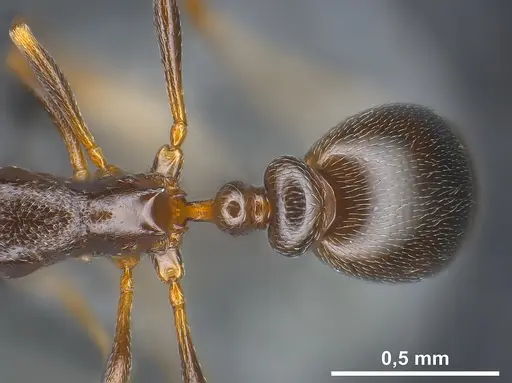
ANTWEB1048511
View on AntWeb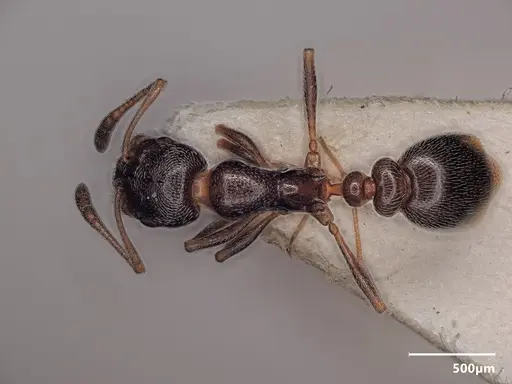
CASENT0179878
View on AntWeb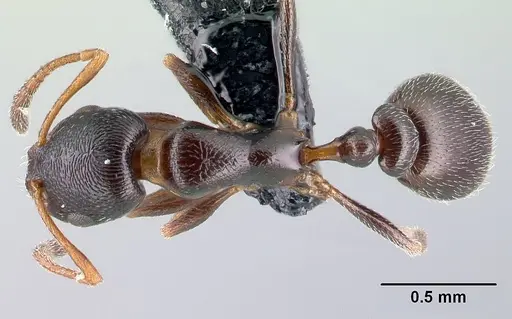
CASENT0904460
View on AntWeb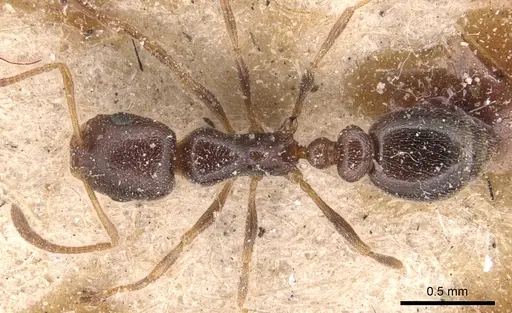
CASENT0908353
View on AntWeb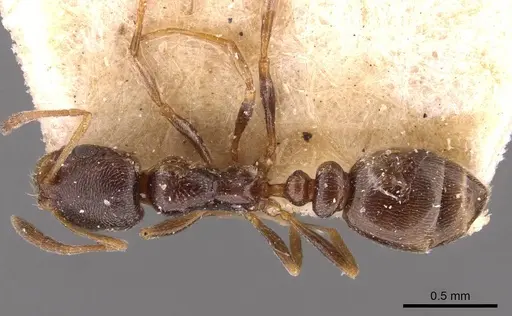
CASENT0914959
View on AntWeb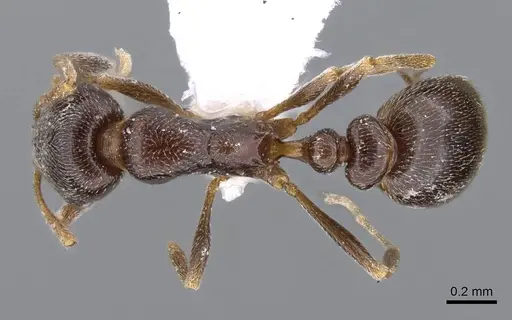
CASENT0915398
View on AntWeb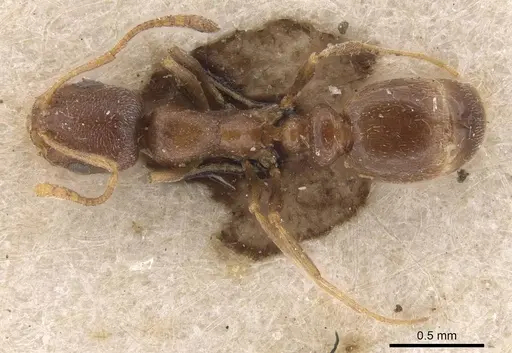
CASENT0915399
View on AntWeb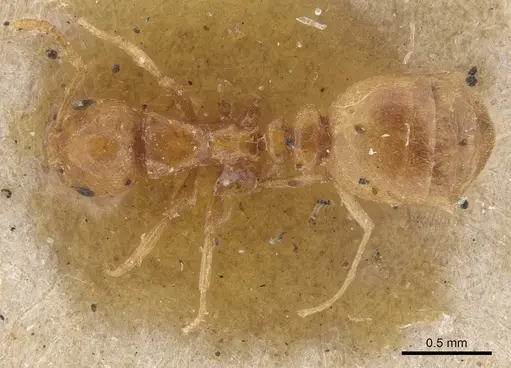
CASENT0917796
View on AntWeb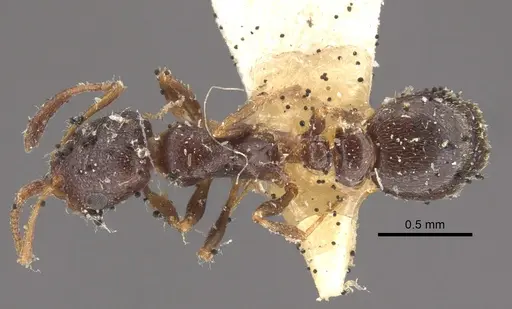
Literature
Loading distribution map...Loading products...