
Camponotus wolfi
- Sci. Name
- Camponotus wolfi
- Subgenus
- Phasmomyrmex
- Tribe
- Camponotini
- Subfamily
- Formicinae
- Author
- Emery, 1920
- Distribution
- Found in 2 countries
Introduction
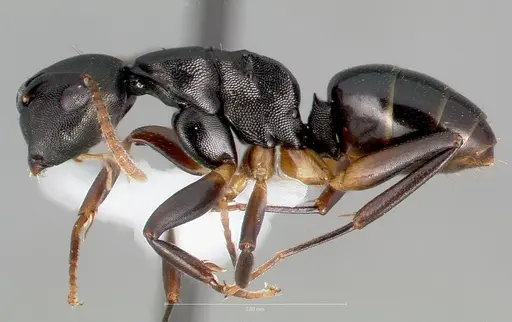
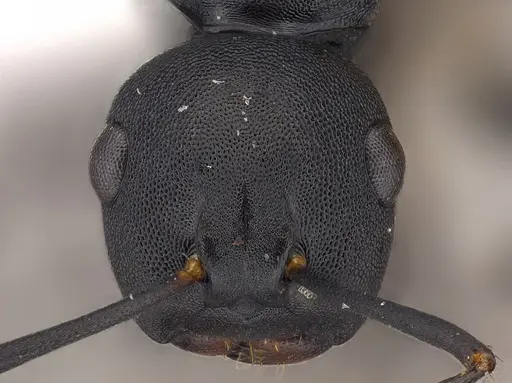
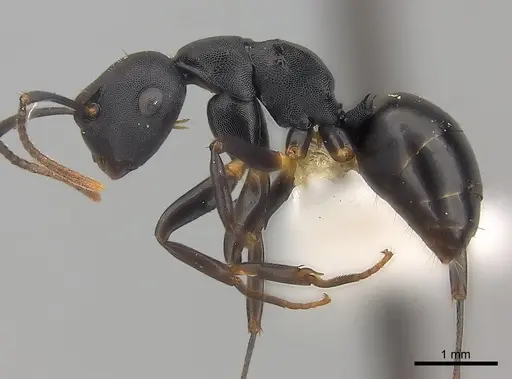
Camponotus wolfi is a carpenter ant species classified in the subgenus Phasmomyrmex . This subgenus is part of the large Camponotus genus within the Formicinae subfamily. Like other Camponotus species, they have a smooth, rounded mesosoma and lack a functional sting - instead, they defend by biting and spraying formic acid from their acidopore. Workers are polymorphic with different size castes. This species is found in tropical regions. Specific biological details such as colony size, founding behavior, and exact size ranges are not well-documented in available research.
Quick Summary
- Difficulty: Medium
- Origin & Habitat: Tropical distribution, specific range not well documented. Members of the subgenus Phasmomyrmex are typically found in forested tropical regions.
- Colony Type: Unconfirmed, colony structure has not been specifically documented for this species.
- Size & Growth:
- Queen: Size data unavailable, inferred from typical Camponotus queen size range (~12-18mm)
- Worker: Size data unavailable, typical Camponotus workers range from ~4-14mm depending on caste
- Colony: Likely reaches several thousand workers at maturity based on genus patterns
- Growth: Moderate
- Development: Estimated 6-10 weeks at optimal temperature based on related Camponotus species (Development time varies with temperature, warmer conditions within safe range speeds development)
- Antkeeping:
- Temperature: Keep around 24-28°C with a slight gradient. Room temperature (around 22-24°C) is acceptable if within this range. Avoid temperatures above 35°C.
- Humidity: Moderate humidity around 50-70%. They prefer a nest that has some moisture but is not waterlogged. Provide a water tube for drinking.
- Diapause: Likely required, most temperate and subtropical Camponotus benefit from a winter rest period of 2-3 months at 10-15°C. For tropical species, a slight reduction in temperature during winter months may be sufficient.
- Nesting: Y-tong (AAC) nests work well for this species. They also do well in naturalistic setups with rotting wood or cork bark. Avoid dry plaster nests, they prefer wood-based nesting materials.
- Behavior: Generally calm and non-aggressive compared to some other ant species. Workers are moderate foragers that search for sugar sources and protein. They are not particularly fast-moving. Major workers can deliver a mild bite if threatened, but they are not considered dangerous to humans. Escape prevention should be moderate, they are large enough that standard barriers are usually effective.
- Common Issues: colonies grow slowly during the first year which can frustrate beginners, patience is key, queens can die during founding if disturbed too often or if humidity drops too low, large colonies need significant space, plan for eventual expansion to a larger formicarium, test tube setups can flood if water reservoirs are too full, fill only 1/3 to 1/2, wild-caught colonies may harbor parasites that can decimate the colony in captivity
Defense Mechanism
Camponotus wolfi belongs to the subfamily Formicinae and tribe Camponotini. Like other Formicine ants, they lack a functional sting. Their primary defense mechanism is to bite the target and spray a stream of concentrated formic acid from an acidopore into the wound. This chemical defense is effective against predators and threats.
Nest Preferences
Camponotus wolfi does well in Y-tong (AAC) nests with narrow chambers scaled to their size. They also thrive in naturalistic setups using cork bark or decaying wood. The key is providing nest chambers that are snug, not too spacious, as ants feel secure in tighter spaces. A humidity chamber or water tube connected to the nest helps maintain appropriate moisture levels. Avoid completely dry nests or overly wet conditions that could cause mold. Wood-based materials are preferred over plaster or soil-based setups.
Feeding and Diet
Like other Camponotus species, these ants are omnivorous with a preference for sugar sources. Offer sugar water, honey, or diluted maple syrup as a constant energy source. For protein, provide insects such as mealworms, crickets, or other appropriately sized prey. Feed protein 2-3 times per week for growing colonies. Remove uneaten prey after 24-48 hours to prevent mold. Larger colonies can handle bigger prey items, while founding colonies and small colonies need smaller portions.
Temperature and Seasonal Care
Maintain temperatures between 24-28°C for optimal colony growth and development. A heating cable on one side of the nest creates a temperature gradient allowing ants to self-regulate. Place the heating on top of the nest, not underneath, to prevent excessive drying. During winter months, reduce temperatures to around 15-20°C for 2-3 months to simulate natural seasonal cycles. This rest period supports colony health and may trigger reproductive behavior in established colonies. Do not cool below 10°C unless you are certain the species requires deep hibernation.
Behavior and Colony Dynamics
Camponotus wolfi exhibits typical carpenter ant behavior with a calm temperament. Workers are polymorphic with distinct minor and major castes. Major workers defend the colony and process tough food items, while minors handle most foraging and brood care. These ants are primarily nocturnal or crepuscular foragers in the wild, so they may be most active during evening hours. They communicate through chemical trails and will establish foraging paths to food sources.
Frequently Asked Questions
How long does it take for Camponotus wolfi to produce first workers?
Expect first workers (nanitics) around 6-10 weeks after the queen lays eggs, assuming temperatures around 24-28°C. This timeline is based on typical Camponotus development patterns since specific data for this species is not available.
Can I keep Camponotus wolfi in a test tube setup?
Yes, test tubes work well for founding colonies. Use a cotton-plugged water tube setup with the queen in a dark container. Keep the tube horizontal with the water end slightly elevated. Once the colony reaches 20-30 workers, consider moving to a proper formicarium.
What temperature is best for Camponotus wolfi?
Keep them at 24-28°C. A slight gradient allowing cooler areas is beneficial. Room temperature is usually adequate if your home stays around 22-24°C. Avoid temperatures above 35°C or below 15°C for extended periods.
How big do Camponotus wolfi colonies get?
Based on typical Camponotus patterns, colonies can reach several thousand workers over several years. Major workers appear once the colony grows substantial, typically after the first year.
Do Camponotus wolfi need hibernation?
A winter rest period is recommended. Reduce temperatures to 15-20°C for 2-3 months during winter. This simulates natural seasonal cycles and supports colony health. Deep hibernation below 10°C is not typically required for this species.
What do Camponotus wolfi eat?
They need both sugar and protein. Offer sugar water, honey, or maple syrup as a constant energy source. Feed protein (insects like mealworms, crickets) 2-3 times per week. Remove uneaten food promptly.
Are Camponotus wolfi good for beginners?
They are moderate difficulty, more forgiving than some species but not as beginner-friendly as Lasius. They require patience during the founding stage and need proper temperature management. Their larger size makes them easier to observe than tiny ants.
When should I move Camponotus wolfi to a formicarium?
Move from test tube to formicarium when the colony reaches 20-40 workers or when the test tube becomes crowded. Ensure the formicarium has appropriately sized chambers and a connected outworld for foraging.
Why is my Camponotus wolfi colony declining?
Common causes include: too low humidity causing desiccation, temperatures outside their preferred range, mold from overwatering or uneaten food, parasites from wild-caught colonies, or disturbance during founding. Check environmental conditions first.
Report an Issue
The current care sheet is based fully on literature. See inconsistencies, or something that's incorrect? Please , it will be resolved after review from an admin. Contributing to the blogs tab also helps providing information, to make us be able to further improve the caresheets. Thank you for your support!
References

This caresheet is licensed under CC BY-SA 4.0 .
Community Blogs
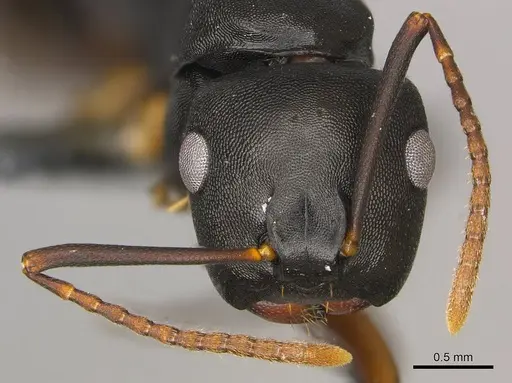
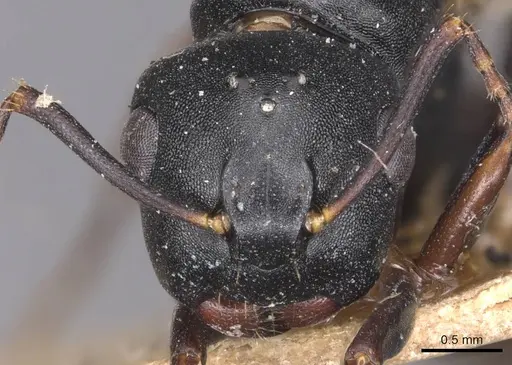
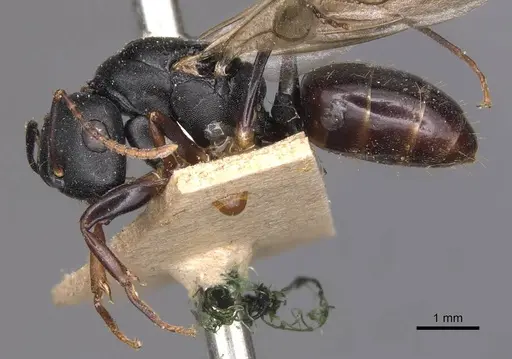
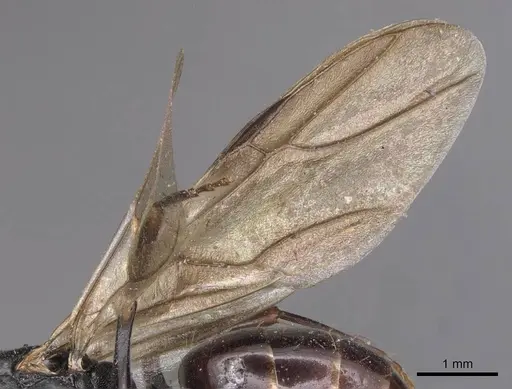
CASENT0092183
View on AntWeb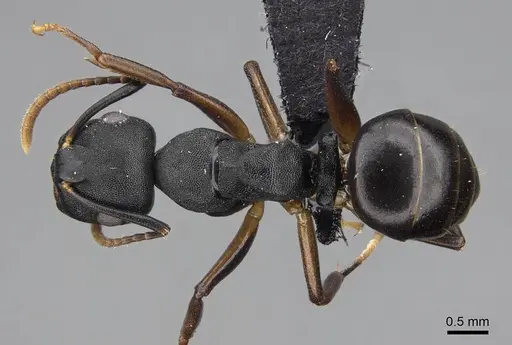
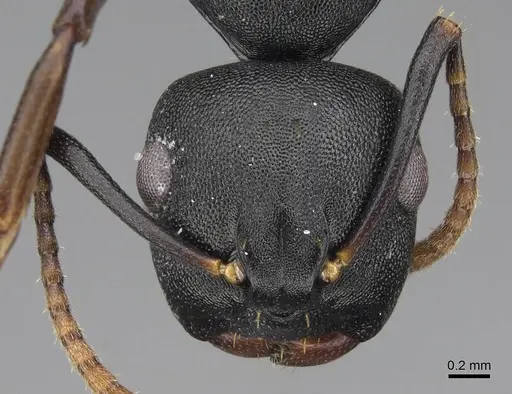
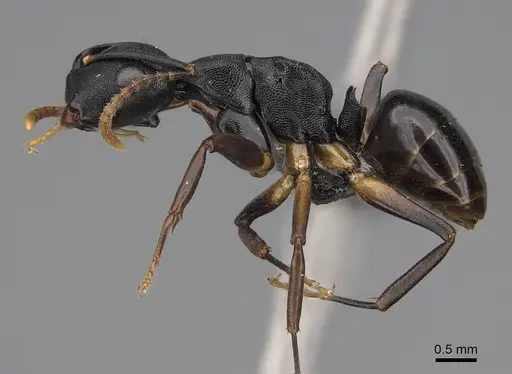
CASENT0178250
View on AntWeb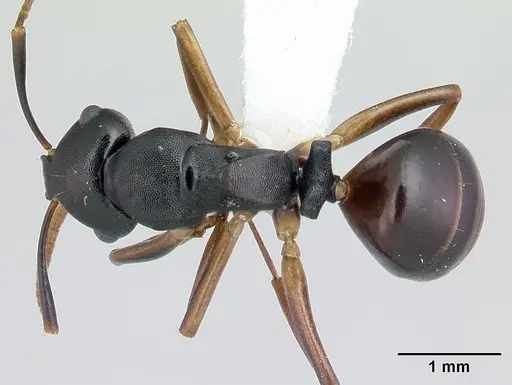
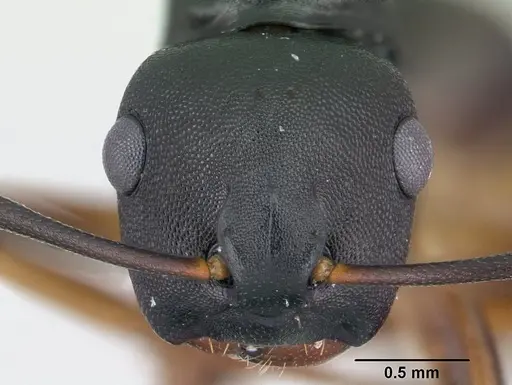
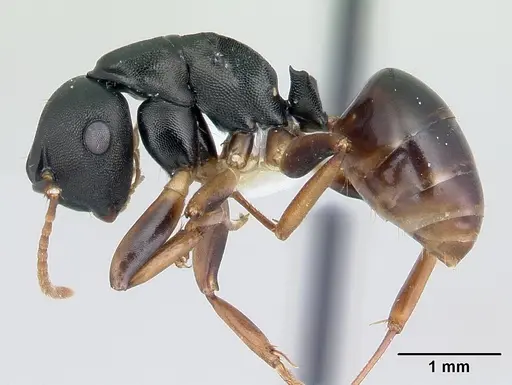
CASENT0250080
View on AntWeb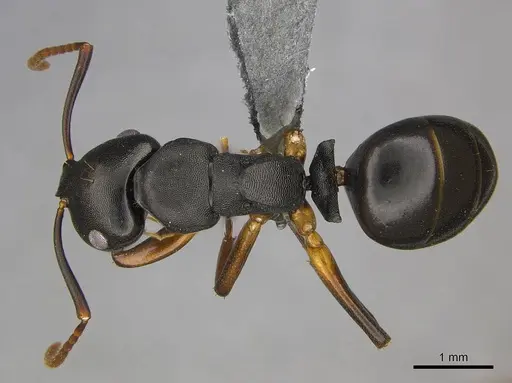
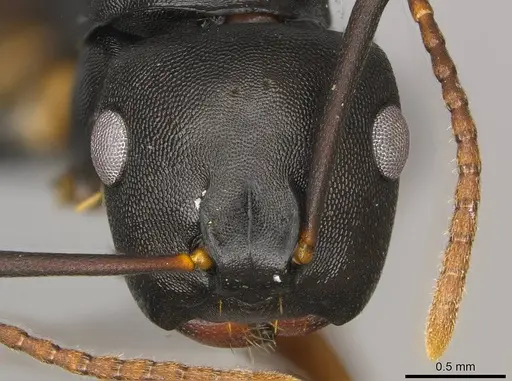
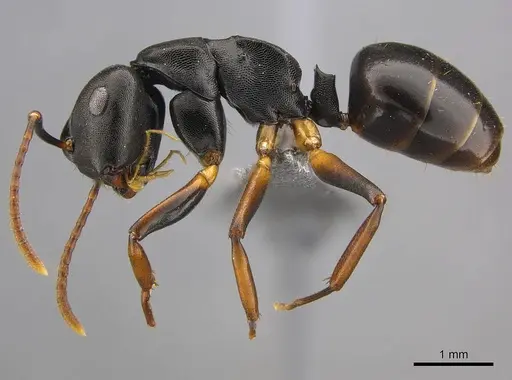
CASENT0403556
View on AntWeb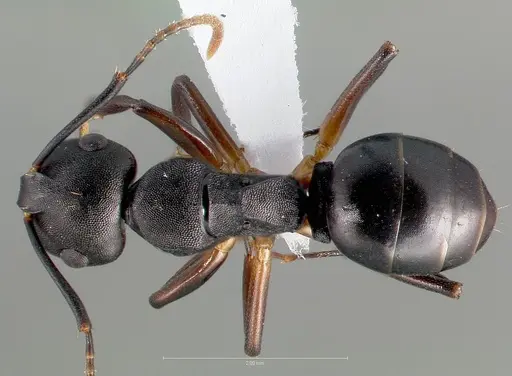
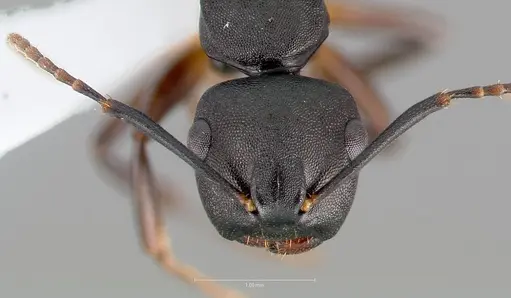
CASENT0415257
View on AntWeb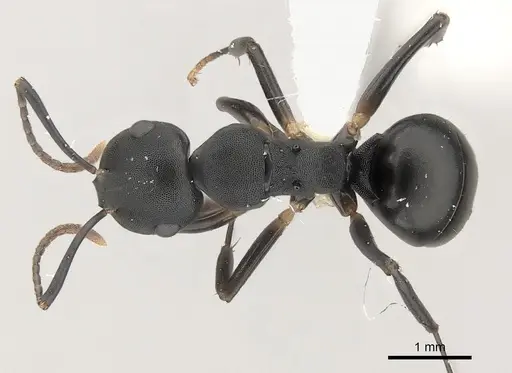
CASENT0905184
View on AntWeb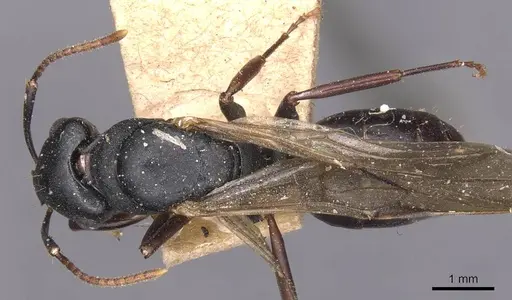
Literature
Loading distribution map...Loading products...