
Camponotus vogti
- Sci. Name
- Camponotus vogti
- Subgenus
- Myrmentoma
- Tribe
- Camponotini
- Subfamily
- Formicinae
- Author
- Forel, 1906
- Distribution
- Found in 1 countries
Introduction
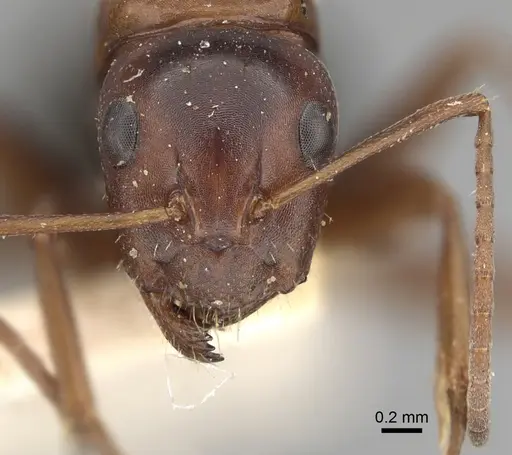
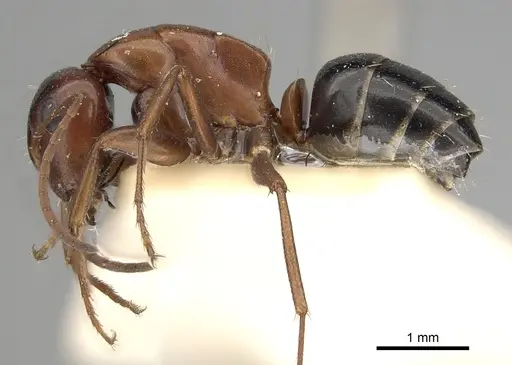
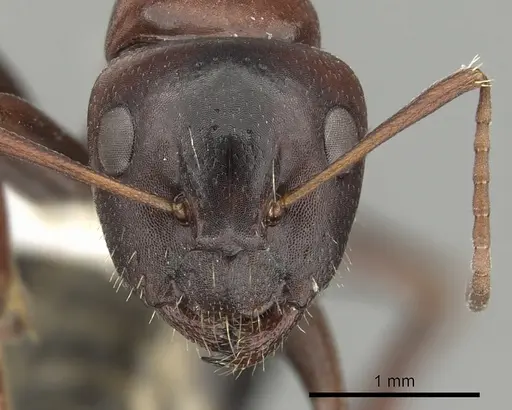
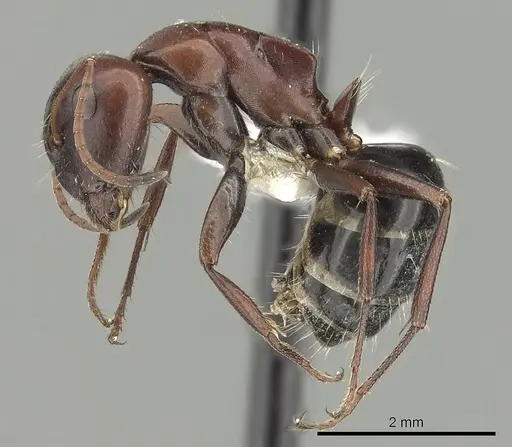
Camponotus vogti is a medium-sized carpenter ant belonging to the Myrmentoma subgenus and the lateralis species group. Workers measure approximately 7.2mm in total length, with a distinctive color pattern: a reddish thorax contrasting with a brown head and black gaster . This species is closely related to Camponotus kurdistanicus, and some researchers believe they may represent color varieties of a single species . C. vogti is found across the eastern Mediterranean region, from Turkey and the Balkans through Lebanon and Israel to Iran . As a typical Camponotus species, they nest in wood or under stones and are known for their relatively calm temperament.
Quick Summary
- Difficulty: Easy
- Origin & Habitat: Eastern Mediterranean region, found in Turkey (Taurus Mountains), Balkans, Lebanon, Israel (Upper Galilee), Iran, and Iraq. This is a Mediterranean species that prefers warm, dry to moderately humid habitats [2][1][4].
- Colony Type: Single-queen colonies, typical for Camponotus species in this group.
- Size & Growth:
- Queen: ~10-12mm, inferred from Myrmentoma genus patterns
- Worker: ~5-8mm with minor/major polymorphism typical of carpenter ants
- Colony: Up to several hundred workers based on related species in the lateralis group
- Growth: Moderate
- Development: 6-10 weeks at optimal temperature (Development time varies with temperature, warmer conditions speed development)
- Antkeeping:
- Temperature: Keep at 22-26°C, they prefer warm conditions matching their Mediterranean origin.
- Humidity: Moderate humidity, these ants prefer drier conditions than many tropical species.
- Diapause: Yes, as a Mediterranean species, they require a winter rest period of 8-12 weeks at 10-15°C.
- Nesting: Y-tong (AAC) nests work well for this species. They also do well in plaster nests. Provide moderate chambers scaled to their size.
- Behavior: C. vogti is relatively calm and not aggressive. Workers are moderately active and forage for honeydew, nectar, and small insects. They are not known for being particularly defensive. Escape prevention should be moderate, they are not tiny ants but can still escape through small gaps.
- Common Issues: colonies may fail if kept too humid, these Mediterranean ants prefer drier conditions, winter diapause is essential, skipping hibernation can weaken colonies over time, slow founding phase patience required, claustral queens take time to raise first workers, test tube setups work well but monitor for mold in humid environments
Housing and Nest Setup
Camponotus vogti adapts well to various captive setups. Y-tong (AAC) nests are an excellent choice, these acrylic nests with gypsum provide the moderate humidity they need while allowing you to observe the colony easily. Plaster nests also work well. Test tube setups are suitable for founding colonies and can be used for the first few months. Avoid overly humid environments, these Mediterranean ants are prone to mold problems in damp conditions. Ensure the nest has chambers scaled appropriately to colony size, with enough space for the queen, brood, and food storage. [2][1]
Feeding and Diet
Like most Camponotus species, C. vogti is omnivorous and accepts a wide variety of foods. Offer sugar sources regularly, a drop of sugar water or honey every few days provides essential energy. They also need protein for brood development, small insects like fruit flies, pinhead crickets, or mealworms work well. In nature, they forage for honeydew from aphids and tend scale insects, so they appreciate sweet liquids. Feed them 2-3 times per week, adjusting based on colony size. Remove uneaten prey after 24-48 hours to prevent mold.
Temperature and Seasonal Care
Maintain temperatures between 22-26°C for optimal colony development. These ants come from the Mediterranean region where warm conditions prevail for most of the year. A heating cable placed on one end of the nest creates a temperature gradient that allows ants to regulate their own exposure to warmth. During winter, C. vogti requires a diapause period of 8-12 weeks at temperatures between 10-15°C. This rest period is essential for colony health and helps trigger reproductive behavior in spring. Reduce feeding during diapause and avoid disturbing the colony unnecessarily. [2]
Colony Development and Growth
C. vogti follows the typical Camponotus development pattern. The claustral queen seals herself in a chamber and raises her first brood without leaving to forage. First workers are typically smaller than mature workers but will quickly be replaced by larger workers as the colony grows. Expect 6-10 weeks from egg to first worker at optimal temperature. Colony growth is moderate. A healthy colony may reach several hundred workers over 2-3 years. The colony will show increasing polymorphism as it grows, with major workers developing to defend the nest and process larger food items.
Behavior and Temperament
This species is known for its relatively calm disposition. Workers are not particularly aggressive and rarely display defensive behavior unless the nest is directly threatened. They are moderate foragers, actively searching for sweet liquids and small prey. Unlike some carpenter ants, they are not destructive to wood in captivity, they simply nest in provided spaces. Their escape risk is moderate, while not tiny, they can squeeze through small gaps, so standard barrier methods work well.
Frequently Asked Questions
Is Camponotus vogti a good species for beginners?
Yes, C. vogti is an excellent choice for beginners. They are relatively hardy, tolerate some variation in care conditions, and have a calm temperament. Their claustral founding makes them straightforward to establish, and they accept a wide variety of foods. The main requirements are providing warm temperatures and a proper winter diapause.
How long does it take for Camponotus vogti to raise first workers?
Expect 6-10 weeks from egg to first worker at optimal temperature (around 24°C). This is typical for Camponotus species. The queen will remain sealed in her chamber until the first workers emerge, so patience is key during the founding phase.
What temperature do Camponotus vogti need?
Keep them at 22-26°C, with 24°C being ideal for colony development. A slight temperature gradient allowing them to choose their preferred warmth is beneficial. During winter, provide 8-12 weeks of diapause at 10-15°C.
Can I keep multiple Camponotus vogti queens together?
No, this species is monogyne, they form single-queen colonies. Unlike some ant species, combining unrelated queens is not recommended and typically results in fighting. Each colony should be started with one founding queen.
Do Camponotus vogti need hibernation?
Yes, a winter diapause is essential for this species. Provide 8-12 weeks at 10-15°C during winter months. Skipping hibernation can weaken the colony and prevent reproductive behavior in spring. This matches their natural cycle in the Mediterranean region.
What do Camponotus vogti eat?
They are omnivorous. Offer sugar water or honey regularly for energy, and protein sources like small insects (fruit flies, pinhead crickets, mealworms) 2-3 times per week. They will also accept other sweet liquids and may tend aphids for honeydew.
When should I move Camponotus vogti to a formicarium?
You can keep them in a test tube or small container for the first 6-12 months until the colony reaches 20-30 workers. Once the colony outgrows this space or you see workers frequently wandering outside the setup, transfer them to a Y-tong or plaster nest.
How big do Camponotus vogti colonies get?
Based on related species in the lateralis group, colonies typically reach several hundred workers over 2-3 years. Maximum colony size is likely in the range of 500-1000 workers for a well-established colony.
Why is my Camponotus vogti colony dying?
Common causes include: too high humidity (they prefer drier conditions), skipping winter diapause, temperatures outside their 22-26°C range, or poor nutrition. Check that the nest isn't too wet and that you're providing both sugar and protein foods. Also ensure they have had their required hibernation period.
Report an Issue
The current care sheet is based fully on literature. See inconsistencies, or something that's incorrect? Please , it will be resolved after review from an admin. Contributing to the blogs tab also helps providing information, to make us be able to further improve the caresheets. Thank you for your support!
References

This caresheet is licensed under CC BY-SA 4.0 .
Community Blogs
CASENT0249881
View on AntWeb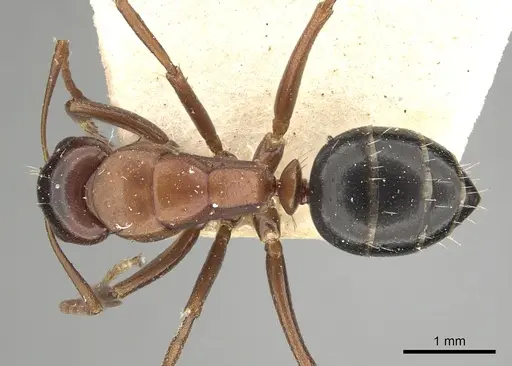
CASENT0280002
View on AntWeb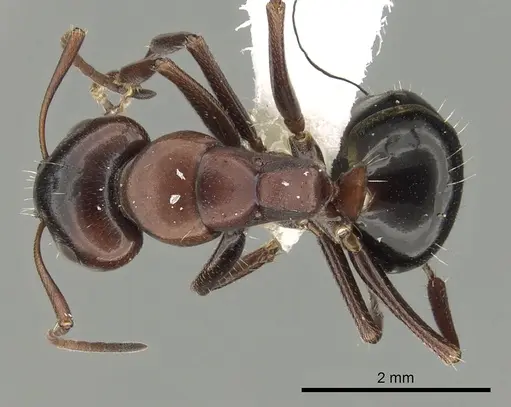
Literature
Loading distribution map...Loading products...