
Camponotus vividus
- Sci. Name
- Camponotus vividus
- Subgenus
- Myrmopelta
- Tribe
- Camponotini
- Subfamily
- Formicinae
- Author
- Smith, 1858
- Distribution
- Found in 12 countries
Introduction
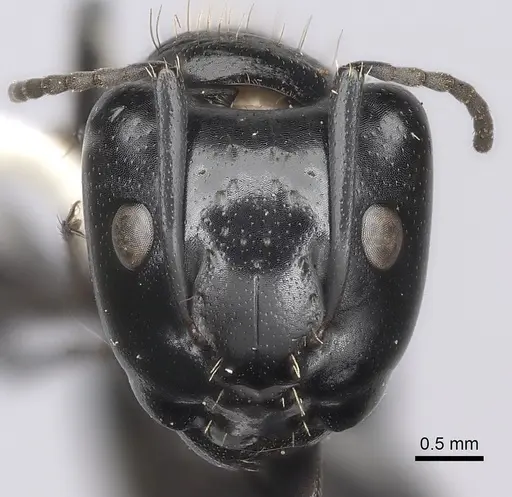
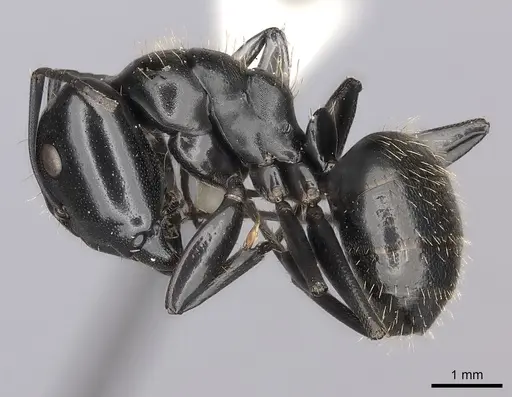
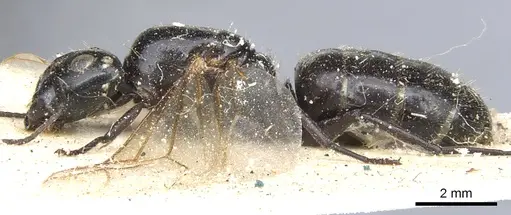
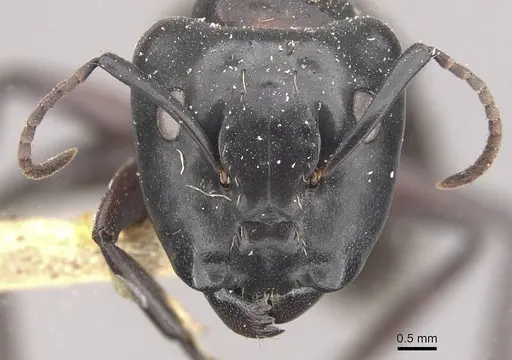
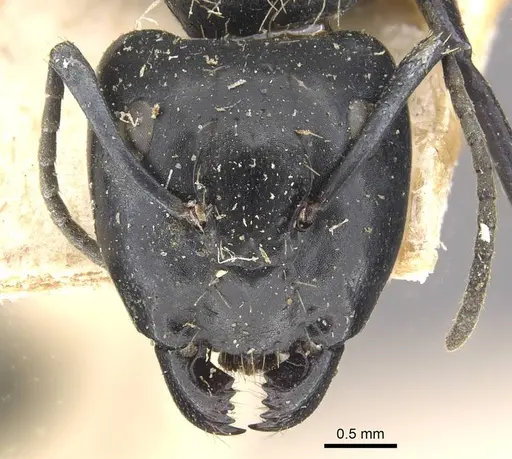
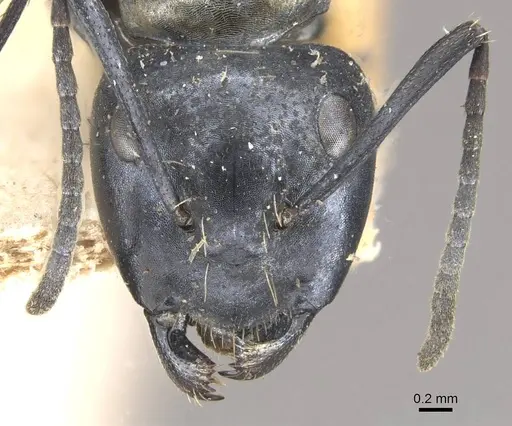
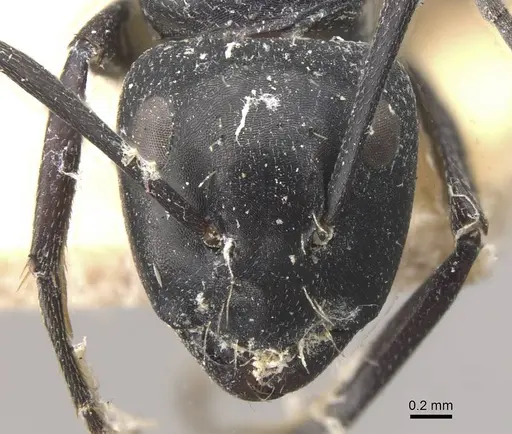
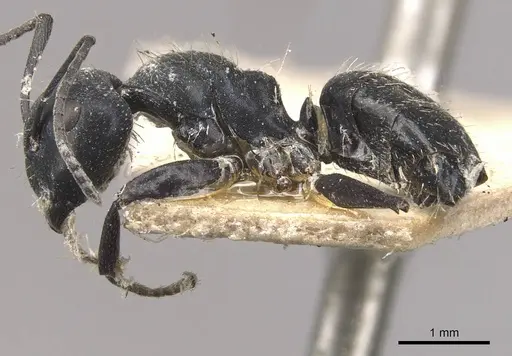
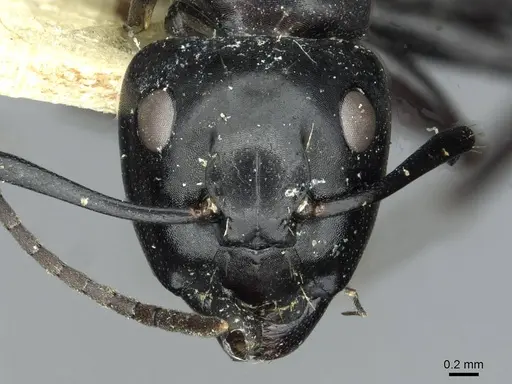
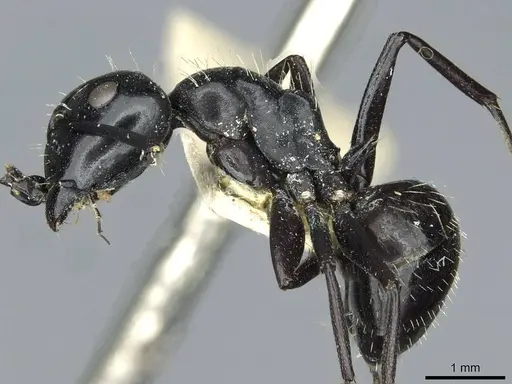
Camponotus vividus is a medium-sized arboreal ant species native to the Afrotropical region, found across much of West and Central Africa from Senegal to Kenya and down to Zimbabwe [AntWiki]. Workers are jet-black, smooth, and shiny, measuring approximately 7-8mm . This species is strongly arboreal, nesting in hollows of dead branches in forest zones and cocoa agroforestry systems . In the wild, C. vividus is one of the numerically dominant ant species in cocoa farms, showing complex relationships with other ant species and cocoa pests . The species has been recorded in urban areas of Abidjan, demonstrating adaptability to human-modified landscapes .
Quick Summary
- Difficulty: Medium
- Origin & Habitat: Afrotropical region, found across West and Central Africa including Senegal, Gambia, Sierra Leone, Ghana, Ivory Coast, Nigeria, Cameroon, Congo, Democratic Republic of Congo, Kenya, Uganda, Zimbabwe, and Mozambique. Inhabits forest zones and commonly nests in hollow branches in cocoa farms and other arboreal habitats [3][4][2].
- Colony Type: Colony structure is unconfirmed for this species. No documented evidence of monogyne or polygyne colony organization.
- Size & Growth:
- Queen: Size data unavailable, no species-specific measurements exist. Based on Camponotus genus patterns, queens likely exceed 12mm.
- Worker: Approximately 7-8mm [1]
- Colony: Colony size data unavailable, field studies show thousands of workers in some populations but colony-level counts are not documented
- Growth: Growth rate is unconfirmed, no species-specific development data exists
- Development: Development timeline is unconfirmed, no species-specific data exists (Development time cannot be estimated from available literature)
- Antkeeping:
- Temperature: Keep at 24-28°C, these are tropical ants that prefer warm conditions. A gentle gradient allowing workers to self-regulate is ideal.
- Humidity: Moderate to high humidity (60-80%). As an arboreal species nesting in branches, they prefer slightly more humid conditions than ground-nesting ants. Keep nest substrate moist but not waterlogged.
- Diapause: No, being a tropical species, they do not require hibernation. Maintain warm temperatures year-round.
- Nesting: Arboreal species, prefer nests that mimic their natural hollow branch habitat. Y-tong (AAC) nests or plaster nests with narrow chambers work well. Provide dead branches or cork bark if using naturalistic setups. Avoid overly wet substrates that could cause mold in arboreal nests.
- Behavior: Generally calm and non-aggressive for a Camponotus species. Workers are active foragers that search for honeydew and small prey on trees and vegetation. As an arboreal species, they are good climbers and may attempt escapes. Their small size (around 7-8mm) means escape prevention should be taken seriously, use fluon barriers and tight-fitting lids. They are primarily nocturnal or crepuscular in their foraging activity, matching their natural arboreal behavior.
- Common Issues: tropical species requires warm temperatures year-round, cold conditions can slow or stop brood development, arboreal nesting means they need proper humidity balance, too wet causes mold, too dry causes desiccation, small size makes escape prevention critical, they can squeeze through small gaps, limited research means exact care requirements are estimated from genus patterns, wild-caught colonies may carry parasites or pathogens that can cause colony failure
Natural History and Distribution
Camponotus vividus is a widespread arboreal ant species found throughout the Afrotropical region, from West Africa (Senegal, Gambia, Sierra Leone, Ghana, Ivory Coast, Nigeria) through Central Africa (Cameroon, Equatorial Guinea, Congo, Democratic Republic of Congo) to East Africa (Kenya, Uganda, Zimbabwe, Mozambique) [2]. The species was originally described from Sierra Leone in 1858 by Frederick Smith, who noted workers as jet-black and smooth with a shiny appearance measuring approximately 3½ lines (about 7-8mm) [1].
In their natural habitat, these ants are strongly associated with arboreal environments. Research in Cameroon cocoa farms shows they nest in hollows of dead branches, particularly where nesting sites are abundant [3]. They are considered numerically dominant in many cocoa agroforestry systems, making them an important part of the ecosystem. Studies in Cameroon found them on 25% of sampled cocoa trees, with particularly high abundance at Obala (950 workers, 16.34% relative abundance) [4].
Their ecological relationships are complex. Research shows they have a neutral to negative association with other dominant ants like Crematogaster striatula and Cataulacus guineensis, while positively correlating with Crematogaster clariventris [4]. They are also spatially associated with the cocoa mirid bug Sahlbergella singularis, a major cocoa pest [5].
Housing and Nest Preferences
As an arboreal species, Camponotus vividus requires housing that mimics their natural hollow branch habitat. In captivity, Y-tong (AAC) nests work very well for this species, providing smooth walls and appropriate chamber sizes. Plaster nests can also work but monitor for mold issues common with arboreal species.
The key is providing appropriately sized chambers, these are not large ants, so avoid overly spacious nest chambers. A naturalistic setup with cork bark or actual dead branches can also work well, particularly for establishing more natural behaviors. The nest should be kept humid but with good ventilation to prevent mold.
For the outworld, provide standard ant keeping setup with access to sugar water and protein sources. Since they are arboreal, they will readily traverse branches or other structures to reach food. Escape prevention is important, while not the smallest ants, they are good climbers and can escape through small gaps. Use fluon on test tube rims and ensure all connections are secure.
Temperature should be maintained in the 24-28°C range. Being a tropical species, they do not tolerate cold well. A small heating cable on one side of the nest can create a gradient, but avoid direct heat that could dry out the nest too quickly.
Feeding and Diet
Based on typical Camponotus feeding patterns and their ecological role as arboreal foragers, Camponotus vividus likely feeds on honeydew from aphids and scale insects, extrafloral nectaries, and small insects. In captivity, offer sugar water or honey as a constant energy source.
For protein, provide small insects like fruit flies, small crickets, mealworms, or other appropriately sized prey. Since they are not large ants, prey items should be appropriately sized, avoid large crickets that may injure or overwhelm workers.
As an arboreal species in cocoa farms, they likely tend aphids or scale insects for honeydew in the wild. In captivity, you can simulate this by providing sugar water consistently and offering protein prey 2-3 times per week. Remove uneaten prey after 24-48 hours to prevent mold.
Fresh water should always be available. These ants are active foragers, so ensure they can easily access food and water sources.
Temperature and Seasonal Care
Camponotus vividus is a tropical species requiring warm temperatures year-round. Maintain nest temperatures between 24-28°C for optimal brood development. Temperatures below 20°C can significantly slow or stop brood development, and prolonged cold exposure can be fatal.
Unlike temperate ant species, these ants do not require diapause or hibernation. They should be kept warm throughout the year. If your room temperature falls below their preferred range, use a small heating cable or heat mat on one side of the nest to create a warm zone. Place heating on top of the nest rather than underneath to avoid evaporating moisture too quickly.
Humidity is important for this species, aim for 60-80% relative humidity. As an arboreal species, they prefer slightly more humid conditions than ground-nesting ants. Keep the nest substrate consistently moist but not waterlogged. Monitor for condensation levels as an indicator of humidity balance.
Their tropical origin means they are sensitive to temperature fluctuations. Avoid placing nests near air conditioning vents, drafty windows, or other cold areas. Stable, warm conditions will support the best colony growth.
Behavior and Colony Dynamics
Camponotus vividus workers are active and efficient foragers, typical of the genus. They show strong arboreal behavior, readily climbing to access food sources in the upper portions of their enclosure. Workers are relatively calm compared to some more aggressive ant species, but will defend the colony if threatened.
As a numerically dominant species in their native ecosystem, they compete effectively with other ant species. Research shows they can become dominant in cocoa farms, particularly in areas with specific farm management practices [8]. Their dominance status varies by location, they may be dominant in some areas while subdominant in others depending on local conditions and competitor species [4].
Colony growth is unconfirmed. The first workers (nanitics) will be smaller than mature workers but will quickly be replaced by larger workers as the colony grows.
These ants are primarily active during warmer hours and may show increased activity at night, matching their natural arboreal foraging patterns. Provide enrichment structures in the outworld to encourage natural foraging behaviors.
Predators and Threats
In the wild, Camponotus vividus faces predation from various sources. Toads (Bufo funereus and Bufo polycercus) have been documented preying on this species in the Congo region [9]. They are also susceptible to fungal parasitism by Ophiocordyceps unilateralis, a specialized fungus that infects ants and manipulates their behavior before killing them [10].
In captivity, the main threats to colony health include improper temperature (cold stress), humidity imbalance (too dry or too wet), and stress from capture and transport. Wild-caught colonies may carry internal parasites or pathogens that can cause colony failure. Regular monitoring and maintaining proper husbandry conditions are essential for colony survival.
Frequently Asked Questions
How long does it take for Camponotus vividus to raise first workers?
Development timeline is unconfirmed, no species-specific data exists. Based on typical Camponotus patterns, expect several months for first workers, but this is a rough estimate.
What temperature do Camponotus vividus ants need?
Keep them warm at 24-28°C. These are tropical ants that do not tolerate cold well. Room temperature within this range works well, or use a small heating cable on one side of the nest to maintain warmth.
Do Camponotus vividus ants need hibernation?
No. As a tropical species from Africa, they do not require hibernation or winter cooling. Maintain warm temperatures year-round for best colony health and growth.
Are Camponotus vividus good for beginners?
They are rated as medium difficulty. While not the most challenging species, their tropical temperature requirements and limited available species-specific care information make them better suited for antkeepers with some experience. Their arboreal nature requires attention to humidity and proper nesting setup.
How big do Camponotus vividus colonies get?
Exact colony size is unconfirmed. Field studies show thousands of workers in some populations, but colony-level counts are not documented. Expect moderate to large colony growth over several years with proper care.
What do Camponotus vividus eat?
They likely accept standard ant foods: sugar water or honey for carbohydrates, and small insects like fruit flies, small crickets, or mealworms for protein. As arboreal foragers, they probably also seek honeydew in the wild.
What size nest should I use for Camponotus vividus?
Use appropriately sized chambers for their 7-8mm worker size. Y-tong (AAC) nests or plaster nests with medium-sized chambers work well. They are arboreal, so ensure good humidity retention while maintaining ventilation to prevent mold.
Can I keep multiple queens together?
Not recommended. There is no documented evidence of multiple-queen colonies for this species, and combining unrelated foundress queens typically leads to fighting. Start with a single queen colony.
Why are my Camponotus vividus dying?
Common causes include: temperatures below 20°C (tropical species are cold-sensitive), humidity imbalance (too dry causes desiccation, too wet causes mold), improper feeding, or stress from wild-caught origins. Ensure warm, stable temperatures and appropriate humidity. Wild-caught colonies may also carry parasites.
Report an Issue
The current care sheet is based fully on literature. See inconsistencies, or something that's incorrect? Please , it will be resolved after review from an admin. Contributing to the blogs tab also helps providing information, to make us be able to further improve the caresheets. Thank you for your support!
References

This caresheet is licensed under CC BY-SA 4.0 .
Community Blogs
CASENT0217715
View on AntWeb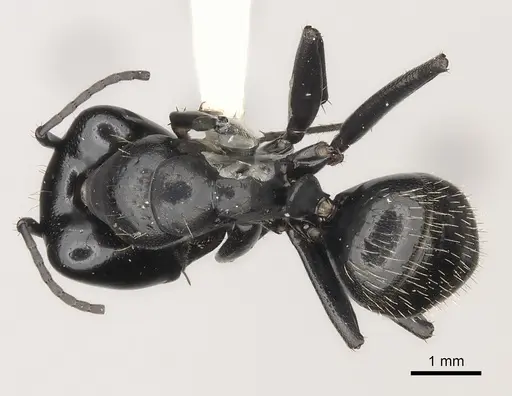
CASENT0903485
View on AntWeb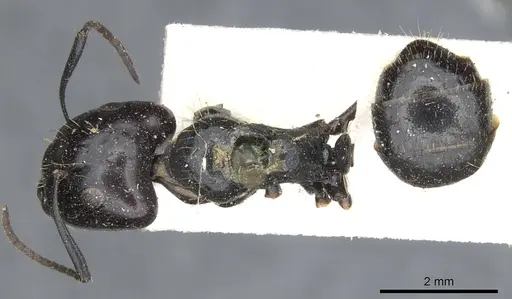
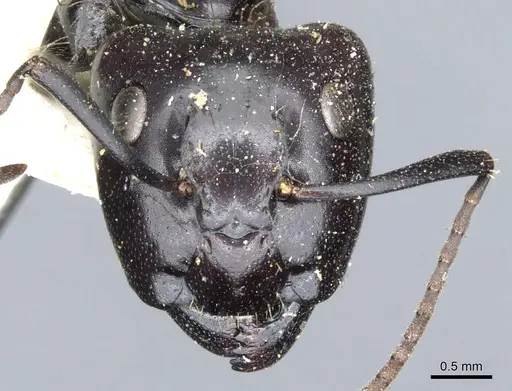
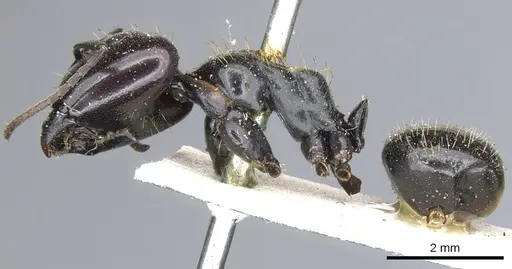
CASENT0903486
View on AntWeb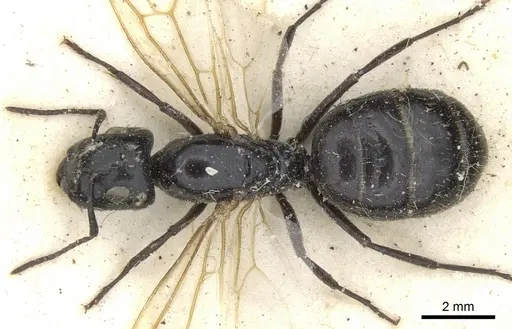
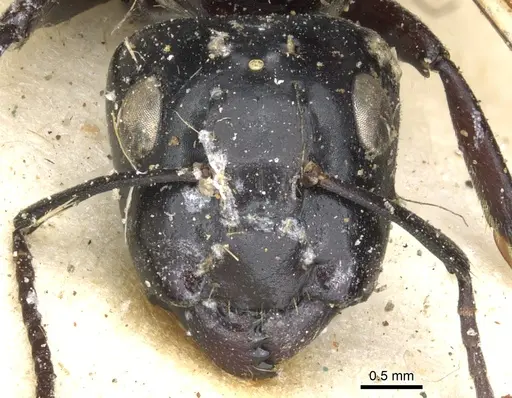
CASENT0910570
View on AntWeb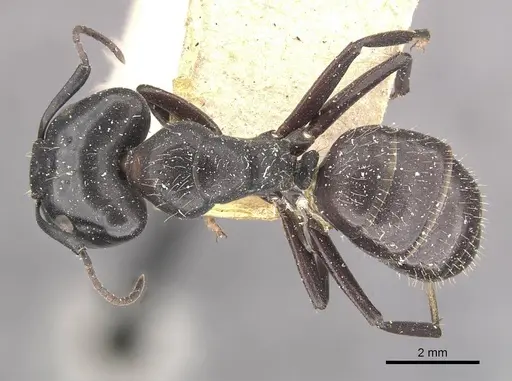
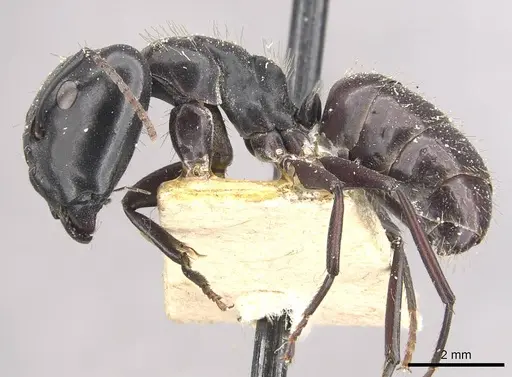
CASENT0910571
View on AntWeb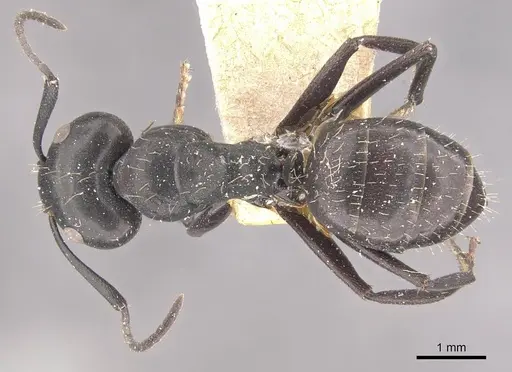
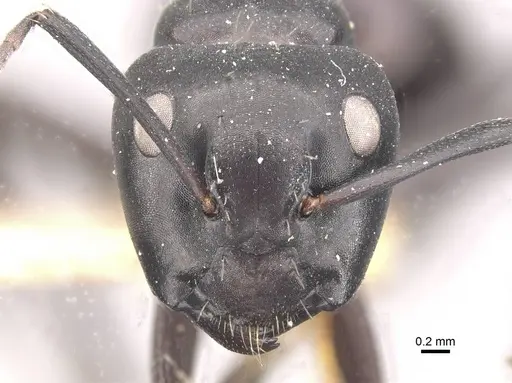
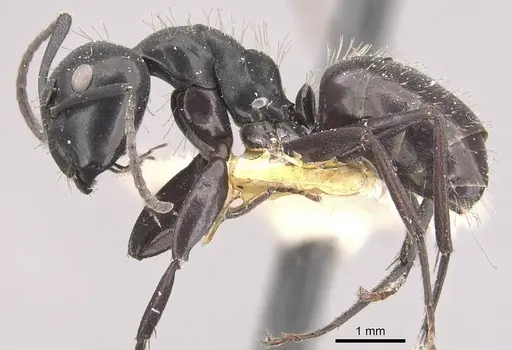
CASENT0910572
View on AntWeb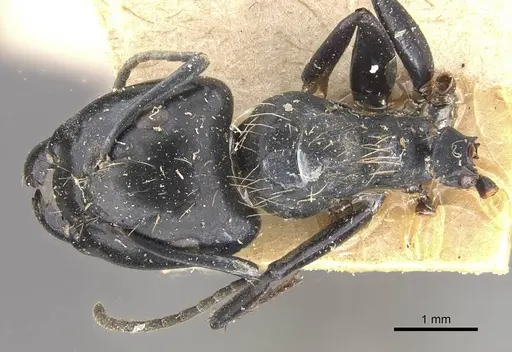
CASENT0910573
View on AntWeb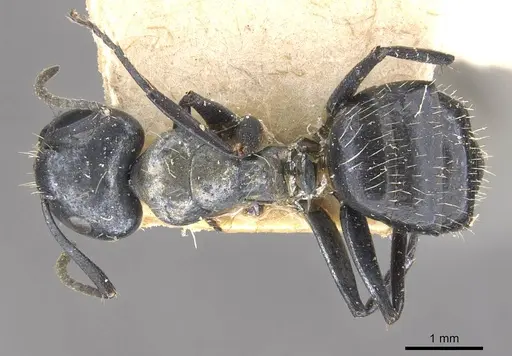
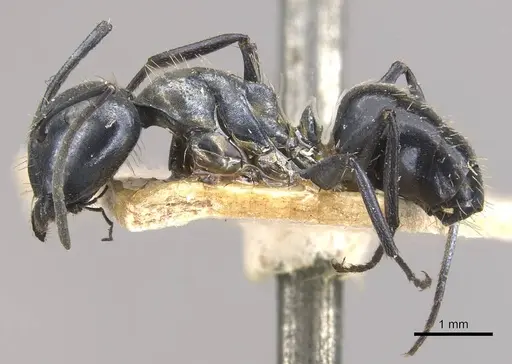
CASENT0910574
View on AntWeb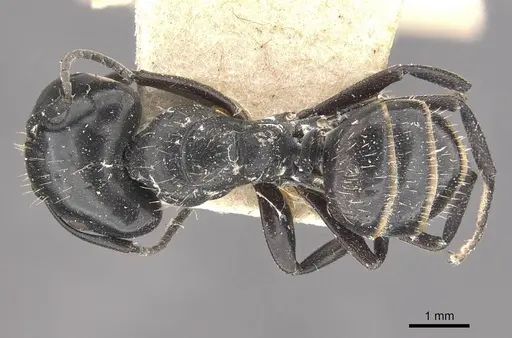
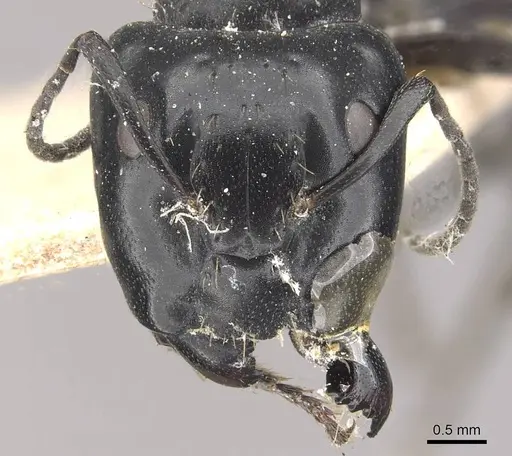
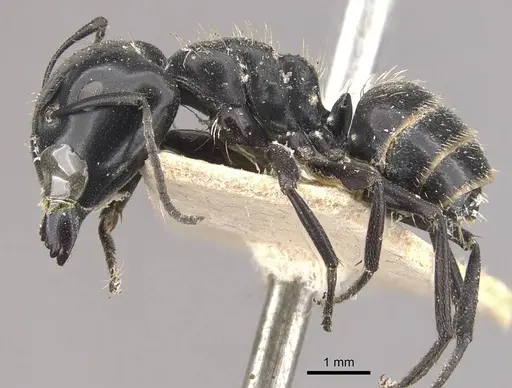
CASENT0910575
View on AntWeb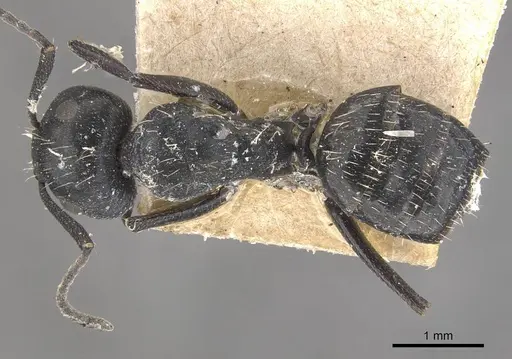
CASENT0911750
View on AntWeb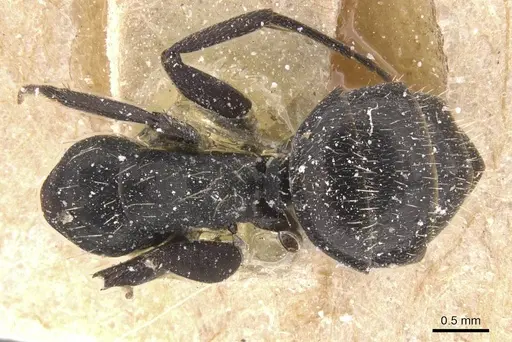
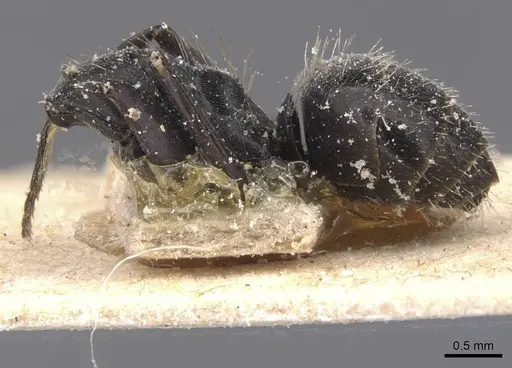
RMCAENT000017814
View on AntWeb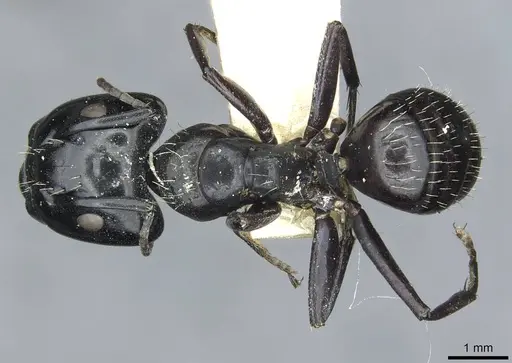
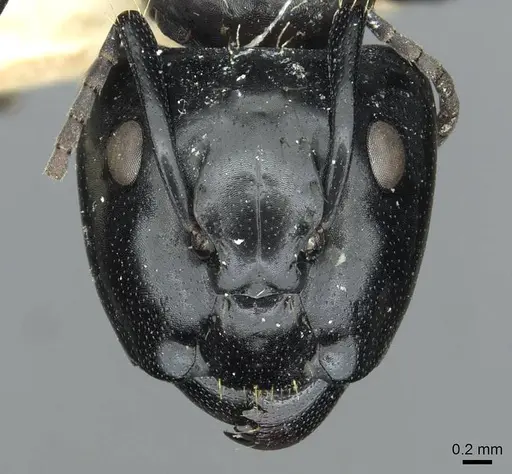
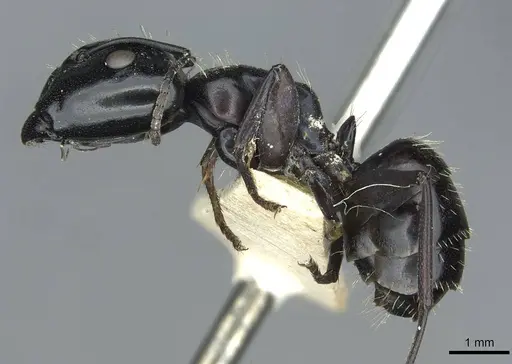
RMCAENT000017815
View on AntWeb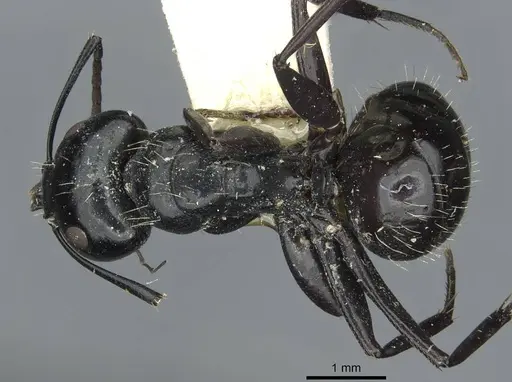
Literature
Loading distribution map...Loading products...