
Camponotus varatra
- Sci. Name
- Camponotus varatra
- Subgenus
- Mayria
- Tribe
- Camponotini
- Subfamily
- Formicinae
- Author
- Rakotonirina <i>et al.</i>, 2016
- Distribution
- Found in 1 countries
Introduction
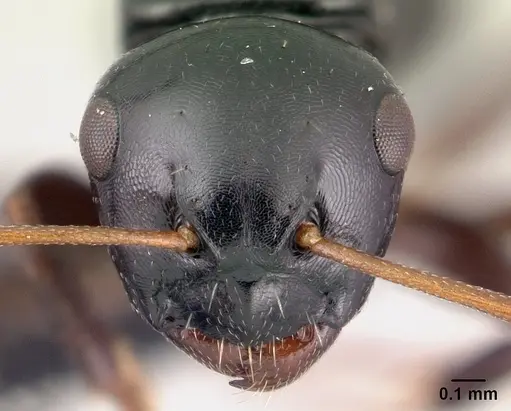
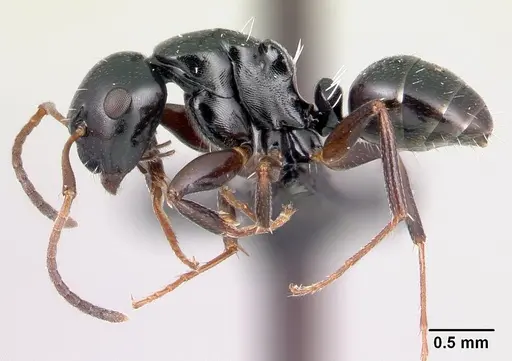
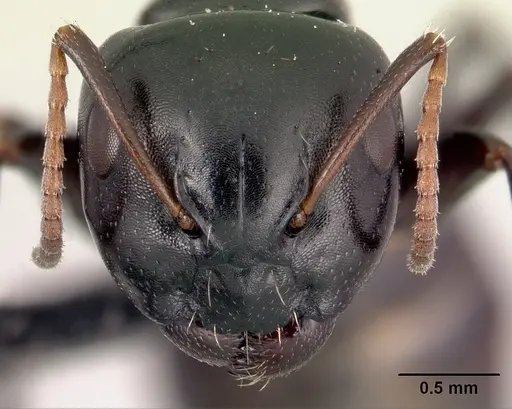
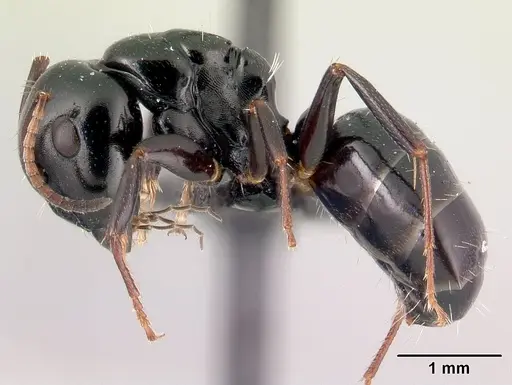
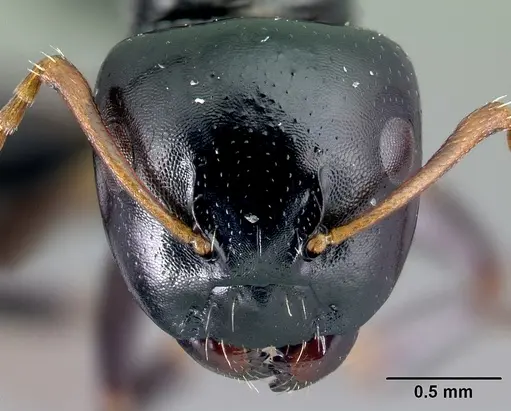
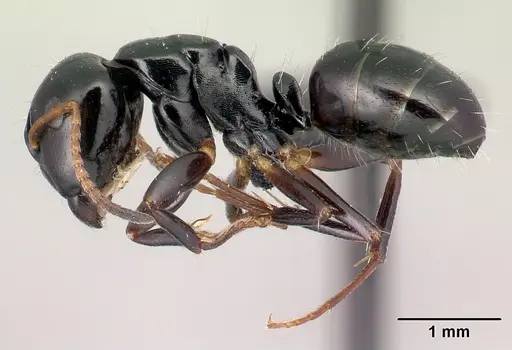
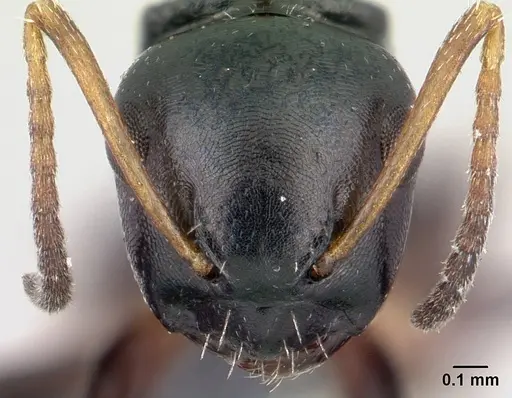
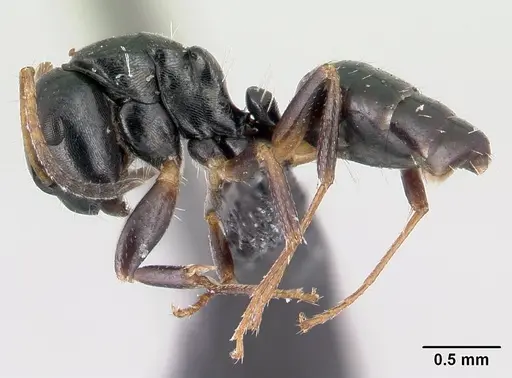
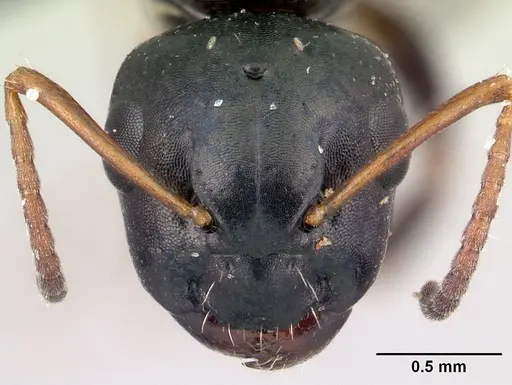
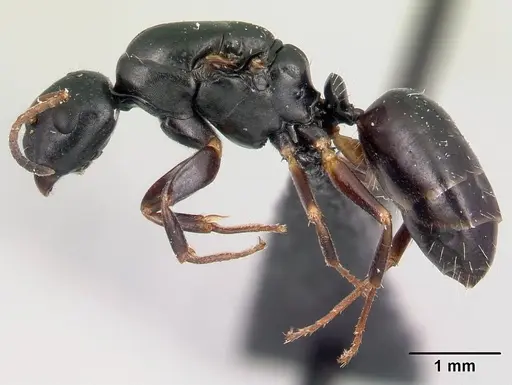
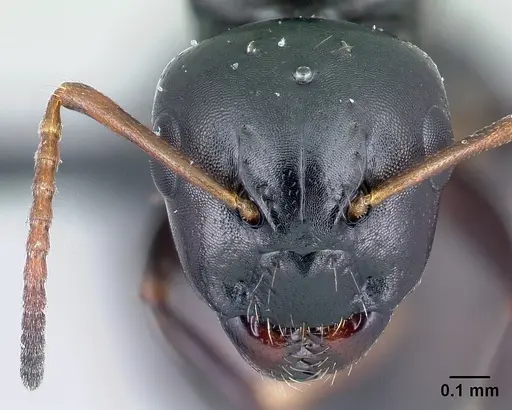
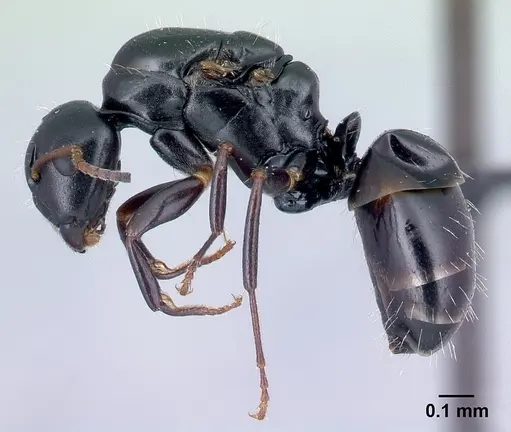
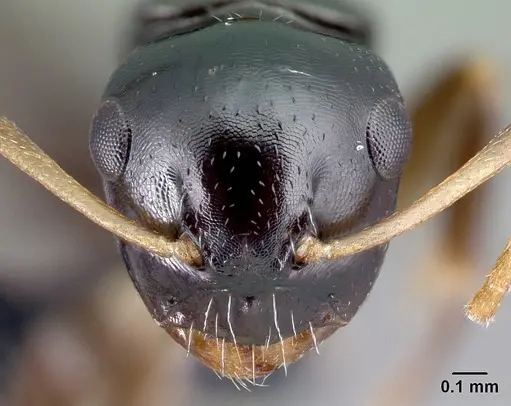
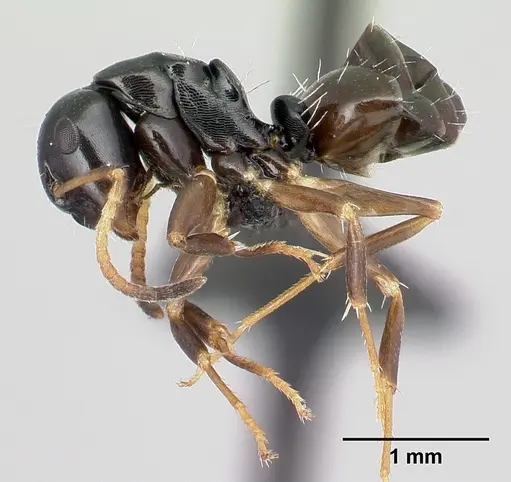
Camponotus varatra is a medium-sized ant species endemic to Madagascar, belonging to the Camponotus edmondi species group. Workers are predominantly black with dark brown gasters and appendages. Minor workers have slightly elongated heads with convex sides, while major workers develop larger, more robust heads. The species is characterized by a smooth to imbricate dorsal surface on the head and mesosoma, and distinctive propodeal morphology where the dorsum rounds into the declivity without a distinct angle . Colonies nest in dead twigs above ground, occasionally in rotten logs and tree stumps, primarily in montane forest habitats across Madagascar . This species lacks a functional sting and defends by biting and spraying formic acid from its acidopore.
Quick Summary
- Difficulty: Medium
- Origin & Habitat: Endemic to Madagascar, found primarily in montane forest habitats at elevations around 1150m, with rare occurrences in lowland rainforests and littoral forests [1].
- Colony Type: Single-queen colonies (monogyne). The species has been collected with dealate queens in nesting material [1].
- Size & Growth:
- Queen: size data unavailable, no total length measurements exist for this species
- Worker: size data unavailable, no total length measurements exist for this species. Minor workers are very small, major workers have significantly larger heads [1].
- Colony: size data unavailable
- Growth: Moderate
- Development: Estimated 6-8 weeks at optimal temperature based on typical Camponotus development patterns. (Development time inferred from genus-level data, specific timing for this species has not been directly studied.)
- Antkeeping:
- Temperature: Keep around 22-26°C. Montane forest origin suggests they prefer moderate temperatures. A gentle gradient allowing workers to self-regulate is ideal.
- Humidity: Moderate to high humidity (60-80%). Montane forest habitats are damp but not saturated. Keep nest substrate consistently moist but not waterlogged.
- Diapause: Unknown, Madagascar is tropical, but montane elevations may experience seasonal temperature variations. Observe colony behavior and provide a cool period only if the colony shows reduced activity.
- Nesting: In nature, colonies nest in dead twigs above ground and occasionally in rotten logs and tree stumps [1]. In captivity, Y-tong (AAC) nests or plaster nests work well. The species prefers elevated nesting sites, avoid ground-level setups. Test tubes can work for founding colonies but may need modification to accommodate their preference for above-ground nesting.
- Behavior: Workers are moderately active and forage primarily during daylight hours. They show typical Camponotus behavior, relatively non-aggressive toward humans but will defend the nest if threatened. This species lacks a functional sting, instead, it bites and sprays concentrated formic acid from the acidopore into the wound. Escape risk is moderate due to their small worker size, ensure barrier integrity. Major workers serve as soldiers and defenders, while minor workers handle foraging and brood care. They communicate through chemical trails and will recruit nestmates to food sources.
- Common Issues: escape prevention is important, minor workers are small and can slip through standard barriers if not properly sealed, colonies may be slow to establish initially, patience is needed during the founding phase, overheating is a risk, their montane origin means they prefer moderate temperatures, not heat, wild-caught colonies may carry parasites that can devastate captive populations, incorrect humidity (too dry) can cause founding queens to abandon or consume their brood
Nest Preferences
Camponotus varatra naturally nests in elevated locations, dead twigs hanging above ground, rotten logs, and dead tree stumps [1]. This is a critical care point: unlike many Camponotus species that readily accept ground-level nests, this species strongly prefers above-ground nesting sites. In captivity, Y-tong (acrylic ant castle) nests or plaster nests work well because they can be positioned to simulate elevated conditions. Test tube setups can work for founding colonies, but consider transitioning to a more naturalistic elevated setup once the colony establishes. The chambers should be appropriately sized, tight enough that workers feel secure, but with enough space for the colony to grow. Avoid placing nests directly on the ground, elevated positions better match their natural behavior.
Feeding and Diet
Like most Camponotus species, C. varatra is omnivorous with a preference for sugary liquids and protein. Feed sugar water or honey water constantly, a cotton ball soaked in sugar water placed in the outworld works well. For protein, offer small insects like fruit flies, small crickets, or mealworms. Given their small minor worker size, prey items should be appropriately sized. Feed protein 2-3 times per week, removing any uneaten prey after 24 hours. They may also accept small amounts of seeds or plant matter, though this varies by individual colony. Fresh water should always be available.
Temperature and Seasonal Care
As a montane forest species from Madagascar, C. varatra prefers moderate temperatures around 22-26°C. They do not tolerate high heat well, avoid placing their setup near direct sunlight or heat sources. Room temperature within this range is often sufficient. Observe colony behavior, if they become less active, a slight cool period may be beneficial, but do not force hibernation. This species comes from a tropical island where temperatures remain warm year-round. Reduce feeding frequency during any cool period but do not stop entirely. Gradual temperature changes are better than sudden shifts. A heating cable on one side of the nest can create a temperature gradient, allowing workers to self-regulate by moving to their preferred zone. [1]
Colony Founding and Development
Queens are claustral, they seal themselves in a chamber and raise the first brood alone without foraging. The queen uses stored fat reserves to sustain herself and develop the eggs through larvae to pupae to workers. This process typically takes 6-8 weeks under optimal conditions. The first workers (nanitics) are often smaller than normal workers but will immediately begin foraging to support the growing colony. During this critical phase, avoid disturbing the founding chamber. Once workers emerge, you can begin offering minimal food in the outworld, a tiny drop of sugar water is sufficient. The colony will grow gradually, with major workers appearing as the colony reaches several dozen workers. Major workers develop from larger larvae and serve as soldiers and defenders.
Defense Mechanism
Camponotus varatra belongs to the Formicinae subfamily, which lacks a functional sting. Instead, this species defends by biting the target and spraying a stream of concentrated formic acid from an acidopore into the wound. This is the primary defense mechanism for all Camponotus species and related genera in the Camponotini tribe. Keepers should be aware that while the bite is mild, the formic acid spray can cause irritation.
Behavior and Temperament
Camponotus varatra workers are moderately docile and not particularly aggressive toward keepers. They will defend their nest if threatened, using their bite and formic acid spray. Workers are primarily diurnal, showing peak activity during daylight hours. They use chemical pheromone trails to recruit nestmates to food sources, when you add prey, you'll often see a trail form within minutes. Major workers (soldiers) with their enlarged heads primarily serve defensive roles and may appear at nest entrances when the colony is disturbed. The species shows typical Camponotus foraging patterns, workers search individually and communicate discoveries to others. Their small size means they can be overlooked, but they are active and visible once established. [1]
Frequently Asked Questions
How long does it take for Camponotus varatra queens to raise their first workers?
Expect 6-8 weeks from egg to first worker at optimal temperature (22-26°C). This is typical for Camponotus species. The queen seals herself in during claustral founding and raises the brood alone using stored fat reserves.
What is the best nest type for Camponotus varatra?
Y-tong (AAC) nests or plaster nests work well. This species naturally nests in elevated dead twigs above ground, so avoid ground-level setups. Test tubes can work for founding but consider transitioning to a more naturalistic elevated setup once established.
What do Camponotus varatra eat?
Feed sugar water or honey water constantly for energy. For protein, offer small insects like fruit flies, small crickets, or mealworms 2-3 times per week. Prey should be appropriately sized for their small minor workers.
Do Camponotus varatra need hibernation?
Unknown. This species is from Madagascar, a tropical island, though montane elevations may experience seasonal temperature changes. Observe your colony's behavior, if they become less active during cooler months, a slight reduction in temperature may be appropriate, but do not force a cold diapause.
Are Camponotus varatra good for beginners?
They are moderate difficulty, not the easiest but not challenging. The main considerations are their preference for above-ground nesting and moderate temperature requirements. They are more specialized than common temperate species but manageable for intermediate antkeepers.
How big do Camponotus varatra colonies get?
Colony size data is unavailable for this species. Growth is moderate, expect several months to reach 50+ workers and a year or more for a mature colony.
Can I keep multiple Camponotus varatra queens together?
This species is monogyne, single-queen colonies. Combining unrelated queens is not recommended and likely results in fighting. Only keep one queen per colony.
Why is my Camponotus varatra colony dying?
Common causes include: too high temperature (they prefer moderate heat), incorrect humidity (too dry causes brood abandonment), disturbance during claustral founding, or parasites from wild-caught colonies. Ensure proper conditions and avoid disturbing founding queens.
When should I move Camponotus varatra to a formicarium?
Wait until the colony has 30-50 workers before transitioning. They do well in test tubes for founding, then move to a larger setup. The key is matching their preference for elevated nesting sites.
Report an Issue
The current care sheet is based fully on literature. See inconsistencies, or something that's incorrect? Please , it will be resolved after review from an admin. Contributing to the blogs tab also helps providing information, to make us be able to further improve the caresheets. Thank you for your support!
References

This caresheet is licensed under CC BY-SA 4.0 .
Community Blogs
CASENT0051131
View on AntWeb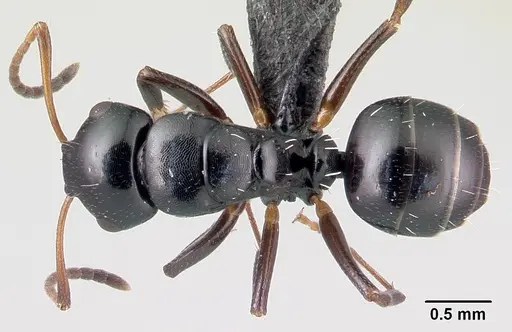
CASENT0178920
View on AntWeb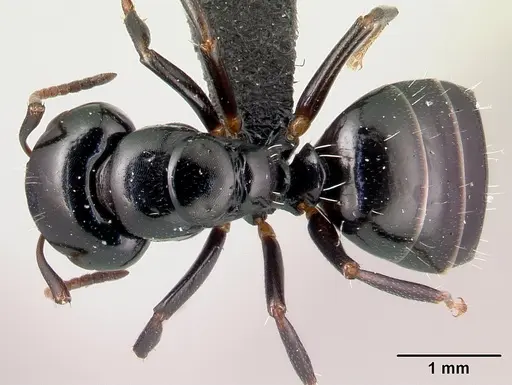
CASENT0217289
View on AntWeb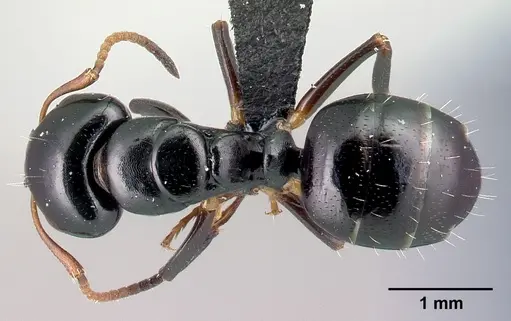
CASENT0409723
View on AntWeb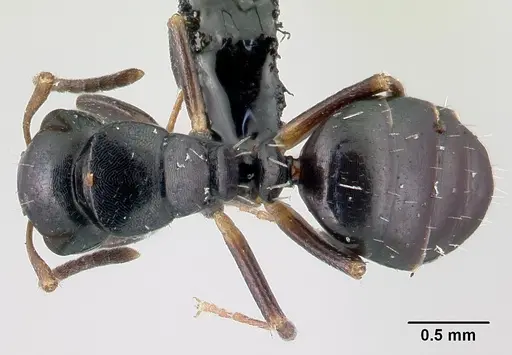
CASENT0409926
View on AntWeb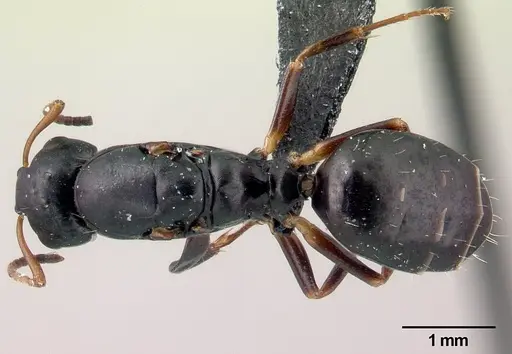
CASENT0492886
View on AntWeb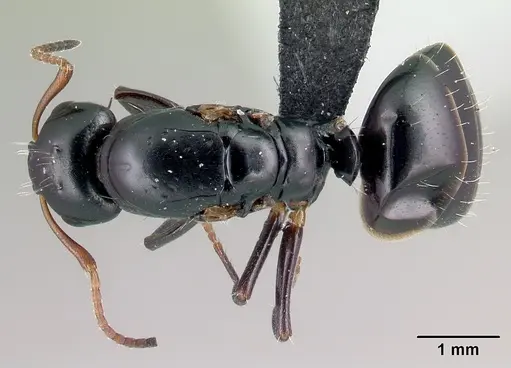
CASENT0492888
View on AntWeb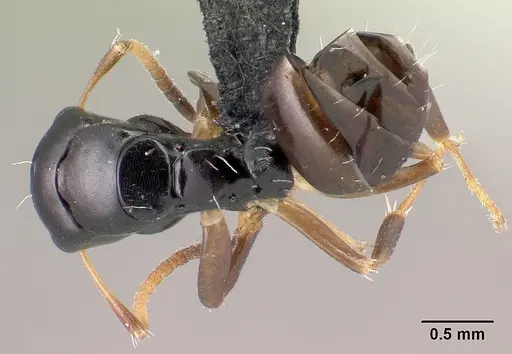
Literature
Loading distribution map...Loading products...