
Camponotus urichi
- Sci. Name
- Camponotus urichi
- Subgenus
- Myrmosphincta
- Tribe
- Camponotini
- Subfamily
- Formicinae
- Author
- Forel, 1899
- Distribution
- Found in 2 countries
Introduction
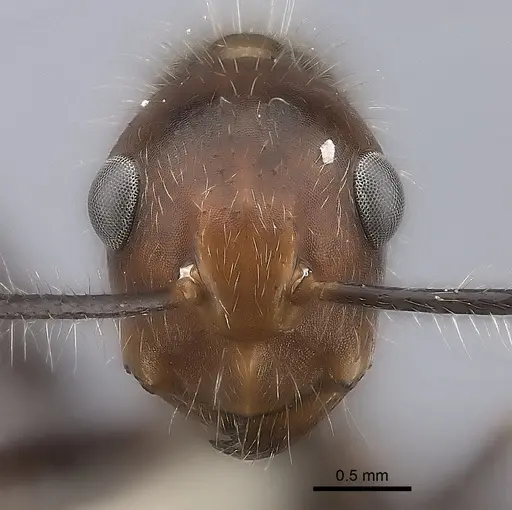
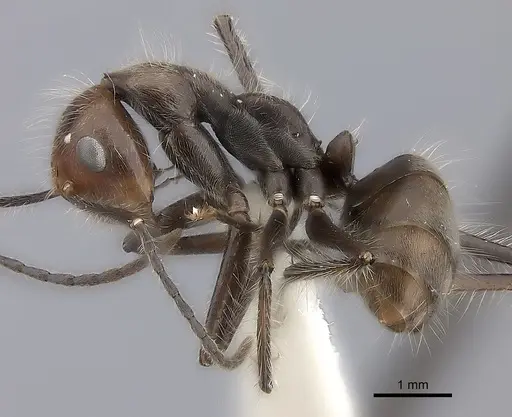
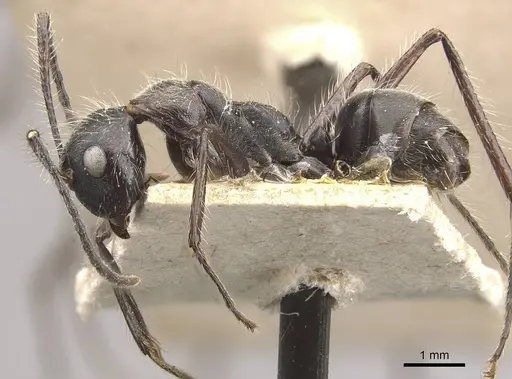
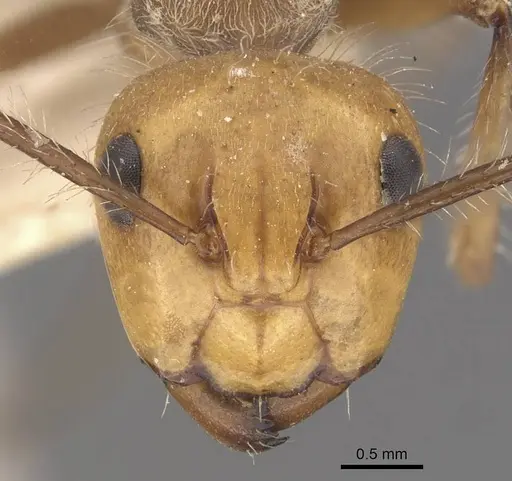
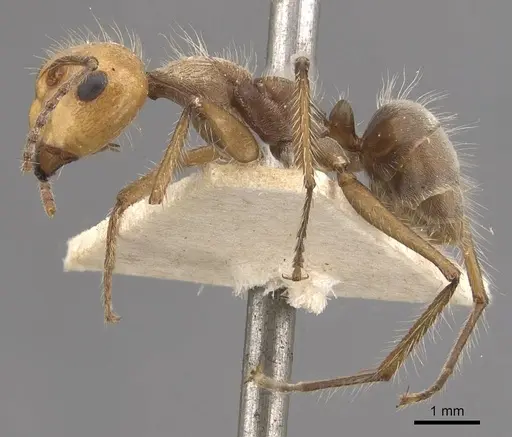
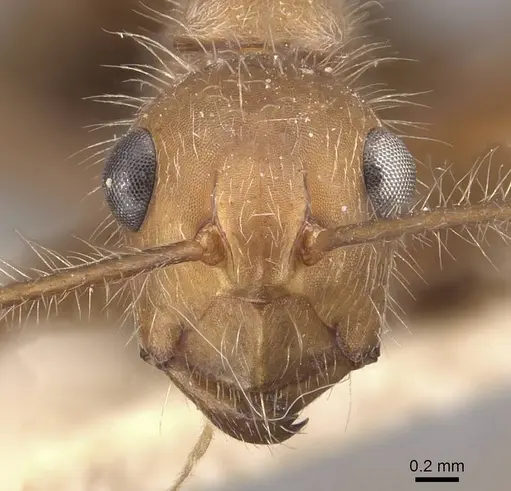
Camponotus urichi is a tropical ant species found across northern South America, from Brazil and French Guiana through Colombia and Peru to Trinidad . Workers are distinctive with abundant silver appressed pubescence on the gaster and many erect hairs on the head, scape, and tibias. The larger major workers have a red or yellow head contrasting with a dark or black body . This species belongs to the subgenus Myrmosphincta and is closely related to C. sexguttatus. Little is known about their biology in the wild, but they have been collected in tropical forest habitats .
Quick Summary
- Difficulty: Medium
- Origin & Habitat: Tropical forests of northern South America, including Brazil, French Guiana, Colombia (Amazonas), Peru, and Trinidad [1][2]. They are a forest-dwelling species collected from tropical rainforest environments.
- Colony Type: Colony structure is unconfirmed. Based on typical Camponotus patterns, likely single-queen colonies, but this has not been directly documented.
- Size & Growth:
- Queen: Size data unavailable, no specific measurements exist for this species
- Worker: Size data unavailable, no specific measurements exist for this species
- Colony: Unknown, colony size has not been documented in scientific literature
- Growth: Growth rate is unconfirmed
- Development: Development time is unconfirmed for this species (No specific data available. Tropical origin suggests development may be faster than temperate species, but this is not documented.)
- Antkeeping:
- Temperature: Keep at 24-28°C. Tropical species requiring warm conditions. A heating cable on one side of the nest creates a suitable gradient.
- Humidity: Moderate to high humidity. Tropical forest origin suggests they prefer damp conditions. Keep nest substrate consistently moist but not waterlogged.
- Diapause: No, tropical species does not require hibernation. Maintain warm temperatures year-round.
- Nesting: In captivity, Y-tong (AAC) nests or plaster nests work well. Provide a water tube for humidity. Based on tropical forest collection data, they likely prefer enclosed nest spaces with moderate moisture.
- Behavior: Workers are moderately active and forage both on the ground and possibly in lower vegetation. They are not particularly aggressive but will defend the nest. Escape prevention should be good, while not among the smallest ants, standard barriers are recommended. Foraging style is typical for Camponotus, they likely recruit nestmates to food sources.
- Common Issues: limited biological data makes care recommendations speculative, tropical species requires consistent warmth year-round, wild-caught colonies may have parasites or diseases, colonies may be slow to establish due to limited documented care information, humidity control is important, too dry can kill brood
Housing and Nest Setup
Camponotus urichi does well in Y-tong (AAC) nests or plaster formicariums. Provide a test tube water reservoir attached to the nest for humidity. These ants are not extremely large, so standard chamber sizes work well. Use a small outworld for foraging. Keep the nest area dark or covered, these forest ants prefer dim conditions. A layer of substrate in the outworld allows for natural foraging behavior.
Feeding and Diet
Like most Camponotus, they accept sugar sources (honey, sugar water) and protein (insects). Feed them a mix of sugary liquids and small insects like fruit flies, mealworms, or crickets. Offer sugar water constantly and protein prey 2-3 times per week. Remove uneaten prey after 24 hours to prevent mold. They may also collect honeydew from aphids if kept in a naturalistic setup.
Temperature and Seasonal Care
Maintain temperatures between 24-28°C year-round. This is a tropical species that does not tolerate cool conditions. Use a heating cable or mat on one side of the nest to create a temperature gradient, allowing workers to regulate their own temperature. Do not allow temperatures to drop below 20°C for extended periods. No hibernation or diapause is needed, keep them warm throughout the year.
Colony Founding
Queens likely seal themselves in a chamber and raise the first brood alone using stored fat reserves, but this is not confirmed for this specific species. Provide a founding queen with a small test tube setup with water through a cotton plug. Place the tube in darkness and do not disturb for 2-3 weeks. The queen will lay eggs and raise larvae through to nanitic workers. Once the first workers emerge, you can begin offering tiny food items and eventually connect to a larger nest.
Growth and Development
Development time from egg to worker is unconfirmed for this species. The first workers (nanitics) are typically smaller than mature workers. Growth rate is unconfirmed, colonies may take several months to reach 20-30 workers and a year or more to reach significant numbers. Be patient with this species as biological data is limited. Consistent warmth and good nutrition will support development.
Frequently Asked Questions
How long does it take for Camponotus urichi to produce first workers?
This is unconfirmed for this species. Based on typical Camponotus development, expect first workers in approximately 6-8 weeks at optimal temperature, but no specific data exists for C. urichi.
Do Camponotus urichi ants need hibernation?
No, they do not need hibernation. This is a tropical species from northern South America. Keep them warm year-round at 24-28°C.
What do Camponotus urichi ants eat?
They accept sugar sources (honey, sugar water) and protein (small insects like fruit flies, mealworms, crickets). Feed sugar constantly and protein prey 2-3 times per week.
Are Camponotus urichi good for beginners?
They are moderate difficulty. The main challenge is providing consistent tropical conditions (warmth and humidity). If you can maintain 24-28°C year-round and provide proper humidity, they are manageable.
How big do Camponotus urichi colonies get?
Colony size is not documented in scientific literature. Based on typical Camponotus patterns, expect several hundred workers at maturity, but this is unconfirmed for this species.
What temperature is best for Camponotus urichi?
Keep them at 24-28°C. Use a heating cable on one side of the nest to create a gradient. Avoid temperatures below 20°C.
Can I keep multiple Camponotus urichi queens together?
This has not been documented for this species. Based on typical Camponotus behavior, single-queen colonies are most common. Combining unrelated queens is not recommended without documented evidence of success.
When should I move Camponotus urichi to a formicarium?
Move them when the colony reaches 20-30 workers and the test tube is becoming crowded. Ensure the formicarium has appropriate humidity control and is scaled to the colony size.
Why is my Camponotus urichi colony not growing?
Check temperature (should be 24-28°C), humidity (keep substrate moist but not wet), and food quality. Poor conditions or inadequate nutrition will slow growth significantly. Also ensure the queen is still laying and the colony is not stressed by excessive disturbance.
Report an Issue
The current care sheet is based fully on literature. See inconsistencies, or something that's incorrect? Please , it will be resolved after review from an admin. Contributing to the blogs tab also helps providing information, to make us be able to further improve the caresheets. Thank you for your support!
References

This caresheet is licensed under CC BY-SA 4.0 .
Community Blogs
CASENT0217712
View on AntWeb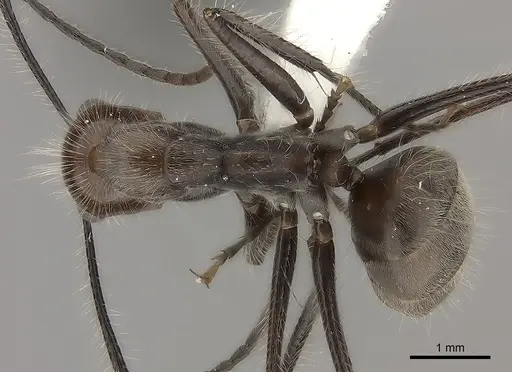
CASENT0910619
View on AntWeb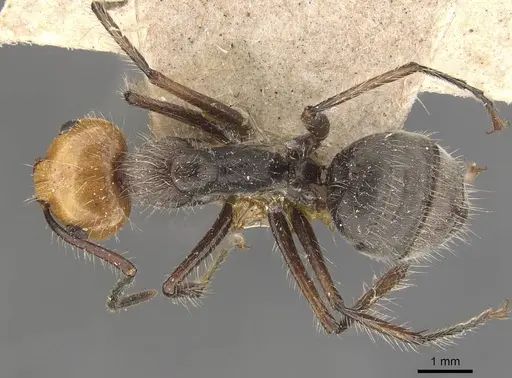
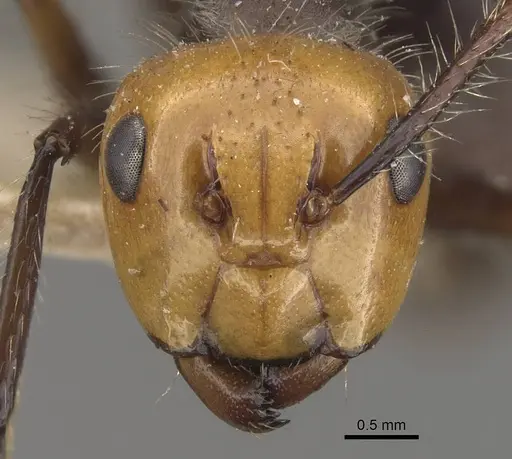
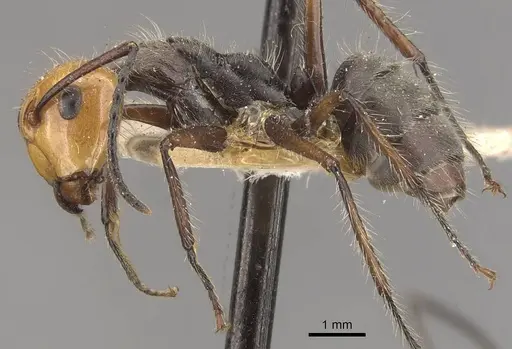
CASENT0910620
View on AntWeb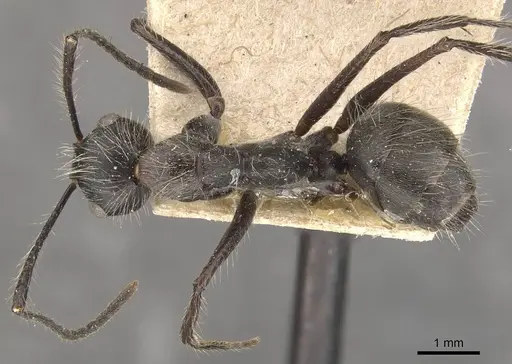
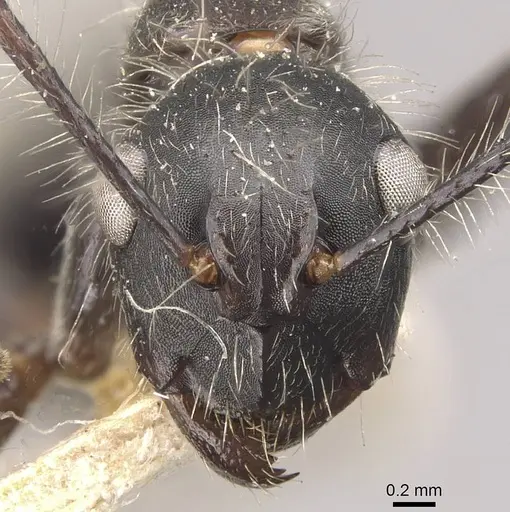
CASENT0910621
View on AntWeb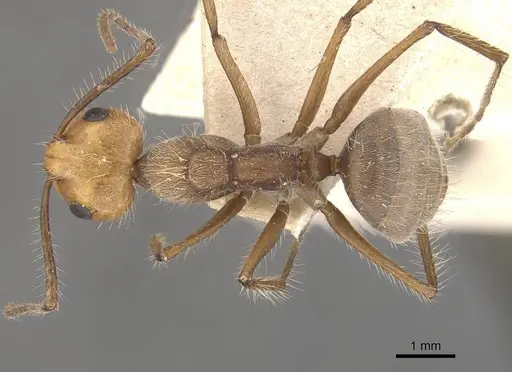
CASENT0910622
View on AntWeb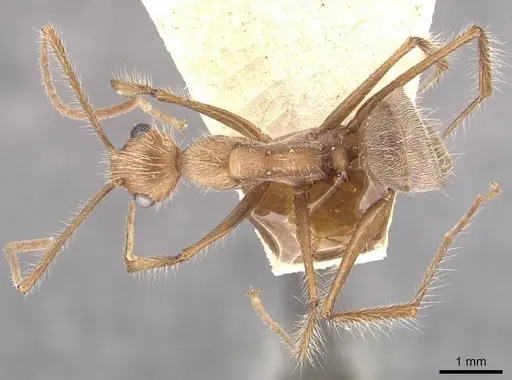
Literature
Loading distribution map...Loading products...