
Camponotus tristis
- Sci. Name
- Camponotus tristis
- Subgenus
- Myrmophyma
- Tribe
- Camponotini
- Subfamily
- Formicinae
- Author
- Clark, 1930
- Distribution
- Found in 1 countries
Introduction
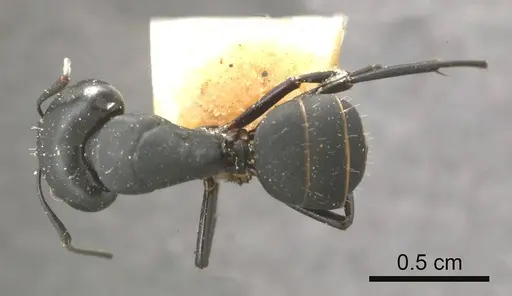
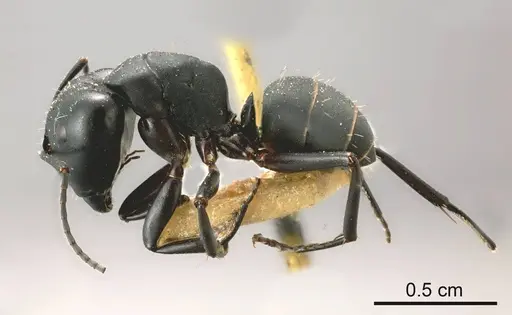
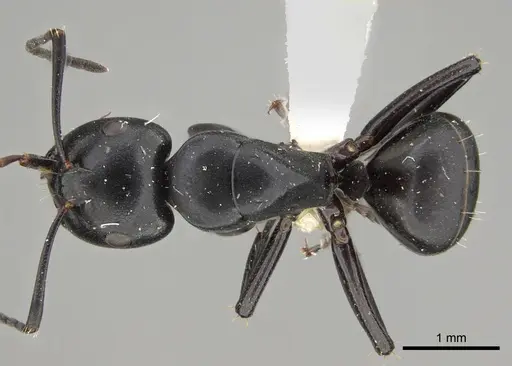
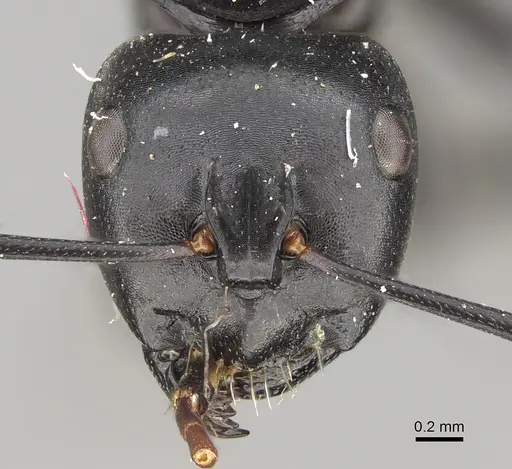
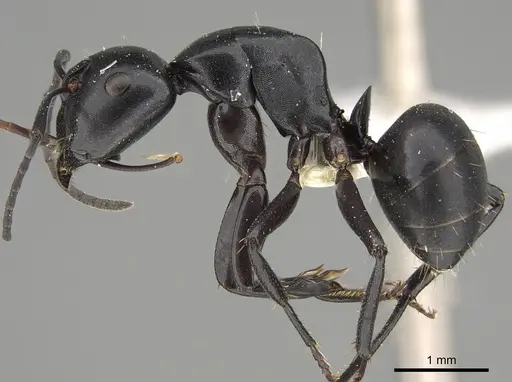
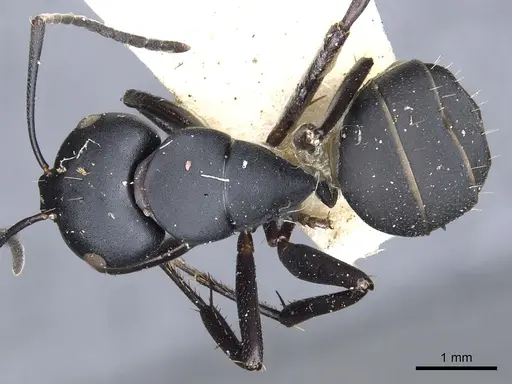
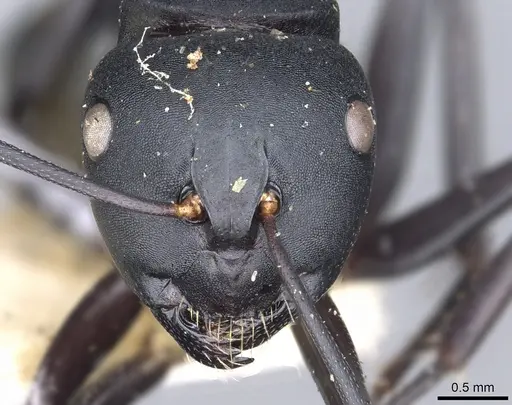
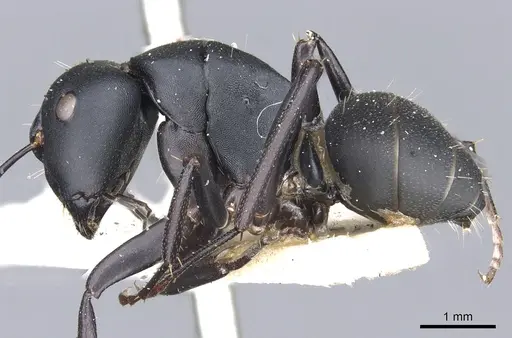
Camponotus tristis is an all-black ant species native to Western Australia. Workers have two sizes: majors are 8-9 mm long, minors are 5-6 mm long . The species is widespread in the South-West Botanical Province and commonly forages on vegetation in semi-arid areas . A notable behavior is their tendency to climb plants to find food, which is unusual for ants in dry regions .
Quick Summary
- Difficulty: Medium
- Origin & Habitat: Western Australia, South-West Botanical Province, in semi-arid regions where they forage on vegetation [2].
- Colony Type: Colony structure is unconfirmed, but based on Camponotus patterns, likely single-queen colonies.
- Size & Growth:
- Queen: Estimated ~10-12 mm based on Camponotus genus patterns
- Worker: Major: 8-9 mm, Minor: 5-6 mm [1]
- Colony: Up to several hundred workers estimated based on genus patterns
- Growth: Moderate
- Development: Estimated 6-8 weeks at optimal temperature (Development time varies with temperature, warmer conditions speed up development)
- Antkeeping:
- Temperature: Keep at room temperature around 20-24°C with a gentle heat gradient
- Humidity: Keep nest substrate moderately moist but allow some drying between waterings
- Diapause: Likely benefits from a mild winter rest at 10-15°C for 6-8 weeks
- Nesting: In nature, they nest in soil or under stones, in captivity, test tubes or formicariums work well
- Behavior: Workers are active foragers that climb vegetation to find food [2]. They are generally calm and diurnal, most active during daylight. Defense involves biting and spraying formic acid, as typical for Formicinae ants. Escape risk is moderate due to their size, ensure enclosures are secure.
- Common Issues: colonies may struggle if kept too cold, maintain warm conditions., overwatering can cause mold problems given their semi-arid origins., slow founding phase is normal, queens take time to raise first workers., wild-caught colonies may carry parasites that affect captive survival., test tube setups need proper escape prevention despite moderate size.
Housing and Nest Setup
Use test tubes for founding colonies with a water reservoir and cotton plug for humidity. Once the colony has 20-30 workers, move to a formicarium like Y-tong or plaster nests. Provide a spacious outworld with climbing structures, as they forage on vegetation in nature [2]. Ensure connections are secure to prevent escapes.
Feeding and Diet
Feed protein sources like mealworms or crickets 2-3 times per week, and provide constant sugar water or honey. Remove uneaten food after 24-48 hours to prevent mold. This omnivorous diet is typical for Camponotus species. [1]
Temperature and Seasonal Care
Keep at 20-24°C with a heat gradient. In winter, reduce to 10-15°C for 6-8 weeks to mimic natural seasonal cycles. Avoid abrupt cooling.
Colony Development and Growth
Founding queens may seal themselves in without foraging. First workers emerge in 6-8 weeks at optimal temperature. Colony growth accelerates after workers appear, reaching several hundred workers over time.
Behavior and Observation
Workers climb vegetation to forage [2]. They are diurnal and defend nests by spraying formic acid. Major workers appear as the colony grows.
Frequently Asked Questions
How long does it take for Camponotus tristis to raise first workers?
Expect 6-8 weeks from egg to first worker at room temperature. The queen is likely claustral, raising the first brood alone.
What do Camponotus tristis ants eat?
They are omnivorous. Feed protein like mealworms 2-3 times per week and constant sugar sources.
What temperature is best for Camponotus tristis?
Keep at 20-24°C with a heat gradient. They tolerate warmer conditions from their Australian habitat.
Do Camponotus tristis need hibernation?
They benefit from a mild winter rest at 10-15°C for 6-8 weeks.
How big do Camponotus tristis colonies get?
Colonies can reach up to several hundred workers. Major workers are 8-9 mm long [1].
Can I keep multiple Camponotus tristis queens together?
This species is likely single-queen, so combining queens is not recommended.
When should I move Camponotus tristis to a formicarium?
Move when the colony has 20-30 workers for more space.
Are Camponotus tristis good for beginners?
They are rated medium difficulty due to the founding phase.
Why is my Camponotus tristis colony not growing?
Check temperature, feeding, and humidity. Slow growth is normal in the first few months.
Report an Issue
The current care sheet is based fully on literature. See inconsistencies, or something that's incorrect? Please , it will be resolved after review from an admin. Contributing to the blogs tab also helps providing information, to make us be able to further improve the caresheets. Thank you for your support!
References

This caresheet is licensed under CC BY-SA 4.0 .
Community Blogs
Literature
Loading distribution map...Loading products...