
Camponotus termitarius
- Sci. Name
- Camponotus termitarius
- Subgenus
- Tanaemyrmex
- Tribe
- Camponotini
- Subfamily
- Formicinae
- Author
- Emery, 1902
- Distribution
- Found in 4 countries
Introduction
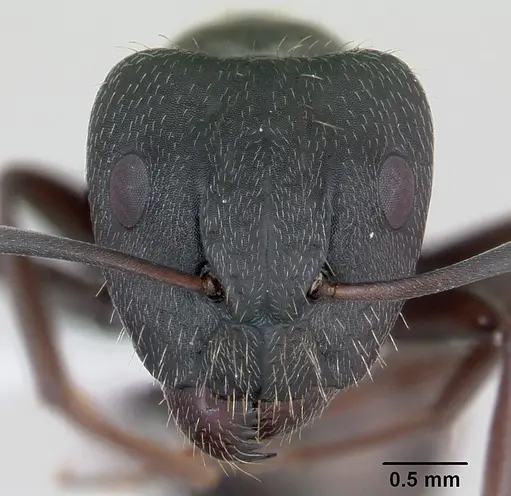
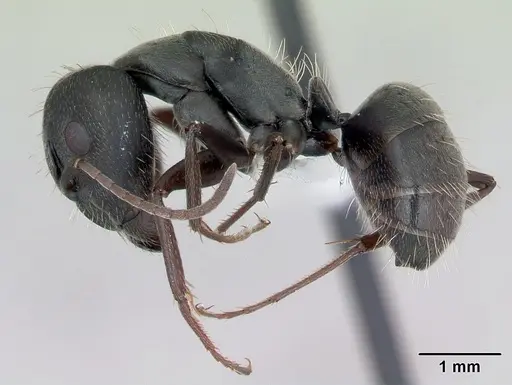
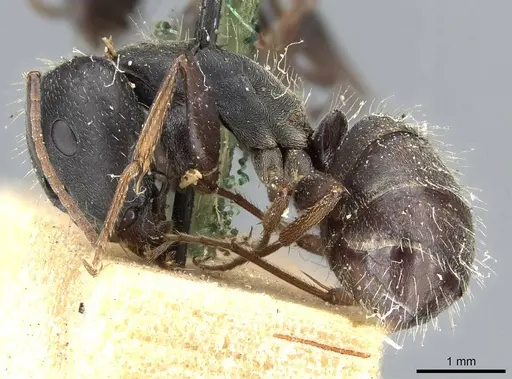
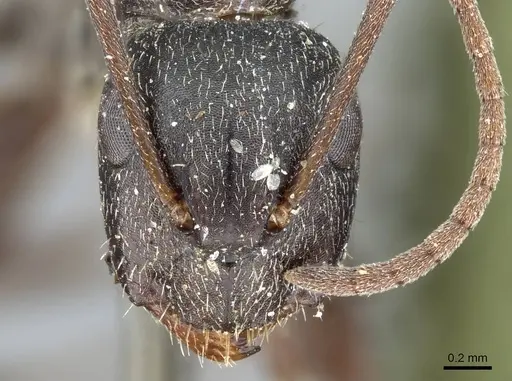
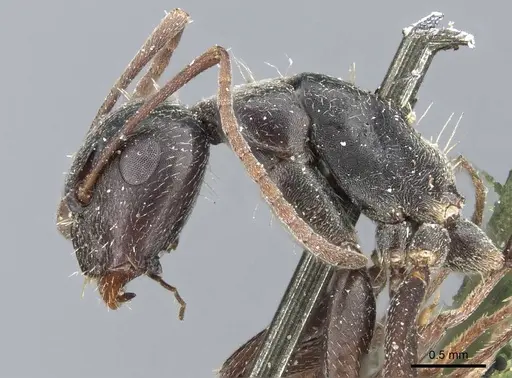
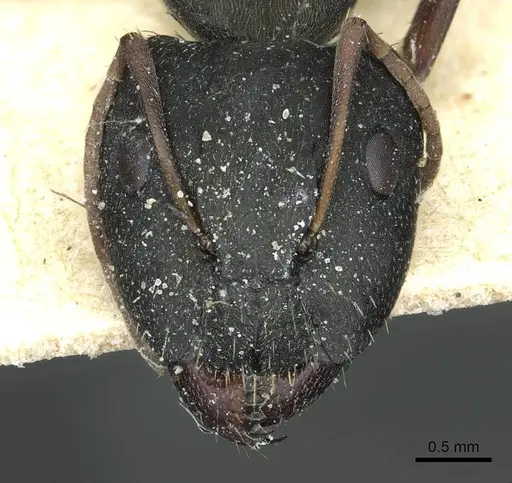
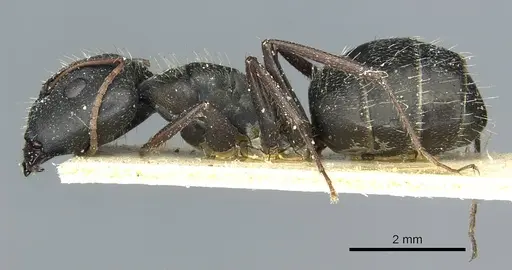
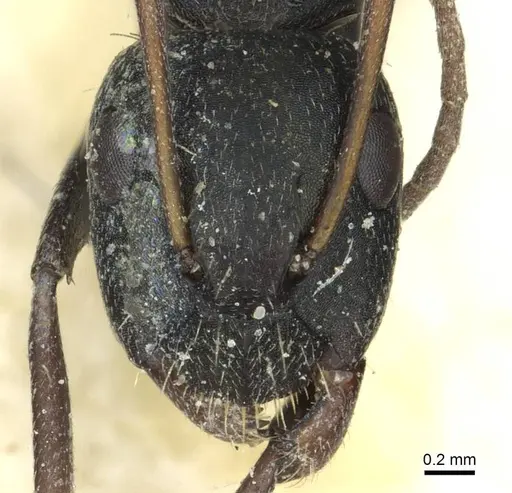
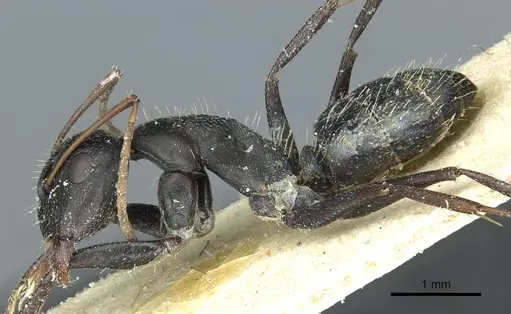
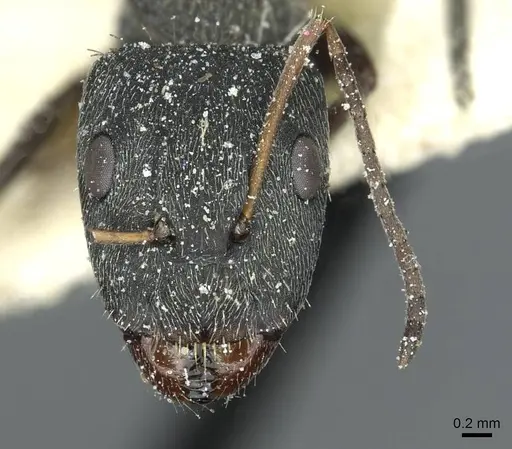
Camponotus termitarius is a medium-sized carpenter ant native to the Neotropical region of South America, found in Argentina, Brazil, and Paraguay. Workers are polymorphic - majors are larger with well-developed heads, while minors are smaller and more slender. The common name 'Formiga de cupim' (Termite Ant) comes from their unique habit of nesting in old termite mounds, which is unusual among carpenter ants. This species was elevated to full species status in 2007, previously being classified as a subspecies of Camponotus punctulatus . They are ground-nesting ants found in low-lying pastures and grassland areas.
Quick Summary
- Difficulty: Medium
- Origin & Habitat: Native to the Neotropical region, Argentina, Brazil, and Paraguay. Found in low-lying pastures, grasslands (pastizales), and notably in old termite mounds. This species has a strong association with termite nest structures, using abandoned termite mounds as nesting sites [1]. The Chaco region of Paraguay represents part of their range where they make up about 3.6% of ant activity at baits [2].
- Colony Type: Colony structure is unconfirmed. Based on typical Camponotus patterns, likely single-queen colonies.
- Size & Growth:
- Queen: Size data unavailable, no specific measurements exist for this species. Inferred from Camponotus genus patterns to be approximately 12-15 mm.
- Worker: Polymorphic: minors approximately 5-7 mm, majors approximately 8-12 mm, typical for Camponotus genus but not specifically documented for this species.
- Colony: Likely reaches several thousand workers at maturity based on genus patterns.
- Growth: Moderate, typical Camponotus development
- Development: Development time is unconfirmed for this species. Based on typical Camponotus patterns, first workers likely emerge in 6-8 weeks at warm temperatures. (First workers (nanitics) are typically smaller than normal workers.)
- Antkeeping:
- Temperature: Keep at 24-28°C. As a Neotropical species, they prefer warm conditions. A heating cable on one side of the nest creates a temperature gradient they can regulate by moving.
- Humidity: Moderate humidity around 50-70%. They nest in termite mounds which can have variable moisture. Keep the nest substrate slightly moist but allow some drying areas.
- Diapause: Not required. Being a Neotropical species from subtropical regions, they do not have a strong diapause requirement. A slight reduction in temperature during winter months (around 18-20°C) may be beneficial.
- Nesting: Y-tong (AAC) nests or plaster nests work well. Their natural nesting in termite mounds suggests they can handle drier nest conditions than many ants. A test tube setup works for founding colonies.
- Behavior: Workers are moderately active and forage individually. They are not particularly aggressive but will defend the nest if threatened. As typical for Camponotus, they are generalist foragers that collect honeydew and hunt small insects. Escape risk is moderate, they are not tiny ants but can climb smooth surfaces. Use standard barrier methods. This species lacks a functional sting. As with other Formicinae, they bite and spray formic acid from their acidopore if threatened.
- Common Issues: colonies may grow slowly initially, patience is needed during the founding phase., test tube flooding can drown founding queens, use appropriate water reservoir size., wild-caught colonies may carry parasites, quarantine and observe new colonies., overheating is a risk, keep nest away from direct sunlight and heat sources., escape prevention is important, use fluon or other barriers, especially for minor workers.
Housing and Nest Setup
For founding colonies, a standard test tube setup works well. Fill the tube about one-third with water and plug the end with cotton, the ants will drink from the water reservoir through the cotton. Cover the tube with a dark cloth to simulate the dark interior of a termite nest. Once the colony reaches 15-20 workers, you can move them to a proper formicarium. Y-tong (AAC) nests are excellent for this species as they allow you to observe the colony while maintaining appropriate humidity. Plaster nests also work well. The colony will need an outworld area for foraging, a simple plastic container connected to the nest works. Ensure all connections are secure as these ants can squeeze through small gaps. [1]
Feeding and Diet
Camponotus termitarius is a generalist feeder like most carpenter ants. Provide a constant source of sugar, sugar water, honey, or commercial ant nectar. For protein, offer small insects like fruit flies, small crickets, or mealworms. They will also collect honeydew if you have aphids on plants. Feed protein 2-3 times per week, and ensure sugar is always available. Remove uneaten prey after 24 hours to prevent mold. Fresh killed insects are more readily accepted than live prey for most colonies. A varied diet helps ensure healthy brood development.
Temperature and Seasonal Care
As a Neotropical species from Argentina, Brazil, and Paraguay, Camponotus termitarius prefers warm conditions. Keep the nest area at 24-28°C for optimal brood development. A heating cable placed on top of the nest (never underneath to avoid drying) can provide gentle warmth. During winter, a slight reduction to around 18-20°C is acceptable, but avoid cold temperatures below 15°C. They do not require true hibernation but may show reduced activity in cooler months. Maintain stable temperatures, avoid drafts and sudden changes. Room temperature within the 24-28°C range is often suitable without additional heating. [1][2]
Colony Development and Growth
A newly mated queen will seal herself in a claustral chamber and lay eggs without leaving to forage. She survives on her stored fat reserves while raising the first brood. This founding phase typically takes 4-8 weeks depending on temperature. The first workers (nanitics) are smaller than normal workers but will immediately begin foraging for food to feed the developing brood. Colony growth is initially slow but accelerates once the first workers emerge. A mature colony may contain several thousand workers over several years. Major workers (soldiers) typically appear once the colony reaches several hundred workers. Be patient, Camponotus colonies can take several years to reach full size.
Behavior and Observation
Workers are moderately active and will establish foraging trails. They are not aggressive toward humans but will defend the nest if disturbed. The polymorphic worker castes are interesting to observe, majors often guard the nest or help process large food items, while minors handle most foraging. They are primarily ground-dwelling and do not climb well on smooth surfaces, making standard barrier methods effective. Observation is easiest in the evening when they are most active. The species name 'termitarius' refers to their unique association with termite mounds, in captivity, they do fine in standard nests without actual termite material. [1]
Frequently Asked Questions
How long does it take for Camponotus termitarius to have first workers?
First workers typically appear 6-8 weeks after the queen lays eggs, assuming temperatures around 24-28°C. The exact timing depends on temperature and feeding. The queen seals herself in and raises the first brood alone without foraging.
What do Camponotus termitarius ants eat?
They are generalist feeders. Provide constant sugar (honey, sugar water, or commercial ant nectar) and protein sources like small insects (fruit flies, mealworms, small crickets). They will also collect honeydew if available.
What temperature do Camponotus termitarius need?
Keep them at 24-28°C. As a Neotropical species from South America, they prefer warm conditions. A slight drop in winter to around 18-20°C is acceptable.
Are Camponotus termitarius good for beginners?
They are rated as medium difficulty. They are more forgiving than some species but require patience during the founding phase. The main challenges are maintaining proper temperature and being patient through slow initial growth.
How big do Camponotus termitarius colonies get?
Based on typical Camponotus size, colonies likely reach several thousand workers at maturity. Growth is slow for the first year but accelerates after the first workers emerge.
Do Camponotus termitarius need hibernation?
No true hibernation is required. As a Neotropical species, they do not have a strong diapause requirement. A slight temperature reduction in winter (to around 18-20°C) may help simulate their natural seasonal cycle.
What nest type is best for Camponotus termitarius?
Y-tong (AAC) nests or plaster nests work well. For founding colonies, a simple test tube setup is sufficient. They naturally nest in old termite mounds, so they can handle drier conditions than many ants.
Can I keep multiple Camponotus termitarius queens together?
Colony type is unconfirmed for this species. Combining unrelated queens is not recommended as they will likely fight. In nature, most Camponotus colonies have one founding queen.
Why is this species called the Termite Ant?
The species name 'termitarius' refers to their unique habit of nesting in old termite mounds. This is unusual for carpenter ants and is their most distinctive ecological trait.
Report an Issue
The current care sheet is based fully on literature. See inconsistencies, or something that's incorrect? Please , it will be resolved after review from an admin. Contributing to the blogs tab also helps providing information, to make us be able to further improve the caresheets. Thank you for your support!
References

This caresheet is licensed under CC BY-SA 4.0 .
Community Blogs
CASENT0173455
View on AntWeb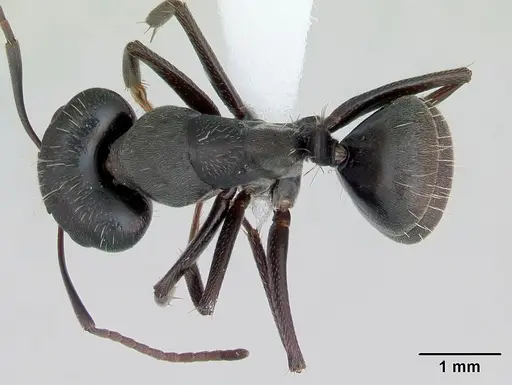
CASENT0173456
View on AntWeb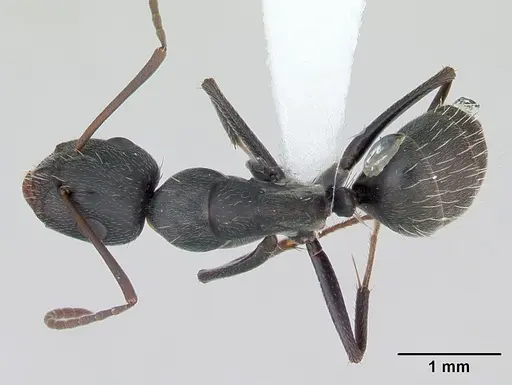
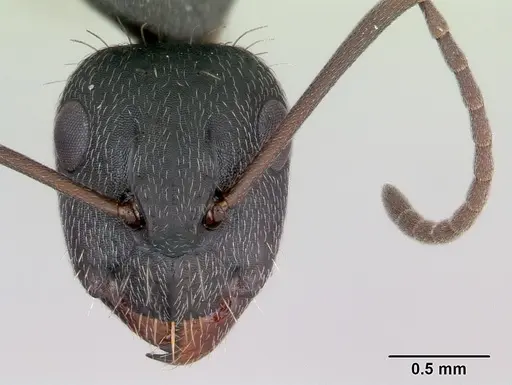
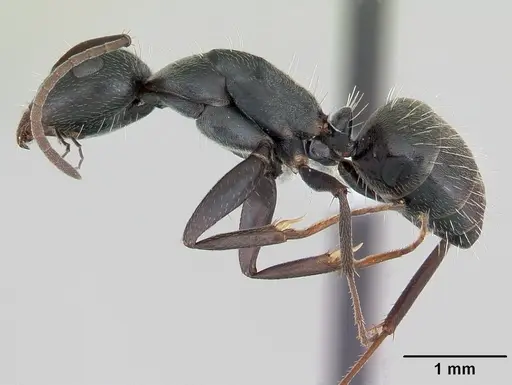
CASENT0905211
View on AntWeb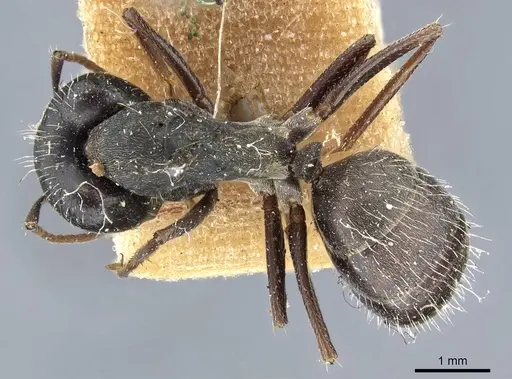
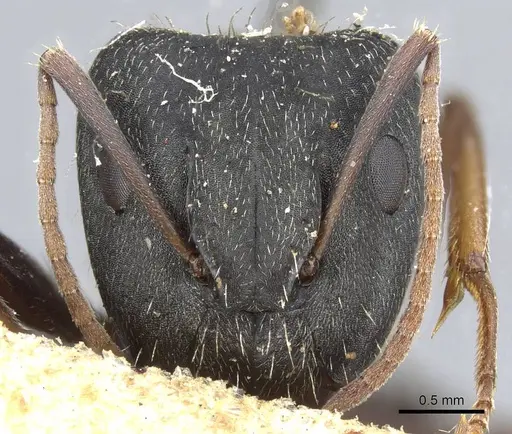
CASENT0905212
View on AntWeb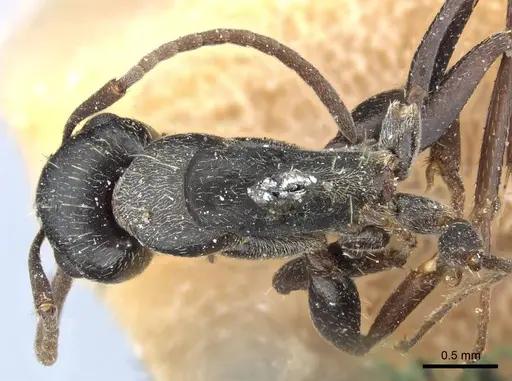
CASENT0912030
View on AntWeb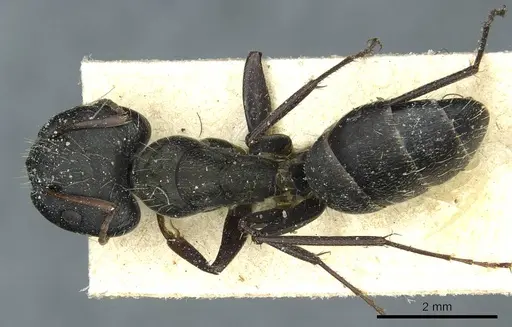
CASENT0912031
View on AntWeb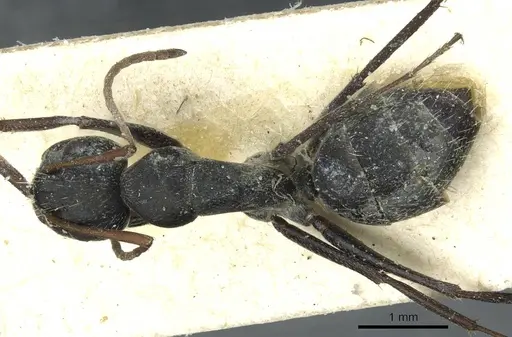
CASENT0912032
View on AntWeb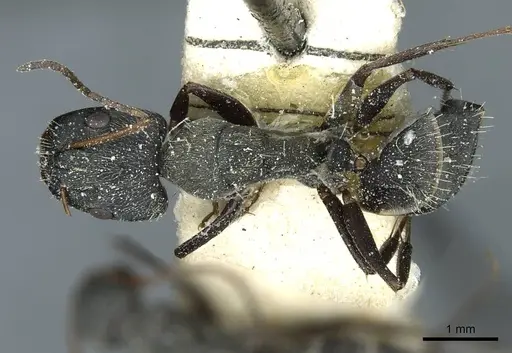
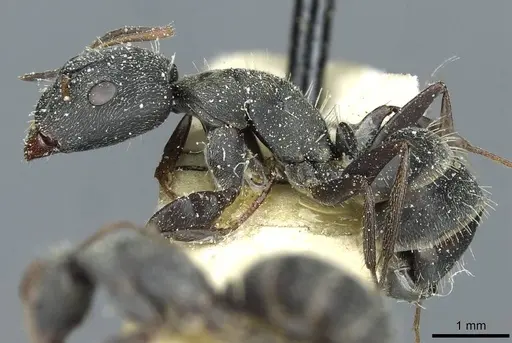
CASENT0912033
View on AntWeb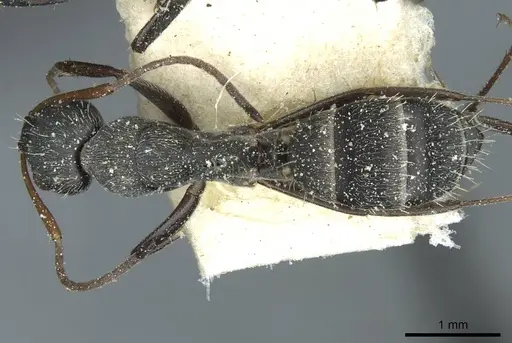
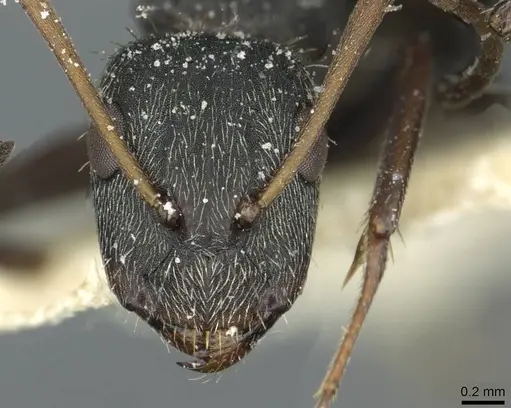
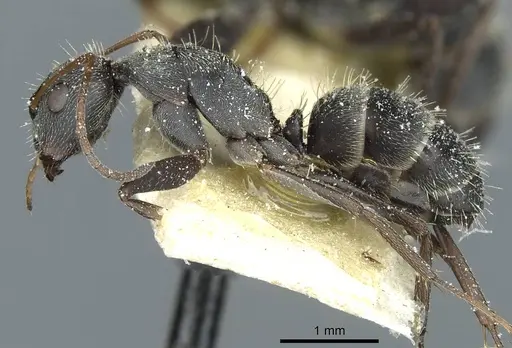
CASENT0923557
View on AntWeb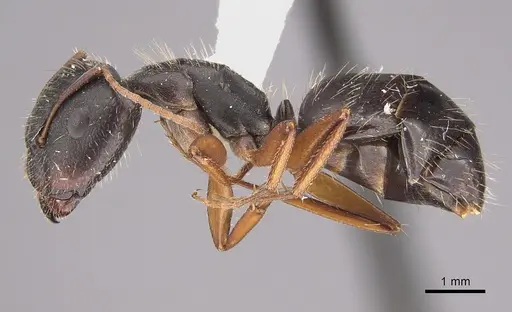
Literature
Loading distribution map...Loading products...