
Camponotus somalinus
- Sci. Name
- Camponotus somalinus
- Subgenus
- Tanaemyrmex
- Tribe
- Camponotini
- Subfamily
- Formicinae
- Author
- André, 1887
- Distribution
- Found in 3 countries
Introduction
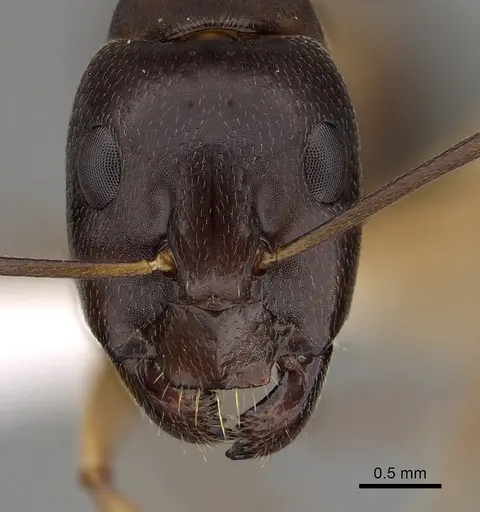
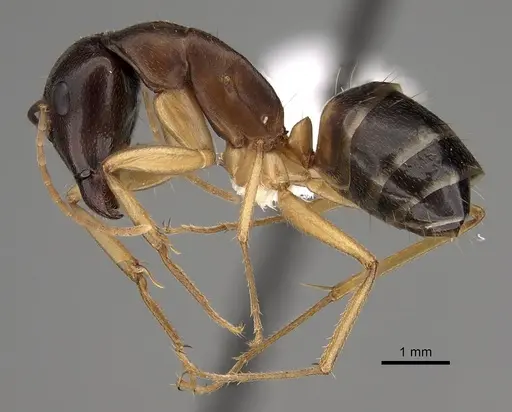
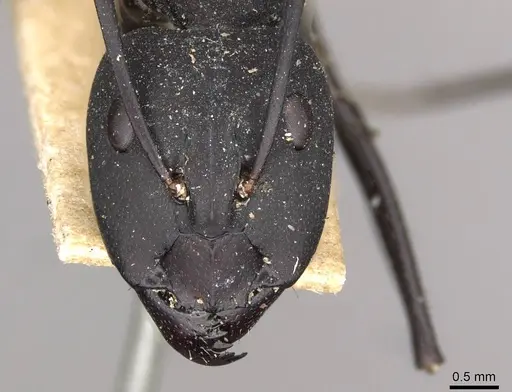
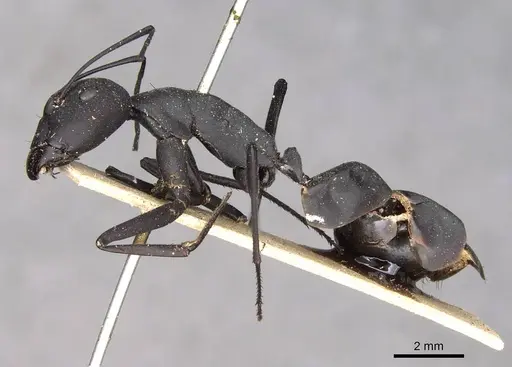
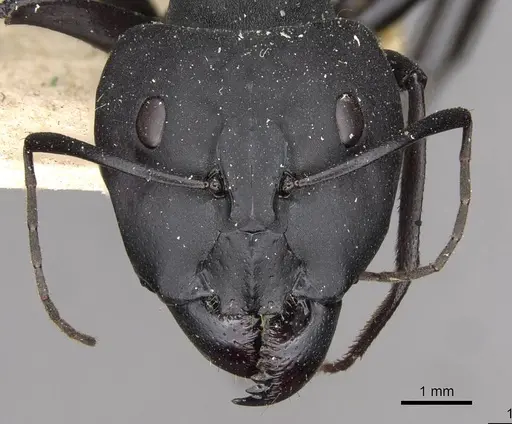
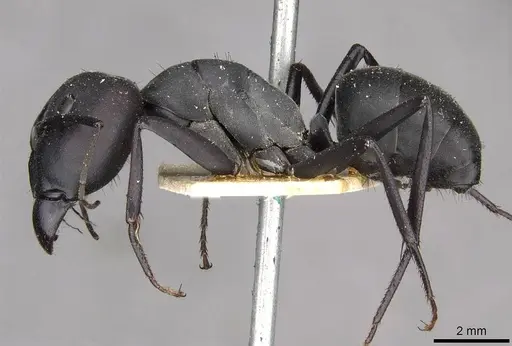
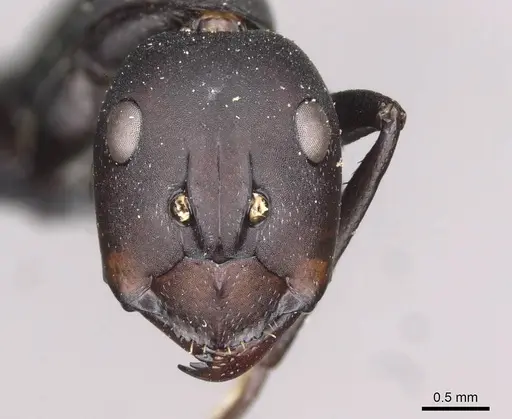
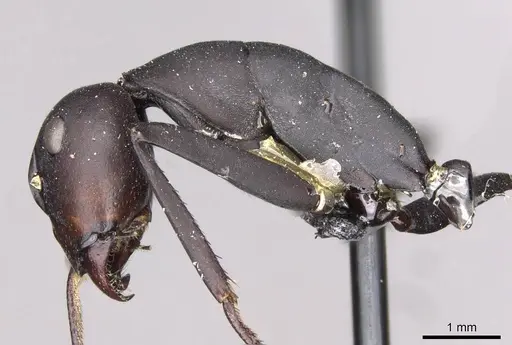
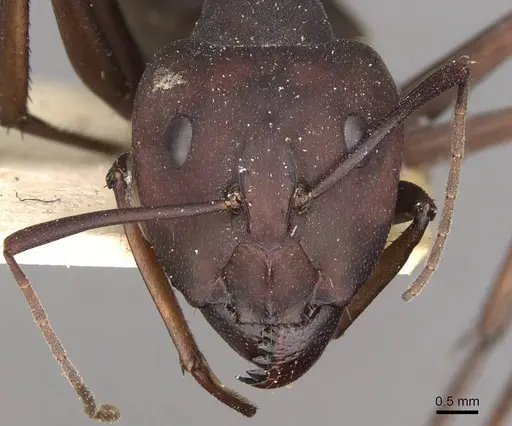
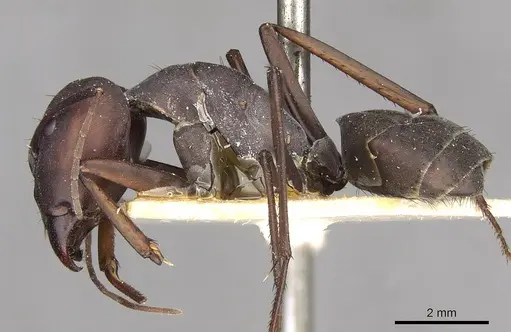
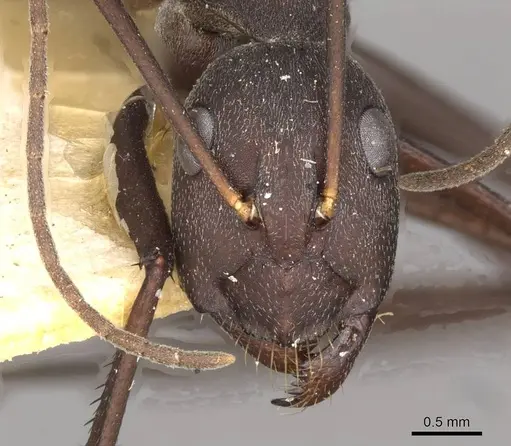
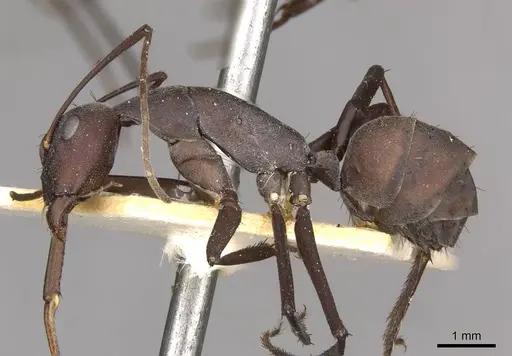
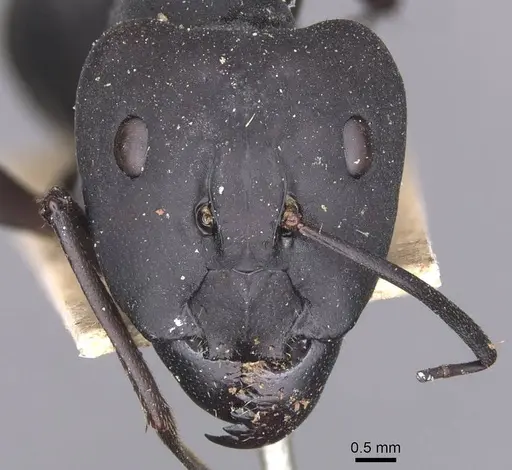
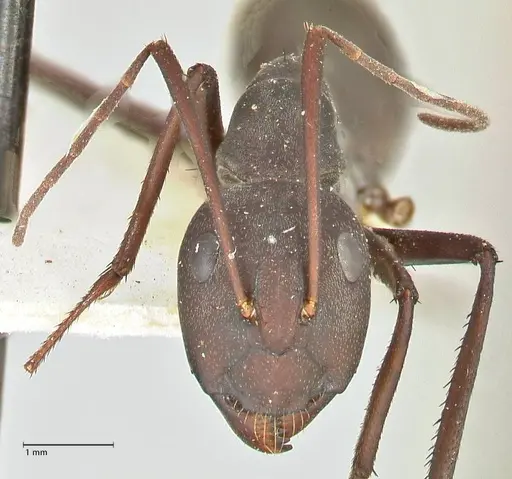
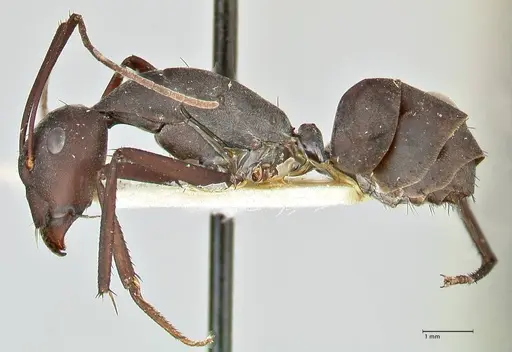
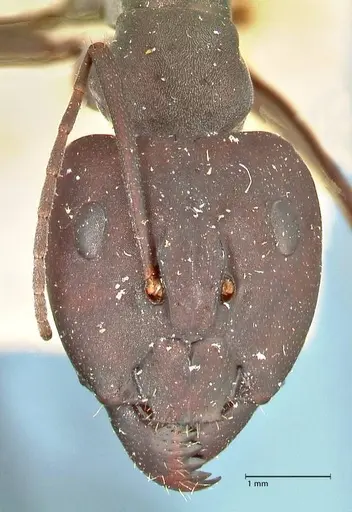
Camponotus somalinus is a black ant species native to East Africa and the Arabian Peninsula. Workers are polymorphic with major workers being significantly larger than minors, typical of Camponotus. This species can be identified by its dense body pilosity - it has 8-12 hairs on the ventral head compared to the similar Camponotus fellah which has only 2-4 . The species is found across Eritrea, Kenya, Somalia, Ethiopia, Tanzania, Yemen, and Oman . This is a large Camponotus species adapted to arid to semi-arid environments. As a member of the subfamily Formicinae, they lack a stinger but can spray formic acid as a defense from their acidopore. They are ground-nesting ants that establish colonies in soil or under stones.
Quick Summary
- Difficulty: Medium
- Origin & Habitat: East Africa and Arabian Peninsula, found in Eritrea, Kenya, Somalia, Ethiopia, Tanzania, Yemen, and Oman. Inhabits arid to semi-arid environments, typically nesting under stones or in soil [2][3][1].
- Colony Type: Likely monogyne based on typical Camponotus colony structure.
- Size & Growth:
- Queen: size data unavailable, inferred from Camponotus genus as approximately 14-18mm
- Worker: minor workers approximately 5-8mm, major workers approximately 10-15mm, inferred from Camponotus genus patterns
- Colony: up to several thousand workers at maturity, estimated from Camponotus genus patterns
- Growth: Moderate
- Development: 6-8 weeks at optimal temperature (Development time varies with temperature, warmer conditions accelerate development)
- Antkeeping:
- Temperature: Keep nest area at 24-28°C. Based on their East African origin, they prefer warm conditions.
- Humidity: Low to moderate, these are arid-adapted ants. Keep nest substrate slightly moist but allow to dry between waterings.
- Diapause: No true hibernation required. African species may have reduced activity during cooler months but do not enter diapause.
- Nesting: Y-tong (AAC) nests work well for this larger species. Plaster nests with channels scaled to their size are also suitable. Provide a dry nest chamber with some moisture available.
- Behavior: Typical Camponotus temperament, generally calm and not aggressive unless provoked. Workers are active foragers that search for sugar sources and protein. Major workers have large heads for seed processing and defense. They are moderate escape artists due to their size, standard barriers work well but ensure lids fit tightly.
- Common Issues: queen loss during founding is common, claustral queens seal themselves in and may fail if disturbed or if conditions are unstable, overheating is a risk, while they need warmth, direct heat or temperatures above 32°C can kill colonies, excessive humidity causes mold problems, these arid-adapted ants prefer drier conditions than many tropical species, colonies grow slowly initially, beginners may lose patience before first workers arrive, major workers can deliver painful bites, use caution when servicing nests
Nest Preferences
Camponotus somalinus naturally nests in soil or under stones in arid environments. In captivity, Y-tong (AAC) nests work excellently for this species, the clear walls let you observe colony development while the material provides appropriate humidity control. Plaster nests are also suitable. For founding colonies, a simple test tube setup with a cotton ball for water works well. Once the colony reaches 15-20 workers, you can move them to a formicarium. The nest chamber should be dark and dry, these ants prefer drier conditions than many ant species. An outworld for foraging should be connected to allow workers to search for food. [1]
Feeding and Diet
Camponotus somalinus is omnivorous like most Camponotus species. They readily accept sugar sources, honey water, sugar water, or commercial ant nectar should be available at all times. For protein, offer insects like mealworms, crickets, or other appropriately sized prey. Major workers can handle larger prey items. Feed protein 2-3 times per week, and keep sugar available constantly. Remove uneaten prey after 24 hours to prevent mold. These ants are daytime foragers, so offer food during daylight hours for best acceptance.
Temperature and Care
As an East African species, Camponotus somalinus prefers warm conditions. Keep the nest area at 24-28°C for optimal brood development. A heating cable placed on top of the nest helps maintain warmth. Room temperature around 22-24°C is acceptable if your home runs that warm. Avoid temperatures above 32°C as this can stress or kill colonies. Unlike temperate species, they do not require hibernation or winter cooling. Maintain stable temperatures, avoid drafts and rapid fluctuations. These ants are adaptable but perform best with consistent warmth.
Behavior and Temperament
This species has a typical Camponotus temperament, generally docile and calm. Workers are not aggressive and will typically retreat rather than attack when disturbed. However, major workers can deliver a painful bite if handled roughly or if the nest is threatened. They are diurnal foragers, actively searching for food during daylight hours. Workers communicate through chemical trails and will recruit nestmates to good food sources. The colony becomes more active and visible as it grows, with major workers often patrolling the outworld.
Colony Founding
Camponotus somalinus follows typical claustral founding. The mated queen seals herself into a small chamber and remains inside, living entirely on her stored fat reserves while laying eggs and raising the first brood. She does not leave to forage during this period. The eggs develop into larvae, then pupae, and finally emerge as nanitic (first) workers. This process typically takes 6-8 weeks at warm temperatures. The queen may appear inactive during this time, this is normal. Do not disturb a founding queen as this can cause her to abandon or eat her brood. Once nanitics emerge, they will begin foraging for food to feed the queen and develop the colony.
Growth and Development
Colony growth follows the typical Camponotus pattern. The first brood develops into nanitic workers, these are typically smaller than normal workers due to limited nutrition. Once workers emerge, they take over foraging and brood care, allowing the colony to grow faster. Subsequent broods develop into normal-sized workers. The colony will grow slowly at first but accelerates as the worker population increases. A mature colony can reach several thousand workers over several years. Growth rate depends heavily on temperature and feeding, warmer conditions and consistent protein accelerate development.
Frequently Asked Questions
How long does it take for Camponotus somalinus to have first workers?
Expect first workers (nanitics) in 6-8 weeks after the queen lays eggs, assuming temperatures around 24-28°C. This is typical for Camponotus species. The queen is claustral, she seals herself in and raises the first brood alone without foraging.
What do Camponotus somalinus ants eat?
They are omnivorous. Keep sugar water, honey water, or ant nectar available at all times. Feed protein sources like mealworms, crickets, or other insects 2-3 times per week. Major workers can handle larger prey items.
Are Camponotus somalinus good for beginners?
They are medium difficulty. The main challenges are providing appropriate warmth without overheating, maintaining lower humidity than tropical species, and being patient through the slow founding stage. They are more forgiving than some species but do require attention to temperature and humidity.
What temperature do Camponotus somalinus need?
Keep the nest at 24-28°C. They are from East Africa and prefer warm conditions. A heating cable on top of the nest helps maintain warmth. Avoid temperatures above 32°C.
Do Camponotus somalinus need hibernation?
No. As an African species, they do not require hibernation or winter cooling. Keep them at stable warm temperatures year-round. They may have reduced activity during cooler periods but do not enter true diapause.
How big do Camponotus somalinus colonies get?
At maturity, colonies can reach several thousand workers. Growth is slow initially but accelerates as the worker population increases. Expect 2-3 years to reach a large colony.
Can I keep multiple Camponotus somalinus queens together?
Not recommended. This species is likely monogyne (single queen). Combining unrelated queens has not been studied and queens typically fight. If you obtain a colony, it will have one queen.
What humidity do Camponotus somalinus need?
Low to moderate. These are arid-adapted ants that prefer drier conditions. Keep the nest substrate slightly moist but allow it to dry between waterings. Avoid the constant dampness suitable for tropical species.
When should I move Camponotus somalinus to a formicarium?
Wait until the colony has 15-20 workers. Before that, a test tube setup works fine for founding colonies. Once they outgrow the test tube or you see workers spending more time in the outworld, transfer to a formicarium with appropriate-sized chambers.
Why is my Camponotus somalinus queen not laying eggs?
Several factors can affect egg-laying: temperatures below 24°C slow or stop reproduction, disturbance during founding can cause stress, and insufficient nutrition after workers emerge can reduce egg production. Ensure warm temperatures, minimal disturbance, and good food availability. Queens can take time to establish and begin laying.
Are Camponotus somalinus escape artists?
Moderate escape risk. They are larger ants so standard barrier methods work well. However, ensure lids fit tightly and any connections between nest and outworld are secure. They are not as small as some species but can still find gaps.
Report an Issue
The current care sheet is based fully on literature. See inconsistencies, or something that's incorrect? Please , it will be resolved after review from an admin. Contributing to the blogs tab also helps providing information, to make us be able to further improve the caresheets. Thank you for your support!
References

This caresheet is licensed under CC BY-SA 4.0 .
Community Blogs
CASENT0280287
View on AntWeb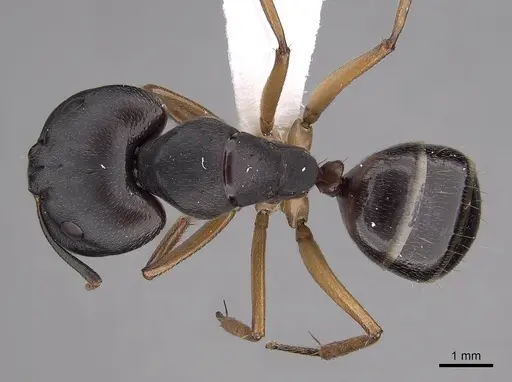
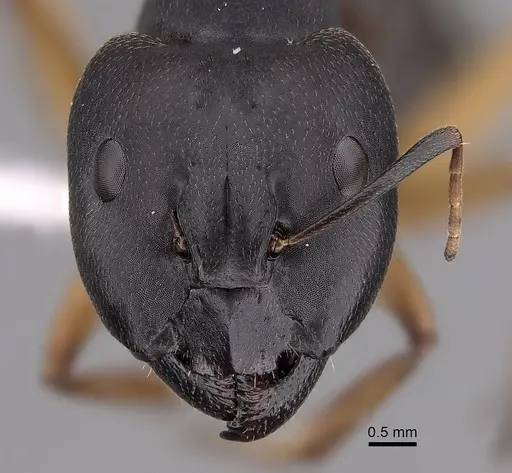
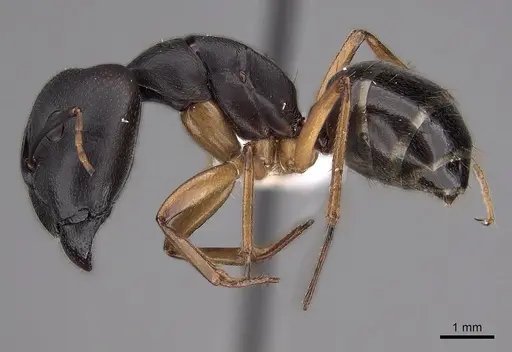
CASENT0280288
View on AntWeb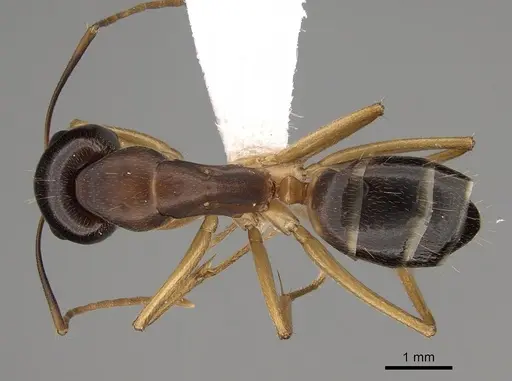
CASENT0910271
View on AntWeb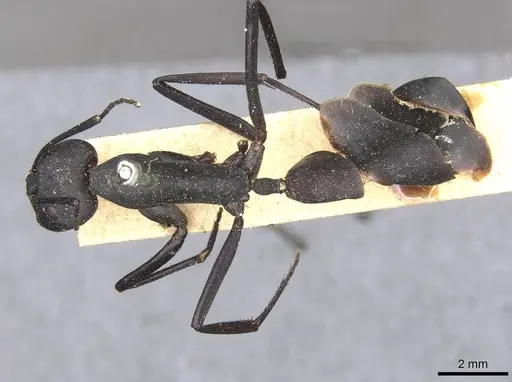
CASENT0910272
View on AntWeb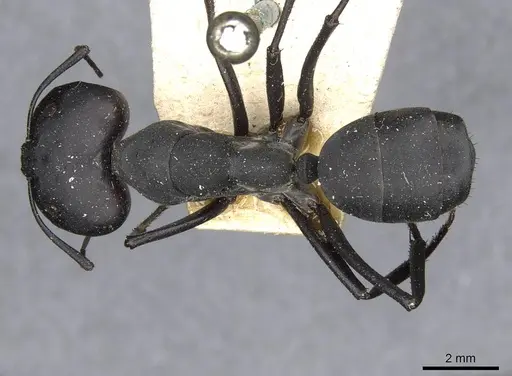
CASENT0910273
View on AntWeb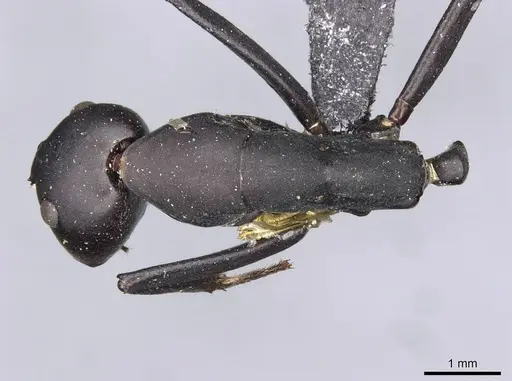
CASENT0910274
View on AntWeb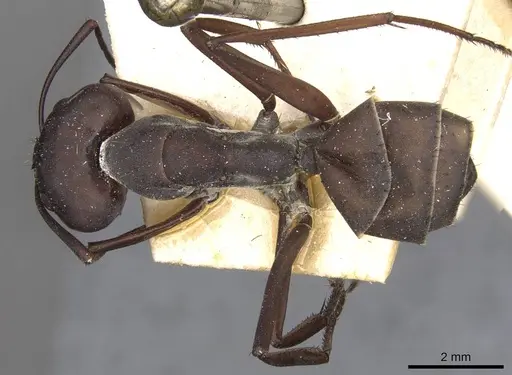
CASENT0910275
View on AntWeb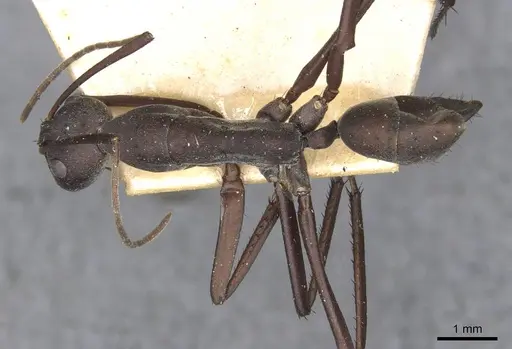
CASENT0913692
View on AntWeb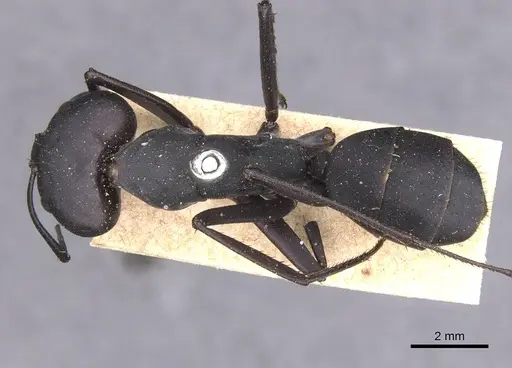
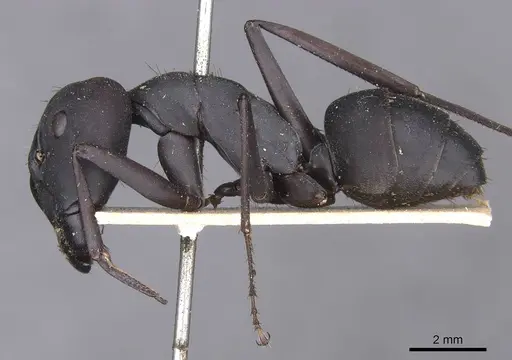
CASENT0913693
View on AntWeb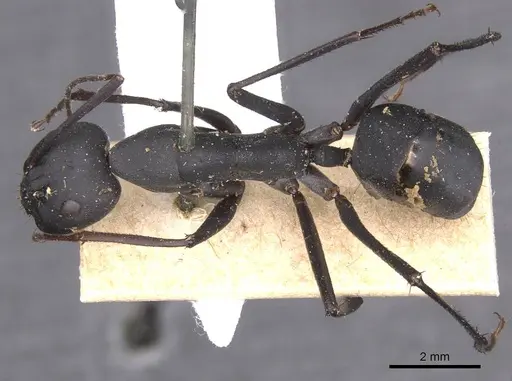
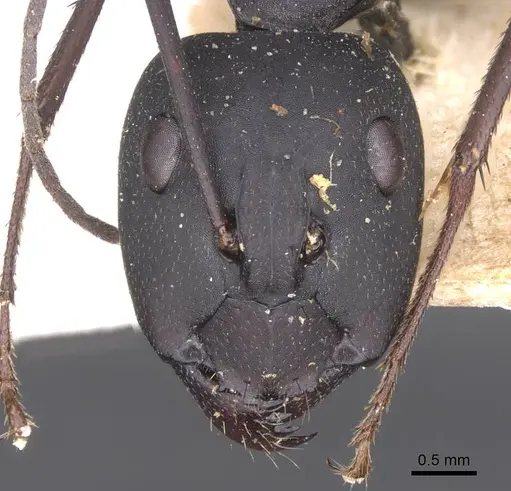
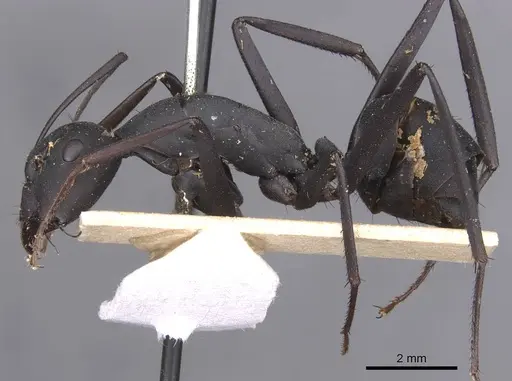
FOCOL2434
View on AntWeb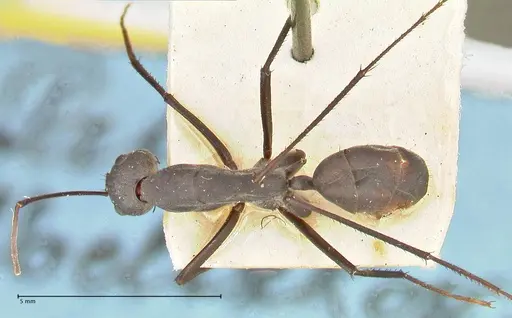
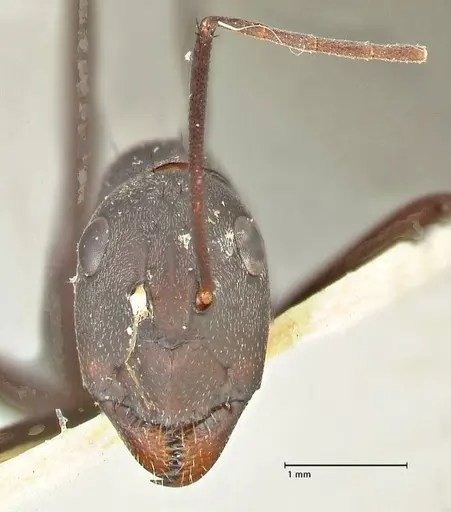
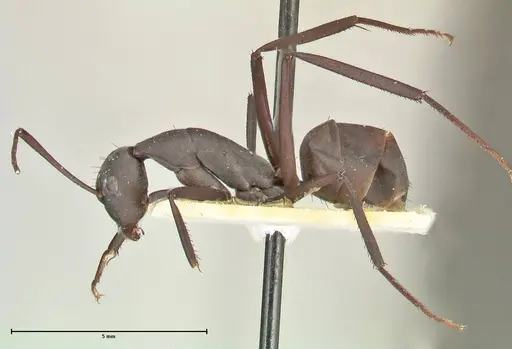
FOCOL2435
View on AntWeb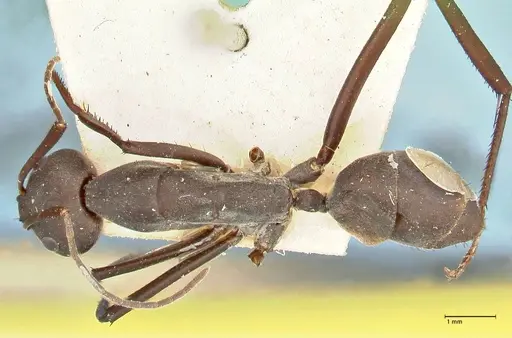
FOCOL2436
View on AntWeb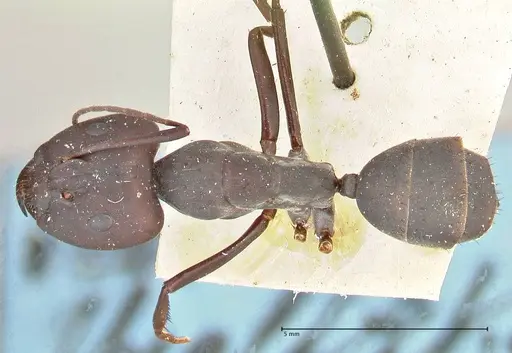
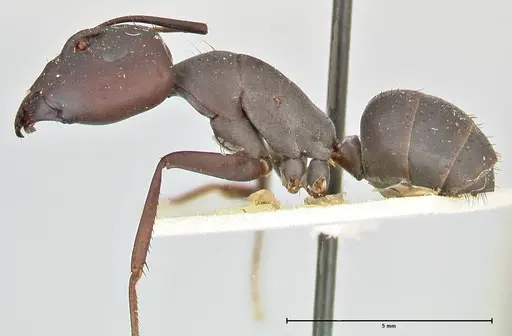
FOCOL2437
View on AntWeb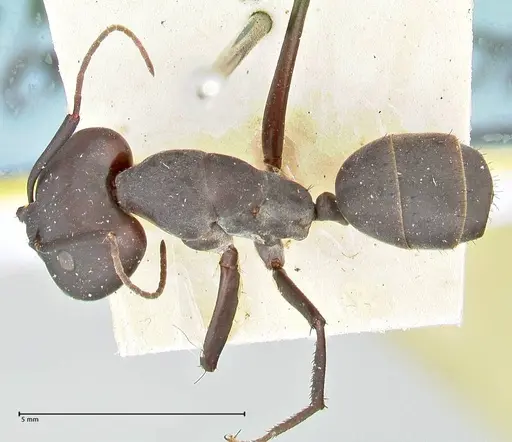
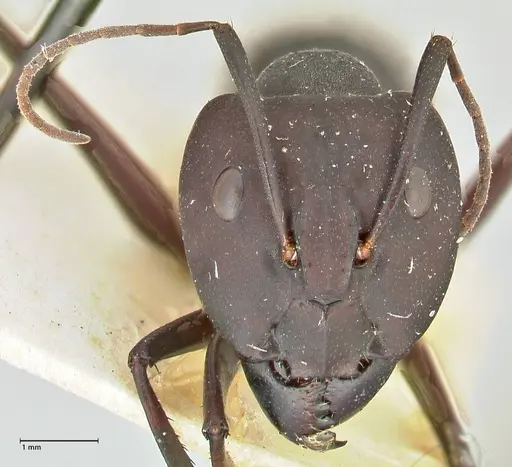
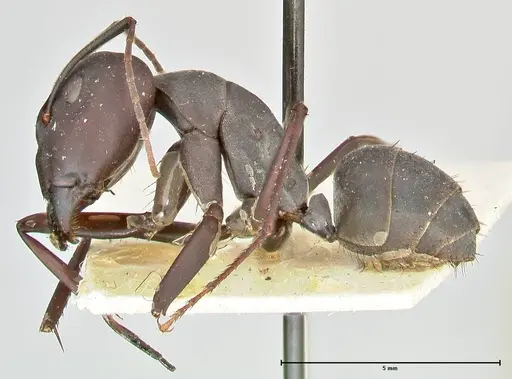
Literature
Loading distribution map...Loading products...