
Camponotus raphaelis
- Sci. Name
- Camponotus raphaelis
- Subgenus
- Myrmocladoecus
- Tribe
- Camponotini
- Subfamily
- Formicinae
- Author
- Forel, 1899
- Distribution
- Found in 4 countries
Introduction
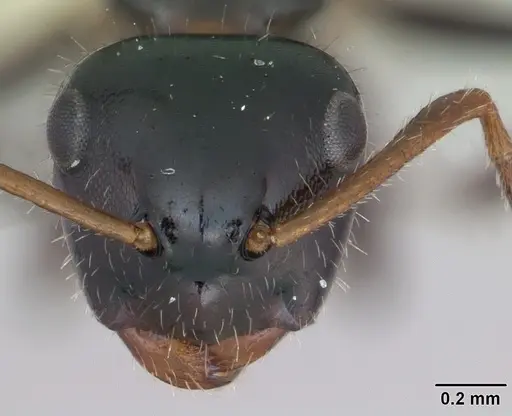
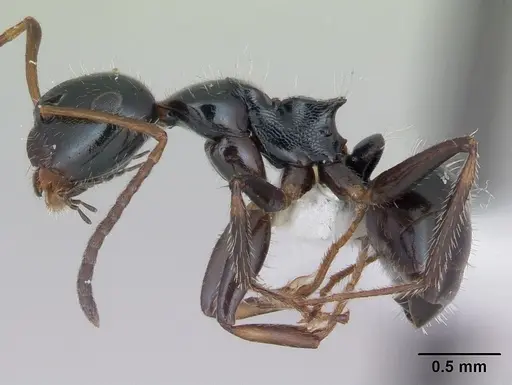
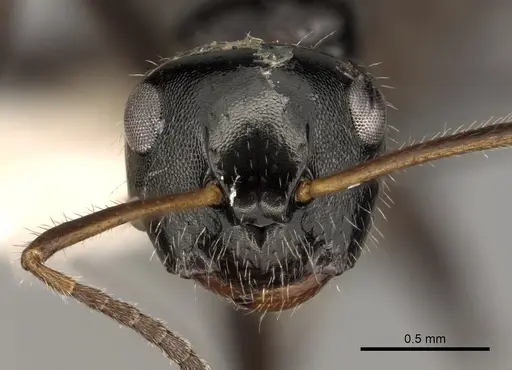
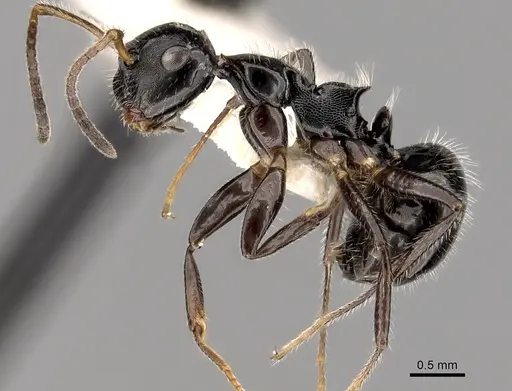
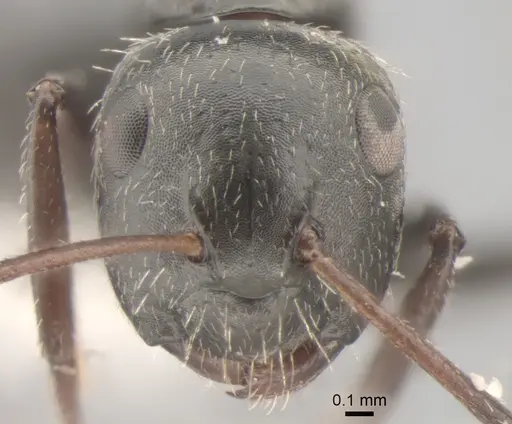
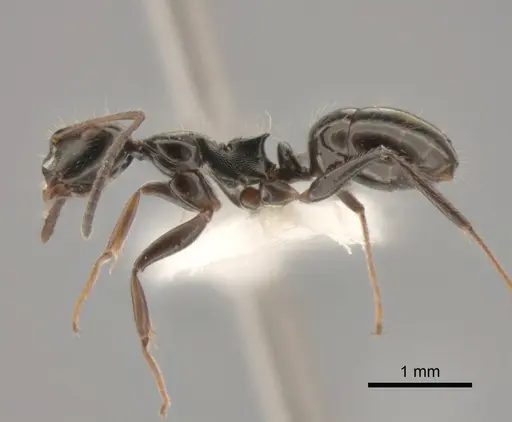
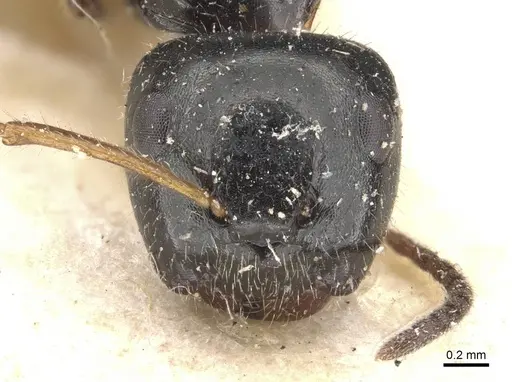
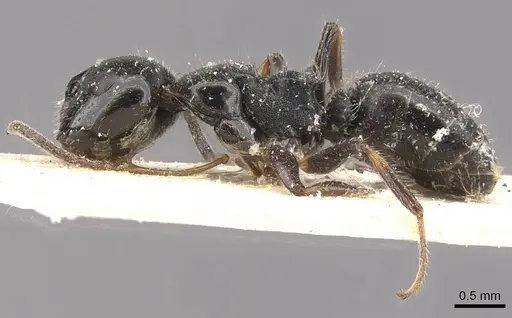
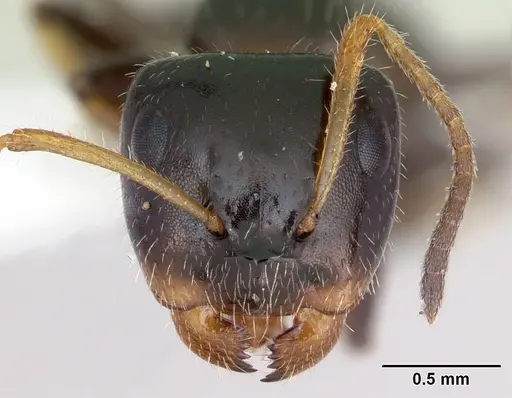
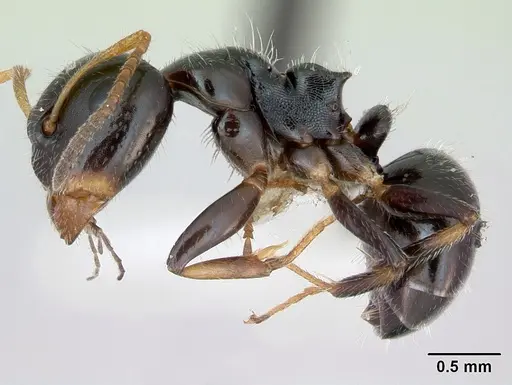
Camponotus raphaelis is a small Neotropical carpenter ant found from Mexico through Costa Rica, Guatemala, and Honduras into Colombia . Workers measure 3.5-4.4 mm, making them smaller than many other Camponotus species . They belong to the subgenus Myrmocladoecus and have a striking color pattern: mostly black with yellowish-red mandibles, scapes, base of funicles, tibiae, femoral rings, and tarsi . A deep notch between the mesonotum and metanotum, along with distinctive metanotal teeth, sets them apart from related species . In Colombia they have been recorded at around 980 m elevation in the Cañón del Porce region .
Quick Summary
- Difficulty: Medium
- Origin & Habitat: Neotropical Central America, recorded in Costa Rica, Guatemala, Honduras, Mexico, and Colombia [2][1]. In Colombia, found at 980 m elevation in Cañón del Porce [4]. Likely inhabits humid forests based on the tropical range and subgenus.
- Colony Type: Likely monogyne (single queen) based on typical Camponotus patterns, but this has not been directly documented for this species.
- Size & Growth:
- Queen: Size data unavailable, no queen measurements have been published for this species.
- Worker: 3.5-4.4 mm [3]
- Colony: Unknown, based on similar small Camponotus species, likely up to several hundred workers.
- Growth: Moderate, inferred from typical Camponotus development.
- Development: 6-10 weeks (estimated from typical Camponotus development at 24-28°C, no direct data for this species) (Development time depends on temperature and humidity. No species-specific data exists.)
- Antkeeping:
- Temperature: Keep at 24-28°C. As a Neotropical species from Central America, they prefer warm conditions. A heating cable on one side of the nest creates a temperature gradient for self‑regulation.
- Humidity: Moderate to high, keep the nest substrate moist but not waterlogged. Provide some drier areas as well. Based on their tropical origin.
- Diapause: Unlikely, as a Neotropical species from low‑mid elevations, they do not require true hibernation. A slight cool period (20-22°C) in winter is optional but not necessary.
- Nesting: Test tube setups work well for founding colonies. For mature colonies, use Y‑tong (AAC), plaster, or 3D‑printed nests with chambers sized for workers 3.5-4.4 mm. Based on typical Camponotus, they naturally nest in rotting wood.
- Behavior: These ants are relatively docile, typical of Camponotus. They lack a functional sting and defend by biting and spraying formic acid from the acidopore (subfamily Formicinae defense). Workers are active foragers that accept sugar and protein. Their small size means escape prevention should be secure, use fine mesh or tight‑fitting lids.
- Common Issues: small colony size means slow growth, beginners may overfeed and cause mold, wild‑caught colonies can carry parasites that harm captive nests, their small size requires appropriately sized prey, fruit flies, small crickets, not large mealworms, humidity control is important, too dry desiccates brood, too wet encourages mold, this species is rarely available, obtaining a queen usually requires field collection in native range
Housing and Nest Setup
For founding colonies, a simple test tube setup works well: fill a test tube with water, plug it with cotton, and place the queen inside. She will seal herself into a chamber and begin laying eggs (claustral founding). For established colonies, use Y‑tong (AAC), plaster, or 3D‑printed nests with chambers sized for workers 3.5-4.4 mm. Connect the nest to a foraging area via tubing. Escape prevention should be secure, fine mesh or tight‑fitting lids are necessary due to their small size. No specific nesting data exists for this species, so these recommendations are based on general Camponotus care.
Feeding and Diet
Camponotus raphaelis accepts typical ant foods: sugar water, honey, or diluted honey for energy, and protein sources like small insects. Their small size means prey should be appropriately sized, fruit flies, small crickets, or other tiny arthropods work better than large prey. Offer protein twice a week and keep a sugar source constantly available. Fresh fruit can also be offered. Remove uneaten food promptly to prevent mold. No dietary studies have been done on this species, so these recommendations are inferred from related Camponotus.
Temperature and Seasonal Care
As a Neotropical species from Central America, these ants prefer warm conditions. Maintain temperatures between 24-28°C for optimal brood development. A heating cable placed on one side of the nest creates a gradient that allows ants to choose their preferred temperature. Avoid prolonged temperatures below 20°C. Unlike temperate species, they do not require true hibernation, but a slight reduction in winter (to 20-22°C) is optional. No published data exists on their thermal preferences, so these are estimates based on their geographic origin.
Colony Development
After a claustral founding, the queen lays eggs and raises the first brood alone on stored fat reserves. First workers (nanitics) are typically smaller than mature workers. Once workers emerge, they take over foraging and brood care. Growth is moderate, expect 6-10 weeks from egg to first worker at optimal temperature (24-28°C). Colony growth accelerates as worker numbers increase. Patience is necessary, as small colonies can take months to reach significant numbers. These timings are estimated from related Camponotus species, as no species‑specific development data exists.
Frequently Asked Questions
How long does it take for Camponotus raphaelis to produce first workers?
Expect 6-10 weeks from egg to first worker at optimal temperatures (24-28°C). This is estimated from typical Camponotus development, no direct data exists for this species.
What do Camponotus raphaelis eat?
They accept sugar sources (honey, sugar water) and protein (small insects). Due to their small size (workers 3.5-4.4 mm), offer appropriately sized prey like fruit flies or tiny crickets.
What temperature do Camponotus raphaelis need?
Keep them at 24-28°C. As a Neotropical species, they prefer warm conditions. A heating cable on part of the nest creates a beneficial gradient.
Are Camponotus raphaelis good for beginners?
They are rated as Medium difficulty. While not as demanding as some species, their slow growth and small size require some ant‑keeping experience. They are also hard to find outside their native range.
How big do Camponotus raphaelis colonies get?
Colony size is undocumented. Based on similar small Camponotus species, they likely reach up to several hundred workers.
Do Camponotus raphaelis need hibernation?
Unlikely, as a Neotropical species, they do not require true hibernation. A slight temperature reduction in winter (to 20-22°C) is optional but not necessary.
What size nest do Camponotus raphaelis need?
Use nests with chambers sized for their small worker size (3.5-4.4 mm). Y‑tong (AAC), plaster, or 3D‑printed nests work well. Test tubes are suitable for founding colonies.
Where is Camponotus raphaelis found?
They range from Mexico through Costa Rica, Guatemala, Honduras, and into Colombia. In Colombia, they've been found at around 980 m elevation in the Cañón del Porce region [4][1].
How do I start a Camponotus raphaelis colony?
You need a mated queen (likely claustral). Place her in a test tube setup with a water reservoir. She will lay eggs and raise the first brood without foraging. Do not disturb her during the founding phase.
Report an Issue
The current care sheet is based fully on literature. See inconsistencies, or something that's incorrect? Please , it will be resolved after review from an admin. Contributing to the blogs tab also helps providing information, to make us be able to further improve the caresheets. Thank you for your support!
References

This caresheet is licensed under CC BY-SA 4.0 .
Community Blogs
CASENT0173558
View on AntWeb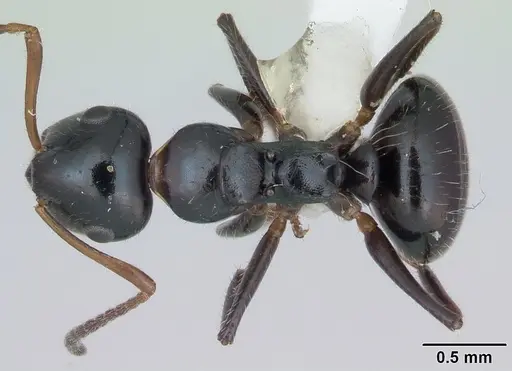
CASENT0280143
View on AntWeb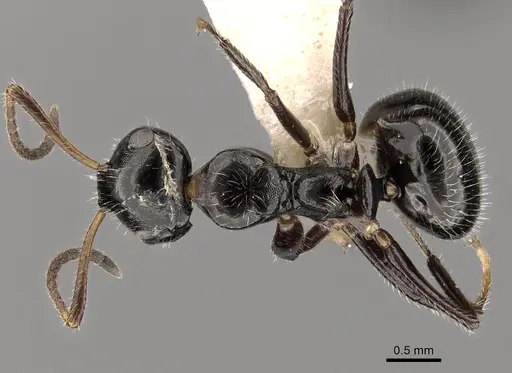
CASENT0882308
View on AntWeb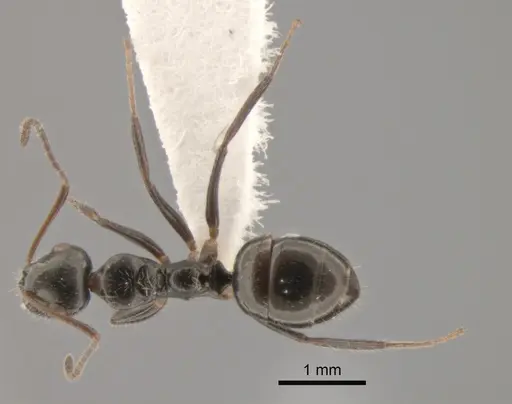
CASENT0910742
View on AntWeb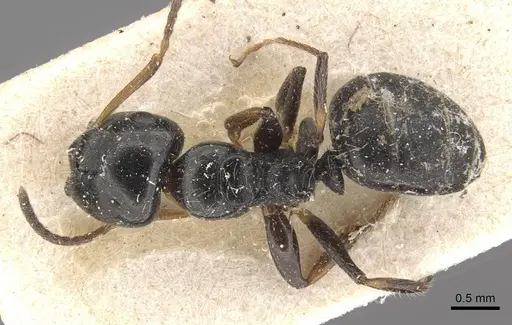
CASENT0923547
View on AntWeb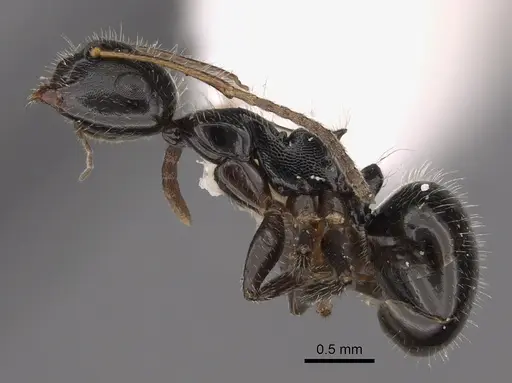
INBIOCRI001254189
View on AntWeb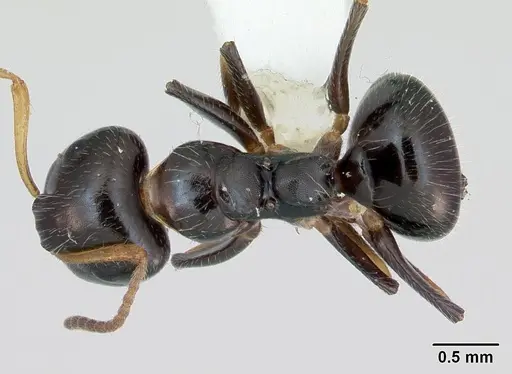
Literature
Loading distribution map...Loading products...