
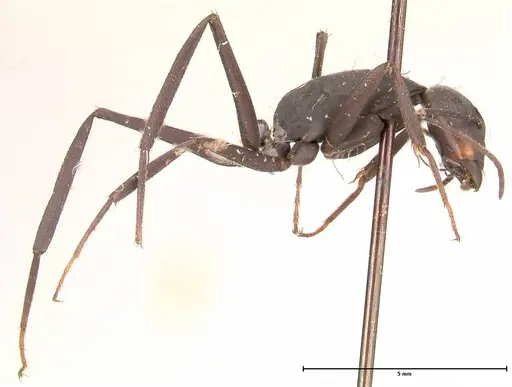
Peters' Longleg Sugar Ant
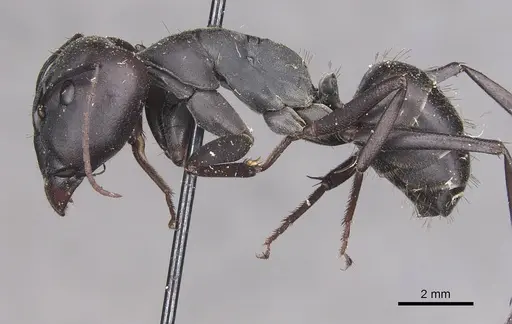
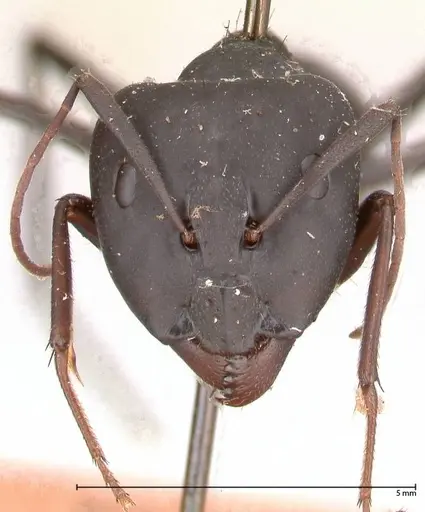
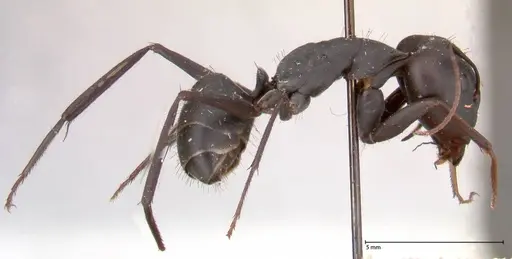
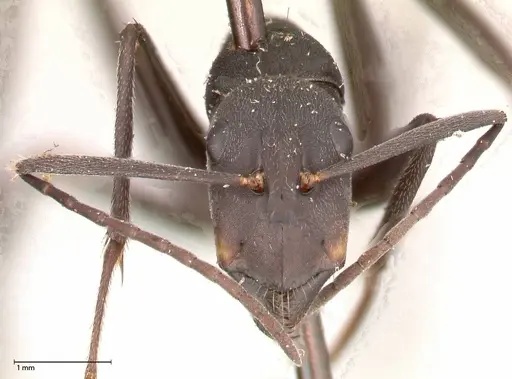
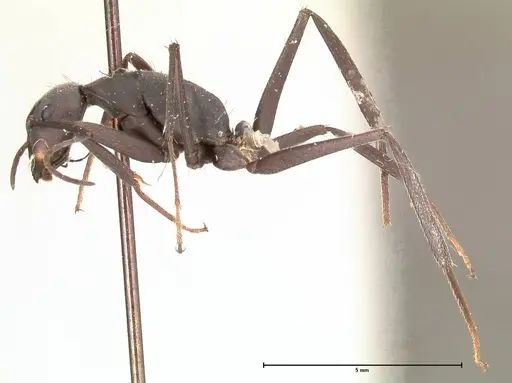
Camponotus petersii
- Sci. Name
- Camponotus petersii
- Subgenus
- Myrmosericus
- Tribe
- Camponotini
- Subfamily
- Formicinae
- Author
- Emery, 1895
- Common Name
- Peters' Longleg Sugar Ant
- Distribution
- Found in 5 countries
Introduction
Camponotus petersii (Peters' Longleg Sugar Ant) is an ant speciesof the genusCamponotus , belonging to the subfamily Formicinae and tribe Camponotini . It is documented in 5 countries , including Botswana, Eswatini, Tanzania . This species has Monogynous colony traits.
Frequently Asked Questions
How long does it take for a Camponotus petersii queen to get her first workers?
Patience is key with these beauties! After a C. petersii queen lays her first batch of eggs, it typically takes about 7 to 10 weeks for those first little workers, often called nanitics, to emerge. This includes the entire journey from egg to larva, then pupa, and finally to an adult worker. It’s a slow but incredibly rewarding process to witness.
What should I feed my Camponotus petersii colony?
These ants are omnivores, so a balanced diet is crucial. For sugary treats, they absolutely love honey, sugar water, or even fruit nectar. For protein, which is essential for the queen and growing brood, offer small insects like fruit flies, crickets, or mealworms. Remember to remove any uneaten food promptly from the outworld to keep things clean and prevent mold.
Do Camponotus petersii ants need hibernation?
While C. petersii originates from warmer African climates and might not need a deep, cold hibernation like some temperate Camponotus species, a 'rest period' is highly recommended. This typically involves lowering their temperature slightly to around 18-22°C (64-72°F) for about 2 to 3 months. It helps them conserve energy and prepares the colony for robust growth in the next active season.
What kind of nest is best for Camponotus petersii?
Given their 'carpenter ant' nature, they’re quite adaptable. Acrylic or plaster formicariums with a hydration gradient work well, allowing them to choose their preferred humidity. You can also use setups that mimic their natural wood-nesting habits, as long as appropriate moisture levels can be maintained. The key is providing a diverse environment where they can thermoregulate and hydrate as needed.
Are Camponotus petersii aggressive?
Generally, C. petersii are not overly aggressive towards ant keepers during routine observations. However, if their nest is disturbed or they feel threatened, they can deliver a noticeable bite and may spray formic acid. They are quite aggressive towards prey and will efficiently dispatch insects offered in their outworld. Always handle them with care and ensure your setup has effective escape prevention.
Why is my Camponotus petersii colony growing so slowly?
Slow growth, especially in the first year, is very typical for most Camponotus species, including C. petersii. These are larger ants, and their development from egg to adult worker takes longer. Additionally, queens often lay eggs in batches rather than continuously. Ensuring optimal temperatures (24-28°C) and a consistent supply of both protein and sugar will help maximize their growth rate, but patience truly is a virtue with these colonies.
Can Camponotus petersii queens eat their brood?
Yes, unfortunately, a stressed or disturbed queen might consume her eggs or larvae. This is a natural, albeit disheartening, response to perceived danger or insufficient resources. To prevent this, minimize disturbances during the founding stage, keep her in a dark, stable environment, and ensure she has access to adequate moisture.
Do Camponotus petersii workers sting?
No, Camponotus petersii workers do not possess a sting. Instead, they defend themselves by biting and spraying formic acid, which can be irritating. This is a common defense mechanism among many Formicinae subfamily ants.
How often should I feed my Camponotus petersii colony?
A good general rule is to offer food every 2-3 days, adjusting the quantity based on your colony's size and consumption. Younger colonies with fewer workers will need less frequent feeding than established colonies with hundreds or thousands of foragers. Always remove uneaten food to maintain hygiene and prevent mold.
What is the lifespan of a Camponotus petersii queen and workers?
Camponotus queens are known for their impressive longevity; a C. petersii queen can potentially live for 10-15 years, becoming a true matriarch of her expansive colony. Workers have a shorter lifespan, typically living for 1 to 3 years, depending on their caste and the demands of the colony.

This caresheet is licensed under CC BY-SA 4.0 .
Community Blogs
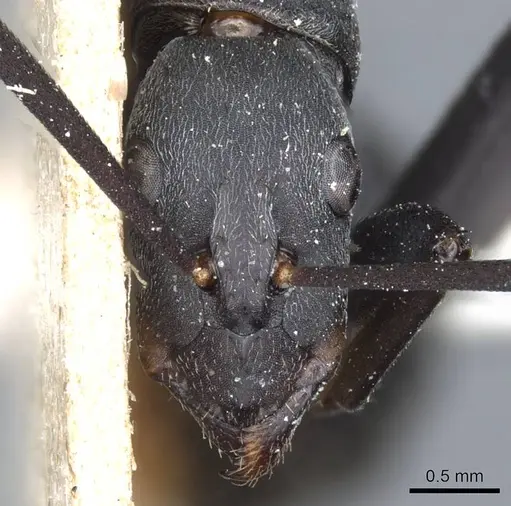
CASENT0235835
View on AntWeb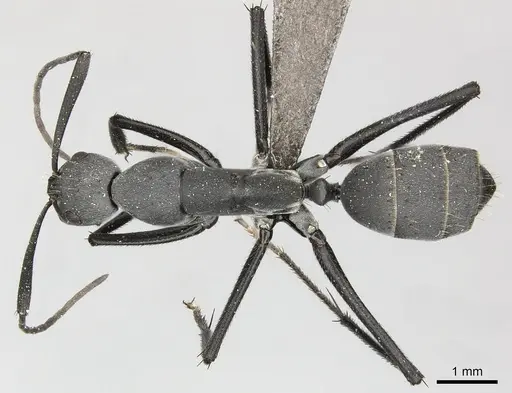
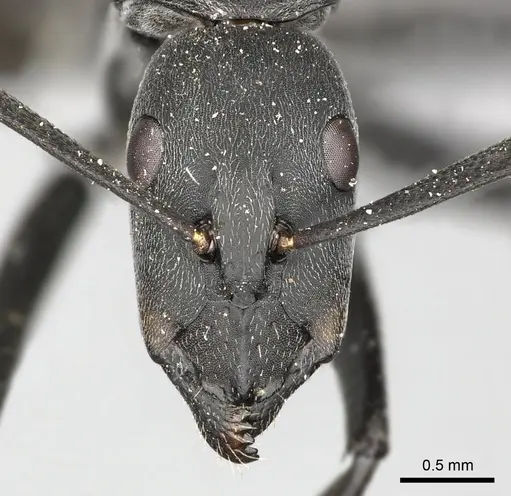
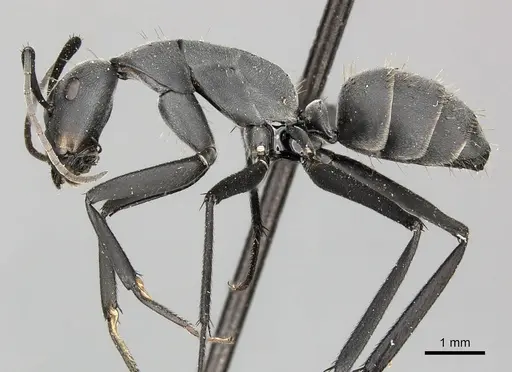
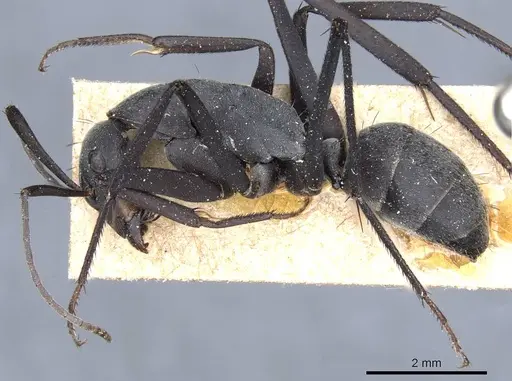
CASENT0905363
View on AntWeb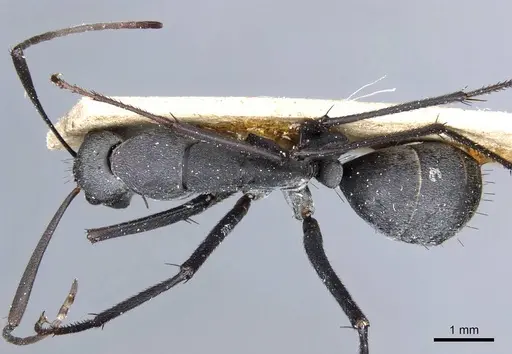
CASENT0910319
View on AntWeb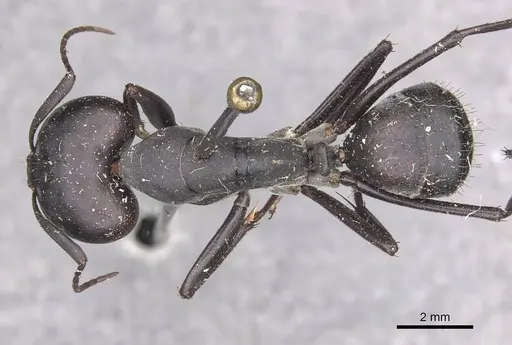
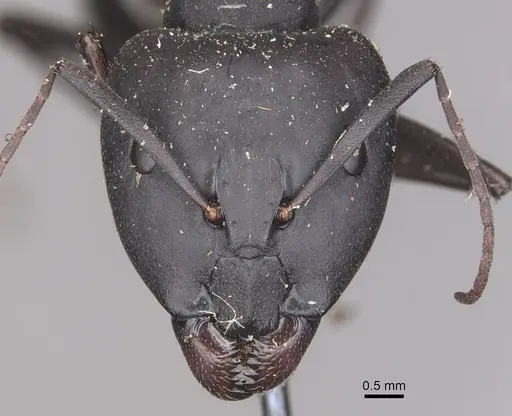
FOCOL0562
View on AntWeb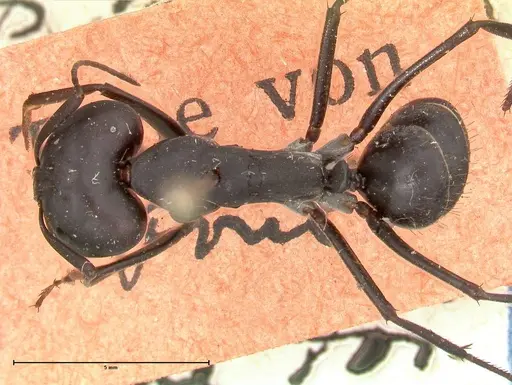
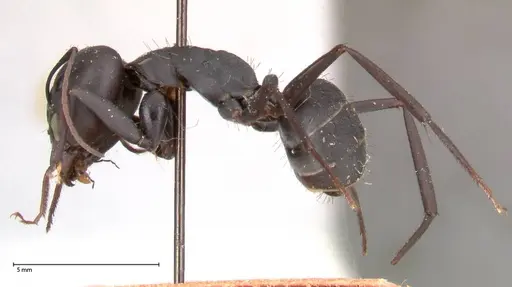
FOCOL0563
View on AntWeb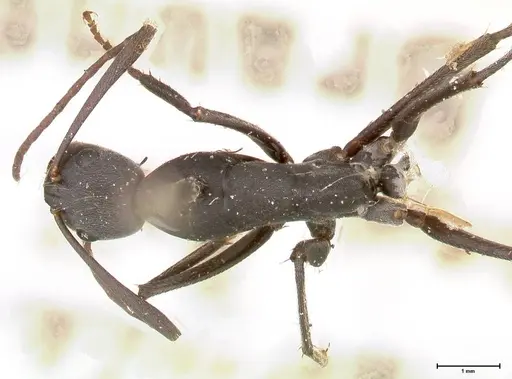
Literature
Loading distribution map...Loading products...