
Camponotus pellitus
- Sci. Name
- Camponotus pellitus
- Subgenus
- Myrmaphaenus
- Tribe
- Camponotini
- Subfamily
- Formicinae
- Author
- Mayr, 1862
- Distribution
- Found in 2 countries
Introduction
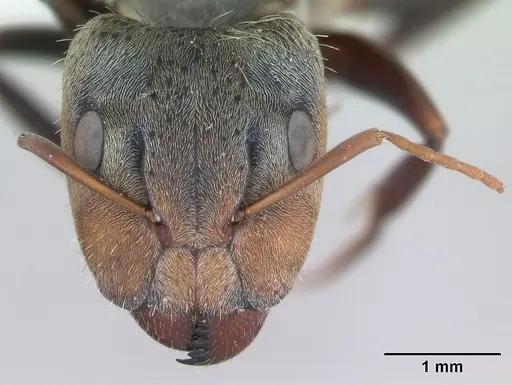
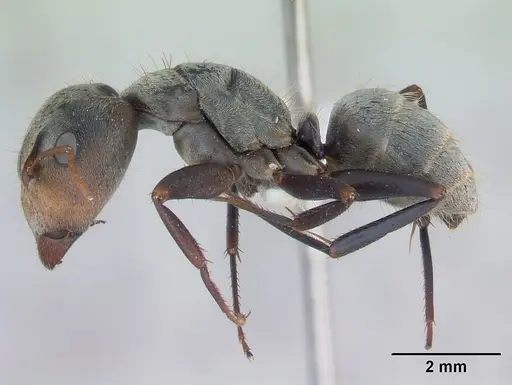
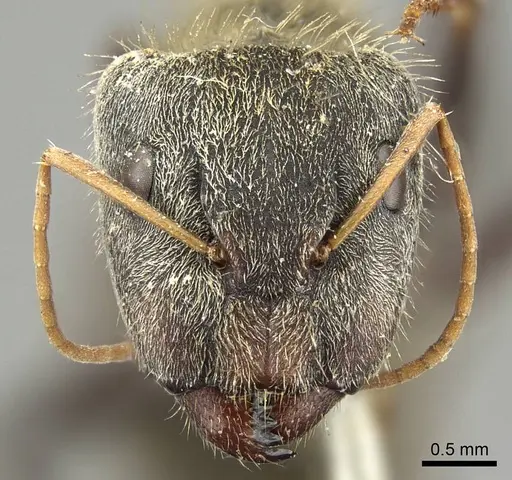
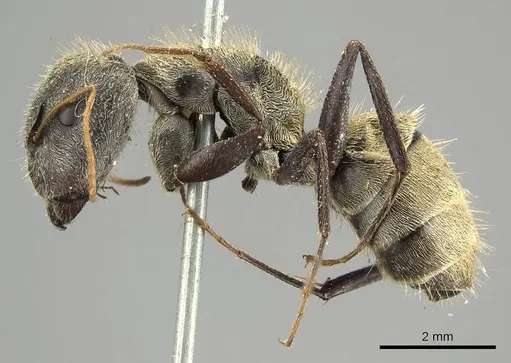
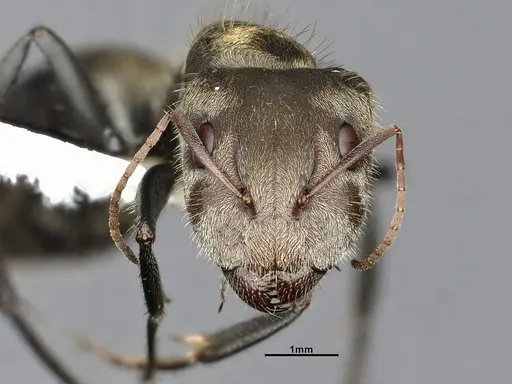
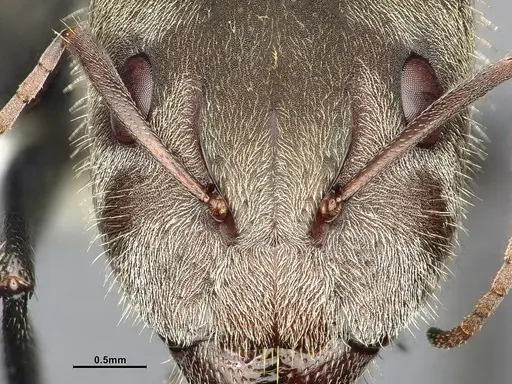
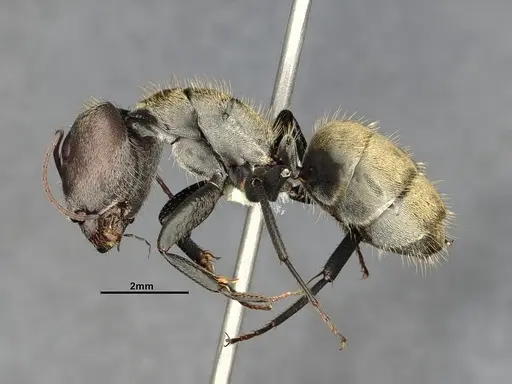
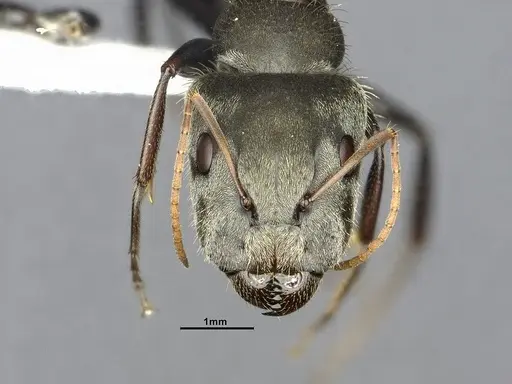
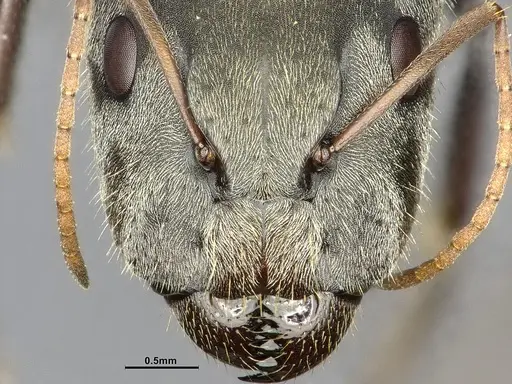
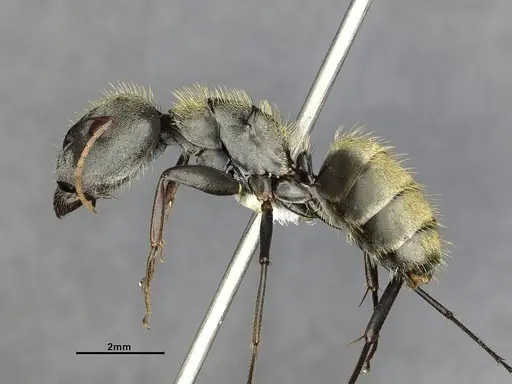
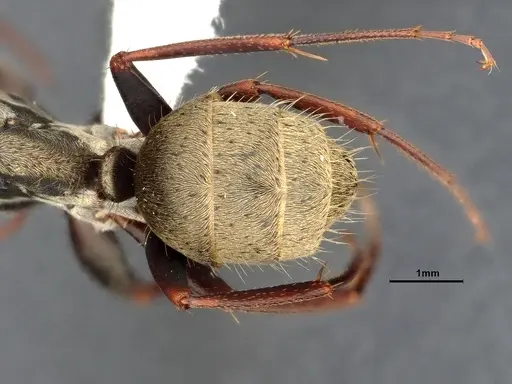
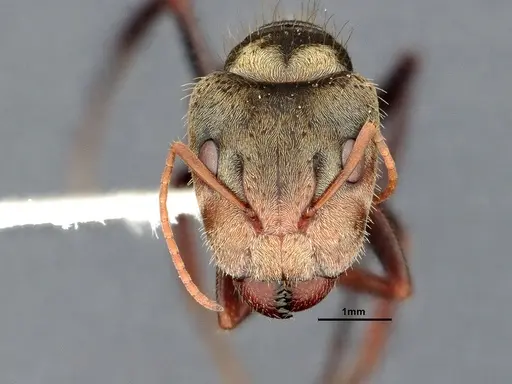
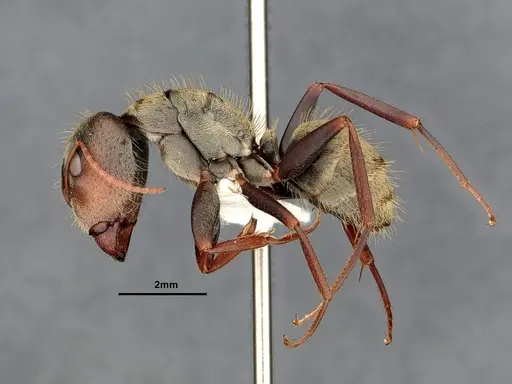
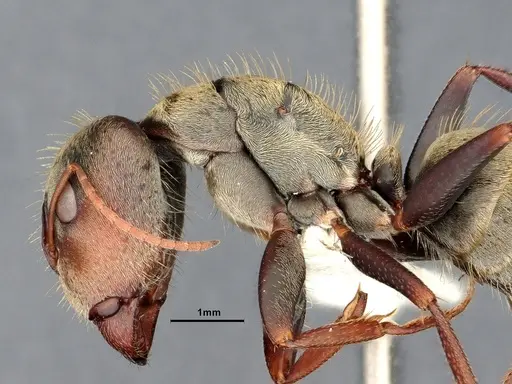
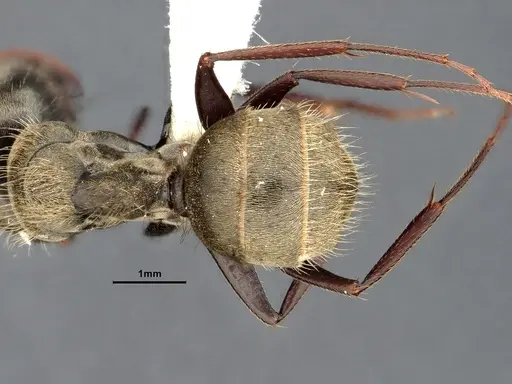
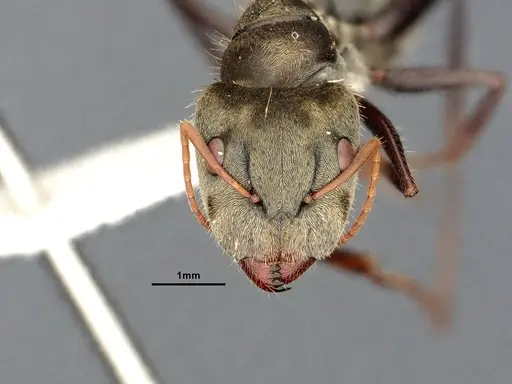
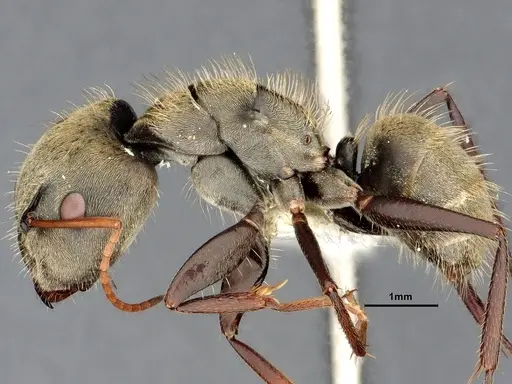
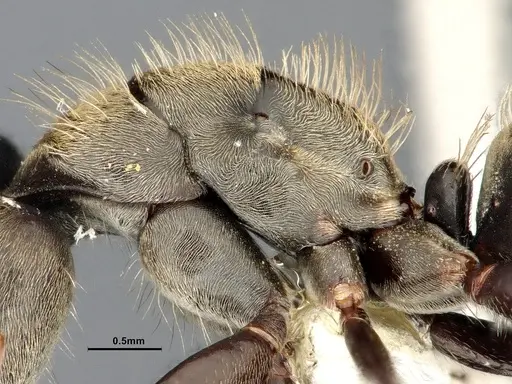
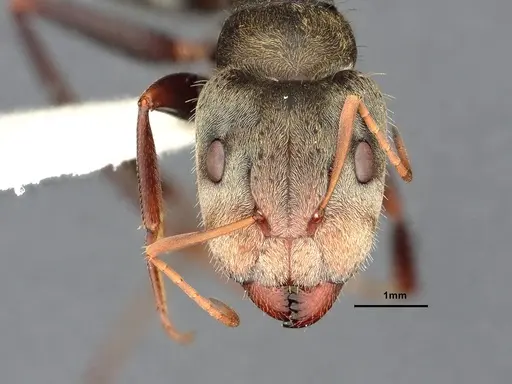
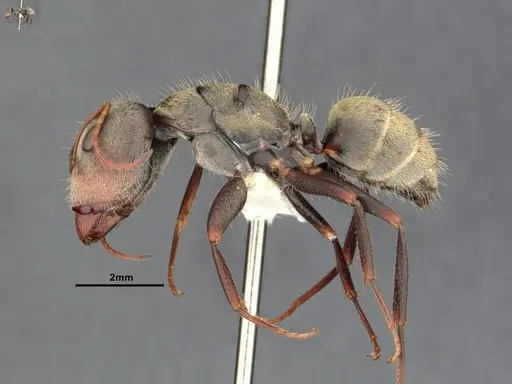
Camponotus pellitus is a medium-sized carpenter ant native to the Neotropical region of South and Central America. Workers measure 8-11mm with a distinctive rust-red coloration and dark brown abdomen covered in dense golden-brass pubescence that gives them a fuzzy appearance . The species is found across Brazil, Colombia, Costa Rica, Guatemala, and Paraguay, where it ranks among the 50 most frequently recorded ant species in Paraguay . These ants nest in the ground in open areas and shrubs and are described as shy . As a Formicinae species, they lack a functional sting and instead use their acidopore to spray formic acid as a defense mechanism.
Quick Summary
- Difficulty: Medium
- Origin & Habitat: Neotropical region, Brazil, Colombia, Costa Rica, Guatemala, and Paraguay. Found across multiple departments in Paraguay including Amambay, Caaguazú, Canindeyú, Central, Concepción, Cordillera, Itapúa, Misiones, Paraguarí, and San Pedro [2][3]. They nest in the ground in open areas and shrubs [3].
- Colony Type: Colony structure is unconfirmed for this species. Most Camponotus species are monogyne, but specific data is unavailable.
- Size & Growth:
- Queen: 13.5mm [1]
- Worker: Small workers 8mm, large workers 11mm [1]
- Colony: Unknown for this specific species
- Growth: Moderate, typical Camponotus development timeline
- Development: Estimated 6-8 weeks at optimal temperature based on genus patterns (Queens are likely claustral and seal themselves in to raise first brood alone. First workers (nanitics) are typically smaller than normal workers.)
- Antkeeping:
- Temperature: Keep at 24-28°C, estimated based on tropical habitat requirements. As a Neotropical species, they require warm conditions year-round.
- Humidity: Moderate humidity. Keep nest substrate lightly moist but not waterlogged.
- Diapause: No, as a tropical species from low latitudes, they do not require hibernation.
- Nesting: Y-tong (AAC) or plaster nests work well. They are ground-nesting ants so provide adequate depth for tunneling or soil substrate.
- Behavior: These ants are shy and not aggressive [3]. Workers are moderate foragers that search for sugar and protein sources. They are not particularly defensive, as Formicinae, they lack a sting and rely on spraying formic acid from their acidopore. Escape risk is moderate.
- Common Issues: tropical species requires year-round warmth, cold drafts can stress or kill colonies, ground-nesting behavior means they need deeper nest chambers or proper substrate, slow initial colony growth during founding phase can lead to overchecking by impatient keepers, wild-caught colonies may carry parasites that can devastate captive colonies
Housing and Nest Setup
Camponotus pellitus does well in Y-tong (AAC) nests or plaster nests. Since they are ground-nesting ants, they appreciate having soil or sand substrate available for tunneling behavior. A test tube setup works for founding colonies, use a standard test tube with a water reservoir secured with cotton. Once the colony reaches 15-20 workers, you can move them to a formicarium. Provide an outworld area for foraging. These ants are not aggressive and can be housed in standard setups without special escape-proofing beyond normal precautions. [3]
Feeding and Diet
Like other Camponotus species, these ants are omnivorous. Offer sugar water, honey, or diluted maple syrup as a constant carbohydrate source. For protein, provide small insects like fruit flies, small crickets, mealworms, or wax worms. They will also accept small amounts of seeds or other organic matter. Feed protein sources 2-3 times per week, and keep sugar water available at all times. Remove uneaten prey after 24-48 hours to prevent mold.
Temperature and Seasonal Care
As a tropical species from Central and South America, Camponotus pellitus requires warm temperatures year-round. Keep the nest area at 24-28°C. A heating cable placed on top of the nest can create a gentle gradient. Room temperature in heated homes is often adequate, but monitor with a thermometer. They do not require hibernation or cooling periods. Avoid placing the colony near cold windows or air conditioning vents. [2][3]
Colony Development
A newly mated queen will likely seal herself into a claustral chamber and lay eggs without leaving to forage. She survives on stored fat reserves while raising the first brood. This founding phase typically takes 4-8 weeks depending on temperature. The first workers (nanitics) are smaller than normal workers but will begin foraging once they emerge. Colony growth is initially slow but accelerates as the worker population increases.
Behavior and Temperament
This species is described as shy and prefers open areas and shrubs rather than dense forest [3]. Workers are moderate foragers that will scout for food but are not particularly aggressive or territorial. As Formicinae ants, they lack a functional sting. Their defense mechanism involves biting and spraying formic acid from their acidopore into the wound. The golden-brass pubescence on their abdomen gives them a distinctive fuzzy appearance that makes them visually appealing in captivity.
Frequently Asked Questions
How long does it take for Camponotus pellitus to have first workers?
Expect first workers (nanitics) in 6-8 weeks at optimal temperature (24-28°C). The queen seals herself in during founding and raises the first brood alone on stored fat reserves.
What temperature do Camponotus pellitus need?
Keep them at 24-28°C year-round. As a tropical Neotropical species, they do not tolerate cold well and do not require hibernation.
Can I keep Camponotus pellitus in a test tube?
Yes, test tubes work well for founding colonies. Use a standard test tube with a water reservoir. Once the colony reaches 15-20 workers, consider moving to a formicarium.
What do Camponotus pellitus eat?
They are omnivorous. Offer constant sugar water (honey or maple syrup diluted with water) and protein sources like small insects 2-3 times per week.
Are Camponotus pellitus good for beginners?
They are rated as medium difficulty. They require warm temperatures year-round as a tropical species, which may require heating in cooler climates. Otherwise, their care is straightforward.
How big do Camponotus pellitus colonies get?
Colony size is not specifically documented for this species.
Do Camponotus pellitus need hibernation?
No. As a tropical species from Central and South America, they do not require hibernation or cooling periods. Keep them warm year-round.
What type of nest is best for Camponotus pellitus?
Y-tong (AAC) nests or plaster nests work well. Since they are ground-nesting ants, providing soil or sand substrate allows for natural tunneling behavior.
Where is Camponotus pellitus found in the wild?
They are native to the Neotropical region: Brazil, Colombia, Costa Rica, Guatemala, and Paraguay. They nest in the ground in open areas and shrubs.
Report an Issue
The current care sheet is based fully on literature. See inconsistencies, or something that's incorrect? Please , it will be resolved after review from an admin. Contributing to the blogs tab also helps providing information, to make us be able to further improve the caresheets. Thank you for your support!
References

This caresheet is licensed under CC BY-SA 4.0 .
Community Blogs
CASENT0173435
View on AntWeb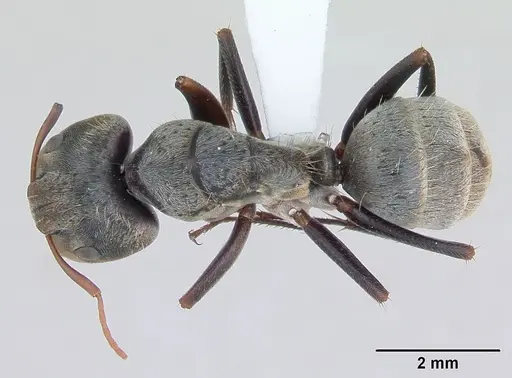
CASENT0882054
View on AntWeb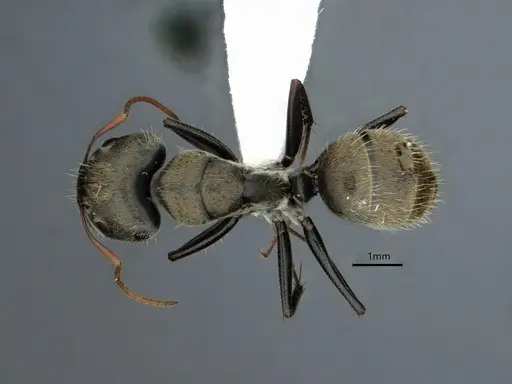
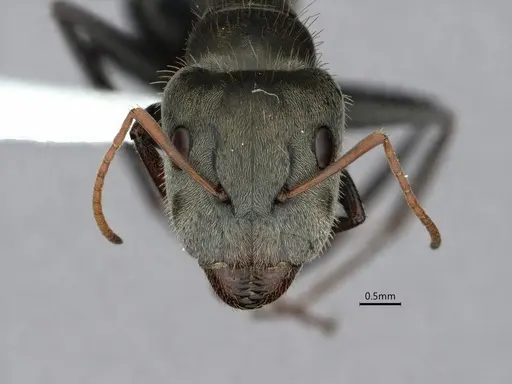
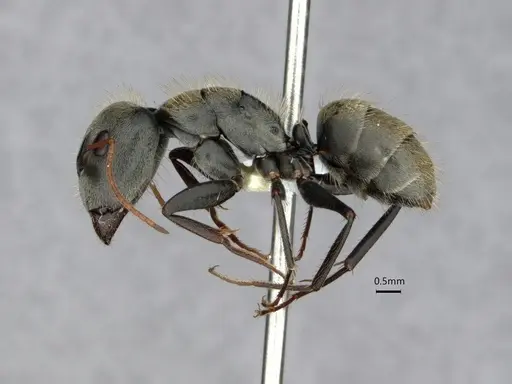
CASENT0910631
View on AntWeb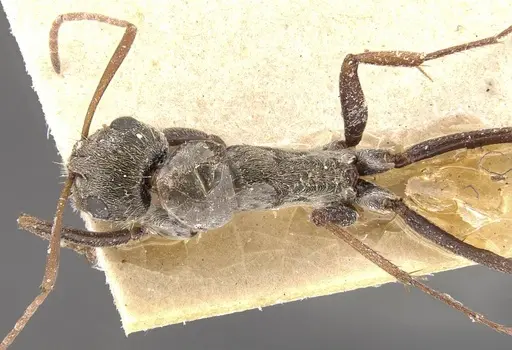
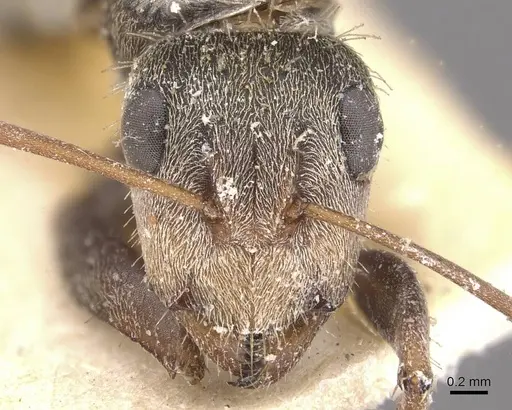
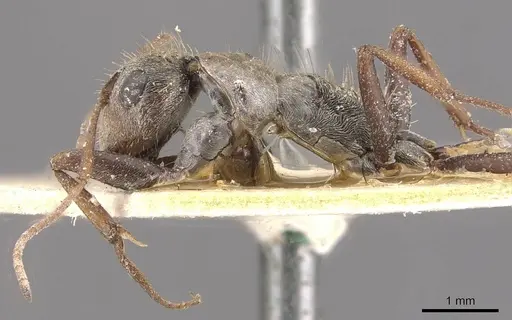
CASENT0911676
View on AntWeb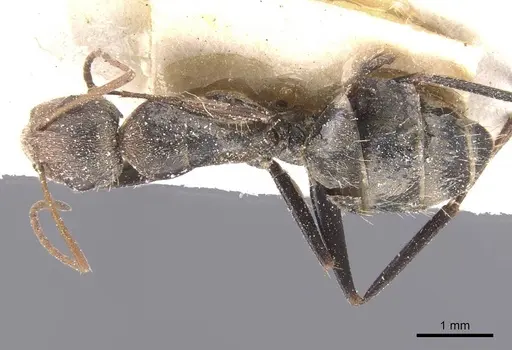
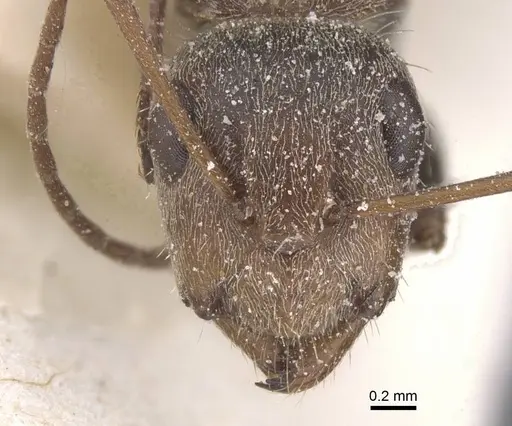
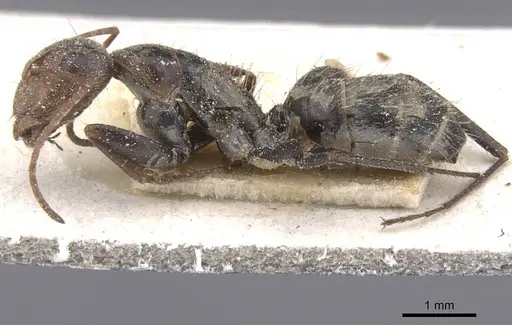
CASENT0915782
View on AntWeb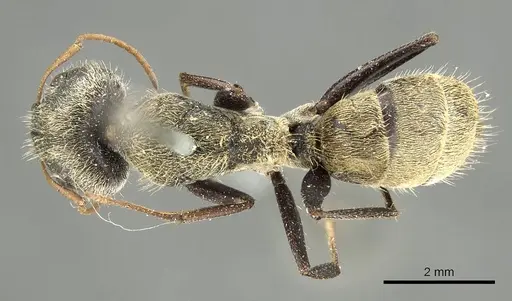
CASENT4032223
View on AntWeb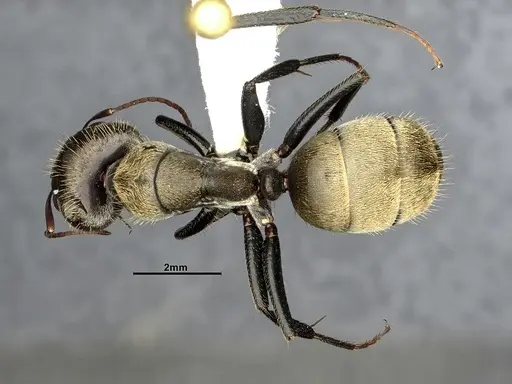
CASENT4032240
View on AntWeb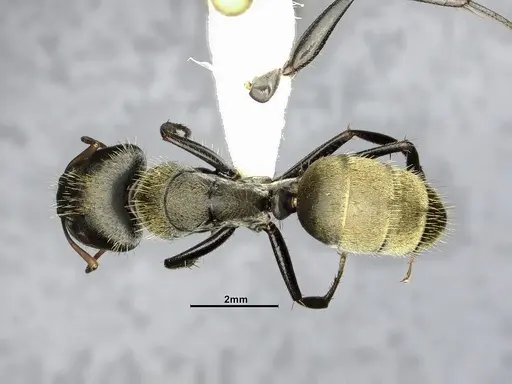
CASENT4032281
View on AntWeb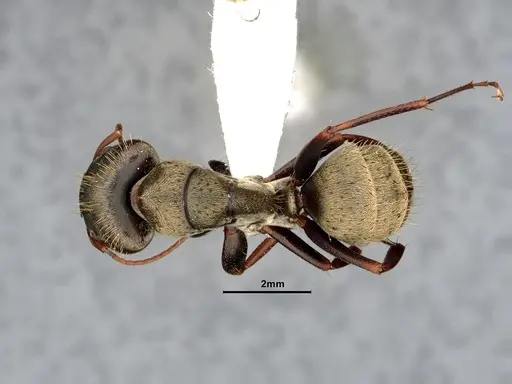
CASENT4032282
View on AntWeb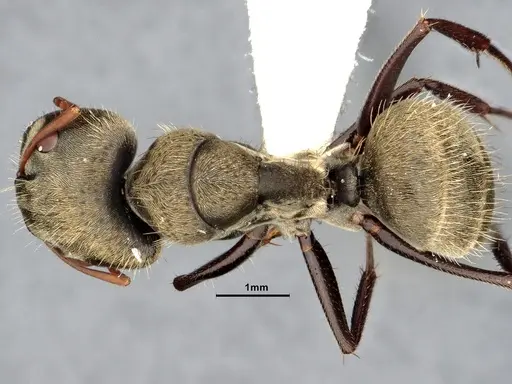
CASENT4032283
View on AntWeb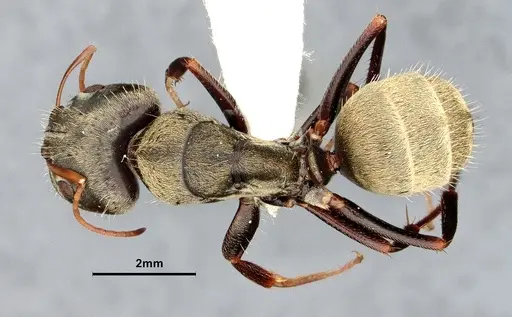
Literature
Loading distribution map...Loading products...