
Camponotus orthodoxus
- Sci. Name
- Camponotus orthodoxus
- Subgenus
- Myrmotrema
- Tribe
- Camponotini
- Subfamily
- Formicinae
- Author
- Santschi, 1914
- Distribution
- Found in 3 countries
Introduction
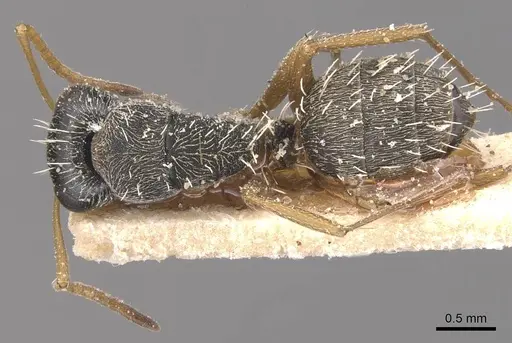
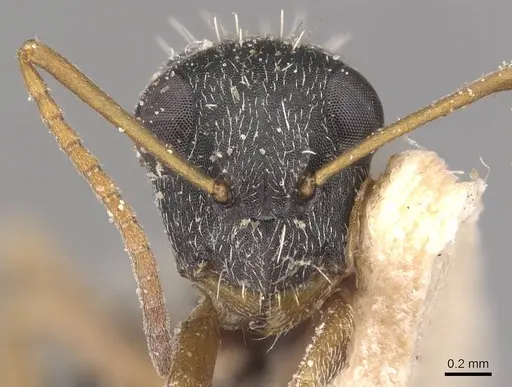
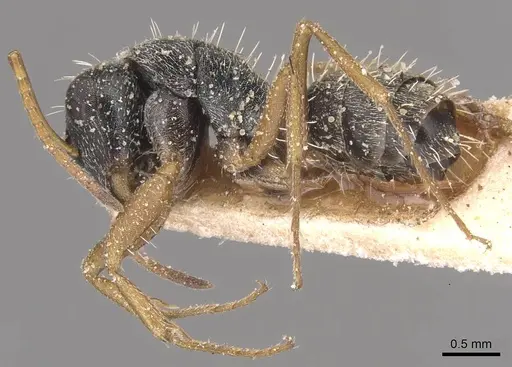
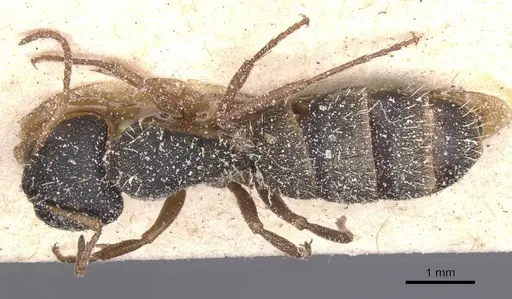
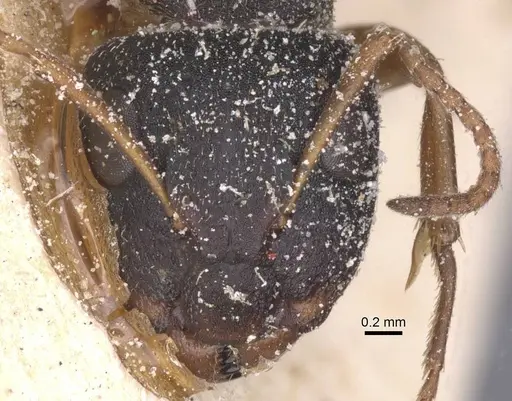
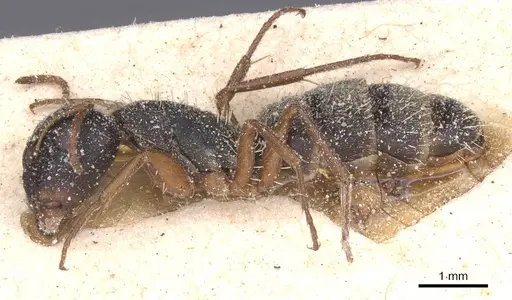
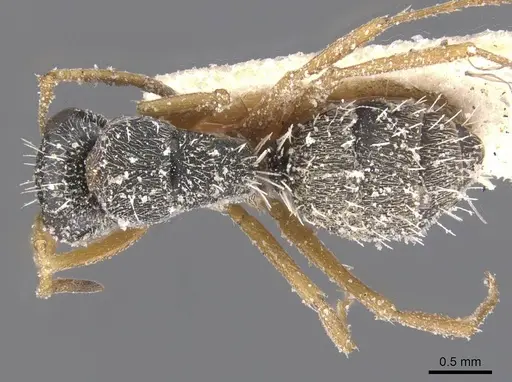
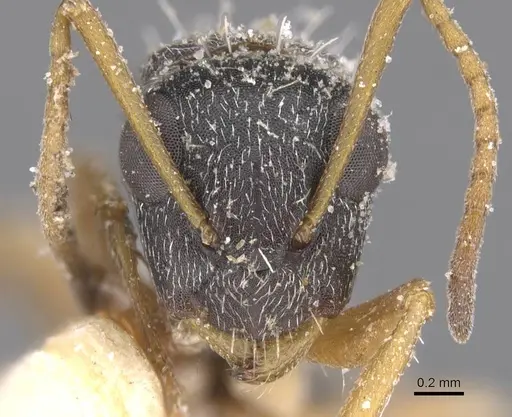
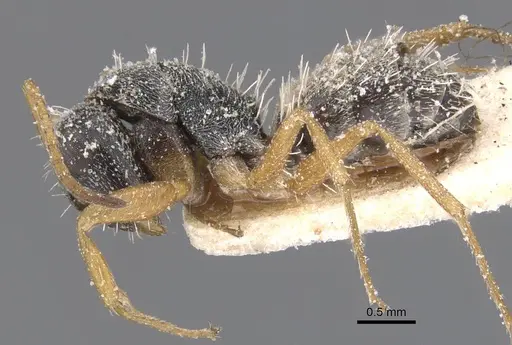
Camponotus orthodoxus is a medium-sized ant species native to West Africa, found in Guinea and Ivory Coast. This species belongs to the Myrmotrema subgenus and was originally described as a subspecies of Camponotus foraminosus before being elevated to full species status. Workers are polymorphic, with major workers significantly larger than minor workers. They are generalist foragers commonly found in savanna habitats, particularly in the Lamto region of Côte d'Ivoire where they tolerate periodic fire regimes . The species shows typical Camponotus morphology with a rounded thorax and relatively smooth body surface.
Quick Summary
- Difficulty: Medium
- Origin & Habitat: West Africa, specifically Guinea and Ivory Coast. Found in savanna habitats, particularly in the Lamto Scientific Reserve where they inhabit savanna areas and tolerate fire-affected environments [1].
- Colony Type: Colony structure is unconfirmed. No specific literature describes queen number or colony organization for this species.
- Size & Growth:
- Queen: Size data unavailable, no direct measurements exist for this species
- Worker: Size data unavailable, no direct measurements exist for this species
- Colony: Colony size is unconfirmed, no specific data available
- Growth: Growth rate is unconfirmed
- Development: Development time is unconfirmed for this species (No species-specific development data available. General Camponotus patterns suggest development takes several months at warm temperatures.)
- Antkeeping:
- Temperature: Keep at 24-28°C. Being a West African species, they prefer warm conditions. A heating cable on one side of the nest creates a suitable gradient.
- Humidity: Moderate humidity around 50-70%. They prefer somewhat drier conditions compared to many tropical ants, reflecting their savanna habitat. Keep the nest substrate slightly moist but allow some drying between waterings.
- Diapause: Not required. As a tropical species from West Africa, they do not experience true hibernation.
- Nesting: In nature, they likely nest in soil and rotting wood. For captivity, a Y-tong (AAC) nest or plaster formicarium works well. Provide a dark nesting area with chambers sized appropriately for their medium size. A test tube setup is suitable for founding colonies.
- Behavior: Generally calm and non-aggressive foragers. They are generalist feeders that forage for honeydew, dead insects, and sugar sources. Major workers can defend the colony but are not particularly aggressive toward keepers. Escape risk is moderate, they are not particularly small but can climb smooth surfaces. Standard barrier methods are usually sufficient. Workers are most active during warmer hours and may reduce activity when temperatures drop.
- Common Issues: colonies may develop slowly during the first year, causing keepers to lose patience, test tube setups can flood if water reservoirs are overfilled, use appropriate tube sizes, wild-caught colonies may carry parasites that cause colony failure in captivity, temperature drops below 20°C can slow development significantly, overfeeding can lead to mold problems in nest setups
Housing and Nest Setup
For founding colonies, a standard test tube setup works well. Fill the tube about one-third with water, plug with cotton, and place the queen in a dark area. Once the colony reaches 20-30 workers, consider moving to a formicarium. Y-tong (AAC) nests or plaster nests are ideal for this species as they provide darkness and appropriate chamber sizes. The nest should have a water chamber for humidity control. For the outworld, a simple plastic container with barrier coating on the walls works well. Provide a shallow water dish and feeding area. Since they are medium-sized ants, they need enough space to forage but not excessive area that makes food location difficult.
Feeding and Diet
Camponotus orthodoxus is a generalist feeder like most Camponotus species. Offer sugar water, honey, or diluted maple syrup as a constant carbohydrate source. For protein, provide dead insects such as mealworms, crickets, or fruit flies. They will also collect honeydew if offered aphid colonies. Feed protein sources 2-3 times per week, removing any uneaten prey after 24 hours. Sugar water should always be available. Remove uneaten sugar sources weekly to prevent mold. Workers will store food in their social stomachs and share with nestmates.
Temperature and Seasonal Care
As a West African species, Camponotus orthodoxus thrives in warm conditions. Maintain nest temperatures between 24-28°C for optimal brood development. A heating cable placed on one side of the nest creates a temperature gradient that allows ants to self-regulate. During winter, room temperature is usually sufficient, though activity may slow. Do not allow temperatures to drop below 18°C for extended periods as this can weaken the colony. They do not require hibernation or diapause. Avoid sudden temperature changes which can stress the colony.
Colony Development and Growth
The founding process is unconfirmed for this species. Expect several months for first workers to emerge at optimal temperature. Nanitics are typically smaller than normal workers but the colony will produce increasingly larger workers as it grows. Growth is moderate, a healthy colony should reach 50-100 workers within the first year. Major workers typically appear once the colony reaches around 100 workers. Full maturity may take 2-3 years under ideal conditions.
Behavior and Handling
This species is relatively calm and not prone to biting or stinging. Major workers can defend the colony but are not particularly aggressive toward keepers. Workers forage individually rather than in raiding parties. They are primarily nocturnal or crepuscular foragers in nature, so you may see more activity in the evening hours. They can climb smooth surfaces but are not exceptional escape artists compared to smaller species. Standard escape prevention with barrier coating on container walls is usually sufficient.
Frequently Asked Questions
How long does it take for Camponotus orthodoxus to produce first workers?
Development time is unconfirmed for this species. Based on general Camponotus patterns, expect several months at optimal temperature. Warmer conditions may speed development while cooler temperatures slow it significantly.
Can I keep multiple Camponotus orthodoxus queens together?
Not recommended. Colony structure is unconfirmed for this species. Combining unrelated queens would likely result in fighting. Only attempt pleometrosis if you have specific research supporting it for this species.
What do Camponotus orthodoxus ants eat?
They are generalist feeders. Offer constant sugar water or honey for carbohydrates, and protein sources like dead mealworms, crickets, or fruit flies 2-3 times weekly. They will also collect honeydew if you provide aphid colonies.
What temperature do Camponotus orthodoxus need?
Keep them warm at 24-28°C. A heating cable on one side of the nest creates a gradient. Avoid temperatures below 18°C for extended periods. Being from West Africa, they are adapted to warm conditions.
Are Camponotus orthodoxus good for beginners?
They are rated as medium difficulty. They are more forgiving than some species but require warm temperatures and proper feeding. The slow initial growth during founding can test patience. They are calmer than many ant species, making them suitable for keepers willing to meet their temperature requirements.
When should I move my colony to a formicarium?
Move from test tube to formicarium once the colony reaches 20-30 workers. Earlier transfers can stress the colony. Ensure the formicarium has appropriately sized chambers and a water source for humidity.
How big do Camponotus orthodoxus colonies get?
Colony size is unconfirmed for this species. Based on typical Camponotus patterns, colonies may reach several hundred workers at maturity. Full maturity may take 2-3 years under ideal conditions.
Do Camponotus orthodoxus need hibernation?
No. As a West African tropical species, they do not require hibernation or diapause. They may naturally slow activity during cooler winter months but no special overwintering care is needed.
Why are my Camponotus orthodoxus dying?
Common causes include: temperature too low (below 20°C), improper humidity (too wet or too dry), mold from overfeeding, parasites from wild-caught colonies, or stress from too frequent disturbances. Check temperature and humidity first, reduce feeding if mold appears, and minimize nest disturbances.
What type of nest is best for Camponotus orthodoxus?
Y-tong (AAC) nests or plaster formicariums work well. They provide the darkness this species prefers and allow for humidity control. Avoid fully transparent nests as they stress the colony. Ensure chambers are appropriately sized for medium-sized ants.
Report an Issue
The current care sheet is based fully on literature. See inconsistencies, or something that's incorrect? Please , it will be resolved after review from an admin. Contributing to the blogs tab also helps providing information, to make us be able to further improve the caresheets. Thank you for your support!
References

This caresheet is licensed under CC BY-SA 4.0 .
Community Blogs
Literature
Loading distribution map...Loading products...