Camponotus nigriceps shows a January to December flight window. Peak activity occurs in December, with nuptial flights distributed across 3 months.
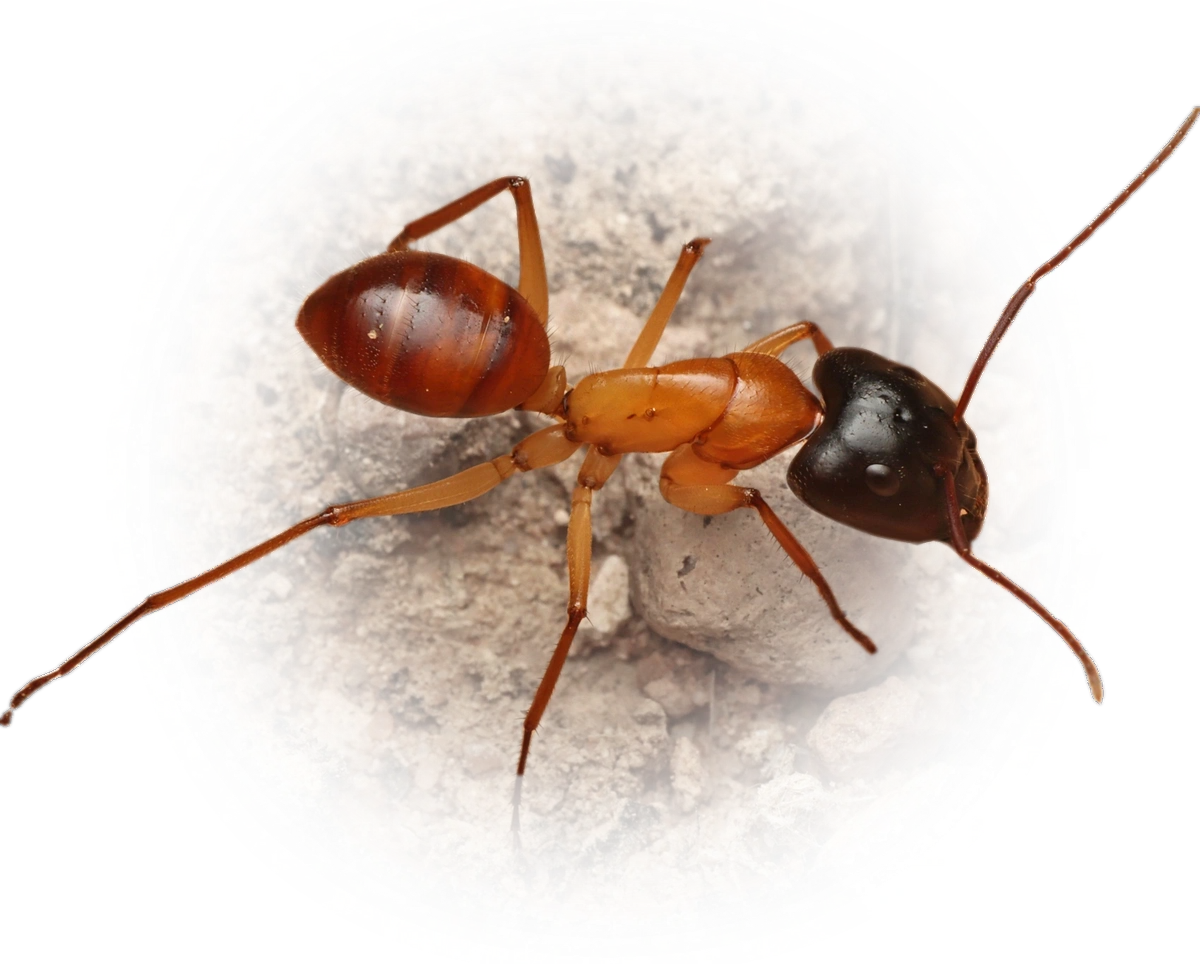
Black-headed Sugar Ant
Camponotus nigriceps
- Sci. Name
- Camponotus nigriceps
- Subgenus
- Tanaemyrmex
- Tribe
- Camponotini
- Subfamily
- Formicinae
- Author
- Smith, 1858
- Common Name
- Black-headed Sugar Ant
- Distribution
- Found in 1 countries
- Nuptial Flight
- From January to December
- Peak flight Time
- 20:00
AI Identifiable
try →
Introduction
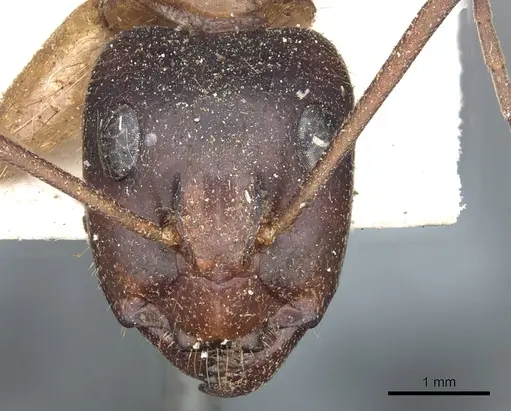
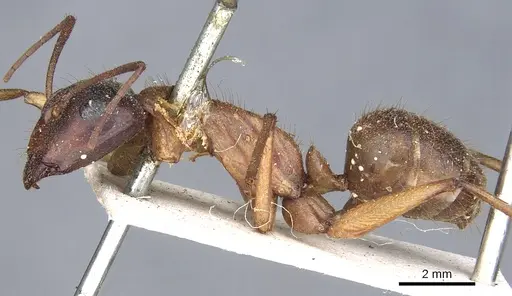
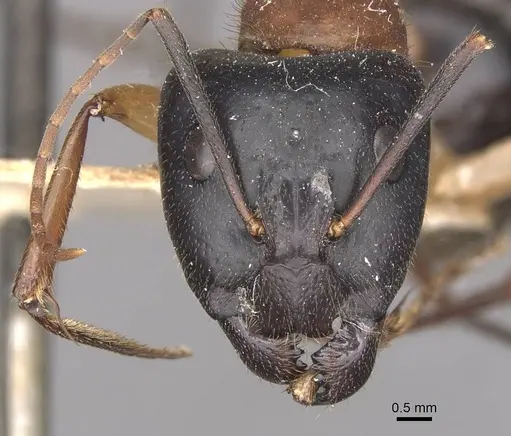
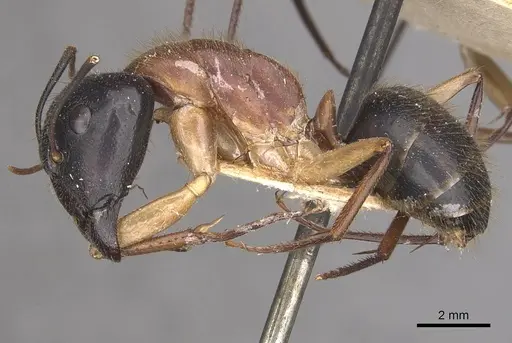
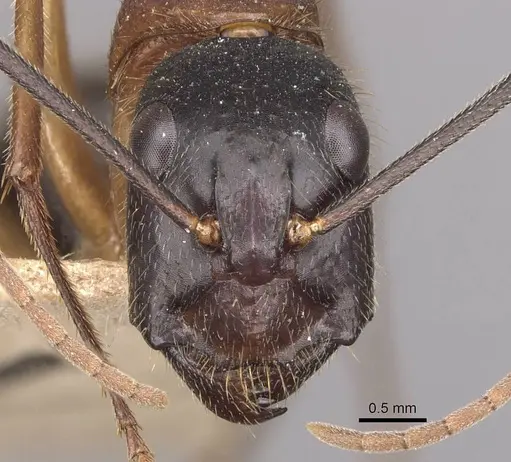
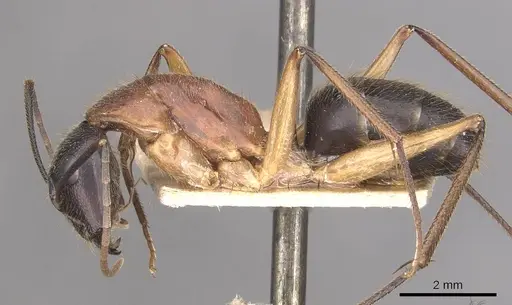
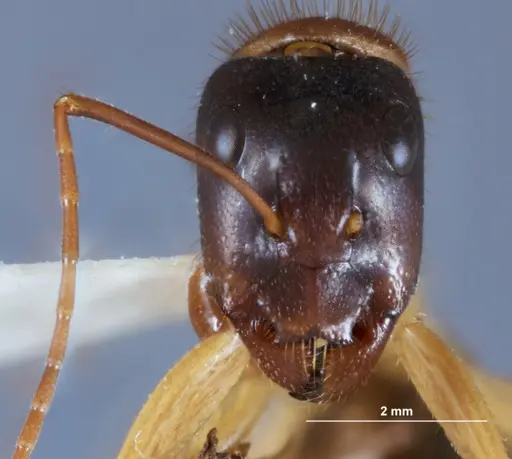
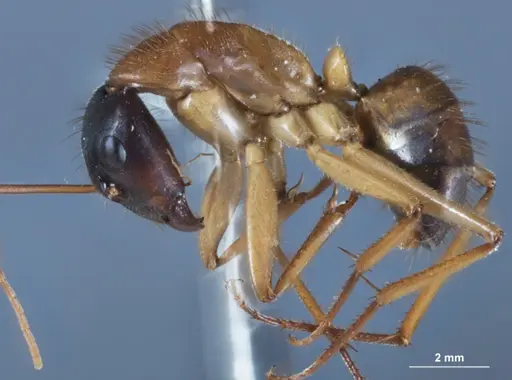
Camponotus nigriceps is a very large Australian carpenter ant and one of the most conspicuous species in southern Australia . Workers are polymorphic, with major workers reaching around 11mm and minor workers being significantly smaller. The head is typically black or dark brown, while the mesosoma ranges from honey-colored to light brown or reddish. The gaster varies from black to brown or yellowish-brown depending on the population . This species belongs to the Camponotus nigriceps species group and is common in the Western Australian Darling Range, where it nests in compacted laterite clay around tree bases or directly in soil . They are nocturnal foragers.
Quick Summary
- Difficulty: Medium
- Origin & Habitat: Western Australia, Darling Range, they nest in compacted laterite clay around the bases of trees, but also make nests directly in soil. Distribution likely covers all Australian states [2].
- Colony Type: Likely single-queen colonies (monogyne), typical for Camponotus species. Colonies contain major and minor workers.
- Size & Growth:
- Queen: Size data unavailable, Camponotus queens typically range 12-20mm
- Worker: 2.70-3.80mm total length [4]
- Colony: Large colonies typical for Camponotus
- Growth: Moderate, typical for large Camponotus species
- Development: Development time unconfirmed, likely several months based on genus patterns (Larger Camponotus species typically take longer to develop than smaller ants.)
- Antkeeping:
- Temperature: Keep at 24-28°C. As an Australian species from temperate regions, they prefer warm conditions but not extreme heat. Room temperature in most homes (20-24°C) is acceptable, with a slight increase to 26-28°C for optimal growth.
- Humidity: Moderate humidity around 50-60%. They nest in soil so keep the nest substrate slightly moist but not waterlogged. Allow some drying between waterings.
- Diapause: Not required, being an Australian species from temperate regions, they do not require true hibernation. However, a slight cool period (15-18°C) during winter months may benefit the colony.
- Nesting: Y-tong (AAC) or plaster nests work well, or a naturalistic setup with soil. They prefer nests with multiple chambers. Given their large size and preference for soil nesting, formicariums with soil chambers are suitable.
- Behavior: Nocturnal and generally calm temperament. They are not aggressive but will defend the nest if threatened. As a Formicinae ant, they lack a functional sting but can bite and spray formic acid from their acidopore. Escape risk is moderate, they are large ants but can still climb smooth surfaces. Use standard barrier methods. They are foraging generalists, collecting honeydew and hunting insects.
- Common Issues: colonies may stall if temperatures drop too low, maintain warmth, large appetite means frequent feeding is needed, monitor food consumption, test tube setups are too small for this species, move to formicarium once colony reaches 20+ workers, wild-caught colonies may have parasites, quarantine and observe new colonies, major workers are slow-moving but can be intimidating, they handle prey efficiently
Nuptial Flight Activity Analysis 101 observations
Flight Activity by Hour 101 observations
Camponotus nigriceps nuptial flight activity peaks around 20:00 during the evening. Activity is spread across a 17-hour window (07:00–23:00). A secondary activity peak occurs around 22:00. Times may be influenced by human observation patterns.
Housing and Nest Setup
Camponotus nigriceps is a large species that needs spacious accommodations. For founding colonies, use a test tube setup with a water reservoir, but be prepared to upgrade to a formicarium once the colony reaches 20-30 workers. Y-tong (AAC) nests work well for established colonies, providing multiple chambers connected by tunnels. You can also use naturalistic setups with a soil chamber and a foraging area. Ensure the nest has enough depth for the colony to expand, these ants can form large colonies. Add a shallow water dish in the outworld and keep the foraging area clean. [2]
Feeding and Diet
As generalist foragers, they accept a wide variety of foods. Offer sugar water or honey water constantly, they will drink it readily. For protein, provide insects like mealworms, crickets, or other small invertebrates. They are nocturnal hunters, so place food in the evening and remove uneaten portions after 24 hours. In the wild, they collect honeydew from sap-sucking insects and hunt small invertebrates. Feed protein 2-3 times per week for growing colonies, and sugar water continuously. Remove uneaten prey to prevent mold. [3]
Temperature and Seasonal Care
Keep your colony at 24-28°C for optimal growth and development. They are from temperate Australia and can tolerate a range from 20-30°C, but growth slows significantly below 22°C. A heating cable on one side of the nest can create a temperature gradient, allowing ants to regulate their own exposure. During winter, room temperature (around 18-22°C) is sufficient, no active heating needed. Unlike temperate species that require hibernation, C. nigriceps does not need a true diapause period. Simply reducing feeding and allowing cooler temperatures (15-18°C) during winter months is adequate. [2]
Behavior and Colony Dynamics
This species is nocturnal, with workers most active during evening and night hours. They are generally calm and not prone to excessive biting or spraying, but major workers will defend the nest if provoked. The colony grows in typical Camponotus fashion: the queen lays eggs, larvae develop through stages, and workers emerge as nanitics (first small workers) before subsequent broods produce normal-sized workers. Major workers develop later as the colony grows. Queens can live for many years with proper care. [1]
Growth and Development
Development from egg to worker takes several months at optimal temperature. The first workers (nanitics) are typically smaller than subsequent workers. As the colony expands, you will see more major workers developing, these larger workers are specialized for defense and cracking hard food items. Growth is moderate compared to smaller ant species. Patience is key with large Camponotus, it may take 2-3 years for a colony to reach several hundred workers. Feed generously during growth periods but avoid overfeeding that leads to mold.
Frequently Asked Questions
How long does it take for Camponotus nigriceps to produce first workers?
First workers (nanitics) typically appear in several months under optimal conditions. This is typical for large Camponotus species.
Can I keep Camponotus nigriceps in a test tube?
You can start them in a test tube for founding, but plan to upgrade to a formicarium once the colony reaches 20-30 workers. They grow large and need space to expand.
What do Camponotus nigriceps eat?
They are generalists, offer sugar water or honey water constantly, plus protein sources like mealworms, crickets, or other insects 2-3 times per week.
Are Camponotus nigriceps good for beginners?
They are medium difficulty, larger and more forgiving than tiny ants, but they need more space and food than beginner species like Lasius. Good for those with some antkeeping experience.
Do Camponotus nigriceps need hibernation?
No, they do not require true hibernation. As an Australian temperate species, a slight cool period (15-18°C) during winter is sufficient.
How big do Camponotus nigriceps colonies get?
Large colonies typical for Camponotus, potentially several thousand workers at maturity over several years.
When should I move my colony to a formicarium?
Move to a formicarium once the test tube becomes crowded or the colony reaches 20-30 workers. They need more space to expand and forage.
Why is my Camponotus nigriceps colony not growing?
Check temperature, they need warmth (24-28°C) for proper development. Also ensure they have enough protein food and the queen is healthy and laying eggs.
Can I keep multiple Camponotus nigriceps queens together?
No, this is likely a single-queen (monogyne) species. Only keep one queen per colony setup.
When is the nuptial flight of Camponotus nigriceps?
The nuptial flight of Camponotus nigriceps typically occurs From January to December.
What time of day does Camponotus nigriceps fly?
The nuptial flight of Camponotus nigriceps peaks around 20:00 during the evening, with most activity between 07:00 and 23:00. Times may be influenced by human observation patterns.
Report an Issue
The current care sheet is based fully on literature. See inconsistencies, or something that's incorrect? Please , it will be resolved after review from an admin. Contributing to the blogs tab also helps providing information, to make us be able to further improve the caresheets. Thank you for your support!
References

This caresheet is licensed under CC BY-SA 4.0 .
Community Blogs
CASENT0280197
View on AntWeb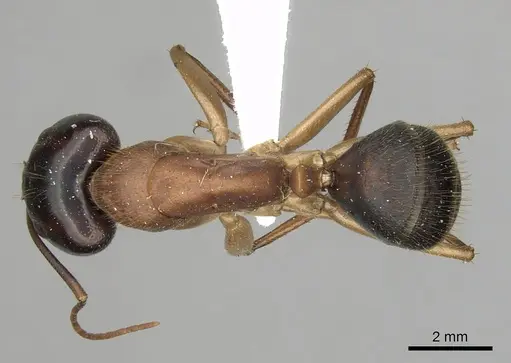
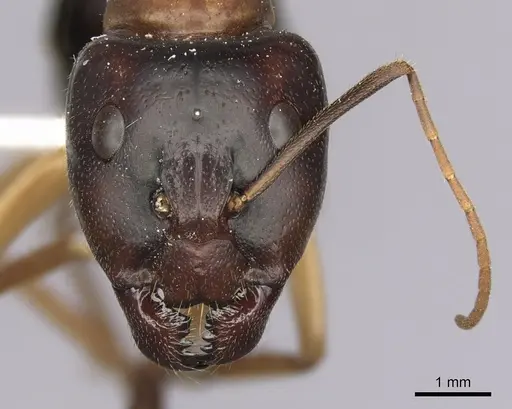
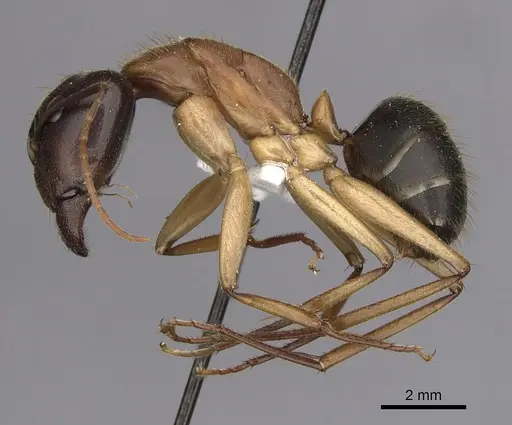
CASENT0280198
View on AntWeb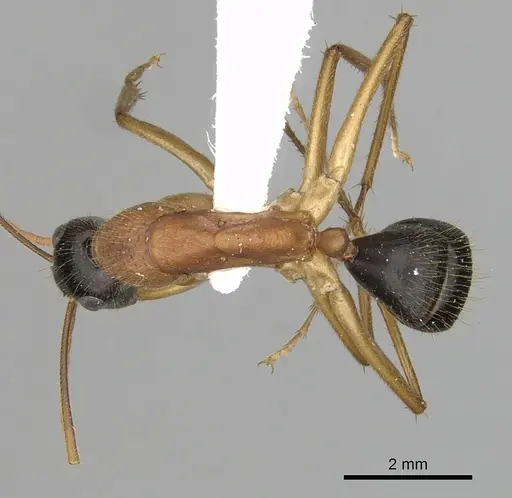
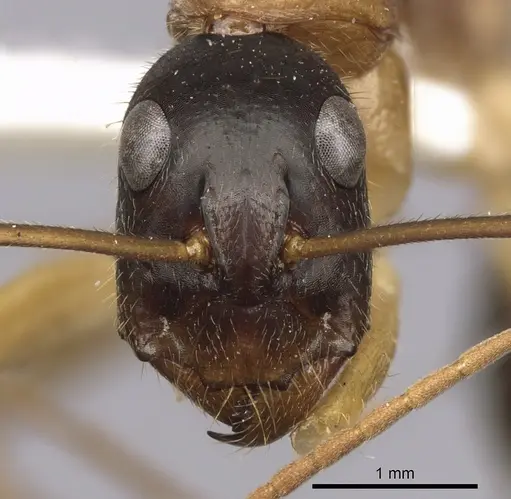
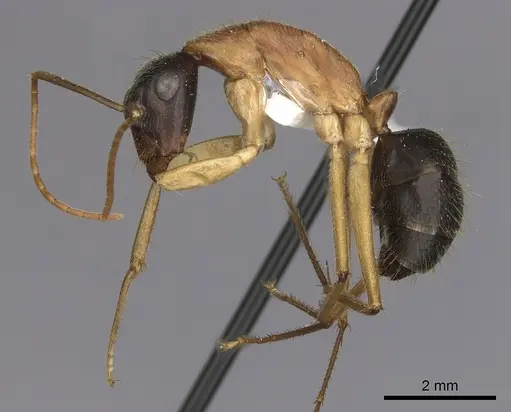
CASENT0882198
View on AntWeb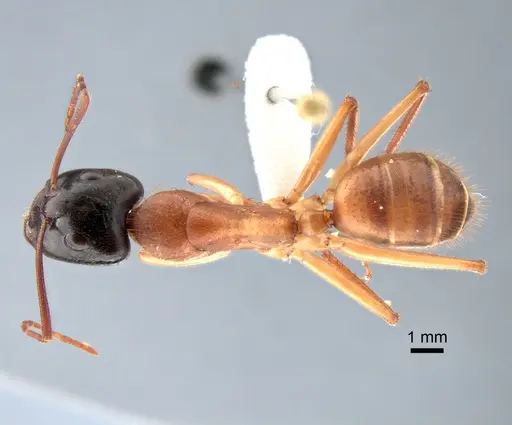
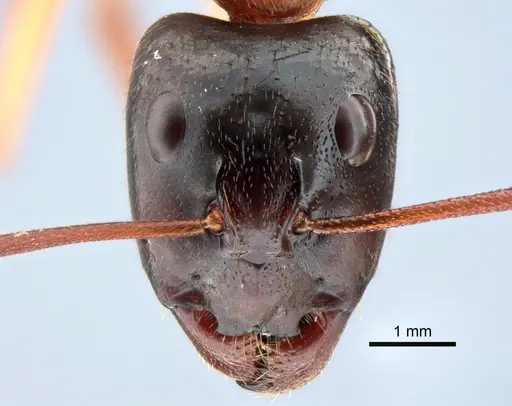
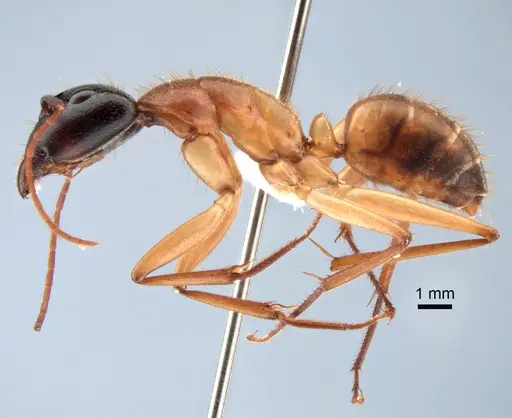
CASENT0887691
View on AntWeb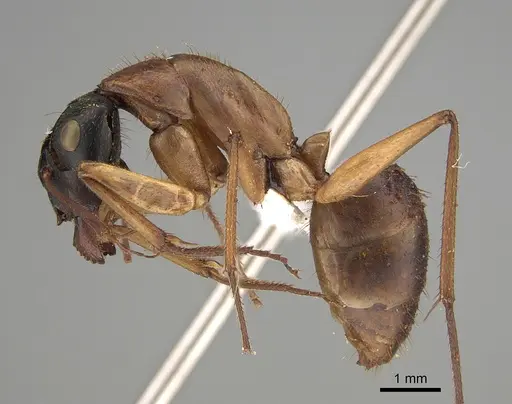
CASENT0903532
View on AntWeb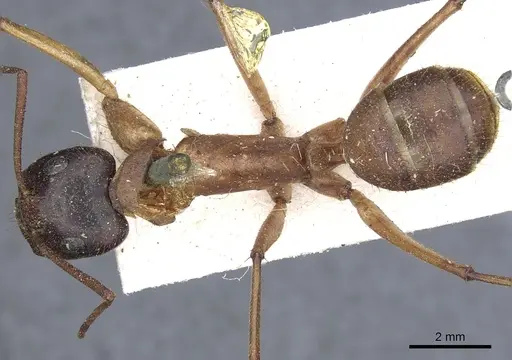
CASENT0910309
View on AntWeb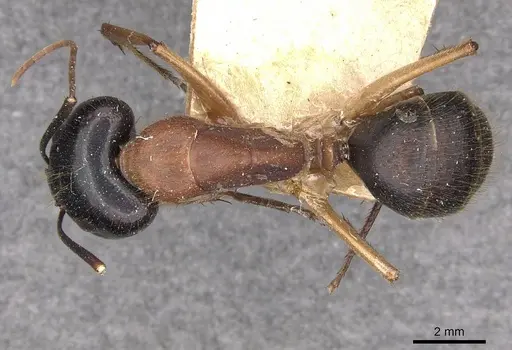
CASENT0910310
View on AntWeb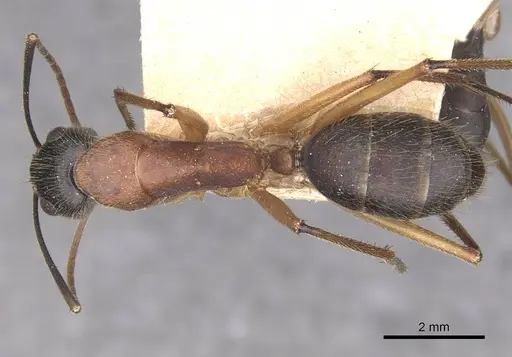
JDM32-001282
View on AntWeb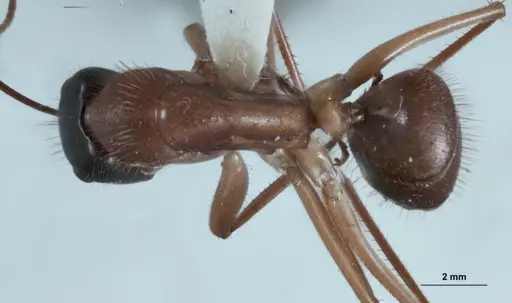
Literature
Loading distribution map...Loading products...