
Camponotus mixtellus
- Sci. Name
- Camponotus mixtellus
- Subgenus
- Myrmosaga
- Tribe
- Camponotini
- Subfamily
- Formicinae
- Author
- Dalla Torre, 1893
- Distribution
- Found in 3 countries
Introduction
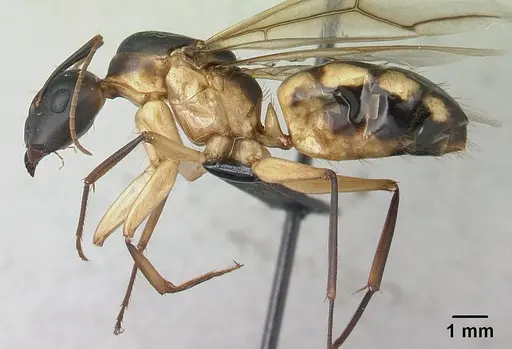
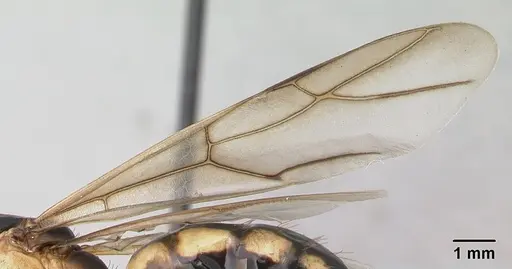
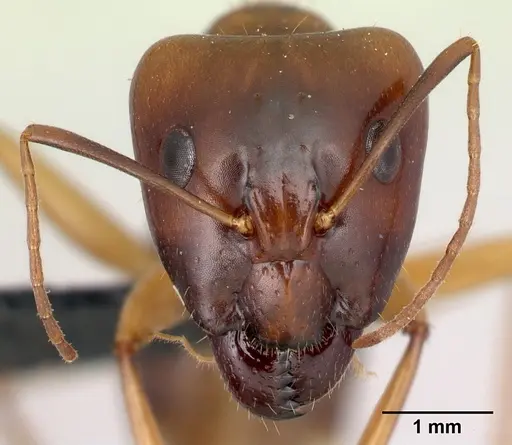
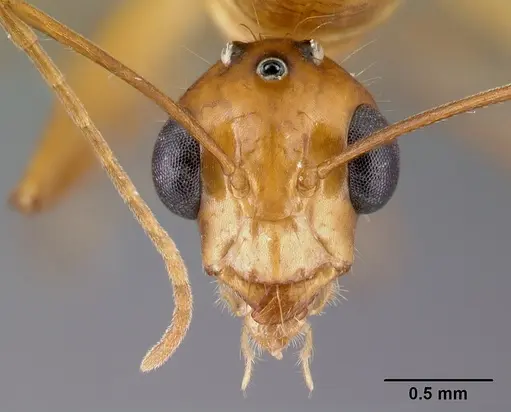
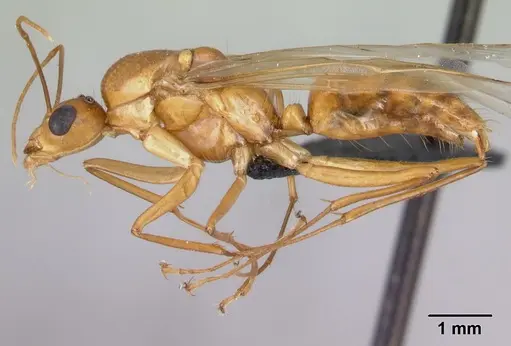
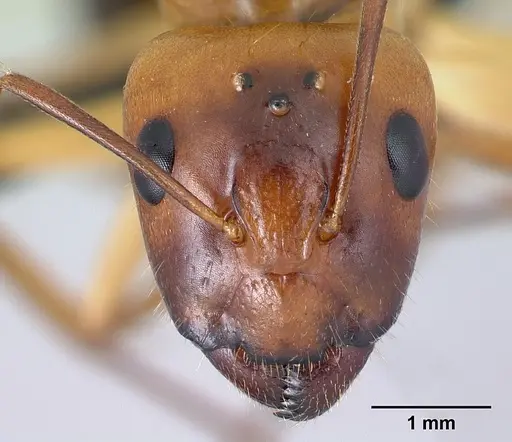
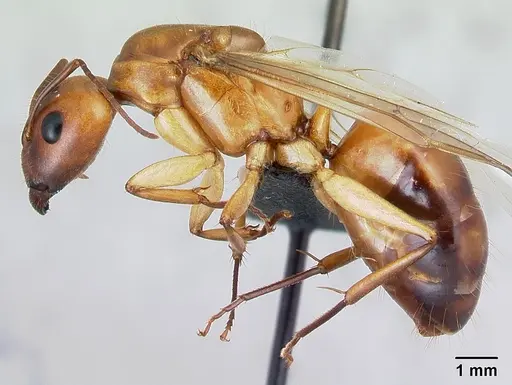
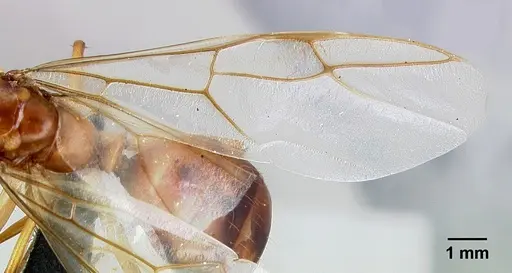
Camponotus mixtellus is an ant speciesof the genusCamponotus , belonging to the subfamily Formicinae and tribe Camponotini . It is documented in 3 countries , including Comoros, Madagascar, Mayotte .
Frequently Asked Questions
What kind of nest is best for Camponotus mixtellus?
Camponotus mixtellus are highly adaptable. They can thrive in various formicarium types, including acrylic nests, Ytong nests, or natural setups that mimic their preference for nesting in dead wood or soil. The most crucial aspect is providing a humidity gradient within the nest, offering both humid and drier areas for the colony to choose from based on their needs and the brood's development. Ensuring a secure outworld for foraging is also vital for these active ants.
How fast do Camponotus mixtellus colonies grow?
These 'carpenter ants' are known for their slower growth rate compared to some other ant species. While they can eventually form large colonies of thousands, it takes time. A newly established queen may only produce 10-15 workers in her first year, and major workers might not appear for several years. Patience is a virtue when antkeeping Camponotus mixtellus, as their slow but steady development will eventually reward you with a magnificent colony.
What do Camponotus mixtellus eat?
Camponotus mixtellus are omnivorous. Their diet should consist of sugary liquids like honey water, sugar water, or hummingbird nectar, which provide energy for the adult workers. For protein, crucial for the queen's egg-laying and larval growth, offer a variety of freshly killed insects such as small crickets, mealworms, superworms, fruit flies, and feeder roaches. Remember to always provide a fresh water source, typically through a test tube setup in their outworld.
Do Camponotus mixtellus need to hibernate?
Yes, Camponotus mixtellus, originating from regions with seasonal changes, require a period of diapause, similar to hibernation. This involves lowering their nest temperature for 2-3 months, typically between 8-15°C. This cool period is essential for their natural life cycle, promoting the queen's longevity and ensuring the colony's health and vitality for the active season ahead.
Are Camponotus mixtellus aggressive?
Generally, Camponotus mixtellus are considered to have a calm demeanor, especially towards their antkeeper. While they won't sting, their majors have strong mandibles and can deliver a bite, sometimes injecting formic acid if they feel threatened. However, they are not typically aggressive and will usually retreat if disturbed. Observing them in their outworld is usually a peaceful experience.
What are 'major' and 'minor' workers?
Camponotus mixtellus exhibits polymorphism within their worker caste, meaning workers come in different sizes. 'Minor' workers are the smaller, more numerous ants that often handle tasks like brood care and basic foraging. 'Major' workers, often called 'soldiers' by antkeepers, are significantly larger, with noticeably bigger heads. They play roles in defense, crushing harder food items, and occasionally acting as 'repletes' for food storage, though this is less common for this specific species.
How long does it take for a Camponotus mixtellus egg to become a worker?
The development time from egg to a full-grown worker in Camponotus mixtellus can vary with temperature, but generally, it takes approximately 6-8 weeks at optimal conditions. The queen lays eggs, which hatch into larvae, then pupate, and finally eclose into adult workers. Higher temperatures within their preferred range can help speed up this process.
Can I keep multiple Camponotus mixtellus queens together (pleometrosis)?
Camponotus mixtellus is a monogyne species, meaning they are adapted to having only a single queen per colony. While some ant species can engage in pleometrosis (multiple queens founding a colony together), this is not typical for Camponotus mixtellus, and attempting it usually results in the queens fighting until only one remains. It's best to keep them individually.
What's the best way to heat my Camponotus mixtellus colony?
These ants benefit from a warmer environment, ideally between 24-28°C. A heating cable placed under one side of the nest or an overhead heat lamp can provide the necessary warmth. It's important to create a temperature gradient, so only heat a portion of the nest. This allows the ants to self-regulate and move to cooler areas if needed. Avoid heating the entire nest uniformly.
Why is my Camponotus mixtellus queen not laying eggs?
A common reason for a queen not laying eggs, especially after her initial claustral period, can be stress from frequent disturbances, or a lack of proper environmental conditions like temperature and humidity. Ensuring she has a dark, quiet place to found her colony, along with the right temperature and humidity, is crucial. Additionally, after her first workers emerge, providing adequate protein is vital for stimulating further egg production.
How do Camponotus mixtellus build their nests in the wild?
In their natural habitat, Camponotus mixtellus are highly adaptable builders. They can be found nesting in a variety of locations, including inside dead branches, hollow twigs, rotten logs, or even directly in the ground or under stones. Their ability to excavate and create galleries within wood is a defining characteristic, earning them the 'carpenter ant' moniker.
Do Camponotus mixtellus bite?
Yes, Camponotus mixtellus workers, particularly the larger majors, are capable of biting. While they don't possess a stinger, their powerful mandibles can deliver a noticeable pinch. They may also spray formic acid into the bite, which can cause a mild irritation. Generally, they are not overtly aggressive, but it's always wise to handle them with care to avoid a nip.
What is the lifespan of a Camponotus mixtellus queen?
With proper care and environmental conditions, a Camponotus queen can live for many years, sometimes even decades. While specific data for Camponotus mixtellus may vary, other Camponotus queens have been known to live up to 20-29 years in captivity, making them a long-term commitment for any antkeeper.

This caresheet is licensed under CC BY-SA 4.0 .
Community Blogs
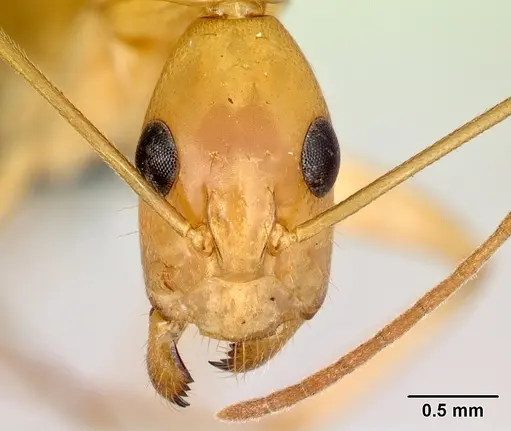
CASENT0071559
View on AntWeb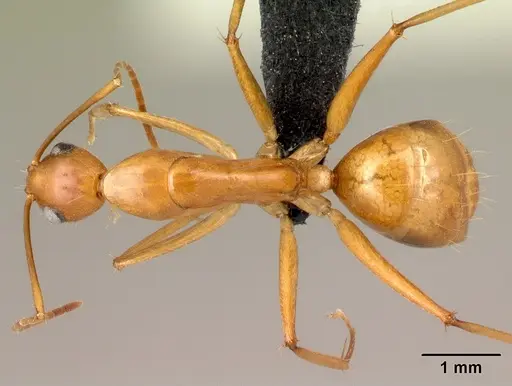
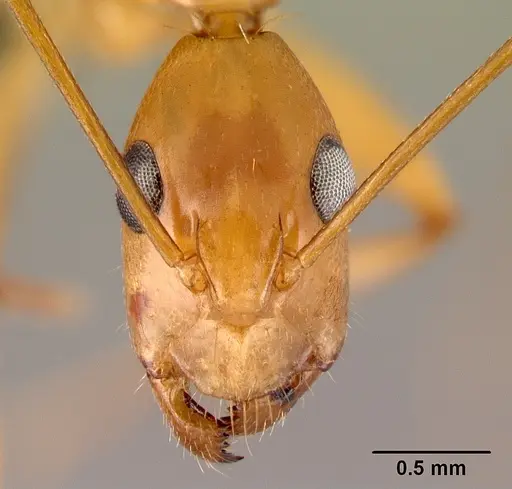
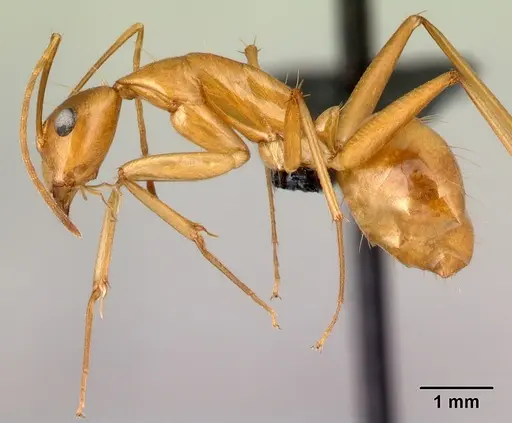
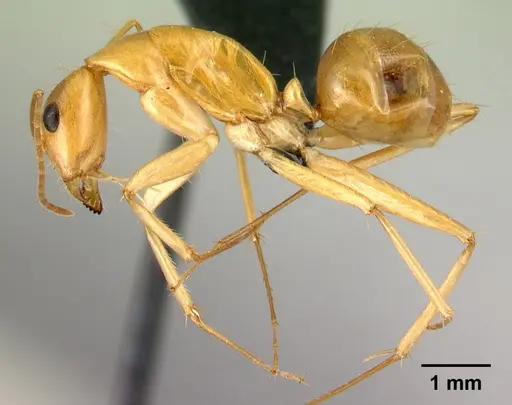
CASENT0076675
View on AntWeb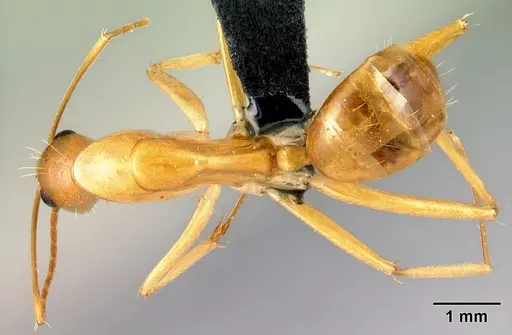
CASENT0101893
View on AntWeb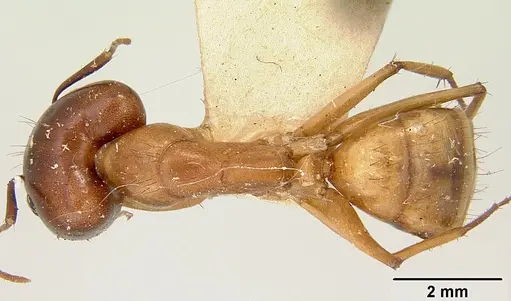
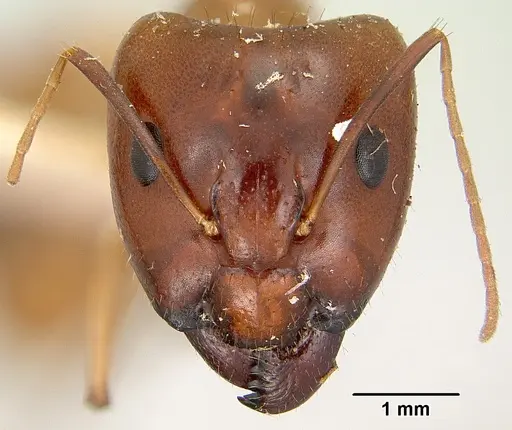
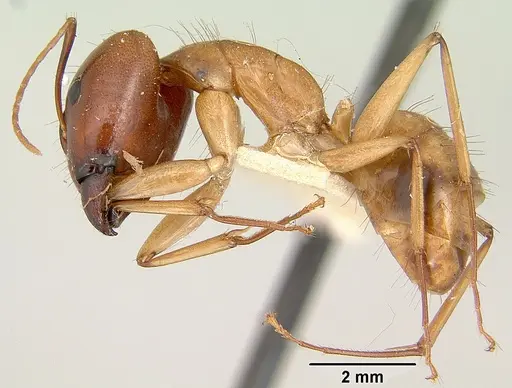
CASENT0101924
View on AntWeb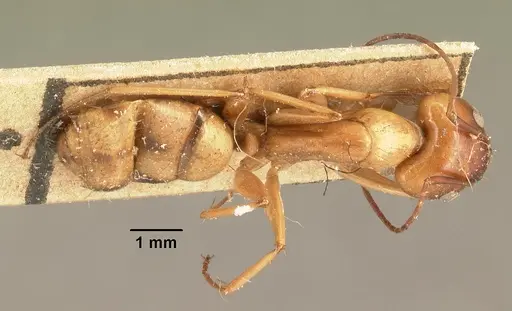
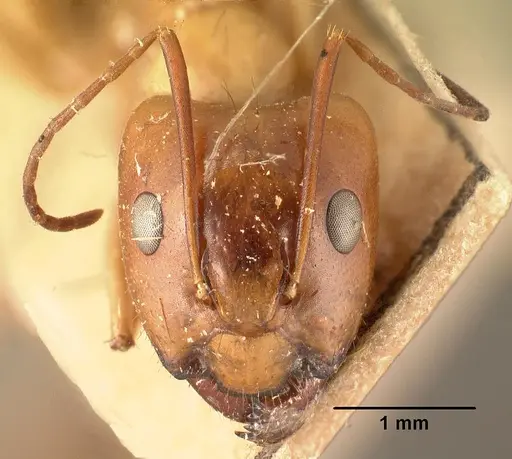
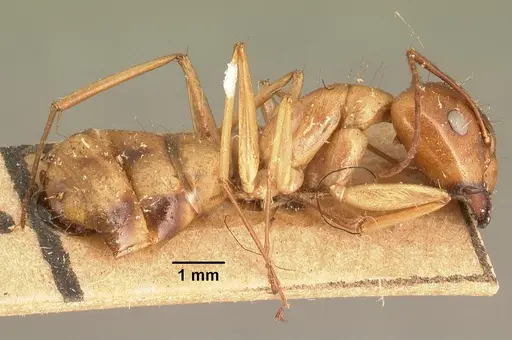
CASENT0132562
View on AntWeb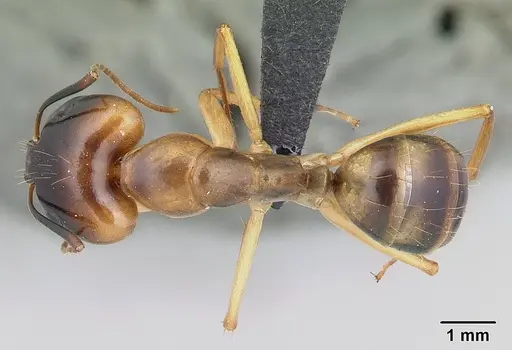
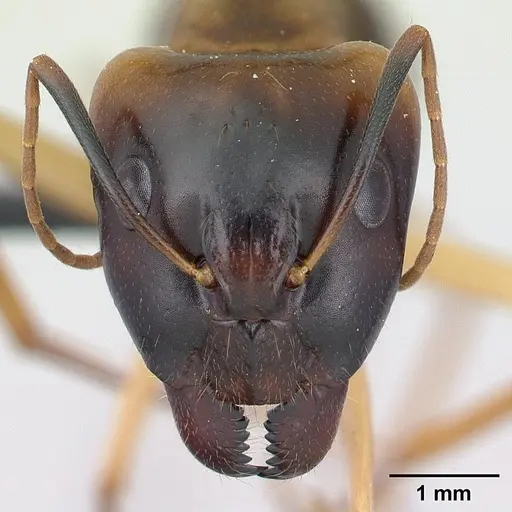
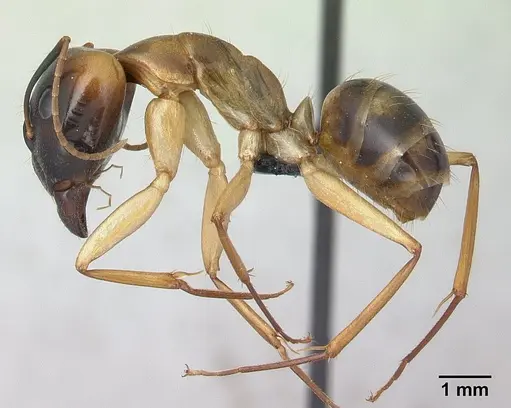
CASENT0132606
View on AntWeb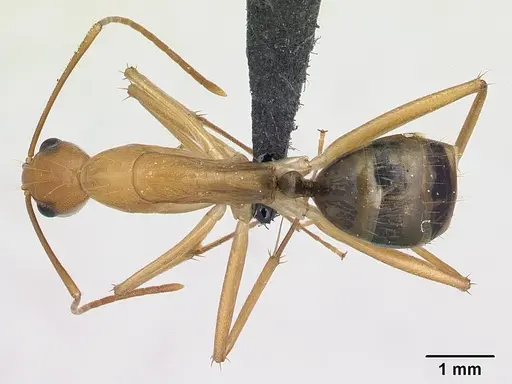
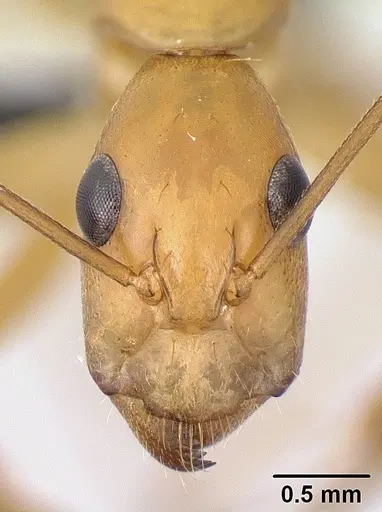
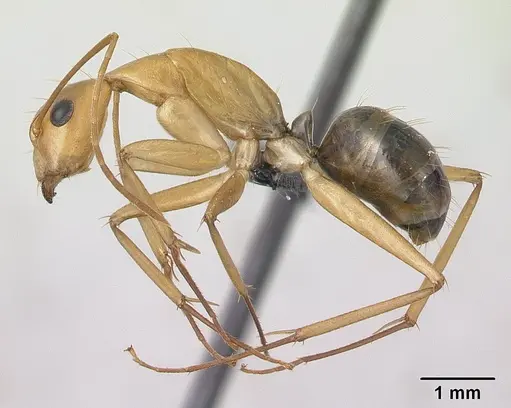
CASENT0132927
View on AntWeb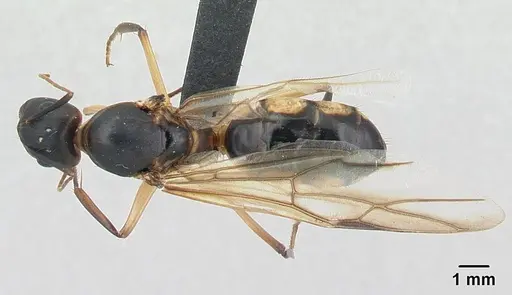
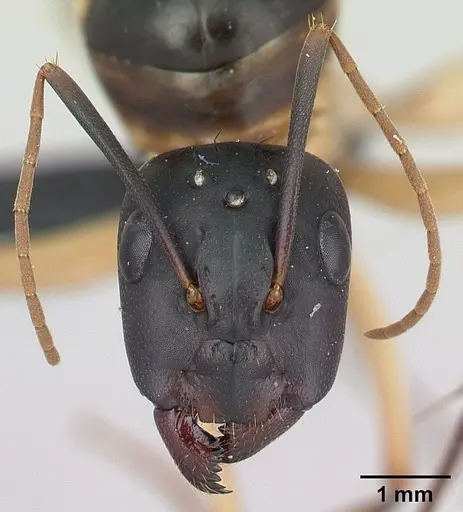
CASENT0217296
View on AntWeb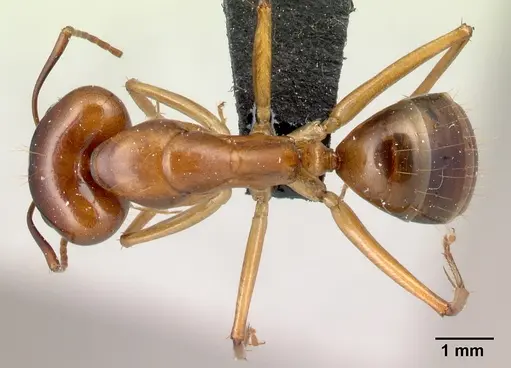
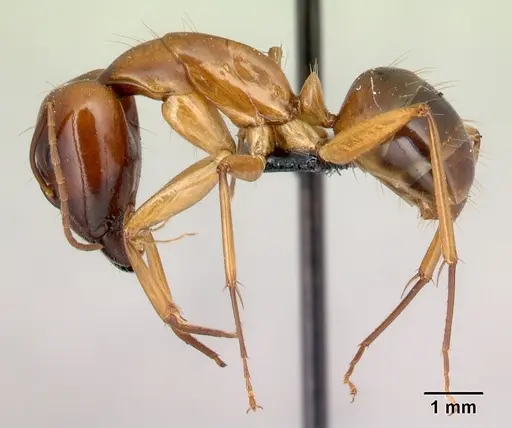
CASENT0498445
View on AntWeb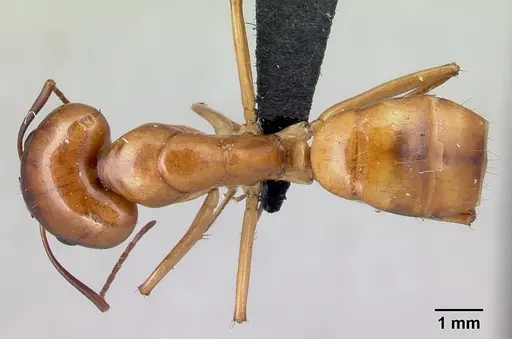
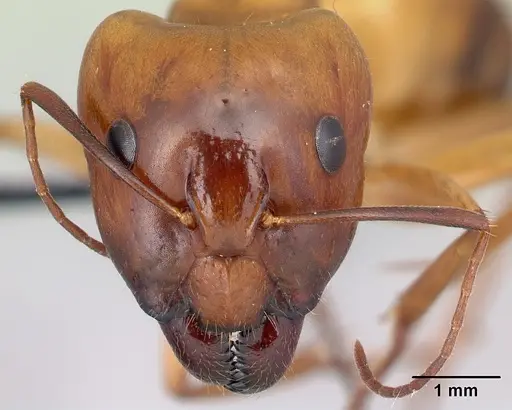
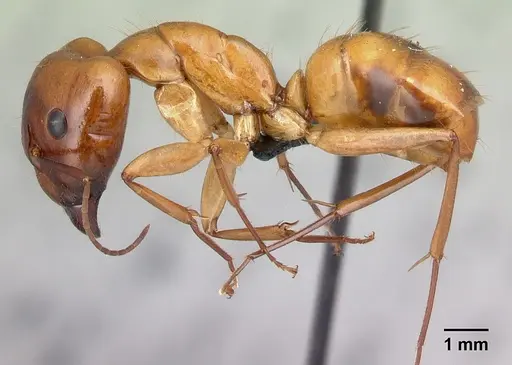
CASENT0498447
View on AntWeb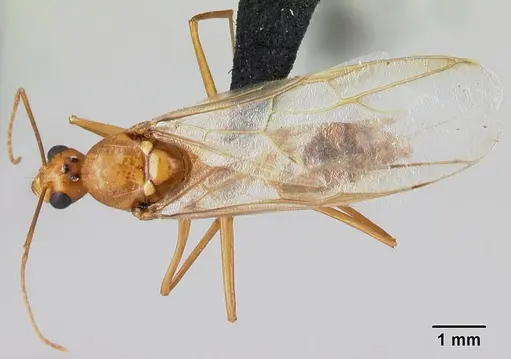
CASENT0499148
View on AntWeb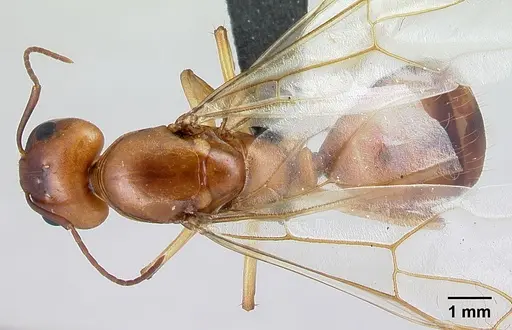
Literature
Loading distribution map...Loading products...