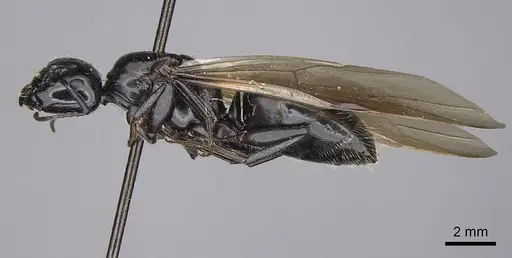
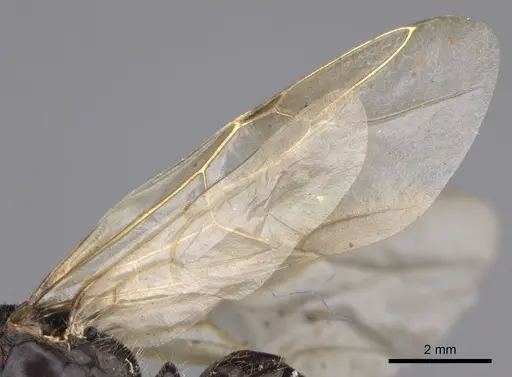
Camponotus laevissimus shows a May to June flight window. Peak activity occurs in May, with nuptial flights distributed across 2 months.

Hairy Smooth Carpenter Ant
Camponotus laevissimus
- Sci. Name
- Camponotus laevissimus
- Tribe
- Camponotini
- Subfamily
- Formicinae
- Author
- Mackay, 2019
- Common Name
- Hairy Smooth Carpenter Ant
- Distribution
- Found in 2 countries
- Nuptial Flight
- From May to June
- Peak flight Time
- 15:00
AI Identifiable
try →
Introduction
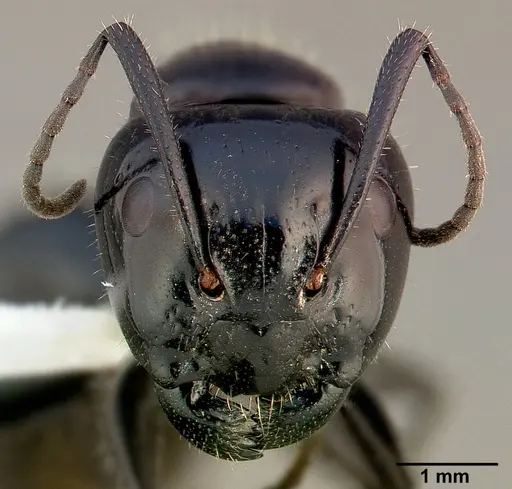
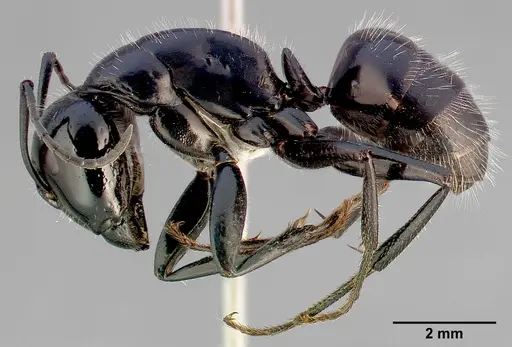
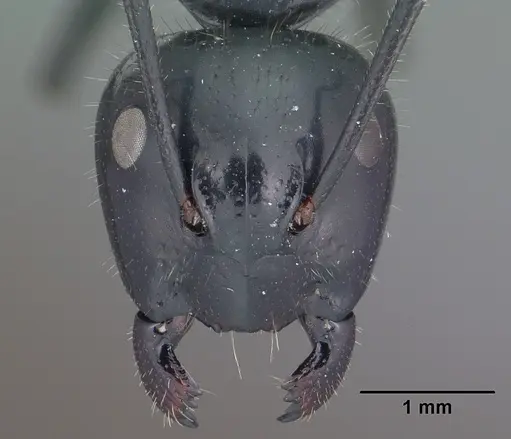
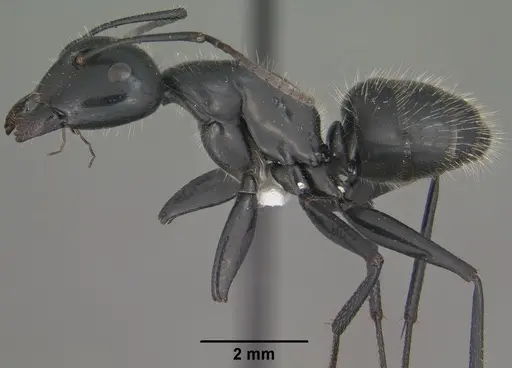
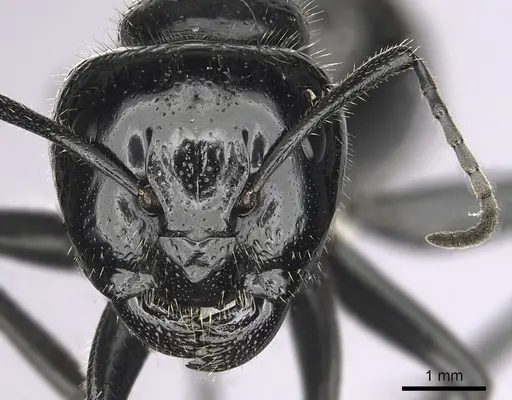
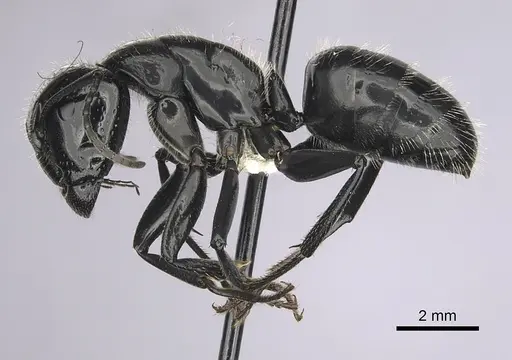
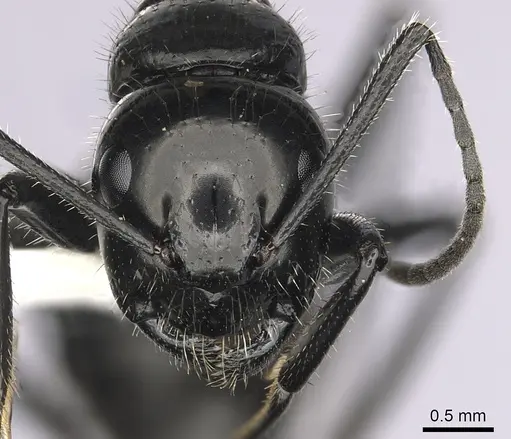
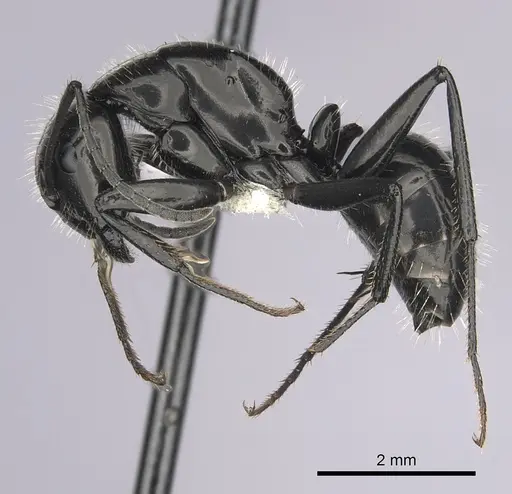
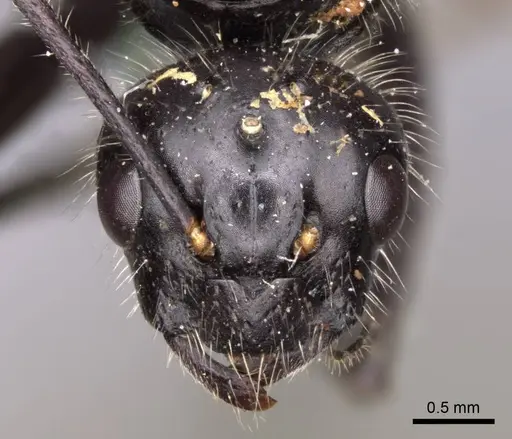
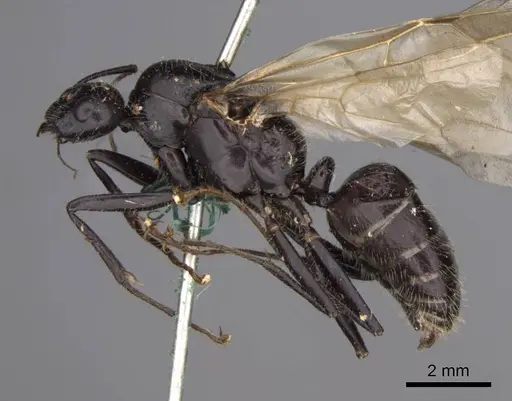
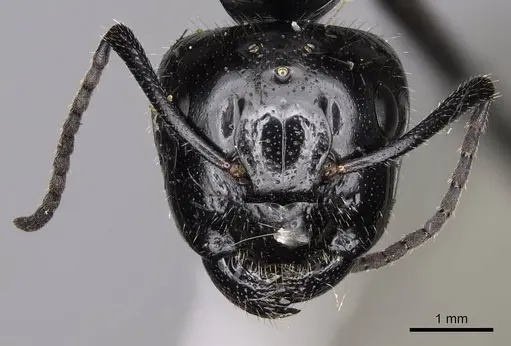
Camponotus laevissimus is a large carpenter ant native to western North America. Workers are entirely glossy black with distinctive short, bristly setae on their antennae - a key identification feature that separates them from similar species. This is a high-elevation species typically found between 2000-2500 meters in ponderosa pine forests, oak woodlands, and mixed coniferous habitats across Canada, the United States, and Mexico [AntWiki]. What makes this species interesting is its nesting behavior - it excavates colonies in rotting logs and stumps, including relatively fresh-cut pine wood. Workers coordinate in teams: some excavate wood fragments and carry them to the entrance, while others transport the debris away from the nest site. They form large colonies and are primarily diurnal foragers, though they can also be active at night [AntWiki]. This species was only recently distinguished from the similar C. laevigatus in 2019, so most historical literature actually refers to C. laevissimus [AntWiki].
Quick Summary
- Difficulty: Medium
- Origin & Habitat: Western North America (Canada, USA, Mexico), high elevation forests at 2000-2500m, ranging up to 3667m. Found in ponderosa pine forests, oak forests, mixed pine/deciduous forests, and pinyon juniper woodlands. Nests in rotten logs and stumps, including recently cut wood [1].
- Colony Type: Likely single-queen colonies based on typical Camponotus patterns. Forms large colonies, one Washington nest had approximately 1,000 workers, with colonies potentially reaching 10,000-20,000 workers [1].
- Size & Growth:
- Queen: Approximately 14-16mm total length, inferred from Camponotus genus patterns
- Worker: Major workers: approximately 9-12mm total length, Minor workers: approximately 6-8mm total length, inferred from genus patterns
- Colony: Large colonies, estimated up to 20,000 workers [1]
- Growth: Moderate, typical for large carpenter ants
- Development: 6-10 weeks, inferred from Camponotus genus patterns at room temperature (Development time depends on temperature, faster in warmer conditions, slower when cooler. First workers (nanitics) are smaller than normal workers.)
- Antkeeping:
- Temperature: Keep around 20-24°C. This is a cool-adapted mountain species that naturally experiences cooler temperatures at high elevations. Avoid overheating, room temperature is often ideal. A slight temperature gradient allows workers to self-regulate [1].
- Humidity: Moderate humidity (50-60%). These forest-dwelling ants prefer damp but not waterlogged conditions. Keep nest substrate slightly moist and provide a water source.
- Diapause: Yes, as a high-elevation species, they require a winter rest period. Reduce temperature to 10-15°C for 3-4 months (November-February in the Northern Hemisphere). This mimics their natural cold-season dormancy [1].
- Nesting: Naturalistic setups work best, they excavate in rotting wood. In captivity, Y-tong nests or plaster nests with wood inserts simulate their natural environment. They can also adapt to acrylic nests but may benefit from adding wood or bark fragments. Avoid completely artificial setups without some wood material.
- Behavior: Generally calm and non-aggressive for a carpenter ant. Workers are active foragers, primarily diurnal but can be nocturnal. They do not use regular foraging trails like some species. Medium escape risk, use standard barrier methods. While they can bite, they rarely do so and their mandibles are too small to penetrate human skin effectively. They are not considered dangerous to humans [1].
- Common Issues: high elevation cold-adapted species may struggle in warm homes without temperature control, colonies grow large quickly, ensure you have space for a 10,000+ worker colony, excavating behavior can damage acrylic nests, naturalistic or Y-tong preferred, winter hibernation is required, plan for 3-4 months of reduced activity, wild-caught colonies may carry parasites (Microdon fly larvae, parasitic wasps)
Nuptial Flight Activity Analysis 60 observations
Flight Activity by Hour 60 observations
Camponotus laevissimus nuptial flight activity peaks around 15:00 during the afternoon. Activity is spread across a 14-hour window (07:00–20:00). A secondary activity peak occurs around 17:00. Times may be influenced by human observation patterns.
Nest Preferences and Housing
Camponotus laevissimus naturally nests in rotting logs and stumps, including relatively fresh-cut pine wood. In the wild, they excavate chambers within the wood, creating tunnel systems that house the colony. They can even colonize stumps that were cut within the past year, workers excavate small pieces of wood and carry them out to create space [1].
For captive care, naturalistic setups work best. Y-tong nests with added wood fragments or bark allow them to exhibit natural excavation behavior. Plaster nests with a wood insert also simulate their preferred environment. Pure acrylic nests are usable but may be damaged by their excavating behavior. Test tubes can work for founding colonies but will need upgrading as the colony grows.
The key is providing damp wood material they can work with. A humidity reservoir connected to a wood chamber helps maintain appropriate conditions. These ants do best with moderate humidity (around 50-60%) and should have access to both moist and slightly drier areas within the nest.
Feeding and Diet
Like other carpenter ants, C. laevissimus is an omnivore with a preference for protein. In nature, they are predators of the western spruce budworm and other small insects [1]. They also consume honeydew from aphids and extrafloral nectar, though they do not visit the barrel cactus nectaries [1].
In captivity, offer a varied diet: protein sources like mealworms, small crickets, and other feeder insects 2-3 times per week. Sugar water or honey should be available constantly, carpenter ants need carbohydrates for energy. They are active foragers, so place food where workers can easily find it.
These ants have broad sensory detection and can recognize cuticular hydrocarbons from both nestmates and non-nestmates [1]. This means they may be selective about food acceptance, but they typically accept standard ant foods readily. Remove uneaten prey after 24-48 hours to prevent mold.
Temperature and Seasonal Care
This is a cold-adapted mountain species. In the wild, they live at elevations of 2000-2500 meters where temperatures remain cool year-round. They can tolerate temperatures from roughly 15°C up to about 28°C, but thrive in the 20-24°C range. Room temperature is often ideal for this species.
Avoid placing their nest near heat sources or in warm rooms. Overheating can stress colonies and may increase mortality. If your home runs warm, provide a cooler area within the setup or use a small fan for air movement.
Winter diapause is required. Reduce temperatures to 10-15°C for 3-4 months during winter (typically November through February in the Northern Hemisphere). This mimics their natural seasonal cycle and is essential for colony health. Do not feed during hibernation and keep water available but minimal [1].
Behavior and Colony Dynamics
Camponotus laevissimus is primarily diurnal but can be active at night, especially in warmer conditions [2]. Workers forage individually rather than along established trails, they search for food actively throughout their territory. This makes them entertaining to watch as they explore the outworld.
Colonies can become quite large. One documented nest in Washington state contained approximately 1,000 workers, and researchers estimate mature colonies may reach 10,000-20,000 workers [1]. This growth potential means you should plan for a spacious setup if keeping this species long-term.
Workers are relatively docile and rarely show aggression toward keepers. While they can bite, their mandibles are small and unlikely to break human skin. They pose no real danger to humans. Escape risk is moderate, standard barrier methods like fluon on container rims work well.
Frequently Asked Questions
Is Camponotus laevissimus a good species for beginners?
This is a medium-difficulty species. They are more forgiving than tropical ants but require cold temperatures and winter hibernation. If you can provide a cool room (around 20-24°C) and manage a 3-4 month hibernation period, they are a rewarding species. Their large size and active foraging make them engaging to watch.
How long does it take for the first workers to emerge?
Based on typical Camponotus development, expect 6-10 weeks from egg to first worker (nanitic) at room temperature. The exact timing depends on temperature, warmer conditions speed development, cooler conditions slow it. Nanitics will be smaller than normal workers but functional.
What temperature should I keep them at?
Keep them at room temperature, ideally 20-24°C. This is a cold-adapted mountain species that does not do well in warm conditions. Avoid temperatures above 28°C. A slight gradient allowing workers to choose their preferred temperature is ideal.
Do they need hibernation?
Yes, winter hibernation is required. Reduce temperatures to 10-15°C for 3-4 months (typically November-February). This species naturally experiences cold winters at high elevations, and hibernation is essential for colony health and annual cycle regulation.
How big do colonies get?
Colonies can reach up to 20,000 workers at maturity. A documented wild colony had approximately 1,000 workers, and researchers believe mature colonies are much larger. Be prepared for a large, active colony if you keep this species long-term.
What do I feed Camponotus laevissimus?
Offer protein (mealworms, small crickets, other feeder insects) 2-3 times per week. Keep sugar water or honey available constantly. They are predators in the wild and need protein for brood development, plus carbohydrates for worker energy.
Can I keep multiple queens together?
No. This species is monogyne, colonies have a single queen. Combining unrelated queens is not recommended and would likely result in fighting. Only keep one queen per colony.
When should I move them to a formicarium?
Move from test tube to a larger setup when the colony reaches several hundred workers and the test tube becomes crowded. Naturalistic setups with wood material work best. They may excavate, so choose a durable nest type.
When is the nuptial flight of Camponotus laevissimus?
The nuptial flight of Camponotus laevissimus typically occurs From May to June.
What time of day does Camponotus laevissimus fly?
The nuptial flight of Camponotus laevissimus peaks around 15:00 during the afternoon, with most activity between 07:00 and 20:00. Times may be influenced by human observation patterns.
Report an Issue
The current care sheet is based fully on literature. See inconsistencies, or something that's incorrect? Please , it will be resolved after review from an admin. Contributing to the blogs tab also helps providing information, to make us be able to further improve the caresheets. Thank you for your support!
References

This caresheet is licensed under CC BY-SA 4.0 .
Community Blogs
CASENT0005346
View on AntWeb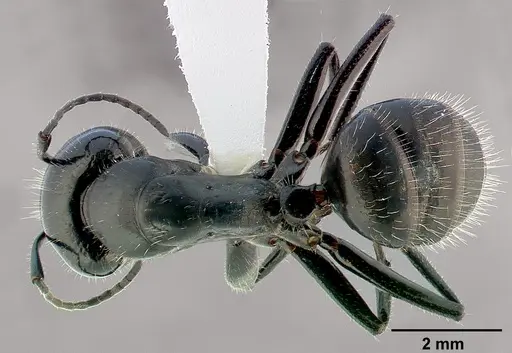
CASENT0102776
View on AntWeb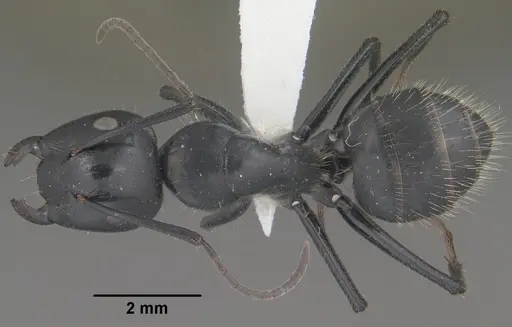
CASENT0280010
View on AntWeb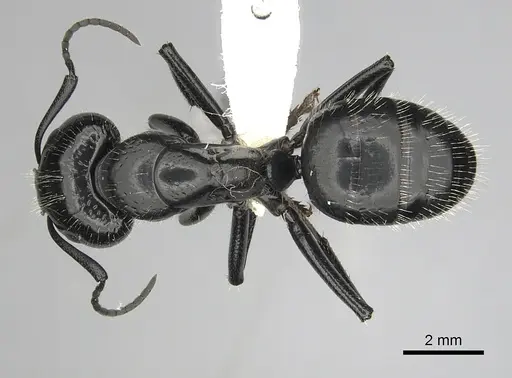
CASENT0280011
View on AntWeb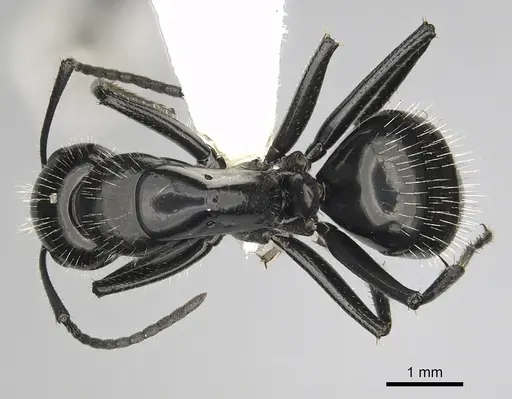
CASENT0923029
View on AntWeb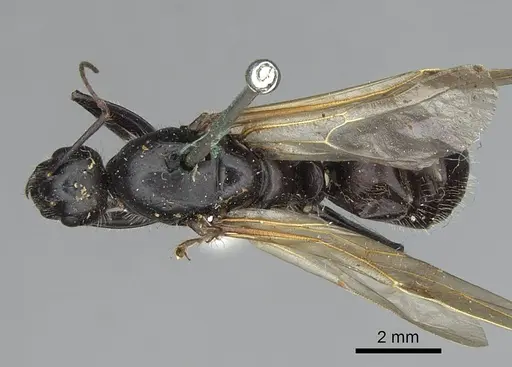
CASENT8364325
View on AntWeb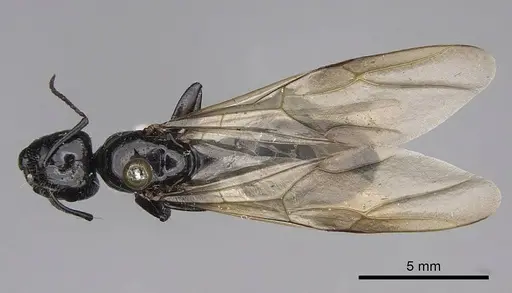
Literature
Loading distribution map...Loading products...