
Camponotus koseritzi
- Sci. Name
- Camponotus koseritzi
- Subgenus
- Tanaemyrmex
- Tribe
- Camponotini
- Subfamily
- Formicinae
- Author
- Emery, 1888
- Distribution
- Found in 1 countries
Introduction
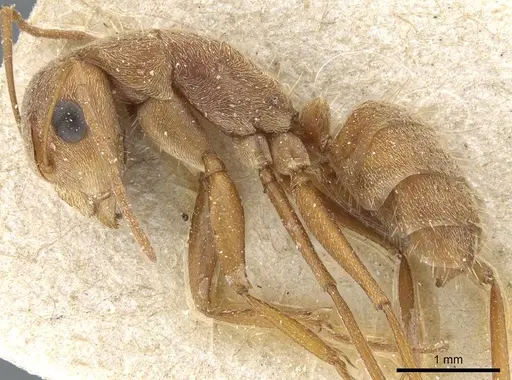
Camponotus koseritzi is a species of ant from the Neotropical region, found in Bolivia, Brazil, and Peru . It belongs to the subfamily Formicinae, so it lacks a stinger and sprays formic acid for defense. The species is known from grassland and agricultural habitats in southern Brazil, particularly in the Pampa region of Rio Grande do Sul, where it occurs on the ground and on low vegetation . It is a ground-nesting ant, likely establishing colonies in soil or under stones. Worker size has not been reported in the available research - they are medium-sized for a Camponotus. As a Formicinae, they use formic acid spray and do not have a functional sting.
Quick Summary
- Difficulty: Medium
- Origin & Habitat: Native to the Neotropical region: Bolivia, Brazil (Rio Grande do Sul, Santa Catarina), and Peru [1][4]. They inhabit grassland ecosystems in the Pampa biome and agricultural areas like vineyards in the Campanha region of Rio Grande do Sul [2][3]. This is a ground-nesting species that prefers open, grassy areas with moderate vegetation cover.
- Colony Type: Likely monogyne (single queen) based on typical Camponotus patterns, but this has not been studied directly for this species. Founding and social structure remain unconfirmed.
- Size & Growth:
- Queen: Size data unavailable, not reported in available literature. Queens are likely larger than workers, typical for Camponotus.
- Worker: Size data unavailable, not reported in available literature. Workers are medium-sized for a Camponotus.
- Colony: Unknown, not documented in available literature. Based on other grassland Camponotus, mature colonies may reach several thousand workers, but this is speculative.
- Growth: Moderate (estimated based on Camponotus patterns, not confirmed for this species)
- Development: Estimated 6-8 weeks at optimal temperatures, based on other Camponotus species. Specific data for this species are lacking. (Development time is inferred from genus-level data, the actual timeline for this species is unconfirmed.)
- Antkeeping:
- Temperature: Keep at 22-26°C, based on the subtropical climate of southern Brazil. A heating cable can create a gradient if needed. This is a recommended range, not experimentally confirmed for this species.
- Humidity: Moderate humidity, keep nest substrate slightly moist but not waterlogged. Avoid constant wetness or complete dryness. Inferred from grassland habitat.
- Diapause: Likely a winter slowdown, not full hibernation. If colony activity drops, gradually reduce temperature to 15-18°C for 2-3 months and reduce feeding. This simulates the mild winter of its native range but is not proven necessary.
- Nesting: Ground-nesting species. Use Y-tong (AAC), plaster nests, or naturalistic setups with soil. Provide a dark chamber with moderate humidity. Test tubes work for founding, then move to a proper nest once the colony has a small worker force.
- Behavior: Generally calm and non-aggressive. Workers are active foragers for honeydew, nectar, and small insects. Escape risk is moderate, use standard barrier methods (fluon on rims) but they are not known for extreme escape attempts. Polymorphic workers (minors and majors) develop in established colonies. They are likely crepuscular or nocturnal in the wild but adjust to captivity.
- Common Issues: slow founding phase, claustral queens seal themselves in and may take months before first workers appear, avoid disturbing them, overfeeding mold, leftover protein food can mold quickly, remove uneaten prey within 24 hours, dry nesting material, being from grassland, they need consistent moderate moisture, monitor substrate humidity, winter mortality, if you simulate winter, reduce temperature gradually, sudden drops can kill the colony, queen loss during founding, queens are vulnerable during the sealed founding stage, avoid vibrations and disturbances
Nest Preferences and Setup
Camponotus koseritzi is a ground-nesting species that naturally establishes colonies in soil, often under stones or in grassy areas with loose substrate. In captivity, they adapt well to multiple nest types. Y-tong (AAC) nests work well, provide chambers with passage widths around 8-12 mm, scaled to their size. Plaster nests or naturalistic setups with a dirt section are also suitable. The key is providing a dark, humid nest chamber with access to an outworld for foraging. For founding, a simple test tube setup with a water reservoir works, but transfer to a proper formicarium once the colony has a small worker force. These ants do not require extreme humidity, keep the nest substrate moderately moist, with the outworld drier [2][3].
Feeding and Diet
Like most Camponotus species, C. koseritzi is omnivorous with a preference for sugar sources and protein. Offer sugar water (1:1 ratio) or diluted honey as a constant energy source. For protein, provide small insects like fruit flies, small crickets, mealworms, or waxworms. Feed protein 2-3 times per week, adjusting based on colony size. Remove uneaten prey within 24 hours to prevent mold. In the wild, they likely forage for honeydew from aphids and small invertebrates in grassland habitats. They are not specialized predators, so a varied diet works well. Observe your colony’s preferences.
Temperature and Seasonal Care
Being from southern Brazil and Peru, this species experiences warm temperate to subtropical conditions. Keep your colony in the 22-26°C range for optimal activity and brood development. They can tolerate brief periods outside this range but avoid prolonged cold or heat. During winter months (roughly December-February in the Southern Hemisphere), you may notice reduced activity, this is natural. If you want to simulate a mild winter, gradually reduce temperatures to around 15-18°C for 2-3 months and reduce feeding. This winter rest period may help synchronize the colony’s annual cycle, but it is not required because their native habitat does not experience harsh freezes. Room temperature in most homes is suitable, though a heating cable may help during colder months.
Colony Founding and Early Development
The founding behavior of Camponotus koseritzi has not been directly studied. Based on patterns in other Camponotus species, queens are believed to be claustral, after mating, the queen seals herself in a small chamber and does not leave to forage, surviving on stored fat reserves while rearing the first brood. This process can take 4-8 weeks or longer depending on temperature. During this period, the queen needs complete darkness and minimal disturbance. Do not check on her daily, weekly checks are sufficient. The first workers (nanitics) are often smaller than mature workers but will grow as the colony expands. Once nanitics emerge, the queen may resume some activity, but workers handle all foraging. The founding phase is when colonies are most vulnerable, avoid temperature swings, vibrations, and excessive humidity changes.
Behavior and Temperament
Camponotus koseritzi is generally a calm, manageable species suitable for antkeepers with some experience. They are not particularly aggressive or defensive, workers will retreat rather than attack when threatened. As Formicinae ants, they lack a stinger but can spray formic acid as a defensive spray, which is harmless to humans but can be irritating to other insects. Workers are polymorphic, you will see both smaller minor workers and larger major workers (soldiers) in established colonies. Major workers develop as the colony grows and their role is primarily defense and seed processing. These ants are primarily nocturnal in the wild but adjust their activity patterns to your colony’s light schedule. They are moderate foragers, not hyperactive like some species, but active enough to make for engaging observation. They do not have extreme escape tendencies, but standard barrier methods (fluon on rim edges, tight-fitting lids) are still recommended.
Frequently Asked Questions
How long does it take for Camponotus koseritzi queens to produce first workers?
Assuming claustral founding (as in other Camponotus), first workers typically appear 6-8 weeks after the queen lays eggs at around 24-26°C. The founding phase can take longer if temperatures are cooler. Be patient, some queens take 2-3 months to produce nanitics, especially if conditions are not optimal. Note: this is based on inferred genus patterns, not specific data for this species.
What temperature do Camponotus koseritzi ants need?
Keep them at 22-26°C. Southern Brazil has warm summers, so this range mimics their natural conditions. A heating cable on one side of the nest can create a gradient if your room runs cool, but most room temperatures in heated homes work well.
How big do Camponotus koseritzi colonies get?
Colony size has not been documented. Based on other Camponotus species of similar size, mature colonies may reach several thousand workers over 2-3 years, but this is speculation. They are not among the largest Camponotus species, but can still form substantial colonies. Growth is moderate.
What do Camponotus koseritzi ants eat?
They need a balanced diet of sugars and protein. Offer sugar water or honey as a constant energy source. For protein, provide small insects like fruit flies, crickets, or mealworms 2-3 times per week. Remove uneaten food within 24 hours to prevent mold.
Do Camponotus koseritzi need hibernation?
A mild winter rest period may be beneficial but is not required. Their native habitat in southern Brazil has mild winters rather than harsh freezes. You can reduce temperatures to 15-18°C for 2-3 months during winter and reduce feeding. This simulates their natural seasonal cycle but is not proven necessary.
Is Camponotus koseritzi good for beginners?
This species is rated as Medium difficulty. While not as challenging as some exotic species, the long founding phase requires patience and minimal disturbance. Beginners should be prepared for the wait before first workers appear. Once established, they are relatively straightforward to keep.
What nest type is best for Camponotus koseritzi?
Y-tong (AAC) nests, plaster nests, or naturalistic setups with a dirt section all work well. They are ground-nesting ants that appreciate a soil or substrate area for burrowing. Provide a dark nest chamber with moderate humidity and access to an outworld for foraging.
Can I keep multiple Camponotus koseritzi queens together?
Not recommended. This species likely forms single-queen colonies (monogyne), but this has not been confirmed. Combining unrelated queens is not known to work and will likely result in fighting. If you acquire a colony, assume it has one queen and do not attempt to introduce additional queens.
Why is my Camponotus koseritzi colony dying?
Common causes include: disturbance during the founding stage (queens are very sensitive), improper humidity (too dry or too wet), temperature extremes, mold from uneaten food, or stress from vibrations. Review your setup and ensure the queen has had adequate time in a dark, undisturbed location during founding.
Report an Issue
The current care sheet is based fully on literature. See inconsistencies, or something that's incorrect? Please , it will be resolved after review from an admin. Contributing to the blogs tab also helps providing information, to make us be able to further improve the caresheets. Thank you for your support!
References

This caresheet is licensed under CC BY-SA 4.0 .
Community Blogs
CASENT0905207
View on AntWeb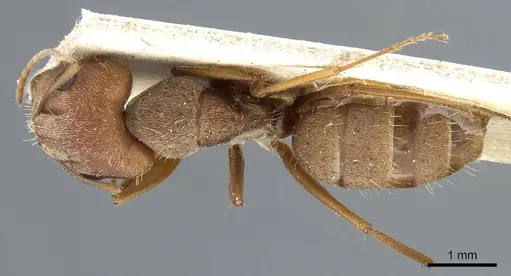
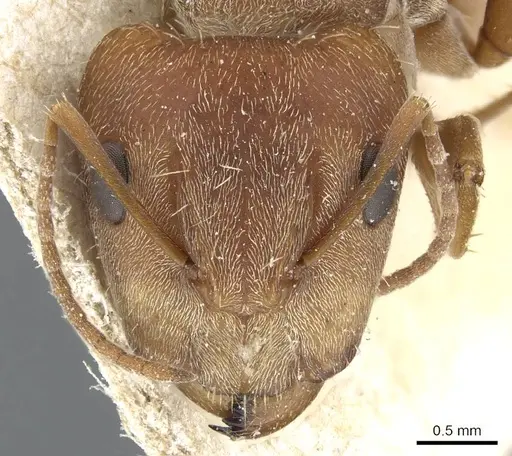

CASENT0905208
View on AntWeb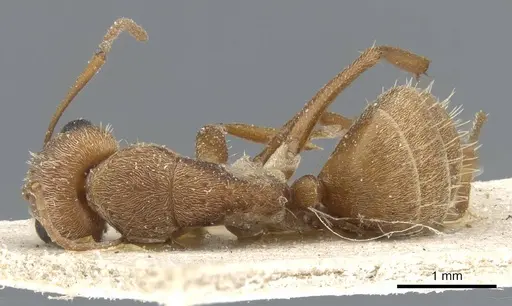
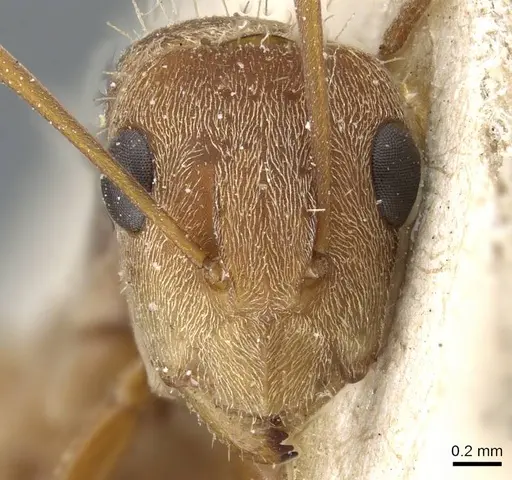
Literature
Loading distribution map...Loading products...