
Camponotus karaha
- Sci. Name
- Camponotus karaha
- Subgenus
- Myrmosaga
- Tribe
- Camponotini
- Subfamily
- Formicinae
- Author
- Rasoamanana <i>et al.</i>, 2017
- Distribution
- Found in 1 countries
Introduction
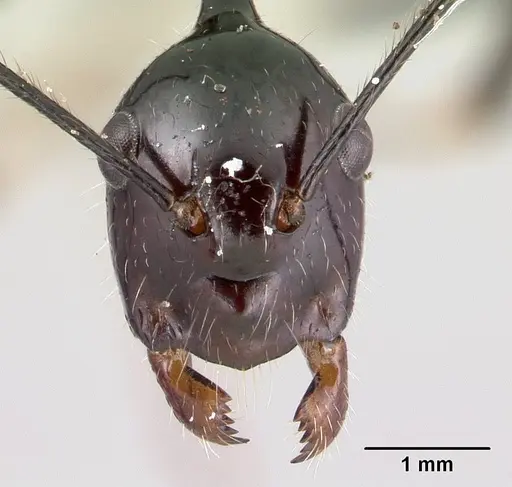
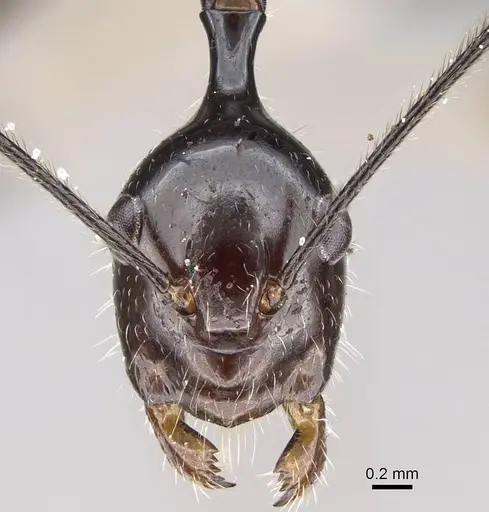
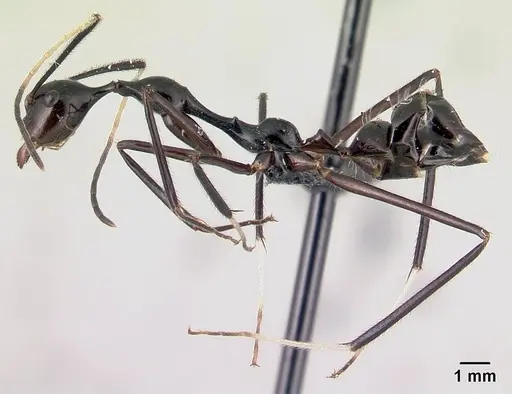
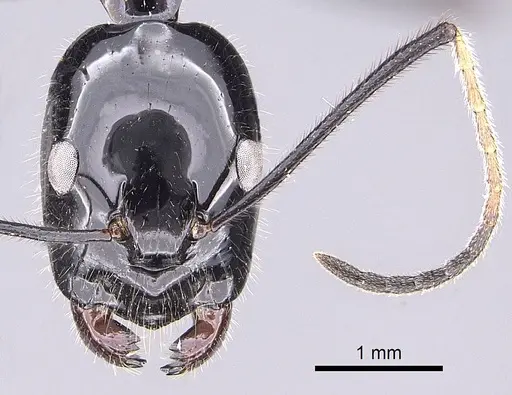
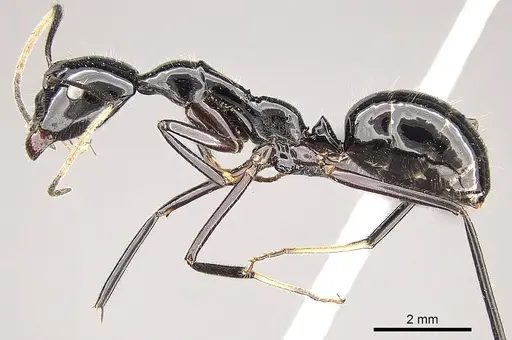
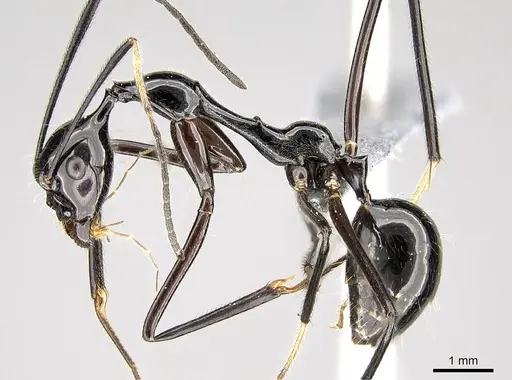
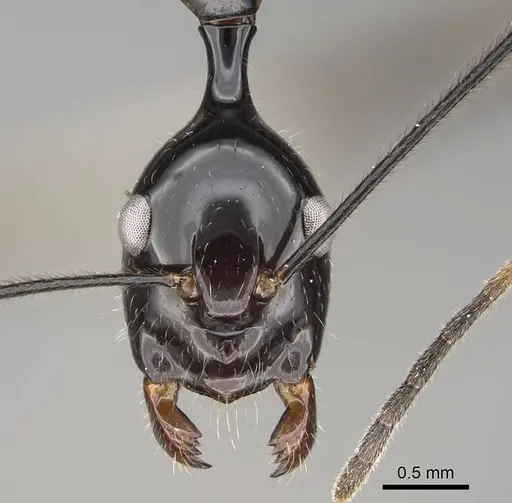
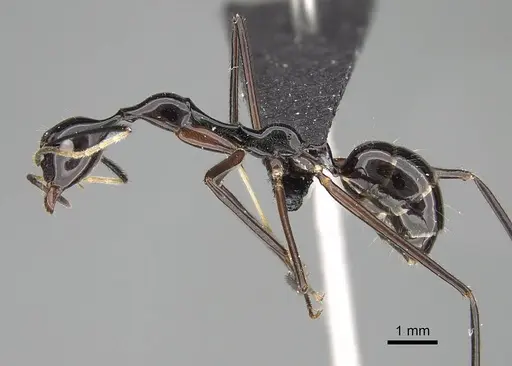
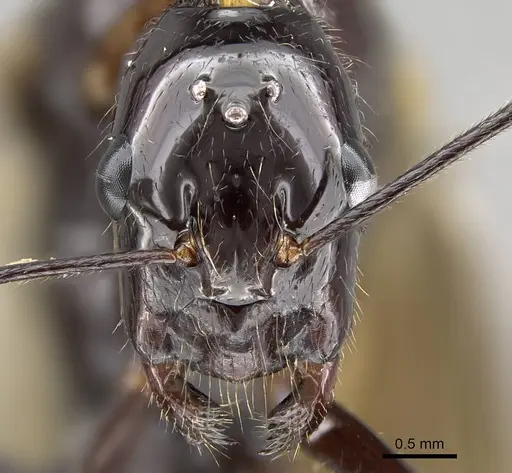
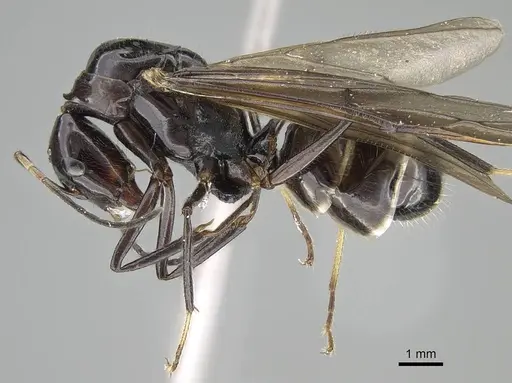
Camponotus karaha is a small carpenter ant endemic to Madagascar, belonging to the subgenus Myrmopytia . Workers are black with morphological variability between populations . They are found in eastern and montane rainforests at elevations from 175 to 1325 meters, nesting in rotten logs and on low vegetation . This species is notable for its mimicry of Aphaenogaster ants, often foraging alongside them in the wild .
Quick Summary
- Difficulty: Medium
- Origin & Habitat: Eastern rainforest and montane rainforest of Madagascar, elevations 175-1325m, nesting in rotten logs and on low vegetation [1].
- Colony Type: Unconfirmed, based on Camponotus patterns, likely monogyne (single queen colonies).
- Size & Growth:
- Queen: Size data unavailable, inferred from Camponotus genus (~8-12 mm)
- Worker: Size data unavailable, inferred from Camponotus genus (~4-8 mm)
- Colony: Unknown, estimated up to several hundred workers based on typical Camponotus patterns
- Growth: Moderate
- Development: 6-10 weeks estimated based on Camponotus patterns (Development time may vary with temperature)
- Antkeeping:
- Temperature: Keep warm, roughly 24-28°C, based on tropical rainforest habitat
- Humidity: Keep nest substrate consistently moist but not waterlogged
- Diapause: No, tropical species do not require hibernation
- Nesting: Prefers wood-based nests, in captivity, use Y-tong or plaster nests with damp substrate [1]
- Behavior: Docile and not aggressive, daytime foragers with unique mimicry behavior [2]. They lack a sting and spray formic acid for defense. Standard escape prevention sufficient for their small size.
- Common Issues: cold temperatures can halt brood development, nest substrate drying out can kill the colony, founding colonies are fragile and sensitive to disturbance
Housing and Nest Setup
Camponotus karaha naturally nests in rotten logs and decaying wood in Madagascar's rainforests [1]. In captivity, provide a nest that mimics these conditions. Use Y-tong or plaster nests with a water reservoir to maintain humidity. The chambers should be appropriately sized for their small workers. A small outworld for foraging allows workers to search for food. Ensure the nest substrate stays damp but not saturated [1].
Feeding and Diet
Like most Camponotus species, these ants are omnivorous. They accept sugar sources (honey water, sugar water) and protein foods like small insects [2]. Feed sugar constantly and protein 2-3 times per week, adjusting for colony size. Remove uneaten prey after 24 hours to prevent mold.
Temperature and Humidity
As a tropical species, keep the nest area warm, roughly 24-28°C, based on habitat inference. A heating cable can create a gentle gradient, but avoid direct heat. For humidity, keep the nest substrate consistently moist but not waterlogged. Mist the outworld occasionally and monitor water levels.
Colony Development
Colony founding behavior is unconfirmed. After mating, the queen may seal herself in a chamber to raise the first brood. Development from egg to worker takes approximately 6-10 weeks under optimal conditions. Once workers emerge, the colony expands gradually with moderate growth.
Behavior and Unique Traits
This species exhibits Batesian mimicry, resembling Aphaenogaster ants to avoid predators or access resources [2]. They are docile and not aggressive, spraying formic acid for defense. Standard escape prevention measures work well for their small size.
Frequently Asked Questions
How long does it take for Camponotus karaha to produce first workers?
Expect first workers approximately 6-10 weeks after queen lays eggs, based on Camponotus genus patterns.
What temperature do Camponotus karaha ants need?
Keep them at roughly 24-28°C, based on their tropical rainforest habitat.
Can I keep multiple Camponotus karaha queens together?
This species is likely monogyne, so combining queens may result in fighting. Only keep one queen per colony.
What do Camponotus karaha eat?
They accept sugar water or honey for energy and small insects for protein [2].
Are Camponotus karaha good for beginners?
They are rated medium difficulty due to humidity and warmth needs.
What size colony do Camponotus karaha reach?
Colony size is unknown, but estimated up to several hundred workers based on typical Camponotus patterns.
Do Camponotus karaha need hibernation?
No, as a tropical species, they do not require hibernation.
What nest type is best for Camponotus karaha?
Y-tong or plaster nests work well, mimicking their natural rotten log habitat [1].
Why does Camponotus karaha look like a different ant species?
This is Batesian mimicry, they resemble Aphaenogaster ants to avoid predators [2].
Report an Issue
The current care sheet is based fully on literature. See inconsistencies, or something that's incorrect? Please , it will be resolved after review from an admin. Contributing to the blogs tab also helps providing information, to make us be able to further improve the caresheets. Thank you for your support!
References

This caresheet is licensed under CC BY-SA 4.0 .
Community Blogs
CASENT0067554
View on AntWeb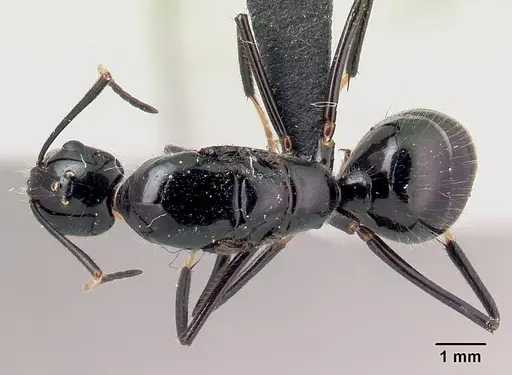
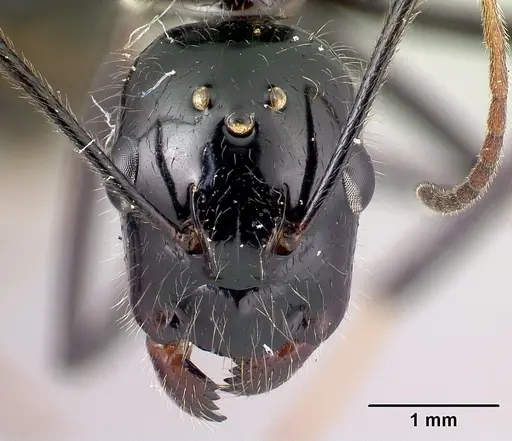
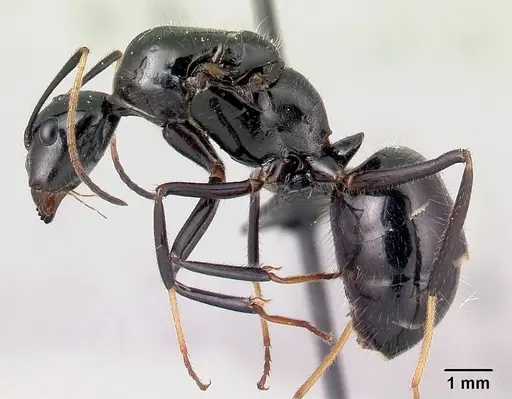
CASENT0067555
View on AntWeb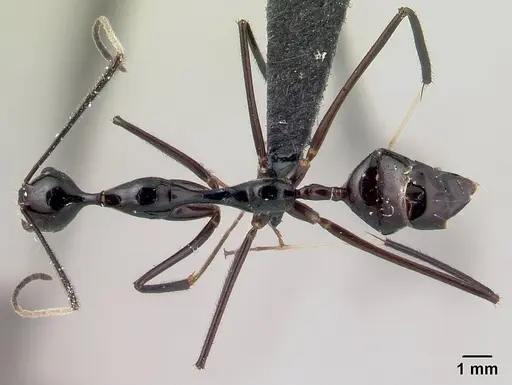
CASENT0151921
View on AntWeb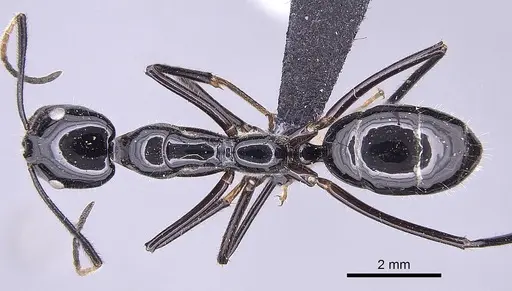
CASENT0179435
View on AntWeb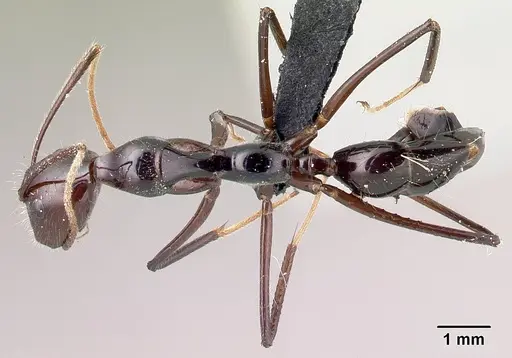
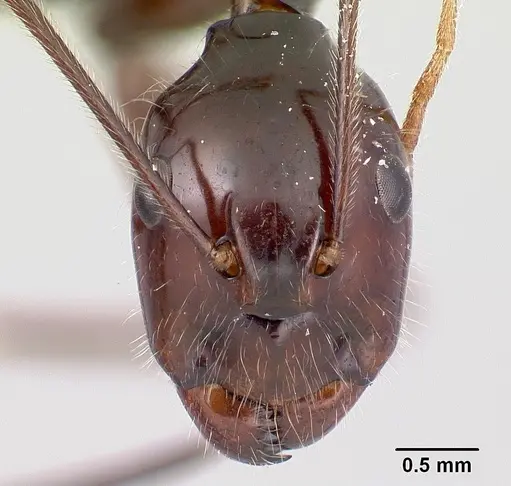
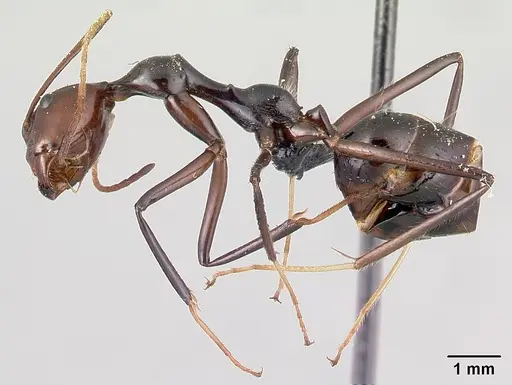
CASENT0353274
View on AntWeb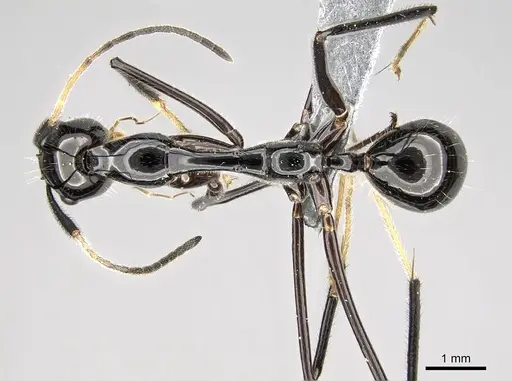
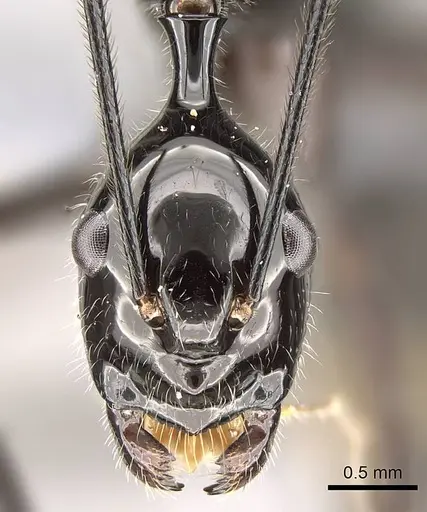
CASENT0487715
View on AntWeb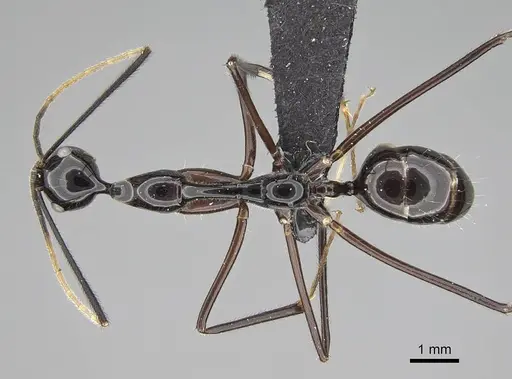
CASENT0497942
View on AntWeb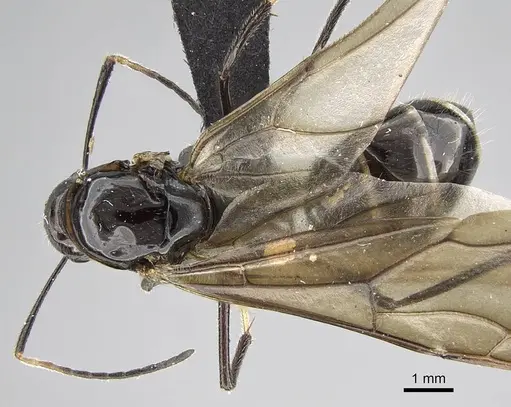
Literature
Loading distribution map...Loading products...