
Camponotus johnclarki
- Sci. Name
- Camponotus johnclarki
- Tribe
- Camponotini
- Subfamily
- Formicinae
- Author
- Taylor, 1992
- Distribution
- Found in 1 countries
Introduction
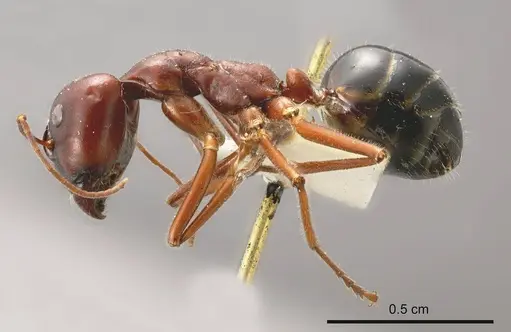
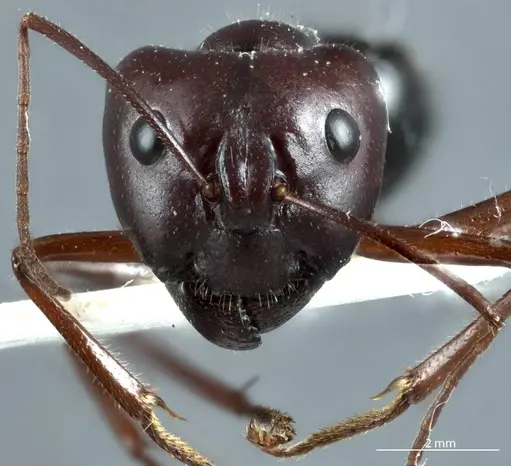
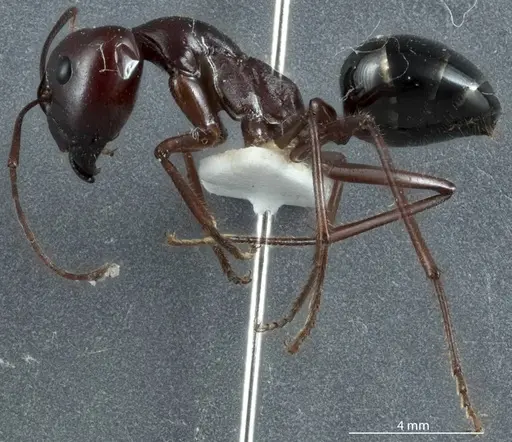
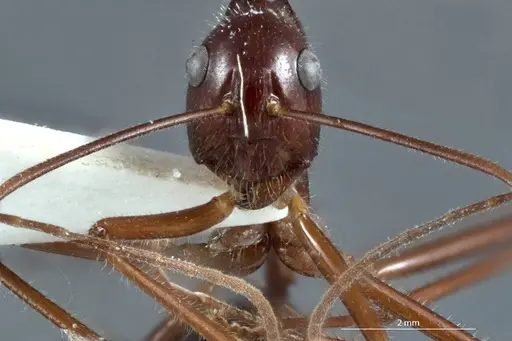
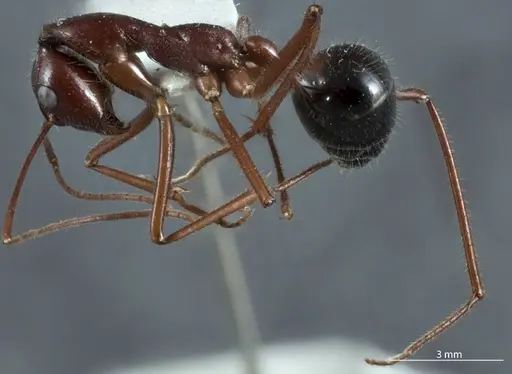
Camponotus johnclarki is an Australian carpenter ant originally placed in the genus Notostigma before being reclassified by Taylor in 1992. Workers are rarely encountered in the wild, but they have been observed foraging on Banksia tree trunks in woodland areas north of Perth, Western Australia. The species is recognized by its unusual morphology, including J-shaped setae on the mentum and an elongate propodeal spiracle. Minor workers have a distinctive appearance with a posteriorly attenuated head capsule. This species is thought to belong to the C. wiederkehri group .
Quick Summary
- Difficulty: Unknown, limited data available
- Origin & Habitat: Western Australia, Australia. Found in woodland areas, particularly observed foraging on Banksia trunks north of Perth [1][2].
- Colony Type: Unconfirmed, colony structure has not been documented for this species.
- Size & Growth:
- Queen: Size data unavailable, no specific measurements exist for this species
- Worker: Size data unavailable, no specific measurements exist for this species
- Colony: Unknown, no documented colony size data exists for this species
- Growth: Unknown, development rate has not been documented
- Development: Unknown, development timeline has not been documented for this species (No specific data available.)
- Antkeeping:
- Temperature: Keep around 22-26°C. Australian temperate species likely tolerates moderate warmth.
- Humidity: Moderate humidity preferred. Western Australian woodland habitat suggests drier conditions than tropical species.
- Diapause: Likely requires winter rest period given temperate Western Australian origin. Provide 2-3 months at 10-15°C during winter.
- Nesting: Likely nests in rotting wood or under bark in the wild. Captive colonies do well in Y-tong (AAC) nests or wood-based formicaria.
- Behavior: Workers are rarely seen foraging, which suggests secretive colony behavior. Based on typical Camponotus behavior, they likely accept sugar water and protein sources. Escape risk is moderate, use standard Camponotus escape prevention.
- Common Issues: limited availability in the antkeeping hobby due to rare field encounters, colony founding may be slow due to lack of documented breeding data, winter diapause requirements are not fully understood for this species, escape prevention should be maintained despite limited worker activity
Nest Preferences
In the wild, Camponotus johnclarki appears to nest in woodland habitats, with workers rarely encountered but observed foraging on Banksia trunks. This suggests they may nest in rotting wood or under bark in tree hollows. For captive colonies, Y-tong (AAC) nests work well for Camponotus species, as do wood-based formicaria that mimic their natural nesting preferences. Provide a nest with chambers sized appropriately for their colony size [1][2].
Feeding and Diet
Like other Camponotus species, C. johnclarki likely accepts a varied diet including sugar sources (honey water, sugar water) and protein (insects, mealworms, crickets). Carpenter ants are typically omnivorous and not specialized feeders. Offer sugar water constantly and protein prey 2-3 times per week. Remove uneaten prey after 24-48 hours to prevent mold. Specific prey preferences are unconfirmed for this species.
Temperature and Seasonal Care
Maintain nest temperatures around 22-26°C for optimal brood development. As a Western Australian species from a temperate climate, they likely benefit from a temperature gradient allowing workers to choose their preferred warmth. During winter, provide a diapause period of 2-3 months at 10-15°C to simulate seasonal conditions. This winter rest is important for colony health and likely triggers reproductive cycles. Reduce feeding during diapause and avoid disturbing the colony.
Behavior and Colony Dynamics
This species is known for being rarely encountered in the wild, which suggests either low colony density or secretive foraging behavior. Workers have been observed foraging on Banksia trunks, indicating they may be more arboreal than some other Camponotus species. The minor workers have distinctive morphology with a posteriorly attenuated head capsule. Colonies likely grow at a moderate pace typical of carpenter ants, with nanitic (first) workers being smaller than subsequent generations [1].
Frequently Asked Questions
How long does it take for Camponotus johnclarki to produce first workers?
The exact timeline is unconfirmed for this species. Based on typical Camponotus development, expect first workers approximately 6-10 weeks after the queen lays eggs, assuming temperatures around 24-26°C.
What do Camponotus johnclarki ants eat?
Like other carpenter ants, they likely accept sugar water or honey as an energy source and protein prey such as mealworms, crickets, or other small insects. Offer sugar constantly and protein 2-3 times weekly.
Do Camponotus johnclarki ants need hibernation?
Likely yes, as a Western Australian species from a temperate climate, they probably require a winter rest period (diapause). Provide 2-3 months at 10-15°C during winter months.
Are Camponotus johnclarki good for beginners?
Difficulty level is uncertain due to limited availability and documented care information. They are a rare species in the hobby. Related Australian Camponotus species are generally manageable for intermediate keepers.
How big do Camponotus johnclarki colonies get?
Colony size is unconfirmed for this species. No documented colony size data exists.
What temperature should I keep Camponotus johnclarki at?
Aim for 22-26°C in the nest area. A gentle temperature gradient allows ants to self-regulate. Australian species from temperate regions typically handle moderate warmth well.
Can I keep multiple queens together?
Colony structure is unconfirmed for this species. Based on typical Camponotus behavior, single-queen colonies are most common. Combining unrelated queens is not recommended without documented evidence of pleometrosis acceptance.
Report an Issue
The current care sheet is based fully on literature. See inconsistencies, or something that's incorrect? Please , it will be resolved after review from an admin. Contributing to the blogs tab also helps providing information, to make us be able to further improve the caresheets. Thank you for your support!
References

This caresheet is licensed under CC BY-SA 4.0 .
Community Blogs
ANTWEB1008218
View on AntWeb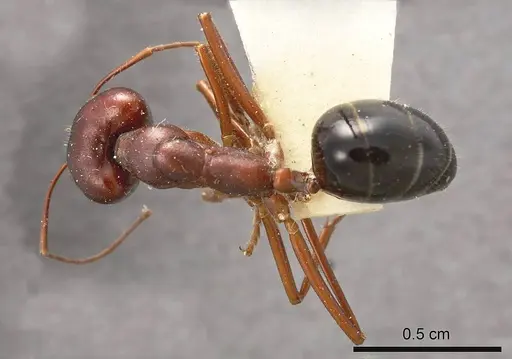
ANTWEB1041163
View on AntWeb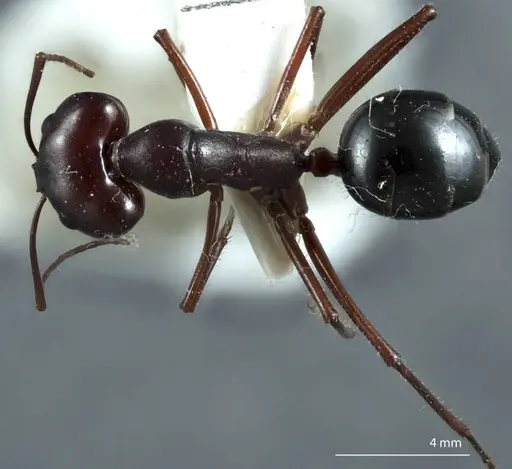
CASENT0887682
View on AntWeb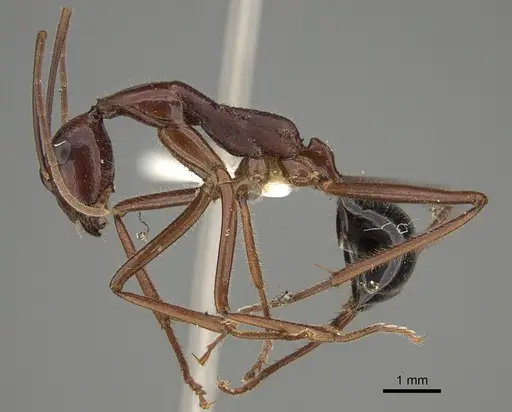
JDM32-001230
View on AntWeb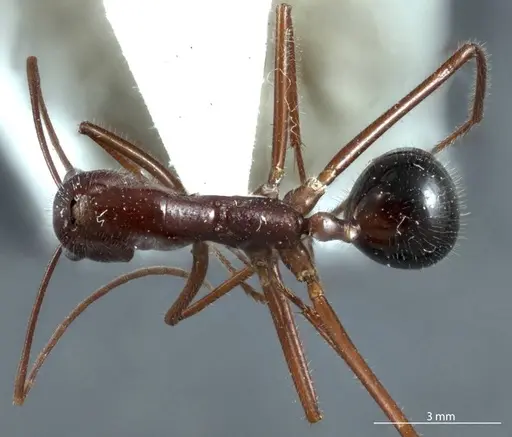
Literature
Loading distribution map...Loading products...