
Camponotus insipidus
- Sci. Name
- Camponotus insipidus
- Subgenus
- Myrmophyma
- Tribe
- Camponotini
- Subfamily
- Formicinae
- Author
- Forel, 1893
- Distribution
- Found in 1 countries
Introduction
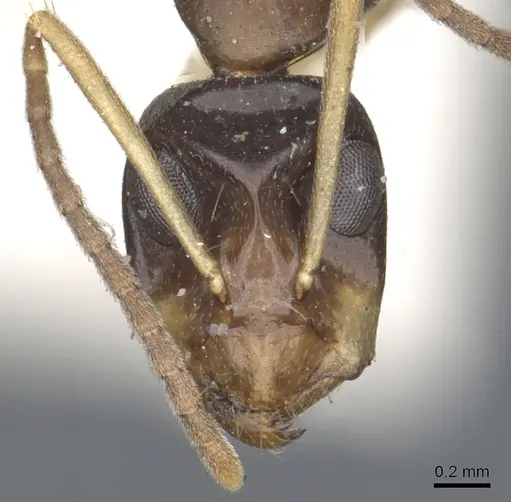
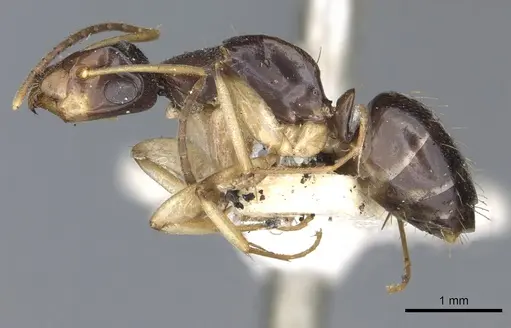
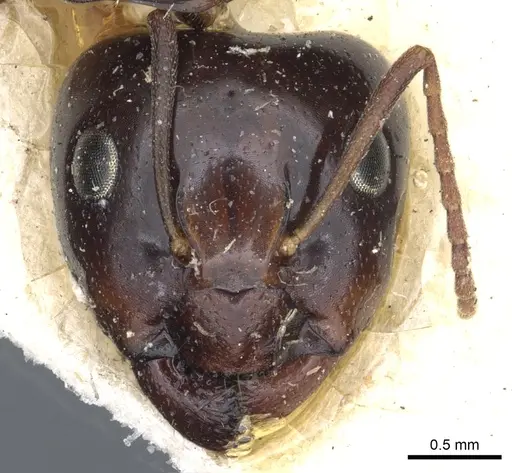
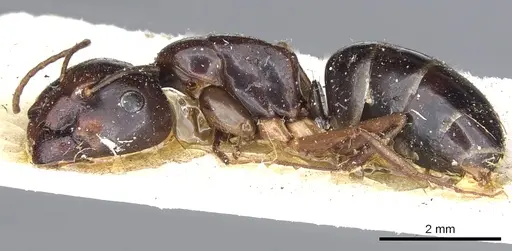
Camponotus insipidus is a small Australian carpenter ant. Major workers reach about 8mm in length, while minor workers are significantly smaller. They have a glossy reddish-brown body with lighter legs. Unlike similar species, they lack erect setae on the underside of the head. The head widens behind the eyes, and the clypeus has a distinctive projecting front section. This species is polymorphic, meaning colonies have both major and minor workers. Originally described from East Wallaby Island in Western Australia, the species is now known across most of Australia including Queensland, NSW, ACT, Victoria, South Australia, Northern Territory, and Western Australia [AntWiki]. This ant is remarkably adaptable and tolerant of environmental change. It was the only species to characterize a restored forest survey 37 years after restoration work, making it one of the few ant species that actually benefits from human disturbance .
Quick Summary
- Difficulty: Easy
- Origin & Habitat: Australia, found across Queensland, NSW, ACT, Victoria, South Australia, Northern Territory, and Western Australia. Nests under stones in various habitats [1][2].
- Colony Type: Colony structure unconfirmed. Based on typical Camponotus patterns, likely single-queen colonies.
- Size & Growth:
- Queen: Approximately 8-10mm, estimated from major worker size and typical Camponotus proportions
- Worker: Major workers ~8mm, minor workers significantly smaller [2]
- Colony: Likely several hundred workers, estimated based on typical Camponotus colony development
- Growth: Moderate, typical for Camponotus genus
- Development: 6-10 weeks (estimated based on typical Camponotus development at warm temperatures) (Development time follows standard Camponotus patterns, faster in warmer conditions, slower at room temperature)
- Antkeeping:
- Temperature: Keep at 24-28°C for optimal development. Room temperature (20-24°C) is acceptable but will slow growth. A heating cable on one side of the nest creates a beneficial gradient.
- Humidity: Moderate humidity around 50-70%. These ants are from temperate to subtropical Australia and handle drier conditions better than many species. Keep nest substrate slightly moist but allow drying between waterings.
- Diapause: Yes, Australian temperate origin means they benefit from a winter rest period. Reduce temperature to 15-18°C for 2-3 months over winter.
- Nesting: In nature they nest under stones. In captivity, a Y-tong (AAC) nest or plaster formicarium works well. They prefer tight, dark chambers. Test tubes can work for founding colonies.
- Behavior: Generally calm and non-aggressive for a Camponotus species. Workers are moderately active and forage for honeydew and small prey. They are not particularly defensive and rarely sting. As a Formicine ant, they can spray formic acid from their acidopore when threatened. Escape risk is moderate, use standard barriers but they are not known escape artists.
- Common Issues: slow founding phase, queens take time to establish, beginners may give up too soon, overfeeding mold, their moderate humidity needs mean excess food can cause mold problems, queen rejection, some newly mated queens may fail to establish even in good conditions, this is normal, winter mortality, colonies that are not allowed proper dormancy may struggle in subsequent seasons
Nest Preferences
Camponotus insipidus naturally nests under stones, which tells us they prefer dark, stable environments with some moisture but not wet conditions. In captivity, they do well in Y-tong (AAC) nests or plaster formicariums with narrow chambers. The key is providing tight-fitting spaces that mimic the dark crevices under rocks they use in the wild. Avoid overly wet substrates, these ants come from Australia and handle drier conditions better than many other ants. A small water chamber or cotton ball in a test tube setup works well for founding colonies. Once established, you can move them to a larger formicarium, but they do not need the massive spaces some tropical species require. [1][2]
Feeding and Diet
Like most Camponotus species, C. insipidus is omnivorous. They will readily accept sugar sources (honey water, sugar water) and protein (dead insects, small crickets, mealworms). In the wild, they likely tend aphids for honeydew and hunt small invertebrates. For captive colonies, offer a drop of honey or sugar water twice a week, plus a small piece of protein (a dead cricket or mealworm) every few days. Remove uneaten protein within 24 hours to prevent mold. During the founding phase, the queen does not eat, she survives on stored fat. Once workers arrive, they will forage and accept food. Do not be alarmed if they ignore food initially, they may not start eating until the first workers emerge.
Temperature and Care
These ants come from across Australia, so they are adaptable, but warmer temperatures speed up development. Keep the nest area at 24-28°C for best results. At this temperature, eggs develop to workers in roughly 6-8 weeks. Room temperature (20-24°C) works but extends development to 10-12 weeks. A simple way to provide warmth is a heating cable or heat mat placed on one side of the nest (never directly under it, you want a gradient so ants can move to cooler areas if needed). During winter, simulate their natural cycle by reducing temperature to 15-18°C for 2-3 months. This winter rest helps keep colonies healthy long-term. Do not skip this, colonies that are kept warm year-round often decline after a year or two.
Behavior and Temperament
Camponotus insipidus is one of the more docile carpenter ants. They are not particularly aggressive and will not readily sting, making them good for beginners who want a larger ant without the defensive behavior of some species. Workers are moderately active and will explore their outworld looking for food. They are polymorphic, you will see both large major workers and smaller minor workers. Major workers have larger heads and can handle bigger prey items, while minors do most of the foraging. They are not known escape artists, but use standard barrier techniques just in case. The main thing to watch is their founding phase, queens seal themselves away and can take 2-4 weeks just to lay eggs, then another 6+ weeks for workers. Patience is key.
Colony Founding
Like many Camponotus species, C. insipidus is likely claustral. This means the queen seals herself into a small chamber and does not leave to forage during founding. She lives entirely on stored fat reserves to lay eggs and feed the first brood. You will need to give her a dark, quiet space and simply wait. Do not disturb the founding chamber, checking too often can stress her and cause her to abandon or eat the brood. After 2-4 weeks, you should see eggs. Then larvae, then pupae, and finally the first tiny workers. The first workers are often smaller than normal workers, this is normal. Once workers emerge, the colony becomes more active and will start foraging. Only then should you offer food.
Frequently Asked Questions
How long does it take for Camponotus insipidus to have first workers?
Expect 6-10 weeks from egg to first worker at warm temperatures (24-28°C). At room temperature (20-24°C), it can take 10-14 weeks. The founding phase alone takes 2-4 weeks just for the queen to lay her first eggs.
Can I keep Camponotus insipidus in a test tube?
Yes, test tubes work well for founding colonies. Use a standard test tube setup with a water reservoir (cotton ball) and keep it dark and undisturbed. Once the colony reaches 20-30 workers, consider moving to a formicarium.
What do Camponotus insipidus eat?
They accept sugar (honey water, sugar water) and protein (dead insects, mealworms, small crickets). Offer sugar twice weekly and protein every few days. Remove uneaten food promptly.
Do Camponotus insipidus need hibernation?
Yes, they benefit from a winter rest period. Reduce temperature to 15-18°C for 2-3 months during winter. This helps maintain colony health long-term.
Are Camponotus insipidus good for beginners?
Yes, they are one of the easier Camponotus species. They are adaptable, not aggressive, and handle a range of conditions. The main challenge is patience during the slow founding phase.
How big do Camponotus insipidus colonies get?
Based on typical Camponotus patterns, colonies likely reach several hundred workers. They are not among the largest carpenter ants but can still be substantial.
When should I move Camponotus insipidus to a formicarium?
Move them when the test tube becomes crowded (typically 20-40+ workers) or when you see workers clustering away from the water chamber. A Y-tong or plaster nest works well.
Why is my Camponotus insipidus queen not laying eggs?
Give her time, queens often take 2-4 weeks or more after sealing in before laying eggs. Ensure she is in darkness and undisturbed. If several months pass with no eggs, she may have died or been infertile, this happens and is normal.
Report an Issue
The current care sheet is based fully on literature. See inconsistencies, or something that's incorrect? Please , it will be resolved after review from an admin. Contributing to the blogs tab also helps providing information, to make us be able to further improve the caresheets. Thank you for your support!
References

This caresheet is licensed under CC BY-SA 4.0 .
Community Blogs
CASENT0903538
View on AntWeb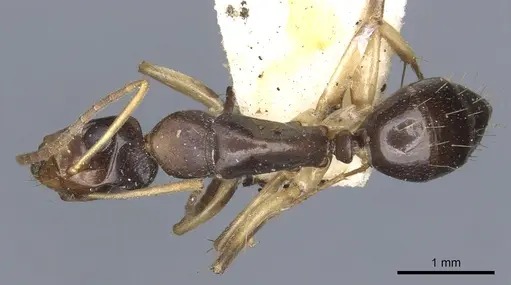
CASENT0903542
View on AntWeb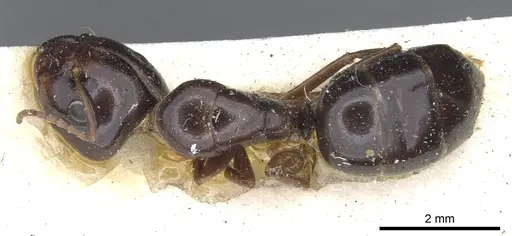
CASENT0910386
View on AntWeb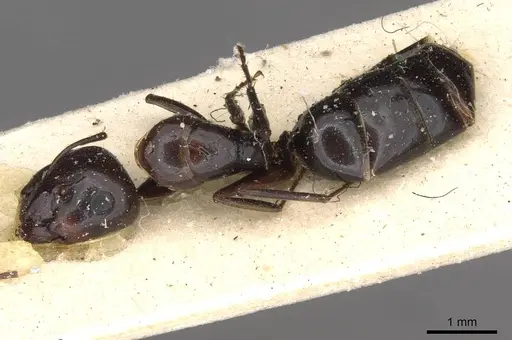
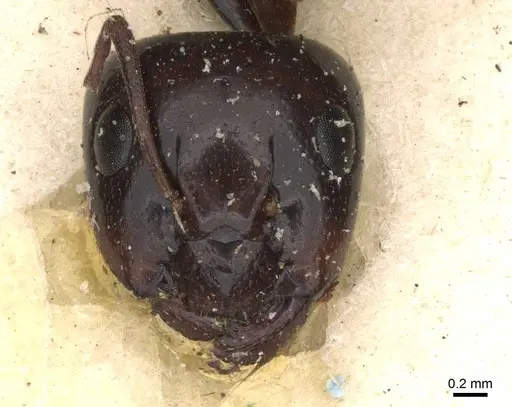
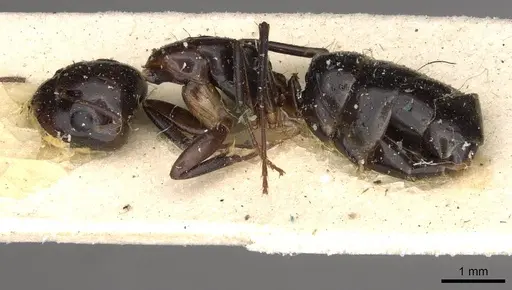
CASENT0912082
View on AntWeb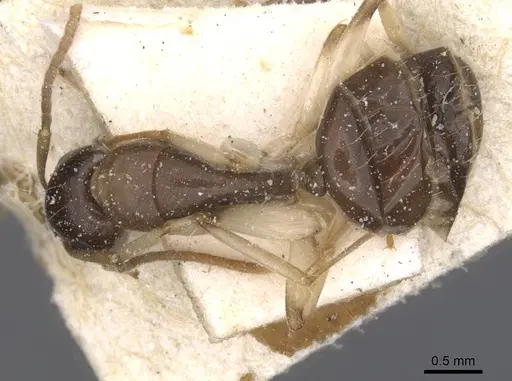
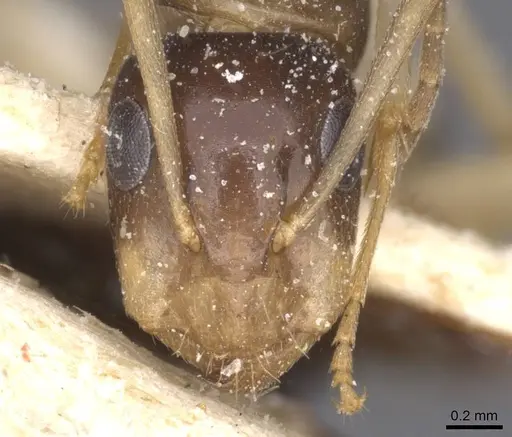
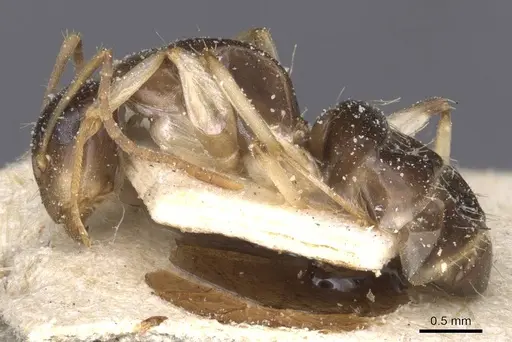
Literature
Loading distribution map...Loading products...