
Camponotus imitator
- Sci. Name
- Camponotus imitator
- Subgenus
- Myrmosaga
- Tribe
- Camponotini
- Subfamily
- Formicinae
- Author
- Forel, 1891
- Distribution
- Found in 1 countries
Introduction
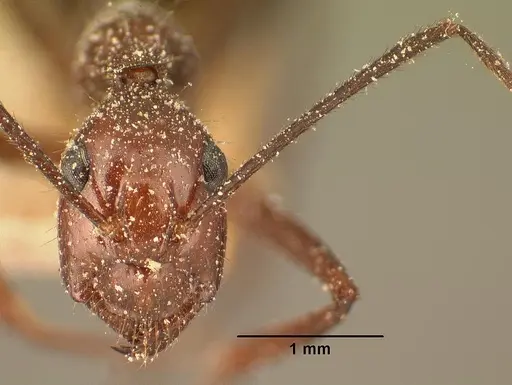
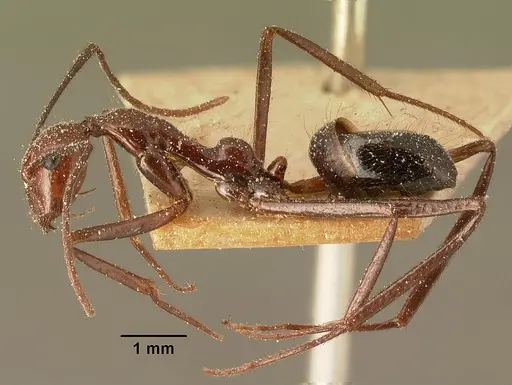
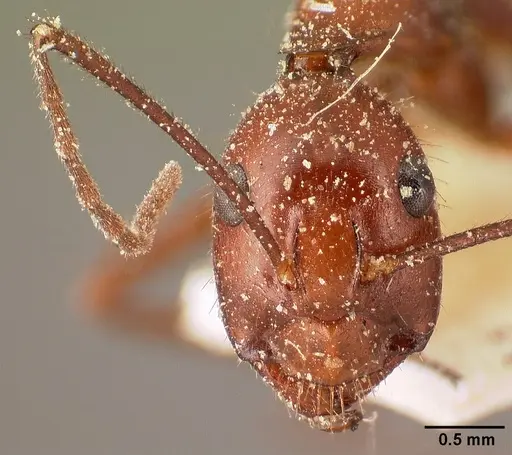
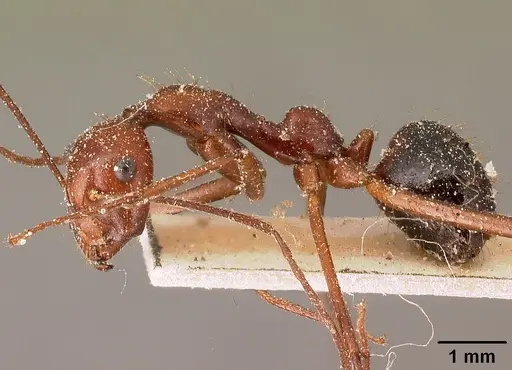
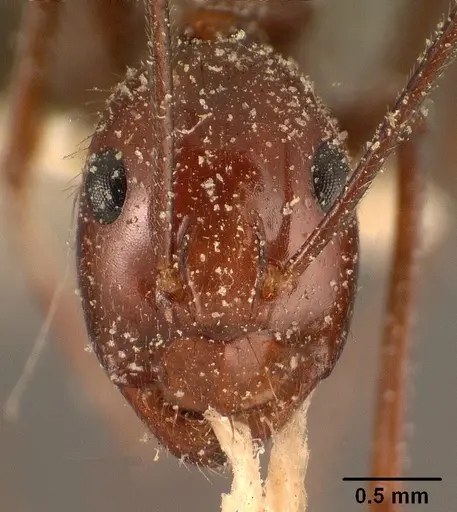
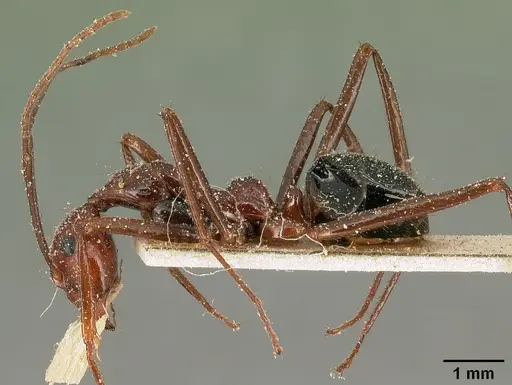
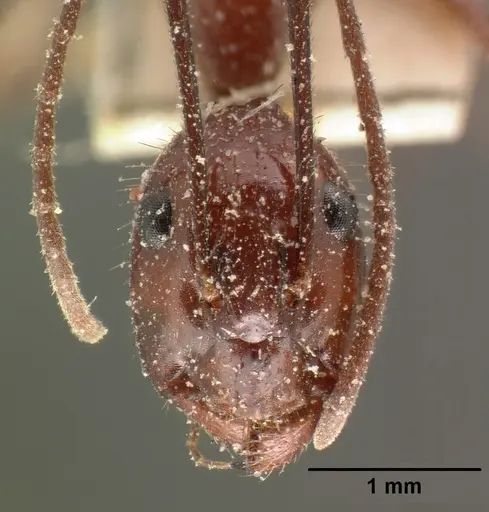
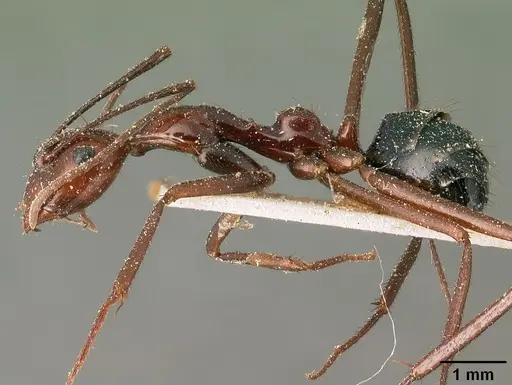
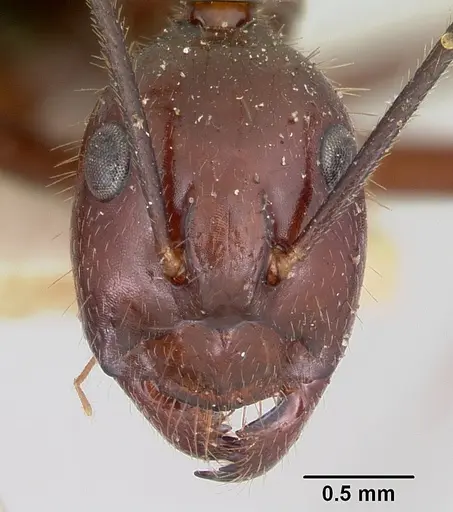
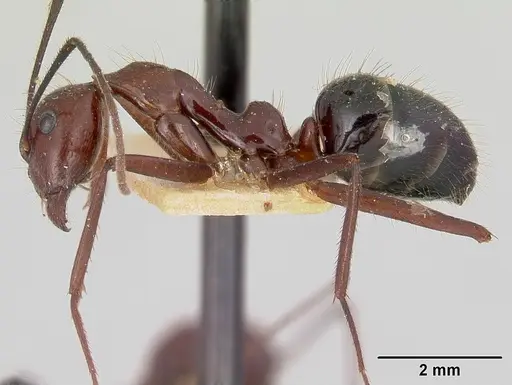
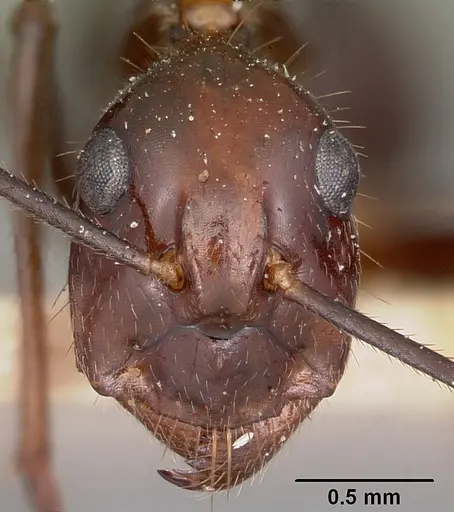
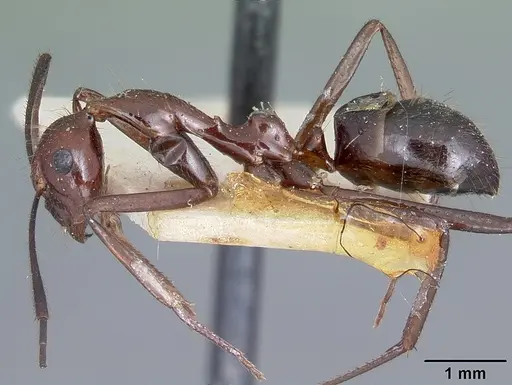
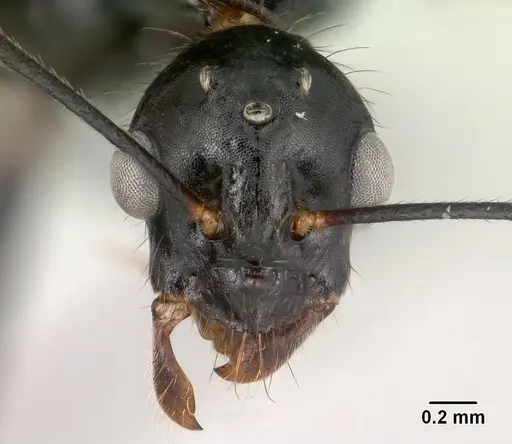
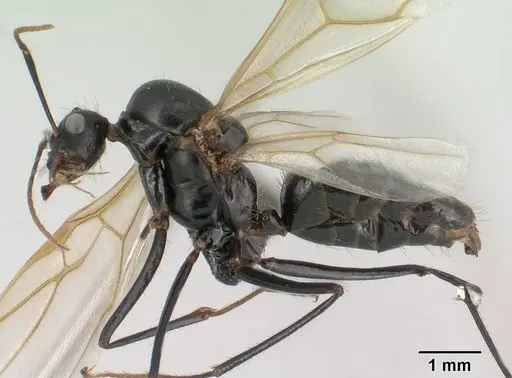
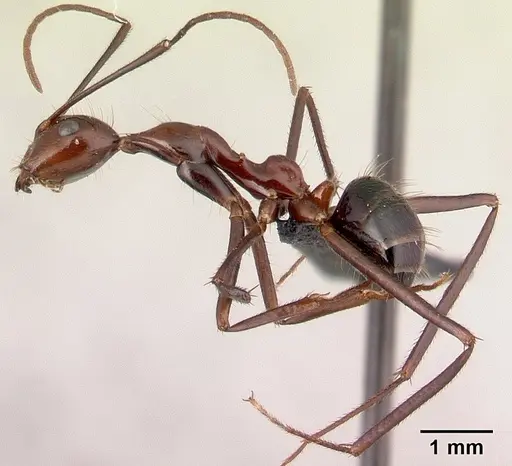
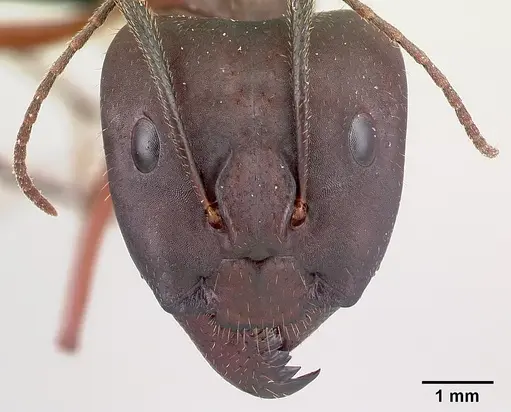
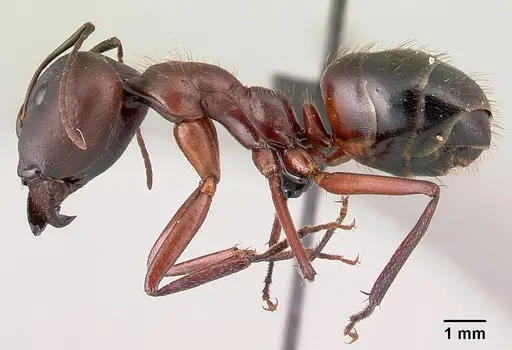
Camponotus imitator is a medium-sized carpenter ant endemic to Madagascar. Workers display a bicolored pattern with reddish brown head and mesosoma and dark brown to black gaster . This species is a Batesian mimic of Aphaenogaster swammerdami, with minor workers resembling the myrmicine ant in color and body shape . It is found in dry forest and woodland habitats in western and southern Madagascar at elevations from 25 to 990 meters . The species nests underground and is often collected from soil, rotten logs, and leaf litter .
Quick Summary
- Difficulty: Medium
- Origin & Habitat: Endemic to Madagascar, found in dry forest and woodland at 25-990m elevation [1]. Ground-nesting species collected from soil, rotten logs, and leaf litter [1][2].
- Colony Type: Unconfirmed, no specific data on queen number or colony structure.
- Size & Growth:
- Queen: Inferred from Camponotus genus (~9-12 mm)
- Worker: Size data unavailable, no total length measurements in research.
- Colony: Estimated up to several hundred workers (inferred from genus patterns).
- Growth: Moderate (inferred).
- Development: Estimated 6-8 weeks at optimal temperature (inferred from Camponotus patterns). (Development may vary with temperature, no species-specific data available.)
- Antkeeping:
- Temperature: Keep warm, roughly 24-28°C, based on dry forest habitat [1].
- Humidity: Provide a humidity gradient, mostly dry nest with a small moist area, as species is from dry habitat [1].
- Diapause: Unknown, no data on diapause requirements.
- Nesting: Ground-nesting species. Use Y-tong or plaster nests with soil substrate [1][2].
- Behavior: Generally peaceful with moderate escape risk. Workers may emit formic acid when threatened.
- Common Issues: colonies may fail if kept too cold, maintain warm temperatures year-round., overwatering can cause mold issues in ground-nesting setups., wild-caught colonies may carry parasites from Madagascar., slow founding phase, queens may take time to establish., escape prevention needed due to moderate size.
Housing and Nest Setup
Camponotus imitator is a ground-nesting species that does well in Y-tong nests or plaster setups with soil chambers. For founding colonies, a standard test tube setup works well, fill a test tube one-third with water, plug with cotton, and place the queen in the dark section. Once the colony reaches 20-30 workers, transition to a formicarium. Provide a moisture gradient by keeping one section damp and another drier [1][2]. Avoid tall vertical spaces, these ants prefer horizontal chambers and tunnels.
Feeding and Diet
Like most Camponotus species, C. imitator is omnivorous. Feed a mix of protein and carbohydrates. Protein sources include small insects (fruit flies, small crickets, mealworms), while carbohydrates come from sugar water, honey, or diluted maple syrup. Feed protein 2-3 times per week for established colonies, and keep a constant sugar source available. Remove uneaten prey after 24-48 hours to prevent mold.
Temperature and Seasonal Care
Maintain temperatures between 24-28°C for optimal brood development, based on the species' dry forest habitat [1]. Use a heating cable on one side of the nest to create a temperature gradient, ants will self-regulate by moving to warmer or cooler areas. Diapause requirements are unknown, so avoid drastic temperature changes.
The Mimicry System
Camponotus imitator exhibits Batesian mimicry of Aphaenogaster swammerdami. Minor workers resemble the myrmicine ant in coloration and body shape, particularly the constricted mesonotum [1]. This mimicry may help avoid predators that avoid A. swammerdami. Workers are often found foraging alongside A. swammerdami in the wild [1].
Colony Growth and Development
Colony growth is moderate. After claustral founding, queens lay eggs and tend brood without leaving the nest. First workers emerge smaller than normal and help expand the colony. Expect 6-8 weeks from egg to first worker at optimal temperatures (inferred from Camponotus patterns). Major workers appear as the colony matures.
Handling and Temperament
Workers are generally calm and not aggressive. When threatened, they may emit formic acid but rarely sting. Use standard escape prevention like Fluon barriers on the outworld, as they are moderate escape artists.
Frequently Asked Questions
How long does it take for Camponotus imitator to produce first workers?
Expect 6-8 weeks from egg to first worker at optimal temperatures (24-28°C), inferred from Camponotus patterns. The founding queen may take several weeks to lay eggs after sealing in.
What do Camponotus imitator ants eat?
They are omnivorous. Feed small insects for protein 2-3 times per week and provide constant access to sugar water or honey.
What temperature do Camponotus imitator need?
Keep them warm at 24-28°C, based on their dry forest habitat [1]. A heating cable on one side of the nest creates a gradient they can self-regulate within.
Are Camponotus imitator good for beginners?
They are intermediate in difficulty. The main challenges are providing proper warmth and being patient through the slow founding phase.
How big do Camponotus imitator colonies get?
Estimated up to several hundred workers based on genus patterns. Major workers appear as the colony matures.
Do Camponotus imitator need hibernation?
Diapause requirements are unknown, no data available on hibernation needs.
What makes Camponotus imitator special?
They are one of the few ant species that mimic another ant species (Aphaenogaster swammerdami) through Batesian mimicry, and workers are often found foraging together in the wild [1].
Can I keep multiple Camponotus imitator queens together?
Colony type is unconfirmed, but most Camponotus species are monogyne. Combining unrelated queens is not recommended and likely results in fighting.
What type of nest is best for Camponotus imitator?
A Y-tong or plaster nest with soil chambers works well. They are ground-nesting so appreciate some substrate to walk through [1][2].
Report an Issue
The current care sheet is based fully on literature. See inconsistencies, or something that's incorrect? Please , it will be resolved after review from an admin. Contributing to the blogs tab also helps providing information, to make us be able to further improve the caresheets. Thank you for your support!
References

This caresheet is licensed under CC BY-SA 4.0 .
Community Blogs
CASENT0101116
View on AntWeb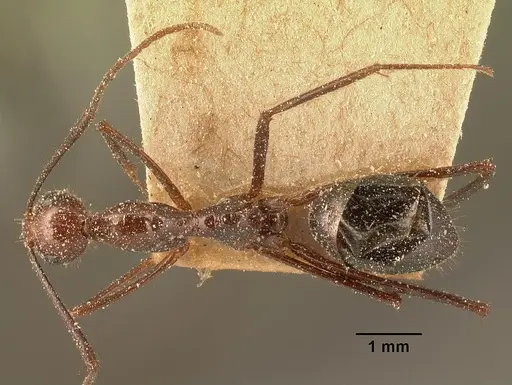
CASENT0101117
View on AntWeb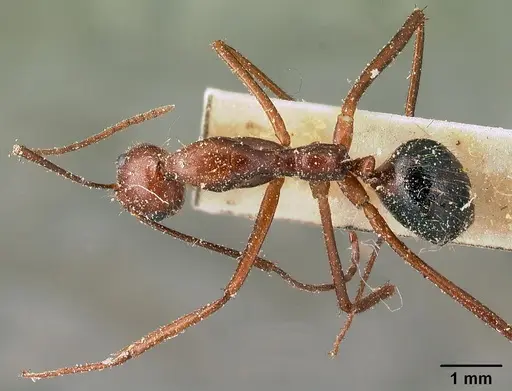
CASENT0101118
View on AntWeb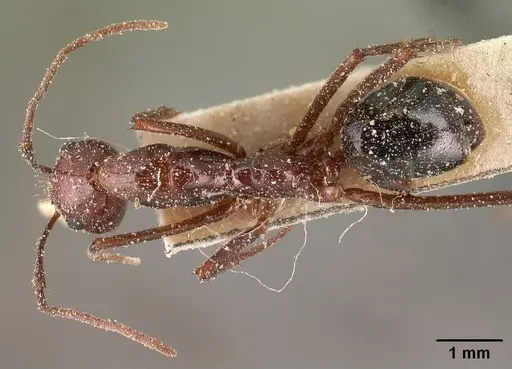
CASENT0101119
View on AntWeb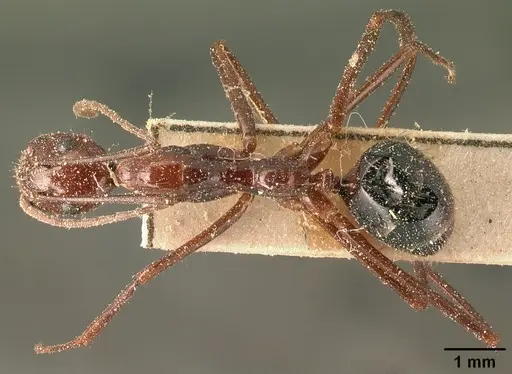
CASENT0101365
View on AntWeb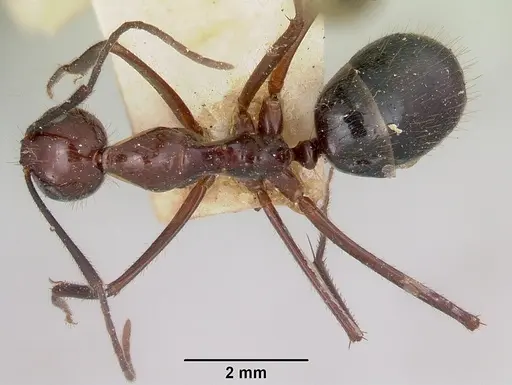
CASENT0104647
View on AntWeb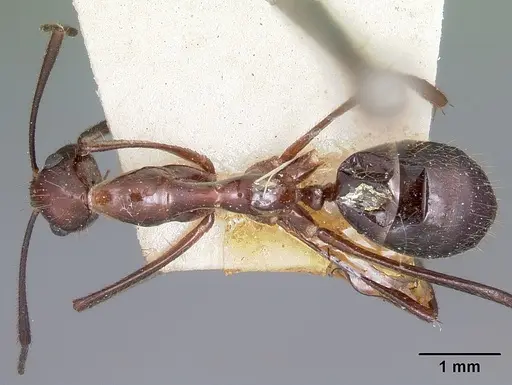
CASENT0145039
View on AntWeb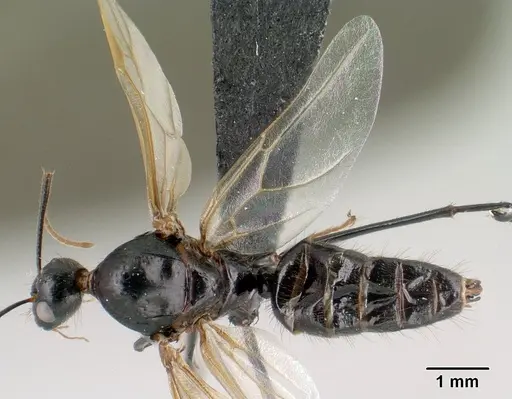
CASENT0209055
View on AntWeb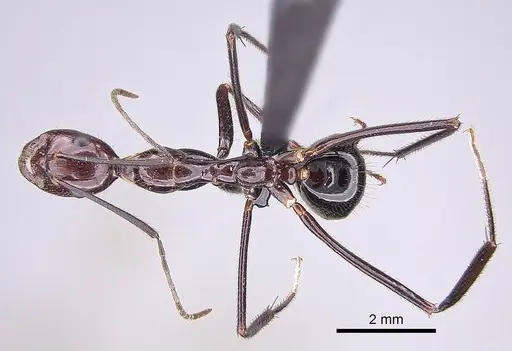
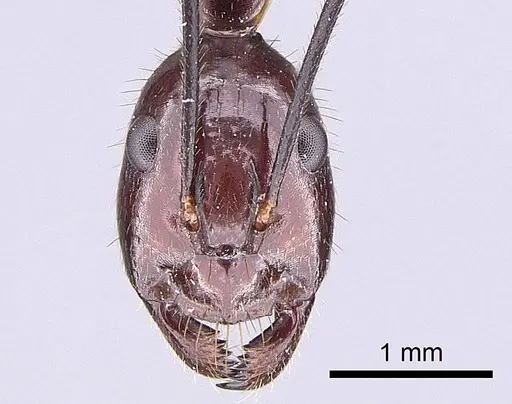
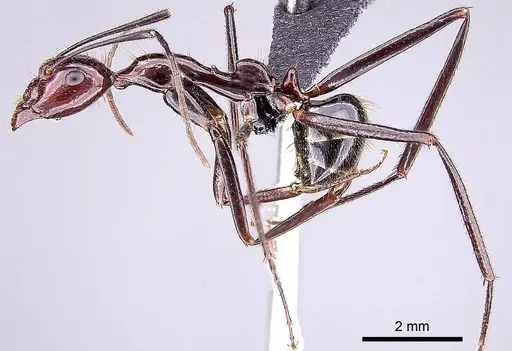
CASENT0452849
View on AntWeb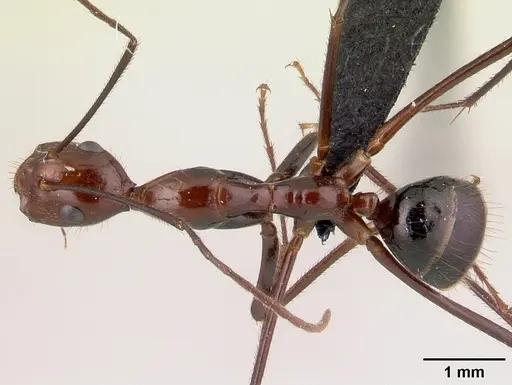
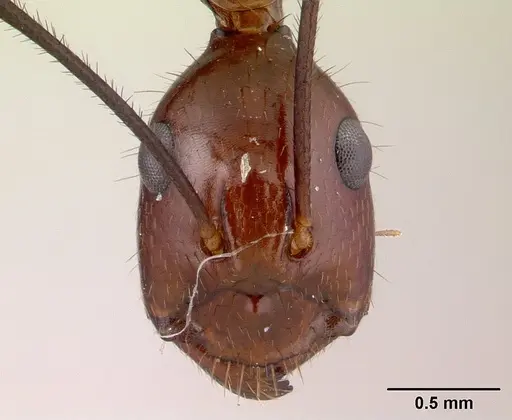
CASENT0452863
View on AntWeb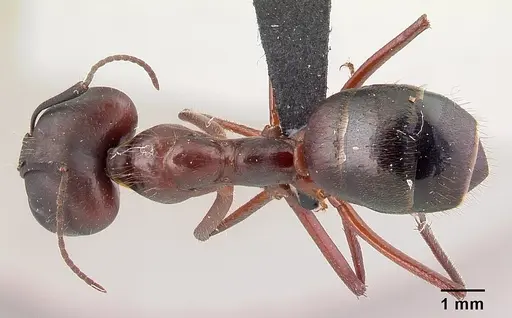
Literature
Loading distribution map...Loading products...