
Hyatt's Carpenter Ant
Camponotus hyatti
- Sci. Name
- Camponotus hyatti
- Subgenus
- Myrmentoma
- Tribe
- Camponotini
- Subfamily
- Formicinae
- Author
- Emery, 1893
- Common Name
- Hyatt's Carpenter Ant
- Distribution
- Found in 2 countries
Introduction
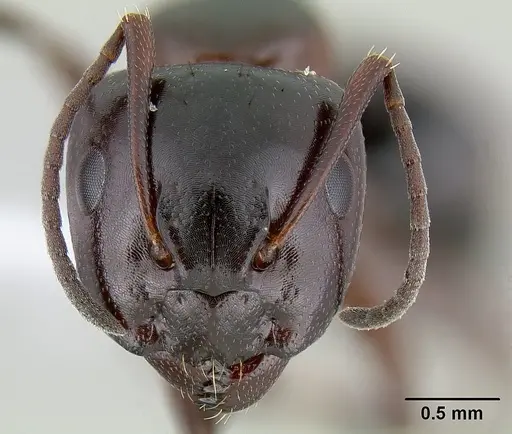
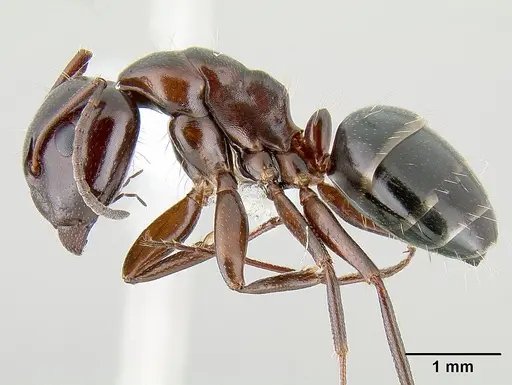
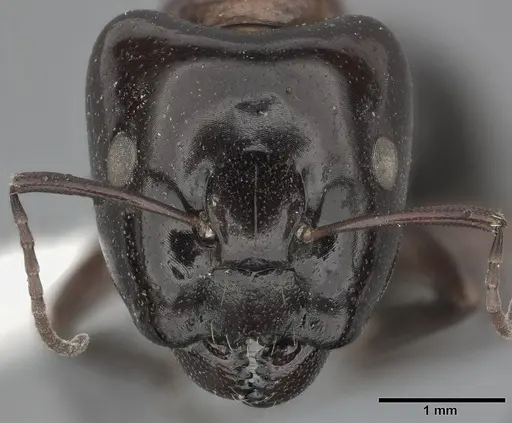
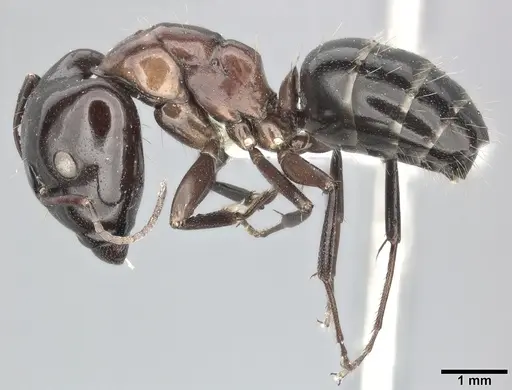
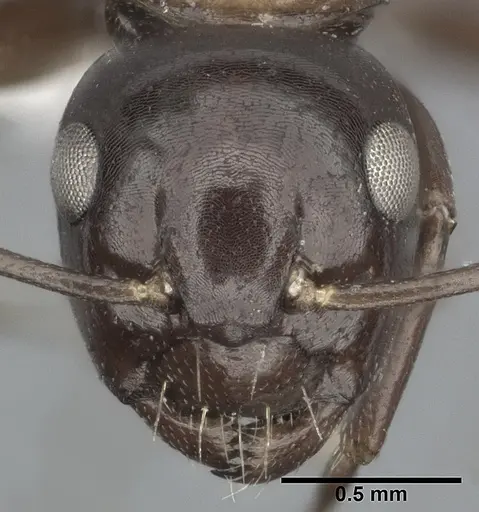
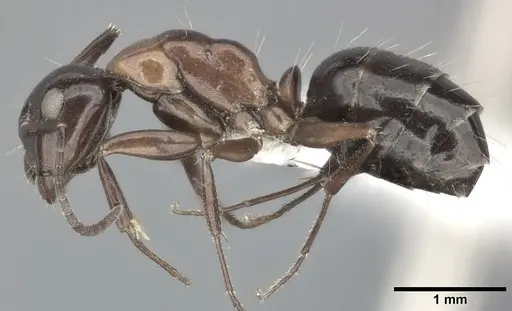
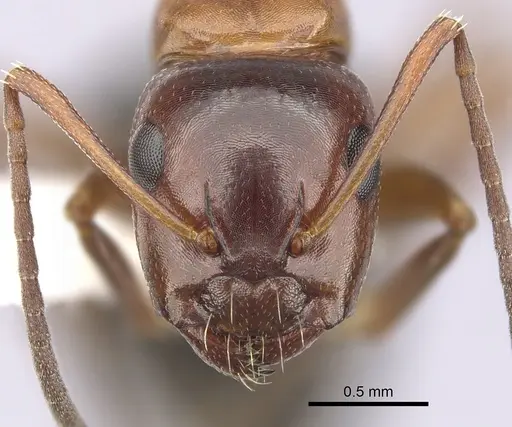
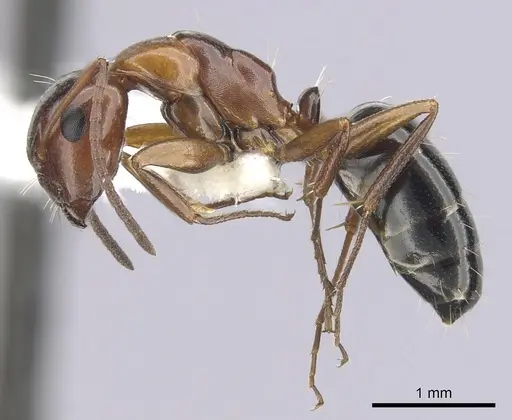
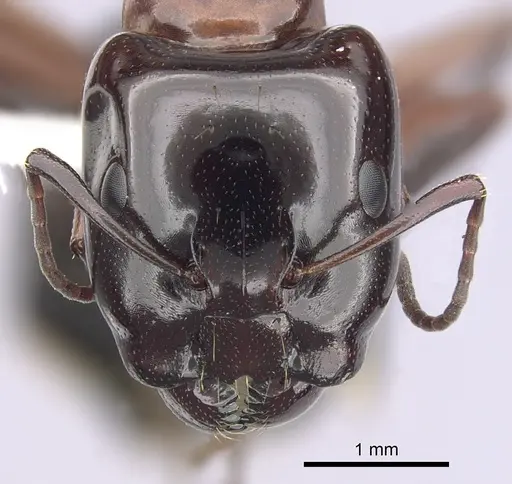
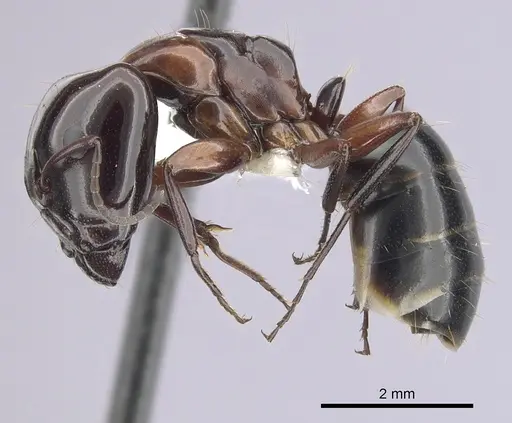
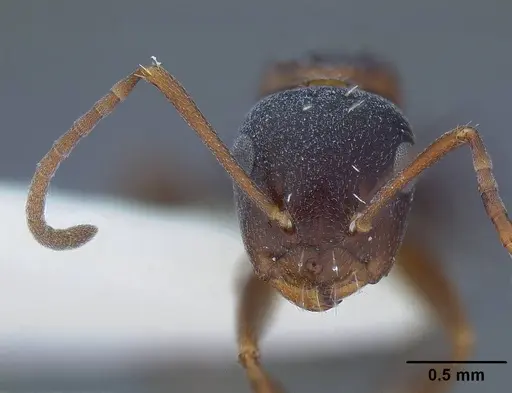
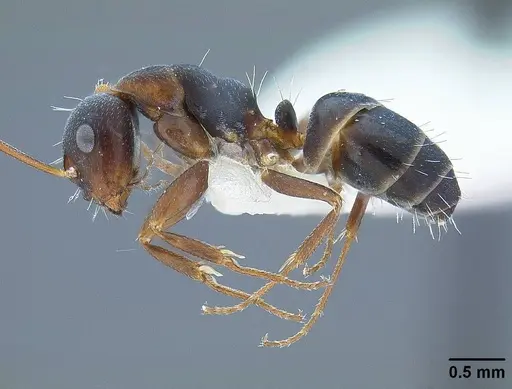
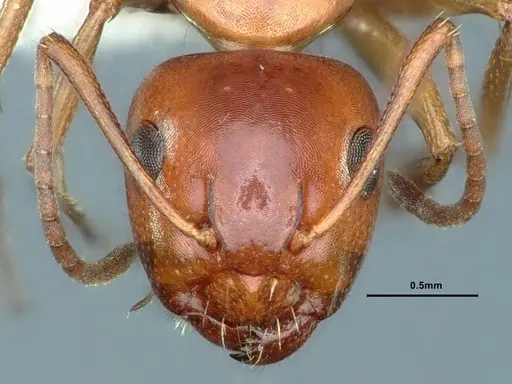
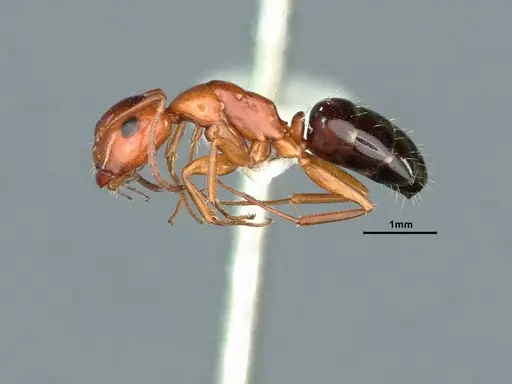
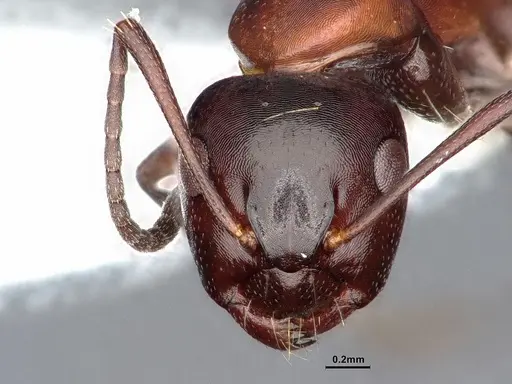
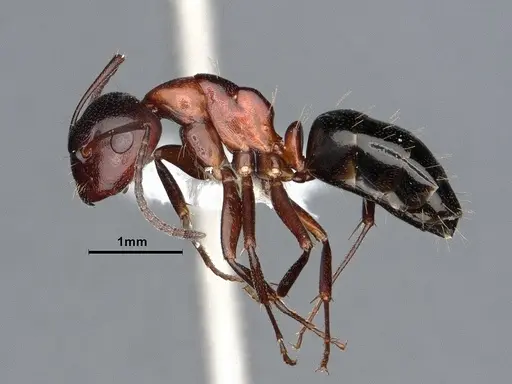
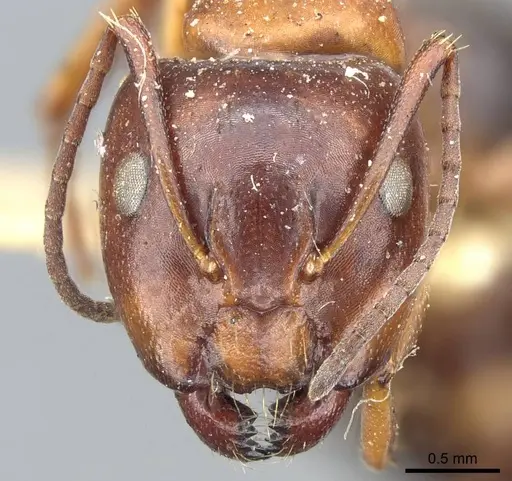
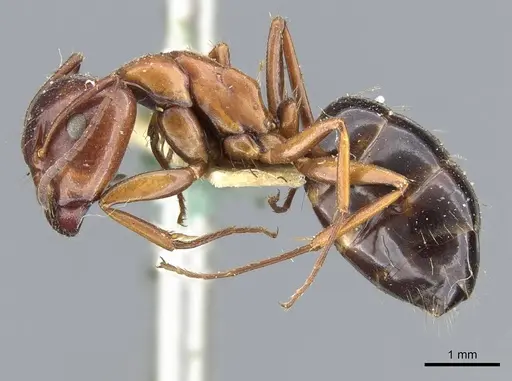
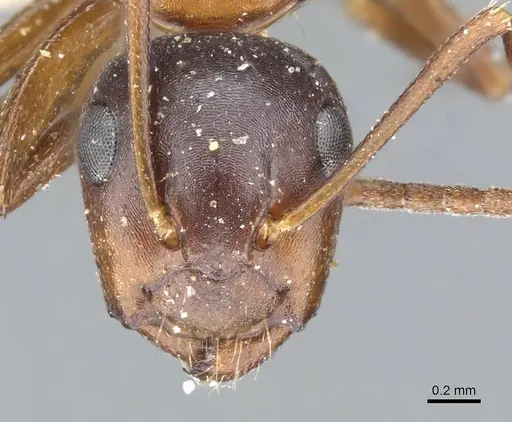
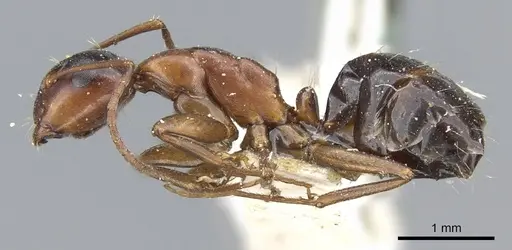
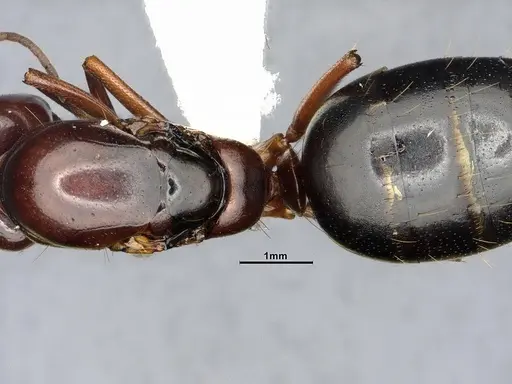
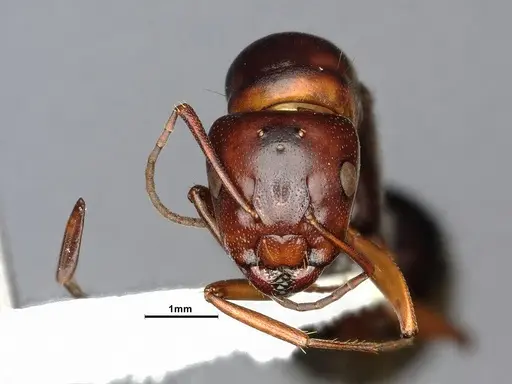
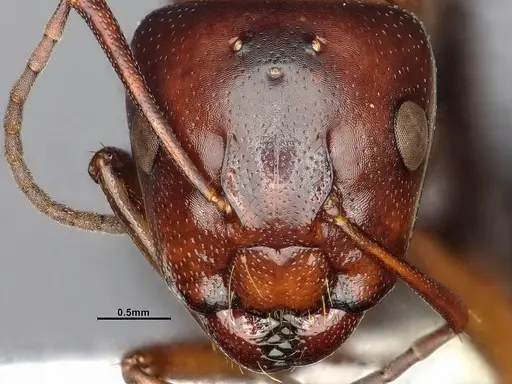
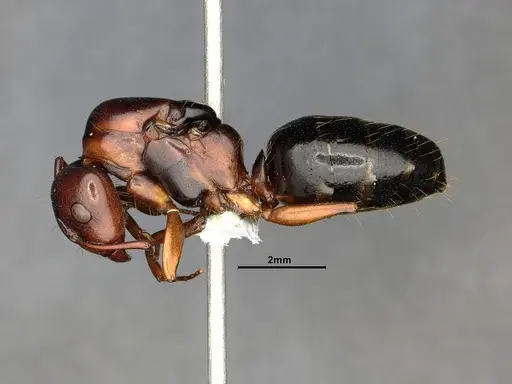
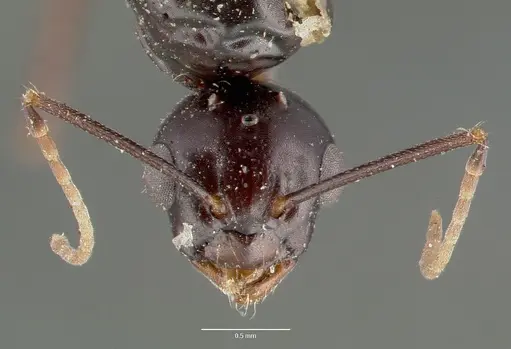
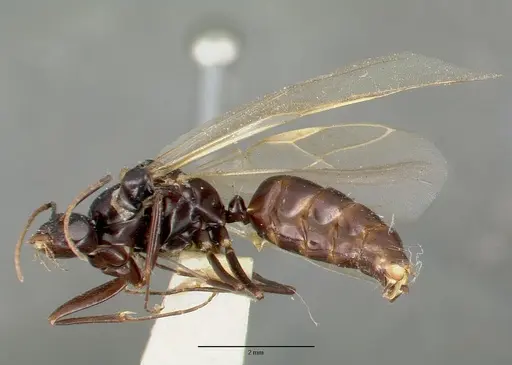
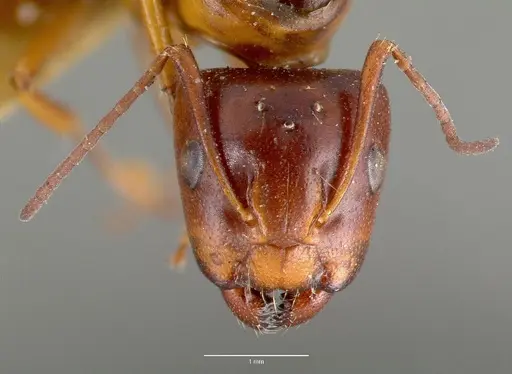
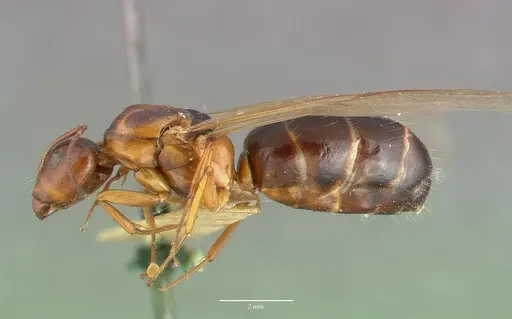
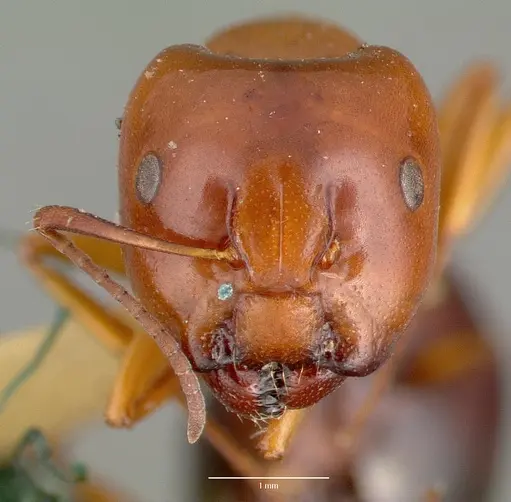
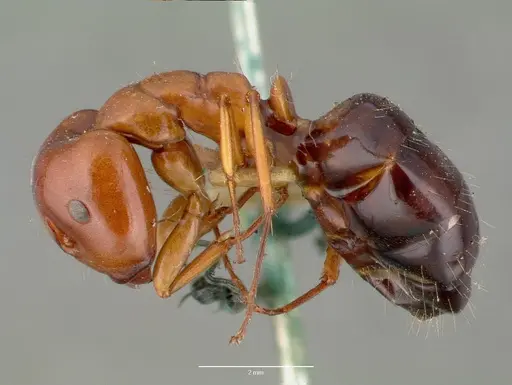
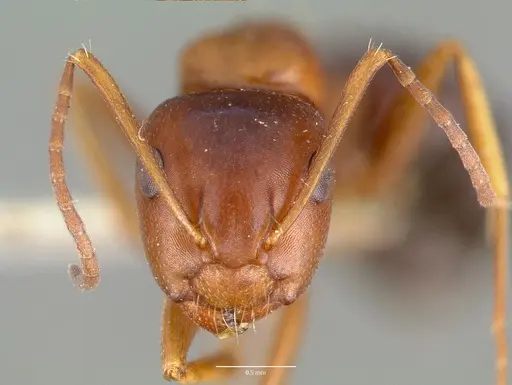
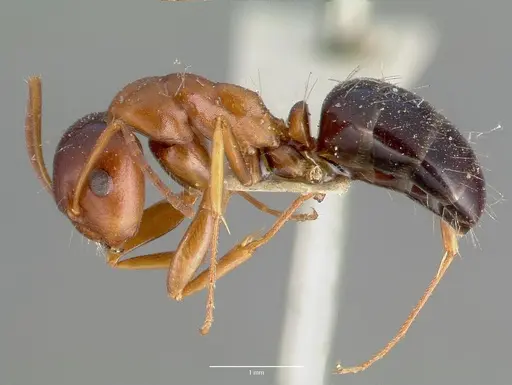
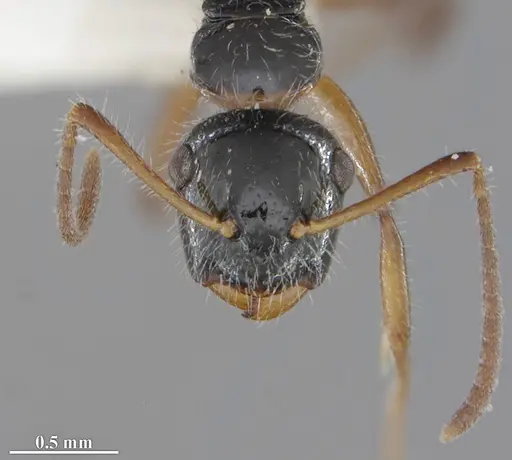
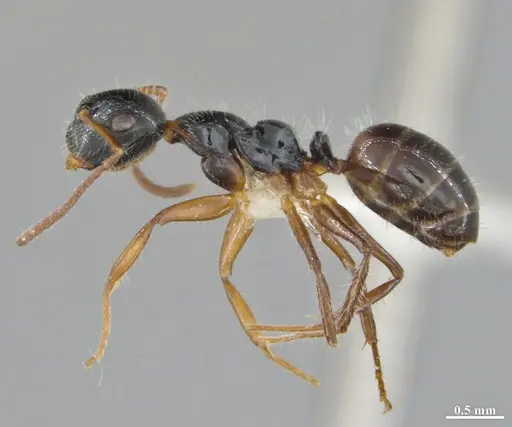
Camponotus hyatti is a polymorphic carpenter ant found in the southwestern United States and northern Mexico. Workers range from 3.5 to 6.5 mm in length, with distinct majors, medias, and minors . Majors have a reddish-brown head and mesosoma with a dark brown gaster, and can be recognized by a deep impression at the metanotal suture . This species nests inside dead wood, such as oaks, manzanita, sagebrush, and hollow shrubs like Yucca and Ephedra, and forages during the day . One notable aspect is their adaptation to desert and semi-desert habitats, where they thrive in areas like creosote washes and pinyon-juniper woodlands at elevations up to 8,000 ft .
Quick Summary
- Difficulty: Easy
- Origin & Habitat: Southwestern United States and northern Mexico, in desert and semi-desert habitats such as sagebrush areas, creosote washes, and pinyon-juniper woodlands [2][1].
- Colony Type: Monogyne, single queen colonies with polymorphic workers including majors, medias, and minors [1].
- Size & Growth:
- Queen: Size data unavailable, no total length measurements in research
- Worker: 3.5-6.5 mm [1]
- Colony: Up to 200 workers [1]
- Growth: Moderate
- Development: 6-8 weeks, inferred from Camponotus genus patterns at optimal temperature (Development time is estimated based on genus-level data as species-specific measurements are not available)
- Antkeeping:
- Temperature: Keep at 20-26°C with a gentle gradient, as they occur in warm habitats [2].
- Humidity: Keep nest substrate slightly moist but not waterlogged, with a humidity gradient to match desert adaptation [1].
- Diapause: Likely requires winter diapause based on temperate geographic range, provide 2-3 months at 10-15°C during winter.
- Nesting: Wood-nesting species, use Y-tong nests, plaster, or soil nests with wood sections to mimic natural galleries [1].
- Behavior: Daytime foragers with a calm temperament, they use formic acid spray for defense but are not aggressive toward keepers [2][1]. Escape risk is moderate due to size, use standard barriers like Fluon.
- Common Issues: colonies may fail if kept too dry, provide a humidity gradient for wood-nesting species., winter diapause is likely required for long-term health, without a cool period, colonies may decline., wild-caught colonies may have parasites that need treatment., slow initial growth during founding can lead to overfeeding by impatient keepers., nest flooding risk with test tube setups, use appropriate water reservoir size.
Nest Preferences
Camponotus hyatti naturally excavates galleries inside dead wood. In the wild, they nest in oaks, manzanita, sagebrush, and hollow shrubs like Yucca and Ephedra [1]. For captive care, use Y-tong nests, plaster, or soil nests with wood sections to mimic these conditions. Provide dark, secure nesting areas scaled to colony size [1].
Feeding and Diet
This species is a honeydew feeder and forages for protein from insects [2]. Offer constant access to sugar water, honey, or diluted maple syrup. Provide protein sources like fruit flies or mealworms 2-3 times per week [2].
Temperature and Seasonal Care
They occur in desert habitats with temperatures up to 26°C [2]. Keep colonies at 20-26°C with a heating cable for gradient. Based on geographic range, provide winter diapause at 10-15°C for 2-3 months.
Defense Mechanism
As a Formicinae species, Camponotus hyatti lacks a functional sting and instead sprays formic acid from an acidopore when threatened.
Behavior and Colony Structure
C. hyatti is monogyne with a single queen per colony. Workers are polymorphic with majors, medias, and minors, foraging during the day [1]. Colonies can reach up to 200 workers [1]. The species shows morphological variation, with some populations approaching the morphology of closely related C. bakeri on Santa Cruz Island [3].
Frequently Asked Questions
How long does it take for Camponotus hyatti to produce first workers?
Expect first workers in about 6-8 weeks after queen lays eggs, assuming temperatures around 24-26°C.
What temperature do Camponotus hyatti need?
Keep at 20-26°C with a gradient, as they tolerate warm desert conditions [2].
Do Camponotus hyatti need hibernation?
Based on their temperate range, they likely require winter diapause for 2-3 months at 10-15°C.
What do Camponotus hyatti eat?
They are honeydew feeders, provide sugar sources and protein like insects [2].
How big do Camponotus hyatti colonies get?
Colonies can reach up to 200 workers [1].
Can I keep multiple Camponotus hyatti queens together?
No, this is a monogyne species with a single queen per colony [1].
What nest type is best for Camponotus hyatti?
Y-tong nests or plaster nests with wood sections work best to mimic their natural wood-nesting habitat [1].
Are Camponotus hyatti good for beginners?
Yes, they are considered easy to keep with straightforward care requirements [1].
Where is Camponotus hyatti found?
They are found in southwestern United States and northern Mexico, in desert and semi-desert habitats [2][4].
Why are my Camponotus hyatti dying?
Common causes include too dry conditions, lack of diapause, or overfeeding, ensure proper humidity and winter rest [1].
When do Camponotus hyatti alates fly?
Reproductives fly during summer rains, with males and females in nests until early August [1].
Report an Issue
The current care sheet is based fully on literature. See inconsistencies, or something that's incorrect? Please , it will be resolved after review from an admin. Contributing to the blogs tab also helps providing information, to make us be able to further improve the caresheets. Thank you for your support!
References

This caresheet is licensed under CC BY-SA 4.0 .
Community Blogs
CASENT0005345
View on AntWeb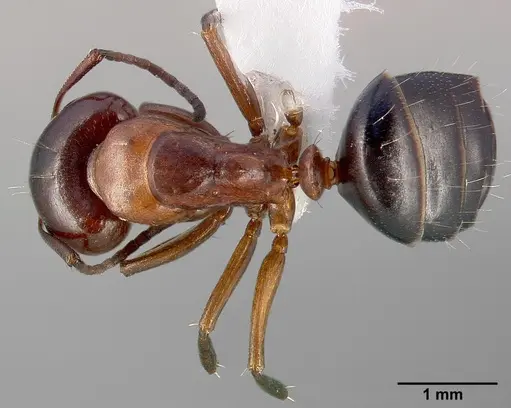
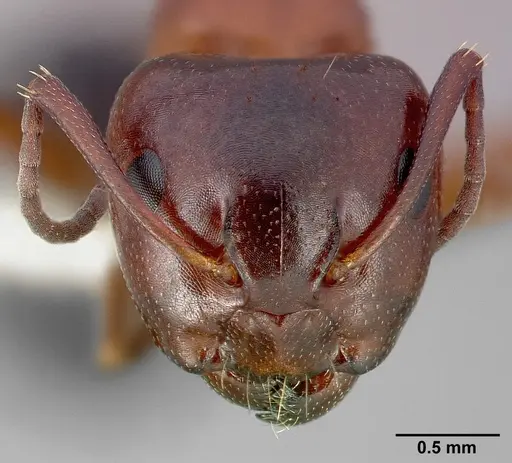
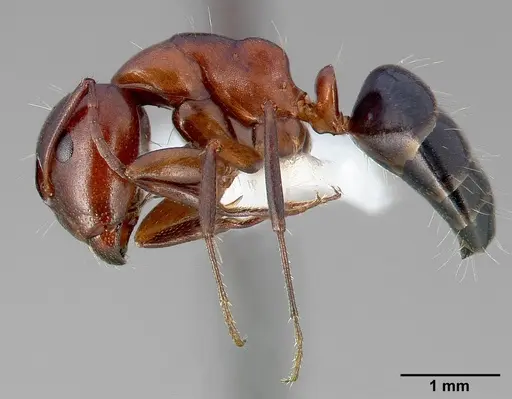
CASENT0106032
View on AntWeb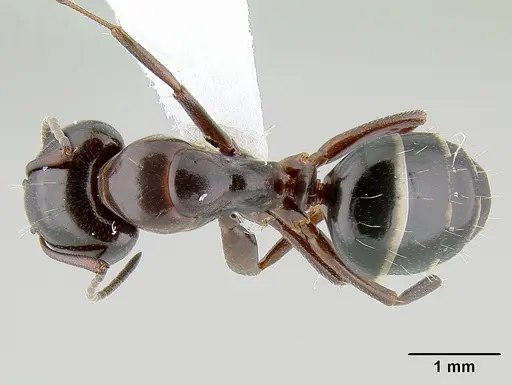
CASENT0246641
View on AntWeb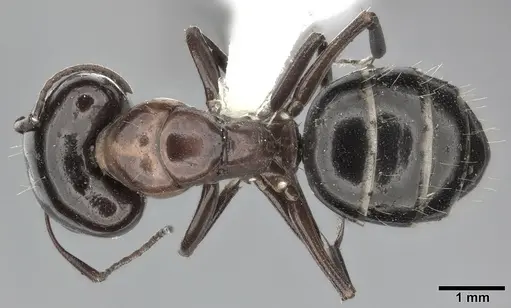
CASENT0246642
View on AntWeb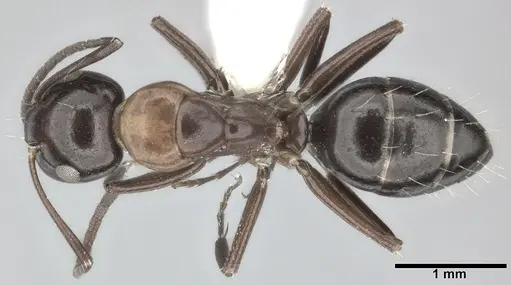
CASENT0249374
View on AntWeb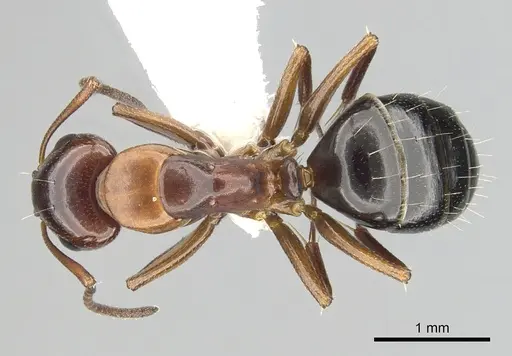
CASENT0249375
View on AntWeb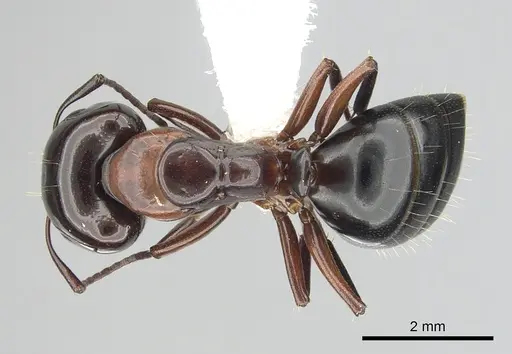
CASENT0844067
View on AntWeb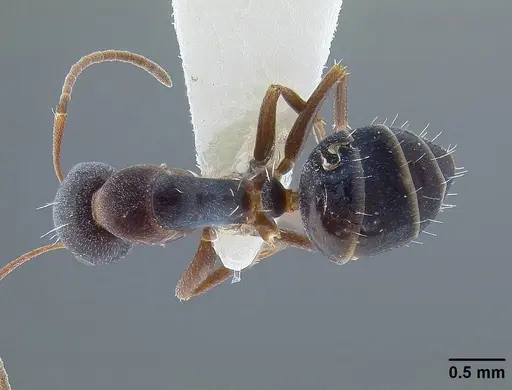
CASENT0883404
View on AntWeb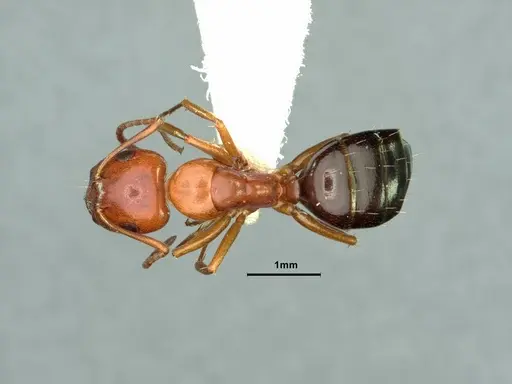
CASENT0884335
View on AntWeb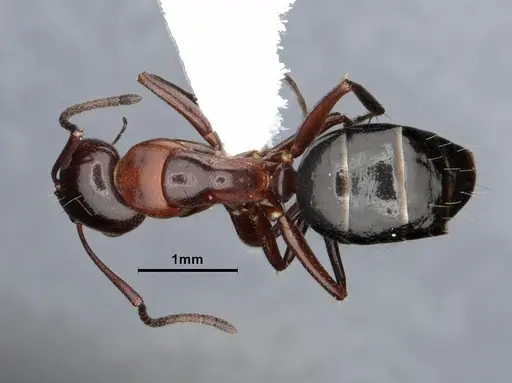
CASENT0884336
View on AntWeb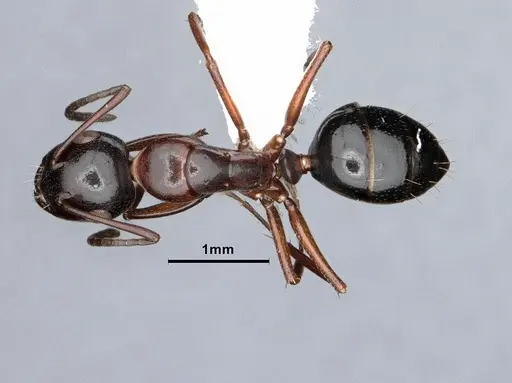
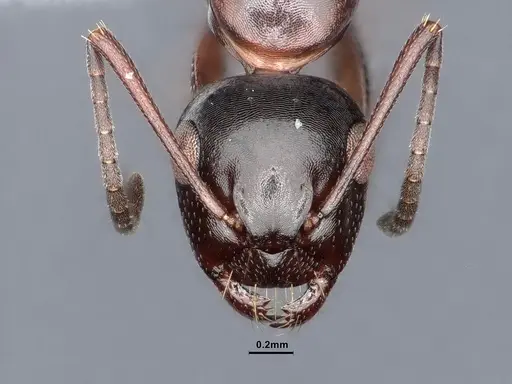
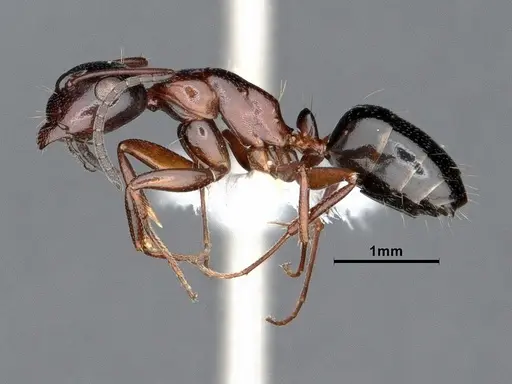
CASENT0905393
View on AntWeb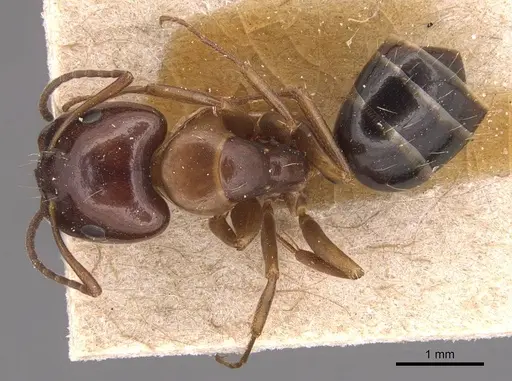
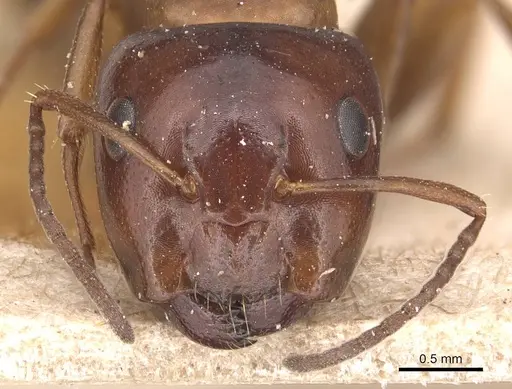
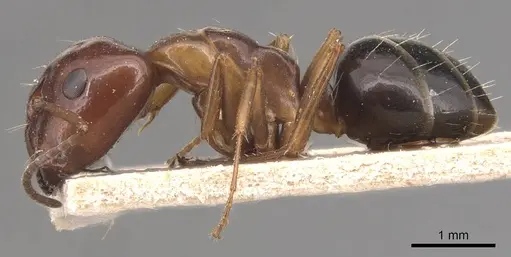
CASENT0905394
View on AntWeb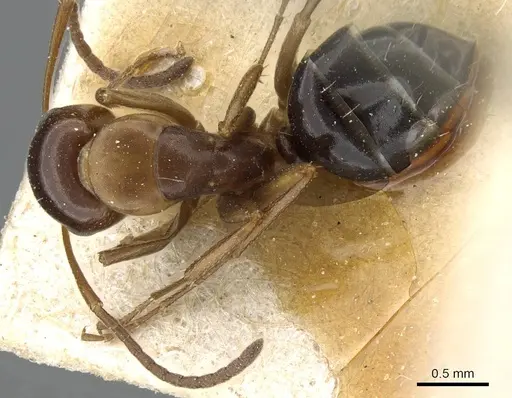
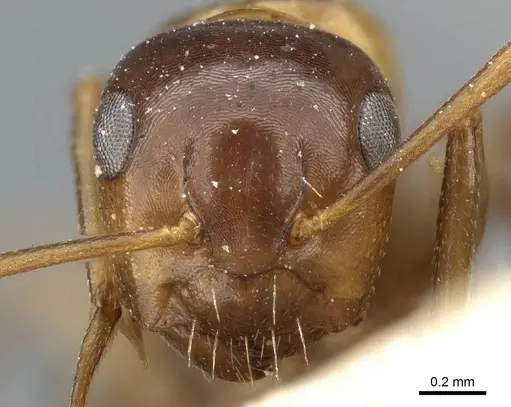
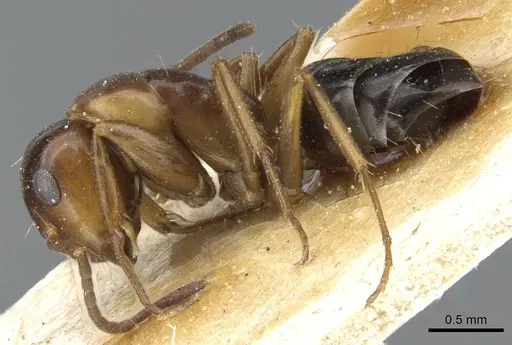
CASENT0905410
View on AntWeb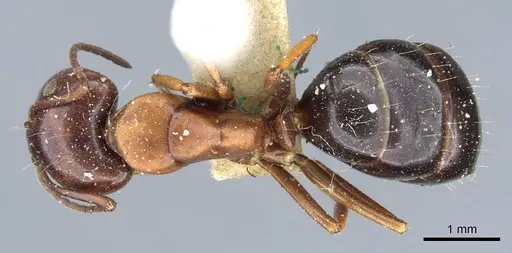
CASENT0905411
View on AntWeb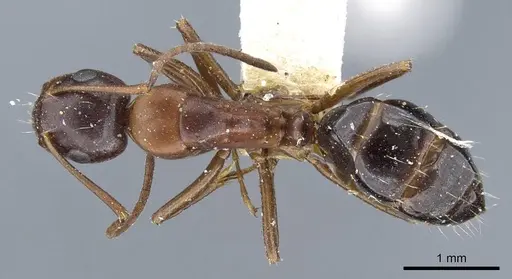
CASENT4031397
View on AntWeb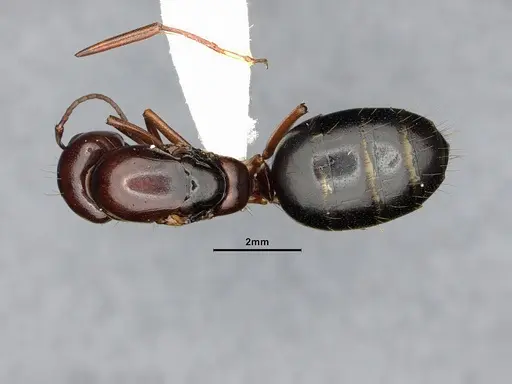
CASENT4031398
View on AntWeb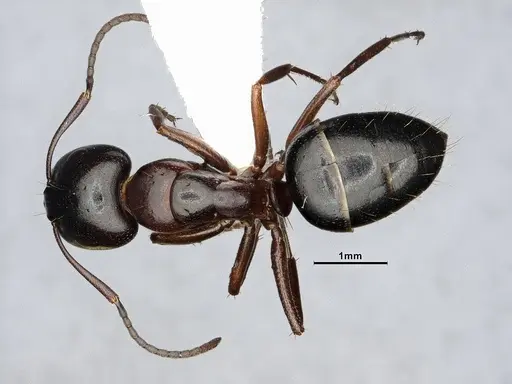
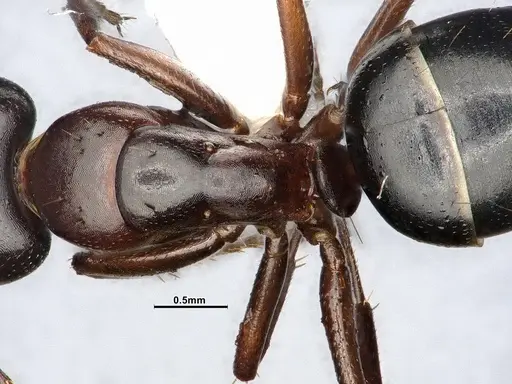
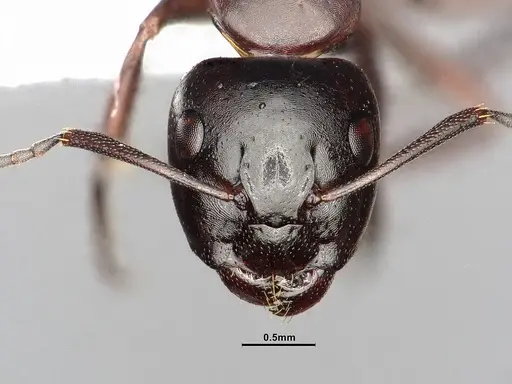
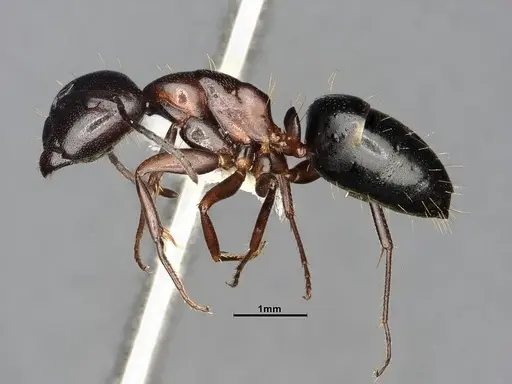
CASTYPE00598
View on AntWeb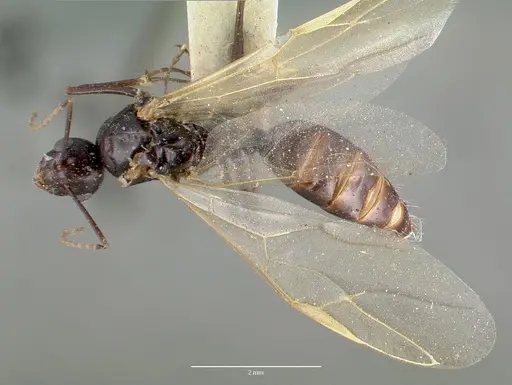
CASTYPE00599
View on AntWeb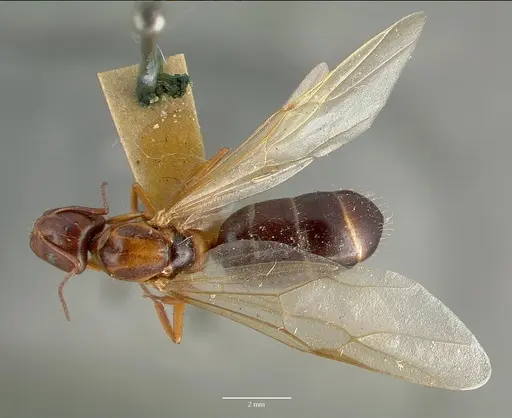
CASTYPE00600
View on AntWeb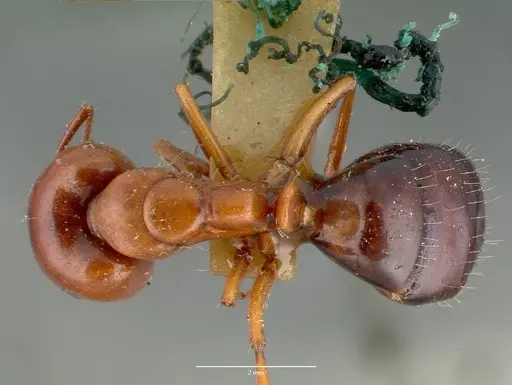
CASTYPE00601
View on AntWeb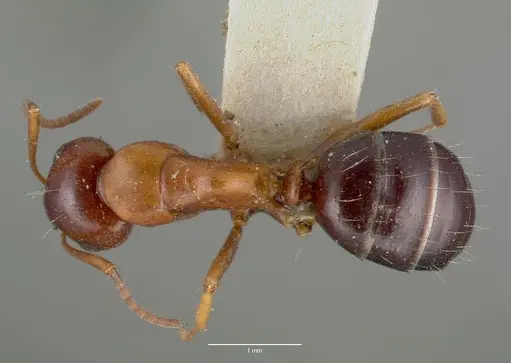
DZUP591920
View on AntWeb
Literature
Loading distribution map...Loading products...