
Camponotus holosericeus
- Sci. Name
- Camponotus holosericeus
- Subgenus
- Myrmosaulus
- Tribe
- Camponotini
- Subfamily
- Formicinae
- Author
- Emery, 1889
- Distribution
- Found in 2 countries
Introduction
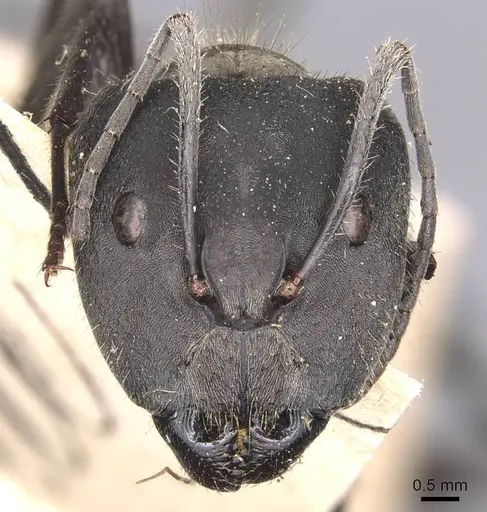
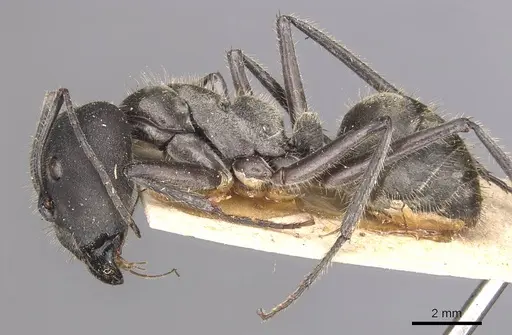
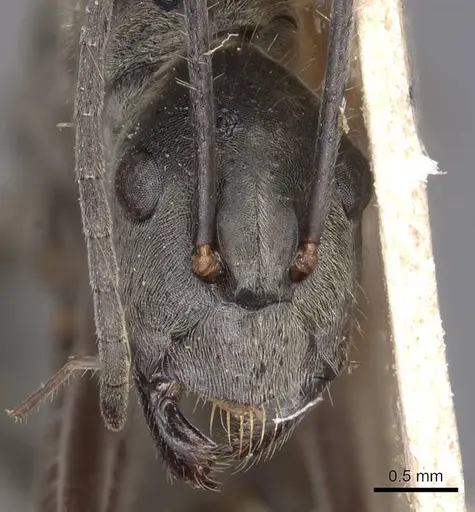
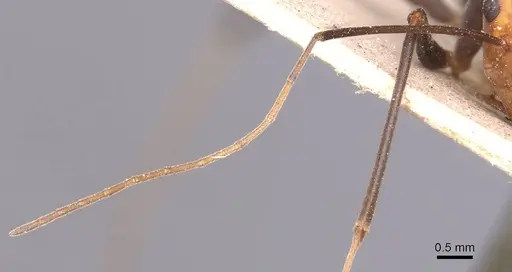
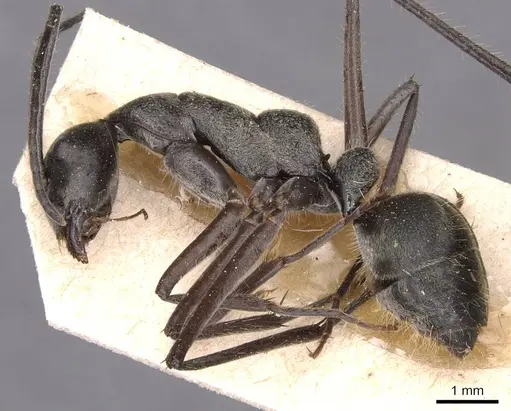
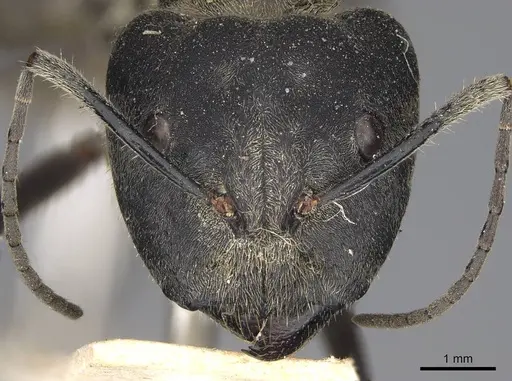
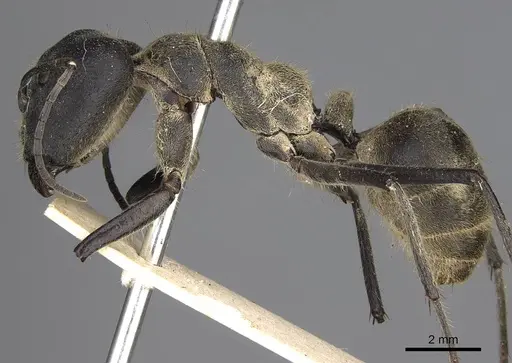
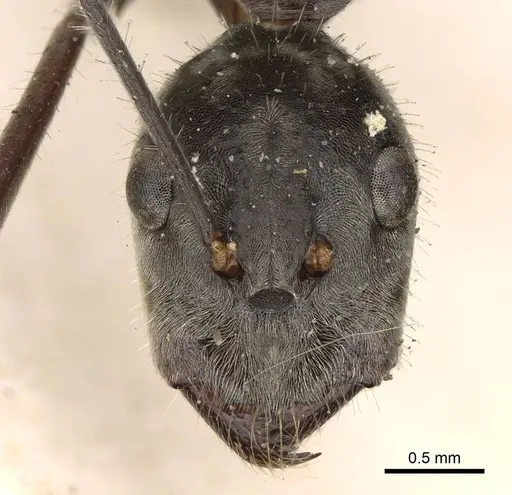
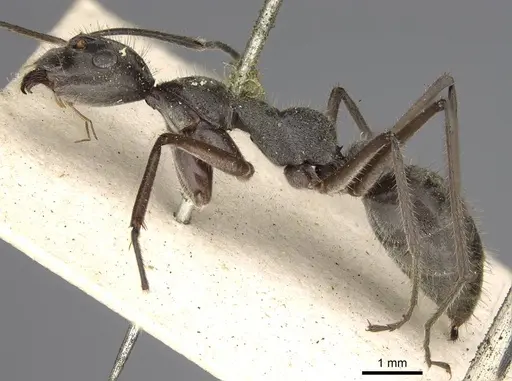
Camponotus holosericeus is a large carpenter ant species native to South and Southeast Asia, found in India (Assam, Meghalaya), Myanmar, Vietnam, and southern China (Yunnan). Workers measure approximately 15mm in length with a distinctive black body covered in silky, yellowish recumbent pubescence that gives them a slightly golden sheen. The head, thorax, and abdomen have fine reticulate-punctate sculpture, and the thorax shows a characteristic emargination at the meso-metanotal suture with a gibbous metanotum. This species belongs to the subgenus Myrmosaulus. This is a tropical/subtropical species that nests in rotting wood or under stones in forest habitats. Like other Formicinae ants, they lack a functional sting and instead defend by biting and spraying formic acid from their acidopore. Their large size and striking golden pubescence make them an attractive species for antkeepers seeking an impressive Asian carpenter ant.
Quick Summary
- Difficulty: Medium
- Origin & Habitat: Native to South and Southeast Asia, India (Assam, Meghalaya), Myanmar, Vietnam, and southern China (Yunnan). Found in tropical and subtropical montane forest habitats. In China, recorded from Yunnan province, in India, from the eastern Khasi hills of Meghalaya and Assam [1][2][3][4].
- Colony Type: Unconfirmed. Colony structure data is not available for this species.
- Size & Growth:
- Queen: Size data unavailable, inferred from typical Camponotus genus patterns (~18-22mm for large species)
- Worker: ~15mm [1]
- Colony: Maximum colony size data unavailable, typical Camponotus colonies reach several thousand workers at maturity
- Growth: Moderate, based on typical Camponotus development patterns
- Development: 6-10 weeks at 24-28°C (estimated based on typical Camponotus development) (Development follows standard Camponotus patterns, claustral founding means queen raises first brood alone without foraging. First workers (nanitics) are typically smaller than mature workers.)
- Antkeeping:
- Temperature: Keep at 24-28°C for optimal brood development. A gentle temperature gradient allows ants to regulate their own exposure. Can tolerate room temperature (22-25°C) but growth will be slower. Avoid temperatures below 20°C for extended periods.
- Humidity: Moderate to high humidity (60-80%). Keep the nest substrate consistently moist but not waterlogged. Provide a water tube for drinking water. Mist the outworld occasionally but avoid constant dampness that promotes mold.
- Diapause: Not required. This is a tropical/subtropical species that does not experience true hibernation. However, a slight reduction in temperature during winter months (to around 20-22°C) may slow activity naturally, this is optional, not mandatory.
- Nesting: In captivity, use Y-tong (AAC) nests or plaster nests. Provide chambers scaled to their large size. They accept test tubes for founding but will need more space as the colony grows. Nest should have some moisture but not be constantly wet.
- Behavior: Generally calm and non-aggressive for a large ant species. Like most Camponotus, they are primarily nocturnal foragers and prefer to avoid confrontation. Workers are robust and can defend the colony by biting and spraying formic acid if threatened, but they are not particularly territorial or aggressive toward keepers. They have a moderate escape risk due to their size, they cannot squeeze through tiny gaps like smaller ants, but standard escape prevention (fluon barriers, tight-fitting lids) is still essential. They are relatively slow-moving compared to smaller ant species.
- Common Issues: colonies may stall if temperatures drop too low, keep warm for active development, large size means they need spacious formicariums sooner than tiny species, test tube setups can become cramped quickly, monitor and upgrade before workers get cramped, mold can be an issue if humidity is too high without ventilation, balance moisture with airflow, wild-caught colonies may carry parasites, quarantine and observe new colonies carefully
Housing and Nest Setup
Camponotus holosericeus is a large species that needs appropriately sized housing. For founding colonies, a standard test tube setup works well, use a tube with a water reservoir separated by a cotton plug, giving the queen enough space to dig a founding chamber. Once the colony reaches 15-20 workers, it's time to upgrade to a proper formicarium. Y-tong (AAC) nests are excellent for this species because they provide proper humidity control and allow you to observe the colony. Plaster nests also work well. Whatever nest you choose, ensure chambers are appropriately sized, too large and the ants may feel exposed, too small and they'll outgrow it quickly. Add a water tube or small water dish for drinking water, as large Camponotus can be thirsty. The outworld should have some vertical space for foraging and can be decorated with substrate, stones, or artificial plants.
Feeding and Diet
Like all Camponotus species, C. holosericeus is an omnivore that accepts a wide variety of foods. Provide a constant source of sugar, sugar water (1:3 sugar to water ratio) or honey water is readily accepted. They also enjoy honey, maple syrup, and ripe fruits. For protein, offer insects such as mealworms, crickets, roaches, or frozen fruit flies. Dead insects are typically accepted, but live prey encourages natural foraging behavior. Feed protein sources 2-3 times per week, and ensure sugar water is always available. Remove uneaten food after 24-48 hours to prevent mold. This species is not a specialized predator, they're typical generalist foragers that will exploit whatever food sources are available in their territory.
Temperature and Seasonal Care
As a tropical/subtropical species from India, Myanmar, and Yunnan, C. holosericeus prefers warm conditions. Maintain temperatures between 24-28°C for optimal brood development and colony growth. A heating cable or mat on one side of the nest can create a temperature gradient, allowing ants to regulate their exposure. They can tolerate room temperature (22-25°C) but development will be slower. Unlike temperate species, they do not require true hibernation or diapause. During winter, you may notice reduced activity, which is natural, you can slightly lower temperatures to around 20-22°C but this is optional. Avoid any risk of frost or temperatures below 18°C for extended periods. Consistent warmth year-round is ideal for this species.
Colony Development and Growth
C. holosericeus follows typical claustral Camponotus development. The newly mated queen finds a suitable chamber and seals herself inside, living entirely on her stored fat reserves while laying eggs and raising the first brood. This founding phase typically takes 4-8 weeks before the first workers (nanitics) emerge. These first workers are smaller than mature workers but immediately begin foraging to feed the colony. Growth rate is moderate, expect 2-4 months to reach 50 workers, and over a year to reach several hundred workers. Major workers (soldiers) typically appear once the colony reaches several hundred workers. The colony will continue growing for several years, eventually reaching several thousand workers at maturity. Patience is key with this species, large Camponotus colonies are built over years, not months.
Behavior and Temperament
This is a calm, non-aggressive species that makes an excellent display ant. Workers are primarily nocturnal or crepuscular, becoming more active in the evening and night. They are not particularly defensive, when disturbed, they are more likely to flee than to attack. However, they can defend by biting and spraying formic acid if the colony feels severely threatened, so handle with care. They are not escape artists in the same way as tiny ants, but standard escape prevention is still important because they can climb smooth surfaces. Their large size and distinctive golden pubescence make them visually striking. They do not have major territorial or foraging aggression, multiple colonies can coexist in proximity without constant conflict. Overall, they're a rewarding species to watch due to their calm demeanor and interesting behaviors.
Frequently Asked Questions
How long does it take for Camponotus holosericeus to produce first workers?
Expect 6-10 weeks from egg to first worker at optimal temperature (24-28°C). This follows typical Camponotus development patterns, the claustral queen seals herself in and raises the first brood alone. The exact timing depends on temperature and whether the queen was already fertilized when you obtained her.
What do Camponotus holosericeus ants eat?
They are omnivores. Provide constant sugar water or honey for energy, and protein sources like mealworms, crickets, or other insects 2-3 times per week. They readily accept dead insects but will be more active hunting live prey. Remove uneaten food after 24-48 hours to prevent mold.
Do Camponotus holosericeus ants need hibernation?
No. This is a tropical/subtropical species from India, Myanmar, and southern China that does not require true hibernation. They may show reduced activity in cooler months, but a formal diapause period is not necessary or recommended.
What temperature is best for Camponotus holosericeus?
Keep them at 24-28°C for optimal growth and brood development. They can tolerate room temperature (22-25°C) but development will be slower. Avoid temperatures below 20°C for extended periods.
Are Camponotus holosericeus good for beginners?
They are rated as medium difficulty. Their large size makes them easier to observe and house than tiny ants, and their calm temperament is forgiving of minor mistakes. However, their slower growth and specific temperature needs make them better suited for keepers who have already kept a founding colony successfully.
How big do Camponotus holosericeus colonies get?
At maturity, colonies can reach several thousand workers over several years of growth. The first major workers typically appear once the colony reaches several hundred workers. They are a long-term commitment, a mature colony takes years to develop.
When should I move Camponotus holosericeus from a test tube to a formicarium?
Upgrade when the colony reaches 15-30 workers or when the test tube's water reservoir is running low and the colony needs more space. Don't wait until they're severely cramped, large Camponotus need room to move and expand their brood areas.
Can I keep multiple Camponotus holosericeus queens together?
Colony structure data is not available for this species. It is best to keep only one queen per colony unless you have specific information confirming they can coexist.
What size formicarium does Camponotus holosericeus need?
Start with a small formicarium or Y-tong nest when upgrading from the test tube. As the colony grows, expand to larger setups. At maturity, they need significant space, plan for a nest area of at least 200-300cm² plus foraging area. It's better to upgrade progressively than to start with an oversized nest.
Report an Issue
The current care sheet is based fully on literature. See inconsistencies, or something that's incorrect? Please , it will be resolved after review from an admin. Contributing to the blogs tab also helps providing information, to make us be able to further improve the caresheets. Thank you for your support!
References

This caresheet is licensed under CC BY-SA 4.0 .
Community Blogs
CASENT0905382
View on AntWeb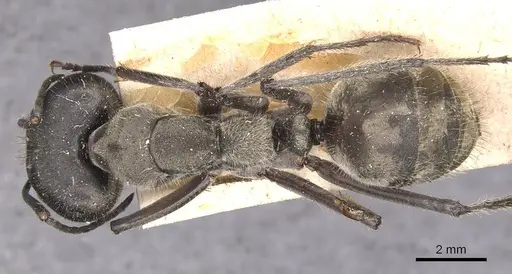
CASENT0905383
View on AntWeb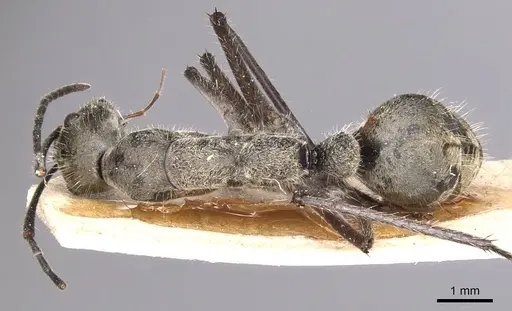
CASENT0906946
View on AntWeb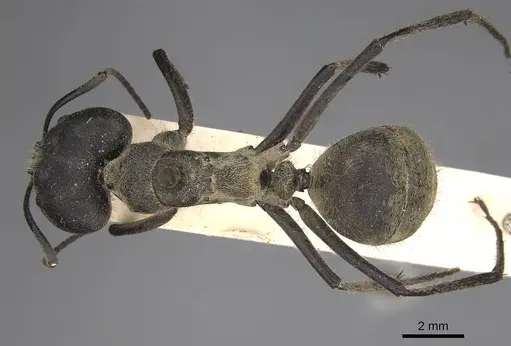
CASENT0906947
View on AntWeb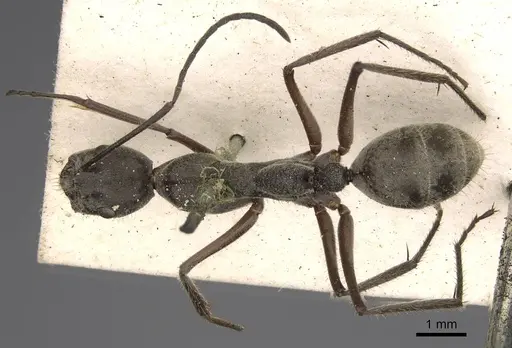
Literature
Loading distribution map...Loading products...