
Gestro's Carpenter Ant
Camponotus gestroi
- Sci. Name
- Camponotus gestroi
- Subgenus
- Myrmentoma
- Tribe
- Camponotini
- Subfamily
- Formicinae
- Author
- Emery, 1878
- Common Name
- Gestro's Carpenter Ant
- Distribution
- Found in 10 countries
Introduction
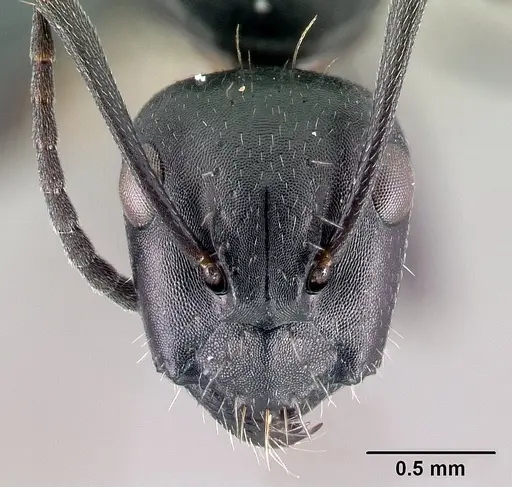
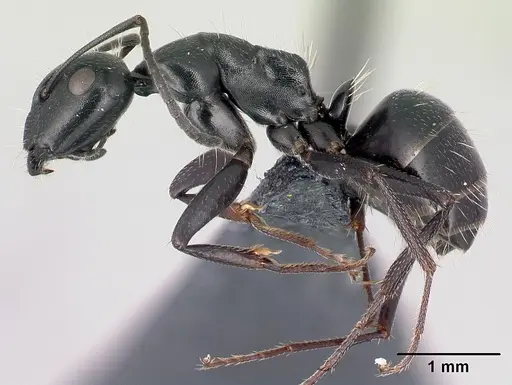
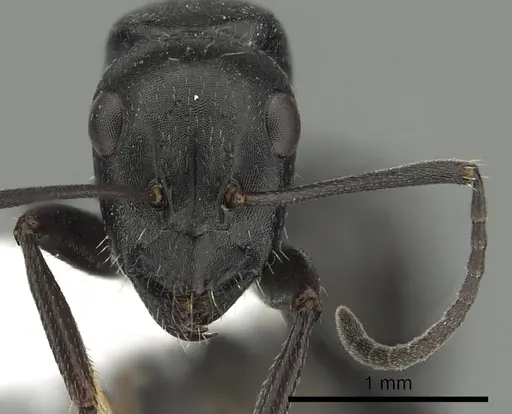
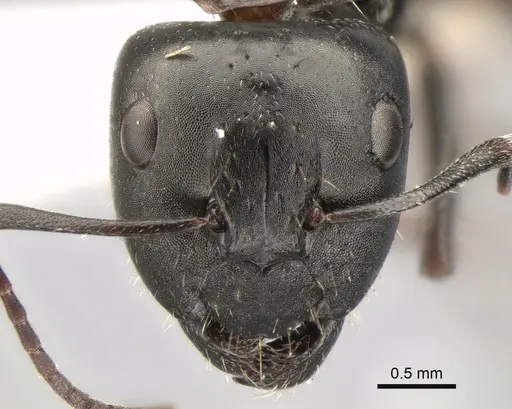
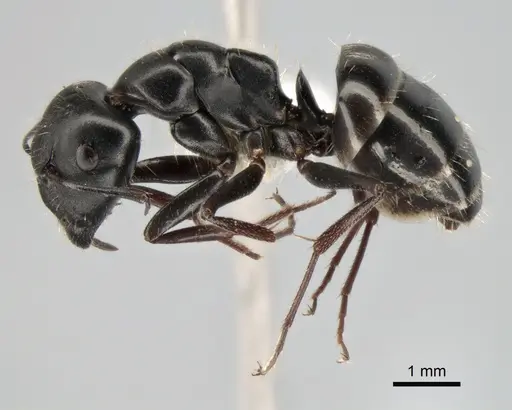
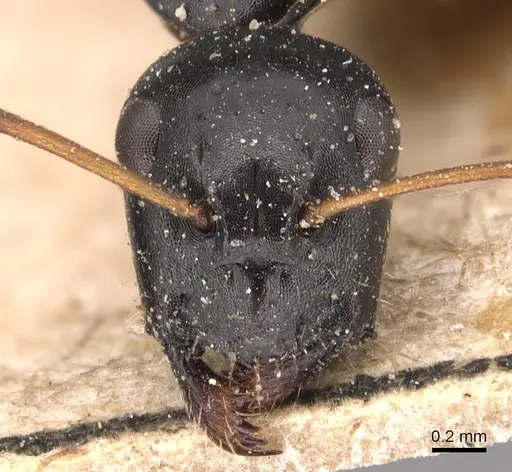
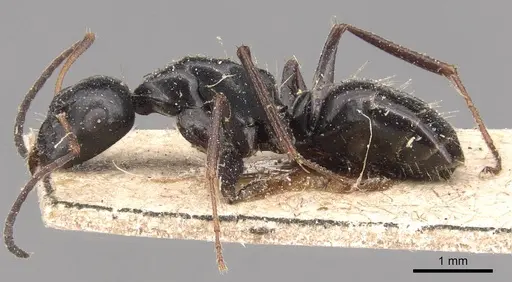
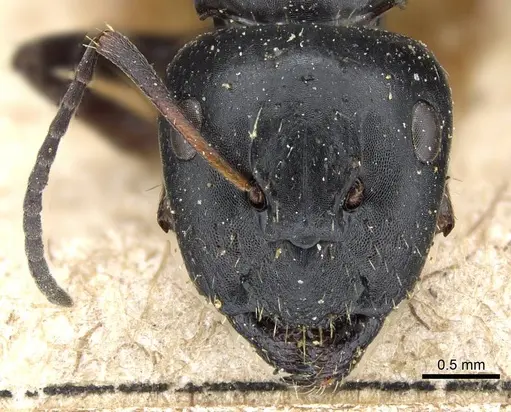
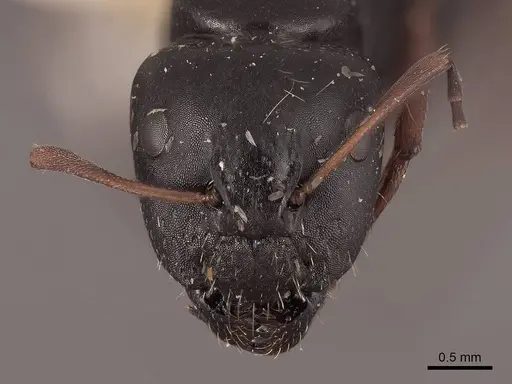
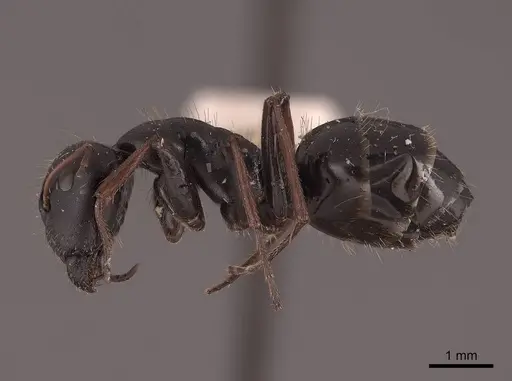
Camponotus gestroi is a medium-sized ant native to the Mediterranean region, from Portugal and Spain east to Iran. Workers measure 4.6-8.3mm and are completely black with a shiny appearance, making them distinctive in the C. lateralis species group. This is a thermophilous (warmth-loving) species that inhabits dry open areas, pine forests, and Mediterranean shrubland. Nests are built in soil under stones or inside dry hollow stems of shrubs and herbs. The species is monogynous, forming colonies with a single queen.
Quick Summary
- Difficulty: Easy
- Origin & Habitat: Mediterranean region, from Portugal and Spain east to Iran. Found in warm habitats like shrubs along roadsides, borders of deciduous and coniferous forests, pastures, pine forests, and xerothermic meadows. Nests under stones or in dry empty stems of shrubs [1][2].
- Colony Type: Monogyne, colonies have a single queen [2]. No documented polygyny or ergatoid replacement systems.
- Size & Growth:
- Antkeeping:
- Temperature: Keep at 22-26°C, they are thermophilous and prefer warm conditions. A gentle gradient allowing warmer and cooler zones is ideal [1][4].
- Humidity: Low to moderate, they prefer dry conditions typical of Mediterranean habitats. Keep nest substrate moderately dry, not waterlogged [1][5].
- Diapause: Yes, as a Mediterranean species, they benefit from a mild winter rest period at 10-15°C for 2-3 months.
- Nesting: Y-tong (AAC) nests or plaster nests work well. They naturally nest under stones or in dry hollow stems, provide tight-fitting chambers. Avoid overly humid setups [1][3].
- Behavior: Generally calm and non-aggressive. Workers are active foragers, including arboreal foraging to collect honeydew from aphids [6][7]. They show trail-following behavior. Major workers have large heads and can deliver a mild bite. Escape risk is moderate, use standard Camponotus escape prevention.
- Common Issues: colonies may struggle if kept too humid, they prefer dry Mediterranean conditions, winter die-offs are common if diapause is not provided or if temperatures drop too suddenly, wild-caught colonies may have parasites that kill them in captivity, slow initial growth during founding phase can lead to overfeeding by impatient keepers, aphid association means they may ignore sugar water if honeydew is available, offer protein regularly
Housing and Nest Preferences
Camponotus gestroi does well in Y-tong (AAC) nests or plaster formicariums that mimic their natural Mediterranean nesting sites. In the wild, they nest under stones or inside dry hollow stems of shrubs and large herbs [1]. For captivity, provide tight-fitting chambers rather than overly spacious ones, they feel more secure in snugger quarters. These ants prefer dry to moderately humid conditions, so avoid setups that retain excessive moisture. A small water tube for drinking is sufficient, they are not demanding about humidity. Escape prevention should be standard (Fluon on edges), while not tiny, they are active and can climb smooth surfaces.
Feeding and Diet
Like most Camponotus species, C. gestroi is omnivorous but leans toward sugar sources and protein. Workers forage arboreally and are known to tend aphids for honeydew, they have documented associations with Thelaxes suberis, Aphis fabae, and Lachnus roboris [8][7]. In captivity, offer sugar water or honey water regularly, plus protein sources like mealworms, crickets, or other insects. They may ignore sugar water if they have access to honeydew from aphid-infested plants, so keep aphid plants separate if you provide live plants. Feed protein 2-3 times per week and keep sugar water available at all times.
Temperature and Seasonal Care
As a thermophilous Mediterranean species, C. gestroi thrives at warm temperatures between 22-26°C. They are found from sea level up to around 780m in Greece, with Eastern Anatolian populations recorded up to 2100m [4][9]. In captivity, maintain a warm nest area around 24°C with a slight gradient so workers can choose their preferred temperature. During winter, provide a mild diapause at 10-15°C for 2-3 months, this mimics their natural Mediterranean seasonal cycle and promotes colony health. Avoid keeping them at room temperature year-round without a winter rest period.
Behavior and Colony Dynamics
This is a relatively calm Camponotus species with moderate activity levels. Colonies are monogynous with a single founding queen. Workers are polymorphic with distinct minor and major castes. They show trail-following behavior and are efficient foragers. Major workers have powerful mandibles and can deliver a mild bite if handled roughly, but they are not particularly aggressive. The species is known to associate with lycaenid butterfly larvae, serving as attendants, this mutualistic tendency carries over to their aphid-tending behavior in captivity. [2]
Growth and Development
Colony founding proceeds typically for Camponotus, the queen seals herself in a chamber and raises the first brood alone on stored fat reserves. Early workers (nanitics) are smaller than normal workers but will quickly be replaced by larger majors as the colony grows. Expect several weeks from egg to first worker at optimal temperature. Growth is moderate, colonies typically reach several hundred workers within the first year under good conditions. The species is not particularly fast-growing but is resilient once established.
Frequently Asked Questions
How long does it take for Camponotus gestroi to produce first workers?
Expect several weeks from egg to first worker at optimal temperature (around 24°C). The exact timing depends on temperature and feeding.
What temperature do Camponotus gestroi need?
Keep them warm at 22-26°C. They are thermophilous (warmth-loving) Mediterranean ants that prefer these temperatures year-round, with a cooler winter rest period.
Can I keep multiple Camponotus gestroi queens together?
No, this is a monogyne species with single-queen colonies. Combining unrelated queens is not recommended and would likely result in fighting.
Are Camponotus gestroi good for beginners?
Yes, they are considered easy to keep. They are resilient, tolerate typical room conditions well, and are not aggressive. Their main requirements are warmth and moderate dryness.
Do Camponotus gestroi need hibernation?
Yes, they benefit from a mild winter rest at 10-15°C for 2-3 months. This mimics their natural Mediterranean seasonal cycle and helps maintain colony health long-term.
What do Camponotus gestroi eat?
They are omnivorous, offer sugar water or honey water constantly, plus protein sources like mealworms, crickets, or other insects 2-3 times per week. They also tend aphids for honeydew.
How big do Camponotus gestroi colonies get?
Colonies can reach up to around 2000 workers. They are moderate-sized colonies that grow steadily over several years.
When should I move Camponotus gestroi to a formicarium?
Wait until the colony has 20-30 workers before moving from a test tube setup. They do well in Y-tong or plaster nests that allow for dry conditions.
Why are my Camponotus gestroi dying?
Common causes include: excessive humidity (they prefer dry conditions), lack of protein leading to starvation, sudden temperature changes, or parasites from wild-caught colonies. Ensure proper temperature, dry nesting conditions, and regular protein feeding.
Report an Issue
The current care sheet is based fully on literature. See inconsistencies, or something that's incorrect? Please , it will be resolved after review from an admin. Contributing to the blogs tab also helps providing information, to make us be able to further improve the caresheets. Thank you for your support!
References

This caresheet is licensed under CC BY-SA 4.0 .
Community Blogs
CASENT0179873
View on AntWeb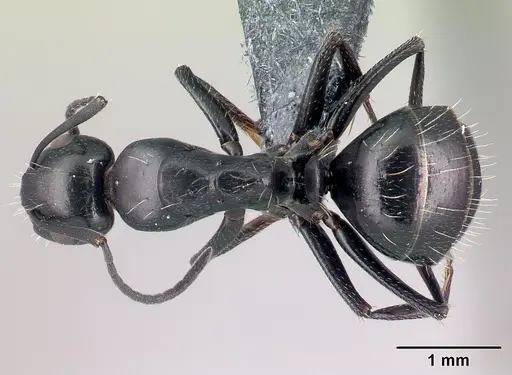
CASENT0249980
View on AntWeb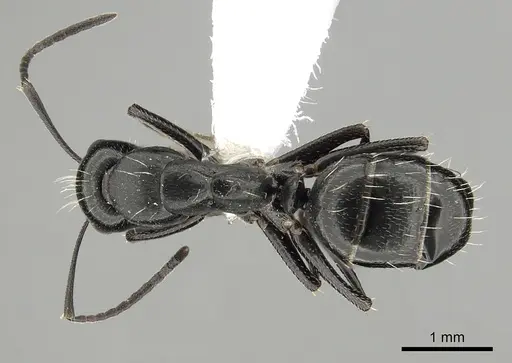
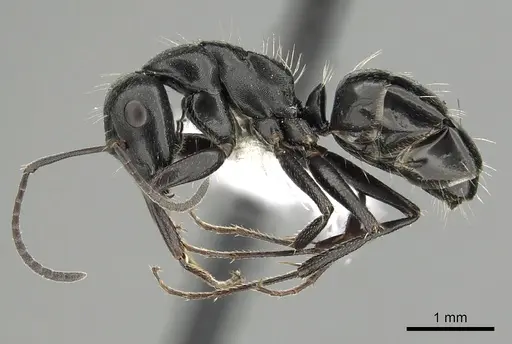
CASENT0280603
View on AntWeb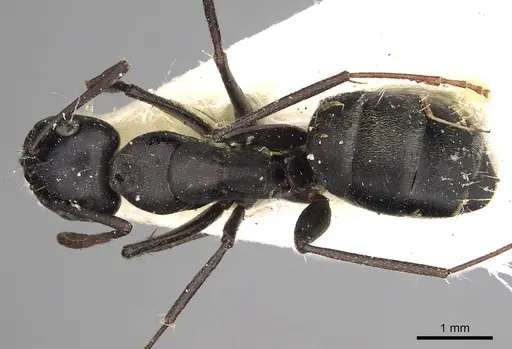
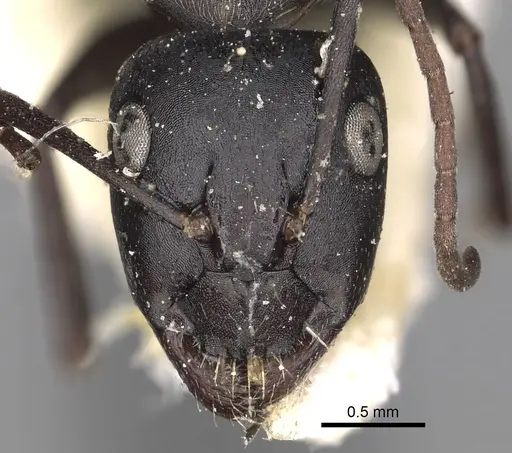
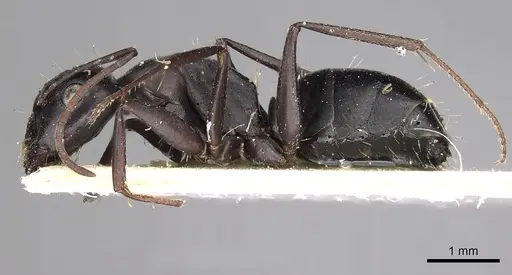
CASENT0280604
View on AntWeb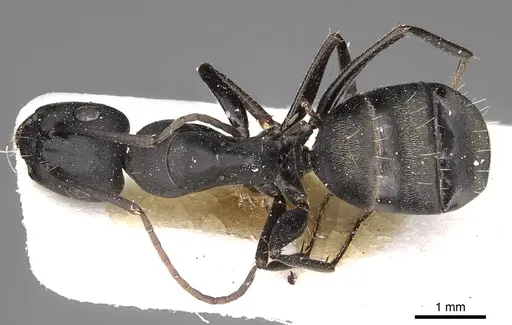
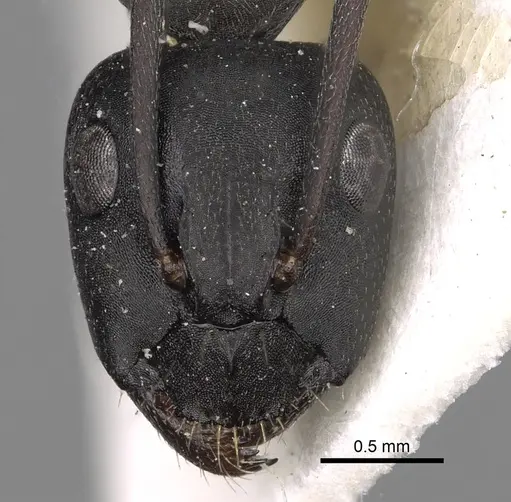
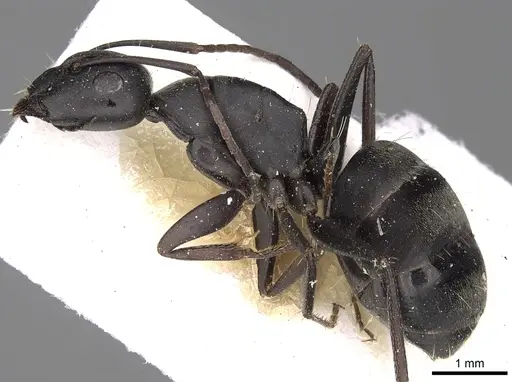
CASENT0882034
View on AntWeb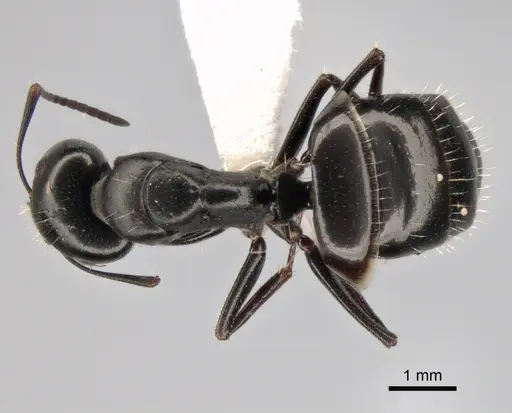
CASENT0905391
View on AntWeb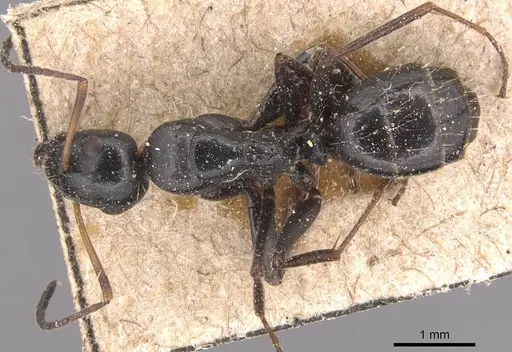
CASENT0905794
View on AntWeb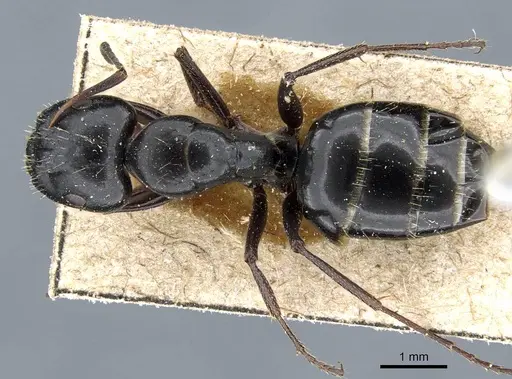
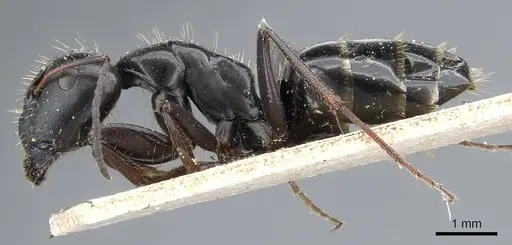
CASENT0910430
View on AntWeb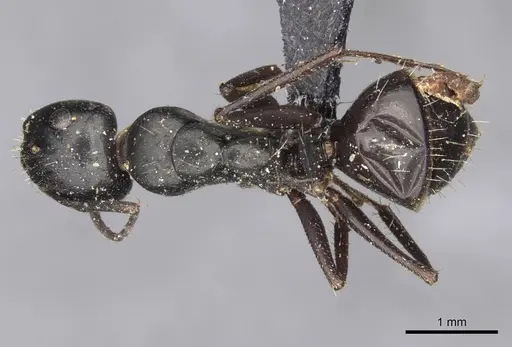
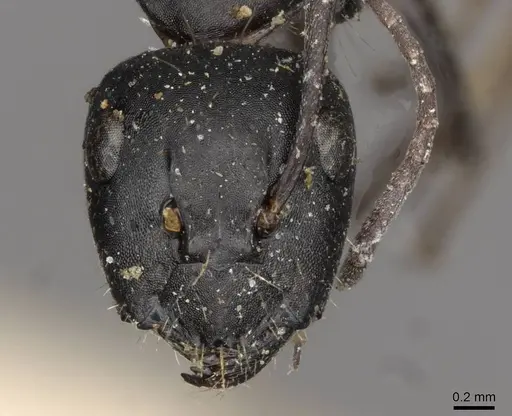
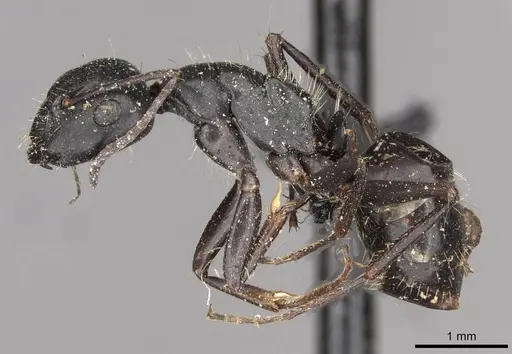
FMNHINS0000045753
View on AntWeb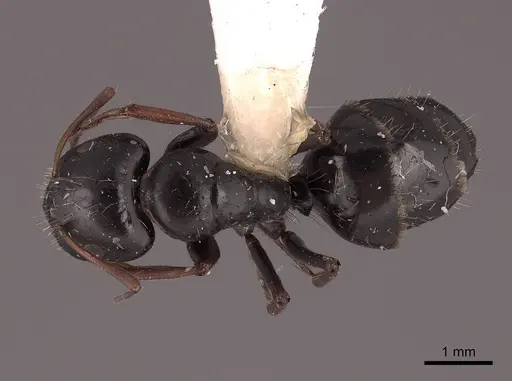
Literature
Loading distribution map...Loading products...