
Camponotus gambeyi
- Sci. Name
- Camponotus gambeyi
- Subgenus
- Tanaemyrmex
- Tribe
- Camponotini
- Subfamily
- Formicinae
- Author
- Emery, 1883
- Distribution
- Found in 1 countries
Introduction
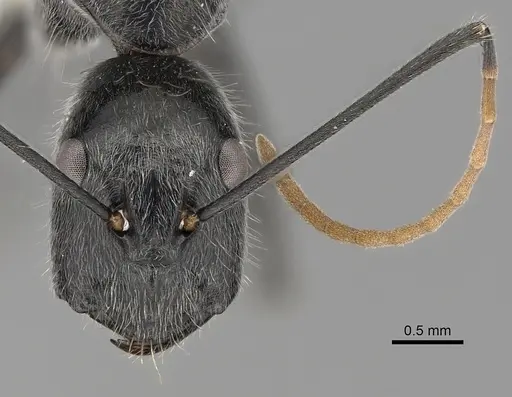
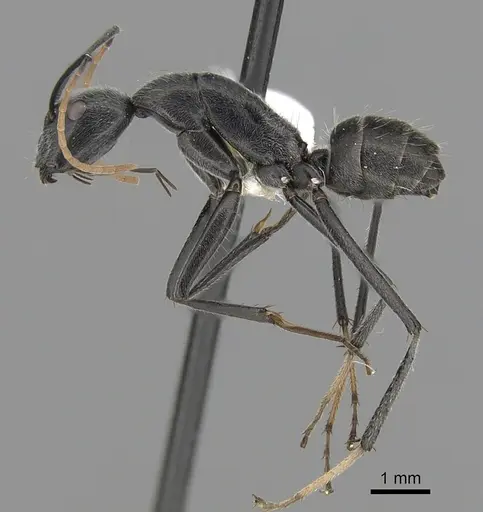
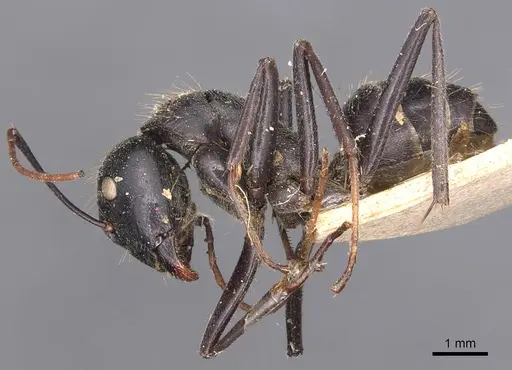
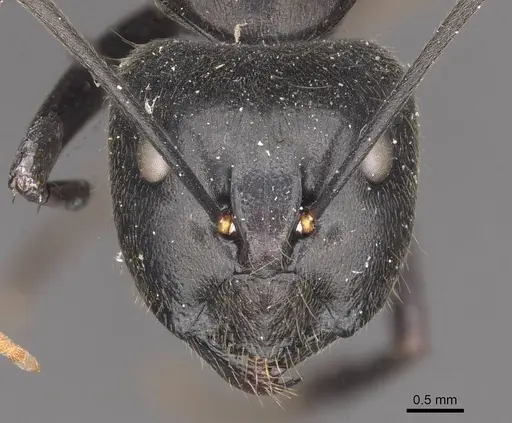
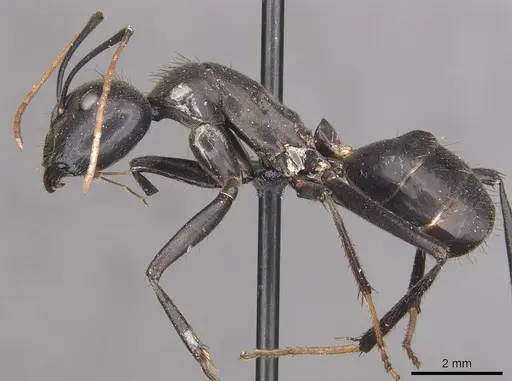
Camponotus gambeyi is a carpenter ant species endemic to New Caledonia, a tropical island in the South Pacific. Originally described by Emery in 1883,this species belongs to the subgenus Tanaemyrmex. Workers are polymorphic with major and minor castes. The species is found exclusively in dense humid forests growing on ultrabasic rock formations - a unique geological feature of New Caledonia that creates specialized habitat conditions. A subspecies, Camponotus gambeyi marthae, is also recognized.
Quick Summary
- Difficulty: Medium
- Origin & Habitat: New Caledonia, a tropical island in the South Pacific. Found in dense humid forest on ultrabasic rocks [1]. This is a native species, not invasive.
- Colony Type: Unknown, colony structure has not been specifically studied for this species.
- Size & Growth:
- Queen: Size data unavailable, no measurements exist for this species
- Worker: Size data unavailable, no measurements exist for this species
- Colony: Unknown, no specific data for this species
- Growth: Unknown, specific growth rate has not been documented
- Development: Unknown, no species-specific development data available (Development time is unconfirmed for this species)
- Antkeeping:
- Temperature: Keep at 24-28°C. Being from tropical New Caledonia, they need warm conditions year-round.
- Humidity: High humidity required, they naturally live in humid forest environments. Keep nest substrate consistently moist but not waterlogged.
- Diapause: No, being from a tropical island, they do not require hibernation. Keep temperatures stable year-round.
- Nesting: In nature, they likely nest in rotting wood or under stones in forest habitats. In captivity, a Y-tong (AAC) nest or plaster nest works well. They prefer tight, dark chambers.
- Behavior: Generally calm temperament typical of carpenter ants. They are not particularly aggressive but will defend their nest if threatened. Workers are moderately active foragers. Escape prevention should be moderate, they are not tiny ants but can squeeze through small gaps.
- Common Issues: high humidity maintenance is critical, dry conditions will stress and kill colonies, tropical species cannot tolerate cool temperatures, keep above 24°C, limited availability as a species, may be difficult to find in the antkeeping trade, wild-caught colonies may carry parasites specific to their native range, lack of species-specific care data means keepers must rely on genus-level guidance
Natural History and Distribution
Camponotus gambeyi is endemic to New Caledonia, a unique tropical island in the South Pacific known for its distinctive flora and fauna. The species was first described by Carlo Emery in 1883 and has been recorded from various locations across the main island [2]. It belongs to the subgenus Tanaemyrmex, a group of carpenter ants. The species is found specifically in dense humid forests growing on ultrabasic rocks, a geological formation common in New Caledonia that creates unique soil conditions [1]. This habitat specialization suggests the species prefers stable, humid microclimates with plenty of cover and organic material.
Nest Preferences and Housing
In their natural habitat, C. gambeyi likely nests in rotting wood or under stones in the humid forest floor, similar to other Camponotus species. For captive care, a Y-tong (AAC) nest or plaster formicarium works well. They prefer tight, dark chambers that mimic the inside of a rotting log or underground cavity. The nest should have a water reservoir to maintain humidity, these ants are sensitive to drying out. Keep the outworld simple with a foraging area and provide a hydration station.
Feeding and Diet
Like most Camponotus species, C. gambeyi is omnivorous with a preference for sugary substances and protein. In captivity, offer sugar water or honey regularly as a constant energy source. For protein, provide insects such as mealworms, crickets, or other small arthropods. They likely tend aphids in nature for honeydew, so offering sugar water is a good substitute. Feed protein prey 2-3 times per week, and keep sugar available at all times. Remove uneaten prey after 24 hours to prevent mold issues in the humid setup they require.
Temperature and Humidity Requirements
Being from tropical New Caledonia, these ants require warm and humid conditions year-round. Maintain temperatures between 24-28°C in the nest area. A heating cable placed on top of the nest can help maintain stable temperatures, especially in cooler rooms. Humidity should be kept high, the forest floor environment they inhabit is consistently moist. Keep the nest substrate damp but not waterlogged, and provide a water gradient so workers can choose their preferred moisture level. Avoid placing the colony in air-conditioned rooms or anywhere temperatures might drop below 22°C. [1]
Colony Development
Queen founding behavior is unconfirmed for this species. The first workers, called nanitics, are typically smaller than mature workers. After the first workers eclose, the colony enters a growth phase. Specific development time and growth rates are unknown for this species, keepers should monitor their colony's development and adjust care accordingly.
Behavior and Temperament
Camponotus gambeyi has a temperament typical of carpenter ants, generally calm and not overly aggressive. Workers will forage actively in the outworld and are capable of carrying relatively large prey items compared to their body size. They do not have a functional sting but may bite if threatened, as Formicinae, they can spray formic acid from their acidopore as a defense mechanism. The species is moderately active and workers will establish clear foraging trails when food is available. Escape risk is moderate, while not tiny, they can squeeze through small gaps, so standard escape prevention measures are sufficient.
Frequently Asked Questions
How long does it take for Camponotus gambeyi to produce first workers?
Unknown, specific development time has not been documented for this species. Based on typical Camponotus patterns, expect several months at tropical temperatures, but this is not confirmed.
Do Camponotus gambeyi ants need hibernation?
No, they do not require hibernation. Being from tropical New Caledonia, they need warm temperatures year-round. Keep them at 24-28°C consistently.
What do Camponotus gambeyi eat?
They are omnivorous like most carpenter ants. Offer sugar water or honey constantly for energy, and provide protein sources like mealworms, crickets, or other small insects 2-3 times per week.
Are Camponotus gambeyi good for beginners?
They are rated as Medium difficulty. While not as challenging as some species, they do require specific humidity and temperature conditions that beginners must maintain consistently. Their limited availability and lack of species-specific care data may also be a factor.
How big do Camponotus gambeyi colonies get?
Unknown, colony size has not been specifically documented for this species.
Can I keep multiple Camponotus gambeyi queens together?
This has not been documented for this species. Most Camponotus are single-queen, so it is not recommended to house multiple unrelated queens together.
What humidity level do Camponotus gambeyi need?
High humidity is essential, they come from humid forest environments. Keep the nest substrate consistently moist but not waterlogged. The substrate should feel damp to the touch.
What temperature should I keep Camponotus gambeyi at?
Keep nest temperatures between 24-28°C. A heating cable on the nest can help maintain these temperatures, especially in cooler environments.
Where is Camponotus gambeyi naturally found?
Camponotus gambeyi is endemic to New Caledonia, a tropical island in the South Pacific. It is found nowhere else in the world naturally.
Report an Issue
The current care sheet is based fully on literature. See inconsistencies, or something that's incorrect? Please , it will be resolved after review from an admin. Contributing to the blogs tab also helps providing information, to make us be able to further improve the caresheets. Thank you for your support!
References

This caresheet is licensed under CC BY-SA 4.0 .
Community Blogs
CASENT0280232
View on AntWeb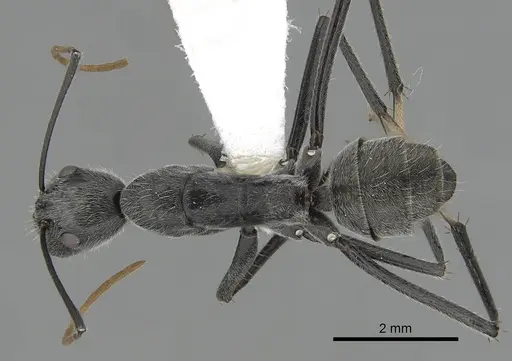
CASENT0887743
View on AntWeb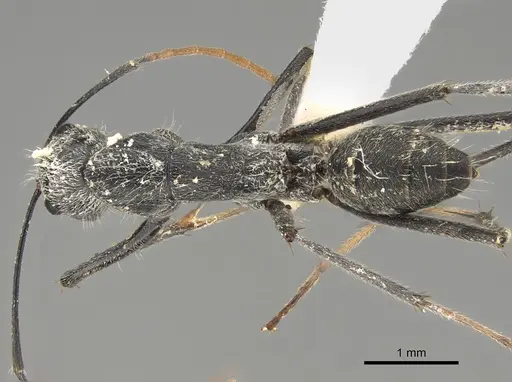
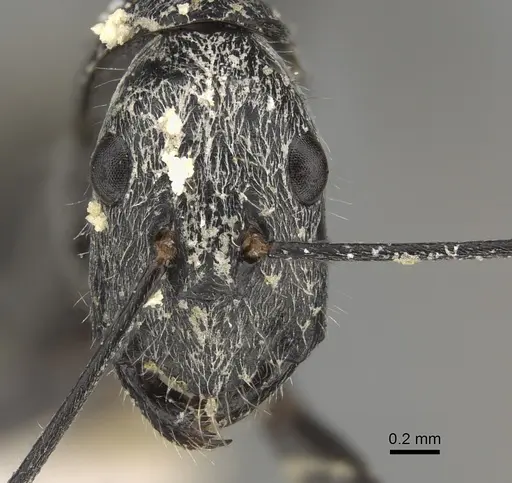
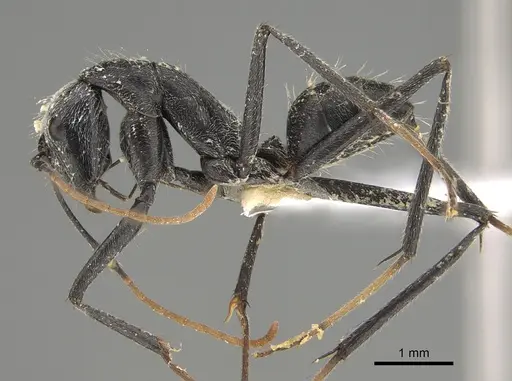
CASENT0905387
View on AntWeb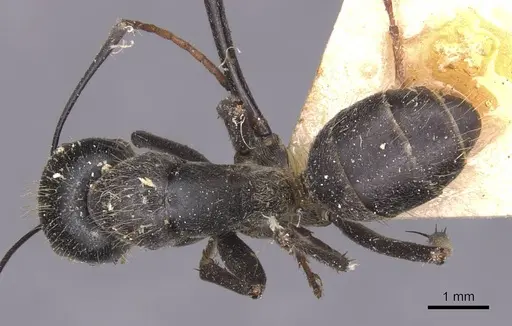
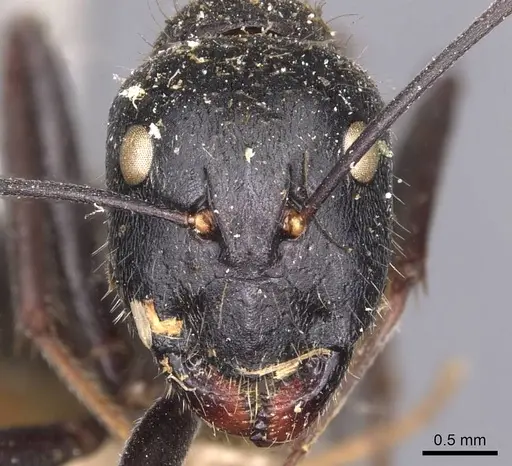
CASENT0910313
View on AntWeb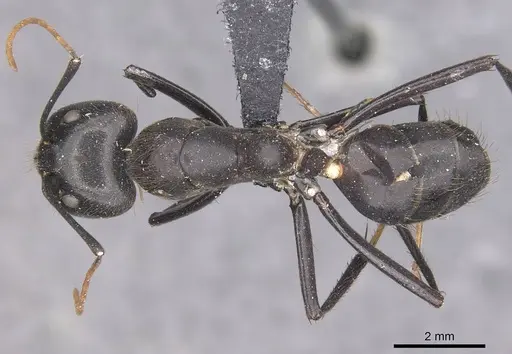
Literature
Loading distribution map...Loading products...