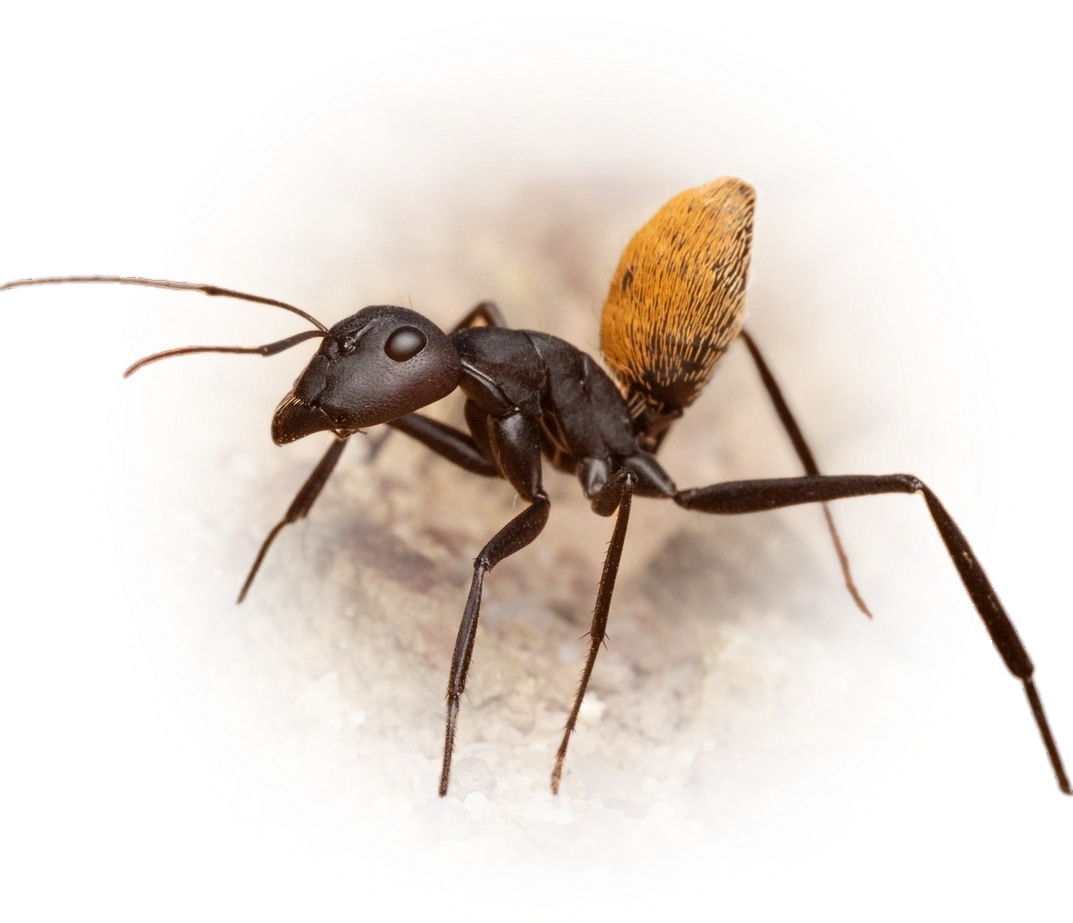
Karoo Balbyter Ant
Camponotus fulvopilosus
- Sci. Name
- Camponotus fulvopilosus
- Subgenus
- Myrmopiromis
- Tribe
- Camponotini
- Subfamily
- Formicinae
- Author
- De Geer, 1778
- Common Name
- Karoo Balbyter Ant
- Distribution
- Found in 4 countries
Introduction
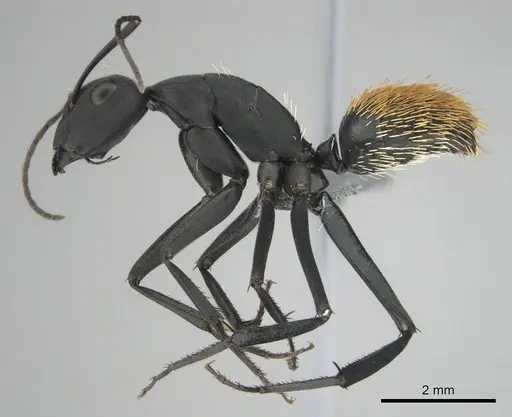
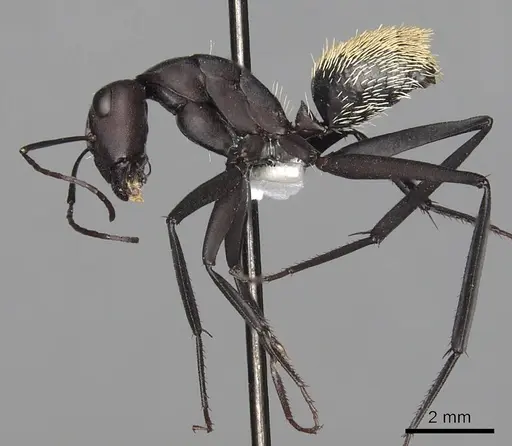
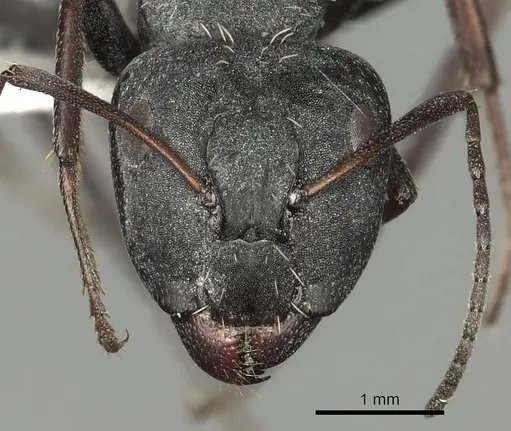
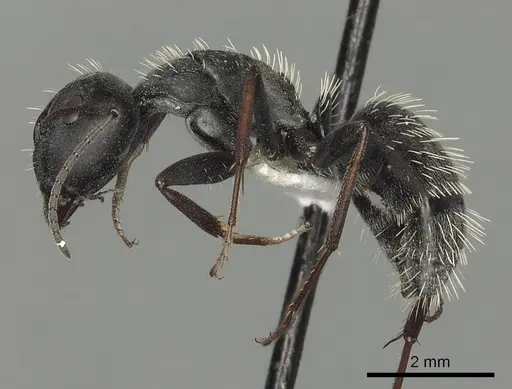
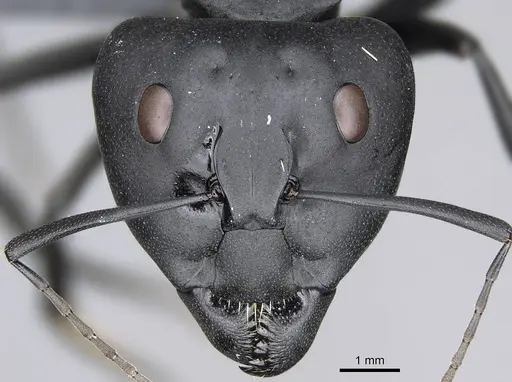
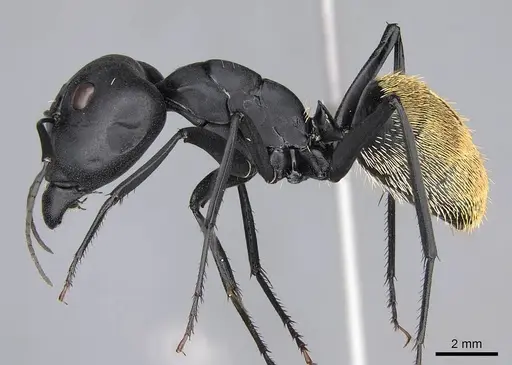
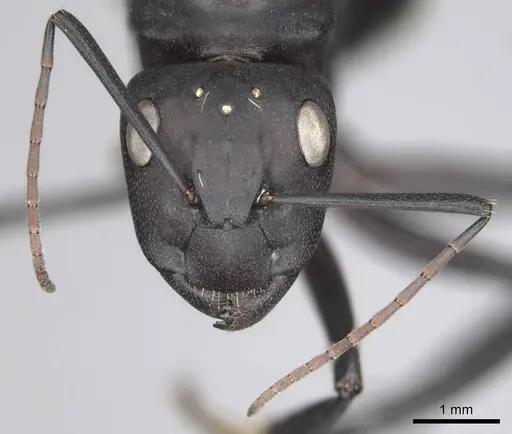
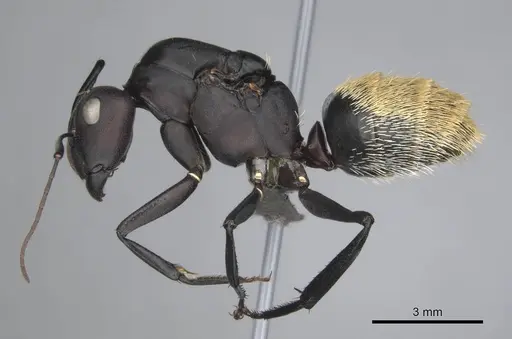
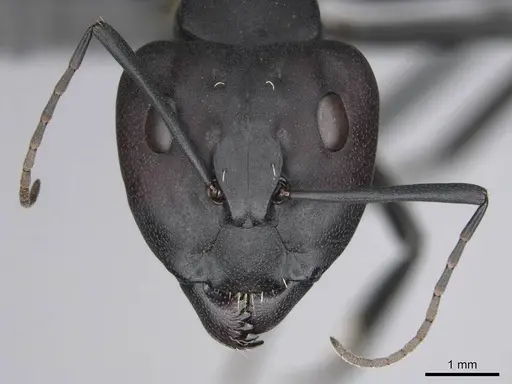
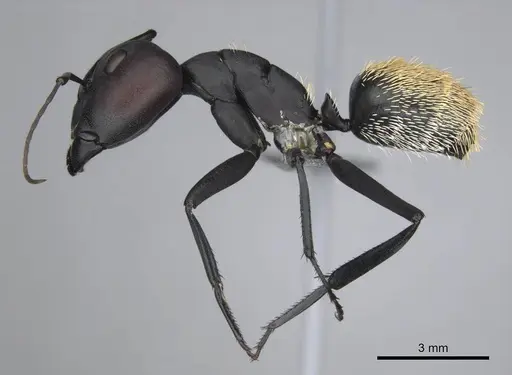
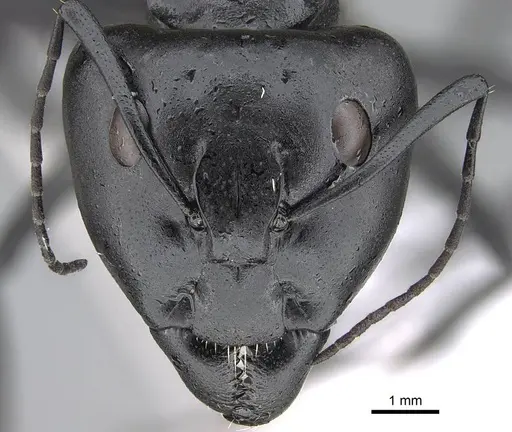
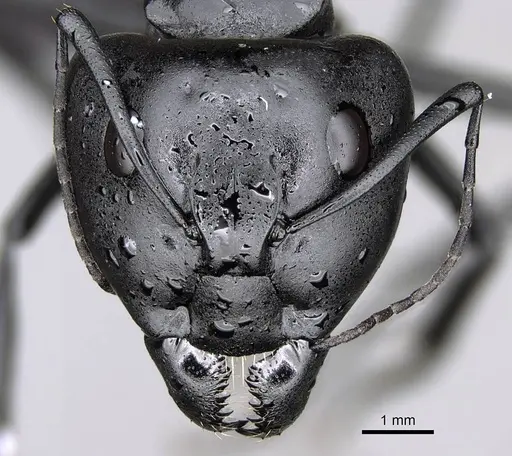
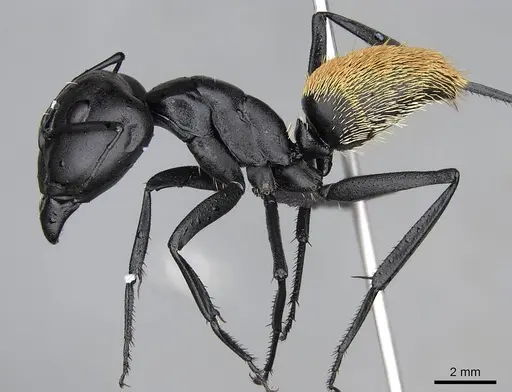
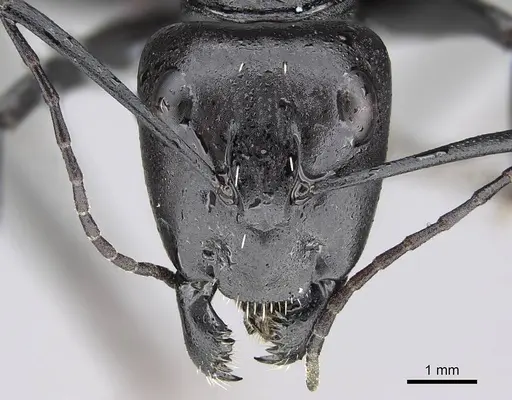
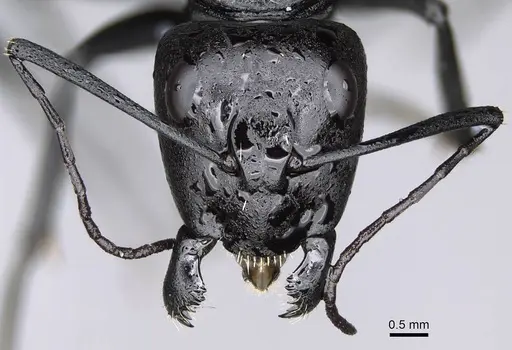
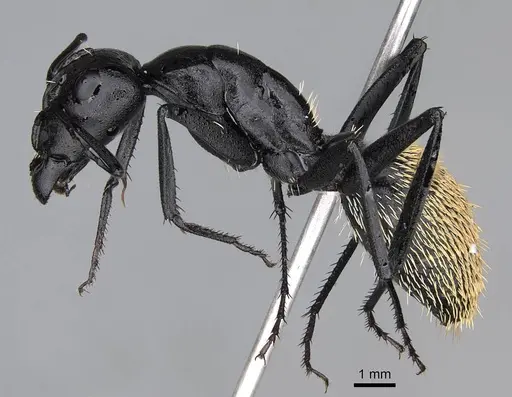
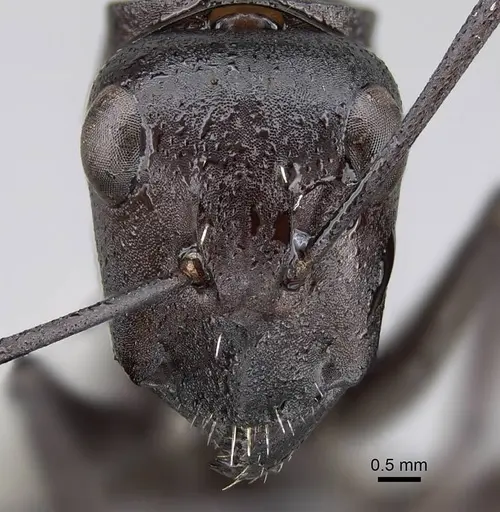
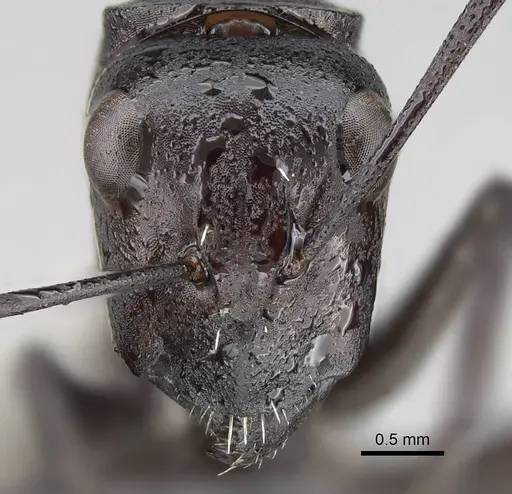
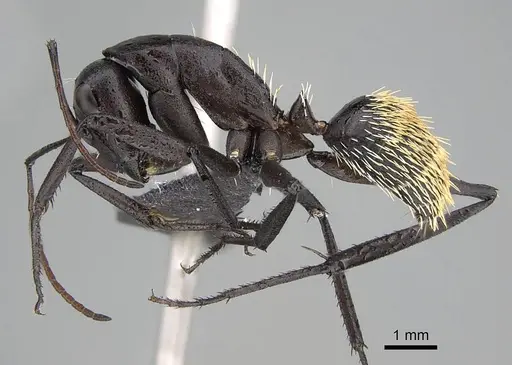
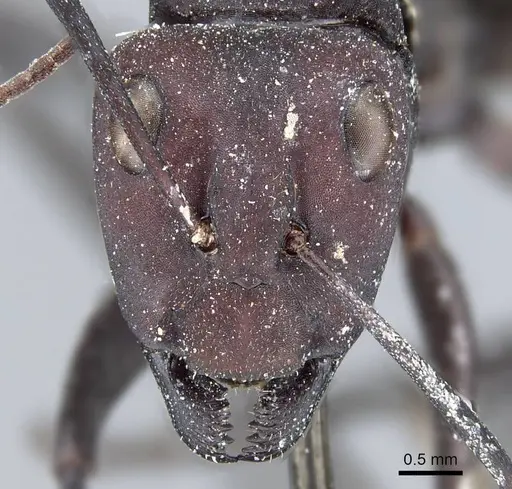
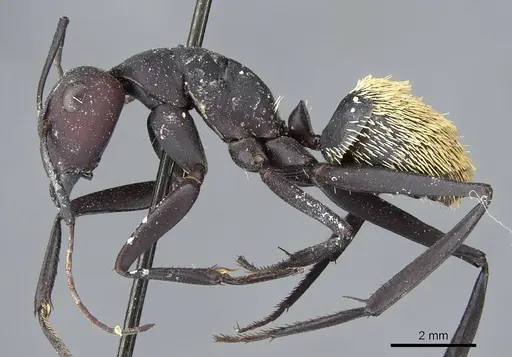
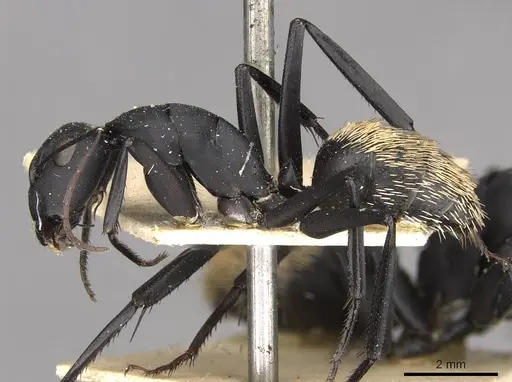
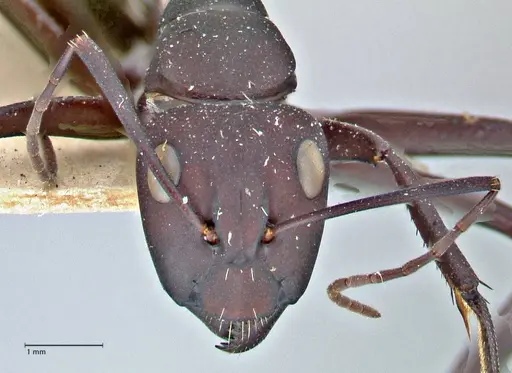
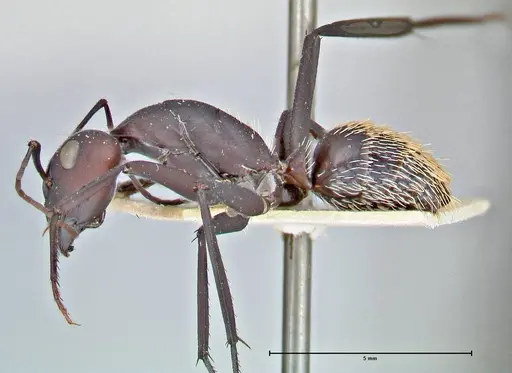
Camponotus fulvopilosus is a medium-sized ant species native to southern Africa, easily recognized by the thick yellow hairs covering its gaster (abdomen). Workers measure approximately 3.2-3.9mm in body length, with a robust build typical of Camponotus species. This species occurs across a wide range including South Africa, Namibia, Botswana, Lesotho, Democratic Republic of Congo, and Angola, with an isolated population in India [AntWiki]. They inhabit savanna environments where they nest under fallen trees, rock slabs, or at the base of small bushes in areas with rich landmark scenery . Unlike many ant species, these ants are primarily diurnal foragers that prefer higher temperatures and operate individually rather than forming obvious trails.
Quick Summary
- Difficulty: Easy
- Origin & Habitat: Southern Africa (South Africa, Namibia, Botswana, Lesotho, DRC, Angola) and India. Found in savanna habitats with landmark-rich vegetation, often nesting under fallen trees, rock slabs, or at bush bases [2]. Also recorded in fynbos vegetation types including Restioid, Proteoid, Ericaceous Fynbos, and Succulent Karoo [3].
- Colony Type: Colony structure is unconfirmed, specific literature on queen number is not available for this species.
- Size & Growth:
- Queen: Size data unavailable, no direct measurements exist for queens
- Worker: 3.2-3.9mm [4]
- Colony: Colony size data unavailable, no specific maximum worker count documented
- Growth: Moderate, typical for Camponotus genus
- Development: Development time is unconfirmed for this species, estimates based on genus patterns suggest 6-10 weeks at warm temperatures (Queens seal themselves in during founding and raise first workers using stored body reserves. First workers (nanitics) are typically smaller than normal workers.)
- Antkeeping:
- Temperature: Keep nest area at 22-26°C. This species naturally forages at higher temperatures and shows peak activity during the warmest parts of the day (peak foraging 14:30-15:00) [2]. A gentle temperature gradient allows ants to thermoregulate.
- Humidity: Moderate humidity, keep nest substrate slightly moist but not waterlogged. Native to savanna and fynbos environments with variable moisture [3]. Provide a water source.
- Diapause: Winter diapause requirements are unconfirmed for this species. Given the southern African range, a mild winter slowdown at 15-18°C with reduced feeding may be beneficial.
- Nesting: Prefers nesting in dark, enclosed spaces. Test tubes work well for founding colonies. For established colonies, Y-tong (AAC) nests or plaster nests with narrow chambers suit their size. They naturally nest under objects in soil, a naturalistic setup with a stone or wood piece over substrate works.
- Behavior: These ants are diurnal and primarily solitary foragers, workers search for food individually rather than forming pheromone trails [2]. They forage both on the ground (hunting insects) and in trees (collecting honeydew). Natural foraging range extends about 20 meters from the nest [2]. They are not particularly aggressive but will defend if threatened using formic acid spray. Their yellow-haired gasters make them easy to identify. Escape risk is moderate, use standard barrier methods (Fluon) but they are not extreme escape artists like some tiny species.
- Common Issues: colonies may stall if temperatures drop too low, they prefer warmer conditions, overfeeding can lead to mold in test tube setups, remove uneaten food promptly, founding queens may fail if disturbed during claustral period, keep founding setup dark and vibration-free, solitary foraging means they may not discover food quickly, place food near active workers, this species is preyed upon by ground pangolins in the wild, predation risk exists in outdoor setups
Housing and Nest Setup
Camponotus fulvopilosus adapts well to various captive setups. For founding colonies, a standard test tube setup works perfectly, fill a test tube one-third with water, plug with cotton, and place the queen in the humid chamber. Cover the setup with something dark since claustral queens prefer darkness. Once the colony reaches 20-30 workers, you can move them to a formicarium. Y-tong (AAC) nests or plaster nests with appropriately sized chambers work well. Given their small worker size, chambers should be scaled to their dimensions, not too large and open. They naturally nest under objects in soil, so a naturalistic setup with a flat stone or piece of wood over moist substrate also appeals to them. Always provide a water source, a test tube with water cotton or a small water dish in the outworld. [2][1]
Feeding and Diet
In the wild, these ants are generalist foragers with a guild classification of NSP (nectarivore, scavenger, predator) [5]. They forage individually on the ground for insects and also climb trees to collect honeydew [2]. In captivity, offer a varied diet: protein sources like small crickets, mealworms, or other small insects should be provided regularly. Sugar water, honey, or diluted honey water satisfies their carbohydrate needs. They will also accept fruit occasionally. Feed protein 2-3 times per week and keep a constant sugar source available. Remove uneaten prey after 24-48 hours to prevent mold. Since they are solitary foragers, place food near active workers or in the foraging area and give them time to discover it.
Temperature and Heating
This species prefers warmer conditions, they naturally forage at higher temperatures and show peak activity during the hottest parts of the day (14:30-15:00) [2]. Keep the nest area at 22-26°C for optimal colony development. A heating cable or heating mat on one side of the nest creates a temperature gradient, allowing ants to thermoregulate by moving between warmer and cooler areas. Place the heating element on top of the nest to avoid evaporating moisture. During winter, a mild reduction to 18-22°C is acceptable, but avoid cold temperatures below 15°C. Their southern African origin means they handle warmth well but may slow down in cooler conditions.
Behavior and Foraging
Camponotus fulvopilosus has distinctive foraging behavior. Workers start activity early morning around 06:00-06:30, peak in the afternoon (14:30-15:00), and gradually decrease activity from 17:00-19:00 [2]. Unlike many ant species that use pheromone trails, these ants forage almost entirely alone, recruitment behavior with more than 5 individuals is rare [2]. They forage individually on the ground for insects and in trees for honeydew. Research shows they use sophisticated navigation combining path integration (tracking their position relative to the nest) and landmark guidance. When displaced, they initially run toward where they think the nest is, then switch to landmark-based navigation about 50cm along the homeward path [2]. Their natural foraging range is about 20 meters from the nest.
Colony Growth and Development
Colony development details are not specifically documented for this species. As with most Camponotus, the queen likely seals herself in a chamber during founding and relies on stored fat reserves to produce the first workers. First workers are typically smaller than normal workers but begin foraging to support colony growth. Development from egg to worker likely takes 6-10 weeks at optimal temperature, following typical Camponotus patterns. Colony growth is moderate. Be patient during the founding phase and avoid disturbing the queen. Once workers emerge, the colony enters a growth phase where population increases steadily.
Seasonal Care and Winter
Given their southern African range, these ants experience mild winters rather than harsh cold. In captivity, reduce temperatures slightly during winter months (15-18°C) and decrease feeding frequency. This is not a true hibernation but a period of reduced activity. Do not feed heavily during winter slowdown. Resume normal temperatures and feeding in spring. The key is providing a natural temperature cycle, warmer in summer, cooler in winter, rather than maintaining constant conditions year-round.
Frequently Asked Questions
How long does it take for Camponotus fulvopilosus to have first workers?
Development time is unconfirmed for this species. Based on typical Camponotus patterns, expect first workers (nanitics) to emerge 6-10 weeks after the queen lays eggs at optimal temperature (22-26°C).
What do Camponotus fulvopilosus ants eat?
They are generalists, feed small insects (crickets, mealworms) for protein and sugar water or honey for carbohydrates. They also collect honeydew in the wild.
Are Camponotus fulvopilosus good for beginners?
Yes, this species is beginner-friendly. They are hardy, adaptable, and have straightforward care requirements.
What temperature do Camponotus fulvopilosus need?
Keep nest temperatures between 22-26°C. They naturally prefer warmer conditions and show peak foraging activity during the hottest parts of the day.
Do Camponotus fulvopilosus need hibernation?
Winter diapause requirements are unconfirmed. A mild winter slowdown at 15-18°C with reduced feeding may be beneficial, mimicking their natural southern African climate.
How big do Camponotus fulvopilosus colonies get?
Colony size data is unavailable for this species. Expect moderate colony growth over 1-3 years based on typical Camponotus patterns.
Can I keep multiple Camponotus fulvopilosus queens together?
Colony type is unconfirmed for this species. Multiple unrelated queens will typically fight, so only keep one queen per colony unless you observe otherwise.
When should I move Camponotus fulvopilosus to a formicarium?
Move from test tube to formicarium once the colony reaches 20-30 workers and the test tube setup becomes crowded.
Why are my Camponotus fulvopilosus not foraging?
Check temperature, they prefer warmer conditions (22-26°C). Also ensure the setup is dark and vibration-free, especially during founding. Solitary foragers may simply need time to discover food.
Report an Issue
The current care sheet is based fully on literature. See inconsistencies, or something that's incorrect? Please , it will be resolved after review from an admin. Contributing to the blogs tab also helps providing information, to make us be able to further improve the caresheets. Thank you for your support!
References

This caresheet is licensed under CC BY-SA 4.0 .
Community Blogs
CASENT0253125
View on AntWeb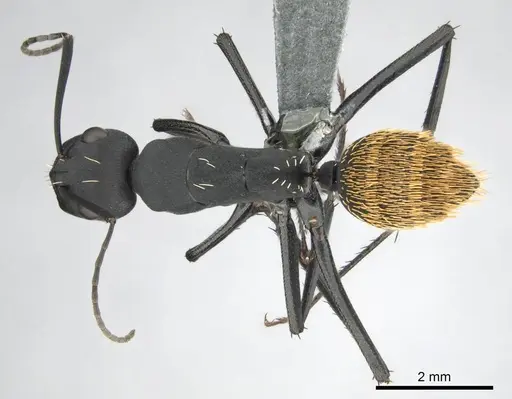
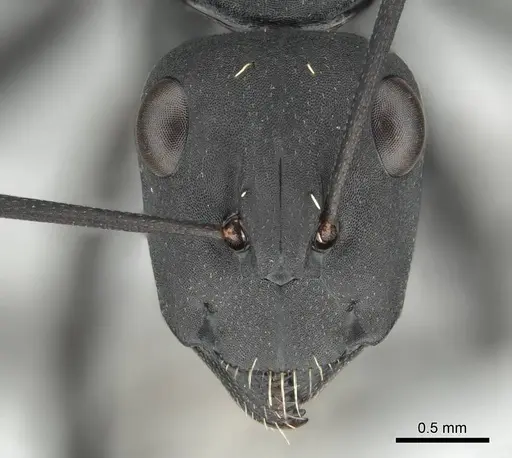
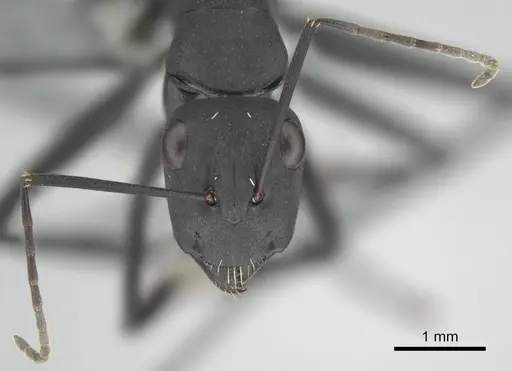
CASENT0280306
View on AntWeb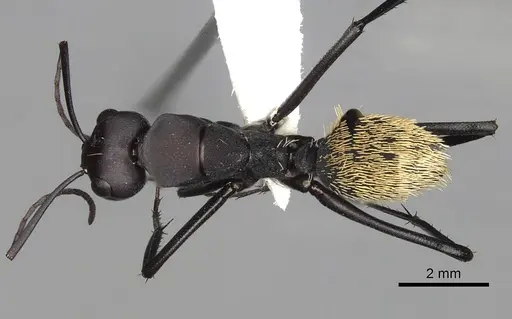
CASENT0280307
View on AntWeb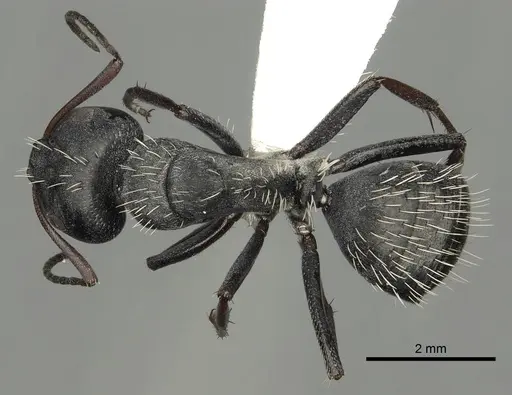
CASENT0785996
View on AntWeb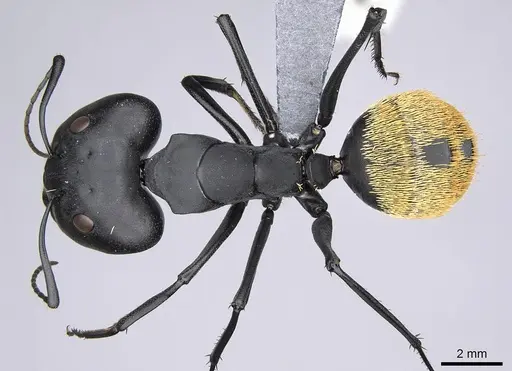
CASENT0785998
View on AntWeb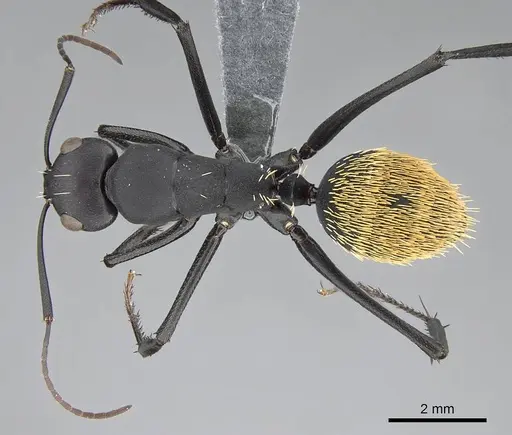
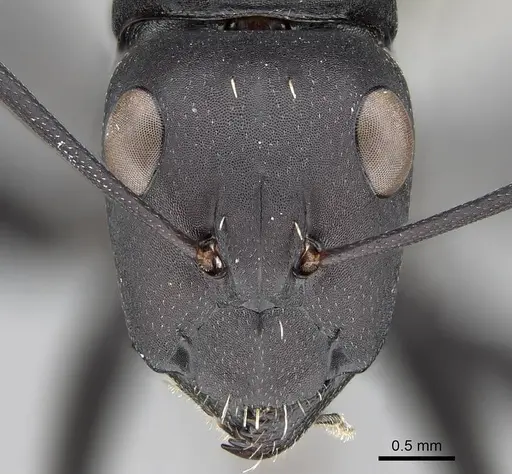
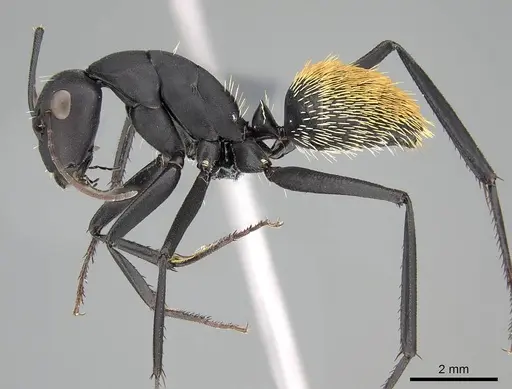
CASENT0814267
View on AntWeb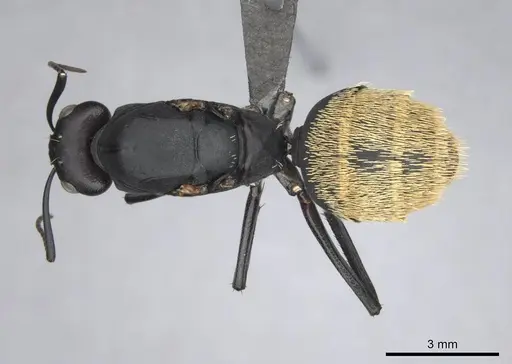
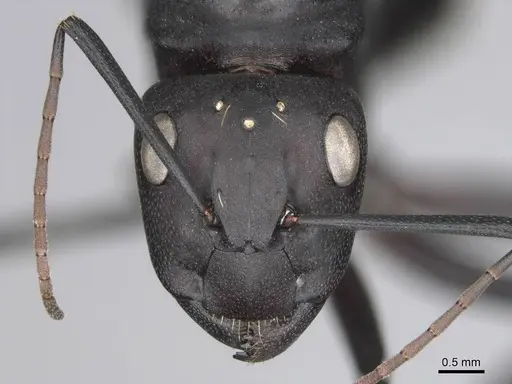
CASENT0814298
View on AntWeb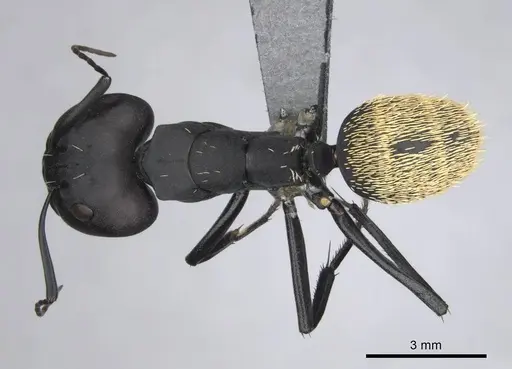
CASENT0814922
View on AntWeb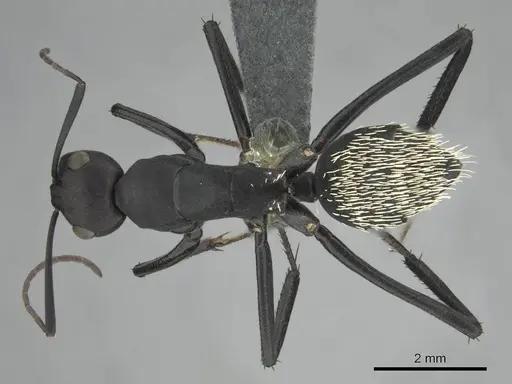
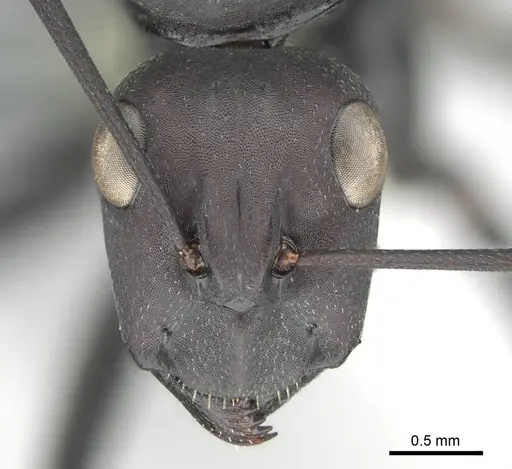
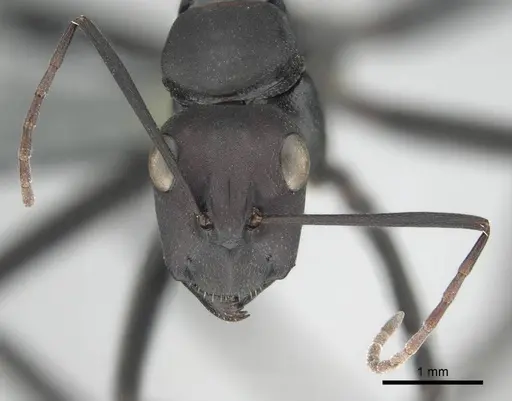
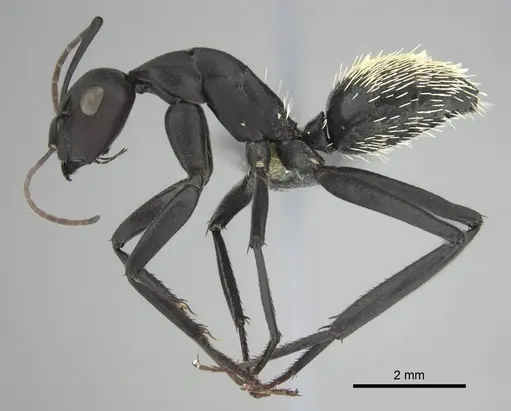
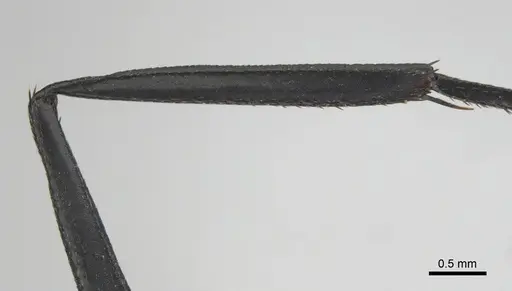
CASENT0822234
View on AntWeb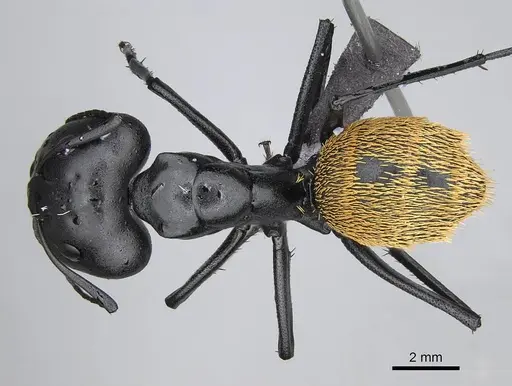
CASENT0822235
View on AntWeb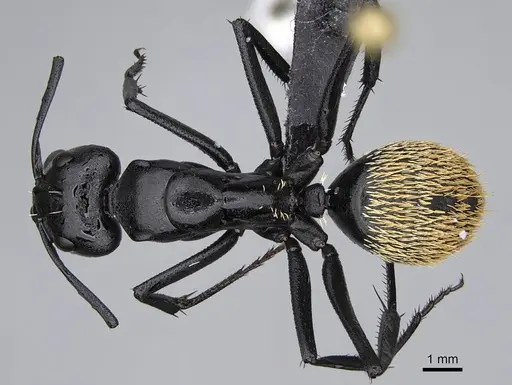
CASENT0822236
View on AntWeb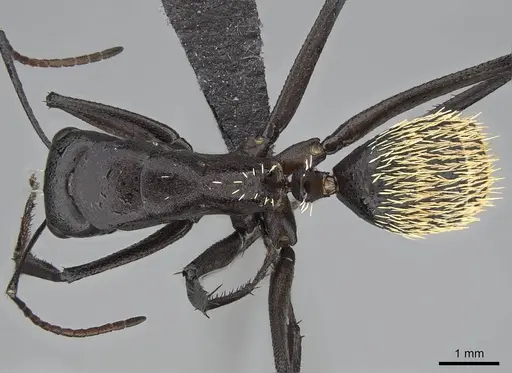
CASENT0905418
View on AntWeb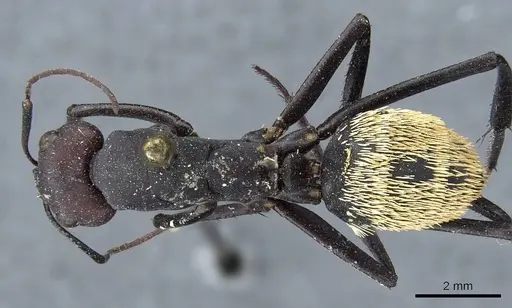
CASENT0910452
View on AntWeb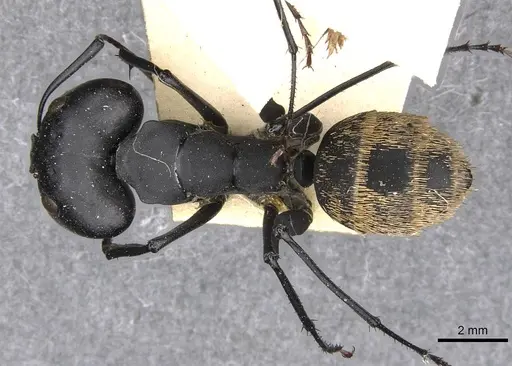
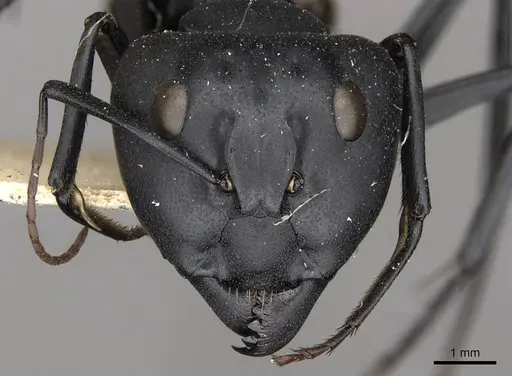
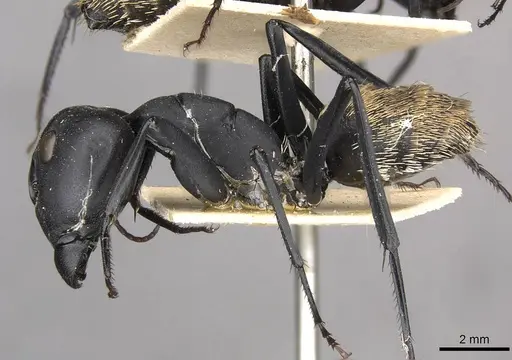
CASENT0910453
View on AntWeb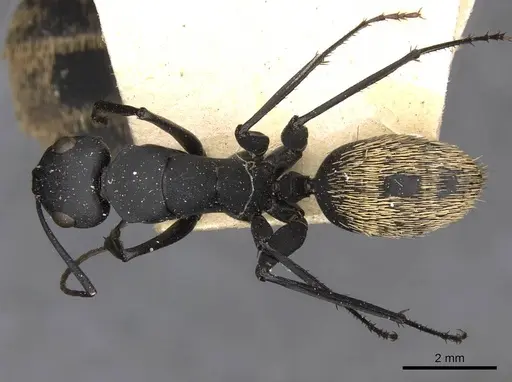
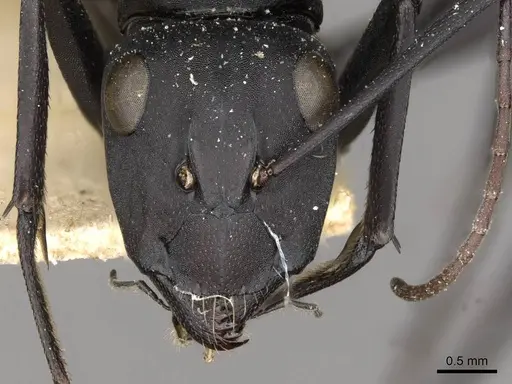
FOCOL2951
View on AntWeb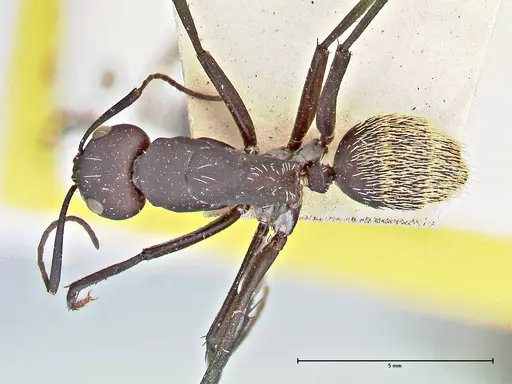
Literature
Loading distribution map...Loading products...