
Camponotus frontalis
- Sci. Name
- Camponotus frontalis
- Subgenus
- Myrmaphaenus
- Tribe
- Camponotini
- Subfamily
- Formicinae
- Author
- Pergande, 1896
- Distribution
- Found in 1 countries
Introduction
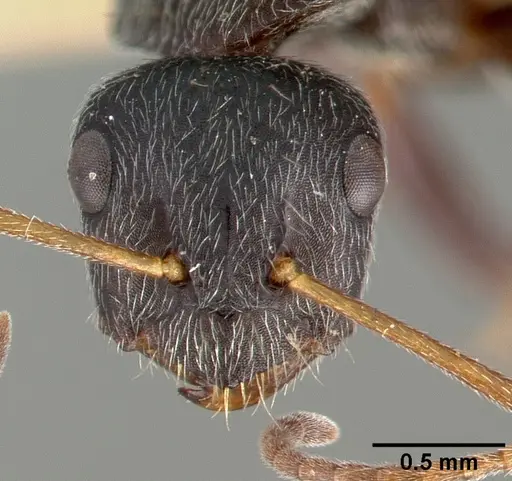
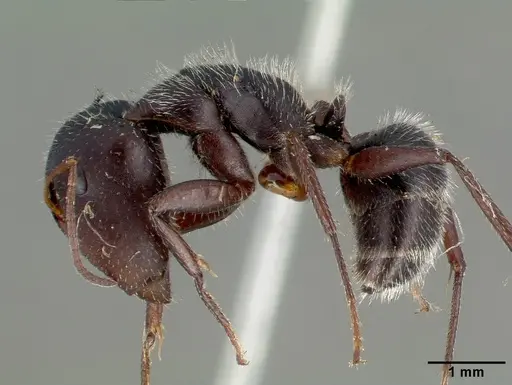
Camponotus frontalis is a Neotropical carpenter ant species native to Mexico, belonging to the Formicinae subfamily and Myrmaphaenus subgenus. Workers occur in two distinct castes: larger major workers with robust, darkened heads, and smaller minor workers. This species is found across central and western Mexico, including Nayarit, Jalisco, Baja California, Guanajuato, Chihuahua, and Distrito Federal . The species was originally described by Pergande in 1896 from specimens collected near Tepic, Nayarit .
Quick Summary
- Difficulty: Easy
- Origin & Habitat: Native to central and western Mexico, including states of Nayarit, Jalisco, Baja California, Guanajuato, Chihuahua, and Distrito Federal. Inhabits tropical and subtropical dry forest habitats, typically nesting in rotting wood or under stones [1][3].
- Colony Type: Colony structure is unconfirmed. Like other Camponotus species, colonies likely contain distinct major and minor worker castes.
- Size & Growth:
- Queen: Size data unavailable, no specific measurements exist in the literature
- Worker: Size data unavailable, no specific measurements exist in the literature
- Colony: Colony size data unavailable for this species
- Growth: Growth rate data unavailable
- Development: Development timeline is unconfirmed for this species (Development time inferred from related Camponotus species may be inaccurate)
- Antkeeping:
- Temperature: Keep at 24-28°C. Provide a temperature gradient allowing workers to self-regulate.
- Humidity: Moderate humidity. Allow substrate to dry partially between waterings. Avoid overly damp conditions.
- Diapause: Not required for Mexican tropical populations. A slight cooling period (15-18°C) during winter months may benefit colonies if kept in temperate climates.
- Nesting: Y-tong (AAC) nests work well, or plaster nests with moderate humidity chambers. Test tube setups are suitable for founding colonies.
- Behavior: Generally docile and non-aggressive toward keepers. Workers may be active at various times. They are moderate escape artists, use standard barrier methods. As Formicinae, this species lacks a functional sting and instead sprays formic acid from the acidopore as defense.
- Common Issues: colonies may grow slowly in the first few months, major workers are large, ensure escape barriers are secure, test tube setups can become moldy if humidity is too high, wild-caught colonies may harbor parasites, quarantine and observe new colonies, overfeeding leads to mold and mite problems in nest setups
Nest Preferences
In the wild, Camponotus frontalis likely nests in rotting wood, under stones, and in soil cavities in dry forest habitats across central and western Mexico. For captive care, Y-tong (AAC) nests provide excellent visibility and humidity control. Plaster nests also work well. Test tube setups are suitable for founding colonies. Avoid overly wet or damp substrates. Provide a nesting chamber sized appropriately for the colony. [1][3]
Feeding and Diet
Like other carpenter ants, Camponotus frontalis is omnivorous. Feed a varied diet including small insects and sugar sources. Offer sugar water or honey water regularly, and protein sources such as small insects. Remove uneaten prey within 24-48 hours to prevent mold. Colonies in the founding stage typically do not need food.
Temperature and Seasonal Care
Maintain temperatures between 24-28°C for optimal colony growth and brood development. This species originates from tropical and subtropical regions of Mexico and tolerates warm conditions well. Provide a temperature gradient so workers can self-regulate. During winter in temperate climates, room temperature is usually sufficient. A slight cooling period may simulate natural seasonal changes. Avoid temperatures below 15°C for extended periods. [1]
Defense Mechanism
As a member of the Formicinae subfamily, Camponotus frontalis lacks a functional sting. Instead, this species defends by biting and spraying a stream of concentrated formic acid from the acidopore into the wound. Formic acid is produced by the metasternal gland and delivered through the acidopore, a specialized structure at the tip of the abdomen.
Frequently Asked Questions
How long does it take for Camponotus frontalis to produce first workers?
Development timeline is unconfirmed for this species. For related Camponotus species, expect 6-8 weeks at optimal temperature, but this may not apply to C. frontalis.
Can I keep multiple Camponotus frontalis queens together?
Colony structure is unconfirmed for this species. Combining unrelated queens may result in fighting. For successful colony founding, use one queen per setup.
What should I feed my Camponotus frontalis colony?
Offer a varied diet: sugar water or honey water for carbohydrates, and small insects for protein. Feed protein regularly and keep sugar water available. Remove uneaten food within 24-48 hours to prevent mold.
Are Camponotus frontalis good for beginners?
This species may be beginner-friendly, though detailed care requirements are not well-documented in literature.
Do Camponotus frontalis need hibernation?
Not strictly required for Mexican tropical populations. However, a slight cooling period during winter months may benefit colonies kept in temperate climates.
When should I move my colony to a formicarium?
Move to a formicarium once the colony reaches a moderate size and the test tube setup becomes cramped. A Y-tong or plaster nest works well for this species.
How big do Camponotus frontalis colonies get?
Colony size data is unavailable for this species.
Why are my Camponotus frontalis workers dying?
Common causes include: mold from overfeeding or excessive humidity, stress from disturbance during founding, parasites from wild-caught colonies, or temperatures outside their preferred range. Ensure proper ventilation, feed appropriately, and avoid disturbing founding colonies.
Report an Issue
The current care sheet is based fully on literature. See inconsistencies, or something that's incorrect? Please , it will be resolved after review from an admin. Contributing to the blogs tab also helps providing information, to make us be able to further improve the caresheets. Thank you for your support!
References

This caresheet is licensed under CC BY-SA 4.0 .
Community Blogs
CASTYPE00602
View on AntWeb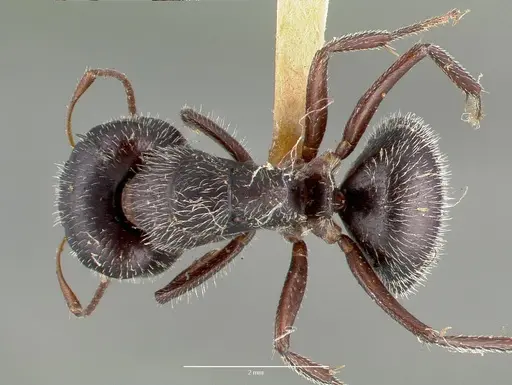
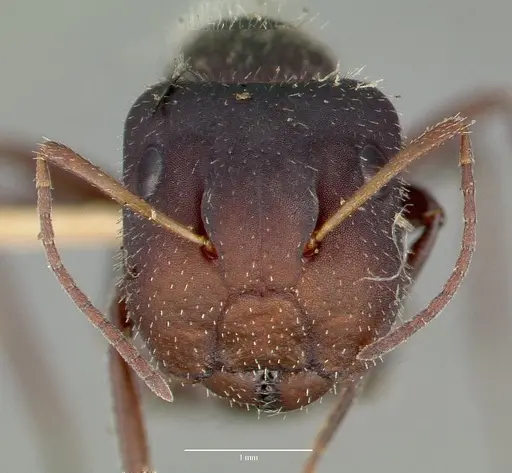
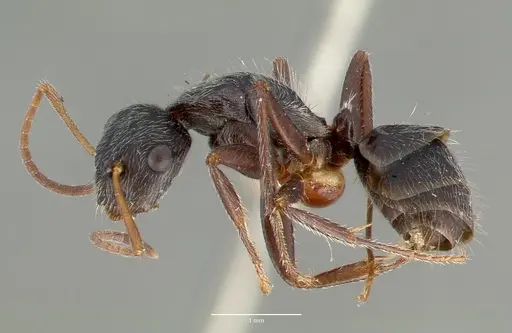
CASTYPE00603
View on AntWeb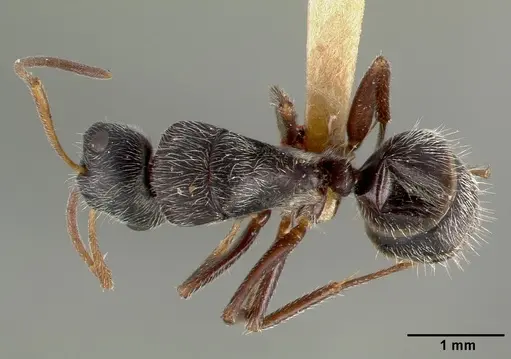
Literature
Loading distribution map...Loading products...