
Camponotus friedae
- Sci. Name
- Camponotus friedae
- Subgenus
- Tanaemyrmex
- Tribe
- Camponotini
- Subfamily
- Formicinae
- Author
- Forel, 1912
- Distribution
- Found in 1 countries
Introduction
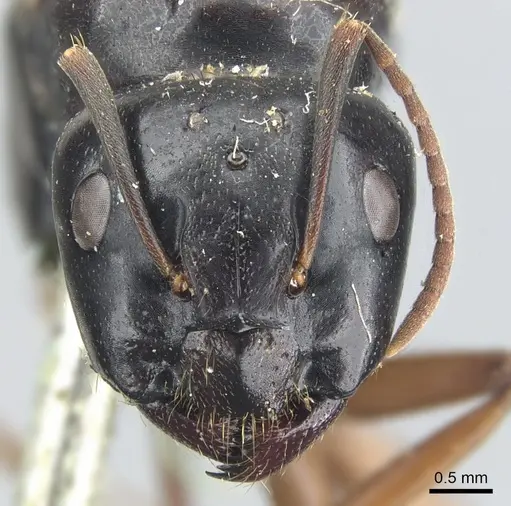
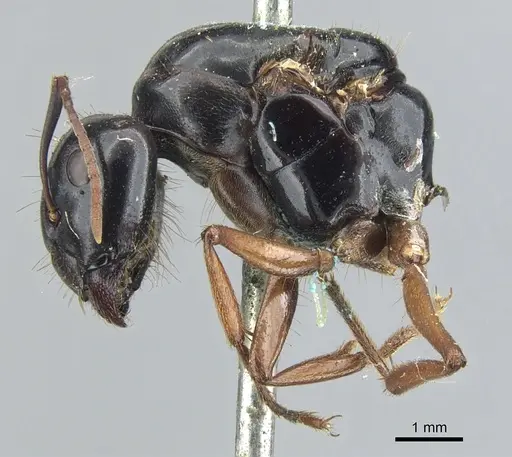
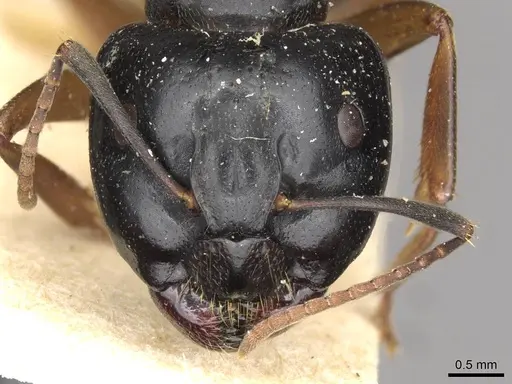
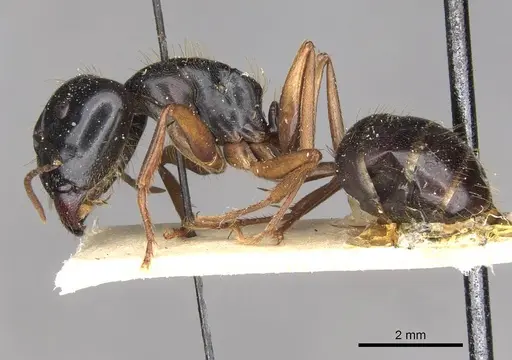
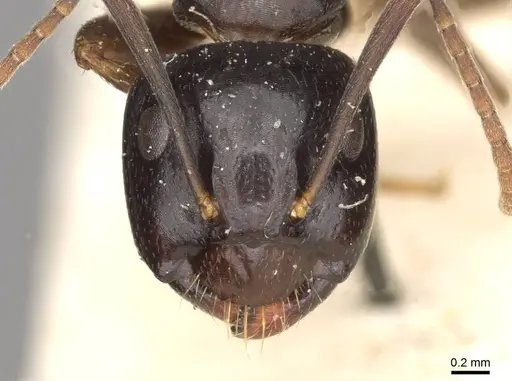
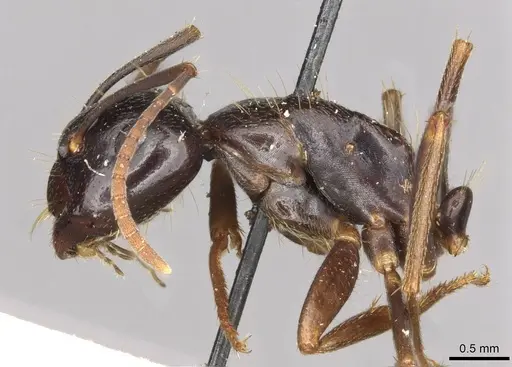
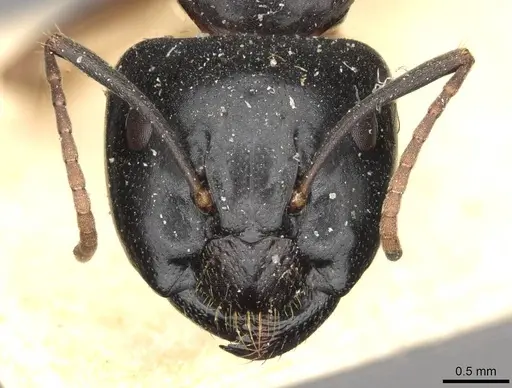
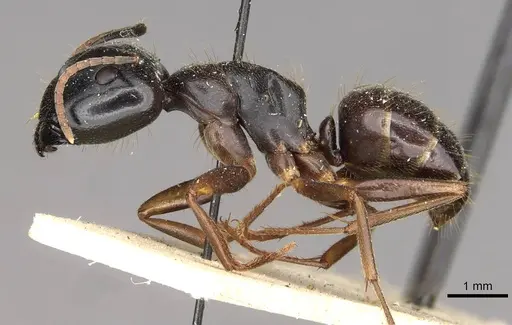
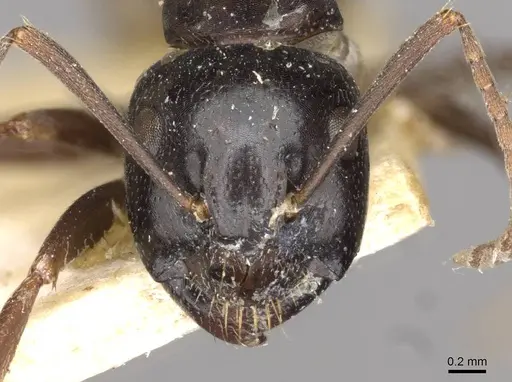
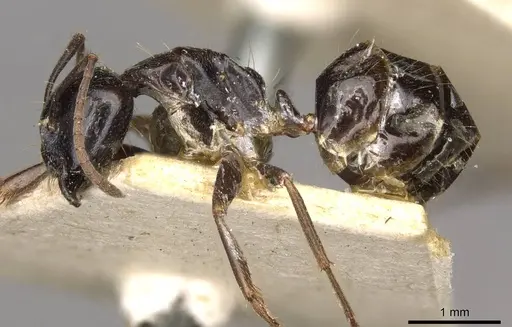
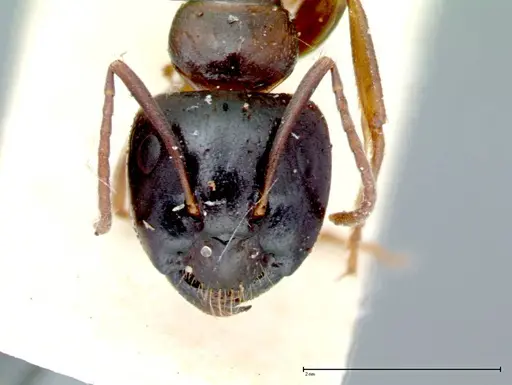
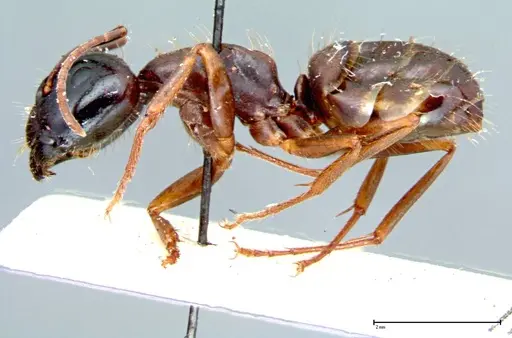
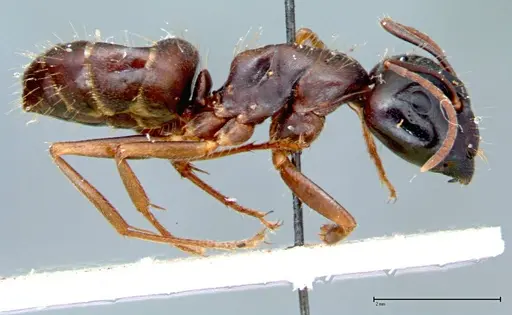
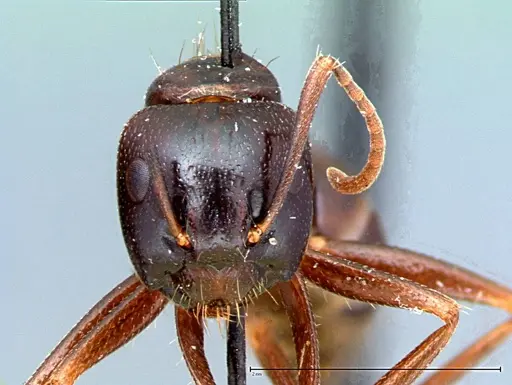
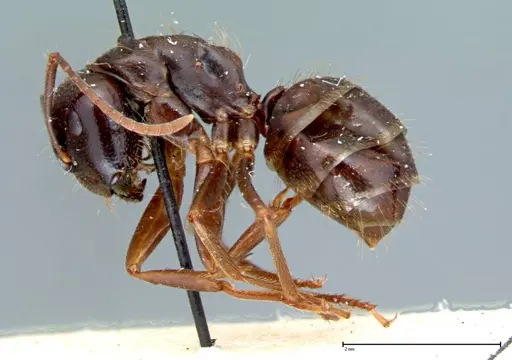
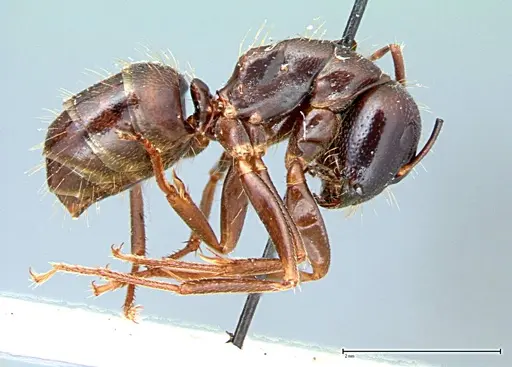
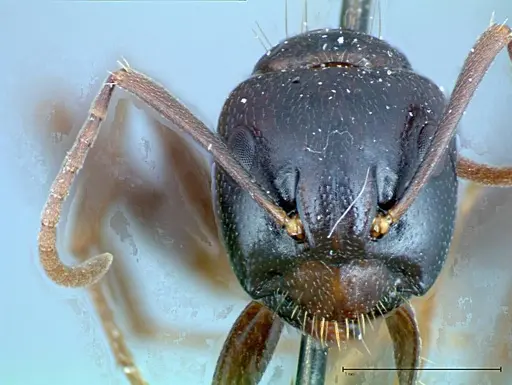
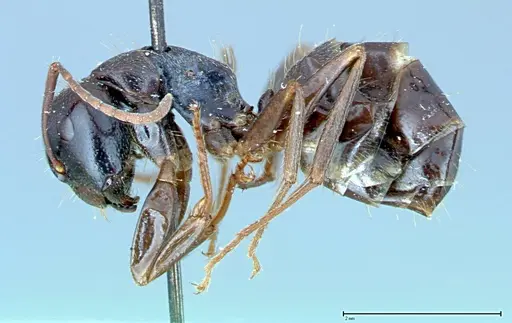
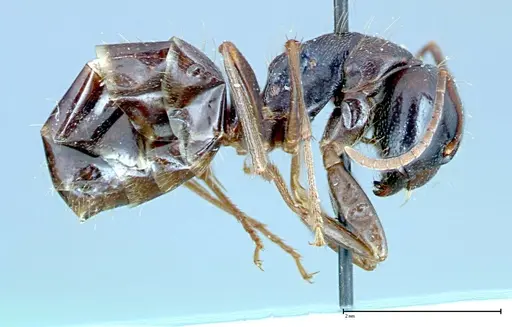
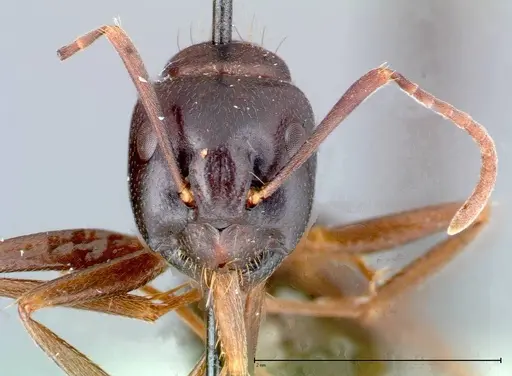
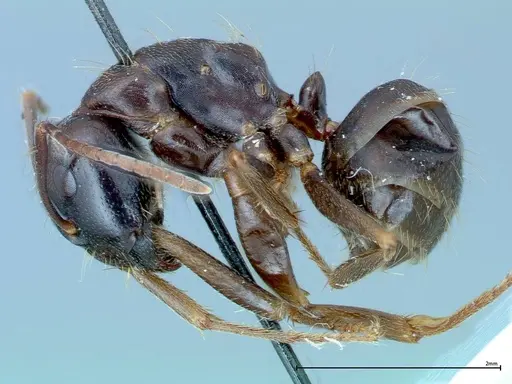
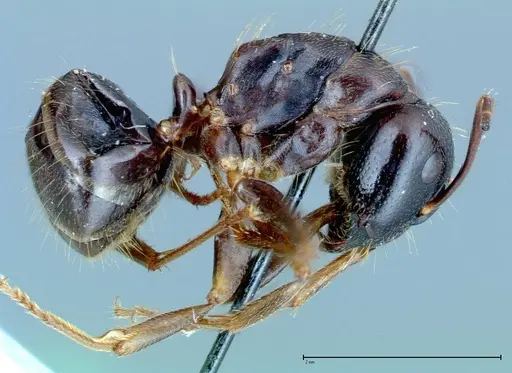
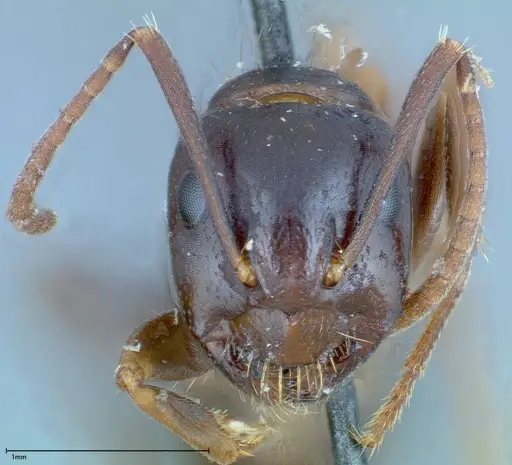
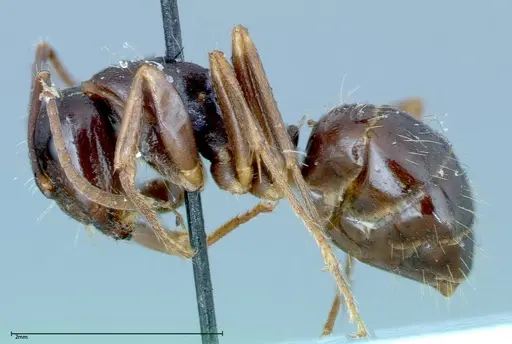
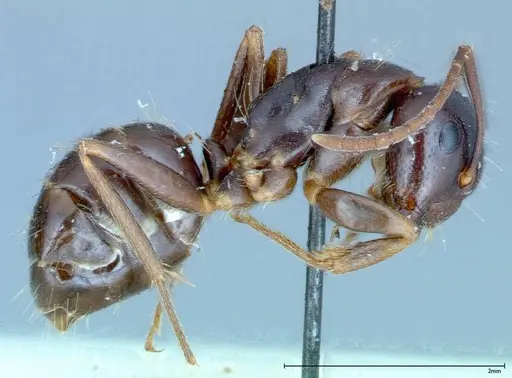
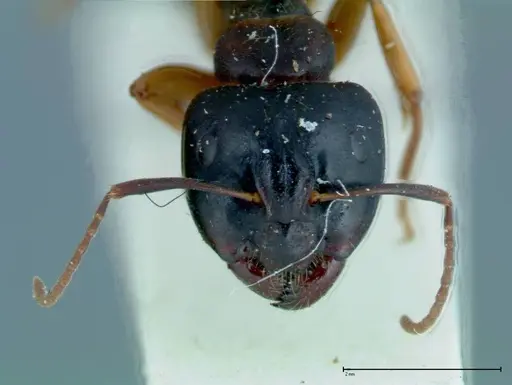
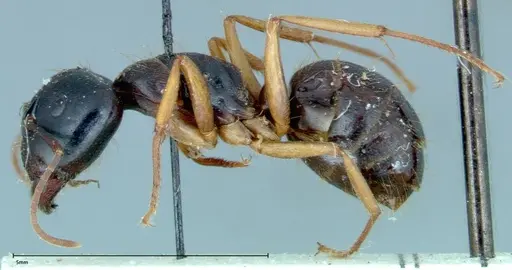
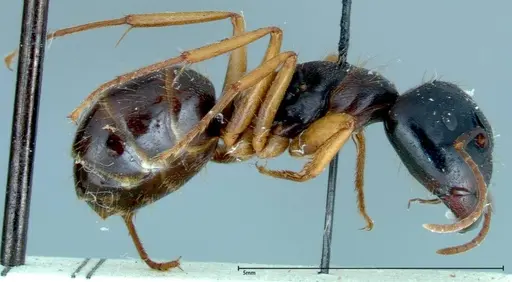
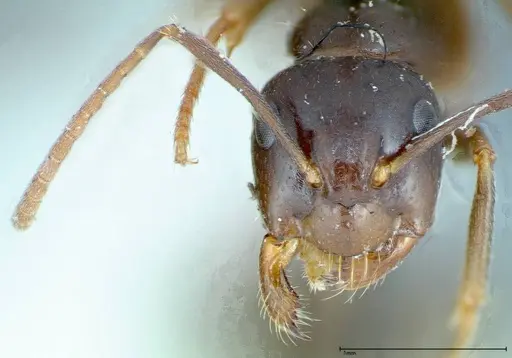
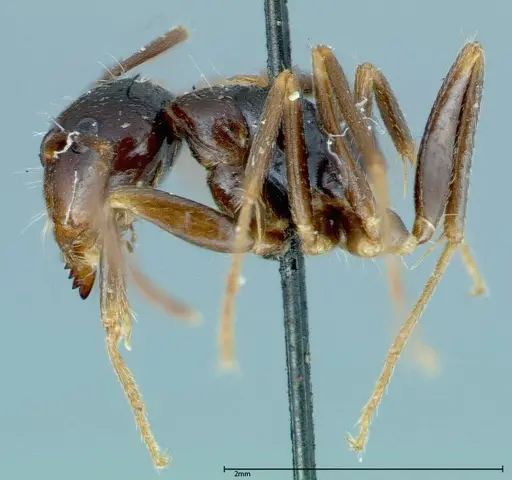
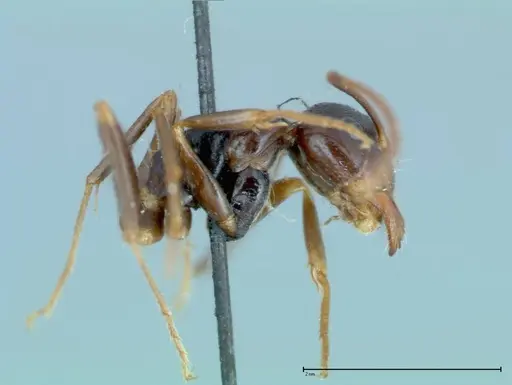
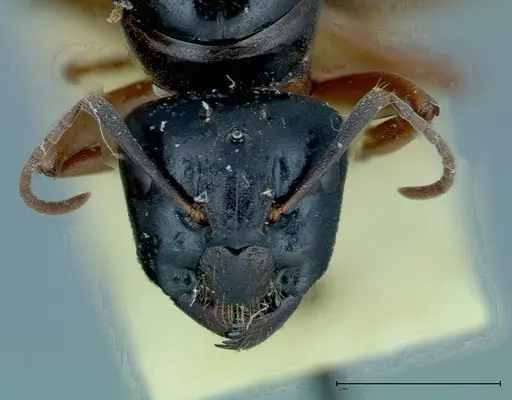
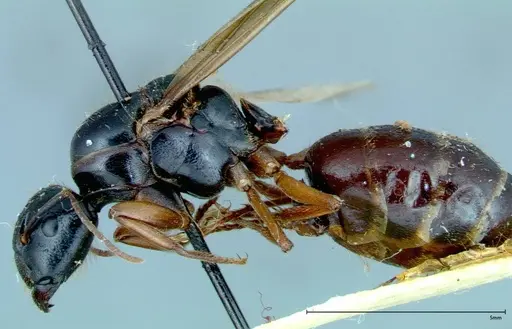
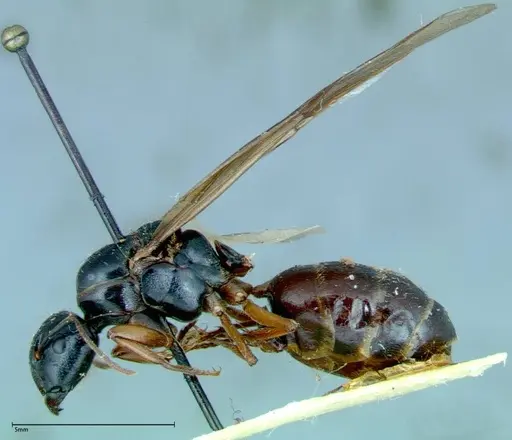
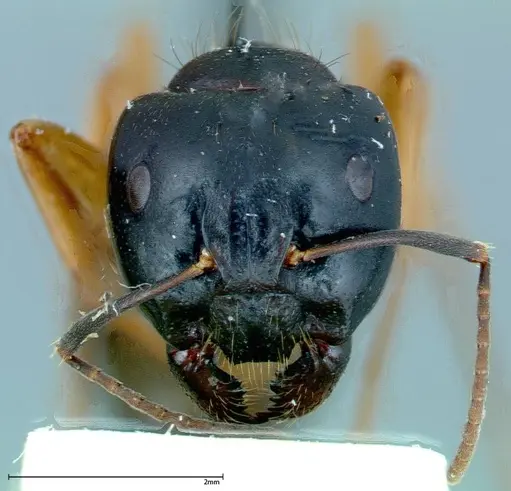
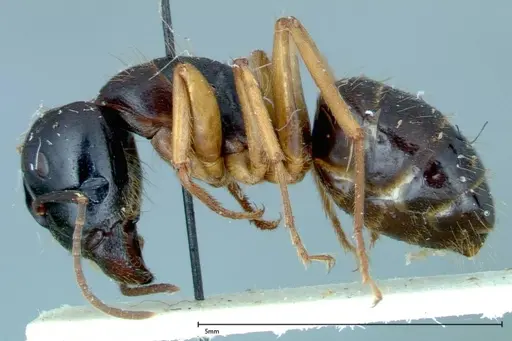
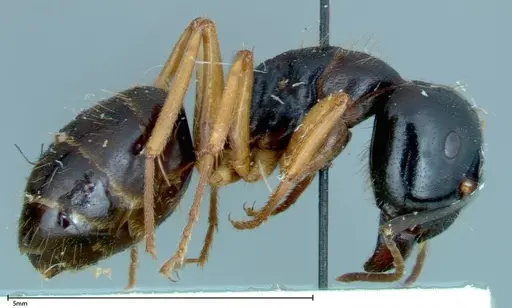
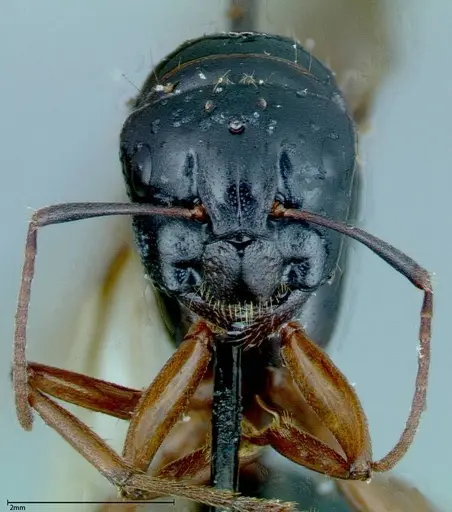
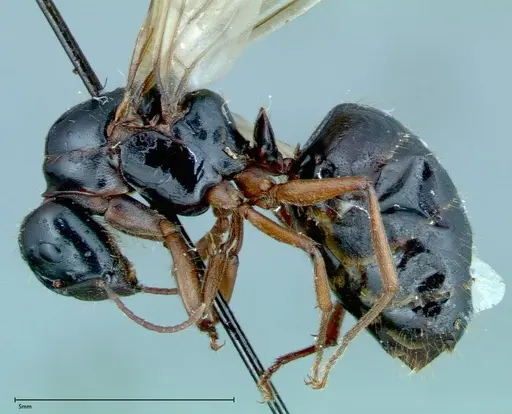
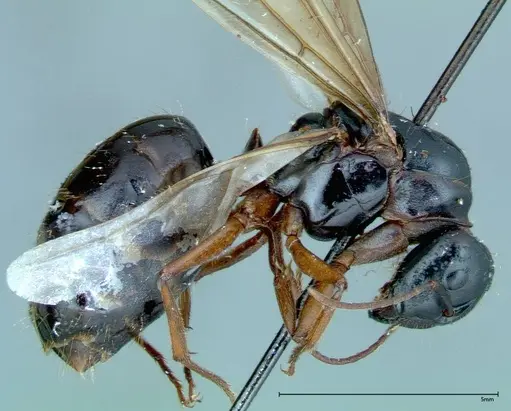
Camponotus friedae is a polymorphic carpenter ant native to East Asia, found in Taiwan, mainland China (Zhejiang, Fujian), and Japan's Nansei Islands . This species shows pronounced size variation between castes: minor workers measure around 5mm while major workers reach 7-9mm . They have a distinctive appearance with a black head, brown mesosoma, antennae and legs, and a blackish-brown gaster . The most notable physical feature is the abundance of long erect hairs - over 20 on the mesosoma alone, with similar hairs on the head vertex, petiole, and gaster . Queens are substantially larger at 12-13mm and were first described from Taiwan in 1912 . These ants nest in soil and under stones in forests, forest margins, and grasslands . They are relatively rare in Japan but more commonly found in Taiwan and mainland China . As with other Formicinae ants, they lack a functional sting and instead use their mandibles to bite while spraying formic acid from their acidopore.
Quick Summary
- Difficulty: Easy
- Origin & Habitat: Native to East Asia, Taiwan, mainland China (Zhejiang, Fujian), and Japan's Nansei Islands (Amami-oshima, Miyako) [1][2]. They inhabit forests, forest margins, and grasslands where they nest in soil and under stones [2].
- Colony Type: Colony structure is unconfirmed. Based on typical Camponotus patterns, likely single-queen (monogyne) colonies.
- Size & Growth:
- Queen: 12-13mm [3]
- Worker: Minors ~5mm, majors 7-9mm [2]
- Colony: Unknown, colony size data is not documented in available research
- Growth: Moderate, typical for Camponotus species
- Development: Development time varies with temperature, faster in warmer conditions within their range (Nanitics (first workers) are smaller than normal workers. Specific development timeline is unconfirmed for this species.)
- Antkeeping:
- Temperature: Keep around 22-26°C. A gentle temperature gradient allows ants to regulate their own exposure to warmth.
- Humidity: Moderate, they naturally nest in soil and under stones in forest environments. Keep the nest substrate consistently moist but not waterlogged.
- Diapause: Likely requires a winter rest period given their temperate Asian distribution. Reduce temperature to around 10-15°C for 2-3 months during winter.
- Nesting: Provide soil-based or plaster nests that allow them to excavate or occupy pre-made chambers. Test tube setups work well for founding colonies. They accept both naturalistic setups with soil and artificial formicaria.
- Behavior: Generally calm and non-aggressive for a carpenter ant. Workers are moderately active foragers. They lack a functional sting but can bite using their mandibles and spray formic acid if threatened. They are moderate escape artists, use standard barrier methods but they are not as prone to escaping as tiny species. They primarily forage for honeydew and small insects.
- Common Issues: colonies may fail if kept too dry, monitor substrate moisture regularly, winter diapause is important for long-term colony health, skipping hibernation can weaken colonies over time, major workers are large but can still escape through small gaps, use proper barriers, founding queens are sensitive to disturbance, avoid checking the nest during the founding period, slow initial growth is normal, don't overfeed or overheat in an attempt to speed development
Housing and Nest Setup
For founding colonies, a simple test tube setup works excellently. Fill a test tube with water and plug the wet end with cotton, leaving enough dry space for the queen to move into. Place the queen in the tube and keep it in darkness with moderate humidity. The queen will seal herself into a chamber and begin laying eggs. Once you have 10-20 workers, you can transition to a proper formicarium. Camponotus friedae does well in both naturalistic setups (with soil or excavation plaster) and artificial formicaria. They prefer nests with multiple chambers connected by narrow passages. Ensure the nest provides darkness, these ants prefer to stay hidden in their chambers rather than in exposed foraging areas. [2]
Feeding and Diet
Like other carpenter ants, Camponotus friedae is omnivorous. They primarily consume honeydew (the sugary waste from aphids) in nature, along with small insects and other protein sources. In captivity, offer sugar water or honey as a constant energy source. For protein, provide small insects like fruit flies, small mealworms, or crickets. Feed protein 2-3 times per week, removing any uneaten prey after 24 hours. They do not require specialized diets, standard ant feeding protocols work well. Fresh water should always be available.
Temperature and Seasonal Care
Maintain temperatures between 22-26°C for optimal colony activity and brood development. A slight temperature gradient (warmer on one side of the nest) allows workers to regulate their exposure to heat. During summer, room temperature is often sufficient. In winter, these ants benefit from a diapause period, reduce temperatures to 10-15°C for 2-3 months. This mimics their natural seasonal cycle and helps maintain colony health long-term. Do not abruptly change temperatures, transition gradually over 1-2 weeks. Signs of proper diapause include reduced activity and workers clustering together for warmth.
Colony Growth and Development
After the queen seals herself in, she will lay eggs and tend to the brood without leaving the nest. She survives on her stored fat reserves, this is why a well-fed, healthy queen with a plump abdomen is essential for successful founding. Eggs hatch into larvae, then pupate, and finally emerge as nanitics (first workers). The exact time varies with temperature. These first workers are smaller than normal workers but immediately begin foraging to feed the colony. Subsequent broods develop faster as workers can care for the larvae. [3]
Behavior and Handling
Camponotus friedae workers are relatively calm. They lack a functional sting but can bite using their mandibles and spray formic acid if threatened, this is the typical defense mechanism for Formicinae ants. Major workers can deliver a nip with their mandibles but this is rarely a concern for keepers. Workers are moderately active and will establish foraging trails when food is available. They are not aggressive toward each other and maintain organized colony structures. When cleaning or moving colonies, gently coax workers into the new setup rather than shaking or tipping the container.
Frequently Asked Questions
How long does it take for Camponotus friedae to raise first workers?
Development time varies with temperature, warmer conditions within their range speed development while cooler conditions slow it down. Specific timelines are not documented for this species.
Can I keep Camponotus friedae in a test tube?
Yes, test tubes work excellently for founding colonies. Use a water-filled tube with a cotton plug, keeping it horizontal with a dark cover. Once the colony reaches 15-20 workers, transition to a proper formicarium.
What temperature do Camponotus friedae need?
Keep them at 22-26°C with a gentle gradient. A heating cable on one side of the nest can create this gradient, but ensure it does not dry out the nest.
Do Camponotus friedae need hibernation?
Yes, they benefit from a winter rest period. Reduce temperatures to 10-15°C for 2-3 months during winter. This diapause helps maintain long-term colony health.
How big do Camponotus friedae colonies get?
Colony size is not well documented in available research. Expect several hundred workers over 1-2 years under good conditions, based on typical Camponotus patterns.
What do Camponotus friedae eat?
They are omnivorous. Offer sugar water or honey constantly for energy, and protein sources like small insects (fruit flies, mealworms) 2-3 times per week.
Are Camponotus friedae good for beginners?
Yes, they are considered easy to keep. They are forgiving of minor care mistakes, not overly aggressive, and adapt well to captivity. Their main requirements are stable temperatures, adequate humidity, and proper winter diapause.
When should I move my colony to a formicarium?
Transfer to a formicarium once you have 15-20 workers and the test tube is becoming crowded. Ensure the formicarium has appropriate chamber sizes, these ants prefer tight, snug chambers.
Why is my queen not laying eggs?
Queens may delay egg-laying if disturbed, too cold, or still settling in. Ensure the founding setup is in complete darkness, at stable temperatures (22-26°C), and avoid checking on the queen for the first 2-3 weeks. Some queens take time to establish after being caught.
Can I keep multiple Camponotus friedae queens together?
This species likely has single-queen colonies. Combining unrelated queens is not recommended as they will likely fight.
How do I know if my colony is healthy?
Healthy colonies show steady worker population growth, active foraging, and the queen continuously producing brood. Workers should be moving purposefully, not lethargic. Brood should be present in increasing numbers over time.
Report an Issue
The current care sheet is based fully on literature. See inconsistencies, or something that's incorrect? Please , it will be resolved after review from an admin. Contributing to the blogs tab also helps providing information, to make us be able to further improve the caresheets. Thank you for your support!
References

This caresheet is licensed under CC BY-SA 4.0 .
Community Blogs
CASENT0903599
View on AntWeb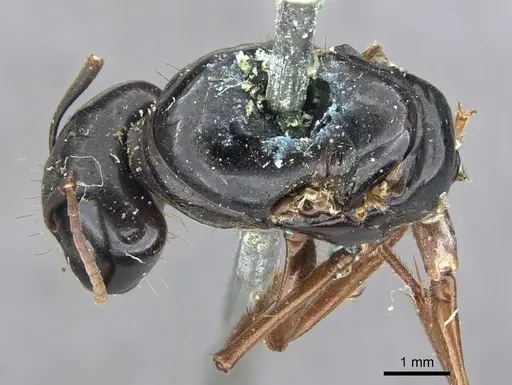
CASENT0910282
View on AntWeb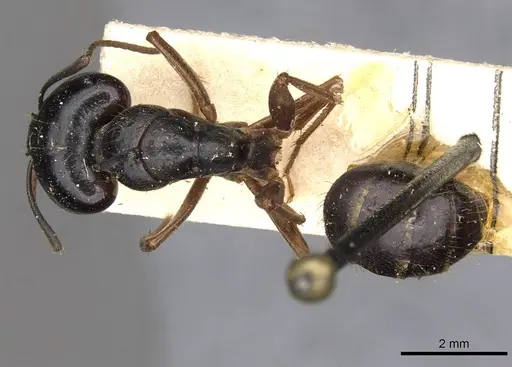
CASENT0910283
View on AntWeb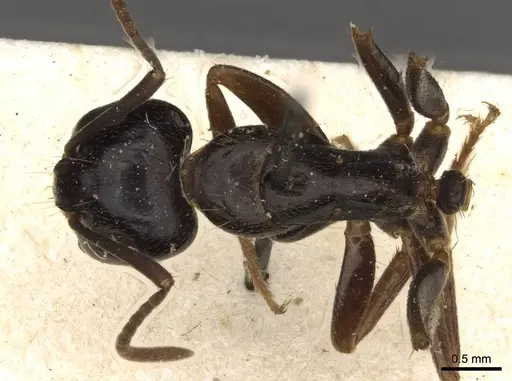
CASENT0910284
View on AntWeb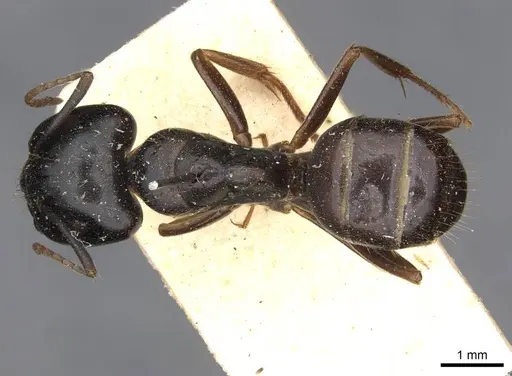
CASENT0910285
View on AntWeb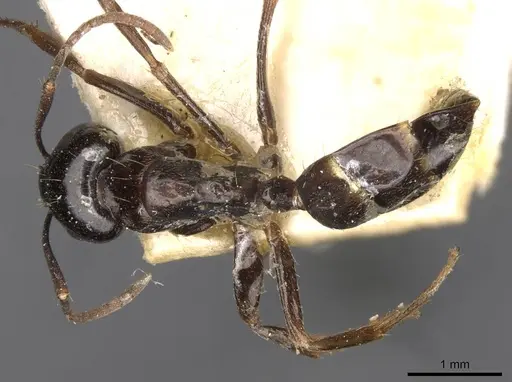
FOCOL0106
View on AntWeb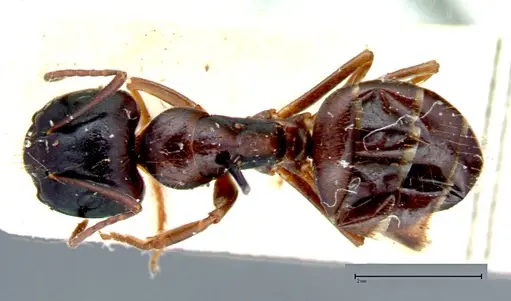
FOCOL0107
View on AntWeb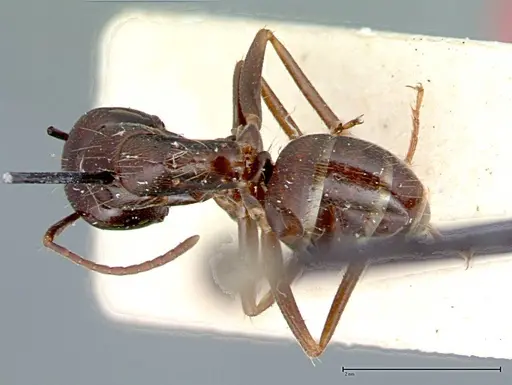
FOCOL0108
View on AntWeb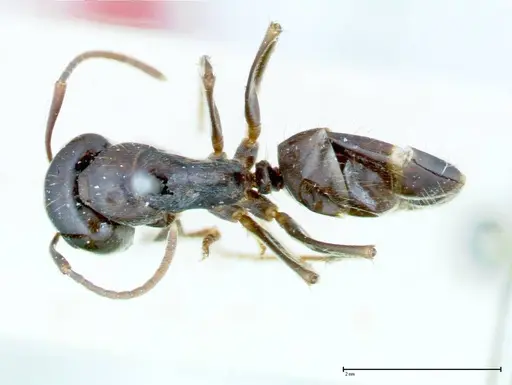
FOCOL0109
View on AntWeb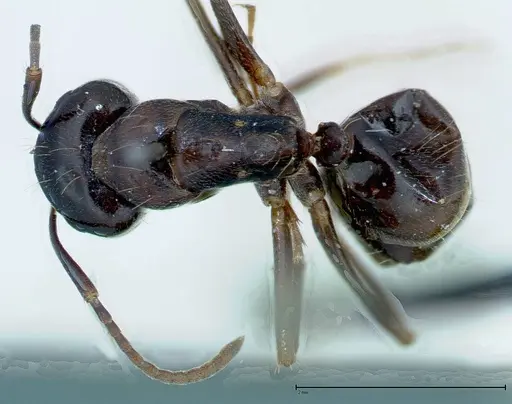
FOCOL0110
View on AntWeb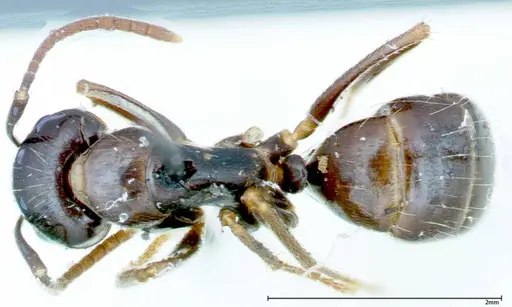
FOCOL0111
View on AntWeb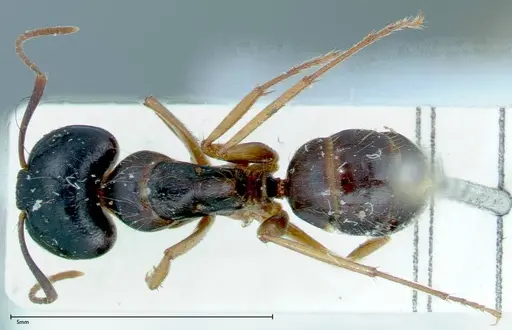
FOCOL0112
View on AntWeb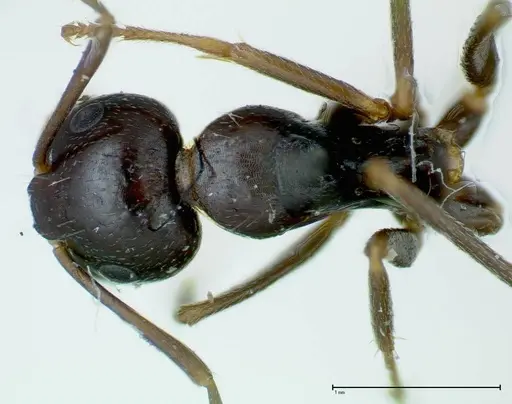
FOCOL0113
View on AntWeb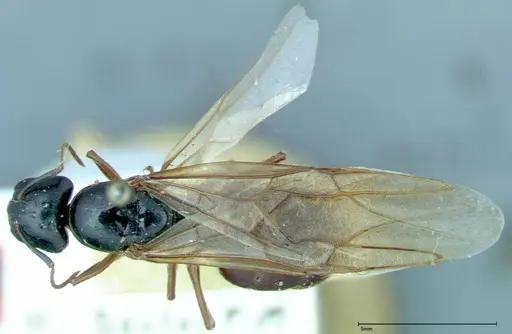
FOCOL0114
View on AntWeb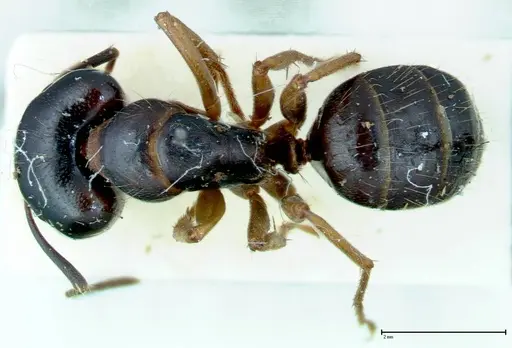
FOCOL0115
View on AntWeb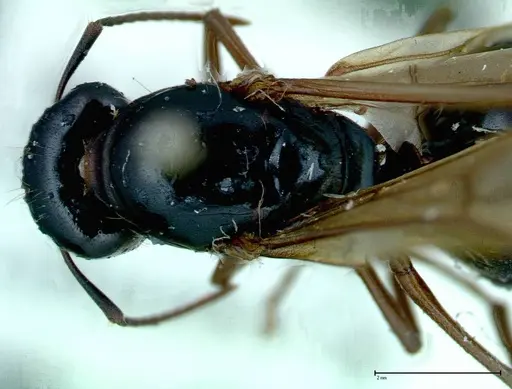
Literature
Loading distribution map...Loading products...