
Camponotus fieldeae
- Sci. Name
- Camponotus fieldeae
- Subgenus
- Tanaemyrmex
- Tribe
- Camponotini
- Subfamily
- Formicinae
- Author
- Forel, 1902
- Distribution
- Found in 1 countries
Introduction
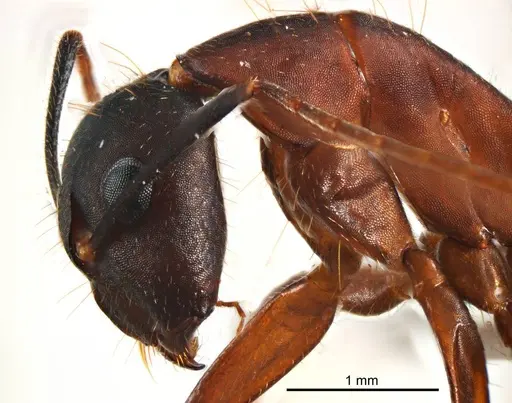
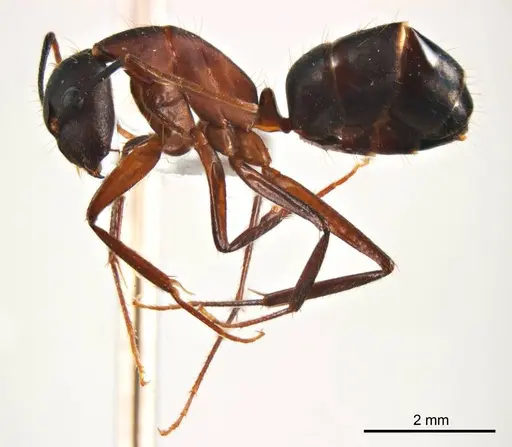
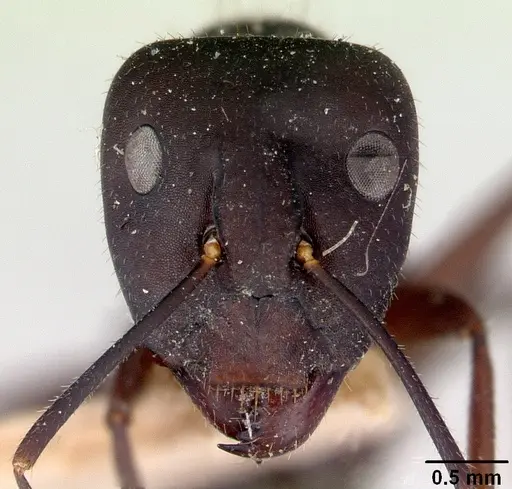
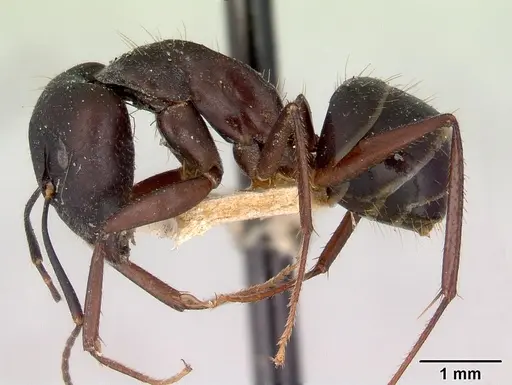
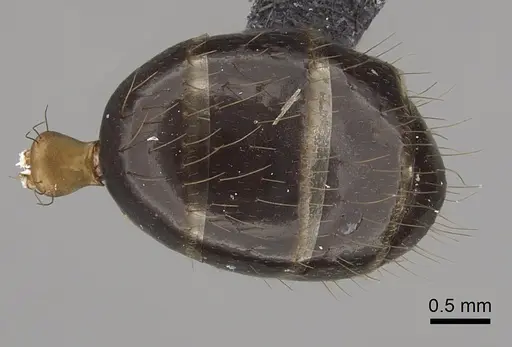
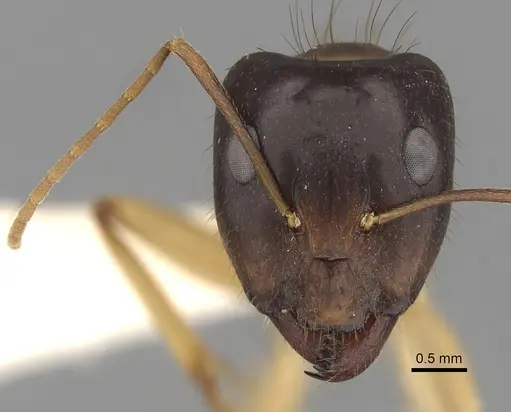
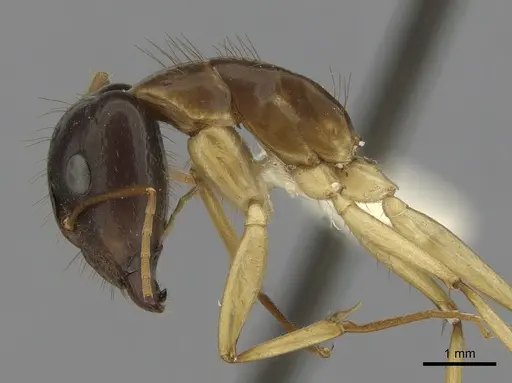
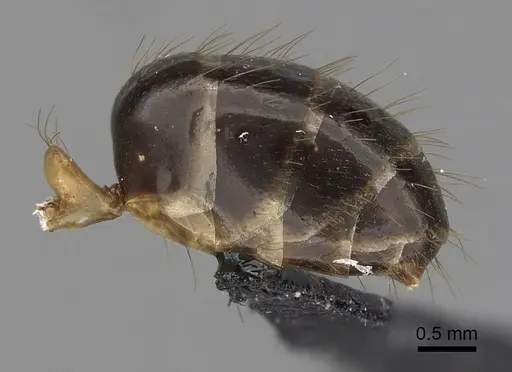
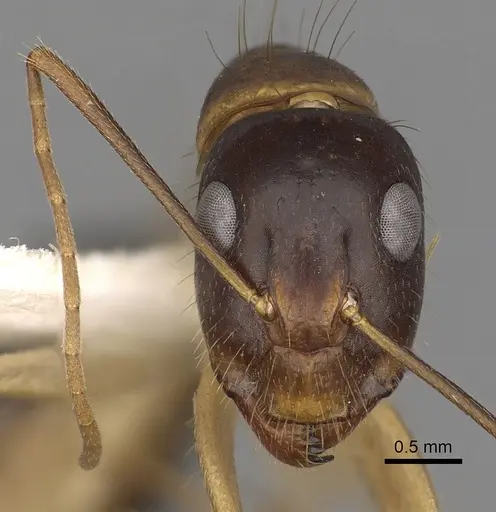
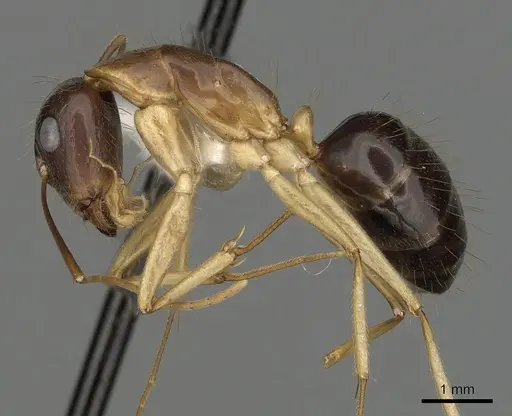
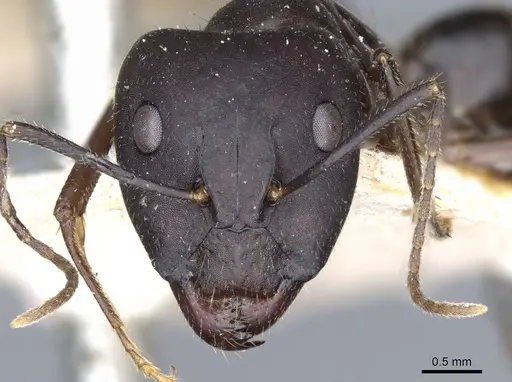
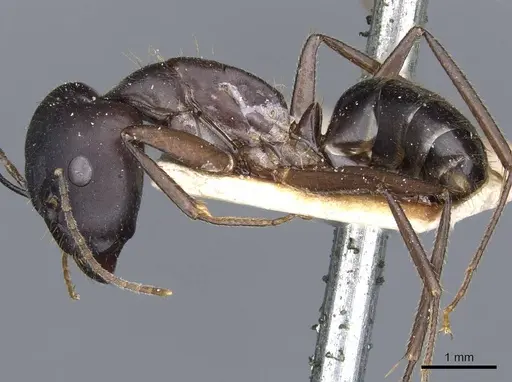
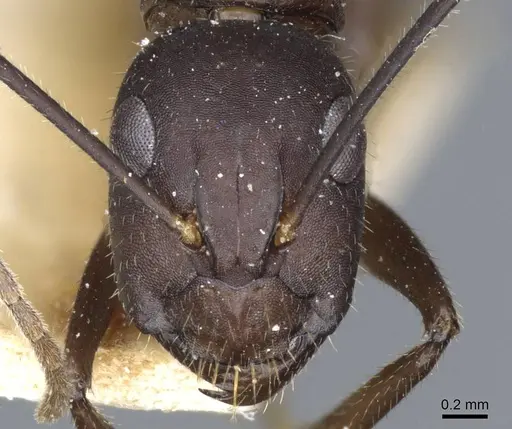
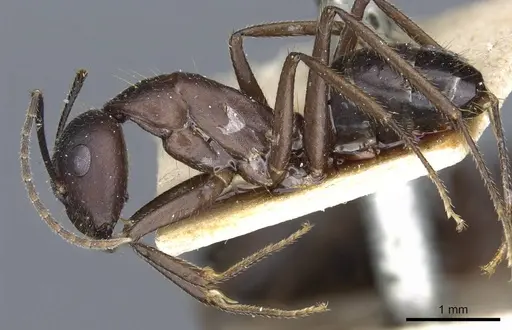
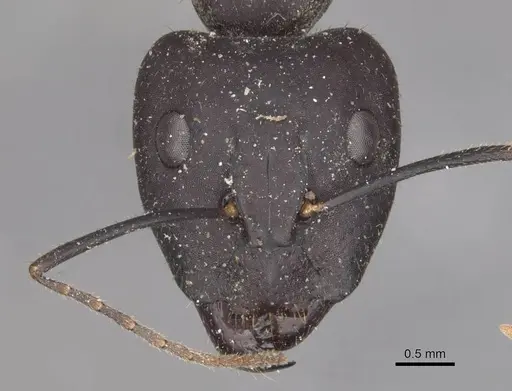
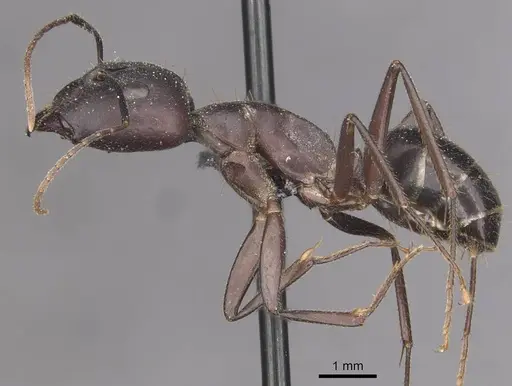
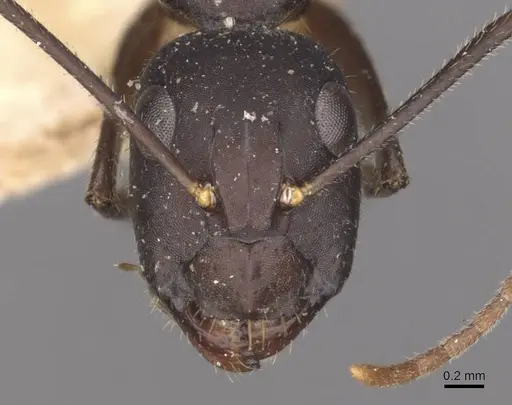
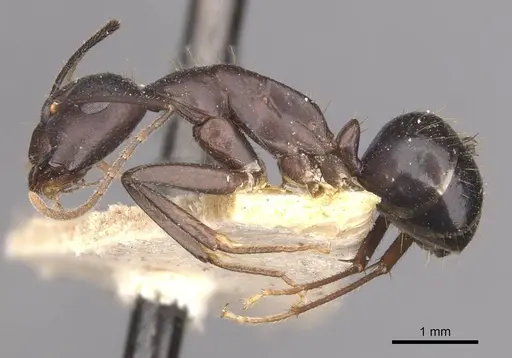
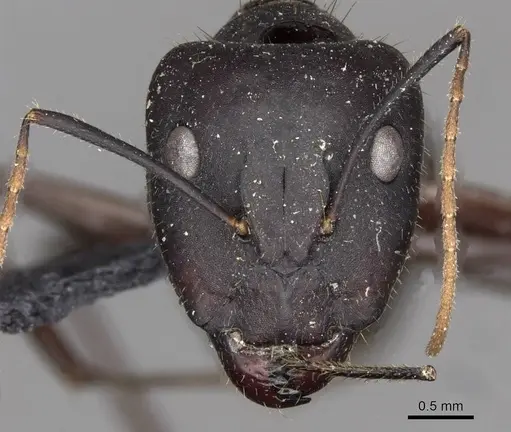
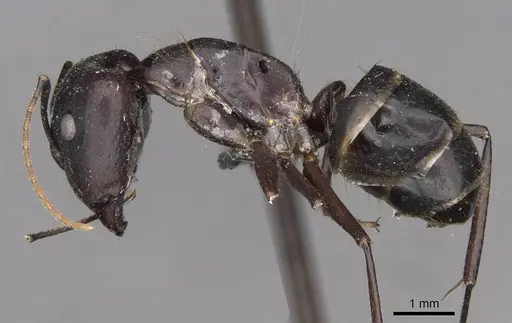
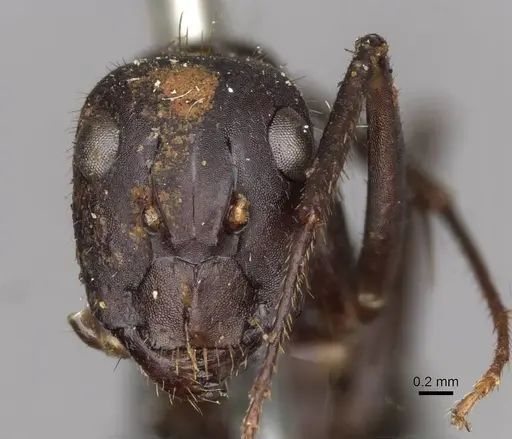
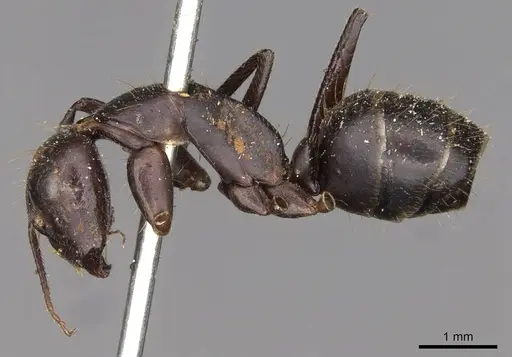
Camponotus fieldeae is a medium-sized carpenter ant native to Australia, found mainly in Queensland, Western Australia, and South Australia . Workers range from 4.7-8 mm total length with strong size dimorphism - you'll see distinct major workers (larger, up to 8 mm) and minor workers (smaller, around 4.7 mm), with very few medium-sized workers . The ant is reddish-brown to dark brown, and unlike some related species, the gaster (back end) is not covered by whitish pubescence, giving it a sleeker look . This species belongs to the Camponotus maculatus complex. They are nocturnal and quick to scatter when disturbed by torch light . Minor workers have a distinct ridge (occipital carina) on the back of the head, which helps strengthen the head for carrying and manipulating objects . They lack a functional sting but can spray formic acid from the tip of the abdomen when threatened.
Quick Summary
- Difficulty: Medium
- Origin & Habitat: Australia (Queensland, Western Australia, South Australia). Found in arid and semi-arid regions, including Barrow Island and Pilbara [3][4][1]. Nests in soil, often under stones or at honey baits [2].
- Colony Type: Likely monogyne (single queen) based on general Camponotus patterns, but not confirmed for this species. No data on multi-queen colonies.
- Size & Growth:
- Queen: Not documented, size data unavailable.
- Worker: 4.7-8 mm total length [2].
- Colony: Not documented, estimated several hundred workers based on genus patterns.
- Growth: Moderate
- Development: 6-8 weeks at optimal temperature (estimated from typical Camponotus patterns) (Development time is estimated, no specific data for this species.)
- Antkeeping:
- Temperature: Keep warm and stable, roughly 22-26°C (inferred from typical Camponotus patterns). Provide a slight gradient so workers can choose their spot.
- Humidity: Moderate, keep nest substrate slightly moist but allow it to dry out between waterings. These ants come from arid Australian regions, so avoid waterlogging [3].
- Diapause: Likely not required or minimal. Australian ants from tropical to subtropical areas probably don't need a true hibernation, but you can reduce feeding during cooler months.
- Nesting: Y-tong (AAC), plaster, or soil nests work well. Provide dark chambers and a humidity gradient with one dry area. Avoid bright lighting over the nest.
- Behavior: Nocturnal and wary, workers scatter quickly when disturbed by bright light [2]. Not aggressive, their main defense is to flee and spray formic acid (they do not sting). Escape risk is moderate for their size (4.7-8 mm), use fluon or slick barriers. Major workers have strong mandibles but rarely bite keepers.
- Common Issues: constant bright light can stress the colony, use dim red light for observation, colony growth may be slow during founding if claustral (unconfirmed, patience required), wild-caught colonies may carry mites or nematodes, quarantine new colonies, overfeeding can cause mold in damp nest sections
Nest Preferences and Housing
Camponotus fieldeae does well in Y-tong (AAC), plaster, or soil nests with narrow chambers scaled to their size. Major workers are larger, so chambers should accommodate up to 8 mm ants. These ants prefer dark nesting areas and will avoid brightly lit sections. Keep the nest relatively dry, these ants come from arid Australian regions [3]. An outworld (foraging area) should be attached for feeding. Use standard escape prevention like fluon on edges, as workers can climb smooth surfaces. They are nocturnal, so you'll see most activity in low light [2].
Feeding and Diet
Like other Camponotus, these ants are omnivorous. They readily accept sugar sources, offer sugar water, honey, or diluted maple syrup as a constant energy source. For protein, provide insects like mealworms, crickets, or fruit flies 2-3 times per week. In the wild they are attracted to honey baits [2]. Remove uneaten prey after 24-48 hours to prevent mold. Both majors and minors take liquid food, majors may also help break up larger prey items.
Temperature and Seasonal Care
Maintain the nest at 22-26°C for good activity and brood development (inferred from typical Camponotus patterns). A heating cable on one side can create a temperature gradient. These ants come from warm Australian regions and can tolerate brief higher temperatures, but avoid extremes. During cooler months, you can reduce feeding frequency, a true hibernation diapause is probably not needed since their native climate has mild winters. Simply lower room temperature slightly and reduce food offerings during the coldest weeks.
Behavior and Colony Dynamics
Camponotus fieldeae is nocturnal, workers become active after dark and scatter quickly if disturbed by bright light [2]. Use red light or dim lighting for observation. The colony is strongly dimorphic: major workers have larger heads with powerful mandibles, while minors are more slender and numerous [1][2]. Minor workers have a distinct occipital carina (ridge) on the back of the head [2]. These ants do not sting, they defend themselves by spraying formic acid from the abdomen tip (typical for formicine ants). Major workers may bite, but it's harmless to humans. Colonies grow moderately, so expect several months to reach a sizeable workforce. Founding biology is unconfirmed, so patience is important.
Frequently Asked Questions
How long does it take for Camponotus fieldeae to raise first workers?
Probably 6-8 weeks from egg to first worker at 24°C, based on typical Camponotus patterns. But this species' founding behavior is not documented, so actual timing may vary.
Are Camponotus fieldeae good for beginners?
This species is rated medium difficulty. The main challenge is the lack of specific care data, you'll need to rely on general Camponotus guidelines. Their nocturnal habits also mean less daytime activity, which some keepers find less engaging.
What size colony do Camponotus fieldeae reach?
Colony size hasn't been documented for this species. Based on other Camponotus of similar size, expect up to several hundred workers at maturity. Growth is moderate.
What temperature should I keep Camponotus fieldeae at?
Aim for 22-26°C, based on typical Camponotus patterns. These Australian ants come from warm areas, so they handle moderate heat well. Provide a slight temperature gradient in the nest.
Can I keep multiple queens together?
Not recommended. There's no data on polygyny for this species. Typical Camponotus patterns suggest they are monogyne (single queen). Attempting to keep multiple queens together could lead to fighting.
When should I move Camponotus fieldeae to a formicarium?
Keep new colonies in a test tube setup until you see at least 10-20 workers. Moving too early can stress the colony. Once established, transfer them to a Y-tong or plaster nest with dark chambers.
Do Camponotus fieldeae need hibernation?
Probably not. They come from tropical to subtropical Australia, so they don't require a true winter diapause. You can reduce feeding during cooler months if temperatures drop, but a full hibernation period isn't necessary.
Why are my Camponotus fieldeae always hiding?
This is normal, they are nocturnal and avoid bright light. They will be most active in the evening and at night. Use dim red light to observe them without disturbing their natural behavior.
What do Camponotus fieldeae eat?
They are omnivorous. Offer sugar water, honey, or maple syrup constantly for energy, and provide protein sources like mealworms, crickets, or fruit flies 2-3 times per week.
Report an Issue
The current care sheet is based fully on literature. See inconsistencies, or something that's incorrect? Please , it will be resolved after review from an admin. Contributing to the blogs tab also helps providing information, to make us be able to further improve the caresheets. Thank you for your support!
References

This caresheet is licensed under CC BY-SA 4.0 .
Community Blogs
ANTWEB1008150
View on AntWeb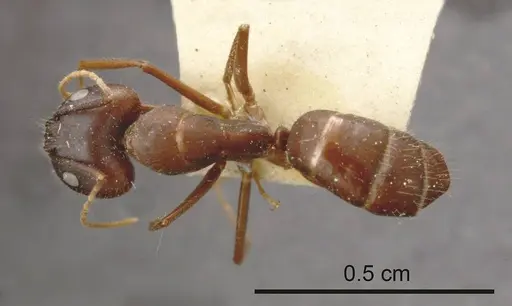
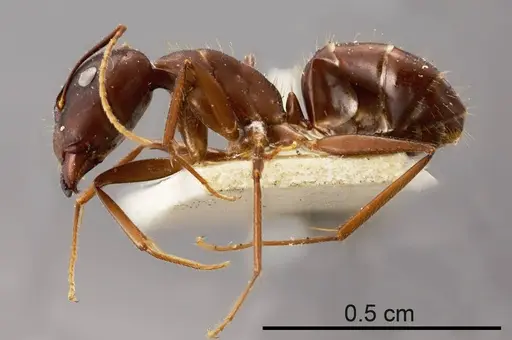
ANTWEB1008620
View on AntWeb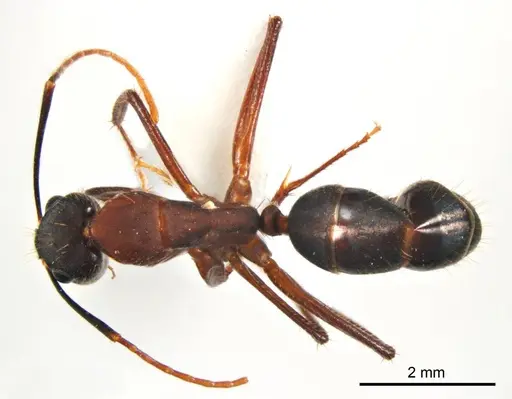
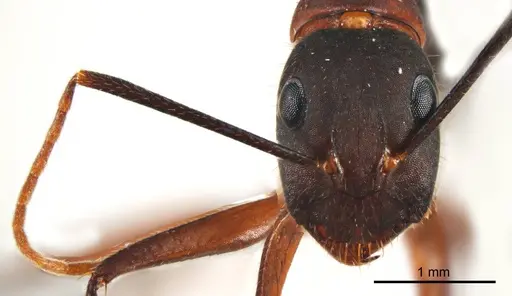
CASENT0172159
View on AntWeb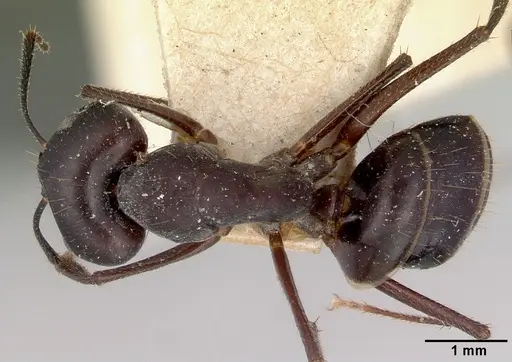
CASENT0280221
View on AntWeb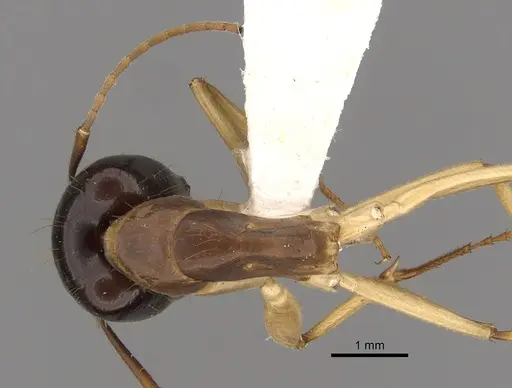
CASENT0280222
View on AntWeb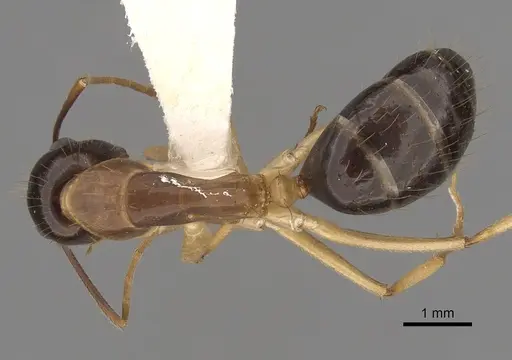
CASENT0887738
View on AntWeb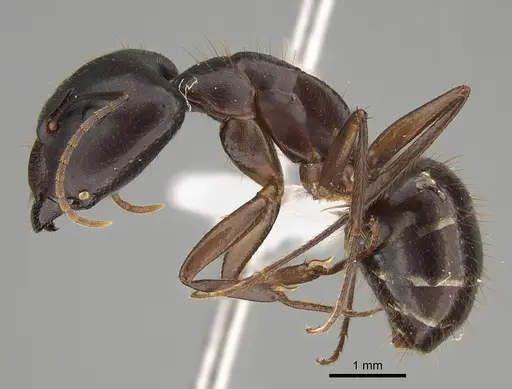
CASENT0905315
View on AntWeb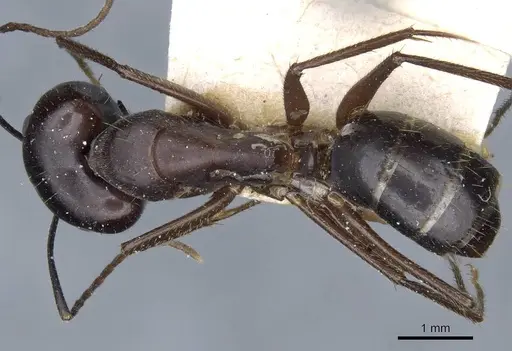
CASENT0905316
View on AntWeb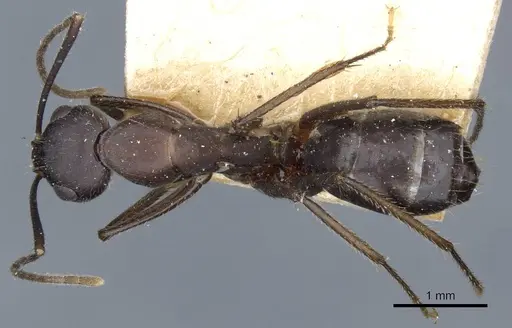
CASENT0910096
View on AntWeb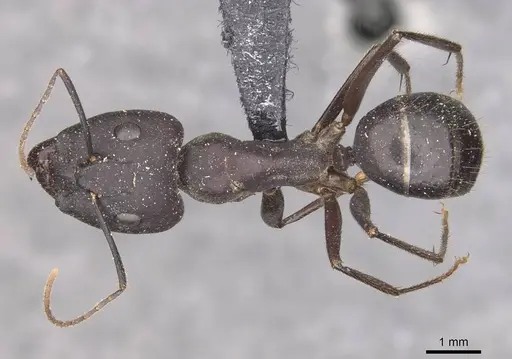
CASENT0910097
View on AntWeb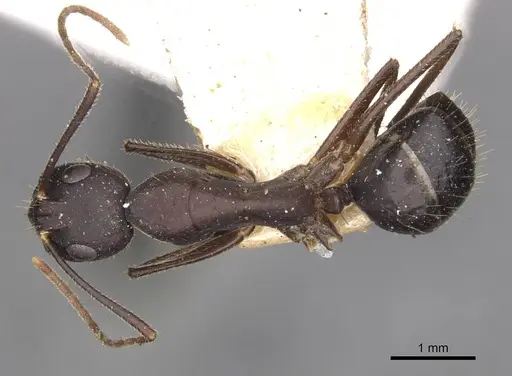
CASENT0910393
View on AntWeb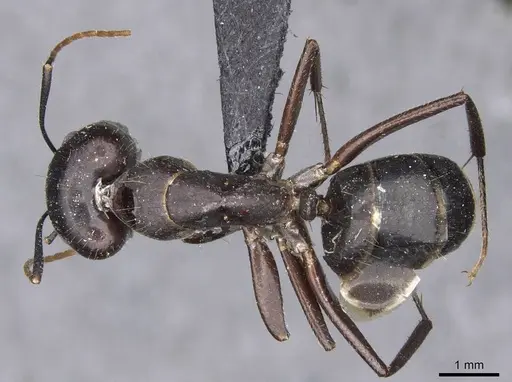
CASENT0910394
View on AntWeb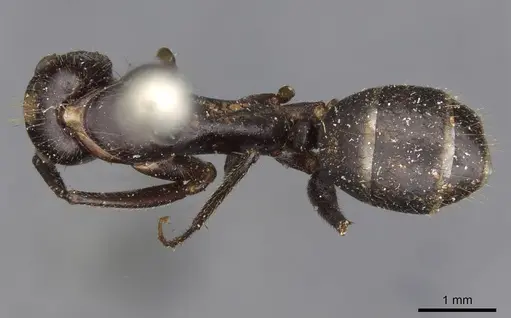
Literature
Loading distribution map...Loading products...