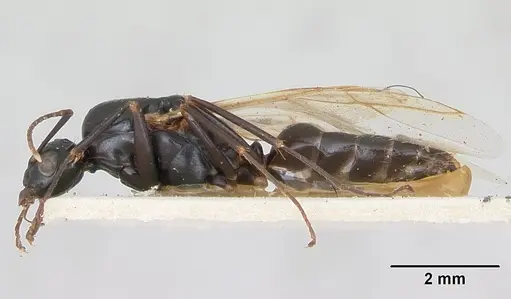
Camponotus fallax exhibits a clear seasonal flight window. Peak flight activity is concentrated in May, with the overall period spanning April to June.
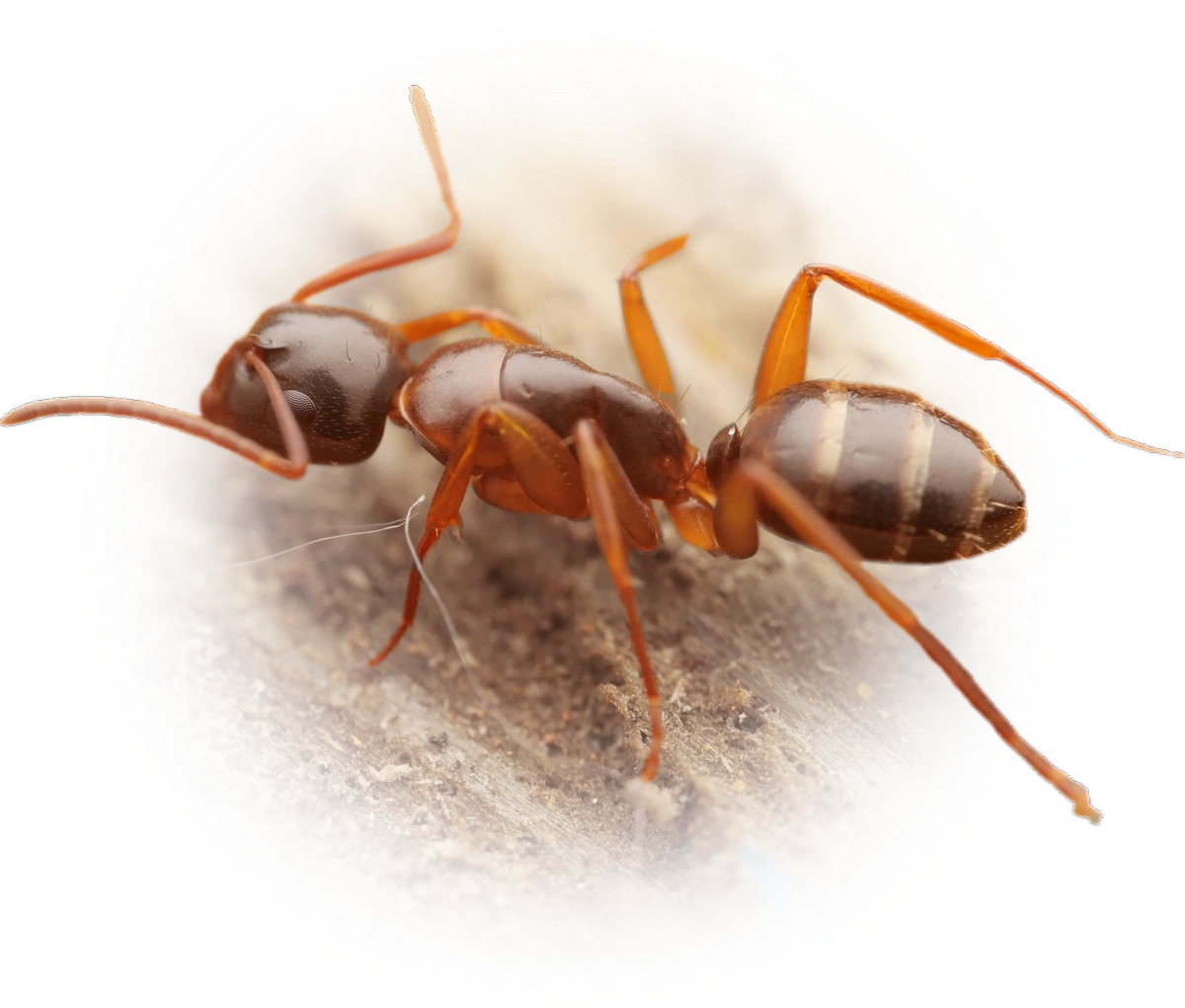
Camponotus fallax
- Sci. Name
- Camponotus fallax
- Subgenus
- Myrmentoma
- Tribe
- Camponotini
- Subfamily
- Formicinae
- Author
- Nylander, 1856
- Distribution
- Found in 15 countries
- Nuptial Flight
- From April to June
- Peak flight Time
- 16:00
AI Identifiable
try →
Introduction
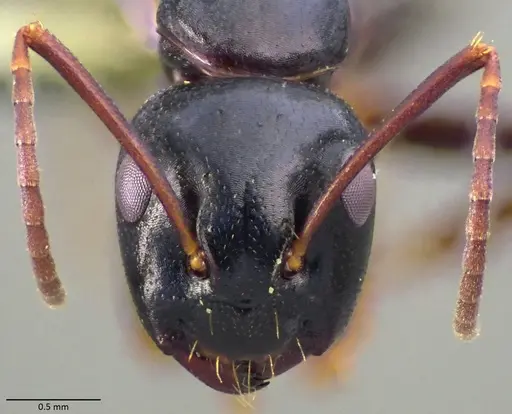
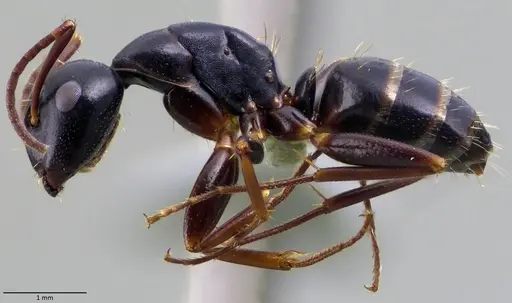
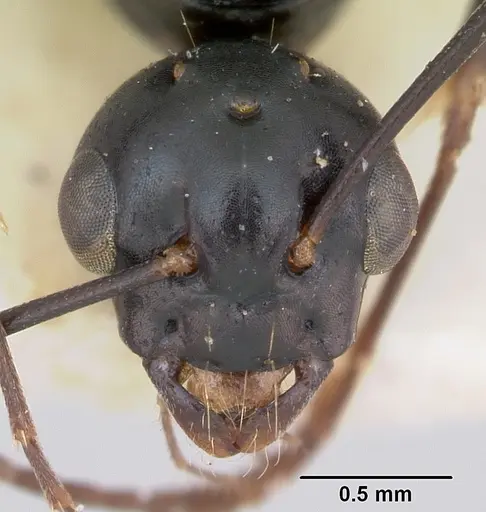
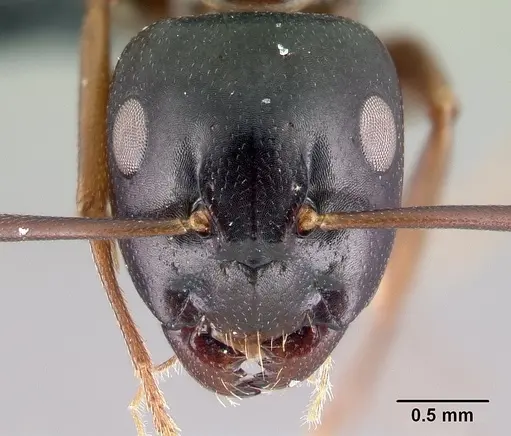
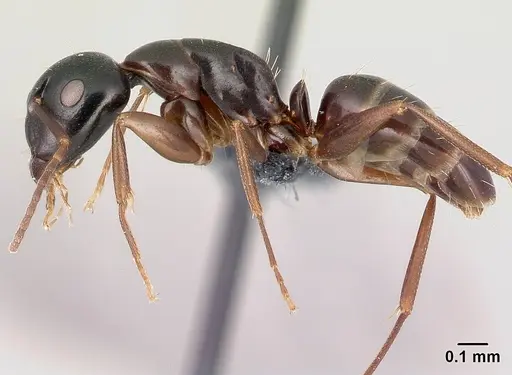
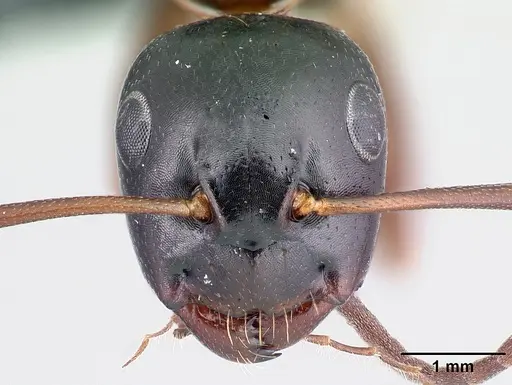
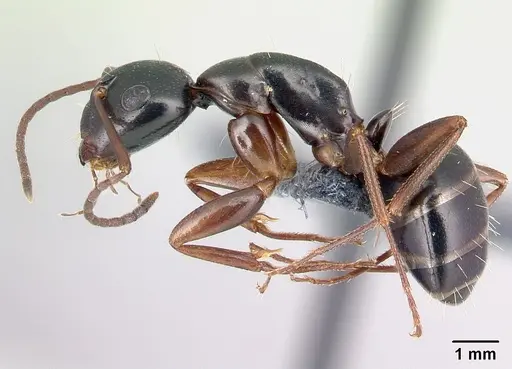
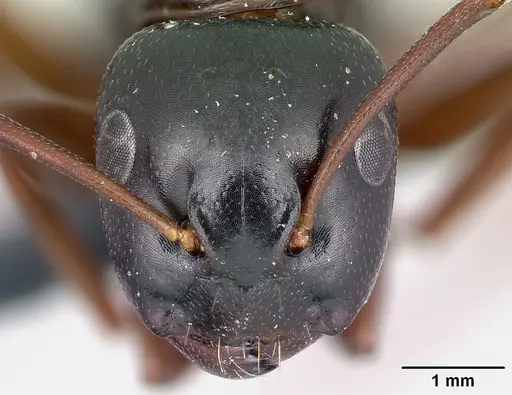
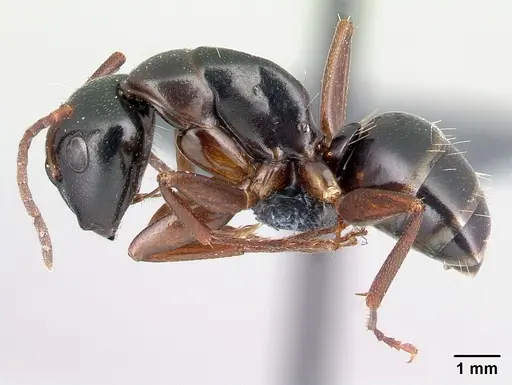
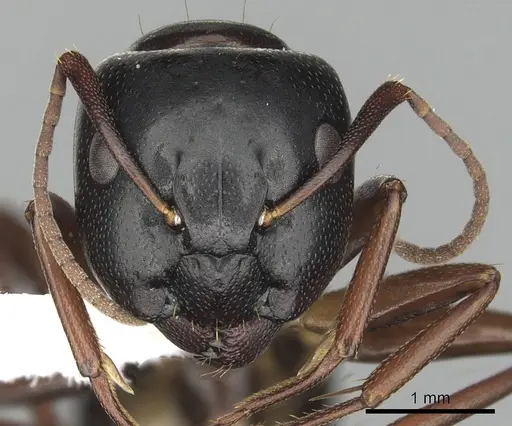
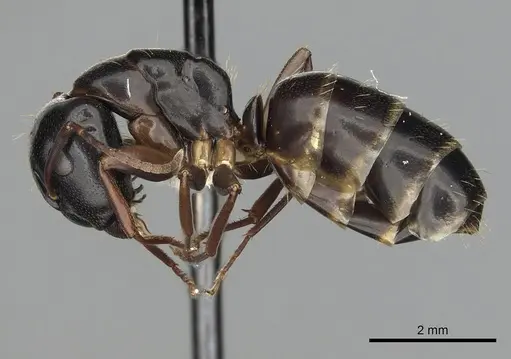
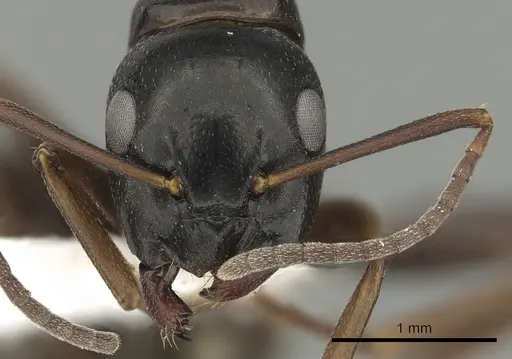
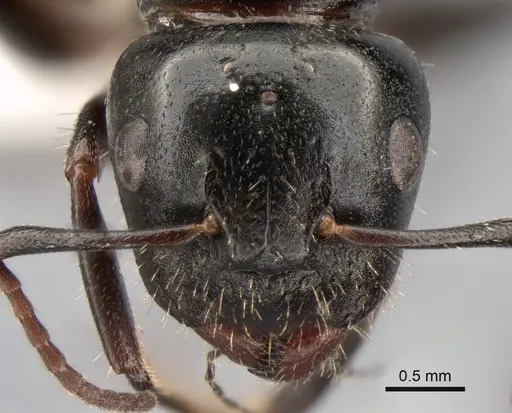
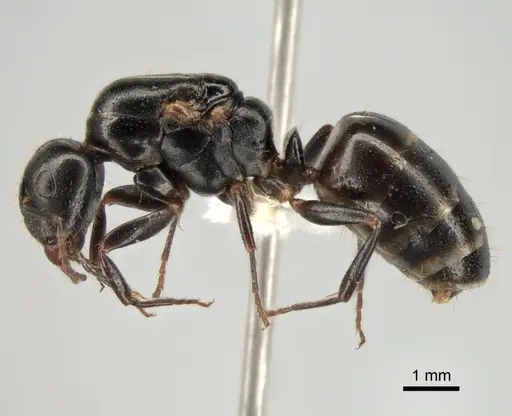
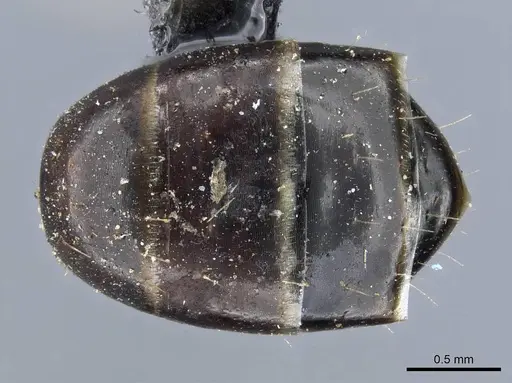
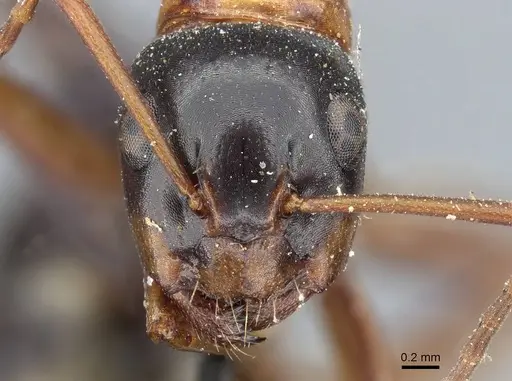
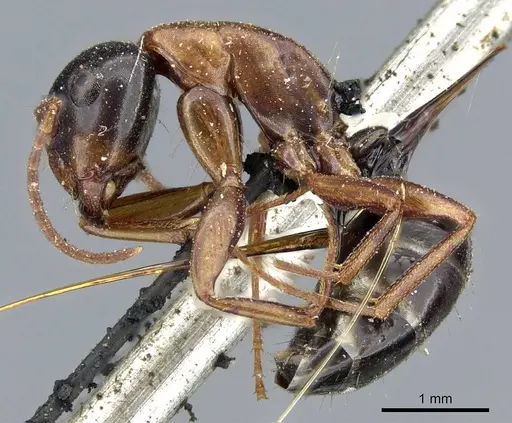
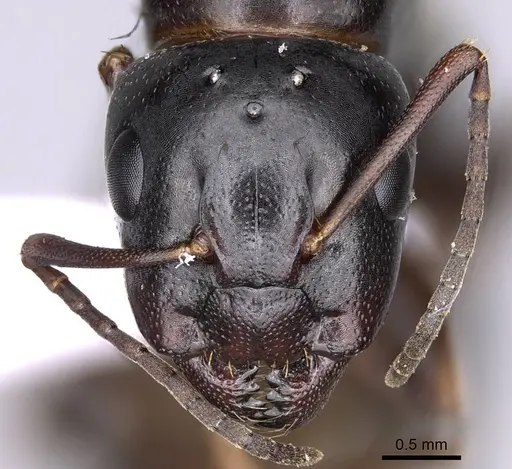
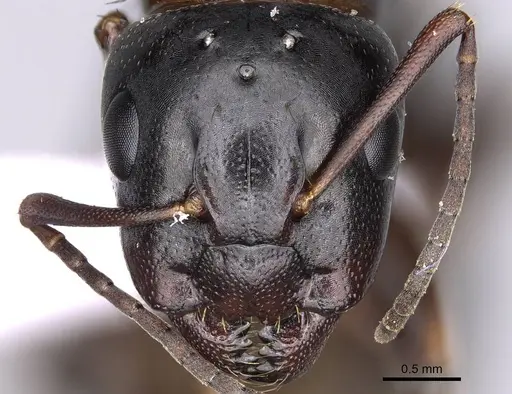
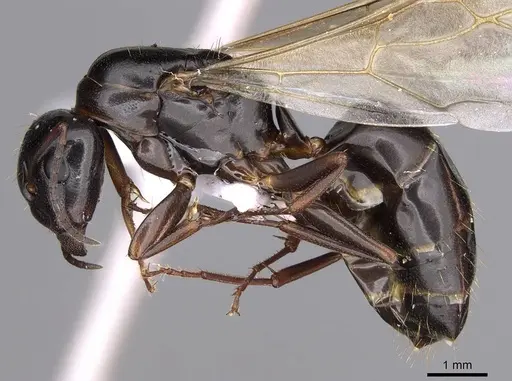
Camponotus fallax is a medium-sized carpenter ant native to Europe and parts of Asia. Workers are 4-9 mm in body length , and the species is polymorphic, with both minor and major workers in the same colony . Coloration varies from black in northern populations to reddish-brown in southern ones . They are arboreal, nesting in dead wood, hollow branches, and sometimes wooden structures . Colonies are small, typically with fewer than 100 workers . This species is notable for its nocturnal foraging behavior and shy temperament, making it a subordinate species in ant communities .
Quick Summary
- Difficulty: Medium
- Origin & Habitat: Native to central and southern Europe, from Portugal east to Ukraine and from southern Sweden to Morocco. They inhabit light, warm deciduous forests, old parks, and orchards. In the wild they nest in dead branches and trunks of trees, particularly oaks, or in wooden structures [4][3].
- Colony Type: Monogyne, single queen colonies [7].
- Size & Growth:
- Queen: 8-10 mm [2]
- Worker: 4-9 mm [1][2]
- Colony: Up to 500 workers, typically under 100 [2][5]
- Growth: Moderate
- Development: Estimated 6-8 weeks at optimal temperature based on Camponotus genus patterns (Development time is typical for Camponotus species, queens are claustral and seal themselves in to raise the first brood alone)
- Antkeeping:
- Temperature: Keep at 20-24°C. They are thermophilic and need warm, stable temperatures for brood development [3]. A heating cable on one side of the nest creates a gentle gradient.
- Humidity: Keep substrate consistently moist but not waterlogged, as they inhabit dead wood in the wild [3]. Provide a water tube for drinking.
- Diapause: Yes, they require a winter rest period of 2-3 months at 5-10°C, based on nuptial flights in May-June [5][4].
- Nesting: Arboreal setup works best with wood or cork inserts to mimic natural nesting in dead branches [3].
- Behavior: Workers are shy, non-aggressive, and nocturnal, foraging mainly at night [5][6]. They are subordinate in ant communities and avoid conflict. Escape risk is moderate due to climbing ability, so standard barriers are sufficient.
- Common Issues: small colony size means slow growth, don't expect rapid population explosion, nocturnal foraging means limited activity during the day, they are sensitive to disturbance, shaking the nest can cause stress, wild-caught colonies may be difficult to establish and may have parasites, this species is protected in some areas like Poland and Germany, check local laws before collecting queens [1][8]
Nuptial Flight Activity Analysis 208 observations
Flight Activity by Hour 208 observations
Camponotus fallax nuptial flight activity peaks around 16:00 during the afternoon. Activity is spread across a 13-hour window (10:00–22:00). A secondary activity peak occurs around 13:00. Times may be influenced by human observation patterns.
Housing and Nest Setup
Camponotus fallax is an arboreal species that naturally nests in dead wood, hollow branches, and tree cavities [3]. In captivity, use a Y-tong nest with wood or cork inserts to mimic tree hollows [3]. The outworld should include climbing structures like branches or cork bark since they forage on tree trunks [4]. Test tubes work for founding colonies, but transfer to a proper nest with wood material as the colony grows.
Feeding and Diet
Workers are opportunistic feeders that hunt small arthropods and collect honeydew from aphids [8][6]. In captivity, offer protein sources like fruit flies or mealworms 2-3 times per week and a constant sugar source like honey water [6]. Remove uneaten prey after 24 hours to prevent mold.
Temperature and Seasonal Care
They require warm conditions around 20-24°C and are thermophilic [3]. Use a heating cable to create a temperature gradient. During winter, provide a diapause at 5-10°C for 2-3 months, reducing feeding [5][4].
Behavior and Colony Dynamics
Colonies are small and slow-growing, with typically fewer than 100 workers [2][5]. Workers are nocturnal and shy, foraging at night and avoiding conflict [5][6]. The colony is monogyne with a single queen [7].
Finding and Establishing a Colony
In the wild, they are difficult to find due to arboreal nesting and nocturnal behavior [5]. Look for dealate queens after nuptial flights in May-June [1][9]. Wild colonies may carry parasites, so purchasing from a breeder is recommended. When collecting a queen, provide a dark, quiet founding chamber.
Frequently Asked Questions
How long does it take for Camponotus fallax to raise first workers?
First workers typically appear in 6-8 weeks after the queen lays eggs, assuming optimal temperature around 22-24°C.
Are Camponotus fallax good for beginners?
They are considered intermediate difficulty due to specific needs like warm temperatures, winter diapause, and arboreal housing [3][5].
How big do Camponotus fallax colonies get?
Colonies reach up to 500 workers but typically have under 100 [2][5].
What do I feed Camponotus fallax?
Offer protein like fruit flies 2-3 times per week and constant sugar sources like honey water [6][8].
Do Camponotus fallax need hibernation?
Yes, they require a winter diapause of 2-3 months at 5-10°C [5][4].
When do Camponotus fallax have nuptial flights?
Can I keep Camponotus fallax in a test tube?
Test tubes work for founding colonies, but they need a proper nest with wood material as they grow [3].
Why are my Camponotus fallax not active during the day?
They are nocturnal and forage mainly at night, which is normal behavior [5][10].
Are Camponotus fallax aggressive?
No, they are shy and subordinate, avoiding conflict with other ants [6][7].
When is the nuptial flight of Camponotus fallax?
The nuptial flight of Camponotus fallax typically occurs From April to June.
What time of day does Camponotus fallax fly?
The nuptial flight of Camponotus fallax peaks around 16:00 during the afternoon, with most activity between 10:00 and 22:00. Times may be influenced by human observation patterns.
Report an Issue
The current care sheet is based fully on literature. See inconsistencies, or something that's incorrect? Please , it will be resolved after review from an admin. Contributing to the blogs tab also helps providing information, to make us be able to further improve the caresheets. Thank you for your support!
References

This caresheet is licensed under CC BY-SA 4.0 .
Community Blogs
ANTWEB1041833
View on AntWeb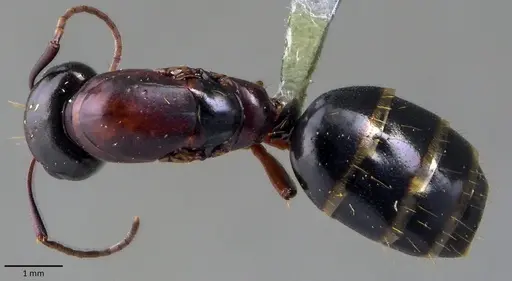
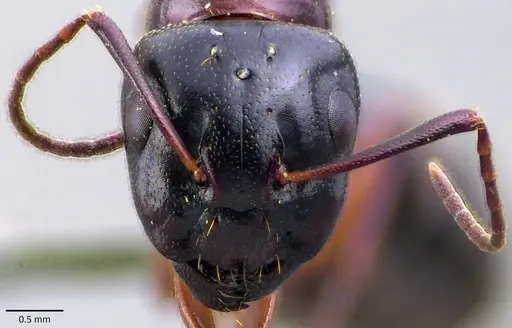
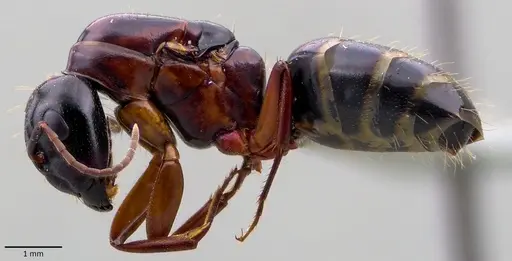
ANTWEB1060054
View on AntWeb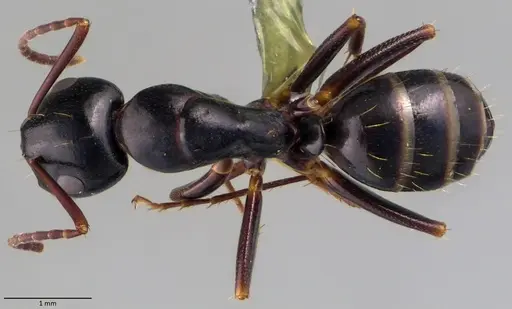
CASENT0103341
View on AntWeb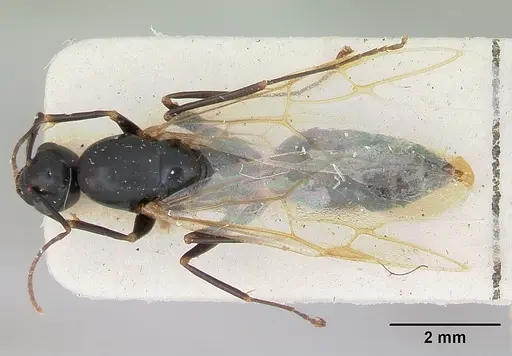
CASENT0179607
View on AntWeb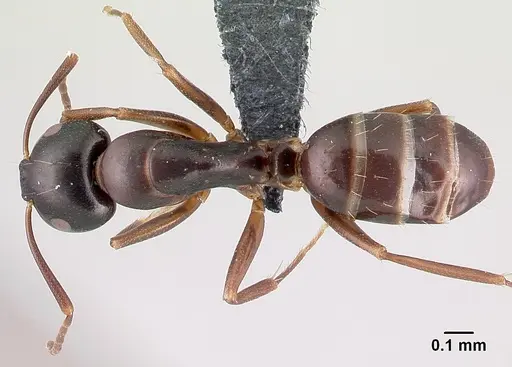
CASENT0179935
View on AntWeb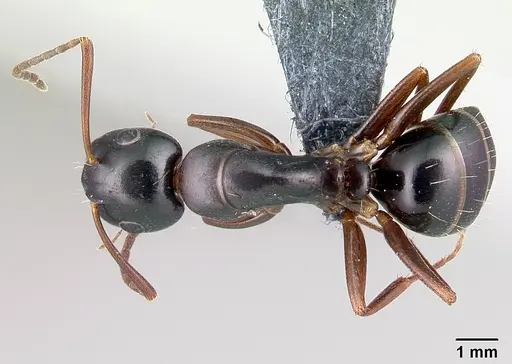
CASENT0179936
View on AntWeb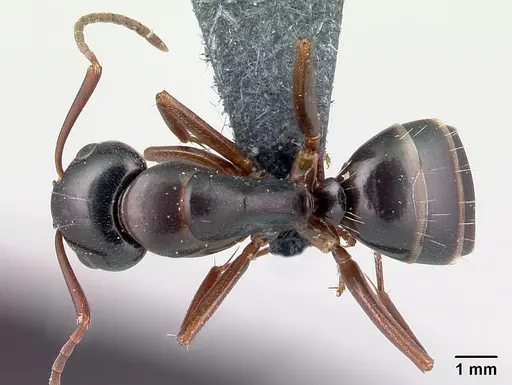
CASENT0249975
View on AntWeb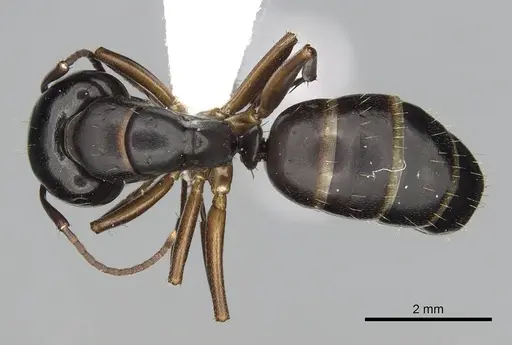
CASENT0249976
View on AntWeb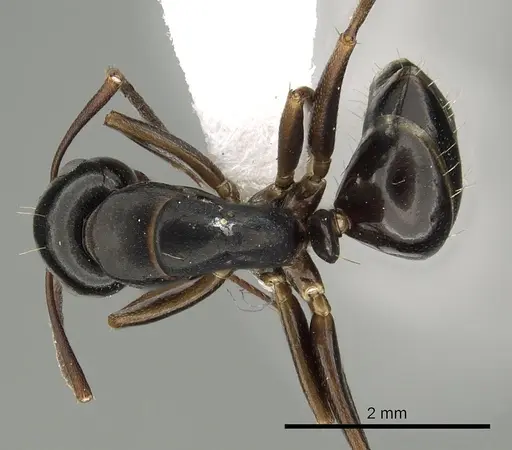
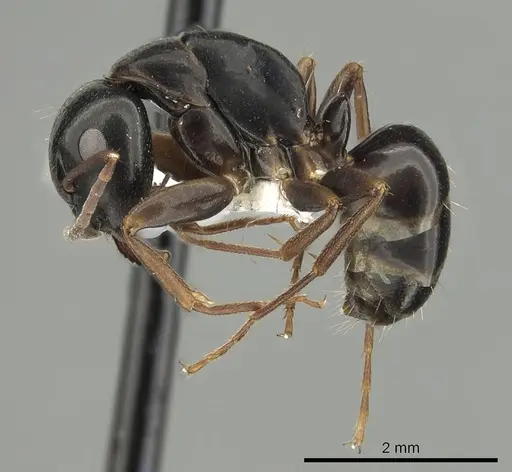
CASENT0882004
View on AntWeb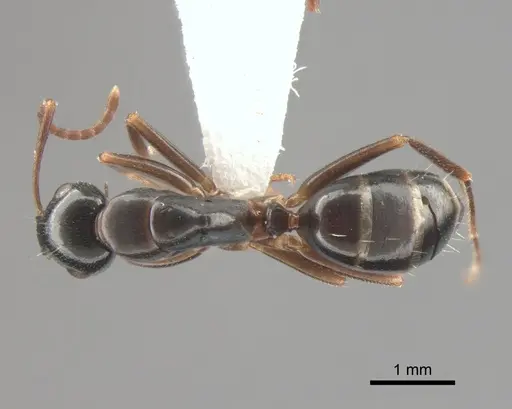
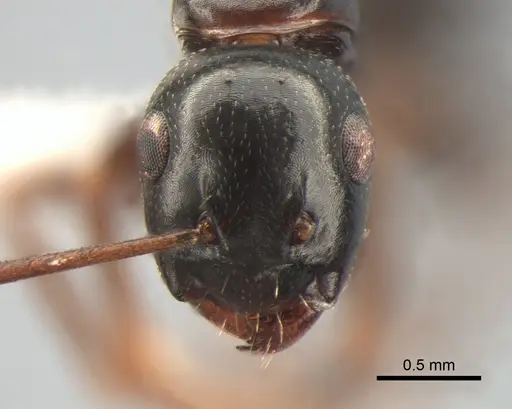
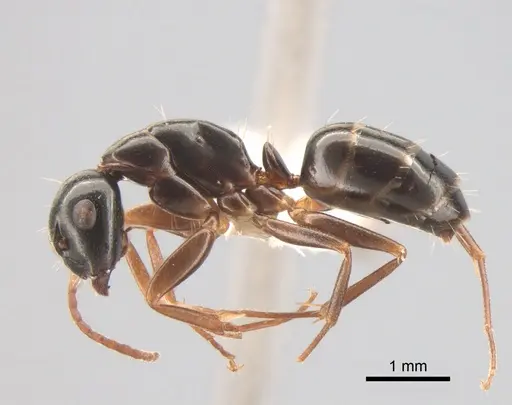
CASENT0882033
View on AntWeb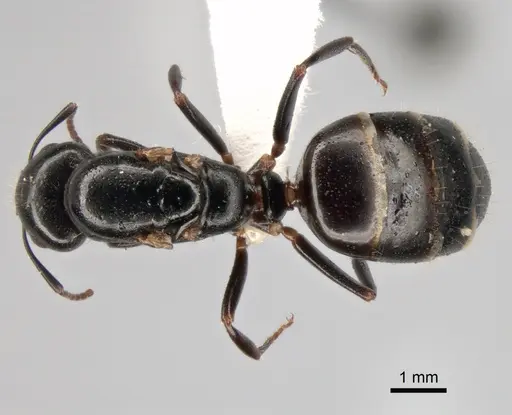
CASENT0905398
View on AntWeb
CASENT0914261
View on AntWeb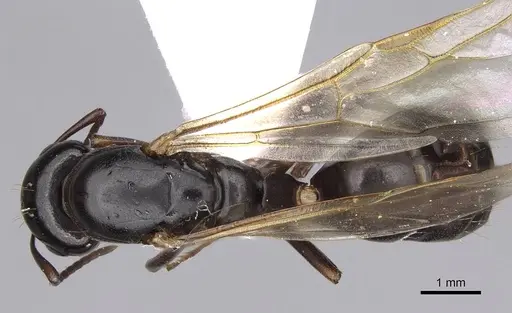
Literature
Loading distribution map...Loading products...