
Essig's Carpenter Ant
Camponotus essigi
- Sci. Name
- Camponotus essigi
- Subgenus
- Myrmentoma
- Tribe
- Camponotini
- Subfamily
- Formicinae
- Author
- Smith, 1923
- Common Name
- Essig's Carpenter Ant
- Distribution
- Found in 2 countries
Introduction
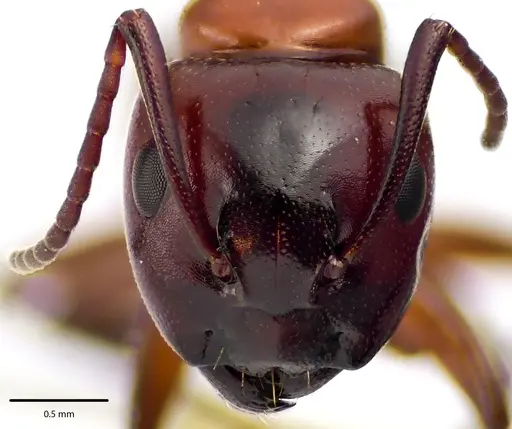
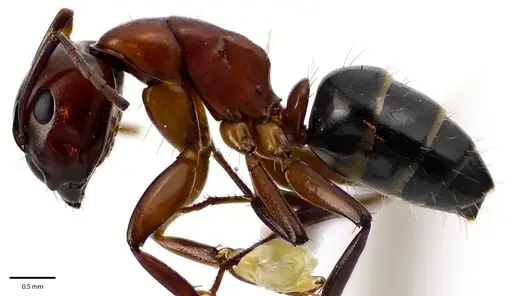
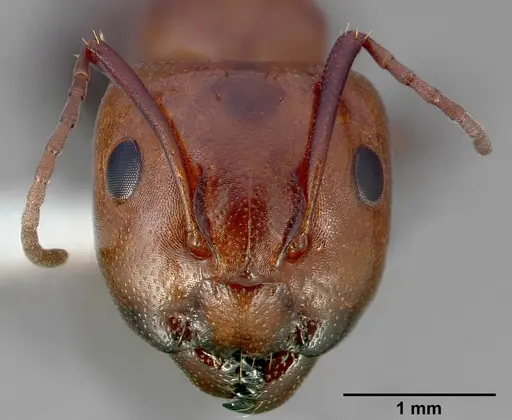
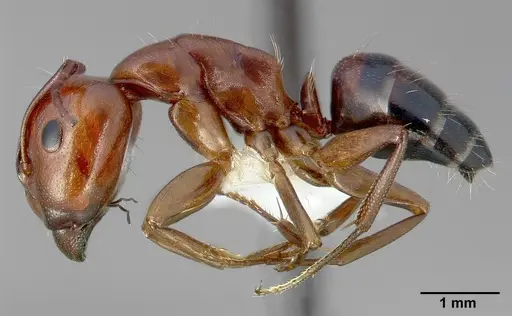
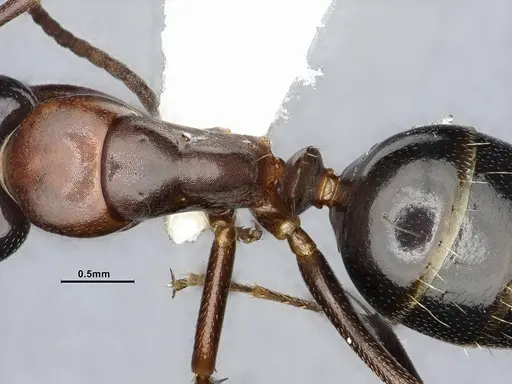
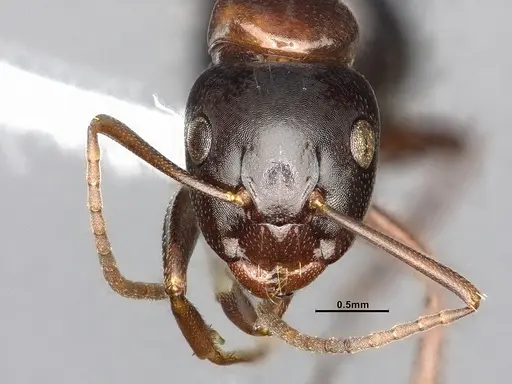
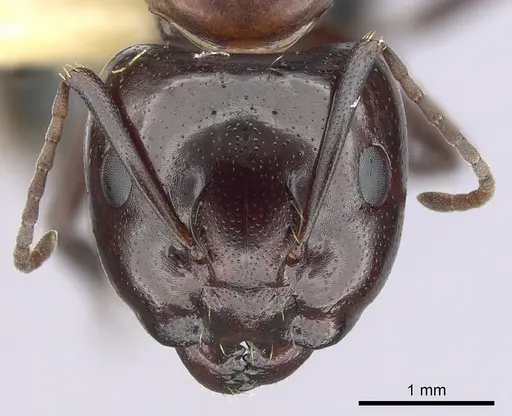
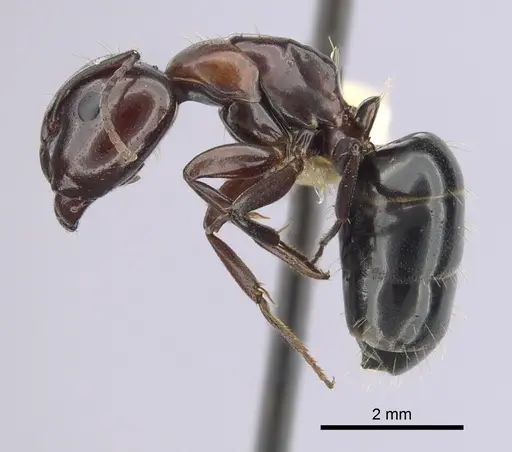
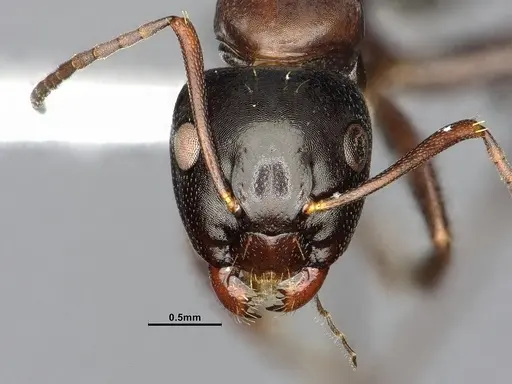
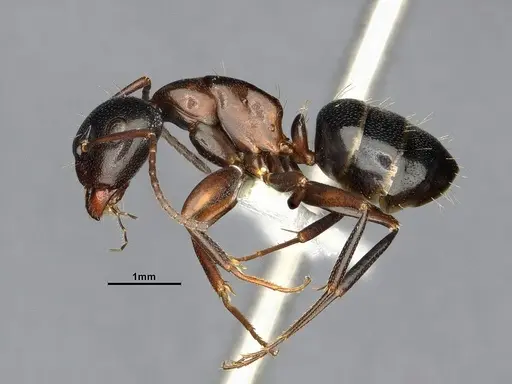
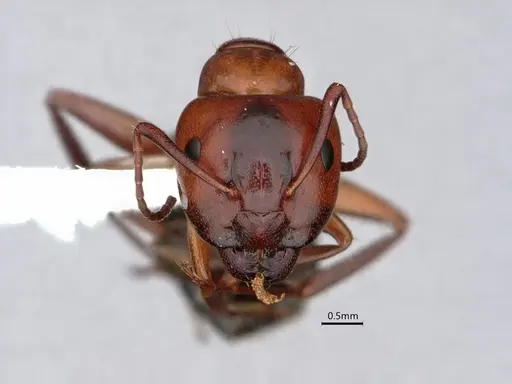
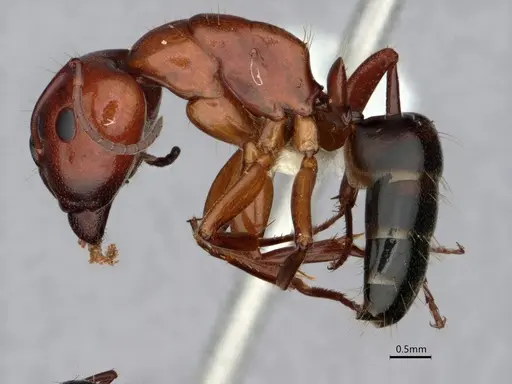
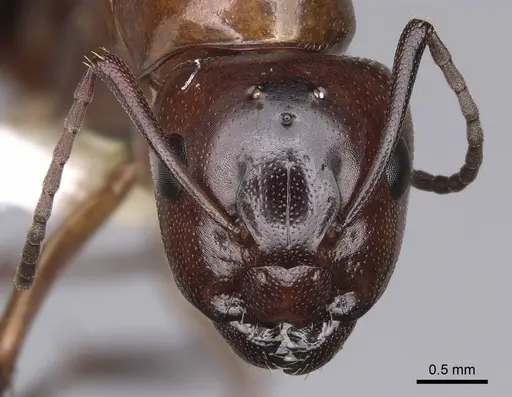
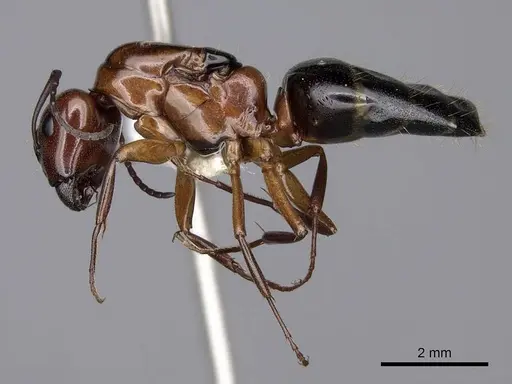
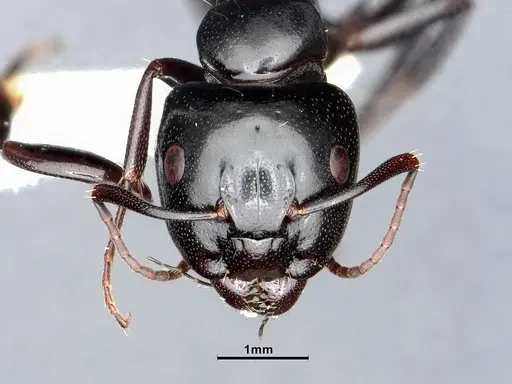
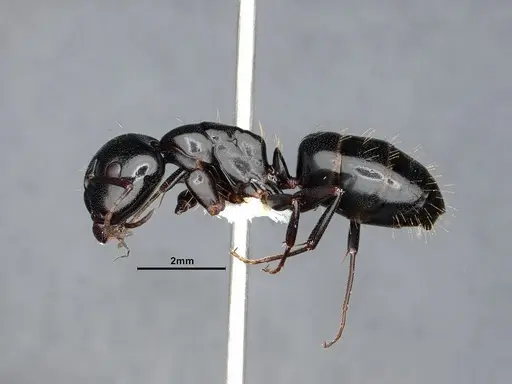
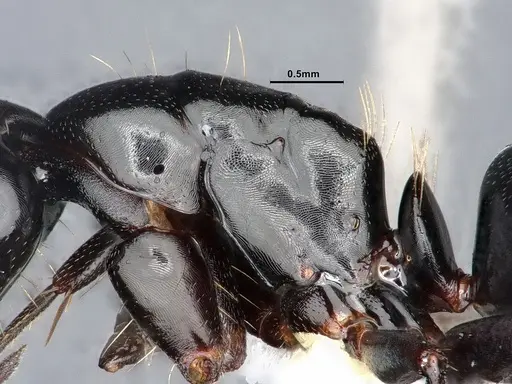
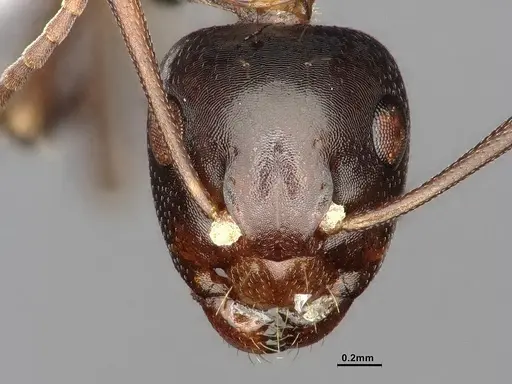
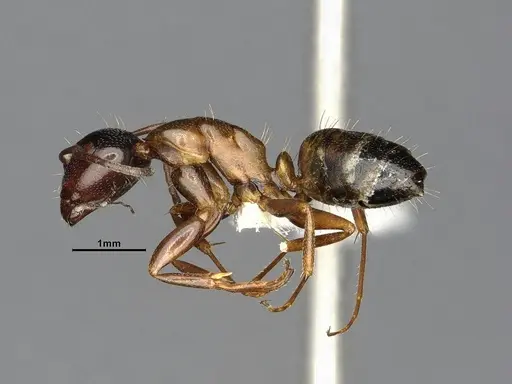
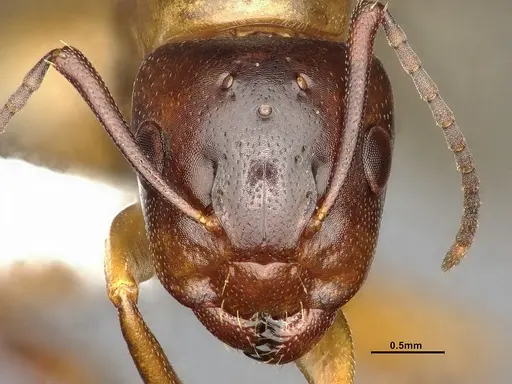
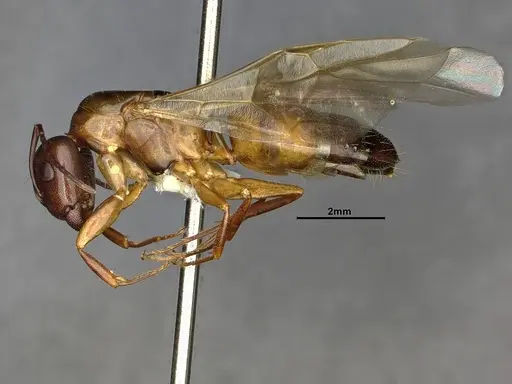
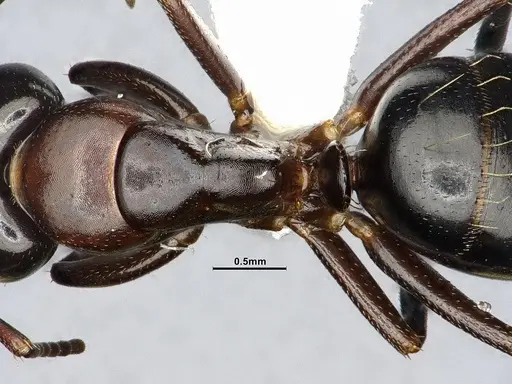
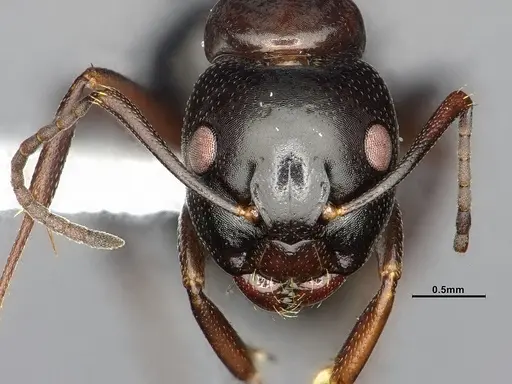
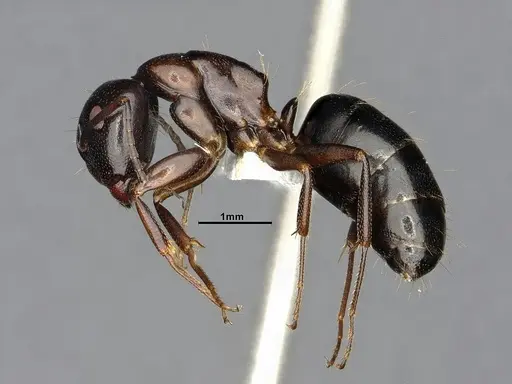
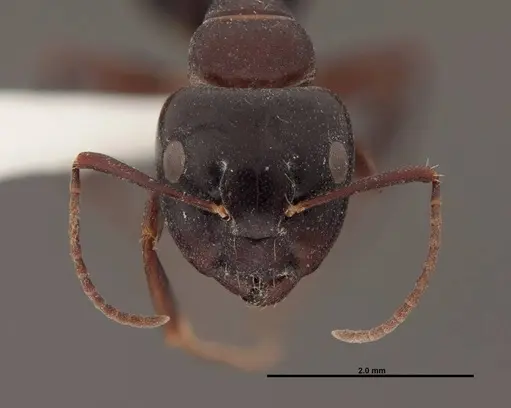
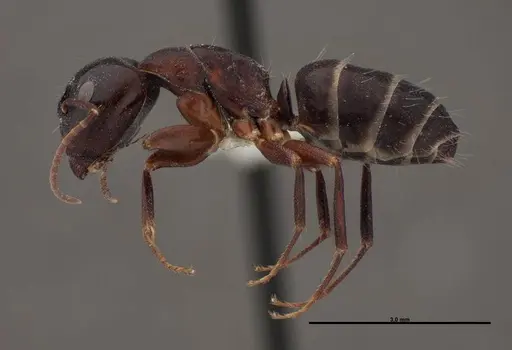
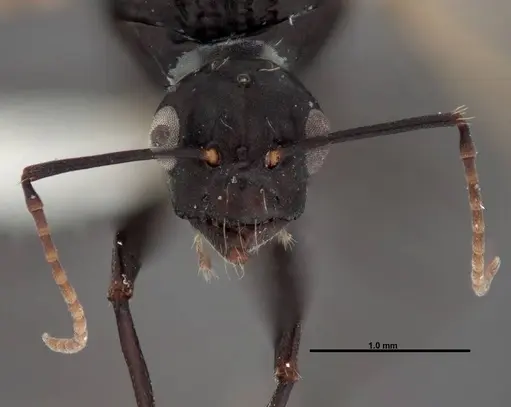
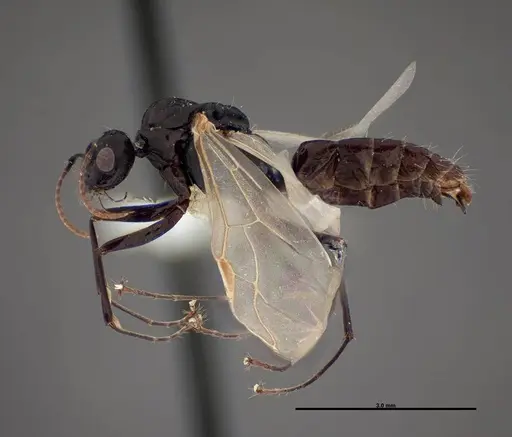
Camponotus essigi is a carpenter ant native to western North America, from Washington and Idaho south through California to northern Baja California, Mexico . It lives in chaparral, oak woodlands, and pine-fir forests, nesting above ground in dead branches, hollow twigs, and galls on oaks, pines, cottonwoods, and manzanita . Color varies a lot: populations from the north or high elevations are mostly black, while southern California ones are yellowish-red with dark abdominal tips . This species was once called Camponotus nevadensis or Camponotus pertusus before being recognized as C. essigi . Workers are moderate-sized, roughly 4-10 mm (inferred from the Camponotus genus), and colonies can reach a few hundred workers .
Quick Summary
- Difficulty: Easy
- Origin & Habitat: Western North America, from Washington/Idaho to Baja California, Mexico [1][2]. Found in chaparral, oak woodlands, and pine-fir forests, nesting arboreally in dead branches, twigs, and tree galls, especially on oaks [3].
- Colony Type: Probably monogyne (single queen) based on typical Camponotus patterns, but this hasn't been confirmed for C. essigi. Founding is likely claustral, the queen seals herself in a chamber and raises the first workers on stored reserves without foraging.
- Size & Growth:
- Queen: Estimated 9‑12 mm (inferred from Camponotus genus). No direct measurements available.
- Worker: Roughly 4‑10 mm (inferred from Camponotus genus). No direct measurements available.
- Colony: Up to about 400 workers [5]
- Growth: Moderate
- Development: No specific data for this species. Based on related Camponotus, expect about 6‑8 weeks at warm temperatures. (Development speeds up with higher temperatures, the queen doesn't leave the founding chamber until the first workers appear.)
- Antkeeping:
- Temperature: No precise data. Based on its temperate range and arboreal habits, keep at room temperature (20‑26 °C). A gradient is fine, let the ants choose.
- Humidity: Keep the nest area moderately dry with good ventilation. Provide a water source (e.g., test tube with cotton) but avoid soaking the substrate. They naturally nest in dry dead wood.
- Diapause: Likely yes. The species lives in a temperate climate with cold winters, so a hibernation period is advisable. Reduce temperature to 5‑10 °C for 3‑4 months (typically November‑February).
- Nesting: Use an arboreal-style setup, Y‑tong (AAC), cork, or wooden nests with narrow chambers. Add vertical climbing surfaces like branches. No soil needed.
- Behavior: Calm and non‑aggressive for a carpenter ant. Workers forage mostly at dusk and night but may be active during the day. If threatened, they bite and spray formic acid (no sting). Escape risk is moderate, use standard barriers, they aren't tiny escape artists but can climb smooth surfaces.
- Common Issues: skipping hibernation can weaken the colony and shorten its lifespan, over‑moist conditions cause mold and stress, keep the nest well ventilated, wild‑caught colonies may carry parasites or diseases, during founding, the queen needs peace, check her rarely to avoid her abandoning the brood
Housing and Nest Setup
Since Camponotus essigi is arboreal, build your setup with vertical climbing space. Good options include Y‑tong (AAC) formicaria, cork nests, or wooden nests. A simple test tube with a cotton water plug works for the first few months, then add an outworld with branches and cork bark [3]. Keep the nest chambers dry, avoid damp substrate. Outworld walls need a fluon or oil barrier because workers can climb smooth surfaces. A water test tube in the outworld gives them a drinking spot.
Feeding and Diet
They are omnivorous. Offer a constant sugar source (sugar water, honey) and provide protein 2-3 times per week, small insects like fruit flies, small crickets, or mealworms work well. In the wild, they have been seen tending Lepidoptera larvae on buckwheat (Eriogonum kearneyi), so they naturally take soft, slow prey [3]. Remove uneaten food after 24-48 hours to prevent mold. They are not aggressive hunters, so offer immobile or small prey items.
Temperature and Seasonal Care
Keep the colony at room temperature (20-26 °C). A gentle gradient helps workers pick their comfort zone. Being a temperate species, Camponotus essigi needs a winter diapause, reduce temperatures to 5-10 °C for about 3-4 months (November-February in the Northern Hemisphere). During this period don't feed them, make sure they have some water (e.g., a moist cotton plug). Skipping hibernation may cause stress and shorten colony lifespan. [3][4]
Behavior and Observation
These ants are calm and easy to watch. They are mostly crepuscular/nocturnal but will forage during the day if food is available. Major workers are noticeably larger than minors and tend to stay near the nest guarding, while minors do most of the foraging and brood care [3]. They communicate with pheromone trails, you'll see them follow set paths. If the nest is disturbed, majors bite and spray formic acid into the wound, this isn't dangerous to humans but can irritate sensitive skin. Because they are arboreal, add tall structures in the outworld so they can climb and explore.
Pest Status and Where to Find Them
Camponotus essigi is considered a minor structural pest in parts of its range, like Utah, where it nests in wooden structures [6][5]. It can also nest in firewood, decaying stumps, and even inside houses [3]. In the wild, look for them in dead oak branches, cynipid galls, or under bark. They are common in chaparral and forested areas up to about 2,400 m elevation [3].
Frequently Asked Questions
How long does it take for Camponotus essigi to raise first workers?
No exact data exists for this species. Based on similar Camponotus, the first nanitics appear about 6-8 weeks after the queen lays eggs, if kept at 24-26 °C. Cooler temperatures slow development.
Can I keep multiple Camponotus essigi queens together?
This species is suspected to be monogyne (single queen), but it hasn't been confirmed. Combining unrelated queens is not recommended, they will likely fight. Each colony should have just one queen.
Do Camponotus essigi need hibernation?
Yes. They come from a temperate region with cold winters, so a winter diapause is important for long‑term health. Keep them at 5-10 °C for 3-4 months (November-February). Don't feed during this period.
What do Camponotus essigi eat?
They are omnivorous. Provide constant sugar water or honey, and offer protein (small insects like fruit flies, crickets, mealworms) 2-3 times per week. They also accept soft fruit or other sweet items.
Are Camponotus essigi good for beginners?
Yes. They are calm, not aggressive, and tolerate room temperature well. Their care is straightforward, just remember they need hibernation and a dry, vertical nesting setup. A good choice for someone new to arboreal species.
When should I move Camponotus essigi to a formicarium?
Keep them in a test tube setup for the first few months. Once the colony has 30-50 workers and you notice them exploring an outworld, you can move them to a small Y‑tong or cork nest. They don't need a large formicarium until the colony grows significantly.
How big do Camponotus essigi colonies get?
Colonies usually reach about 300-400 workers at maturity [5]. That's smaller than many other Camponotus species, so they fit nicely in a medium‑sized formicarium.
Why is my Camponotus essigi colony dying?
Common reasons: skipping winter hibernation, keeping the nest too wet, disturbing the queen during founding, or parasites from wild‑caught colonies. Check temperature, humidity, and give them a quiet spot. If you bought the colony, ask the seller about its history.
Report an Issue
The current care sheet is based fully on literature. See inconsistencies, or something that's incorrect? Please , it will be resolved after review from an admin. Contributing to the blogs tab also helps providing information, to make us be able to further improve the caresheets. Thank you for your support!
References

This caresheet is licensed under CC BY-SA 4.0 .
Community Blogs
ANTWEB1041672
View on AntWeb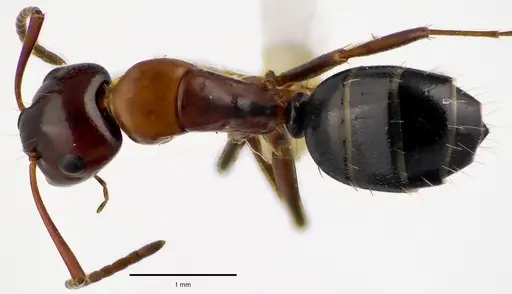
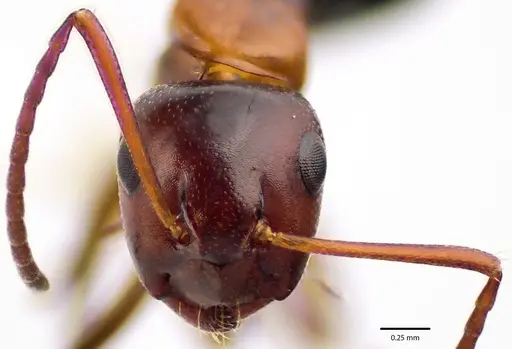
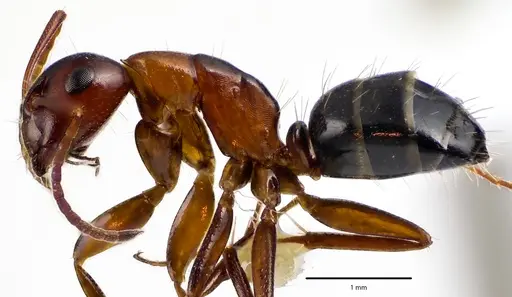
ANTWEB1041676
View on AntWeb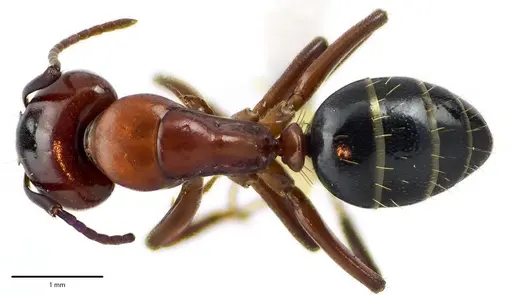
CASENT0005343
View on AntWeb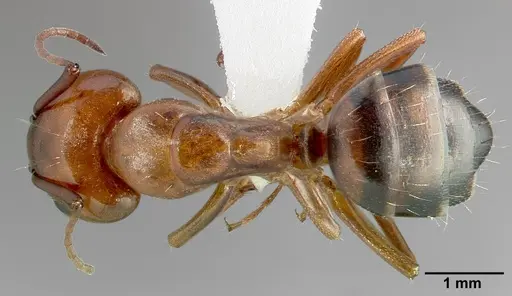
CASENT0106509
View on AntWeb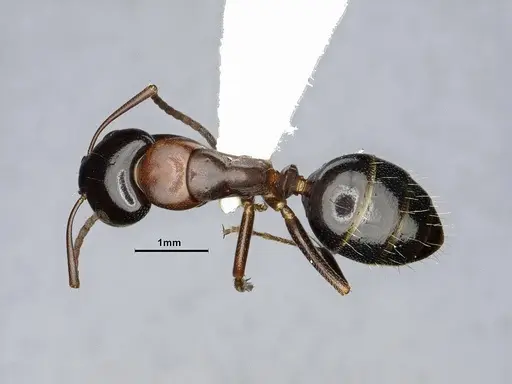
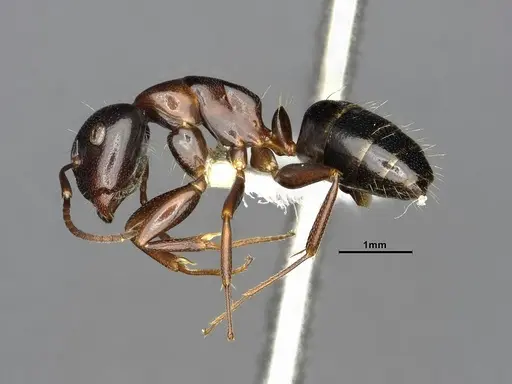
CASENT0249372
View on AntWeb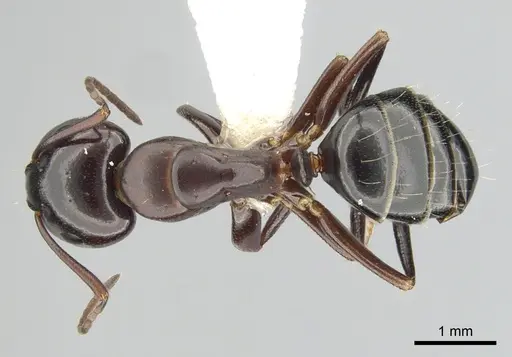
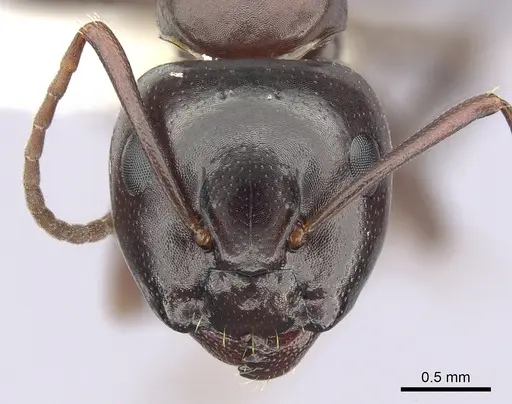
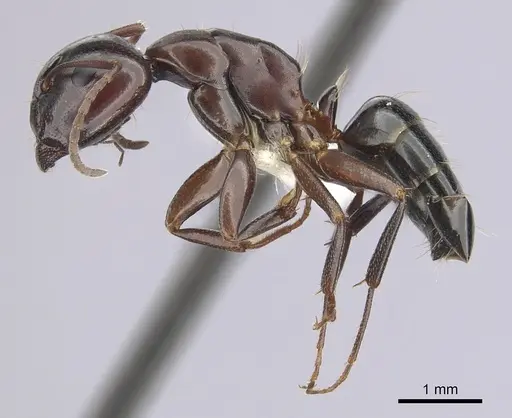
CASENT0249373
View on AntWeb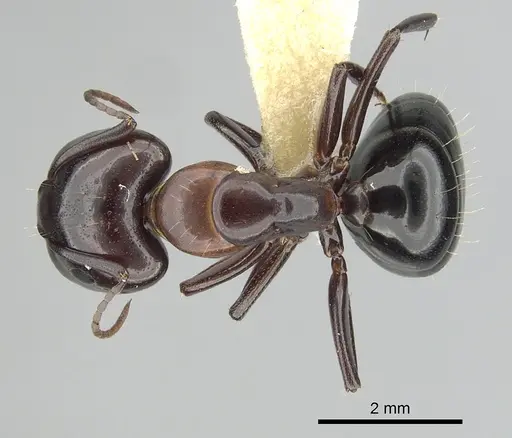
CASENT0644720
View on AntWeb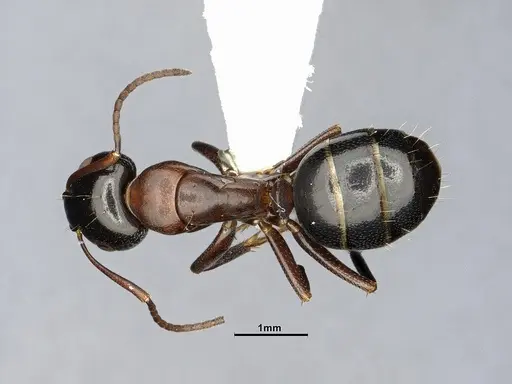
CASENT0842056
View on AntWeb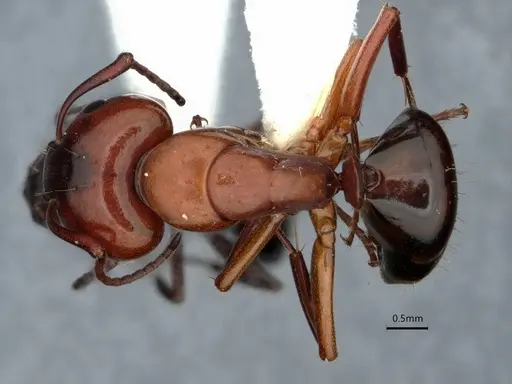
CASENT0843243
View on AntWeb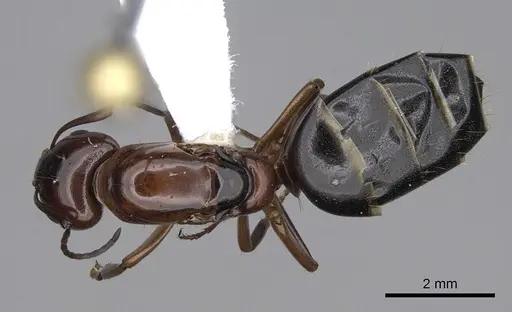
CASENT0862569
View on AntWeb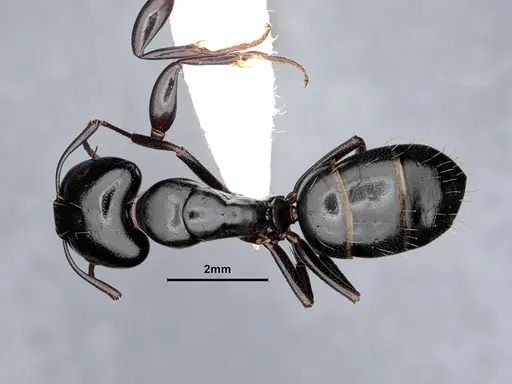
CASENT0882564
View on AntWeb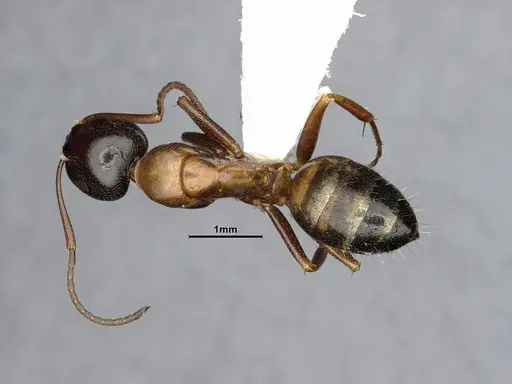
CASENT4031395
View on AntWeb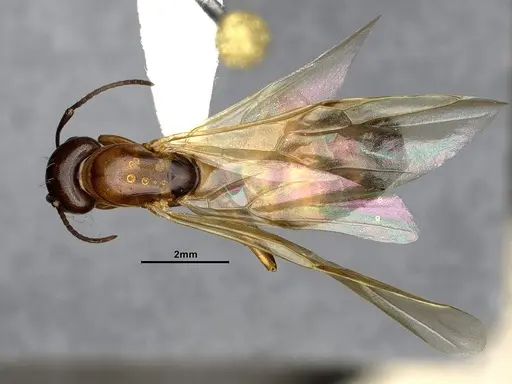
CASENT4031636
View on AntWeb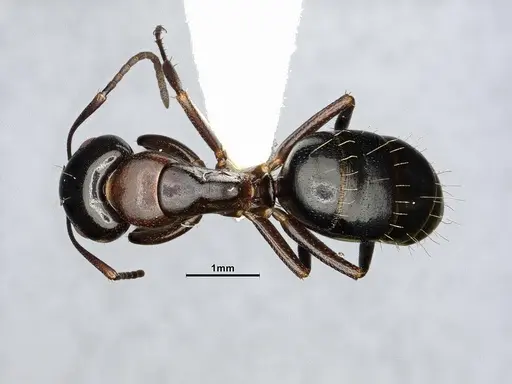
FMNHINS0000062696
View on AntWeb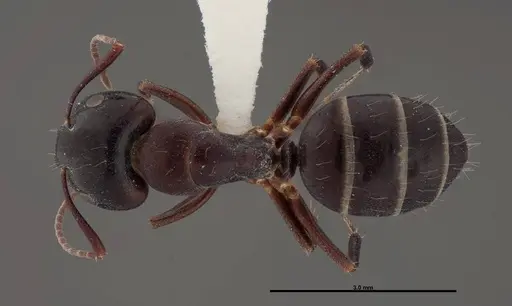
FMNHINS0000083059
View on AntWeb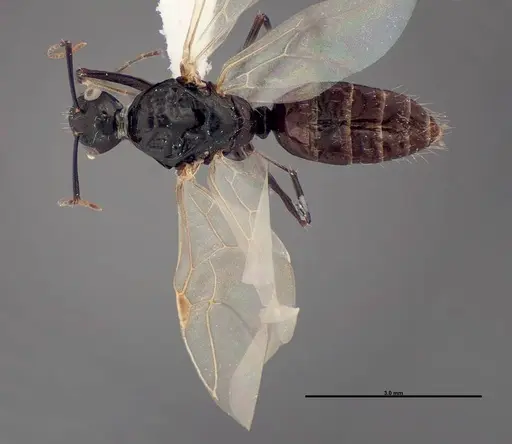
Literature
Loading distribution map...Loading products...